和讯

Search documents
管涛:短期宏观政策加码概率较低,但这不是市场利空
和讯· 2025-08-04 09:35
Core Viewpoint - The recent meeting of the Political Bureau emphasized a more optimistic tone regarding the economic outlook, despite ongoing uncertainties and challenges. The focus is on maintaining macroeconomic policies while enhancing flexibility and foresight to adapt to changing conditions [3][5]. Summary by Sections Economic Performance and Policy Adjustments - The Political Bureau meeting acknowledged the strong performance of major economic indicators in the first half of the year, highlighting the resilience and vitality of the economy. However, it also pointed out the risks and challenges that remain, such as insufficient domestic demand and difficulties faced by some enterprises [2][3]. - The meeting did not call for increased macroeconomic adjustments compared to previous years but stressed the importance of policy continuity and stability, indicating a lower probability of significant policy tightening in the short term [5][6]. Domestic Demand and Consumption - A key focus of the meeting was on accelerating the construction of a long-term mechanism to expand domestic demand. The government aims to effectively release consumption potential and stimulate consumer spending through various initiatives [9][10]. - The meeting highlighted the need to deepen the implementation of consumption promotion actions and to ensure that policies are not merely about increasing liquidity but are part of a systematic approach to economic revitalization [10]. Market Structure and Competition - The meeting emphasized the importance of advancing the construction of a unified national market to optimize market competition and address issues of disorderly competition. This includes legal measures to regulate market behavior and improve the overall market environment [11][12][13]. - The government aims to break down local protectionism and market segmentation, which are seen as barriers to economic circulation and growth [12][13]. Real Estate Sector - The meeting acknowledged the need for a new model of real estate development, focusing on stabilizing the market and promoting urban renewal. The government plans to implement measures that support the real estate sector while ensuring it remains a pillar of the national economy [14][15]. - The emphasis is on a long-term perspective, with a focus on quality and efficiency in urban development rather than merely expanding supply [15][16]. Future Economic Strategy - The meeting outlined three major tasks for the second half of the year: enhancing domestic demand, promoting a unified market, and developing a new real estate model. These tasks are seen as essential for achieving high-quality economic growth [9][14][16]. - The government remains committed to monitoring economic conditions closely and is prepared to adjust policies as necessary to respond to unexpected changes in the domestic and international landscape [16].


稳定币泡沫化,监管喊话“降温”
和讯· 2025-08-01 09:18
Core Viewpoint - The implementation of Hong Kong's "Stablecoin Regulation" marks a significant milestone for the sustainable development of the stablecoin and digital asset ecosystem in Hong Kong, with a comprehensive regulatory framework now in place for fiat-backed stablecoins [2][3]. Group 1: Regulatory Framework - The "Stablecoin Regulation" officially came into effect on August 1, establishing clear rules for the issuance and regulation of stablecoins, transitioning them from an unregulated state to mainstream financial markets [6]. - The regulation requires any institution issuing or promoting fiat-backed stablecoins in Hong Kong to operate under a license, with severe penalties for non-compliance [6]. - The Hong Kong Monetary Authority (HKMA) has set high entry barriers for license applicants, including a minimum paid-up capital of HKD 25 million and sufficient liquid assets, ensuring a robust foundation for the stablecoin industry [6][7]. Group 2: Market Performance and Investment Sentiment - Following the announcement of the regulation, there has been a surge in investment interest, with stablecoin-related stocks in both A-shares and Hong Kong stocks experiencing significant price increases, some doubling in value [3][11]. - The stablecoin index has risen by 60% year-to-date, reflecting strong market enthusiasm despite the fact that many companies are still in the early stages of developing stablecoin-related businesses [3][11]. - However, on the day the regulation was enacted, many stablecoin concept stocks saw a decline, indicating potential volatility and market correction [3][17]. Group 3: Future Prospects and Challenges - The stablecoin market has grown significantly, with a total market capitalization exceeding USD 260 billion, and projections suggest it could reach USD 3.7 trillion by 2030 [5]. - Despite the optimistic outlook, there are concerns about the over-conceptualization and bubble-like tendencies in the stablecoin market, as many companies lack practical applications and risk management capabilities [14][15]. - The HKMA has indicated that only a limited number of licenses will be issued initially, which may lead to disappointment among many applicants [9][15]. Group 4: Industry Developments and Innovations - The HKMA plans to launch a "Stablecoin Issuer Sandbox" in March 2024, allowing participants to demonstrate viable stablecoin issuance processes and robust internal controls [7]. - Major companies like Ant Group and JD.com are expected to apply for stablecoin licenses, leveraging their technological expertise and existing applications to enhance cross-border payment efficiency [8][9]. - The market has seen a trend where companies announcing intentions to explore stablecoin business have experienced significant stock price increases, indicating a speculative environment [14].

养老贷急刹:老人还不起or银行输不起?
和讯· 2025-07-31 10:38
Core Viewpoint - The rapid rise and subsequent halt of the "pension loan" product in Hunan province highlights regulatory compliance issues and the need for a balance between protecting elderly rights and financial institutions' commercial interests [1][4]. Group 1: Pension Loan Overview - The pension loan allows banks to lend money to elderly individuals to cover their social insurance contributions, with repayments deducted from their future pensions [2]. - The loan amounts typically do not exceed 90,000 yuan, with terms up to 15 years and interest rates ranging from 3.1% to 3.45% [2]. Group 2: Financial Implications - By using a pension loan to increase their contribution level, retirees can receive higher monthly pensions. For example, a 90,000 yuan loan at 3.1% interest can result in a monthly pension of 824.27 yuan, significantly higher than the 180.37 yuan without the loan [3]. - The introduction of pension loans is seen as a way for banks to expand their service offerings while also addressing the financial concerns of vulnerable elderly populations [3]. Group 3: Regulatory Challenges - The Hunan Rural Credit Cooperative Union's decision to suspend the pension loan program was due to compliance issues, as the nature of the loan does not clearly fit within existing personal loan regulations [4]. - Concerns were raised about the long loan terms and the lack of collateral, which could lead to bad debt risks if borrowers pass away before repayment [4][5]. Group 4: Recommendations for Development - To ensure the stable development of pension loans, regulatory bodies should clarify the loan's compliance status and potentially extend the loan terms for social insurance payments [6]. - Collaboration between financial regulators, social security departments, and banks is essential to support the innovation of pension loan products while ensuring the protection of low-income groups [6][7].

刘世锦:为什么投资动辄十几万亿,却对改善民生账算的很细
和讯· 2025-07-30 09:46
Core Viewpoint - The current stage of China's economy requires a focus on maintaining a moderate growth rate, with a target of 5% and a bottom line of 4% that must not be breached. The emphasis is on expanding development-oriented consumption, particularly in areas related to basic public services such as education, healthcare, housing, social security, and elderly care [3][4][10]. Group 1: Economic Growth and Consumption - China's economy has shown a recovery trend post-pandemic, achieving growth rates of 5.2% and 5% in the past two years, which is among the highest globally [4]. - The GDP deflator index has been in negative growth for seven consecutive quarters, indicating a decline in total demand [5]. - The government has set a growth target of around 5% for 2025, emphasizing the need for proactive measures to achieve this goal [5][6]. - The per capita GDP in China reached $12,500 in 2021, nearing the World Bank's high-income threshold, but the gap has slightly widened due to various factors including the pandemic [5][6][7]. Group 2: Structural Issues in Consumption - There is a significant structural deviation in consumption, with household consumption accounting for only 39.12% of GDP compared to 57.27% in OECD countries, indicating a need for structural reforms to boost consumption [16][17]. - The low level of basic public services and the large urban-rural gap are major factors contributing to insufficient development-oriented consumption [17][23]. - The urbanization rate in China is currently at 67%, which is lower than that of comparable developed economies, affecting the quality and accessibility of public services [24][25]. Group 3: Income Disparities and Government Wealth - The income gap in China remains significant, with a Gini coefficient above 0.4, which is associated with a smaller middle-income group and insufficient demand [26]. - Government wealth constitutes a high proportion of social net wealth, leading to low consumption rates as a significant portion of savings is retained for investment rather than consumption [27][30]. - The high savings rate in China, at 46%, is driven by low dividends from enterprises and a concentration of wealth among high-income groups, limiting overall consumption potential [28][29]. Group 4: Policy Recommendations for Consumption Growth - To effectively stimulate consumption, the focus should be on addressing the needs of low-income groups, particularly in education, healthcare, housing, social security, and elderly care [33][34]. - Structural reforms should aim to enhance the basic public service level for migrant workers and low-income groups, thereby increasing their consumption capacity [36][37]. - The government should consider reallocating state-owned financial capital to enhance pension funds for rural residents, which could significantly boost their consumption capacity and overall economic growth [38][39].

中国灾后恢复“隐形资本”大考
和讯· 2025-07-29 11:02
Core Viewpoint - The article emphasizes the critical role of insurance in disaster recovery and risk management, particularly in the context of extreme weather events exacerbated by climate change. Insurance is portrayed as an "invisible capital" that enhances regional resilience and supports economic recovery after disasters [1][8]. Group 1: Insurance Response to Disasters - Following the heavy rainfall in Beijing, insurance companies quickly activated emergency response measures, including establishing on-site claims centers and providing essential supplies to affected areas [3][4]. - As of July 29, 2023, major insurance companies reported thousands of claims related to the flooding, with significant amounts already processed for compensation [2][3]. Group 2: Evolution of Insurance Mechanisms - Insurance is evolving towards a "responsive recovery" model, where companies simplify claims processes and implement mechanisms like pre-claims and fast claims to enhance the recovery experience for affected individuals and businesses [5][11]. - The insurance sector is transitioning from merely providing post-disaster compensation to becoming an integral part of comprehensive risk management that includes pre-disaster planning and real-time response [10][11]. Group 3: Agricultural Insurance Challenges - The article highlights the challenges faced by agricultural insurance due to extreme weather conditions, particularly in key agricultural regions like Henan, which has experienced severe drought and high temperatures [6][7]. - The efficiency of insurance payouts directly impacts the recovery speed of agricultural producers, emphasizing the need for timely compensation to mitigate risks of crop failure [7][8]. Group 4: Public Awareness and Accessibility - There is a noted gap in public awareness regarding the importance of insurance for low-frequency, high-loss risks, as many individuals did not purchase necessary coverage before the recent disasters [14][15]. - Strategies to enhance public understanding of insurance include integrating insurance education into community programs and promoting basic disaster insurance products through government collaboration [14][15].


乳企首秀世界人工智能大会,飞鹤以AI重构乳业标杆
和讯· 2025-07-28 10:40
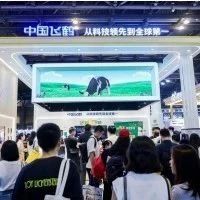
Core Viewpoint - The article highlights the significant role of AI in transforming the dairy industry, with Feihe leading the way in digital transformation and innovation, showcasing its AI-enabled solutions across the entire supply chain [1][2][9]. Group 1: AI Integration in Dairy Industry - Feihe has established itself as a pioneer in the digital transformation of the dairy industry, having built an information system as early as 2010 [2]. - The company is currently constructing an AI capability platform to enhance its operations and services [2][12]. - Feihe's AI applications span research and development, production, supply chain management, and consumer services, demonstrating a comprehensive reconfiguration of the industry [2][4]. Group 2: Innovations and Achievements - Feihe has developed China's first breast milk big data center and launched the country's first breast milk oligosaccharide database, showcasing its commitment to research [2][12]. - The company has achieved international standards in milk quality, with protein content ≥3.4% and a bacterial count significantly lower than EU standards [4]. - Feihe's innovative "2-hour ecosystem, 28-day fresh delivery" model has set a benchmark in the infant formula industry [4]. Group 3: Consumer Engagement and Services - At the conference, Feihe introduced a multi-layered intelligent service system to enhance consumer engagement [5]. - The company launched a new maternal and infant nutritionist powered by AI, providing precise advice on nutrition and product selection [7]. - Feihe's interactive robot, "鹤小小," engages consumers in discussions beyond maternal and infant knowledge, enhancing the customer experience [7]. Group 4: Collaborative Ecosystem - Feihe has initiated the "AI Precision Nutrition Alliance" with partners like Huawei Cloud, aiming to integrate resources and promote AI technology in the health industry [10][12]. - The company emphasizes the importance of collaboration across the dairy supply chain to drive overall industry advancement [12]. Group 5: Future Vision and Product Development - Feihe aims to create a comprehensive AI-enabled nutrition ecosystem, addressing the evolving health needs of different demographics [15][16]. - The company has filed 50 special applications related to dairy protein nutrition and has been awarded 16 patents, focusing on various age groups [16]. - Feihe's commitment to AI as a new productive force in the dairy industry is evident in its efforts to enhance global competitiveness and innovation [16][17].
经济增速与税收增速为何背离?
和讯· 2025-07-28 10:40
Core Viewpoint - The relationship between economic growth and tax revenue is complex, with economic performance generally driving tax revenue, but short-term discrepancies can occur due to various factors [1][3]. Group 1: Tax Revenue Projections - During the "14th Five-Year Plan" period, total tax revenue is expected to exceed 155 trillion yuan, accounting for approximately 80% of total fiscal revenue [2]. - Tax revenue, excluding export tax rebates, is projected to surpass 85 trillion yuan, while social insurance fees and land transfer fees collected by tax authorities are expected to exceed 70 trillion yuan [2]. - The proportion of direct taxes is anticipated to exceed 40%, reflecting an enhancement in the redistributive function of the tax system [2]. Group 2: GDP and Tax Revenue Discrepancies - In the first half of 2025, China's GDP is expected to grow by 5.3%, while tax revenue is projected to decline by 1.2%, resulting in a "scissor difference" of -6.5% [2]. - For 2024, the discrepancy is forecasted to widen to -8.4%, with tax revenue declining by 3.4% and GDP growth at 5% [3]. - The long-term correlation between GDP growth and tax revenue is generally positive, but short-term deviations can occur due to tax policies and economic structure [3]. Group 3: Influencing Factors on Tax Revenue - Price changes, particularly in the Producer Price Index (PPI), significantly impact tax revenue, with PPI fluctuations historically correlating with tax revenue changes [3]. - The PPI is expected to decline by 2.2% in 2024, with a notable drop in the second half of the year due to international commodity price fluctuations and insufficient domestic demand [4]. - In the first half of 2023, the PPI decreased by 2.8%, with June marking a significant decline of 3.6% [5]. Group 4: Structural Changes in Tax Sources - The decline in traditional industries, such as real estate, has led to a slowdown in tax revenue growth, while emerging sectors, although growing, currently contribute less to overall tax revenue [5]. - The "14th Five-Year Plan" emphasizes the need for a unified national market, which is expected to address these structural changes [5]. Group 5: Tax Administration and Compliance - The tax authorities are focusing on addressing irregularities in investment attraction, with a management system led by the State Taxation Administration [6]. - Since early 2024, there has been a crackdown on tax-related issues in irregular investment practices, ensuring that local tax authorities do not obstruct normal business operations [6].

释永信:“佛门CEO”的双面人生
和讯· 2025-07-28 10:40
Core Viewpoint - The article discusses the controversies surrounding Shi Yongxin, the current abbot of Shaolin Temple, highlighting allegations of criminal activities and the implications for the temple's reputation and operations [1][2]. Group 1: Allegations Against Shi Yongxin - Shi Yongxin has been accused of serious misconduct, including misappropriation of funds and maintaining improper relationships, leading to an investigation by multiple departments [1]. - The allegations against Shi Yongxin closely mirror those from a 2015 report, indicating a pattern of behavior that raises concerns about his leadership [2]. Group 2: Shi Yongxin's Crisis History - Shi Yongxin has faced multiple crises during his tenure, with the most recent being the current allegations, which are deemed more severe than previous issues [3][5]. - His first major crisis involved being expelled from the temple early in his career, while the second was related to a failed plan for the temple to go public in 2009, which he strongly opposed [5]. Group 3: Commercialization of Buddhism - Shi Yongxin is recognized as the first Buddhist leader to commercialize and globalize Buddhist practices, establishing various business ventures under the Shaolin brand [6][9]. - He founded the Henan Shaolin Temple Industrial Development Company in 1997, marking a shift towards market-oriented operations for Buddhist institutions [6]. - The Shaolin Temple has seen significant financial success, with annual ticket revenues exceeding 300 million yuan and substantial income from donations and merchandise sales [8]. Group 4: Business Empire and Transparency Issues - Shi Yongxin controls at least 16 companies across various sectors, including real estate, cultural dissemination, and tourism, raising questions about financial transparency within religious organizations [10]. - The extensive commercialization efforts have sparked debates about the balance between faith and business, questioning the integrity of religious practices in a commercial context [10].

刘元春:下半年我国经济面临的四大挑战
和讯· 2025-07-25 09:45
Core Viewpoint - The article discusses the resilience and challenges of the Chinese economy in the second half of the year, emphasizing the need for proactive policies to address potential downturns and maintain stability [2][13]. Group 1: Real Estate Market - The real estate market has likely passed its most dangerous phase, with a soft landing expected, despite concerns about its impact on the macro economy [3][5]. - The contribution of real estate to GDP has significantly decreased, projected to be around 13 trillion yuan, or 9.6% of GDP in 2024, down from approximately 14.5% in previous years [3]. - The "gray rhino" effect, particularly regarding debt repayment issues faced by companies like Vanke, has not worsened as anticipated, with liquidity issues being managed through asset disposal rather than relying solely on sales [4][5]. Group 2: Export Challenges - Exports are expected to face challenges in the second half, but fears of a drastic decline may underestimate China's export resilience and overestimate the "export rush" effect [6][7]. - The "export rush" phenomenon contributed an estimated 3-10 percentage points to the 7.2% year-on-year export growth in the first half, but its overall impact may be less significant than previously thought [6]. - The potential for a "cliff-like" drop in exports is unlikely, as negotiations regarding tariffs and trade with the U.S. have shown some signs of resolution, and there is growth potential in exports to regions like Latin America and ASEAN [7]. Group 3: Consumption Policies - Expanding consumption is a strategic focus, with ongoing policies expected to support a trend towards increased consumer spending [8][10]. - The "old-for-new" policy has shown positive results, driving sales of approximately 1.1 trillion yuan and boosting retail sales growth by nearly 2 percentage points [9]. - The remaining fiscal funds for consumption policies are projected to leverage around 1.1 trillion yuan in sales, with a broader range of policies aimed at enhancing consumer spending capacity and addressing supply constraints [9][10]. Group 4: Price Effects and Economic Stability - Addressing low price effects is a core focus of current policies, with attention on macro debt rates, profit margins, and cost trends [11]. - Despite some improvements in technology and industry upgrades, profit levels have not improved sufficiently, leading to concerns about the "involution" issue affecting pricing [11]. - The negative growth of the GDP deflator index highlights the need for macro policy responses to prevent accelerated economic contraction [11][12].

6名大学生坠落浮选槽溺亡,中金黄金盘中跌超7%
和讯· 2025-07-24 10:29
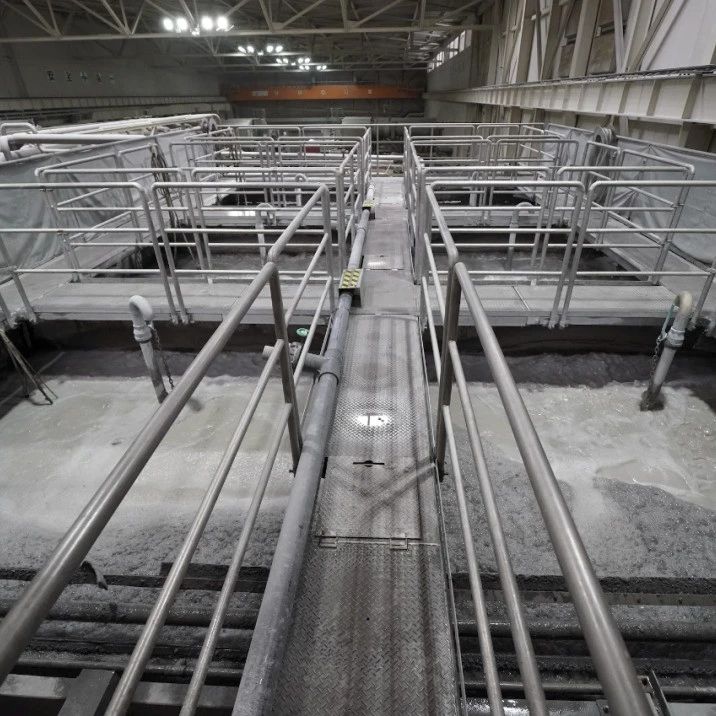
Core Viewpoint - The tragic incident at the Unugtu Mountain Copper-Molybdenum Mine, operated by China National Gold Group, has led to significant safety concerns and a temporary halt in operations, impacting the company's stock performance and market valuation [2][3]. Company Overview - China National Gold Group's Unugtu Mountain Copper-Molybdenum Mine has been a major tax contributor and a pillar for the company since its inception [7]. - The mine is located 22 kilometers south of Manzhouli City in Inner Mongolia and has been recognized as a large-scale mining operation [7]. Incident Details - On July 23, six students from Northeast University tragically drowned during a visit to the mine's flotation plant due to a grid plate falling into the flotation tank [2]. - Following the incident, the company activated its emergency response plan and expressed condolences to the victims' families [2]. Stock Market Impact - The news of the incident caused China National Gold's stock price to drop by over 7% at one point, closing down 4.97% at 15.1 CNY per share, resulting in a market value loss of approximately 3.8 billion CNY [2]. - Other companies in the gold mining sector, such as Zijin Mining, Hunan Gold, and Shandong Gold, also experienced declines in their stock prices following the incident [2]. Financial Performance - China National Gold is expected to achieve a net profit of 2.614 to 2.875 billion CNY in the first half of 2025, representing a year-on-year growth of 50% to 65% [7]. - In 2024, the company reported a revenue increase of 7.01% to 65.556 billion CNY and a net profit increase of 13.71% to 3.386 billion CNY [7]. - The company holds a 90% stake in Inner Mongolia Mining, which reported a revenue of 5.915 billion CNY and a net profit of 2.28 billion CNY in the same period [7]. Production Data - In 2024, China National Gold produced 18.35 tons of mined gold, a decrease of 0.54 tons, while copper production increased significantly to 82,000 tons, up by 2,077.28 tons [7]. - The company has been focusing on cost reduction and efficiency improvements, contributing to its substantial profit growth [7].