美股研究社

Search documents
科技溢价却难掩疲软,沃尔玛悬了?
美股研究社· 2026-01-15 10:35
Core Viewpoint - Walmart's stock surged to an all-time high following its partnership with Alphabet, aimed at transforming into an "AI-driven e-commerce" model and enhancing delivery efficiency through drone services [1][3]. Group 1: Partnership and Strategic Initiatives - The collaboration with Google's Gemini will allow users to interact directly with Walmart's backend for product inquiries, discounts, and purchases without leaving the interface [3]. - Walmart plans to implement autonomous drone delivery technology, targeting a delivery time of under 30 minutes to capture market share from Amazon and reduce delivery costs [3]. Group 2: Financial Performance and Valuation - Since September 2024, Walmart's total stock return has increased by 50%, primarily driven by valuation multiple expansion, while earnings grew only by 8% during the same period [1]. - Walmart's current price-to-earnings (P/E) ratio stands at 46 times, with a free cash flow (FCF) valuation multiple reaching 62 times, reflecting a historical peak in valuation premium compared to the Nasdaq 100 index [3][9]. - Despite a stagnant sales growth of zero over the past five years, Walmart's market capitalization has reached $940 billion, with an enterprise value exceeding $1 trillion [9]. Group 3: Risks and Challenges - Increased R&D expenditures and service fees to Google for transactions on the new platform may impact profitability [5]. - There is a risk of losing brand loyalty and impulse purchase revenue if consumers shift to the Gemini platform instead of using Walmart's own app or physical stores [5]. - The high valuation premium raises concerns about the sustainability of Walmart's stock price, especially in light of the recent downturn in tech sector sentiment [11][13].



AI日报丨Grok因生成露骨内容被调查;千问App接入支付宝,上线AI付款
美股研究社· 2026-01-15 10:35
Group 1 - Google has launched a new "Personal Intelligence" feature in its Gemini application, which connects various Google services like Gmail and Google Photos to provide personalized responses to user queries [5][11][12] - xAI, founded by Elon Musk, is under investigation for generating explicit content, prompting California's Attorney General to call for immediate action to prevent further issues related to non-consensual intimate images [6][7] - INMO has completed its C1 round of financing, raising nearly 500 million in total across three rounds within a year, making it a highly focused company in the AI+AR smart glasses sector [7] Group 2 - Apple and Qualcomm are facing supply concerns regarding high-end glass cloth from Japan, which is critical for chip substrates and printed circuit boards, leading to competition for this scarce resource among major tech companies [10] - Microsoft is expected to invest approximately 500 million annually in Anthropic AI, becoming a major customer and enhancing its cloud offerings with Anthropic's AI models [12]



卡什卡利力挺鲍威尔:政府攻击实为干预货币政策,1月降息“太早”
美股研究社· 2026-01-15 10:35
以下文章来源于金十财经 ,作者金十小金 金十财经 . 每日8点,为您呈上金融投资行业的国际动态、财经数据和市场观察。 最高法院将于下周三听取辩论,讨论特朗普应对美联储拥有多大的影响力,届时将审理关于美联储理事库克的案件。去年,特朗普曾因抵押 贷款欺诈指控试图解雇她。 确立美联储独立性的《联邦储备法》规定,总统只能因"正当理由"罢免美联储官员,这一理由通常被广泛解释为在职期间的渎职或失职。 如果最高法院站在特朗普一边,他和未来的美国总统将能够基本上随心所欲地罢免央行官员,从而破坏卡什卡利所描述的"美联储独立性的基 石"。 来源 | 金十财经 明尼阿波利斯联储主席卡什卡利表示,特朗普政府过去一年针对美联储的行动"实际上是关于货币政策的"。他在司法部主导的刑事调查启动 后,站出来为美联储主席鲍威尔辩护。 司法部于上周向美联储送达了大陪审团传票,这引发了鲍威尔的强力回击,后者发布了一段非同寻常的视频信息,指责政府试图利用美联储 华盛顿总部翻新相关的成本作为进行刑事调查的"借口",以胁迫美联储降低借贷成本。 "过去一年事态的升级实际上是关于货币政策的,"卡什卡利在接受采访时表示。"我认为主席对此解释得非常准确。" 卡什 ...

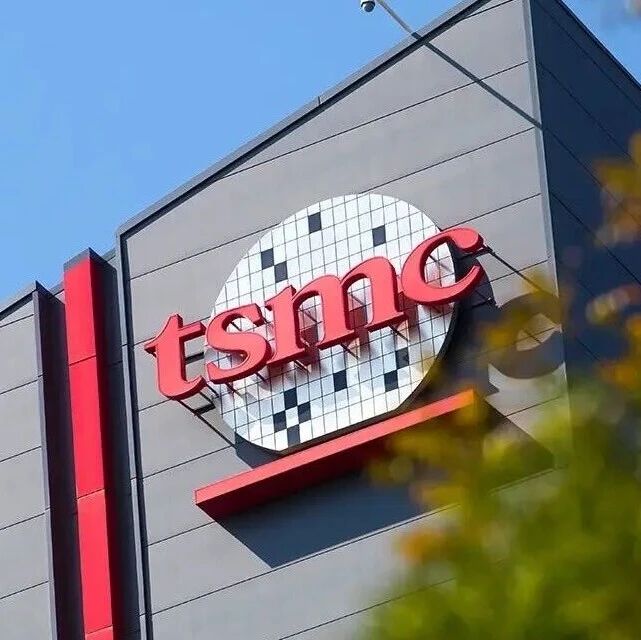
“产能非常紧张”!台积电业绩指引全线超预期,未来三年资本支出将显著增加
美股研究社· 2026-01-15 10:35
来源 | 华尔街见闻 台积电预计2026年资本支出将激增至560亿美元,超出市场预期,凸显其对全球AI繁荣持续性的强烈信心。公司同时预测2026年营收增长将 接近30%,高于分析师平均预期。 这一系列强劲数据反映出AI芯片需求持续旺盛,为台积电带来可观的定价能力和盈利空间,投资者将密切关注这一扩产周期能否持续支撑其 估值水平。 15日,台积电董事长兼首席执行官 C.C. Wei 与财务长 Wendell Huang举行2025 Q4绩后法说会。 台积电公布2026年资本支出计划最高 将达560亿美元,较2025年实际支出409亿美元大幅增长37%,创下该公司历史新高。 这一破纪录的投资规模凸显出全球最大芯片代工厂正 加速扩充产能,以满足人工智能芯片的强劲需求。 该公司同时发布的第一季度业绩指引超出市场预期。 台积电预计本季度营收将达346亿至358亿美元,高于彭博一致预期的332.2亿美元。 毛利率和营业利率指引也明显优于分析师预期,分别为63%-65%和54%-56%,远高于市场预估的59.6%和49.7%。 管理层表示: "未来三年资本支出将显著增加。实现56%及以上长期毛利率是可实现的。……产能非常紧张 ...

730亿AI订单,博通的增长底气
美股研究社· 2026-01-15 10:35
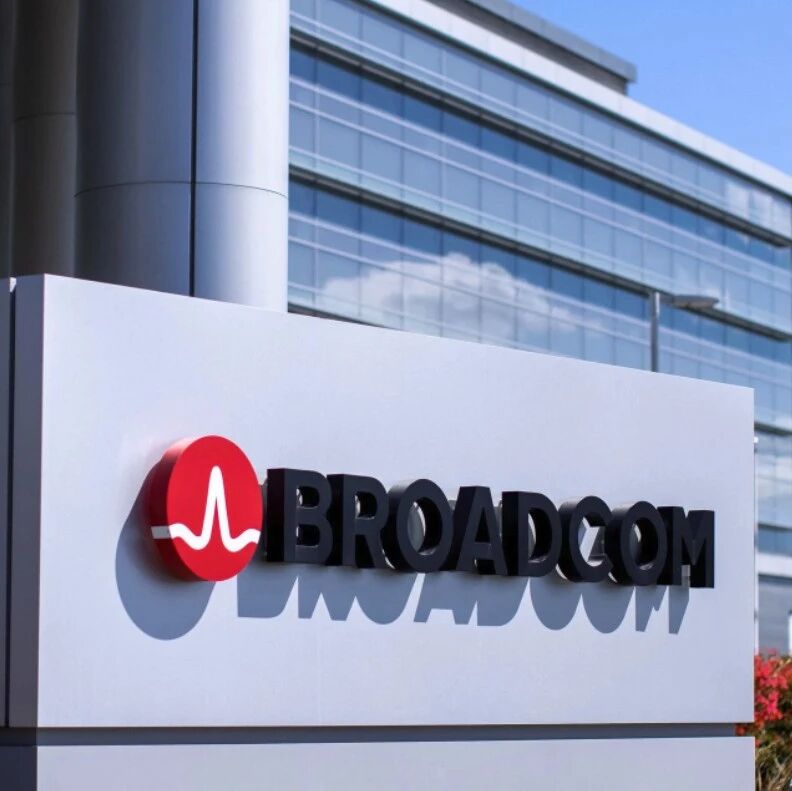
Core Viewpoint - The company's Q4 2025 financial results support a "strong buy" rating due to significant revenue growth and strong performance in AI-related sales [1]. Financial Performance - Q4 2025 net revenue reached $18.015 billion, a 28% year-over-year increase, with semiconductor sales growing 35% to $11.1 billion, driven by a 74% surge in AI-related sales [4][5]. - Gross margin improved from 64% to 68%, with operating income rising 62% to $7.508 billion and operating margin expanding from 32.9% to 41.7% [6]. - Adjusted EBITDA grew 34% to $12.2 billion, and free cash flow increased 36% to $7.5 billion, reflecting strong demand for AI inference and training chips [6]. Future Guidance - For Q1, the company expects a 28% year-over-year revenue increase to $19.1 billion, with semiconductor sales projected to grow 50%, including a doubling of AI semiconductor sales to $8.2 billion [7]. - The anticipated EBITDA margin for the upcoming quarter is 67%, indicating potential for further profit margin improvement despite a shift in revenue structure towards lower-margin semiconductor business [7]. Valuation and Stock Price Target - Analysts utilize a mixed valuation multiple for the company's stock, estimating a price target of $498.39, representing a 47% upside based on projected growth in high-performance computing processors [10]. - The median EV/EBITDA multiple suggests the current stock price is reasonably valued, with future earnings expectations adjusted upward by 18% and 40% for the next few years [10]. Growth Drivers - The company is positioned to play a crucial role in the AI chip market, with $73 billion in AI orders expected to be delivered over the next 18 months [14]. - VMware's contributions to software solutions are also noted, although software companies typically face lower valuation multiples [14]. Cash Flow and Shareholder Returns - Cash conversion rates are expected to recover to 2023 levels by 2028, with capital expenditures remaining low relative to operating cash flow [12]. - Shareholder returns are projected to increase, although not at the same pace as free cash flow growth, which is expected to be rapid [12].
苹果:Gemini计划或将给iPhone带来新催化剂
美股研究社· 2026-01-15 10:35
Core Viewpoint - The partnership between Apple and Alphabet to integrate Google Gemini into Siri is expected to serve as a significant catalyst for Apple's growth, especially if it enhances Siri's functionality and drives a wave of upgrades among users [1][4]. Group 1: Revenue Drivers - The integration of Google Gemini into Siri could lead to a substantial upgrade cycle, as many existing iPhone users currently lack access to Apple Intelligence features [2]. - Apple is projected to spend $1 billion annually on the Gemini integration, which poses a risk if the expected improvements in Siri's utility do not materialize [2][27]. - The AI distribution model could allow Apple to monetize its user base by charging for default assistant positions, similar to its current search revenue model [18][19]. Group 2: Market Potential - Approximately 52% of active devices are older than the iPhone 15 Pro, indicating a significant upgrade opportunity for Apple if Gemini enhances Siri's capabilities [9]. - Analysts estimate that there are about 750 million iPhones incompatible with Apple Intelligence, representing a large potential market for upgrades [11][12]. - Improved Siri functionality could lead to increased user engagement and spending, positively impacting Apple's services segment, which needs to recover to a 15%-20% revenue growth rate [13][16]. Group 3: Competitive Landscape - The partnership with Google positions Apple to compete effectively in the AI space, with multiple large language model providers likely to bid for the default assistant position [19][20]. - The competitive dynamics may shift as AI providers learn to monetize their services, potentially leading to a bidding war for Apple's default LLM provider status [20]. Group 4: Valuation and Risks - Following a 10% stock price decline, Apple's expected price-to-earnings ratio stands at approximately 31 times next year's earnings, which analysts consider reasonable [3][22][26]. - The success of the iPhone 17 suggests that users may not prioritize AI features, raising concerns about the potential return on investment for the Gemini partnership [27][29]. - Analysts highlight the importance of timely delivery for the revamped Siri, as any delays could negatively impact market sentiment surrounding the stock [31].

台积电Q4 财报前瞻:AI 红利持续兑现,双超预期稳了?
美股研究社· 2026-01-13 12:16
Core Viewpoint - TSMC is expected to deliver strong quarterly performance due to the ongoing benefits from the AI sector, which continues to gain momentum [1][4]. Group 1: Financial Performance - TSMC's revenue has experienced rapid growth over the past several quarters, with a year-on-year revenue increase of over 30% in the last six quarters, significantly surpassing the five-year compound annual growth rate of 22.9% [3][4]. - Analysts predict a 22.9% year-on-year revenue growth for TSMC in Q4, with adjusted earnings per share (EPS) expected to rise by 31.7% [4]. - TSMC has consistently exceeded revenue and EPS expectations in the past 12 quarters, showcasing its strong performance capabilities [4]. Group 2: Market Position and Demand - As the largest semiconductor foundry globally, TSMC is a major beneficiary of the ongoing AI transformation, with robust market demand enhancing its pricing power [3][5]. - The company’s gross margin has expanded by over 600 basis points, and operating margin has improved by over 800 basis points during the last six quarters [3]. Group 3: Financial Strength - TSMC's tangible book value per share increased by nearly 27% in the first three quarters of 2025, and its net cash reserves rose from approximately $42 billion to $56.5 billion, providing a solid financial foundation for future investments [6]. - The company’s strong financial position is crucial for its ability to invest billions in research and new manufacturing facilities, which are essential in the high-tech semiconductor industry [6]. Group 4: Valuation - TSMC's expected price-to-earnings (P/E) ratio for the fiscal year 2027 is projected to fall below 20, indicating significant upside potential [7]. - The non-GAAP P/E ratio relative to the growth rate is only 1.23, which is nearly 30% lower than the industry median, suggesting that TSMC's valuation is attractive given its strong revenue growth and expanding profitability [8][9]. - Analysts have set a target price average of $360 for TSMC, indicating approximately 11% upside potential from current levels [9]. Group 5: Market Sentiment and Risks - Despite the strong expected performance, there is uncertainty regarding market reactions, as high expectations for AI transformation may lead to muted responses even to strong earnings reports [10].
AI日报丨马斯克旗下AI聊天机器人将接入五角大楼系统;Alphabet盘中市值突破4万亿美元
美股研究社· 2026-01-13 12:16
Group 1 - The article highlights the rapid development of artificial intelligence (AI) technology, presenting significant opportunities in the market [3] - The U.S. Department of Defense plans to integrate Elon Musk's AI chatbot "Grok" into its systems, alongside Google's generative AI, indicating a strong governmental interest in AI applications [5] - Ant Group and Google have launched a new open standard called the Universal Commercial Protocol (UCP) to streamline the entire AI shopping process, from product discovery to post-purchase support [6] Group 2 - Meta Platforms Inc. has formed a new executive team to focus on AI infrastructure, appointing Dina Powell McCormick to lead collaborations with governments and investors, emphasizing investment in AI infrastructure [8] - Alphabet's market capitalization has surpassed $4 trillion for the first time, with a recent stock price increase of 1.7% to $334.04, reflecting its strong position in the AI sector [9] - Apple has partnered with Google to utilize the Gemini model for its upcoming AI-driven Siri, marking a significant collaboration in AI technology development [10]

Shopify财报前瞻:长期逻辑未破,短期波动下的机会在哪?
美股研究社· 2026-01-13 12:16
Core Viewpoint - The article discusses the current state of the U.S. stock market, highlighting that despite reaching new highs, fundamental indicators suggest consumer weakness, raising questions about the macroeconomic situation [1]. Group 1: Shopify's Performance - Shopify's stock price has surged over 60% in the past year, driven by strong fundamentals, but investors are concerned about whether this growth can continue into 2026 [2]. - Analysts express cautious optimism regarding Shopify, maintaining a buy rating due to its proven ability to generate excess returns, especially for long-term investors willing to tolerate short-term volatility [6][13]. - Shopify's total addressable market (TAM) is currently valued at $849 billion, with significant growth potential over the next 3-5 years [6]. Group 2: Revenue and Growth Metrics - In the most recent quarter, Shopify's revenue grew by 32% year-over-year, reaching $2.84 billion, with merchant solutions contributing significantly to this growth [7][8]. - Merchant solutions revenue reached $2.145 billion, accounting for 75% of total revenue, and grew by 38% year-over-year, contributing 28 percentage points to the overall revenue growth [8]. - Analysts expect Shopify's GMV growth to slow to the high 20% range in Q4, which could disappoint investors and impact stock performance [9][13]. Group 3: Profitability and Market Sentiment - Shopify's profit margins have shown volatility, with a downward trend in gross margins due to a shift towards lower-margin payment services and increased operational expenses [10]. - The company's operating expenses accounted for 33% of revenue in Q3, and further increases are expected in Q4, which may pressure profit margins and affect market sentiment [10]. - Recent retail sales data indicates a potential slowdown in consumer spending, which could impact Shopify's performance in the upcoming quarter [11]. Group 4: Valuation Considerations - Shopify's forward price-to-sales ratio is currently at 15x, which is considered reasonable for a company with over 30% revenue growth, despite being on the higher end compared to peers [13]. - The sensitivity of Shopify's performance to consumer spending fluctuations is highlighted, especially in light of recent holiday sales data suggesting a potential decline in growth momentum [13]. Group 5: Investment Recommendations - For long-term investors, maintaining a hold on Shopify is recommended, as it is expected to continue generating excess returns [14]. - Short-term investors are advised to capitalize on stock price fluctuations to achieve higher returns [14].


苹果选中Gemini,谷歌登上“4万亿”
美股研究社· 2026-01-13 12:16
Core Viewpoint - Apple has confirmed a multi-year partnership with Google to utilize the Gemini model for new AI features, including an updated Siri, marking a significant strategic shift for Apple in the AI domain [2][4]. Group 1: Partnership Details - The collaboration allows Apple to leverage Google's Gemini model and cloud technology to support future versions of Apple Foundation Models [9]. - Apple expressed confidence in Google's technology, stating it provides a strong foundation for their models and anticipates innovative user experiences [9]. - The new features are expected to launch later this year, although no specific timeline has been provided [9]. Group 2: Market Impact - Following the announcement, Alphabet's stock price rebounded, reaching a market capitalization of over $4 trillion for the first time, making it the fourth company to achieve this milestone [2][6]. - Alphabet's stock has seen a cumulative increase of over 65% in 2025, outperforming other major tech stocks [5]. - The rise in Alphabet's market value is attributed to its comprehensive strategy in the AI sector, including the introduction of the Ironwood AI chip and the Gemini 3 language model [7]. Group 3: Competitive Landscape - The partnership highlights the competitive yet collaborative nature of the relationship between Apple and Google, as both companies have previously competed in various sectors while cooperating in search services [4]. - Google's introduction of personalized advertising features in its AI shopping tools signifies a strategic move to monetize AI capabilities amidst competition from other AI companies [11][12]. - This development comes as AI chatbots pose a threat to Google's traditional advertising revenue, prompting the need for innovative monetization strategies [13].