美股研究社

Search documents
一年一代逼死客户!英伟达 Rubin 登场,AI 资本开支泡沫破裂倒计时
美股研究社· 2026-01-08 11:27
Core Viewpoint - Analysts maintain a "sell" rating on Nvidia (NVDA) due to concerns over slowing growth and high valuation, despite a recent recovery in growth as indicated by the latest quarterly earnings report [1][2]. Group 1: Growth and Valuation Concerns - Nvidia's stock price has remained stagnant since August, indicating a potential peak [1]. - The analyst's bearish outlook extends beyond just "slowing growth + high valuation" leading to valuation compression [2]. Group 2: AI Industry Bubble Concerns - The AI sector's capital expenditures are unlikely to generate profits, suggesting it is in a bubble that could burst if spending growth slows [5]. - Michael Burry's short position on Nvidia has drawn attention to the potential risks in the AI industry [5]. - Burry argues that large cloud service providers are artificially inflating profit levels by extending the depreciation period of AI chips [5]. Group 3: Product Lifecycle and Market Dynamics - Nvidia's new chips follow an annual iteration cycle, similar to Apple's iPhone strategy, which is crucial for meeting revenue growth expectations [5]. - The depreciation period set by cloud service providers for AI chips (5-6 years) exceeds their actual lifespan, leading to potential write-downs when new chips are released [5][6]. - The recent launch of Nvidia's third-generation AI platform, Rubin, has rendered the previous Blackwell platform nearly obsolete [7][8]. Group 4: Financial Implications and Credit Risks - The introduction of the Rubin platform, which significantly reduces inference token costs and improves efficiency, raises concerns about the financial health of cloud service providers [9][11]. - Many cloud service providers are now relying on debt issuance to fund AI capital expenditures, indicating a shift towards a credit crisis in the AI sector [11][12]. - Companies with weak balance sheets, such as CoreWeave and Oracle, are experiencing rising credit default swap spreads, indicating increased default risk [12]. Group 5: Future Outlook and Market Trends - The upcoming CES in 2027 raises questions about Nvidia's next product and whether it will be a disruptive innovation [12]. - If Nvidia cannot maintain its annual iteration pace, the implied growth expectations in its valuation may not be met, leading to a potential stock price drop [13]. - The AI industry's capital expenditures are substantial, and Nvidia holds a near-monopoly in the AI accelerator market, complicating the competitive landscape [13][14]. - The potential for significant growth in the application of agentic AI by 2026 is a key trend to monitor, as is the ability of AI application companies to achieve profitability [14].


马斯克的2026愿景:我们已处于“技术奇点”,AI和机器人不可阻挡,短期是动荡和挑战,长期是丰盛时代
美股研究社· 2026-01-08 11:27
Core Insights - Humanity is currently in the "biological bootloader" phase of digital superintelligence, with a transformative wave of change that cannot be halted [4] - Elon Musk predicts that Artificial General Intelligence (AGI) will be achieved by 2026, with AI's total intelligence surpassing that of all humanity by 2030 [5][6] - The transition period leading to AGI will be tumultuous, particularly affecting white-collar jobs, as AI is capable of performing over half of these roles [9] AGI and Technological Singularity - Musk asserts that we are already experiencing the "technological singularity," characterized by rapid and irreversible changes [6] - The impact of AI will lead to a significant reshaping of the workforce, with white-collar jobs being the first to disappear [9] Economic Predictions - Musk introduces the concept of Universal High Income (UHI), suggesting that a future of abundance will allow people to have whatever they desire, as production costs will drop significantly [11] - He warns that this abundance will coincide with social unrest, as society grapples with the implications of a world where work is no longer a measure of value [11] Energy Competition - Musk praises China's efficiency in solar energy deployment, stating that by 2026, China's electricity output will be three times that of the U.S. [12] - He emphasizes the need for the U.S. to catch up in energy production to remain competitive in AI [12] Space and Computing Infrastructure - Musk plans to establish "orbital data centers" using Starship, which will reduce launch costs to below $100 per kilogram, enabling large-scale computing in space [13] - This shift aims to create a self-evolving "Dyson Swarm" and address energy challenges for AI infrastructure [13] AI Safety Principles - Musk outlines three core principles for AI safety: Truth, Curiosity, and Beauty, to prevent AI from becoming a threat to humanity [15] - He emphasizes the importance of ensuring AI remains curious about humanity and does not resort to deception [15]

苹果 2026 年迎战略转折:折叠屏与错峰发布能否破解营收波动与高估值困局?
美股研究社· 2026-01-08 11:27
Core Viewpoint - For Apple (AAPL) shareholders, 2025 is not expected to be a fruitful year, with stock price increases of over 9% falling short compared to most industry peers. However, 2026 may mark a pivotal point in the company's history with significant changes on the horizon [1]. Product Launches - In 2026, Apple is expected to launch over ten new products across various business segments. Devices like the MacBook Pro and entry-level iPad are likely to see only routine annual or biennial hardware upgrades. The anticipated iPhone Fold, Apple's first foldable smartphone, is expected to debut in 2026, with a screen size of approximately 7.6 inches and a price tag starting at $2,000, potentially reaching $2,500 [2]. iPhone Release Strategy - A major focus for 2026 will be the timing of iPhone releases. Apple is expected to adopt a staggered release schedule, with the iPhone Pro series and the new iPhone Fold launching in the fall, while more budget-friendly models will be delayed until spring 2027. This strategy aims to smooth revenue curves and improve supply chain management [3][4][6]. Revenue Estimates - Market predictions indicate a nearly 50% revenue gap between the June and December quarters of 2026. For instance, the revenue estimate for FQ1 2026 (December 2025) is projected at $138.20 billion, reflecting an 11.18% year-over-year growth, while FQ3 2026 (June 2026) is estimated at $99.41 billion, with a 5.72% growth [7][8]. Valuation Concerns - If Apple finalizes the staggered release strategy, Wall Street may need to adjust earnings expectations. The revenue impact from the absence of entry-level iPhones in fall 2026 could be significant, with billions potentially deferred to the following year. As of the last closing, Apple's stock price corresponds to a projected P/E ratio of slightly over 31 times for 2026, representing a 14.6% premium compared to peers like Amazon, Google, Microsoft, and META [9][11]. Analyst Sentiment - Current market sentiment among analysts is generally optimistic, with 29 out of 49 analysts rating Apple as a "buy," 16 as "hold," and only 4 as "sell." While 2026 is not expected to bring major changes to most products, the introduction of the foldable iPhone and the staggered release strategy could significantly alter the product line. However, analysts maintain a "long-term hold" rating due to concerns over the company's high valuation [12][13].


徒手拌奶茶、高含咖啡因,霸王茶姬真让人上头
美股研究社· 2026-01-08 11:27
Core Viewpoint - The incident involving a staff member of Bawang Chaji preparing tea in an unsanitary manner has raised significant concerns about food safety and brand trust, highlighting the challenges the company faces in balancing rapid expansion with maintaining hygiene standards and profitability [5][6][7]. Summary by Sections Incident Overview - A viral video showed a Bawang Chaji employee preparing tea without gloves, leading to public outrage and a trust crisis for the brand [5][11]. - The company quickly announced measures, including the indefinite closure of the involved store and the dismissal of the employee, attempting to distance itself from the incident [13]. Brand Positioning and Challenges - Bawang Chaji, positioned as a "new Chinese-style fresh milk tea" brand, has expanded rapidly from Yunnan to nationwide, but faces declining single-store GMV and frequent franchise disputes [7][26]. - The brand's rapid expansion has resulted in high store density, leading to intense competition in key markets like Beijing and Chengdu [24]. Financial Performance - Despite a significant increase in the number of stores, Bawang Chaji's total GMV decreased from approximately 83.01 billion yuan in 2024 to 79.3 billion yuan in 2025, indicating a decline of 3.71 billion yuan [26]. - The average monthly GMV per store has also been on a downward trend, dropping from 57.4 million yuan to 37.85 million yuan over several quarters [26]. Food Safety and Management Issues - The company has faced multiple food safety complaints, including a recent incident where a customer found plastic in their drink, raising questions about the effectiveness of its food safety management [20][21]. - Bawang Chaji's franchise model, which requires significant investment from franchisees, has led to concerns about the adequacy of training and oversight for food safety practices [27]. Industry Context - While Bawang Chaji has aggressively expanded, other leading tea brands like Heytea and Nayuki have slowed their growth, indicating a potential shift in industry dynamics [28]. - The essence of the new tea beverage industry is service, and maintaining food safety is crucial for long-term brand success, emphasizing the need for a balance between expansion and quality control [29].

AI日报丨谷歌市值反超苹果;OpenAI预留公司10%股份作为员工股票奖励池;英伟达预计AI需求将上涨至5亿美元
美股研究社· 2026-01-08 11:27
Core Insights - The article discusses the rapid development of artificial intelligence (AI) technology and its potential investment opportunities and risks in the market [3]. Group 1: AI Companies and Market Trends - TianShu ZhiXin is set to unveil its future GPGPU product roadmap on January 26, focusing on innovative GPGPU architecture and cloud AI training products, with competition expected against NVIDIA's H200 and B200 from 2026 to 2028 [5]. - ZhiPu predicts that major AI companies in the U.S. will engage in a price war, with their AI programming assistant priced at 20 RMB per month, significantly lower than competitors like Anthropic [6]. - Arm has established a physical AI department to enhance its presence in the robotics market, indicating a long-term growth potential in this sector [8]. Group 2: Company Valuations and Financial Moves - OpenAI has allocated 10% of its shares for an employee stock reward pool, with a valuation of $500 billion, and is in talks to raise funds at a $750 billion valuation, a 50% increase from its previous valuation [9]. - Alphabet's market capitalization surpassed Apple's for the first time since 2019, driven by the success of its AI model "Gemini," which saw its market share in generative AI traffic rise from 5% to 18% [11]. - Anthropic plans to raise $10 billion at a valuation of $3.5 billion, with backing from Singapore's GIC and Coatue Management, following a previous funding round that raised $13 billion [12][13]. Group 3: AI Demand and Future Projections - NVIDIA anticipates that demand for its AI platforms, specifically the Blackwell and Rubin architectures, will reach $500 million by 2025/26, with further growth expected [14].

AI日报丨吉利发布全域AI 2.0,微软携手美国大型电网运营商,试图推动美国中西部电力系统现代化
美股研究社· 2026-01-07 11:18
Group 1 - The article emphasizes the rapid development of artificial intelligence (AI) technology, presenting extensive opportunities in the market [3] - Geely announced the evolution of its AI technology to version 2.0, introducing the G-ASD system for advanced driving assistance, showcasing a significant advancement in automotive AI capabilities [5] - AMD's CEO stated that the rise of AI has not slowed down hiring; instead, the company is prioritizing candidates with forward-thinking AI skills [6] Group 2 - Lenovo and NVIDIA announced a collaboration to launch a "Cloud AI Super Factory," aimed at accelerating enterprise-level AI development [7] - NVIDIA's CFO expressed an increasingly optimistic revenue outlook due to strong demand, with projections for data center chip revenue expected to exceed the previously estimated $500 billion by the end of 2026 [9] - Meta Platforms reported overwhelming demand for its Ray-Ban smart glasses, leading to a pause in international expansion plans to focus on fulfilling U.S. market orders [10] Group 3 - Microsoft partnered with a major Midwest power grid operator to modernize the electrical system, applying AI technology to enhance grid reliability and operational efficiency across 15 states and Manitoba, Canada [11]

达利欧年度复盘:美元贬值,美股高回报只是“计价幻觉”,黄金跑赢一切
美股研究社· 2026-01-07 11:18
Group 1 - The core investment narrative for 2025 is not the strong performance of the US stock market, but rather the significant changes in currency values and the global shift in asset allocation, with gold emerging as the true winner [3][6] - The US stock market recorded an 18% return in USD terms, but this is largely attributed to the depreciation of fiat currencies, creating a "valuation illusion" [6][8] - The dollar depreciated by 39% against gold, while the return from going long on gold (in USD terms) reached 65%. When measured in gold, the S&P 500 index actually declined by 28% [6][14] Group 2 - There is a notable shift of funds towards non-US markets, with the overall return from emerging markets reaching 34%, significantly outperforming US stocks [7][19] - The valuation of US stocks appears to have peaked, with equity risk premium being extremely low and the expected long-term return on equities (4.7%) falling below that of bonds (4.9%) [7][22] - The political and systemic transformation driven by inflation is causing dissatisfaction among the lower 60% of the population, leading to predictions of intense political conflict between extreme left and right forces in the US by 2027-2028 [7][28] Group 3 - The collective weakening of fiat currencies has established gold as a primary reserve asset, with the dollar depreciating against several currencies, including a 13% drop against the Swiss franc and a 12% drop against the euro [8][12] - The structural imbalance in the US stock market is evident, where profit growth is driven by a few major companies, while the distribution of profits remains heavily skewed towards capital owners rather than workers [9][21] - Non-liquid markets such as venture capital and private equity are under pressure, facing significant debt extension challenges and a potential rise in liquidity premiums [10][26] Group 4 - The geopolitical landscape is shifting from multilateralism to unilateralism, increasing military spending and sanctions, which diminishes the attractiveness of dollar-denominated assets [11][35] - The affordability crisis, stemming from currency value issues, is becoming a central political conflict, with the wealth gap between the top 10% and the bottom 60% exacerbating social tensions [11][28] - The current political climate, influenced by the Trump administration's policies, is expected to lead to significant market and economic impacts, particularly regarding wealth distribution and inflation concerns [11][27]
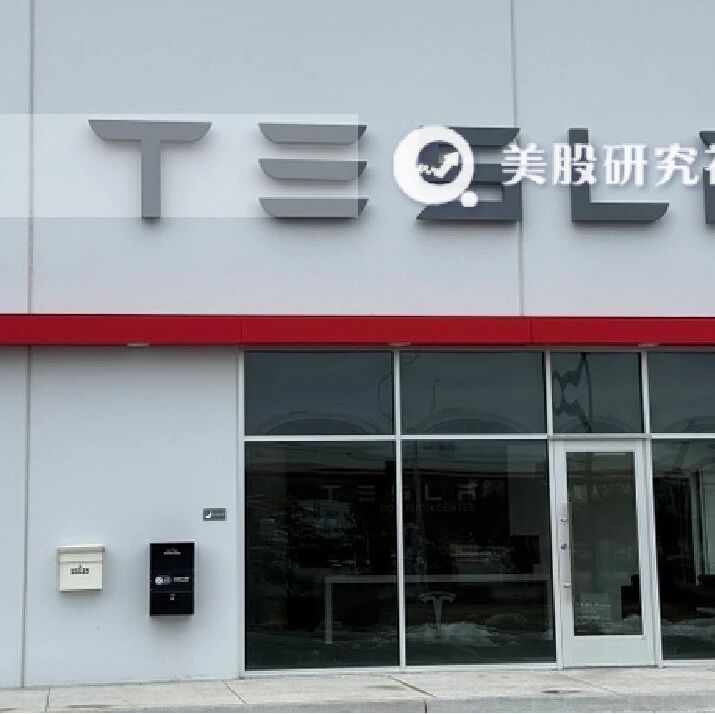
特斯拉(TSLA):一家或将陷入衰退的成长型企业
美股研究社· 2026-01-07 11:18
Core Viewpoint - Tesla's stock price has remained stagnant since the downgrade to "sell" in October 2025, with recent quarterly earnings and delivery reports reinforcing bearish sentiments, presenting a rare exit opportunity for investors [1]. Energy Storage Business - Tesla's energy storage capacity reached a record high of 14.2 GWh in Q4 2025, with a total annual installation of 46.7 GWh, indicating strong expansion [4]. - However, the year-on-year growth rate for energy storage installations has significantly declined to 49% in 2025, down from 114% in 2024 and 126% in 2023, with projections suggesting a further slowdown to 26% by 2029 [4]. - Revenue per GWh from energy storage has halved from nearly $700 million in 2020-2021 to $276 million in Q3 2025, indicating a continuous decline [4]. Automotive Business - Tesla's automotive deliveries fell by 16% year-on-year in Q4 2025, marking the worst quarterly performance in the company's history, with a total annual decline of 9% [7]. - The average selling price of Tesla vehicles dropped below $40,000 as of Q3 2025, raising doubts about the feasibility of reaching a projected annual delivery of 3 million vehicles by 2029, which would only represent a 28% growth from 2025 [8]. - In the Chinese market, Tesla's sales stagnated while competitors like Xiaomi saw significant growth, and in Europe, Tesla's new car registrations plummeted by up to 71% in various countries, leading to an estimated 25% decline in overall registrations for 2025 [9][10]. Emerging Business Risks - The anticipated sales of Tesla's humanoid robot, Optimus, are already factored into current valuations, with market expectations suggesting a potential revenue of $22.5 billion by 2027 [11]. - Current valuations are deemed excessively high, with a forward P/E ratio of 147, indicating a disconnect from fundamental performance [11]. - The company's reputation has been adversely affected by the founder's political stance, leading to a significant loss of consumer trust and core personnel risk, which could further undermine market competitiveness [13]. Conclusion - Tesla is no longer viewed as a high-growth company but rather as one facing significant challenges and potential decline, suggesting that now may be the last opportunity for investors to exit [14].

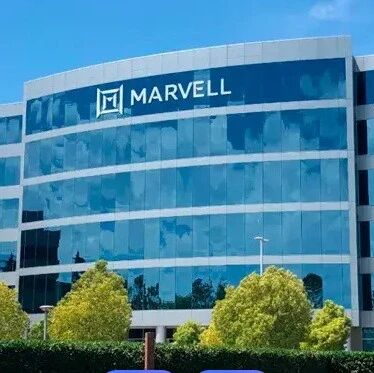
37亿!又一芯片巨头官宣收购
美股研究社· 2026-01-07 11:18
Core Viewpoint - Marvell announced a $540 million acquisition of XConn Technologies, which specializes in advanced PCIe and CXL switch chips, expected to be completed by early 2026 [4]. Group 1: Acquisition Details - Marvell will pay 60% in cash and 40% in stock for the acquisition, with the stock portion based on Marvell's 20-day trading weighted average price, estimated at approximately 2.5 million shares of Marvell common stock [6]. - As of January 6, Marvell's stock price was $88.23 per share, reflecting a 2.22% decline on that day [6]. Group 2: XConn Technologies Overview - XConn, founded in 2020, developed the world's first CXL 2.0 and PCIe Gen 5.0 switch chips and is the first in the industry to support both CXL and PCIe on a single chip [9]. - Marvell anticipates that XConn's CXL and PCIe switch products will start contributing revenue in the second half of fiscal year 2027, aiming for approximately $100 million in revenue by fiscal year 2028 [9]. Group 3: Strategic Implications - The acquisition will enhance Marvell's product portfolio by integrating XConn's PCIe and CXL products and its engineering team, which includes expertise in the UALink open interconnect standard [10]. - As AI workloads expand, data center designs are shifting from single-rack deployments to larger multi-rack configurations, necessitating high bandwidth and ultra-low latency architectures like UALink for efficient resource sharing [10]. - Marvell plans to collaborate with XConn to build a larger team in the UALink domain, while also combining Marvell's CXL memory expansion controllers with XConn's CXL switches to create a comprehensive CXL product lineup for high-load AI tasks [11].
英伟达(NVDA):AI 领域大手笔投资敲响警钟
美股研究社· 2026-01-07 11:18
Core Viewpoint - The artificial intelligence (AI) sector presents significant market opportunities, with investors expecting substantial corporate investments for future positioning. However, NVIDIA is currently utilizing most of its cash for acquisitions and investments, which analysts view as a risk warning signal. Despite this, the investment sentiment towards NVIDIA remains extremely bullish, although the market must be cautious about the potential pitfalls of aggressive cash utilization for investments [1]. Group 1: Acquisition and Investment Activities - NVIDIA announced a major acquisition of Groq, a virtual technology startup, for $20 billion, acquiring chip technology rights and core team assets. Groq's CEO is a key developer of Google's TPU, and the company has made significant advancements in inference chip technology [3][6]. - In a short span, NVIDIA has engaged in transactions totaling $28 billion, including a $5 billion investment in Intel and potential negotiations to acquire AI21 Labs for up to $3 billion. In 2025 alone, NVIDIA has committed over $120 billion in investments with major deals, including a $100 billion collaboration with OpenAI [6][9]. - Overall, NVIDIA's total committed funds for investments and acquisitions have exceeded $145 billion, highlighting the aggressive nature of its financial commitments despite projected revenues of approximately $213 billion for fiscal year 2026 [6][9]. Group 2: Financial Position and Cash Flow Concerns - As of the end of the third quarter of fiscal year 2026, NVIDIA's cash reserves reached $61 billion, a significant increase from $43 billion year-over-year. However, with a debt level of around $8.5 billion, the net cash position stands at $52.5 billion [9]. - Over the past four quarters, NVIDIA generated approximately $83 billion in operating cash flow, with capital expenditures of about $5 billion and $42 billion spent on stock buybacks and related tax expenses. Yet, only $1.4 billion has been spent on acquisitions, indicating a large amount of committed investment funds yet to be disbursed [9][10]. - The acquisition of Groq will directly consume $20 billion in cash, while the collaboration with OpenAI involves a commitment of $10 billion, with further investments expected from the second half of 2026 [10][11]. Group 3: Investment Sentiment and Market Outlook - Despite concerns regarding aggressive investment strategies, the bullish sentiment towards NVIDIA remains intact, supported by the ongoing growth narrative in the AI chip industry. The market anticipates that the AI chip market could exceed $1 trillion by 2028, with NVIDIA's revenue projected to surpass $400 billion by fiscal year 2028 [13][14]. - NVIDIA's forward price-to-earnings ratio is currently at 25 times, with analysts predicting earnings growth exceeding 50% over the next two fiscal years, making the current valuation attractive [13]. - However, the aggressive investment strategy has begun to weigh on stock prices, with the Groq acquisition revealing vulnerabilities in NVIDIA's inference chip market. Concerns also arise regarding the financial health of OpenAI, given the substantial investment [14][16].