虎嗅APP

Search documents
油价要失控?
虎嗅APP· 2026-03-07 13:30
Core Viewpoint - The article discusses the recent surge in oil prices due to geopolitical tensions in the Middle East, particularly the closure of the Strait of Hormuz, and explores the implications of potential oil price instability on global markets [2][4]. Group 1: Oil Price Dynamics - As of March 6, 2026, Brent crude oil prices reached $94.35 per barrel, nearing previous highs due to renewed conflict in the Middle East [2]. - Oil prices are not just a commodity price; they influence global inflation expectations, the Federal Reserve's policy path, and the re-pricing of global interest rates [4]. - A sustained rise in oil prices above $100 per barrel could lead to significant long-term impacts on global capital markets, transforming oil prices into a macroeconomic variable rather than just a short-term fluctuation [4][23]. Group 2: Supply and Demand Factors - Without geopolitical disruptions, oil prices struggle to maintain a sustained upward trend, as global economic slowdowns weaken oil demand growth [5][6]. - The current global oil supply is approximately 100 million barrels per day, with major producers including the U.S., Russia, and Saudi Arabia, which can quickly adjust supply in response to price changes [9][12]. - OPEC and OPEC+ play a crucial role in regulating oil supply, controlling about 45%-50% of global oil production, and have significant idle capacity to buffer against supply disruptions [12][16]. Group 3: Geopolitical Risks and Market Reactions - The ongoing conflict in the Middle East has led to supply disruptions, particularly affecting the Strait of Hormuz, through which nearly 20% of global oil consumption is transported [27]. - If the Strait remains closed, supply cuts could escalate, with predictions of forced production cuts reaching 330,000 barrels per day within a week, potentially rising to 470,000 barrels per day by the 18th day [28]. - The U.S. is considering military protection for oil tankers in the Strait, which may alleviate some market concerns regarding supply interruptions [28]. Group 4: Future Oil Price Projections - If the conflict is short-lived and the Strait reopens within two weeks, Brent crude prices are expected to fluctuate between $80 and $90 per barrel [29]. - However, if the conflict extends for 3-4 weeks, prices could exceed $100 per barrel, leading to significant market impacts across various sectors [29][30]. - The article suggests a diversified investment strategy to mitigate risks associated with potential oil price instability, focusing on sectors that may benefit from rising oil prices [30].


撕掉HPV病耻的Z世代男孩
虎嗅APP· 2026-03-07 13:30
Core Viewpoint - The article emphasizes that HPV is not solely a women's issue and highlights the importance of awareness and prevention among men, as well as the need to combat the stigma associated with HPV [7][19][20]. Group 1: HPV Awareness and Stigma - The discussion around HPV has shifted, with younger generations openly addressing the topic, breaking the stigma that it is solely a women's concern [6][19]. - The article illustrates personal stories of men who have been diagnosed with HPV, showcasing the emotional and physical struggles they face, which often stem from societal shame [9][11][22]. - It argues that the real challenge in combating HPV is not the virus itself but the deep-rooted shame and misconceptions surrounding it [8][19]. Group 2: HPV Transmission and Impact - HPV is highly contagious and can be transmitted through various means beyond sexual contact, including skin-to-skin contact and shared personal items [15][16]. - A significant percentage of men, approximately 31%, are infected with at least one type of genital HPV, which challenges the notion that HPV is linked only to promiscuity [16][18]. - Persistent HPV infections in men can lead to serious health issues, including several types of cancer, emphasizing the need for awareness and proactive health measures [21][22]. Group 3: Prevention and Vaccination - The article highlights the low vaccination rates for HPV in China, with only 10.15% for the first dose and 6.21% for the third dose as of 2022, which is significantly below the global average [32]. - The introduction of HPV vaccines for men marks a new phase in public health, but accessibility and societal attitudes towards vaccination remain barriers [32][33]. - It stresses the importance of not only increasing vaccination rates but also changing societal perceptions to encourage men to take responsibility for their health [33].

有意思周报|兽人文化在阿根廷社媒爆红:扮演动物成了年轻人的解压方式?丹麦女性不满裸体雕塑太多,于是给它们编织了毛衣
虎嗅APP· 2026-03-07 12:00
Group 1 - The article discusses the rise of the "therian" culture in Argentina, where young people engage in animal role-playing as a form of identity expression and stress relief, gaining significant traction on social media platforms like TikTok [5][7]. - The hashtag therian has over 2 million posts on TikTok, with Argentina leading in engagement among Latin American countries, attracting attention from influencers and media [5]. - Psychologists in Buenos Aires are beginning to study the mentalities of these teenagers, suggesting that while the behavior may seem odd, it is generally harmless unless it evolves into a deeply rooted belief that leads to self-harm or harm to others [8]. Group 2 - A recent survey in Japan revealed that university students' book purchasing costs have fallen below 1,000 yen for the first time in a decade, attributed to rising living costs rather than cheaper books [13]. - The proportion of working students has increased to 77.4%, surpassing pre-pandemic levels, indicating a trend where students are working more hours to cope with rising expenses, which in turn reduces their study time [15]. - The survey found a clear correlation between working hours and reading habits, with students working over 23 hours a week showing a higher tendency to read zero minutes per day [16][18]. Group 3 - In Denmark, a woman initiated a knitting campaign to protest the prevalence of nude sculptures in public spaces, highlighting the lack of female representation in public art [23][24]. - This movement has sparked a broader initiative among knitting enthusiasts across Denmark, leading to government funding for public art that commemorates significant women in history [26]. - The campaign has raised awareness about gender imbalance in public monuments, with a stark contrast between the number of male and female representations [26]. Group 4 - The "Yogurt Aunties" in Japan serve as an informal social support system for elderly individuals living alone, delivering yogurt while also providing companionship [28][30]. - This initiative addresses the growing issue of loneliness among the elderly in Japan, where the phenomenon of "kodokushi" (lonely deaths) is a significant concern [31][32]. - The presence of Yogurt Aunties helps mitigate the risks associated with social isolation, contributing to community cohesion [32]. Group 5 - The article highlights the unique breeding patterns of the Kakapo, the world's only flightless parrot, which is experiencing a population increase due to conservation efforts [41][43]. - The Kakapo's breeding season is directly linked to the abundance of its favorite fruit, leading to a rare peak in reproduction [41]. - Conservationists have implemented meticulous management strategies to ensure the survival and breeding success of the Kakapo, reflecting a commitment to preserving this unique species [43]. Group 6 - United Airlines has introduced a new policy allowing the removal of passengers who refuse to wear headphones while playing audio or video content, aiming to enhance cabin comfort and reduce disturbances [45][46]. - This policy grants crew members the authority to enforce compliance, marking a shift in how airlines manage passenger behavior [46]. - The airline also offers a solution for passengers who forget their headphones, providing complimentary wired headphones based on availability [46]. Group 7 - The article presents a collection of Iranian posters from the 1980s, reflecting the socio-political climate during and after the 1979 Iranian Revolution [49][50]. - These posters served as propaganda tools to mobilize public sentiment and convey ideological messages during a transformative period in Iran's history [49]. - The imagery and themes in these posters illustrate the collective emotions and narratives surrounding the revolution, including anti-imperialist sentiments and national identity [50].

一条邋遢懒狗,是怎么成为精神偶像的?
虎嗅APP· 2026-03-07 10:19
以下文章来源于那个NG ,作者渣渣郡 那个NG . 用关注决定视界|复杂世界的策展人 出品 | 虎嗅青年文化组 作者 | 渣渣郡 本文首发于虎嗅年轻内容公众号"那個NG"(ID:huxiu4youth)。在这里,我们呈现当下年轻人的面貌、故事 和态度。 想必大家都有幻想自己成为动画角色的经历吧? 我觉得大家想象的过程都大差不差,小时候,我们觉得自己只要够强,就能改变世界,比如《龙珠》的孙悟空 什么的。 再大点,想象也就变得现实了些许,不再想拯救宇宙,改变世界,而是希望能成为出色的人,比如《灌篮高 手》的樱木花道。 如果你老逛商场,一定不会对奥拉夫的懒狗形象感到陌生,估计不少朋友都是工作日吃完午餐后,跟九木杂物 社发现的这只懒狗。 成长的过程,也是英雄想象退场的过程。最近我发现,全球青年人似乎又找到了一个新的精神投射对象,不过 这回不是热血英雄也不是拼搏体育生,而是一条好吃懒做的肥胖小狗: 虽然史努比虽然是人民群众都知道的IP,但绝大多数朋友也就仅仅史努比而已,因此相较于奥拉夫这个名字, 大家伙儿还是爱给他起一个自己觉得顺口的名字: 比如困困狗、瞌睡大头狗、摆烂狗之类的外号。 Olaf - 奥拉夫。 单听奥拉夫 ...

于东来退休,胖东来还是胖东来吗?
虎嗅APP· 2026-03-07 10:19
Core Viewpoint - The article discusses the retirement of Yu Donglai, the founder of Pang Donglai, and its implications for the company, which has built a unique business model and strong consumer trust based on his personal values and management style [5][12][21]. Group 1: Yu Donglai's Retirement - Yu Donglai announced his retirement on February 11, 2023, marking a significant transition for Pang Donglai, a company he founded in 1995 [5][6]. - The company has been preparing for this transition, with a rotation system in place since 2019, allowing multiple managers to share responsibilities [7][9]. - As of early 2023, Pang Donglai reported a cash reserve of 4.1 billion yuan and zero debt, indicating a strong financial position for the company at the time of Yu's retirement [8]. Group 2: Company Culture and Values - Yu Donglai's personal values have been deeply intertwined with the company's culture, which emphasizes principles like "freedom, love, and equality" [12][14]. - The company has established a unique operational model, including a cap on gross profit margins and various employee benefits, which have contributed to its reputation as a "conscience enterprise" [14][16]. - Despite concerns about the potential impact of Yu's departure on company culture, the article suggests that the established values and operational practices are likely to persist due to their integration into the company's structure [17][18]. Group 3: Future Outlook - The new decision-making committee is expected to maintain the existing cultural values, although challenges may arise as the company adapts to changing societal expectations [22]. - The article expresses optimism about Pang Donglai's future, suggesting that the company could see significant growth, particularly with new store openings planned [22]. - Consumer trust in Pang Donglai remains strong, with many customers associating their purchases with the company's values, indicating that the brand's identity may endure beyond Yu Donglai's personal influence [21][22].

中国正在卷起一场OpenClaw风暴
虎嗅APP· 2026-03-07 10:19
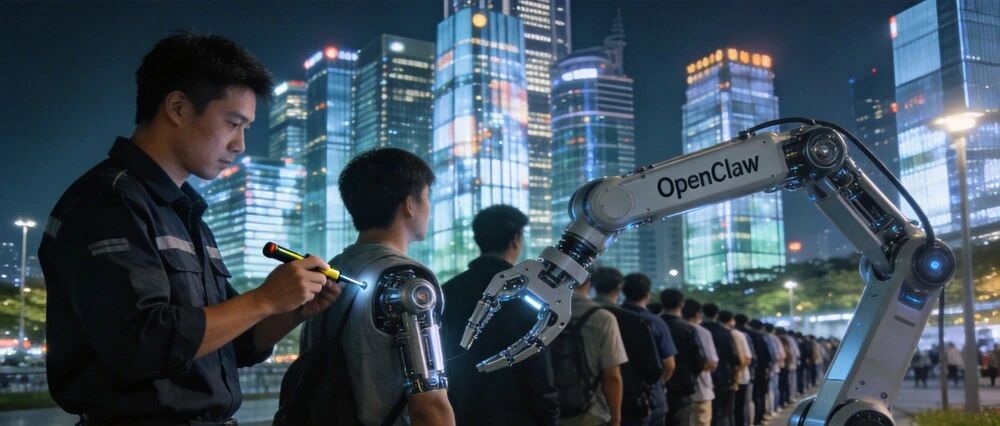
Core Viewpoint - The article discusses the emerging competition among tech giants in the AI space, particularly focusing on the deployment of local agents like OpenClaw, which serve as a new interface for users and a means to generate cash flow through token consumption [7][14][20]. Group 1: AI Agent Deployment - Major companies like Tencent and Xiaomi are actively promoting their local AI agents, with Tencent's OpenClaw being a prominent example, allowing users to automate tasks and interact with various devices [5][6]. - The deployment of these agents is not merely about providing AI tools but represents a strategic move to establish a new "super entry point" for user interactions with digital services [7][20]. Group 2: Cash Flow Generation - The current challenge for tech giants is to create a sustainable business model beyond simple chat interactions, as traditional user engagement does not sufficiently utilize their extensive computational resources [14]. - OpenClaw and similar agents can significantly increase token consumption by breaking down complex tasks, leading to a higher volume of API requests and thus generating substantial cash flow for cloud service providers [15]. Group 3: Data Acquisition - The competition is also about acquiring high-quality task trajectory data, which is crucial for training advanced AI models. This data reflects real-world actions and is more valuable than static text data [17][18]. - By deploying agents on user devices, companies can collect this trajectory data, which can be used to enhance AI capabilities and create a competitive edge in model training [19][20]. Group 4: Changing User Interaction - The introduction of AI agents is expected to transform how users interact with digital platforms, shifting from app-centric engagement to task-oriented interactions where AI decides the best services to use [23][24]. - This shift could diminish the role of traditional apps, relegating them to service nodes while the AI agent becomes the primary interface for users [23][24]. Group 5: Future Implications - The rise of AI agents like OpenClaw may signal a significant shift in the internet landscape, where AI systems evolve from being mere tools to becoming integral parts of users' digital lives [27][28]. - If the AI agent era materializes, it could lead to a new platform level in technology, similar to past innovations that started as niche products but evolved into dominant platforms [28][29].



贾国龙卸任,董俊义能带西贝走向春天吗?
虎嗅APP· 2026-03-07 02:46
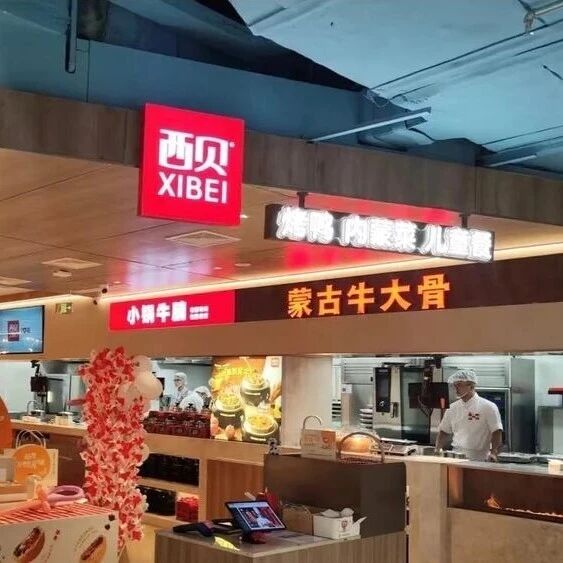
Core Viewpoint - The leadership change at Xibei marks a significant shift from a focus on ambitious growth under former CEO Jia Guolong to a survival-oriented strategy under new CEO Dong Junyi, emphasizing cost-cutting and operational efficiency [4][6][21]. Group 1: Leadership Change - Jia Guolong has stepped down as CEO of Xibei, with Dong Junyi, a long-time employee, taking over the leadership role [4][6]. - Dong Junyi's approach includes drastic measures such as salary cuts, store closures, and the elimination of competitive performance incentives, aiming to stabilize the company [10][12][13]. Group 2: Strategic Shift - The previous competitive "race" culture under Jia Guolong has been replaced with a focus on reducing losses and ensuring store survival, reflecting a fundamental change in the company's operational philosophy [13][14]. - Dong Junyi's strategy involves halting new business ventures and concentrating resources on the main brand to improve cash flow and profitability [16][21]. Group 3: Market Challenges - Xibei faces significant challenges due to its positioning in the low-margin North-West cuisine market, where price sensitivity among consumers has increased [19][20]. - The company's previous attempts to expand into fast food and retail have not yielded success, leading to a strategic misalignment with market demands [10][19]. Group 4: Operational Adjustments - Dong Junyi has implemented salary reductions for management and staff, linking compensation to performance in reducing losses, which has led to a more flexible workforce [14][15]. - The restructuring aims to maximize labor efficiency by having staff perform multiple roles, adapting to the current market conditions [15][21]. Group 5: Long-term Viability - The leadership transition highlights the critical need for Xibei to establish a more sustainable decision-making framework, moving away from founder dependency to a more structured governance model [21]. - The company must also address the balance between quality and cost-effectiveness to regain consumer trust and market relevance [21].
激光雷达,能拉爆鸿蒙五界的销量吗?
虎嗅APP· 2026-03-07 02:46
Core Viewpoint - Huawei has launched a new generation of high-line laser radar, claiming it to be the "highest line count" product in the world, achieving a significant technological breakthrough in an industry where most products are limited to 192 lines [2][4]. Group 1: Product Features and Benefits - The high-line laser radar offers enhanced safety capabilities, allowing for better detection of low obstacles and improving recognition distances for low-reflectivity targets by 190% and for irregular obstacles by 77% [4]. - In extreme conditions such as rain or snow, the radar can provide more accurate images, enhancing driver safety and confidence [4]. - The radar's value is more pronounced for luxury car owners who prioritize safety features, while average consumers may not perceive a significant difference in daily commuting [4]. Group 2: Market Positioning and Pricing - The first models equipped with the 896-line radar are the high-end models, with the starting price of the ZunJie S800 at 728,000 yuan and the AITO M9 at 479,800 yuan, reflecting a price increase of 20,000 yuan and 10,000 yuan respectively compared to their 192-line counterparts [5]. - Huawei aims to leverage this technology to drive sales for its automotive partners, with a cumulative delivery of 1.28 million vehicles expected by March 2026 [6][7]. Group 3: Sales Performance and Market Dynamics - Despite impressive sales figures, the performance varies significantly across different models, with the ZunJie brand achieving monthly sales of 2,000-3,000 units, while the AITO M9 maintains over 18,000 units [10]. - The introduction of high-line radar may not uniformly boost sales across all models, as the impact will differ based on the target market and consumer sensitivity to price [11][13]. - For high-end brands like AITO and ZunJie, the new radar technology serves as a competitive advantage, while for mid-range brands like ZhiJie and ShangJie, the impact on sales may be limited due to price sensitivity among consumers [14][17]. Group 4: Strategic Implications - The 896-line radar is seen as a tool to strengthen the market position of high-end brands, appealing to consumers who value cutting-edge technology and safety [14][21]. - For mid-range and budget models, the focus should be on market positioning, competitive pricing, and clear brand narratives rather than solely on advanced technology [21].

B站为恰饭拼了
虎嗅APP· 2026-03-07 02:46
Core Viewpoint - Bilibili (B站) has achieved its first annual profit in 2025, with a net profit of 1.19 billion yuan, marking a significant turnaround from a net loss of 1.36 billion yuan in 2024, driven by strategic business restructuring and operational efficiency improvements [5][8]. Financial Performance - In Q4 2025, Bilibili reported total revenue of 8.32 billion yuan, a year-on-year increase of 8%, with a net profit of 510 million yuan, a substantial increase of 478% [9]. - The gross margin has improved for 14 consecutive quarters, reaching 37%, while the adjusted operating profit margin rose to 10%, moving towards a mid-term target of 15%-20% [9][30]. Revenue Breakdown - Value-added services remain the primary revenue source, generating 3.26 billion yuan in Q4 2025, a 6% increase year-on-year, and accounting for 39% of total revenue [13]. - Advertising revenue reached 3.04 billion yuan in Q4 2025, a 27% year-on-year growth, contributing to 37% of total revenue [17][19]. User Engagement - Daily active users reached 113 million in Q4 2025, a 10% increase year-on-year, with monthly active users at 366 million, an 8% increase [6]. - The average daily usage time increased to 107 minutes, indicating strong user engagement [6]. Business Strategy - Bilibili's profitability is attributed to three core business areas performing exceptionally well: value-added services, advertising, and gaming [11]. - The gaming segment generated 6.39 billion yuan in revenue, a 14% increase year-on-year, reflecting a shift from heavy reliance on self-developed games to a balanced approach of exclusive agency and self-development [23]. Cost Management - Bilibili has effectively controlled costs, with operating costs growing only 6% year-on-year, below the 8% revenue growth rate, and operating expenses decreasing by 3% [28][30]. - The company has focused on structural optimization, cutting inefficient projects while investing in quality content and the creator ecosystem [32]. Future Outlook - Bilibili aims to enhance its creator ecosystem and maintain a balance between commercialization and community engagement, which is crucial for sustainable profitability [33][36]. - The introduction of AI-assisted content creation tools in 2026 is expected to improve content production efficiency and expand market reach [35].


AI情色工厂
虎嗅APP· 2026-03-06 14:26
Group 1 - The article discusses the rise of AI-generated "beauties" used in scams, highlighting how these technologies have transformed the landscape of online fraud [4][10] - AI technologies like Stable Diffusion and Midjourney enable scammers to create hyper-realistic images of women, significantly lowering the barriers to entry for fraud [8][12] - The integration of large language models (LLMs) allows these AI-generated personas to engage in sophisticated conversations, making it easier to manipulate victims emotionally [9][10] Group 2 - The article provides a case study of a victim who lost 2.8 million yuan due to a scam involving AI-generated personas and voice cloning technology, illustrating the effectiveness of these methods [12][13] - Reports indicate that AI-related scams have seen a significant increase, with the annual growth rate of "virtual love" cases exceeding 40% [12][13] - The black market for AI-generated materials has developed a complete ecosystem, offering thousands of images and videos of virtual characters for a few hundred yuan [12][14] Group 3 - The article emphasizes the emotional and psychological impact on victims, who often experience shame and trauma beyond the financial loss [13][14] - The industrialization of this scam model exploits modern loneliness, targeting high-net-worth individuals with low social interaction [14][15] - The ongoing evolution of AI-generated personas creates a blurred line between reality and illusion, raising concerns about trust in social interactions [15][16]