经济观察报

Search documents
企业都好起来啦?不是AAA发债都拿不出手
经济观察报· 2025-09-14 04:34
Core Viewpoint - The article discusses the transformation of the credit rating industry in China, highlighting the overwhelming dominance of AAA-rated bonds in the market, driven by factors such as "state-owned enterprise faith," changes in issuer structure, intense competition, and regulatory reforms [1][6][13]. Group 1: Market Trends - In 2025, AAA-rated bonds accounted for over 90% of new credit bond issuances, a significant increase of nearly 97% compared to 2016 [3][9]. - The proportion of AAA-rated bonds among newly issued corporate bonds reached 85% in the first eight months of 2025, up from 40% in the same period in 2016 [5][10]. - The share of private enterprises in bond issuance has drastically decreased, with only 1% of issuers being private in 2025, down from 37% in 2016 [6][14]. Group 2: Investor Behavior - The decline in market defaults has reinforced the "state-owned enterprise faith," with a 73% year-on-year decrease in bond market defaults in the first half of 2025 [15]. - Investors are increasingly relying on internal rating systems rather than external ratings due to concerns over inflated ratings [11][13]. Group 3: Rating Agency Dynamics - The competitive landscape among rating agencies has intensified, with issuers pressuring agencies to provide AAA ratings, leading to a dilution of rating standards [16][19]. - The number of rating agencies has increased, resulting in a price and rating competition that undermines industry standards [19][20]. - Regulatory scrutiny has intensified since 2021, with multiple agencies facing penalties for non-compliance, highlighting the need for improved governance and compliance within the industry [23][24]. Group 4: Future Outlook - Industry leaders emphasize the importance of maintaining long-term survival and reputation, suggesting that agencies should focus on quality over quantity in their ratings [22][26]. - Recommendations for addressing the inflation of credit ratings include improving the rating fee model, creating a balanced competitive structure, and enhancing regulatory frameworks [26].


经观社论|用有为行动建设公平竞争市场
经济观察报· 2025-09-14 04:34
Group 1 - The core viewpoint emphasizes the necessity of establishing a transparent and fair competitive environment to effectively allocate innovative resources and allow competitive enterprises to grow, thereby promoting economic structure upgrades and enhancing national long-term competitiveness [1][5]. Group 2 - The Ministry of Industry and Information Technology, along with five other departments, has launched a three-month special action to rectify online chaos in the automotive industry, addressing issues such as illegal profit-making, exaggerated and false advertising, and defamation of companies [2]. - The automotive industry is highlighted as a significant observation window for unfair competition due to its high-value products, complex supply chains, and high information asymmetry [2]. - Various unfair competition behaviors have been identified, including companies creating false safety narratives through staged accidents, maliciously attacking competitors, and manipulating sales figures through deceptive practices like "zero-kilometer used cars" [2][3]. Group 3 - The ongoing issues have led to a breakdown of market trust, with consumers feeling deceived and supply chain participants experiencing anxiety, exacerbating unhealthy price wars and "involution" within the industry [3]. - Some issues have been addressed, such as the Ministry of Science and Technology's issuance of ethical guidelines for automated driving technology and the commitment to regulate the "zero-kilometer used car" phenomenon [4]. Group 4 - The core of fair competition policy is to guide enterprises to engage in healthy competition under legitimate rules, necessitating effective punishment for violators to significantly increase the costs of illegal activities [4]. - The role of local governments in unfair competition is also critical, as some local governments provide protection or subsidies to local automotive companies, hindering market elimination of non-competitive firms and causing resource misallocation [4]. Group 5 - The fairness of competition will determine which enterprises can stand out in the future, directly impacting the overall innovation capability and sustainable development level of the country [5]. - The theme of this year's Fair Competition Policy Promotion Week is "Unified Big Market, Fair Competition Future," reflecting the importance of an open and unified market in driving economic growth over the past four decades [5].

硬折扣店的鸡蛋卖9.9元,赚钱吗?
经济观察报· 2025-09-14 04:34
Core Viewpoint - The article discusses the rise of hard discount supermarkets in China, highlighting their aggressive pricing strategies and questioning their profitability given the extremely low prices of essential goods like eggs and bottled water [2][4][8]. Group 1: Market Dynamics - Since late August, hard discount supermarkets have gained significant traction, with major players like JD, Meituan, and Alibaba rapidly opening new stores [2][4]. - These supermarkets attract consumers with extremely low prices, such as 30-pack eggs priced at 9.9 yuan and bottled water at 7.9 yuan [2][4]. Group 2: Pricing Comparison - A comparison of egg prices shows that hard discount supermarkets offer significantly lower prices than traditional retailers, with prices ranging from 9.9 yuan at JD to 19.9 yuan at Sam's Club [5][6]. - For soy sauce, the hard discount prices are also lower, with JD's 750ml soy sauce priced at 9.9 yuan compared to higher prices at other retailers [7]. Group 3: Cost Structure and Profitability - Industry insiders indicate that the cost of producing eggs is around 10.2 yuan for 1.5 kg, suggesting that hard discount prices may lead to losses when accounting for logistics and packaging [8]. - The profit margins on bottled water are minimal, with production costs estimated between 0.36 yuan to 0.60 yuan per bottle, making it challenging for supermarkets to achieve profitability [9]. Group 4: Business Model and Strategy - Hard discount supermarkets primarily use low-priced items to drive foot traffic, with the expectation that higher-margin products will compensate for losses on loss leaders like eggs and water [10]. - The operational model emphasizes efficiency through streamlined supply chains, reduced SKU counts, and a focus on private label products to enhance profitability [12][14]. Group 5: Competitive Landscape - Different players in the hard discount space have unique strategies, with Alibaba focusing on first-tier cities and JD targeting lower-tier markets with larger store formats [13][14]. - The success of hard discount supermarkets hinges on balancing extreme price competitiveness with operational efficiency to achieve sustainable profitability in a market projected to be worth 200 billion yuan [14].




谁有权查看监控并公开罗永浩的行程和菜单?
经济观察报· 2025-09-13 09:42
Core Viewpoint - The article discusses the controversy surrounding the restaurant chain Xibei and its handling of customer privacy, particularly in relation to a recent incident involving public figure Luo Yonghao, who criticized the restaurant for serving mostly pre-prepared dishes. The founder of Xibei, Jia Guolong, publicly disclosed details of Luo's dining experience, raising questions about the legality and ethics of such actions regarding customer privacy rights [2][4]. Summary by Sections Incident Overview - On September 10, Luo Yonghao criticized Xibei on social media, leading to a response from Jia Guolong, who revealed details from restaurant surveillance footage, including the menu items ordered by Luo and his party [2]. - Luo's dining experience included 16 dishes with a total bill of 833 yuan, and he left a positive comment to the staff before departing [2]. Legal Implications - Legal experts argue that Xibei's actions may violate privacy laws, as the details disclosed about Luo's dining experience are identifiable personal information. Without legal justification or Luo's consent, Xibei should not have accessed or shared this information [4][5]. - The Personal Information Protection Law and the Civil Code of the People's Republic of China impose strict regulations on the use of surveillance footage and the handling of personal data [4]. Restaurant Policies - Multiple Xibei store managers indicated that only store managers have the authority to access surveillance footage, which requires a password that is updated monthly and is subject to group approval [5]. - Customers wishing to view surveillance footage must involve law enforcement, indicating a controlled access policy [5]. Menu Launch - Following the incident, Xibei announced the launch of a "Luo Yonghao Menu" across all locations, which features dishes previously ordered by Luo. This move has also been criticized as potentially infringing on Luo's name rights without his consent [5][6].

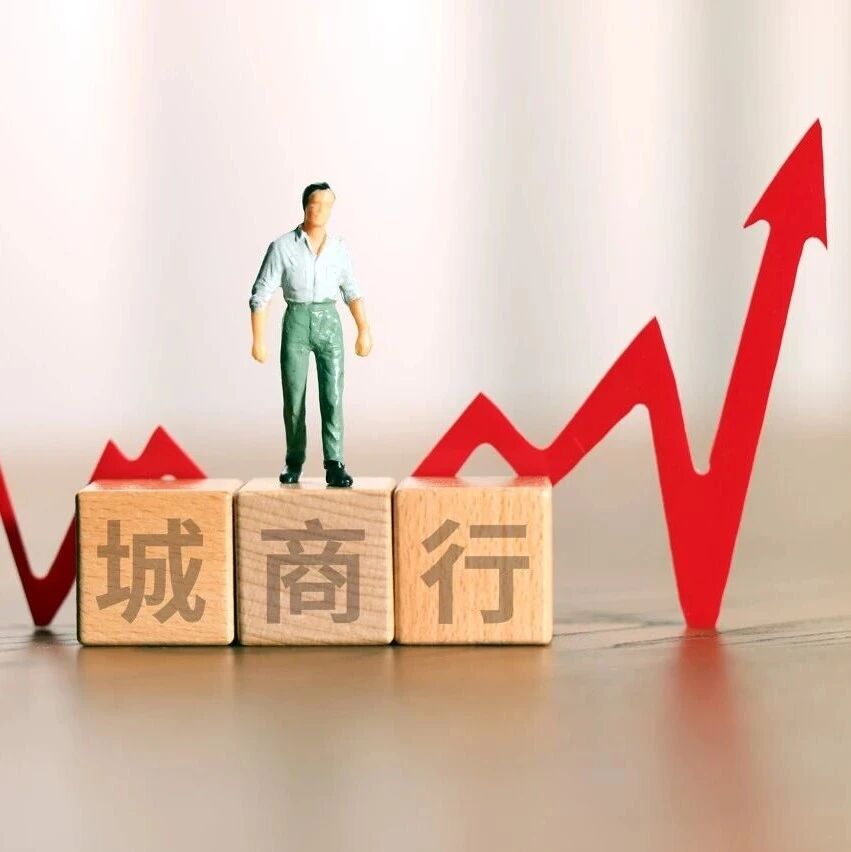
上市城商行新格局:“规模之王”易主、前三甲洗牌
经济观察报· 2025-09-13 08:55
Core Viewpoint - The rise of Jiangsu Bank and Ningbo Bank reflects not only their governance and transformation capabilities but also the high-quality development of the regional economy, supported by vibrant private enterprises, quality enterprise clusters, and innovative ecosystems, which provide solid backing for business growth, risk control, and profitability. This new pattern is expected to continue reinforcing the trend of "the strong getting stronger" [2][11][16]. Summary by Sections Jiangsu Bank's Growth - As of June 2025, Jiangsu Bank's total assets grew significantly by 21.16% year-on-year, reaching 4.79 trillion yuan, surpassing Beijing Bank's 4.75 trillion yuan, making it the new leader among city commercial banks [2][4]. - Jiangsu Bank's operating income and net profit exceeded those of Beijing Bank in 2022, with figures of 70.57 billion yuan and 25.39 billion yuan respectively, while Beijing Bank reported 66.28 billion yuan in revenue and 24.76 billion yuan in net profit [4][5]. - The bank's loan and advance balance increased by 16.38% year-on-year, with corporate loans growing by 23.30% [5]. Ningbo Bank's Performance - Ningbo Bank's total assets reached 3.47 trillion yuan as of June 2025, surpassing Shanghai Bank, which had total assets of 3.29 trillion yuan [8][9]. - In the same period, Ningbo Bank's operating income was 37.16 billion yuan, a year-on-year increase of 7.91%, and its net profit was 14.77 billion yuan, up 8.23% [9][10]. Comparison with Other Banks - The competitive landscape has shifted, with Jiangsu Bank and Ningbo Bank overtaking Shanghai Bank, which has fallen from second to fourth place in terms of asset size [9][14]. - The top five city commercial banks by operating income in the first half of 2025 were Jiangsu Bank (44.86 billion yuan), Ningbo Bank (37.16 billion yuan), Beijing Bank (36.22 billion yuan), Nanjing Bank (28.48 billion yuan), and Shanghai Bank (27.34 billion yuan) [10]. Regional Economic Factors - The robust regional economic development, particularly in the Yangtze River Delta, has been a crucial factor supporting the rapid growth of Jiangsu and Ningbo Banks, providing diverse customer bases and business opportunities [15][16]. - The banks' focus on corporate business has been a significant driver of growth, with both banks maintaining low non-performing loan ratios compared to their peers, enhancing their profitability [11][15]. Capital Adequacy - Despite rapid expansion, Jiangsu Bank's capital adequacy ratio faced pressure, standing at 12.36% as of June 2025, with declines in its tier one and core tier one capital ratios [6].


十年间三度沉浮,小型电动车再次“复活”
经济观察报· 2025-09-13 08:55
Core Viewpoint - The revival of the A0-level electric vehicle market in China is not just a short-term rebound but reflects a significant transformation in the country's new energy vehicle market, driven by factors such as cost reduction, policy support, and enhanced product capabilities [3][5][12]. Group 1: Market Recovery - By mid-2025, brands like Arcfox, Wuling, MG, and Chery are expected to flood the A0-level electric vehicle market, indicating a comprehensive recovery of this segment [3][9]. - The A0-level electric vehicle market is experiencing a resurgence due to declining battery costs, increased policy support, and improved product capabilities, with several brands launching new models in a short period [5][9]. - The market share of A0-level electric vehicles has been increasing, with A0-level cars becoming the fastest-growing segment in the new energy market by mid-2025 [9][15]. Group 2: Historical Context - The A0-level electric vehicle market has experienced two previous "high points," first from 2014 to 2017 and again from 2020 to 2021, but faced a downturn in 2022 due to rising battery material costs and subsidy reductions [7][8]. - The price of battery-grade lithium carbonate surged from 44,000 yuan/ton in Q4 2020 to over 460,000 yuan/ton by February 2022, significantly impacting the profitability of A0-level electric vehicles [7][8]. Group 3: Policy and Economic Factors - The decline in subsidies for new energy vehicles, which dropped by 30% in 2022, further exacerbated the challenges faced by the A0-level electric vehicle market [8][11]. - The introduction of policies promoting vehicle trade-ins and subsidies for purchasing new energy vehicles is expected to stimulate demand in the A0-level segment [11][12]. Group 4: Product Evolution - The new generation of A0-level electric vehicles has shed the "cheap and low-end" label, now offering features previously found only in mainstream and high-end vehicles, thus attracting more consumers [12][13]. - Recent models feature enhanced dimensions, with the new MG4 offering a length of 4395mm and a wheelbase of 2750mm, providing a spacious experience comparable to B-class vehicles [12]. - A0-level electric vehicles are now entering the 500km+ range for battery life, with models like the MG4 and Wuling Bingguo S offering various range options [12][13]. Group 5: Market Dynamics and Future Trends - The A0-level electric vehicle market is witnessing a significant penetration rate of 68.7% in the passenger vehicle market, indicating strong demand [15]. - The market is expected to further diversify, with the introduction of different body styles such as SUVs and sedans to meet varying consumer needs [16]. - The potential for growth in overseas markets, particularly in Europe, where A0-level vehicles hold a substantial market share, presents additional opportunities for expansion [16].


千万老漂族,困在带孙辈的义务中
经济观察报· 2025-09-13 08:55
Core Viewpoint - The article discusses the increasing burden on families due to the demands of child-rearing and education, leading to the rise of the "old drifting" population, who move to cities to help care for grandchildren, often at the cost of their own well-being and mental health [1][8][22]. Group 1: Old Drifting Population - The "old drifting" population refers to elderly individuals who relocate to cities to assist their children with childcare and household duties, often feeling like outsiders in their new environments [6][7]. - In 2020, the number of old drifters in China exceeded 11 million, as they make up 43% of the elderly population involved in childcare [6][21]. - The old drifting population plays a crucial role in supporting young families, allowing them to maintain dual-income households and manage daily responsibilities [11][20]. Group 2: Family Dynamics and Conflicts - Conflicts often arise between the old drifting population and younger family members, primarily due to differing parenting philosophies, with younger parents favoring meticulous child-rearing practices that the elderly may struggle to implement [8][15]. - Many elderly caregivers feel unappreciated and overburdened, leading to feelings of resentment and mental health issues, as they often sacrifice their own needs for the sake of family [8][22]. - The article highlights that the old drifting population often experiences a lack of emotional support from their children, leading to increased feelings of isolation and neglect [22][23]. Group 3: Economic Considerations - The economic burden of hiring professional childcare services is significant, with costs for hiring a nanny for children aged 0-3 years potentially reaching around 180,000 yuan, making reliance on the old drifting population a financially viable option for many families [21]. - The article notes that the average salary for childcare workers in urban areas is high, making the old drifting population a cost-effective and reliable alternative for childcare [21][20]. - As urbanization continues to rise, the old drifting population is expected to remain a long-term fixture in family structures, necessitating policy exploration to alleviate their caregiving burdens and ensure their well-being [22][30].

海上新山东图景
经济观察报· 2025-09-13 08:55
Core Viewpoint - The article emphasizes the booming development of the marine economy in Shandong, driven by favorable national policies and strategic planning, aiming to establish a comprehensive marine economy system [1][3][4]. Group 1: Marine Economic Development - The 2024 marine production value in Shandong reached 18,011.8 billion yuan, growing by 6.1%, surpassing the provincial GDP growth rate of 5.7% [6]. - The marine economy's contribution to Shandong's overall economic growth increased to 23.9%, adding 1.1 percentage points to the regional GDP [6]. - The central government has signaled strong support for high-quality marine economic development, encouraging social capital participation [3][7]. Group 2: Strategic Initiatives and Events - The 2025 East Asia Marine Expo held in Qingdao attracted over 450 domestic and international enterprises, showcasing advancements in marine technology and industry [2][5]. - Shandong's strategic plan for marine industry development aims to integrate global marine innovation, enhance core technology, and build a competitive modern marine industry system by 2027 [9][12]. Group 3: Technological Integration - The integration of AI with marine industries is highlighted as a new trend, with companies showcasing intelligent marine equipment capable of complex operations [14][16]. - The establishment of the Qingdao Marine AI Model Industry Alliance aims to enhance marine technology innovation and promote the fusion of AI and marine industries [17]. Group 4: Challenges and Opportunities - Despite Shandong's rich marine resources and technological advantages, there is a need for effective macro strategies and policies to enhance marine technology conversion capabilities [7][18]. - The traditional research model in China may hinder the effective commercialization of marine technologies, indicating a market opportunity for AI-driven solutions [18][19].
拆解“提高财政收入占比”的三个关键问题
经济观察报· 2025-09-13 06:07
Core Viewpoint - The current fiscal pressure in China is closely related to previous constructive debt rather than an increase in "welfare" from enterprises and households. Improving expenditure efficiency and optimizing expenditure structure are crucial for sustainable fiscal health, followed by revenue enhancement [1][5]. Summary by Sections Fiscal Revenue and GDP Ratio - Experts have suggested increasing the fiscal revenue-to-GDP ratio, with former Finance Minister Lou Jiwei advocating for this in his 2025 paper on fiscal policy reform [2]. - The fiscal revenue ratio reflects the government's ability to concentrate financial resources from the economy and its macro-control capacity. China's fiscal revenue includes four main accounts: general public budget, government fund budget, state-owned capital operating budget, and social insurance fund budget [3]. Current Fiscal Situation - The macro tax burden in China is currently at 28.2%, with a reasonable target considered to be around 30%. This indicates room for increasing the fiscal revenue ratio [4]. - The decline in fiscal revenue ratio in recent years is attributed to large-scale tax cuts and fee reductions initiated since 2019, with the ratio dropping from 28-29% in 2018 to 26% in 2023 [9]. Historical Context - Since the tax-sharing system reform in 1994, the fiscal revenue ratio has seen fluctuations, peaking during the "Twelfth Five-Year Plan" at 21.4% and declining to an average of 16.7% during the "Fourteenth Five-Year Plan" [7]. - The fiscal revenue ratio has decreased from 35.7% in 2013 to 30.4% in 2022, a decline of 5.3 percentage points, while the average for 11 middle-income countries increased slightly during the same period [10]. Taxation and Revenue Enhancement - Lou Jiwei has indicated that there is potential to raise the value-added tax (VAT) rate, which currently stands at a low 13%, compared to an average of 20% in other countries [14]. - Other revenue sources, such as social security fund income and land transfer income, have limited growth potential, while the personal income tax has structural weaknesses that make reform challenging [14]. Alternative Revenue Strategies - Experts suggest enhancing the state-owned capital operating budget and reducing unfair tax incentives as alternative methods to increase fiscal revenue without raising tax rates [20][21]. - The state-owned capital operating budget, which is currently underutilized, could significantly contribute to fiscal revenue, especially as land finance declines [21]. Efficiency in Fiscal Spending - Improving the efficiency of government spending and investment is essential for maintaining economic vitality and ensuring public service provision [12][23]. - The focus should be on balancing revenue enhancement with expenditure efficiency, rather than solely increasing the fiscal revenue ratio [18].

罚款、市场禁入!恒大人寿四任董事长都领到了罚单
经济观察报· 2025-09-13 02:24
Group 1 - The core issue highlighted is the serious non-compliance in the operation of insurance funds by Evergrande Life Insurance, including illegal activities such as transferring benefits to related parties and submitting false reports [2][3]. - A total of 20 responsible personnel from Evergrande Life Insurance have been penalized, including all four chairmen since the company's renaming, with fines totaling 2.825 million yuan [2]. - Specific penalties include a lifetime ban from the insurance industry for Liang Dong, a 10-year ban for Chen Kun, and 5-year bans for Zhu Jialin, Zeng Songbai, and Liu Guohui [2][3]. Group 2 - Evergrande Life Insurance, originally known as China New Oriental Life Insurance, was established in 2006 and saw its asset scale grow from 20.1 billion yuan to 200 billion yuan within five years after being acquired by Evergrande Group for 4 billion yuan [3]. - The Shenzhen Financial Regulatory Bureau has indicated that Evergrande Life is severely insolvent and has implemented close supervision and risk management measures [4]. - A new entity, Haigang Life Insurance, has been established to take over the assets and liabilities of Evergrande Life, ensuring the fulfillment of insurance contracts and protection of consumer rights [4].