经济观察报

Search documents
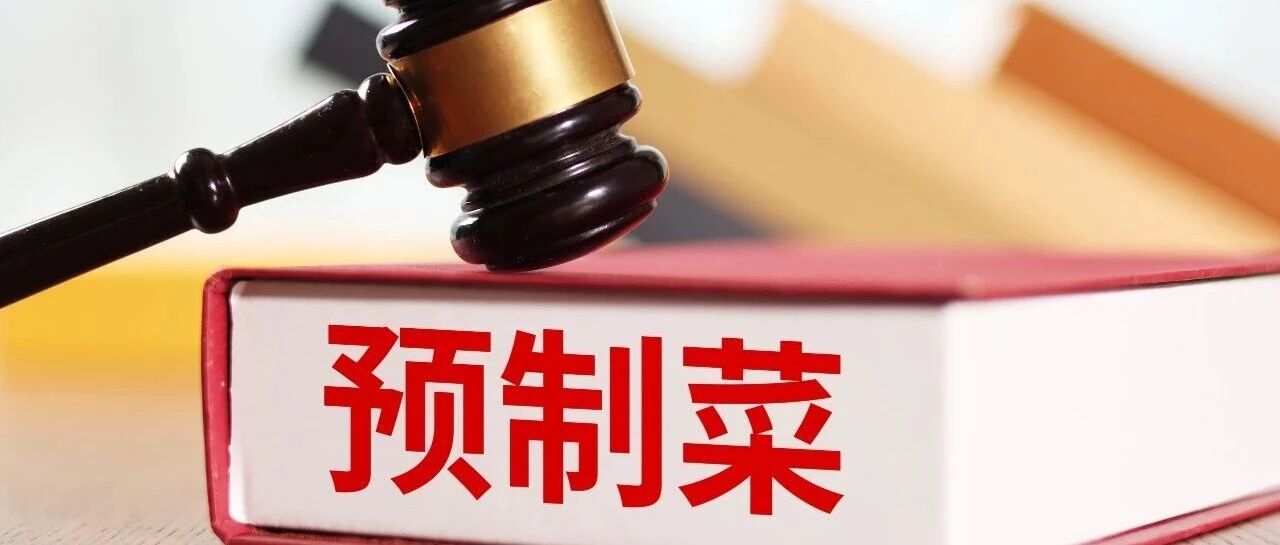
预制菜国标讨论会参加者:预制菜的范围采用排除法,即食即配不算预制菜
经济观察报· 2025-09-15 13:00
Core Viewpoint - The upcoming national standard for prepared dishes will clarify the definition and scope of prepared foods, excluding ready-to-eat and ready-to-assemble products from the category of prepared dishes, while including ready-to-cook and ready-to-heat products [2][3]. Group 1: Definition and Scope of Prepared Dishes - The draft national standard for prepared dishes, led by the National Health Commission, will soon be open for public consultation, marking the first national standard for this category [2]. - Prepared dishes are defined as products made from one or more edible agricultural products, processed through industrial pre-preparation methods, and requiring heating or cooking before consumption [3]. - Ready-to-eat products are those that are fully cooked and can be consumed directly, while ready-to-assemble products require minimal preparation [2][3]. Group 2: Industry Development and Market Potential - The discussion at the prepared dishes national standard meeting included measures to enhance industry development, such as increasing entry barriers for prepared dish companies and requiring clear labeling in the restaurant sector [4]. - The penetration rate of prepared dishes in China is currently estimated at 10%-15%, with projections to rise to 15%-20% by 2030, potentially reaching a market size of 1.2 trillion yuan [4]. - In comparison, the penetration rates in the U.S. and Japan exceed 60%, indicating significant growth potential for the Chinese prepared dish market [4].

今年四季度会再迎来一轮“924”般的增量政策吗?
经济观察报· 2025-09-15 12:20
Group 1: Macroeconomic Policy Outlook - The fourth quarter may see new incremental measures in macroeconomic policy, focusing on increased fiscal efforts, interest rate cuts by the central bank, and stronger initiatives to stabilize the real estate market, which will help counteract external demand slowdown and curb economic decline, ensuring a target growth rate of around 5.0% for the year [1][4]. Group 2: Economic Performance Indicators - In August, exports grew by 4.8% year-on-year, marking six consecutive months of positive growth; however, retail sales of consumer goods increased by only 3.4%, with a declining growth rate over three months [2]. - Fixed asset investment (excluding rural households) saw a year-on-year increase of just 0.5% in the first eight months, a decline of 1.1 percentage points compared to the previous seven months [2]. Group 3: Trade Dynamics - Despite a challenging global trade environment, China's total import and export value increased by 3.5% year-on-year in the first eight months, with exports rising by 6.9%. Machinery and electronics exports were the primary growth drivers, with a notable increase in integrated circuits and automobiles [6][7]. - ASEAN has become China's largest trading partner, with trade value reaching 4.93 trillion yuan, a growth of 9.7% [6]. Group 4: Consumer and Investment Trends - Consumer and investment growth rates have been declining since mid-year, with retail sales growth dropping from 6.4% in May to 3.4% in August, indicating a trend of reduced consumer spending [9][10]. - Real estate development investment has significantly decreased, contributing to a drop in overall investment growth, with private fixed asset investment down by 2.3% in the first eight months [11]. Group 5: Policy Recommendations - To stabilize the real estate market and improve household balance sheets, it is suggested to expand the scale of special long-term government bonds and increase public investment in infrastructure, which could lead to sustained growth in enterprise orders and employment [12].

理财资金借道含权产品入市“潮涌” 规模扩张引发收益挑战
经济观察报· 2025-09-15 12:10
Core Viewpoint - The introduction of rights-containing products by banks is driven by the need to address the challenges posed by declining market interest rates and the pressure to increase revenue from wealth management product distribution [1][3][11]. Group 1: Market Trends - The bank wealth management market is experiencing a shift towards rights-containing products, with a significant increase in the proportion of equity investments [2][5]. - In August, the total scale of wealth management products in the market remained stable at 31.2 trillion yuan, indicating that funds are circulating internally rather than shrinking [2][3]. Group 2: Investment Preferences - High-net-worth investors are actively reallocating their investments from pure fixed-income products to rights-containing products with an equity investment ratio of at least 30% [6][8]. - The preference for rights-containing products with an equity investment ratio between 20% and 45% has led to substantial net inflows of wealth management funds [3][6]. Group 3: Product Development Challenges - The rapid growth of rights-containing products has created challenges in maintaining yield, as larger fund sizes can dilute returns [11][12]. - Banks are facing pressure to design and develop rights-containing products that meet new investor demands, particularly for flexible, daily-open products [12]. Group 4: Performance Metrics - Rights-containing products linked to dividend strategies and index strategies have achieved annualized returns exceeding 10%, with maximum drawdowns below 2.5%, aligning with investor risk preferences [9][11]. - The introduction of performance management metrics, such as the ratio of annualized absolute return to maximum drawdown, is being considered to balance high return targets with low investment risk [12].

还对国民党抱有期待吗,“馆长”泼凉水了
经济观察报· 2025-09-15 12:10
Core Viewpoint - The process of cross-strait unification is fundamentally about reconstructing the relationship between home and country for the people of Taiwan [6]. Group 1: Nationalist Party Leadership Election - The registration period for candidates in the Kuomintang (KMT) chairmanship election is from September 15 to 19, which has garnered significant attention from both Taiwan's political sphere and mainland Chinese institutions and netizens [2]. - There is a strong interest in whether the new KMT chairman will recognize the "One China" principle and actively promote cross-strait unification [2][3]. Group 2: Public Sentiment and Expectations - A prominent figure, known as "Guanzhang" (Chen Zhihan), expressed skepticism about the KMT's ability to facilitate unification, stating that the new chairman's focus will be on gaining power in Taiwan rather than on unification efforts [5]. - Guanzhang's comments reflect a broader sentiment that the KMT's leadership will not significantly impact the unification process, as their primary goal is to maintain political power in Taiwan [12]. Group 3: Identity and Relationship Reconstruction - The KMT's current positioning regarding the relationship between home and country is seen as misaligned, with many members viewing mainland China as their historical homeland rather than Taiwan [7]. - Statements from potential KMT candidates, such as Zheng Liwen and Hao Longbin, affirming their identity as both Taiwanese and Chinese, indicate a step towards reconstructing this relationship [9]. Group 4: Future of the KMT and Unification - The future role of the KMT in promoting or hindering unification will depend on its performance in upcoming elections; a weakened KMT may push for unification, while a strong KMT may leverage its position for concessions [11]. - The internal divisions within the KMT regarding unification are highlighted by differing opinions among its members, with some expressing a desire to retain Taiwan's autonomy even post-unification [10].

补位!中小银行的首席信息官突然吃香了
经济观察报· 2025-09-15 12:10
Core Viewpoint - The establishment of Chief Information Officers (CIOs) in banks is crucial for addressing the urgency of digital transformation, breaking the disconnect between technology and business, and ensuring that technology investments do not become ineffective infrastructure [3][10]. Group 1: CIO Recruitment Trends - Medium-sized banks are increasingly focusing on human resources as a core driver of digital transformation, utilizing "open selection" methods to attract talent [2][5]. - For instance, Zhengzhou Bank has publicly announced an open selection for a CIO, emphasizing specific qualifications such as experience in major banks and expertise in cutting-edge technologies [5]. - Different banks have varying recruitment needs; for example, Xiamen International Bank focuses on candidates with experience in system development and management, while Shangrao Bank seeks younger, highly educated individuals [6]. Group 2: Digital Transformation Investment - Recent data indicates that medium-sized banks are significantly increasing their investment in financial technology, with 28.57% of surveyed banks planning to allocate 5%-10% of their total operating income to tech investments in 2024 [8]. - Despite profitability pressures, these banks are committed to enhancing their technology investments, with over 80% expected to meet a minimum investment threshold of 2% [8]. Group 3: Strategic Importance of CIOs - The role of CIOs is becoming essential as banks face stricter regulatory requirements and the need for compliance in information systems and data security [3][10]. - The appointment of CIOs allows banks to centralize resources for digital transformation and address technological shortcomings, particularly in serving local markets [10][11]. - Recommendations for effective CIO roles include combining internal talent development with external recruitment, clearly defining responsibilities, focusing on local market needs, and adopting a pragmatic approach to digital transformation [11].

新能源汽车维修围墙该拆了
经济观察报· 2025-09-15 12:10
Core Viewpoint - The article discusses the ongoing debate regarding the monopolization of after-sales services by Chinese electric vehicle (EV) manufacturers, highlighting the challenges faced by independent repair shops and the implications for the EV market in China [2][4]. Group 1: Regulatory Issues - Five Chinese EV companies were fined AUD 10 million (approximately RMB 47 million) by Australian regulators for not providing independent repair shops with timely and complete diagnostic, software, and technical information, raising concerns about compliance in overseas markets [2]. - The article emphasizes that the after-sales market for EVs in China is underdeveloped, with a shortage of repair facilities and skilled personnel, making it difficult for independent repair shops to participate effectively [2][6]. Group 2: Safety and Legal Concerns - The high safety standards required for repairing EVs are cited as a reason for manufacturers to control the repair process, as demonstrated by a case where two repair workers were sentenced for tampering with a battery management system [3][4]. - The article questions whether the justification of safety is being used as a pretext for monopolistic practices, referencing China's Anti-Monopoly Law and regulations against monopolizing the vehicle repair market [4][5]. Group 3: Market Dynamics - The current trend of vertical integration in the EV industry has led manufacturers to consolidate after-sales services, which were traditionally handled by dealers, into their own operations, driven by the need for profitability in a competitive market [5]. - The article points out that the high costs and lack of choice in repair services, along with rising insurance costs and a chaotic used car market, pose significant challenges to the sustainable development of the EV industry [5][6]. Group 4: Recommendations for Improvement - The article calls for clearer legal regulations regarding EV repairs and urges collaboration among regulatory bodies, manufacturers, and industry organizations to promote data sharing with third-party repair shops, fostering a competitive market environment [6].

当美元降息“鸽声”回荡,什么资产会受益?
经济观察报· 2025-09-15 04:06
Group 1 - The core viewpoint of the article suggests that the intersection of the Federal Reserve's monetary policy shift and China's new productivity dividend may lead to a new turning point in global capital allocation and macroeconomic restructuring [1][2][3] - The U.S. labor market has shown significant cooling, with only 22,000 jobs added in August and an unemployment rate rising to 4.3%, indicating a slowdown in employment growth [5][6] - Market consensus indicates that the Federal Reserve is likely to announce interest rate cuts in September, with expectations of a total reduction of 125 basis points over the next five meetings [6][8] Group 2 - The focus of the market has shifted from "whether to cut rates" to "how to cut rates," with expectations of a gradual approach to rate cuts [8][10] - The anticipated rate cuts are expected to boost risk appetite in the U.S. stock market, particularly benefiting growth and small-cap stocks [10][11] - The weakening of the U.S. dollar is projected to provide much-needed capital support for emerging markets [11][16] Group 3 - Gold prices have surged due to expectations of rate cuts and global fiscal concerns, with prices rising over 8% since mid-August and nearly 40% year-to-date [14][15] - The demand for gold is driven by central banks' continued purchases, investor hedging against fiscal and geopolitical uncertainties, and the lower opportunity cost of holding non-yielding assets [14][15] - The article highlights a potential shift in asset allocation strategies, with a move towards diversified investments that include low-correlation assets like gold [15][16]

餐饮老板眼中的预制菜和现做
经济观察报· 2025-09-14 08:12
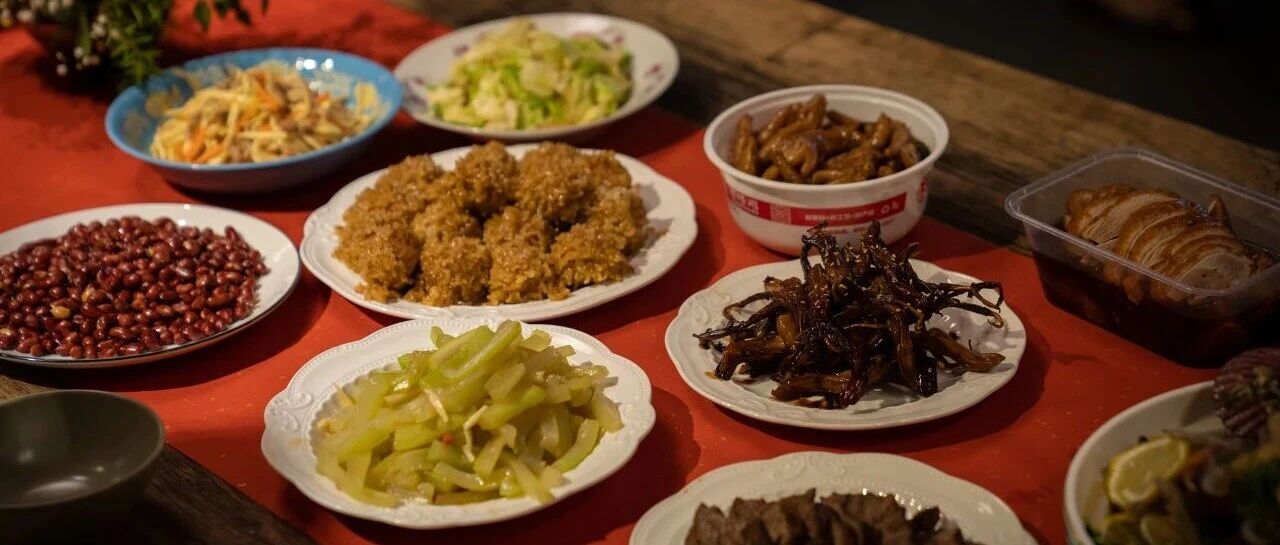
Core Viewpoint - The debate over pre-prepared dishes (pre-cooked meals) highlights differing perspectives between consumers and restaurant owners, with a need for clear definitions and transparency in the industry [2][4][5]. Group 1: Definition and Standards - According to the 2024 definition by six ministries, pre-prepared dishes are made from one or more food products, processed industrially, and require heating or cooking before consumption [2]. - The understanding of pre-prepared dishes varies among restaurant owners, with some believing that items requiring further cooking do not qualify as pre-prepared [2][4]. Group 2: Perspectives from Industry Leaders - Industry leaders like Jia Guolong argue that their restaurants do not use pre-prepared dishes, while others, like Luo Yonghao, claim this is misleading [3][4]. - Central kitchens are seen as essential for standardizing food safety and quality, but some brands prefer fresh cooking to maintain flavor and consumer appeal [4][5]. Group 3: Consumer Expectations and Industry Practices - Consumers prioritize food safety, health, taste, and value, which may not align with industry definitions of pre-prepared dishes [5]. - The operational model of restaurants influences their approach to pre-prepared dishes, with some opting for automation to enhance efficiency while maintaining freshness [5].
狙击“黄牛”累及正常客户 拼多多百亿补贴的难题
经济观察报· 2025-09-14 08:03
Core Viewpoint - The article discusses the recent incidents of order cancellations, referred to as "砍单" (order cutting), on the Pinduoduo platform during the pre-sale of the iPhone 17, highlighting the challenges consumers face in securing their purchases due to the platform's strict anti-fraud measures aimed at preventing scalping and ensuring fair access to discounts [2][3][11]. Group 1: Order Cancellation Incidents - Many users reported receiving notifications of order cancellations for the iPhone 17 on Pinduoduo, citing reasons related to account or shipping information not meeting delivery conditions [2][3]. - Affected consumers expressed frustration, noting that even after successful payment, their orders were canceled hours later without clear explanations from customer service [5][6]. - The article emphasizes that successful payment on Pinduoduo does not guarantee the completion of the purchase, as the platform employs algorithms to identify potentially fraudulent orders [6][10]. Group 2: Anti-Fraud Measures - Pinduoduo has implemented a set of algorithms to combat scalping and ensure that more users can benefit from promotional offers, which includes monitoring user behavior and transaction patterns [3][10]. - The platform's user agreement allows it to assess user activities and determine if they exhibit signs of abnormal or fraudulent behavior, leading to potential order cancellations [7][9]. - Specific measures include canceling orders, revoking promotional eligibility, and other actions deemed necessary by Pinduoduo to protect user rights and maintain fair access to products [8][11]. Group 3: Consumer Strategies and Experiences - Users have shared various strategies to avoid order cancellations, such as ensuring precise shipping addresses and avoiding the use of multiple accounts from the same location [9][10]. - Despite these strategies, some long-time users still faced cancellations, raising concerns about the effectiveness and fairness of Pinduoduo's fraud detection system [10]. - The article notes that the "百亿补贴" (Billion Subsidy) program is designed to attract high-value users by offering significant discounts on popular products, which has led to increased scrutiny of orders during promotional events [11].



中国新能源汽车澳洲受指控,“维修权”究竟该归谁?
经济观察报· 2025-09-14 04:34
Core Viewpoint - The article discusses the challenges faced by consumers of electric vehicles (EVs) regarding high maintenance costs and limited repair options due to monopolistic practices by manufacturers, which contradicts the lower operational costs that attract consumers to EVs [1][6]. Group 1: Issues in EV Maintenance - Consumers are surprised by high maintenance and insurance costs for EVs, which are controlled by manufacturers, despite the lower operational costs that initially motivated their purchase [1][6]. - A report from the Australian Automotive Service and Repair Authority (AASRA) accuses five Chinese EV manufacturers of monopolistic practices by restricting access to independent repair services and withholding essential diagnostic software and technical data [2][8]. - The limited availability of authorized repair centers and parts leads to consumer frustration, as seen in the experience of an Australian industry worker who faced significant delays in repairs for a Chinese EV [2][3]. Group 2: Market Dynamics and Manufacturer Concerns - The high profit margins from after-sales services, particularly from the "three electric systems" (battery, motor, and electronic control), account for over 40% of EV manufacturers' after-sales profits, leading to reluctance in opening data to third-party repair services [6][8]. - The Chinese automotive industry faces scrutiny for its closed after-sales service model, which clashes with international regulations that require transparency and access for independent repair shops [9][10]. - The lack of penalties for Chinese EV manufacturers under existing regulations in China highlights a gap in enforcement compared to international standards, where violations can lead to significant fines [10][11]. Group 3: Future Directions and Recommendations - A balanced approach involving manufacturers, independent repair shops, regulatory bodies, and insurance companies is necessary to create a fair and competitive after-sales ecosystem for EVs [11]. - The article emphasizes the need for a shift towards a more open and competitive market that prioritizes consumer choice while ensuring safety and compliance with regulations [11].