经济观察报

Search documents
美团退款的钱去哪了?
经济观察报· 2025-08-26 15:04
Core Viewpoint - The article discusses the issue of refunds not being credited back to users' accounts on Meituan, highlighting various types of problematic orders and user experiences related to this issue [1][3][5]. Summary by Sections Refund Issues - Refunds not credited back to users are categorized into four types: 1) "Refund Failed" orders, which users can manually re-initiate; 2) orders from years ago still showing "Refunding/Under Review"; 3) orders showing "Refund Completed" but with a refund amount of zero; and 4) orders that appear to have been refunded to the original payment account but have identical timestamps for initiation, review, and completion, with users finding no actual funds received [1][5]. User Experiences - Users began reporting issues on social media starting August 24, with many discovering that refunds from as far back as 2014 to 2019 were not received, affecting various services like dining, hotel bookings, and tickets [2][3]. - One user found over 30 orders from 2015-2017 marked as "Refund Failed" and successfully retrieved over 1,000 yuan after re-initiating the refund process [5]. - Another user, a VIP member, discovered over 80 orders with suspected non-refunds totaling over 4,000 yuan after reviewing their transaction history [6]. Customer Service Response - Meituan's customer service acknowledged the issue, stating that some refunds were not processed due to delays in updating refund status or issues with users' payment channels, suggesting that funds may have been credited to users' Meituan balance instead [3][6]. - Users reported long wait times for customer service, with queues exceeding 99 people [6]. Historical Context - The article reveals that the refund issues may stem from historical problems in Meituan's payment system, including potential bugs and legacy issues from before the company obtained its payment license in 2016 [9][10]. - There were reports of refunds being directed to a "Meituan Wallet" account before the official launch of the payment system, raising questions about the legitimacy of these transactions [10][12]. Systemic Issues - An employee from Meituan's transaction system indicated that the refund process involves multiple steps, and failures can occur at any stage, complicating the resolution of refund issues [9][10]. - The article notes that similar refund problems have been reported on other platforms, but Meituan's high volume of transactions may exacerbate the situation [9]. Conclusion - The ongoing refund issues highlight significant challenges within Meituan's payment processing system, raising concerns about user trust and the reliability of electronic payment systems in general [3][6].



科兴生物法律战复盘:两轮双头董事会七年之争
经济观察报· 2025-08-26 11:56
Core Viewpoint - The article discusses the ongoing governance disputes at Sinovac Biotech, highlighting the complexities of shareholder dynamics and legal challenges surrounding board elections and corporate governance [2][7][12]. Group 1: Company Background - Sinovac Biotech, a prominent player in the vaccine industry, has generated over 130 billion yuan in revenue and more than 96 billion yuan in net profit from 2021 to 2022 [4]. - The company is registered in Antigua and Barbuda, a known tax haven, which complicates legal oversight and shareholder rights [5]. Group 2: Governance Disputes - The governance struggle began in 2016 when Sinovac planned to go private, leading to a power struggle between two factions: one led by the founder, Yin Moudong, and the other by investor Li Moxiang [7]. - In 2018, Li's faction gained a majority stake and attempted to replace the board, leading to a protracted legal battle over the legitimacy of board elections and the implementation of a "poison pill" strategy [7][9]. Group 3: Recent Developments - On July 9, 2025, a special shareholder meeting resulted in the removal of Li Moxiang and the election of a new board, with Yin Moudong returning as CEO [12]. - Li Moxiang's faction contested the legality of the new board, claiming that the meeting was improperly conducted, leading to a second round of governance disputes [12][13]. Group 4: Legal and Procedural Issues - The article emphasizes the importance of proper procedures in shareholder meetings, noting that any changes to the agenda or voting rights must be communicated in advance to protect shareholder interests [13][14]. - The legitimacy of the voting rights of two investors, Shangchen Capital and Weiwang Capital, was challenged, with a temporary injunction preventing them from voting during the special meeting [16][17]. Group 5: Implications for Future Governance - The ongoing disputes highlight the need for clarity in corporate governance practices, especially in jurisdictions with complex legal frameworks like Antigua and Barbuda [5][18]. - The article suggests that the resolution of these disputes will have significant implications for shareholder rights and corporate governance standards in China [16][19].

杀入新消费!舍得酒业低度酒新品未发先火,半年度业绩显韧性、近期股价暴涨
经济观察报· 2025-08-26 11:56
Core Viewpoint - Shede Liquor's strong performance in the first half of 2025, with significant growth in revenue and profit, has attracted market attention, particularly due to its entry into the new consumption field with low-alcohol products [2][6]. Financial Performance - In the first half of 2025, Shede Liquor achieved revenue of 2.701 billion yuan and a net profit of 443 million yuan, with a notable 139.5% year-on-year increase in net profit for Q2 [2]. - The company reported a strong recovery in profitability, with Q1 net profit exceeding the total for the entire year of 2024, indicating robust recovery momentum [2][3]. - As of June 30, 2025, total assets reached 12.407 billion yuan, a 5.12% increase from the previous year, and cash flow from operating activities surged by 427.77% [3]. Market Strategy and Channel Development - Shede Liquor is actively expanding its digital marketing and international presence, with e-commerce sales reaching 336 million yuan, a 31.38% increase year-on-year [4]. - The company has entered 40 countries and regions, with a 50% increase in sales in Southeast Asia, reflecting a significant boost in international market influence [4]. Product Strategy - The company is focusing on optimizing its product structure, with strong growth in both the mass market and banquet segments, achieving a 15.86% increase in revenue from ordinary liquor [5]. - Shede Liquor plans to launch its first low-alcohol product, "Shede Zizai," on August 30, 2025, targeting the growing low-alcohol consumption trend [6][8]. Industry Context - The Chinese liquor industry is undergoing significant structural changes, with a shift towards new consumption patterns and a focus on brand value amidst intense competition [3][7]. - Shede Liquor's strategy of leveraging its high-quality aged liquor resources positions it well to meet the evolving consumer demand for premium products [7][8].

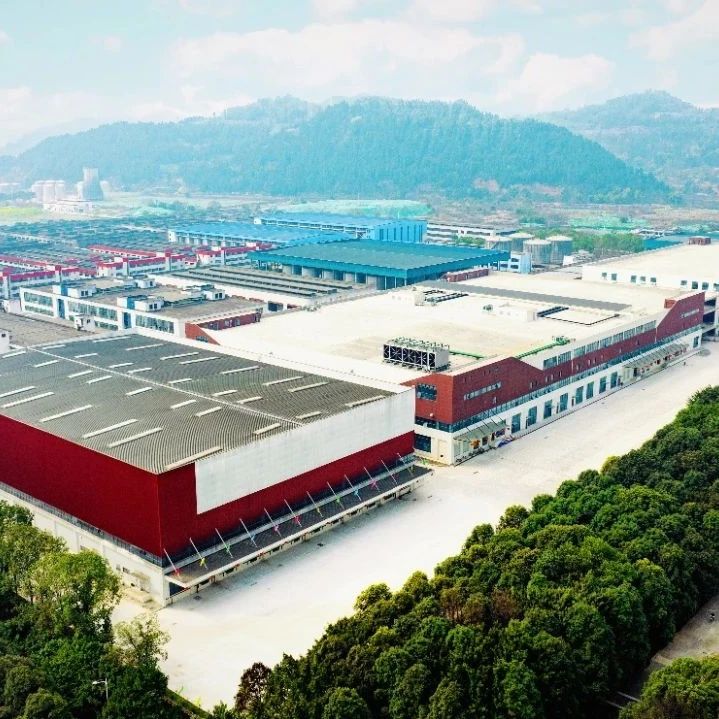
动力电池“退役潮”前夜 格林美拟赴港上市
经济观察报· 2025-08-26 11:56
Core Viewpoint - The article discusses the surge of domestic lithium battery industry companies, including Greeenme, planning to list in Hong Kong, highlighting the strategic importance of this move for global expansion and capital acquisition [2][3][6]. Group 1: Company Overview - Greeenme, established in 2001 and headquartered in Shenzhen, focuses on battery materials and battery recycling, with a significant growth in its recycling business due to the increasing retirement of power batteries [2]. - The company has a waste battery processing capacity of several hundred thousand tons annually, recovering over 10% of retired power batteries in China and 20% of the country's nickel resources [2]. Group 2: Financial Performance - Greeenme reported a revenue of 33.2 billion yuan in 2024, a year-on-year increase of 8.75%, with a net profit of 1.02 billion yuan, up 9.19% [4]. - The ternary materials business generated 25.76 billion yuan, accounting for 77.6% of total revenue, while the battery recycling business contributed 7.44 billion yuan, making up 22.4% of revenue [4]. - The company aims to increase its battery recycling scale to over 500,000 tons and achieve sales exceeding 10 billion yuan by 2030, anticipating a peak in battery retirements around 2027-2030 [4][5]. Group 3: Market Trends and Challenges - The article notes a trend of domestic lithium battery companies, including CATL and others, pursuing listings in Hong Kong, driven by favorable policies and the need for global expansion [3][6]. - Greeenme faces challenges in maintaining profitability, with fluctuating net profits despite significant revenue growth from 12.47 billion yuan in 2020 to 33.2 billion yuan in 2024 [5]. - The company is expanding its partnerships with major battery manufacturers and automakers to enhance its recycling capabilities and market position [5]. Group 4: Regulatory Environment - The regulatory framework for battery recycling in China is evolving, with new guidelines aimed at improving the recycling system and ensuring compliance [6]. - Internationally, the EU has implemented stricter standards for battery management, which may impact the operational landscape for companies like Greeenme [6].


深圳45岁:从华强北“一米柜”到全球“智造推手”
经济观察报· 2025-08-26 11:56
Core Viewpoint - The new generation of enterprises in Shenzhen is shifting from a focus on speed and resource integration to a deeper, more sustainable approach that emphasizes product development and innovation, while leveraging existing strengths in technology and industry [1][29]. Group 1: Shenzhen's Economic Evolution - Shenzhen's competitive edge historically stemmed from its rapid resource integration and market responsiveness, exemplified by the "one-meter counter" model in Huaqiangbei, which has produced numerous billionaires [2][3]. - Recent discussions suggest that the innovative vitality represented by the "one-meter counter" is fading, with new first-tier cities like Hangzhou and Hefei gaining momentum in emerging industries [2][3]. Group 2: New Business Models and Innovations - New enterprises are exploring innovative solutions, such as humanoid robots for production tasks, advanced automotive electronics, and AI-driven systems for collaborative work [3][4]. - Companies like Youbixun and Zhifang are developing humanoid robots for industrial applications, while Ouyue Semiconductor focuses on next-generation automotive chip development [3][4]. Group 3: Infrastructure and Support Services - Hardware innovation service providers like Jialichuang are lowering barriers for hardware startups by offering comprehensive services from PCB prototyping to assembly [4][11]. - The shift in business logic from the "one-meter counter" model to these new enterprises indicates a transformation in Shenzhen's growth dynamics [5]. Group 4: Rapid Prototyping and Talent Pool - Shenzhen's innovation process emphasizes rapid prototyping, where ideas are quickly turned into tangible products, supported by a dense network of suppliers and skilled professionals [7][8]. - The concentration of talent in specific sectors, such as the "robot valley," enhances the efficiency of product development and iteration [8][9]. Group 5: Globalization and Market Strategy - New enterprises are adopting global strategies, with companies like Daotong Technology establishing production bases in multiple countries to mitigate geopolitical risks and enhance regional collaboration [19][20]. - KuSai Intelligent focuses on empowering overseas brands by leveraging Shenzhen's R&D and supply chain capabilities, rather than pursuing a self-branded global presence [19][20]. Group 6: Focus on Real-World Applications - Companies are prioritizing practical applications over trendy concepts, with a focus on solving real-world problems in sectors like AI and robotics [15][18]. - The emphasis on addressing immediate labor shortages in manufacturing through automation reflects a pragmatic approach to innovation [18][24]. Group 7: Commitment to Product Development - The new generation of Shenzhen enterprises is characterized by a commitment to product strength, with significant investments in R&D and manufacturing capabilities [25][26]. - Jialichuang's strategy of self-built production facilities and proprietary software development exemplifies the focus on quality and efficiency in manufacturing [26][27]. Group 8: Transition to Physical Economy - The shift from digital innovation to addressing complex issues in the physical economy is evident, with a focus on robotics, smart automotive technology, and AI applications [22][24]. - The integration of AI in manufacturing processes aims to enhance productivity and address labor challenges, marking a significant evolution in Shenzhen's industrial landscape [24][28].


合法合规享受税收优惠 维护公平竞争税收秩序
经济观察报· 2025-08-26 08:56
Group 1 - Tax fairness is the cornerstone of optimizing the business environment and an important reflection of social equity [2] - The recent exposure of four cases of tax benefit fraud by the State Taxation Administration signals a commitment to maintaining fair competition in the tax order [2][3] - The crackdown on tax benefit fraud is not just about recovering tax revenue but also about upholding justice and promoting the construction of a unified market [2] Group 2 - Tax incentive policies are important tools for macroeconomic regulation, aimed at supporting specific industries and stimulating market vitality [3] - Fraudulent tax benefit claims are more deceptive and hidden than simple tax evasion, requiring a high-pressure deterrent approach from tax authorities [3] - Since the beginning of the 14th Five-Year Plan, tax authorities have investigated 62,100 cases of tax law violations and exposed over 1,500 typical tax-related cases [3]

科技金融战略成效突显,华林证券2025上半年实现净利润3.36亿元,同比增超172%
经济观察报· 2025-08-25 12:02
Core Viewpoint - The company reported significant growth in revenue and net profit for the first half of the year, driven by market recovery and successful technology transformation strategies [1]. Group 1: Financial Performance - The company achieved operating revenue of 835 million yuan, a year-on-year increase of 35.15%, and a net profit of 336 million yuan, a substantial year-on-year increase of 172.72% [1]. - In the second quarter, the operating revenue grew over 57% quarter-on-quarter, and net profit increased over 226% quarter-on-quarter, indicating a sustained high growth trend [1]. Group 2: Wealth Management Business - The wealth management business generated operating revenue of 503 million yuan, a year-on-year increase of 34.92%, with online wealth management revenue growing over 47% year-on-year [2][3]. - The company utilized a patent matrix to enhance technological advantages, focusing on intelligent investment research and quantitative trading, which led to significant improvements in customer engagement and retention [2]. Group 3: Proprietary Business - The proprietary business achieved revenue of 220 million yuan, a year-on-year increase of 19.57%, supported by a "boutique" investment strategy and advanced data analysis tools [3]. - The company effectively captured trading opportunities in a volatile bond market, enhancing its pricing and sales capabilities [3]. Group 4: Talent Recruitment and Future Strategy - The company initiated a "National Elite Recruitment Plan" to bolster talent reserves for its technology transformation, targeting over 20 core positions across more than 30 cities [3]. - Future strategies include deepening the integration of technology and finance, exploring collaborative efforts with tech companies and academic institutions to build a "Financial AI Joint Laboratory" [4].
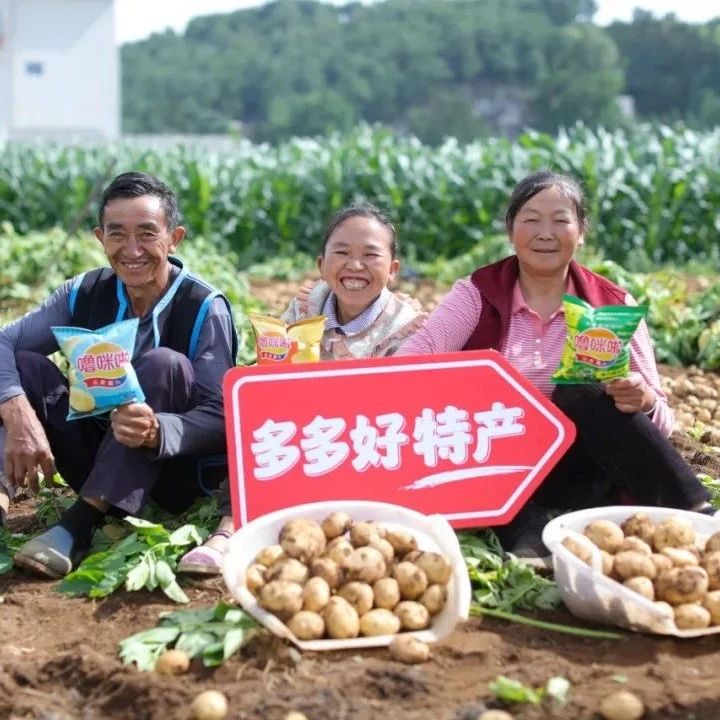
拼多多发布Q2财报,“千亿扶持”生态效用显现,供需两侧实现高质量发展
经济观察报· 2025-08-25 12:02
Core Viewpoint - Pinduoduo's second-quarter revenue growth slowed to 7%, with a total revenue of 104 billion yuan, due to increased investments in high-quality development and the introduction of a new "trillion support" strategy to assist merchants [2][4]. Group 1: Financial Performance - Pinduoduo reported a revenue of 104 billion yuan for the second quarter, reflecting a 7% growth rate [2]. - The company has initiated a "trillion support" strategy to enhance merchant support, marking a significant increase in investment for high-quality development [2][4]. Group 2: Merchant Support Initiatives - The "trillion support" strategy builds on the previous "billion reduction" initiative, which has saved millions for merchants by reducing service fees [4]. - Over the past year, the "billion reduction" policy has helped millions of merchants lower operational costs, with promotional service fee refunds exceeding 10 billion yuan [4]. Group 3: Regional Economic Impact - Pinduoduo's "e-commerce westward" initiative has eliminated logistics transfer fees in western regions, leading to over 40% growth in order volume from these areas [4]. - The initiative has significantly increased the availability of various products in western regions, enhancing local consumers' quality of life [5]. Group 4: Agricultural Development - Pinduoduo's support has enabled local farmers, such as those in Yunnan's Zhaotong, to transform their agricultural products into branded items, increasing income for over 11,000 households [6]. - The "2025 Agricultural Products Upward Report" indicates a 47% year-on-year increase in agricultural product sales, with seasonal fruit sales up by 51% [6]. Group 5: Innovation and Market Adaptation - Pinduoduo is focusing on long-term strategies to assist traditional brands in adapting to market changes, enhancing product innovation and market growth [9]. - The company is leveraging digital technology to help merchants identify potential best-selling products, significantly increasing profit margins for many items [9]. Group 6: Consumer Engagement - During the 618 shopping festival, Pinduoduo experienced a surge in consumer demand, with daily orders exceeding 3.76 million for its "super double" promotional event [10]. - The platform's ongoing investments are aimed at enhancing user experience and optimizing merchant services, fostering a win-win ecosystem for users, merchants, and the platform [12].

赖清德进退失据,朱立伦以退为进
经济观察报· 2025-08-25 12:02
Group 1 - The article critiques Lai Ching-te's leadership, labeling him as the least competent among Taiwan's leaders, characterized by "ambition without ability" [1][8] - Lai's response to the recent electoral defeats has been perceived as inadequate, failing to take significant actions such as a complete reshuffle of his administration [3][5] - The article highlights the contrasting reactions of Lai and Kuomintang (KMT) Chairman Chu Li-lun, with Chu stepping back after a successful electoral outcome, raising questions about his intentions [2][6] Group 2 - The article notes that the KMT successfully defended all 31 legislators in the recent recall votes, marking a significant victory for the party [2] - Chu's public call for Lu Shiow-yen to run for KMT chair raises concerns about the implications for other potential candidates, suggesting a strategic maneuver [6][7] - The article suggests that Chu's actions may indicate a lack of confidence in the party's internal competition for leadership [7][9]

光伏全链挺进非洲 中国企业点亮“缺电大陆”
经济观察报· 2025-08-25 12:02
Core Viewpoint - The article highlights the growing opportunities for Chinese companies in Africa's renewable energy sector, particularly in solar power, due to the continent's lack of experience and resources in this area [1][5]. Group 1: Market Opportunities - Chinese enterprises, such as Shandong Installation Group, are prioritizing African countries like Tanzania, Morocco, Kenya, and Egypt for renewable energy projects, leveraging their advantages in product cost and engineering efficiency [2][3]. - The African market is seen as a "blue ocean" for many domestic companies, with a significant demand for renewable energy products [2][5]. - The initial investment for renewable energy projects in Africa is lower compared to traditional hydroelectric projects, making it an attractive option for investors [3][20]. Group 2: Investment Trends - Major developers like China Electric Power Construction and China General Nuclear Power Group are already engaged in large-scale solar projects in South Africa, indicating a shift towards renewable energy investments [4][23]. - The African solar market is expected to grow significantly, with projections of cumulative installed capacity reaching 70GW-80GW by 2030 [23]. Group 3: Project Development and Financing - The article discusses various operational models for solar projects in Africa, including Public-Private Partnerships (PPP) and EPC+F models, which are being adopted to mitigate investment risks [11][12]. - The financing landscape is supported by international institutions like the World Bank and African Development Bank, which provide funding for renewable energy projects [4][5]. Group 4: Challenges and Solutions - Despite the potential, challenges such as low electricity prices and unreliable payment systems in countries like Ethiopia complicate the investment landscape [11][12]. - Innovative payment models like PAYGo are being implemented to cater to local consumers' purchasing capabilities, allowing for gradual ownership of solar products [13][14]. Group 5: Future Outlook - The article emphasizes that the next decade is a critical period for developing the African market, with companies like Trina Solar focusing on tailored products and services to meet local needs [23].