经济观察报

Search documents
微信支持潮汕话语音转文字了
经济观察报· 2025-11-16 09:42
Core Viewpoint - WeChat has recently launched support for Chaozhou dialect in its voice-to-text feature, marking it as the second Chinese dialect supported after Cantonese, reflecting the platform's strategy to enhance user engagement among specific high-demand user groups [3][4]. Group 1: WeChat's Development and User Engagement - WeChat's monthly active user count reached 1.414 billion as of Q3 2023, showing significant growth since its inception in 2011 [4]. - The growth rate of WeChat's monthly active users has been declining, with a projected year-on-year growth rate of only 2% by 2025, compared to 0.8% in the previous year [5]. - The introduction of Chaozhou dialect support is part of WeChat's strategy to maintain user engagement as the platform matures [4][5]. Group 2: Chaozhou Dialect and ASR Technology - Chaozhou dialect, a branch of Minnan language, has over 10 million speakers but is classified as a "low-resource language" due to data scarcity and complex tonal variations, making ASR development challenging [4][5]. - The automatic speech recognition (ASR) for Chaozhou dialect took six years to develop, with the feature being launched in November 2025 after initially supporting Mandarin and Cantonese [5]. - Despite the large user base, Chaozhou dialect is not the second largest Chinese dialect by speaker count, as Mandarin, Cantonese, and Wu dialects have higher numbers of native speakers [6].



商用车迎来新能源化拐点:重卡突围
经济观察报· 2025-11-16 09:05
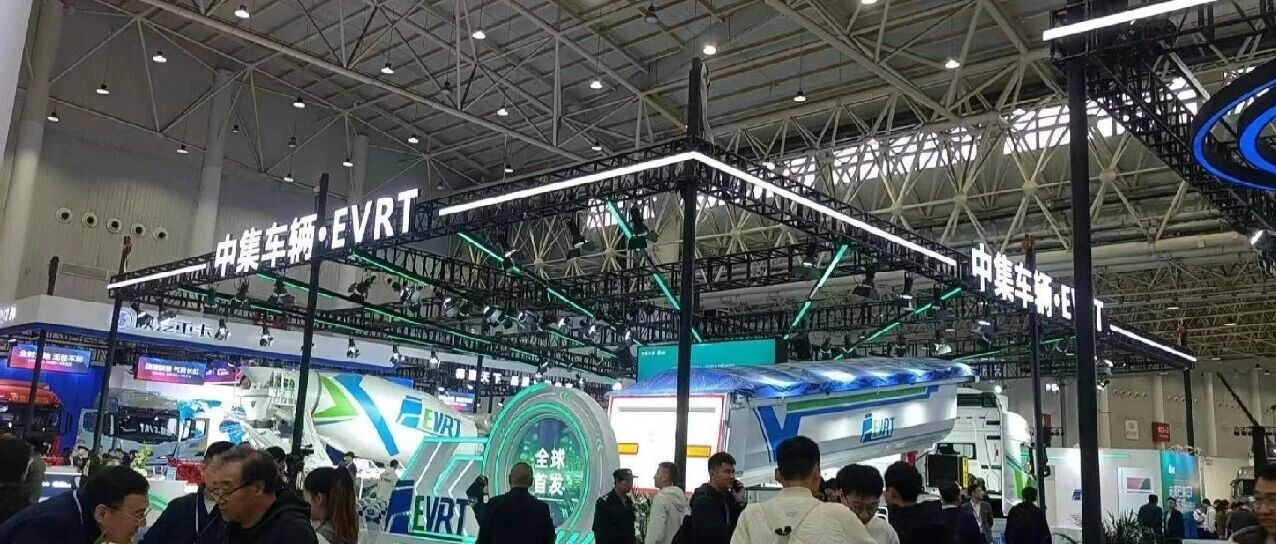
Core Viewpoint - The penetration rate of new energy commercial vehicles in China has surpassed 30%, indicating a shift from policy-driven growth to market-driven growth in the sector [2][3]. Sales Performance - In the first ten months of 2025, the domestic sales of new energy vehicles reached 10.929 million units, a year-on-year increase of 25.7%. Among these, new energy passenger vehicles sold 10.28 million units (up 24%), while new energy commercial vehicles sold 649,000 units (up 60.2%) [2]. - In October 2025 alone, new energy passenger vehicle sales were 1.377 million units (up 10.3%), and new energy commercial vehicle sales were 82,000 units (up 52.4%) [2]. Market Trends - The penetration rate of new energy commercial vehicles has remained above 30% for two consecutive months, suggesting a significant market transition [3]. - The growth of new energy commercial vehicles is outpacing that of passenger vehicles, with a notable increase in the penetration rate from 24.4% in October 2024 to 30.9% in October 2025 [9]. Industry Events - The 2025 China International Commercial Vehicle Exhibition highlighted new energy models as the focal point, with a ratio of 2:1 between new energy and fuel vehicles [5]. - Major players like BYD and Dongfeng are actively participating in the new energy commercial vehicle market, with ambitious goals for market penetration and product launches [5][6]. Technological Advancements - The industry is witnessing a technological shift, with core technologies migrating from passenger vehicles to commercial vehicles, enhancing the market penetration of new energy commercial vehicles [10]. - The rapid growth of new energy heavy trucks is a significant driver, with sales increasing from 34,000 units in 2023 to 137,000 units in the first three quarters of 2025, reflecting a year-on-year growth rate of 184.1% [12]. Economic and Policy Factors - The economic viability of new energy heavy trucks is improving, supported by favorable policies such as tax exemptions and incentives for electric vehicles [13]. - Local governments are also implementing supportive measures to promote the electrification of heavy trucks, indicating a collaborative effort to enhance the market [13]. Future Outlook - The new energy heavy truck market is expected to become increasingly competitive, with traditional manufacturers and new entrants vying for market share as penetration rates rise [12][14]. - The industry faces challenges such as battery technology limitations and the need for a comprehensive ecosystem to support the transition to electric vehicles [14][15].

绿电直连算力中心
经济观察报· 2025-11-16 05:36
Core Viewpoint - The article emphasizes the growing demand for green electricity in China's computing power centers, highlighting the need for collaboration between energy and computing sectors to achieve sustainability goals by 2030 [1][8]. Green Electricity Consumption - Current green electricity consumption in domestic computing power centers is low, with significant growth potential to reach the national average consumption level of 40% by 2030 [1][8]. - Bloomberg New Energy Finance predicts that the demand for green electricity in domestic computing power centers will reach 72 TWh by 2026 [1][8]. Energy Infrastructure Development - The Dazhong Park of Qineng Technology features a 300 MW wind power, 200 MW solar power, and a 50 MW/100 MWh energy storage station, with a planned IT capacity of 1000 MW [3]. - The park aims to achieve grid connection for green electricity by 2024, reflecting the shift from real estate-driven growth to energy-driven development in the computing industry [3][4]. Policy and Market Dynamics - The National Development and Reform Commission and the National Energy Administration have issued guidelines to promote the synergy between renewable energy and computing facilities [3]. - The core customers for green electricity consumption include steel, chemical, and computing centers, with the latter showing stable electricity usage and significant growth potential [4]. Global and Domestic Energy Trends - The International Energy Agency reports that global data center electricity consumption is expected to rise from 415 TWh in 2024 to 945 TWh by 2030, with China and the U.S. contributing nearly 80% of the increase [6]. - By 2030, China's data center electricity load is projected to reach 100 million kW, with annual consumption rising to between 400 TWh and 600 TWh, increasing its share of national electricity consumption from under 2% to 6% [6]. Green Electricity Connection Models - There are three main methods for green electricity consumption: direct connection, green microgrids, and power purchase agreements [9]. - The direct connection model allows renewable energy sources to supply electricity directly to users, bypassing the public grid, which is encouraged by recent government policies [9]. Regional Development Initiatives - Various provinces are launching plans for green electricity parks, with Shanxi Province planning to establish 13 pilot parks across multiple cities [10]. - The selection of sites for green electricity parks is critical, with proximity to renewable energy sources being a key factor for economic viability [12]. Cost Management Strategies - The "green electricity direct connection" model faces high initial investment costs, requiring infrastructure such as solar and wind farms, substations, and backup power systems [16]. - Companies are focusing on lifecycle cost management and vertical integration to optimize resource development and reduce costs [16][17].


你的外卖小哥,是一名儿科医生
经济观察报· 2025-11-16 05:36
Core Viewpoint - The article highlights the financial struggles faced by pediatric doctors in a public hospital in Guangxi, China, due to declining patient numbers and reduced income, leading some to take on additional jobs like food delivery to make ends meet [2][4][11]. Group 1: Financial Challenges - The monthly income of pediatrician Jiang Yun is projected to drop from approximately 7,000 yuan in 2024 to 3,000-4,000 yuan in 2025, which is lower than his income a decade ago [2][11]. - The number of pediatric patients in Jiang's department decreased by about 20% year-on-year as of May 2025, contributing to reduced income [4][19]. - The hospital's financial strain is evident, with the leadership acknowledging significant debt and the need to cut costs, including salaries and medical equipment expenditures [4][23][24]. Group 2: Impact of Policy Changes - The implementation of a new DRG (Diagnosis-Related Group) payment system in early 2025 has led to a decrease in reimbursement rates for common pediatric conditions, further squeezing hospital revenues [20]. - Under the new DRG scheme, the reimbursement for pneumonia treatment dropped from approximately 3,000 yuan to under 2,000 yuan, impacting the hospital's financial viability [20]. Group 3: Coping Mechanisms - Many doctors in Jiang's department, including those with senior titles, have resorted to delivering food to supplement their income due to salary cuts [3][4]. - Jiang Yun has managed to earn an additional 2,000-3,000 yuan per month from food delivery, which helps cover household expenses and loan repayments [13][14]. Group 4: Broader Industry Trends - A report indicated that over 57% of surveyed medical personnel experienced salary reductions in 2024, reflecting a broader trend in the healthcare industry [13]. - The declining birth rate in China, which has dropped over 30% in the past decade, is contributing to a shrinking patient base for pediatric services [17][19].

深度对话多位中信建投首席:2026年股市、黄金、房地产、科技等怎么走?
经济观察报· 2025-11-16 05:36
Group 1 - The core logic driving the bullish trend in AH stocks includes capital inflow, technological innovation, institutional reform, and consumption upgrade, with a "slow bull" market expected to continue until 2026 [1][2] - The year 2026 is anticipated to be a foundational year with a GDP growth forecast of around 5%, supported by policy support, stable domestic demand, and industrial upgrades [4] - The "new four bulls" concept, which includes capital inflow bull, technological innovation bull, institutional reform bull, and consumption upgrade bull, is expected to drive the market towards a gradual upward trend [5] Group 2 - The macroeconomic focus for 2026 should be on the trajectory of the technological industrial revolution, with indicators such as U.S. technology capital expenditure being crucial for assessing global asset allocation [6][7] - The real estate market is expected to transition from a financial product to a consumer product, drawing parallels with Japan's aging population and housing market dynamics [8] - The AI industry revolution is ongoing, with significant demand for computing power and applications anticipated, indicating a long-term optimistic outlook [9] Group 3 - The humanoid robot sector is experiencing significant growth, with a potential market size comparable to that of automobiles and consumer electronics, indicating substantial valuation space [10]


核心CPI向上 物价拐点何时到来
经济观察报· 2025-11-16 05:36
Core Insights - The continuous expansion of the core CPI for six months is seen as a positive sign, but it is insufficient to determine whether a true turning point in China's economic prices has been reached, requiring further evaluation of upcoming data [1][14]. Economic Performance - In October, the total retail sales of consumer goods increased by 2.9% year-on-year, marking a decline in growth rate for five consecutive months [2]. - The core CPI rose by 1.2% year-on-year in October, with the growth rate expanding for the sixth consecutive month, indicating a potential turning point in price trends and a signal of recovering consumer demand [2][3]. Consumption Trends - The decline in retail sales growth is attributed to a "supply-demand imbalance," highlighting the need for enhanced consumer demand [3]. - Consumption has become the primary driver of GDP growth this year, with various policies introduced to stimulate consumption, such as "trade-in" programs [3]. Price Dynamics - The core CPI's rise is influenced by factors such as the consumption boost from the National Day and Mid-Autumn Festival holidays and a surge in gold prices [7]. - Service prices have been gradually recovering since March, with notable increases in airfares and hotel accommodation prices [7]. Future Outlook - Experts suggest that while the core CPI's growth reflects improving terminal consumer demand, it also indicates underlying pressures on food and energy prices [14]. - The overall CPI is expected to remain low, with projections indicating that achieving a 2% or 3% year-on-year CPI growth next year will require multiple favorable factors, including a recovery in real estate prices and improvements in median income growth [15].

融资平台出清冲刺,地方政府能戒隐债否?
经济观察报· 2025-11-15 10:12
Core Viewpoint - The article discusses the challenges faced by local governments in fully exiting their reliance on financing platforms, despite progress in reducing the number of such platforms and addressing hidden debts [1][15]. Summary by Sections Financing Platform Exit Progress - By mid-2025, over 60% of financing platforms had exited, indicating that more than 60% of hidden debts had been cleared [6]. - The central government has set a deadline of June 2027 for local governments to eliminate hidden debts and financing platforms [2][3]. Challenges in Debt Management - Local governments are struggling to find incremental funding to repay hidden debts, as traditional methods like "borrowing new to repay old" are becoming unsustainable [3][9]. - The reliance on financing platforms has shifted from funding infrastructure projects to covering rigid expenditures like basic livelihood guarantees [15]. Debt Transformation Strategies - A strategy called "debt transformation" is being explored, which involves converting hidden debts into operational debts, but this requires convincing creditors to agree to such changes [10][11]. - Various methods for debt resolution include fiscal debt management, financial debt management through market mechanisms, and asset resource revitalization [12]. Regulatory and Policy Framework - The central government emphasizes the need for a thorough separation of government financing functions from financing platforms to prevent the re-emergence of hidden debts [17]. - Recent reports indicate that some local governments are still accumulating hidden debts, highlighting ongoing compliance issues [15][16]. Future Outlook - The article suggests that the success of financing platform exits will depend on balancing local government responsibilities and financial capabilities [3][15]. - There is a call for clearer guidelines from the central government on managing hidden debts and defining the boundaries of asset resource utilization [17].

A股“游戏王”摘帽 年内市值涨逾千亿
经济观察报· 2025-11-15 10:12
Core Viewpoint - Century Huatong has transformed from a financially troubled company to a market-favored "game king" due to its successful mobile game "Whiteout Survival," which has generated over 20 billion yuan in revenue by September 2023 [1][12]. Financial Performance - As of November 13, 2025, Century Huatong's stock price reached 19.17 yuan per share, with a total market capitalization of 142.4 billion yuan, making it the highest valued game company in A-shares [2]. - The company's stock price has increased by 272.96% year-to-date as of November 13, 2025, with a total market value increase of 104.1 billion yuan [3]. - For the first three quarters of 2025, Century Huatong reported revenue of 27.22 billion yuan, surpassing the total revenue of the previous year, and a net profit of 4.36 billion yuan, reflecting a year-on-year growth of 141.65% [11]. Business Transformation - Century Huatong transitioned from an automotive parts manufacturer to a gaming company starting in 2014, acquiring several game companies and significantly increasing its goodwill [5][6]. - The company faced financial risks due to its rapid acquisitions, leading to a significant increase in goodwill from 2 billion yuan in 2017 to 22.05 billion yuan in 2020 [7]. Game Success - "Whiteout Survival," developed by Century Huatong's subsidiary, has become a top performer in both domestic and international markets, achieving over 200 million downloads and generating over 3.5 billion USD (approximately 24.8 billion yuan) in global revenue by September 2023 [12][13]. - The game has maintained a leading position in the Chinese mobile game export revenue rankings for 15 consecutive months and topped the global mobile game revenue chart in March 2023 [12]. Regulatory Issues - Century Huatong was previously penalized for financial misconduct, including false reporting of goodwill and revenue recognition, leading to a significant decline in stock price [4][9]. - The company has since corrected its financial statements for 2018 to 2022 and has faced investor lawsuits totaling approximately 73.16 million yuan [9]. Market Position - Century Huatong has positioned itself as a key player in the gaming industry, leveraging its strong IP portfolio and backing from Tencent to enhance its market presence [13].


从等风来到风口之上,一家飞控系统公司的五年
经济观察报· 2025-11-15 10:12
Core Viewpoint - The low-altitude economy is not just a trend but a new generation of transportation infrastructure, with a focus on making flight a sustainable and affordable service [3][10]. Group 1: Industry Development - The strategic cooperation between Guangdong Gaoyu Technology Co., Ltd. and Shenzhen Bianjie Zhikong Technology Co., Ltd. aims to achieve mass delivery of the GAC-A6 manned autonomous flying vehicle by 2026 [2]. - The term "low-altitude economy" has gained traction in high-level policy discussions, indicating a growing recognition of the eVTOL market's potential [3][10]. - The eVTOL market has seen a significant influx of new players from various industries, enhancing the diversity of thought and innovation within the sector [11]. Group 2: Technical Challenges - eVTOL must adhere to civil aviation safety standards, which necessitates a complex certification process from the development stage [3][14]. - The eVTOL flight control system is critical and must meet stringent safety requirements, which differ significantly from those in the automotive and drone industries [11][13]. - The industry consensus is that achieving "airworthiness certification" is essential for eVTOL development, with expectations for the first certifications to be obtained between 2026 and 2027 [15]. Group 3: Market Dynamics - The eVTOL market has experienced low growth from 2021 to 2023, but the situation began to change significantly by the end of 2023, with government support and strategic initiatives emerging [10][12]. - The influx of resources into the eVTOL sector has raised industry expectations, necessitating careful management of these expectations by leading companies [12][16]. - The industry is transitioning from a focus on complete aircraft competition to an ecosystem competition based on core subsystems, reflecting a shift in competitive dynamics [12].

中国企业出海,保险公司跑步跟上
经济观察报· 2025-11-15 10:12
Core Viewpoint - The insurance demand for Chinese enterprises going abroad is increasing, but the domestic insurance industry faces challenges such as insufficient supply and weak service capabilities [1][4]. Group 1: New Insurance Demands - The insurance needs of Chinese enterprises going abroad are diverse, including cargo insurance, product liability insurance, and various project-related insurances [4]. - The rapid growth of China's new energy vehicle (NEV) exports presents new opportunities for insurance services, with NEV exports reaching 1.758 million units from January to September, a year-on-year increase of 89.4% [7]. - Domestic insurance companies are focusing on overseas markets, particularly in developing countries, to seek new growth avenues amid fierce competition in the domestic auto insurance market [6]. Group 2: Challenges in Providing Insurance - Domestic insurance companies face challenges such as data difficulties, compliance barriers, insufficient service network, and special risk management capabilities when providing insurance for NEV exports [8]. - The lack of understanding of local driving environments and repair costs complicates accurate pricing for NEV insurance [8]. - Compliance with diverse regulatory requirements in different countries adds pressure on domestic insurers when designing coverage terms [8]. Group 3: Innovative Solutions - To address the challenges, domestic insurers are exploring partnerships with local insurance companies to facilitate insurance issuance and claims processing in overseas markets [9][10]. - The Shanghai International Reinsurance Registration Trading Center is being utilized to enhance the efficiency of cross-border insurance transactions [11]. Group 4: Evolving Risk Management Needs - As NEV exports increase, there is a growing demand for insurance solutions related to battery lifecycle management, especially with the upcoming EU battery passport regulation [13]. - Insurance companies are collaborating with professional institutions to integrate battery health monitoring services into the insurance process [14]. Group 5: International Engineering Insurance - The demand for international engineering insurance services is also rising, with China's overseas contracting business reaching a revenue of 876.4 billion yuan, a year-on-year increase of 12.2% [18]. - New types of risks, such as geopolitical risks and cybersecurity threats, are emerging, prompting companies to seek tailored insurance solutions [18][20]. Group 6: Industry Challenges - The domestic insurance industry faces challenges such as insufficient product supply, lack of pricing capabilities, and inadequate service capabilities in supporting enterprises going abroad [21]. - There is a need for improved data platforms, global networks, and innovative reinsurance solutions to empower insurance companies in their international endeavors [22].