经济观察报

Search documents
一家国产芯片公司的“上车”回忆录
经济观察报· 2025-09-28 11:47
Core Viewpoint - The most challenging aspect of the chip industry is breaking through from 0 to 1. Once this is achieved, Chinese companies excel at continuous iteration from 1 to 100, making their progress unstoppable in various industries [2][4]. Group 1: Market Evolution - Over a decade ago, the automotive chip market in China was dominated by Western giants, with little to no contribution from Chinese companies. However, recent years have seen Chinese firms, like Naxin Micro, emerging in the automotive chip sector, particularly in the automotive analog chip market [2][4]. - Naxin Micro's founder emphasized that the breakthrough from 0 to 1 was critical, and without external forces, achieving this would be difficult. The company’s early focus on automotive electronics positioned it well for the electric and intelligent transformation of the automotive industry [4][5]. Group 2: Product Development and Innovation - Naxin Micro's first automotive-grade chip was launched in 2016, marking its entry into the automotive chip market. The company has since developed products addressing high-voltage safety requirements in electric vehicles, achieving significant market share in digital isolators and isolation sampling chips [5][6]. - The company aims to expand its product roadmap to cover various automotive applications, including body control, intelligent cockpit, and autonomous driving, with a focus on innovative designs tailored to the needs of Chinese automakers [5][6]. Group 3: Competitive Landscape - As of 2023, the chip market has shifted from a supply-driven environment to a competitive landscape, with international giants adopting aggressive pricing strategies that challenge emerging Chinese chip companies. By 2025, Naxin Micro aims to compete directly with these international players in high-pressure core areas of the automotive industry [8][9]. - Naxin Micro has captured nearly half of the market share in domestic new energy vehicles, leveraging its advanced technologies to compete on performance, reliability, and functional safety rather than just price [8][9]. Group 4: Strategic Partnerships and Client Engagement - The automotive industry's shift towards integrated electronic architectures necessitates closer collaboration between chip manufacturers and automakers. Naxin Micro has adapted by forming dedicated sales teams to engage with automakers early in the vehicle development process [13][14]. - The company emphasizes the importance of tight communication with both automakers and Tier 1 suppliers to manage production pressures and respond flexibly to market demands [15]. Group 5: Industry Consolidation and Future Outlook - The chip industry is entering a phase of differentiation, where only companies with core competencies will thrive. Naxin Micro's acquisition of another chip company, Maigen, exemplifies the trend towards consolidation and the pursuit of technological synergies [17][18]. - The company is also preparing for an IPO in Hong Kong to enhance its international presence and secure additional funding for overseas market expansion, with overseas revenue accounting for approximately 15% in 2024 [19].



十万家政出吕梁
经济观察报· 2025-09-28 11:47
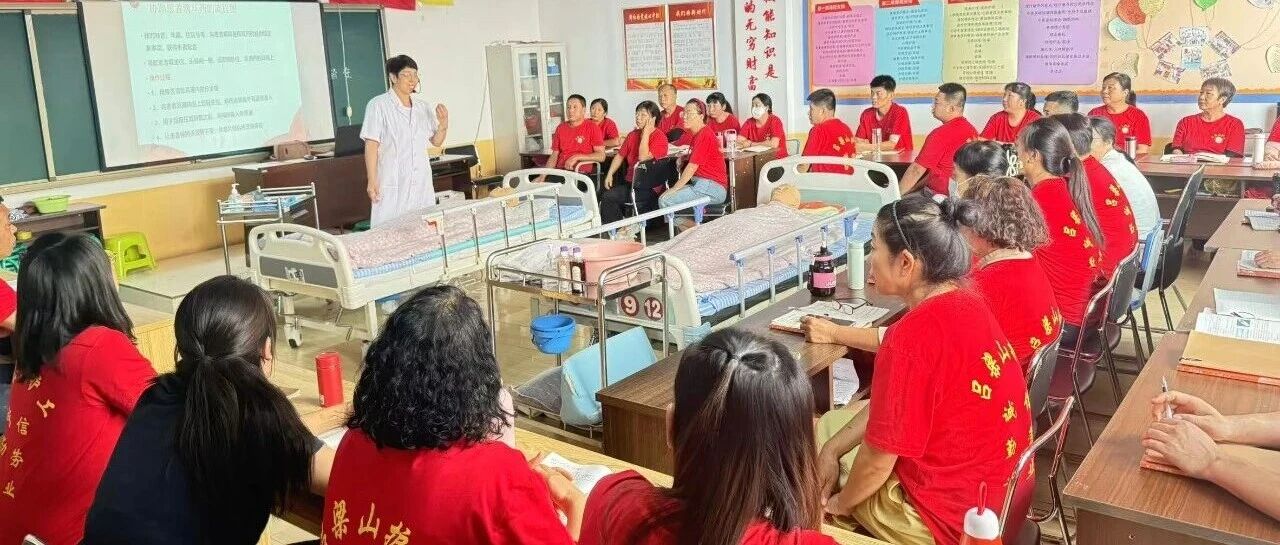
Core Viewpoint - The article highlights the success of the "Lüliang Mountain Caregiver" training program in Lüliang City, which has trained over 100,000 domestic workers in the past decade, significantly impacting local employment and economic development [4][20]. Group 1: Training Program Overview - Lüliang City has invested 25 million annually since 2016 to promote the "Lüliang Mountain Caregiver" training program, addressing labor transfer and employment challenges [4][17]. - The training lasts for 26 days, with a curriculum that includes 70% practical skills and 30% theoretical knowledge, covering various caregiving techniques and modern skills like AI usage [8][9]. - As of August 2025, 58,000 trained individuals have found employment outside the city, while 34,000 have engaged in flexible employment within Lüliang [4]. Group 2: Economic Impact - The caregiver industry has transformed many rural women from traditional homemakers into economic contributors, with the employment rate for trained caregivers at 61.93% and total annual income reaching 1.671 billion [4][20]. - The rise of the caregiver sector has led to increased wages for service workers in Lüliang, changing traditional gender roles within families [4][15]. Group 3: Changing Demographics - There has been a notable increase in middle-aged male participants in the training programs, now making up nearly half of the students, many of whom previously worked in construction or manufacturing [5][22]. - The shift in demographics reflects broader economic changes, as many traditional employment sectors face challenges, prompting a move towards service-oriented jobs [22]. Group 4: Government Support and Recognition - The local government has played a crucial role in connecting trained caregivers with job opportunities across the country, establishing partnerships with 464 employment units [24]. - Annual large-scale farewell events for outgoing caregivers have been organized to enhance the profession's recognition and encourage participation [18][20]. Group 5: Future Directions - The focus is shifting from merely training individuals to ensuring high employment rates, with a new emphasis on order-based training and collaboration with employers [24][25]. - The government aims to continue supporting the caregiver industry as a vital part of local economic development and employment stability [25].
税务部门曝光6起加油站偷税案件 其中一起拒不执行税务机关处理决定被追究刑事责任
经济观察报· 2025-09-28 11:08
Core Viewpoint - The article discusses the recent crackdown on tax evasion cases involving gas stations across various regions in China, highlighting the methods used to evade taxes and the legal consequences faced by the offenders [2][3]. Summary by Sections Tax Evasion Cases - Six tax evasion cases involving gas stations were reported by tax authorities in regions such as Jilin, Henan, Shanxi, Jiangsu, Jiangxi, and Hunan [2]. - From January to August 2025, a total of 3,042 high-risk gas stations were investigated, resulting in the recovery of tax fees and penalties amounting to 2.943 billion yuan [2]. Methods of Evasion - The gas stations employed various tactics to evade taxes, including using third-party payment software, transferring funds to personal bank accounts, and manipulating sales logs to hide income [3][4]. - For instance, one gas station concealed sales income and underreported taxes, resulting in a tax shortfall of 3.0812 million yuan from 2021 to 2023 [3]. Legal Consequences - Tax authorities have taken strict actions against the offenders, including the recovery of taxes, late fees, and fines. One gas station was fined a total of 14.3053 million yuan for its tax evasion activities [4]. - Refusal to comply with tax authority decisions can lead to criminal charges, as indicated by the involvement of law enforcement in cases of non-compliance [4].

东莞土地案争议:17亿元全额付款土地被无偿收回,再罚款3亿
经济观察报· 2025-09-27 09:06
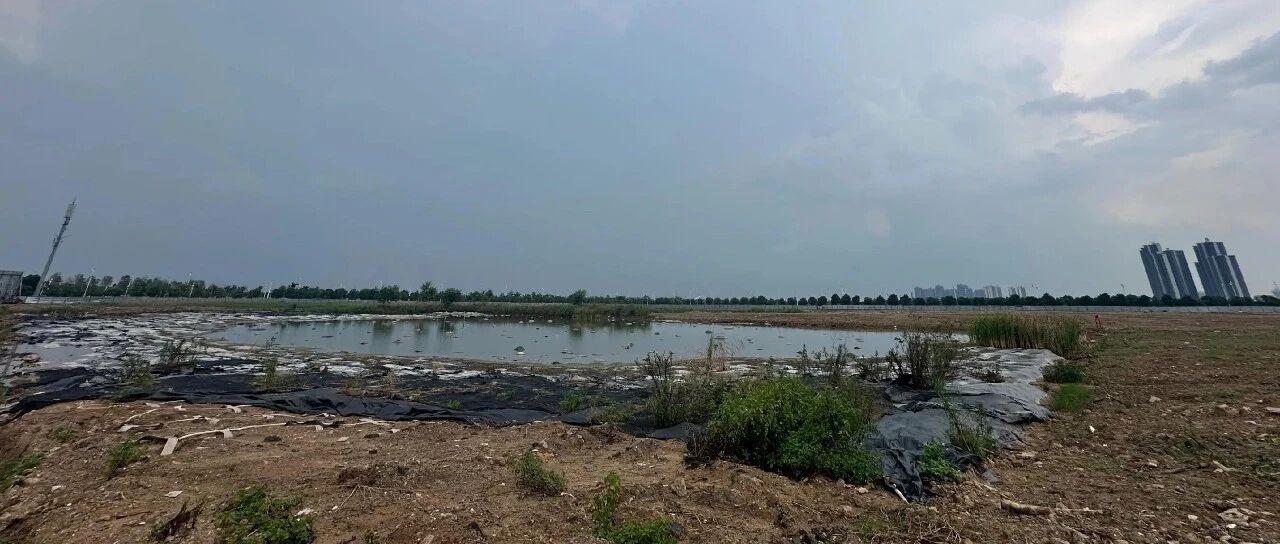
Core Viewpoint - The article discusses a significant legal dispute involving two private companies, Hechuang Company and Herong Company, over a land acquisition in Dongguan, Guangdong Province, where the local government decided to reclaim the land and impose a hefty penalty for alleged idleness, raising questions about the fairness and legality of such actions [4][10][27]. Group 1: Background of the Case - In 2019, Hechuang Company and Herong Company paid a total of 1.721 billion yuan for 258 acres of land in Dongguan for the "Ziguang Chip Cloud Industrial City Project" [4][11]. - The land was intended for developing a digital and intelligent industrial new city, including a 5G technology research center and a commercial complex [11][14]. - The companies faced significant delays due to the COVID-19 pandemic, which hindered project progress and communication with international design teams [14][16]. Group 2: Government Actions - In 2021, Dongguan's Natural Resources Bureau initiated an investigation into the alleged idleness of the land, leading to a decision in 2023 to impose a 344 million yuan penalty and reclaim the land [5][20][27]. - The government cited the "Idle Land Disposal Measures," stating that the land was deemed idle as the companies failed to commence development within the stipulated timeframe [20][27]. - The companies contested the government's actions, arguing that the pandemic constituted a force majeure event that should exempt them from penalties [31][32]. Group 3: Legal Proceedings - The companies filed lawsuits against the Dongguan government and the Natural Resources Bureau, but the first instance court ruled against them in January 2025 [7][33]. - The companies appealed the decision, and the second instance court hearing took place in May 2025, with a ruling still pending as of September 2025 [9][35]. - The first instance court acknowledged procedural flaws in the government's investigation but maintained that it did not affect the determination of the land's status [33].
险资青睐高股息股票 背后藏着什么秘密?
经济观察报· 2025-09-27 05:07
Core Viewpoint - The implementation of the new accounting standards in the insurance industry by 2026 will drive insurance funds to increase their allocation of stocks under the FVOCI category, enhancing the stability of profit reports for insurance companies [2][6]. Group 1: FVOCI Accounting Category - FVOCI (Fair Value Through Other Comprehensive Income) allows insurance companies to measure financial assets at fair value without affecting their profit and loss statements, thus stabilizing profit reports [2][6]. - As of June 2023, several listed insurance companies have seen significant increases in their FVOCI equity asset holdings, with Xinhua Insurance's FVOCI equity assets rising from 30.64 billion to 37.47 billion yuan, and China Life's FVOCI stock holdings reaching 140.26 billion yuan, accounting for 22.6% of its total stock investments [2][6]. Group 2: Investment Strategies - Insurance companies are focusing on high-dividend stocks, particularly in sectors benefiting from policies aimed at reducing competition and improving cash flow amid inflation [4][8]. - The shift towards FVOCI is also a strategy to address the mismatch in asset-liability durations, as many insurance companies face a duration gap of 4-7 years, significantly higher than the 1-2 years seen in markets like Japan and Germany [8][9]. Group 3: Long-term Investment Logic - The increasing allocation of equities to FVOCI is prompting insurance companies to adjust their investment logic from short-term capital gains to a focus on stable stock price fluctuations and sustainable dividend income [14]. - The dual effect of this strategy is that while it stabilizes profit reports, it also requires insurance companies to maintain a long-term perspective on their investments, which aligns with the regulatory environment favoring long-term assessments [12][14].



经观社论|集采新规则传递了清晰信号
经济观察报· 2025-09-27 05:07
Core Viewpoint - The new procurement rules aim to prevent pharmaceutical companies from engaging in harmful price competition while ensuring quality and affordability for patients, aligning with medical insurance cost control requirements [2][3]. Group 1: New Procurement Rules - The latest round of centralized drug procurement involves 55 types of drugs, including those for infections, tumors, allergies, diabetes, and cardiovascular diseases [2]. - The new bidding rules optimize the price difference calculation anchor, moving away from a simple lowest price model, requiring the lowest bidder to justify their pricing and commit to not pricing below cost [2][3]. - A "revival" mechanism has been introduced, allowing mainstream brands that did not win in the first round to qualify at the highest proposed winning price, recognizing the market value of quality brands [3]. Group 2: Quality and Compliance - The new rules impose strict quality controls, requiring that the production lines of bidding drugs have no violations of quality management standards in the past two years, with comprehensive inspections and product sampling by regulatory authorities [3]. - The reporting rules have shifted from generic drug names to allowing medical institutions to report based on specific brand names, emphasizing respect for doctors' prescribing autonomy and ensuring patient access to medications [3]. Group 3: Industry Impact and Future Outlook - The new procurement rules are expected to accelerate the reshaping of the pharmaceutical industry, with many companies likely to be eliminated due to severe product homogeneity [4]. - Companies are reminded that competing solely on price is not sustainable; they must focus on quality and innovation to thrive in the industry [4]. - Continuous feedback from stakeholders is essential for evaluating the impact of the new rules, ensuring that the procurement policy remains effective and beneficial for both patients and companies [4].

失能的老人疲惫的子女,长护险终于来了!
经济观察报· 2025-09-27 05:07
Core Viewpoint - The long-term care insurance (LTCI) system in China is transitioning from local trials to a nationwide framework, significantly impacting family welfare related to elderly care and disability support [1][5][14]. Group 1: Implementation and Coverage - The LTCI system is set to cover more individuals, with a clear timeline for nationwide implementation by the end of 2025, as indicated by various local governments [5][10]. - As of September 2023, the National Medical Insurance Administration has issued a trial service project catalog, refining the scope of LTCI coverage [6][24]. - The LTCI is designed to provide basic life care and medical services for long-term disabled individuals, similar to other social insurance systems [4][14]. Group 2: Financial Structure and Contributions - The funding mechanism for LTCI involves contributions from individuals, employers, medical insurance funds, and local government finances, aiming to create a sustainable support network for the elderly and disabled [7][19]. - The contribution rates for LTCI are expected to be lower than other social insurance programs, with a proposed rate around 0.3% [18][19]. - In trial cities, the personal contribution is relatively low, with examples showing annual contributions ranging from 100 to 200 yuan, depending on local policies [19][21]. Group 3: Benefits and Services - Families with disabled members can receive monthly subsidies ranging from 800 to 1700 yuan, depending on the level of care required [23][24]. - The LTCI system includes a variety of services such as home care, rehabilitation support, and specialized medical assistance, which are crucial for families facing caregiving challenges [23][24]. - The introduction of home care services is expected to alleviate the burden on families, as seen in the case of a family benefiting from these services [3][12]. Group 4: Challenges and Future Outlook - Despite the progress, the LTCI system faces challenges in meeting the growing demand for care services due to the increasing elderly population, projected to exceed 20% by 2032 [13][15]. - The slow rollout of the LTCI system has been attributed to funding difficulties and inconsistent standards across regions [15][18]. - Future developments will focus on expanding coverage to include unemployed urban and rural residents, with a gradual increase in contribution rates over the next five years [20][21].

一家煤企转型做文旅有多难?
经济观察报· 2025-09-27 05:07
Core Viewpoint - The article discusses the transformation of the coal industry in Shanxi Province towards the cultural tourism sector, highlighting the challenges and opportunities in this transition [6][30]. Group 1: Industry Transformation - Shanxi's coal enterprises are exploring reinvestment of coal profits into cultural tourism to find new growth points amid declining coal resources and rising extraction costs [6][30]. - The cultural tourism industry is seen as a key direction for Shanxi's economic transformation, with government initiatives aiming to elevate tourism's contribution to GDP by 2028 [30][32]. - The average salary in the coal mining industry is approximately 1.26 times higher than the overall industry average, making it a challenging sector for labor transition to tourism [19][30]. Group 2: Project Examples - The Jinhuagong National Mine Park, converted from an abandoned coal mine, has become a popular tourist destination, achieving a peak daily ticket revenue of around 100,000 yuan [5][25]. - The Pengfei Group has invested in the Xiangyu Ancient Castle, aiming to develop it into a 5A-level tourist attraction, while also addressing labor shortages by transitioning coal miners to tourism roles [12][14][27]. - The Xiangyu Ancient Castle project includes a non-heritage workshop offering traditional crafts, enhancing the tourism experience and diversifying revenue streams [24]. Group 3: Employment and Labor Transition - The transition from coal mining to tourism has seen a significant number of former coal miners becoming tour guides, with training programs in place to facilitate this shift [8][21]. - Approximately 130 jobs have been created in the cultural tourism project, with about 50% of the workforce coming from former coal miners [14][20]. - The tourism sector is more inclusive regarding age, gender, and education, which may attract more female workers compared to the coal mining industry [21][32]. Group 4: Challenges and Opportunities - The cultural tourism sector faces challenges such as high initial investment recovery pressure and insufficient visitor numbers, but operational data shows steady improvement [27]. - There is a need for better marketing and management practices in the cultural tourism sector, as many coal enterprises are reluctant to invest in promotion [25][26]. - The article suggests that Shanxi can learn from successful tourism models in other regions to enhance its cultural tourism offerings and attract external investment [27][32].
耗时仅88天!摩尔线程闪电过会!未盈利科创企业跑出“上市加速度”
经济观察报· 2025-09-27 03:00
Core Viewpoint - The Chinese capital market is undergoing institutional innovation to broaden financing channels for high-quality, unprofitable technology companies that align with national strategic directions, significantly impacting both companies and investors in the primary and secondary markets [1][3]. Summary by Sections IPO Developments - On September 26, 2023, the first domestic GPU company, Moer Thread, successfully passed the IPO review by the Shanghai Stock Exchange, marking a rapid progression from application acceptance to IPO in less than three months [2]. - The company has reported negative net profits for the past three years but showed signs of reduced losses by mid-2025 [2]. - The "8·27" policy introduced in August 2023 initially halted the IPO process for unprofitable companies, but subsequent reforms have revived the market for these firms [2][3]. Policy Changes and Impact - On June 18, 2025, the China Securities Regulatory Commission announced the "1+6" policy, which includes the reactivation of the fifth listing standard for unprofitable companies on the Sci-Tech Innovation Board [3]. - Since the announcement, seven unprofitable companies have had their IPO applications accepted, indicating a significant acceleration in the IPO process for these firms [5][6]. - By September 22, 2025, three unprofitable tech companies had completed their IPO registrations under the new policy [6]. Market Trends - The current shift in A-share IPO policies indicates a transition from a strict tightening phase to a more selective opening for unprofitable hard-tech companies [3][10]. - The focus has shifted from financial metrics to core technology and market potential, reflecting a more forward-looking approach in the regulatory framework [10][12]. - The market is witnessing a notable increase in the number of unprofitable companies seeking IPOs, with a total of 54 unprofitable firms having gone public since the establishment of the Sci-Tech Innovation Board [8]. Future Outlook - The re-opening of the IPO window for unprofitable tech companies is expected to alleviate financing challenges and enhance investor confidence in early-stage technology projects [15][16]. - The regulatory environment is anticipated to remain stable and predictable, which is crucial for supporting the long-term development of technology enterprises [17]. - The capital market's valuation system is shifting towards a technology-driven model, which is expected to provide more value to companies aligned with high-quality development and national strategic needs [16].

特朗普100%药品关税又是“狼来了”?多家上市药企高管回应
经济观察报· 2025-09-26 10:22
Core Viewpoint - The potential imposition of a 100% tariff on imported brand and patented drugs by the Trump administration starting October 1, 2025, has raised concerns among pharmaceutical companies, particularly those in China, leading to a decline in their stock prices [2][3]. Group 1: Impact on Pharmaceutical Companies - The announcement of the tariff has caused significant declines in the stock prices of Chinese pharmaceutical companies, with Heng Rui Pharmaceutical dropping 3.03% in A-shares and 2.23% in Hong Kong shares, and BeiGene falling 4.38% in A-shares and 1.55% in Hong Kong shares [2]. - The Hang Seng Innovative Drug Index (HSIDI) fell by 2.37%, with notable declines in stocks such as Fosun Pharma, which dropped 5.82%, and 3SBio, which fell by 5.34% [3]. - Industry experts suggest that the impact of the tariff on Chinese pharmaceutical companies may be limited, as many are focused on generic drugs and active pharmaceutical ingredients (APIs) [4]. Group 2: Industry Perspectives - Some industry leaders believe that the tariff policy may not be implemented as proposed, citing the high cost of drugs in the U.S. and the potential for political changes in future administrations [4][5]. - Companies like Heng Rui Pharmaceutical indicated that their current exports primarily consist of generics and APIs, suggesting minimal impact from the proposed tariffs [4]. - Other companies, such as Lepu Biopharma, noted that their licensing partnerships would shield them from significant effects [5]. Group 3: U.S. Policy Context - The Trump administration has previously threatened to impose tariffs on imported drugs, with discussions around a 200% tariff and subsequent smaller tariffs leading to a potential increase over time [6][7]. - Major multinational pharmaceutical companies have responded to the tariff threats by committing to significant investments in U.S. manufacturing, with companies like Novartis and Roche pledging $23 billion and $50 billion respectively over the next five years [8].