美股IPO

Search documents
开盘暴涨7.5%!药明康德Q3净利润大涨53.27%,TIDES业务翻倍增长,在手订单大增41%
美股IPO· 2025-10-27 01:23
Core Insights - The core business of the company is the chemical segment, which remains the main growth engine with a revenue increase of 29.3% year-on-year in the first three quarters [4][10] - The TIDES business (oligonucleotides and peptides) has shown exceptional performance, with revenue skyrocketing by 121.1% to 7.84 billion yuan [5][11] - The company has a robust order backlog of 59.88 billion yuan, reflecting a significant year-on-year growth of 41.2%, providing a solid foundation for upward adjustments in annual performance guidance [3][13] Financial Performance - In Q3 2025, the company achieved a revenue of 12.057 billion yuan, representing a year-on-year growth of 15.26% [3][8] - The net profit attributable to shareholders reached 3.515 billion yuan, with a substantial increase of 53.27% year-on-year [3][8] - For the first three quarters of 2025, total revenue was 32.857 billion yuan, up 18.61%, while net profit attributable to shareholders surged by 84.84% to 12.076 billion yuan [4][8] Business Segment Analysis - The TIDES business is the strongest growth driver, contributing 7.84 billion yuan in revenue, a remarkable increase of 121.1% [5][11] - The small molecule CDMO business maintained steady growth, generating 14.24 billion yuan in revenue, up 14.1% [12] - Testing services showed weak performance, with revenue of 4.17 billion yuan, nearly flat year-on-year, primarily due to a 6.4% decline in clinical CRO and SMO services [6][15] Market Dynamics - The company continues to rely significantly on overseas markets, with revenue from U.S. clients increasing by 31.9% to 22.15 billion yuan, while revenue from Chinese clients remained nearly unchanged, growing only 0.5% [13]


不请投行、不请律所,OpenAI“独立完成”高达1.5万亿美元的交易,“专注算力,财务细节稍后再谈”
美股IPO· 2025-10-27 01:23
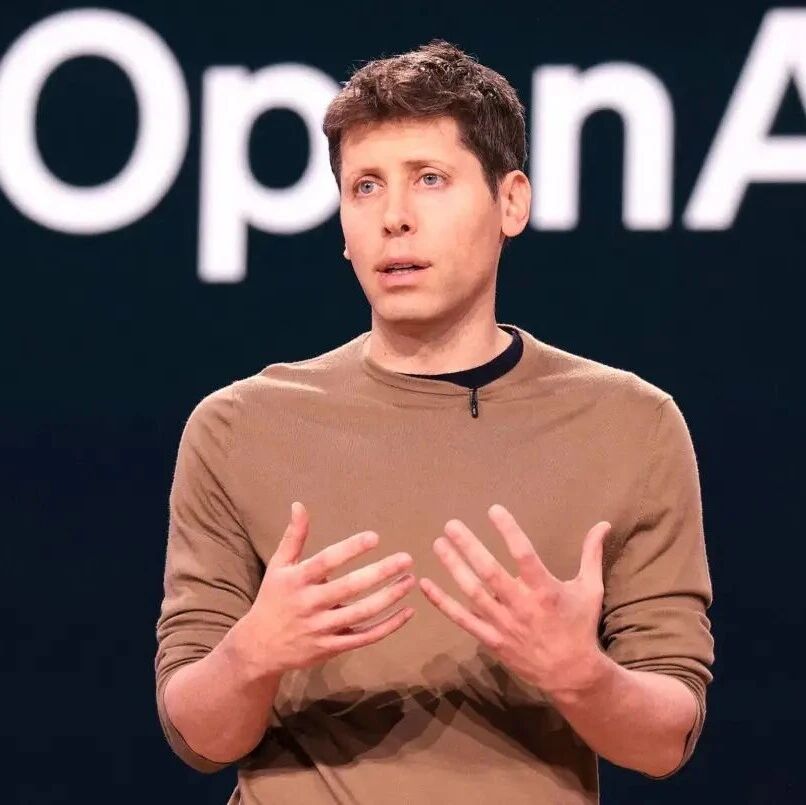
Core Insights - OpenAI's core executive team, led by CEO Sam Altman, successfully completed a $1.5 trillion chip supply deal with minimal external advisory involvement, focusing on speed and technical aspects over financial details [3][4][5] - The urgency of the AI arms race has overshadowed traditional business prudence, with OpenAI adopting a "get the chips first" approach [4][6] - The team demonstrated remarkable execution efficiency through various agreements, including a $119 billion power exchange deal with CoreWeave and a $350 billion chip procurement commitment with NVIDIA [3][4][7] Team Dynamics - Altman envisioned the partnerships, while key executives like Greg Brockman and Sarah Friar executed the structural design and governance arrangements [5][6] - Friar, a former CEO of Nextdoor, played a crucial role in securing financing for these transactions, leveraging her extensive financial background [6][7] - The small team led by Peter Hoeschele focused on enhancing computational supply to meet Altman's ambitious goal of 1 gigawatt per week [6][7] Transaction Models - The initial $119 billion agreement with CoreWeave involved purchasing computational power in exchange for equity, which later expanded to over $220 billion [7][8] - Many subsequent deals began with chip companies proactively reaching out to OpenAI for collaboration, relying on trust between Altman and the counterparties [8][9] - Direct negotiations with chip giants like NVIDIA and AMD were conducted without external advisors, streamlining the process [10][11] Strategic Partnerships - NVIDIA agreed to invest up to $100 billion in OpenAI in exchange for a commitment to spend up to $350 billion on 10 gigawatts of chips [11] - The partnership with AMD involved discussions over several years, culminating in a deal for purchasing 6 gigawatts of chips in exchange for warrants to buy up to 10% of AMD at a nominal price [11] - OpenAI's collaboration with Oracle, valued at $300 billion over five years, originated from a chance opportunity when a previous client exited a data center project [12]
炸裂!120亿美元!诺华收购Avidity Biosciences
美股IPO· 2025-10-27 01:23
Core Viewpoint - Novartis has announced an agreement to acquire Avidity Biosciences for $12 billion, focusing on innovative RNA therapies for neuromuscular diseases [3][30]. Group 1: Acquisition Details - The acquisition involves Novartis purchasing all outstanding shares of Avidity at $72.00 per share, representing a 46% premium over Avidity's closing price on October 24, 2025 [30]. - The deal is expected to close in the first half of 2026, contingent upon the separation of Avidity's early precision cardiology projects into a new entity, SpinCo [35]. - Avidity's late-stage neuroscience projects will be integrated into Novartis, enhancing its pipeline in treating genetic neuromuscular diseases [8][22]. Group 2: Strategic Importance - The acquisition is projected to increase Novartis's expected compound annual growth rate (CAGR) from 5% to 6% for the years 2024-2029, presenting a significant opportunity for shareholder returns [13][30]. - Avidity's innovative AOC RNA therapy platform aims to address severe genetic neuromuscular diseases, potentially leading to first-in-class treatment candidates [8][22]. Group 3: Market Potential - External forecasts suggest multi-billion-dollar peak sales potential for Avidity's therapies targeting diseases such as DM1 and FSHD, with no loss of exclusivity expected before 2042 [26][30]. - Avidity's therapies are designed to correct underlying genetic causes, offering meaningful benefits to patients suffering from conditions like DM1, FSHD, and DMD [22][47]. Group 4: Clinical Development - Avidity's lead candidate, Del-desiran, is designed to degrade DMPK mRNA to address the root cause of DM1, with promising data from Phase 1/2 studies indicating potential for significant clinical impact [36][40]. - Del-brax, targeting FSHD, has shown improvements in functional mobility and muscle strength in clinical trials, with ongoing studies expected to yield further data [48][50].


“人人都预期”的黄金崩盘发生了,现在人人都等着抄底?
美股IPO· 2025-10-26 10:20
Core Viewpoint - The recent gold market crash did not trigger panic but instead ignited a buying frenzy among retail investors globally, while most precious metals analysts maintained their core views [1][3][11] Market Reaction - The gold market experienced a significant drop, with prices plunging 6.3% on Tuesday, marking the largest single-day decline since 2013 [5] - Retail investors from Singapore to the U.S. reported a surge in buying activity, viewing the price drop as a buying opportunity [7][9][10] Analyst Perspectives - Analysts from MKS Pamp SA and Heraeus Precious Metals had previously warned about an overextended market, indicating that the crash was anticipated [4][11] - Most analysts believe this correction is a healthy market adjustment to clear out excesses, with predictions of a return to a more robust upward trajectory [11] Underlying Factors - The driving forces behind the current gold bull market include significant purchases by central banks, concerns over unsustainable sovereign debt levels, and increased participation from retail investors [11] - However, some analysts, including Michael Hartnett from Bank of America, question the solidity of the "devaluation trade" logic supporting gold prices, citing factors such as low U.S. Treasury yields and a budget surplus in September [12][13] Risks and Historical Context - Even bullish analysts like Gregory Shearer from JPMorgan acknowledge risks, including a potential slowdown in central bank purchases, drawing parallels to the 2011 gold price peak that took years to recover from [15]

给出100美元目标价!英伟达“唯一的空头”:这不是我第一次看到泡沫
美股IPO· 2025-10-26 10:20
Seaport Global分析师Jay Goldberg认为,当前英伟达的惊人增长,主要依赖于少数几家科技巨头的巨额资本支出。但巨额投入迄今 为止所产生的实际回报非常有限。这种模式与科网泡沫时期的电信基础设施建设非常相似,"出于很大程度上的心理原因,我们将建起 所有这些AI设施。在某个时候,支出将会停止,然后整个体系都会崩溃,我们将迎来一次重置。" 在华尔街对英伟达的狂热追捧中,一位分析师正在逆流而行。 在覆盖英伟达的80名分析师中,Seaport Global Securities分析师Jay Goldberg给出了唯一的"卖出"评级,并将目标价定在100美元。 "围绕AI的所有炒作,我都持怀疑态度," Goldberg在接受彭博采访时表示,"这不是我第一次看到泡沫。" 他将当前的局面类比为2000年前后的科网泡沫,并警告称,一旦支撑高估值的巨额支出放缓,市场格局可能会迅速逆转。 这一立场与市场的普遍乐观情绪形成鲜明对比,目前华尔街分析师的平均目标价约为220美元,预示着还有18%的上涨空间。 历史重演?剑指科网泡沫 在Goldberg看来,当前英伟达的惊人增长,主要依赖于少数几家科技巨头的巨额资本支出。 ...

摩根大通下调甲骨文评级——一窥债市对“AI基建融资”的看法
美股IPO· 2025-10-26 10:20
Core Insights - The article highlights three major credit risks associated with Oracle's aggressive expansion strategy, including a $35 billion capital expenditure, customer concentration risk from a $300 billion deal with OpenAI, and potential demand bubbles among AI giants [1][4][5] Group 1: Credit Risks - The first risk involves a $35 billion capital expenditure that conflicts with Oracle's unclear financing strategy and its "unfriendly" credit history [4][6] - The second risk is the customer concentration risk stemming from a $300 billion deal with OpenAI, alongside the low 14% profit margin from its cloud business, which may not support high leverage [5][10] - The third risk pertains to potential "capital internal circulation" among AI giants, which could amplify demand bubbles [5][11] Group 2: Debt Financing - A significant $38 billion debt financing is set to enter the market to support Oracle's data center projects, marking the largest financing deal in the AI infrastructure sector to date [3][6] - Morgan Stanley's bond research team downgraded Oracle's credit rating from "overweight" to "neutral" amid concerns over the company's capital needs and limited visibility in its financing strategy [3][4] Group 3: Customer Dependency - The $300 billion contract with OpenAI, while initially seen as a positive, poses substantial risks due to high customer concentration, linking Oracle's growth and asset utilization to a single client with an unclear business model [7][9] - Concerns about Oracle's profitability are raised, with reports indicating that its cloud infrastructure business has a razor-thin gross margin of only 14%, significantly lower than its traditional software business [10][14] Group 4: Systemic Risks - The article discusses systemic risks in the AI infrastructure sector, particularly the "circular counterparties" phenomenon, where capital circulates among a few major players, potentially distorting real demand and creating bubbles [11][12][14] - Credit rating agencies, including S&P and Moody's, have adjusted Oracle's ratings outlook to negative, reflecting concerns over the company's rising leverage and debt growth outpacing EBITDA growth [14][15]


Sora做社交,ChatGPT上广告,OpenAI正在复刻早期的Facebook?
美股IPO· 2025-10-26 03:30
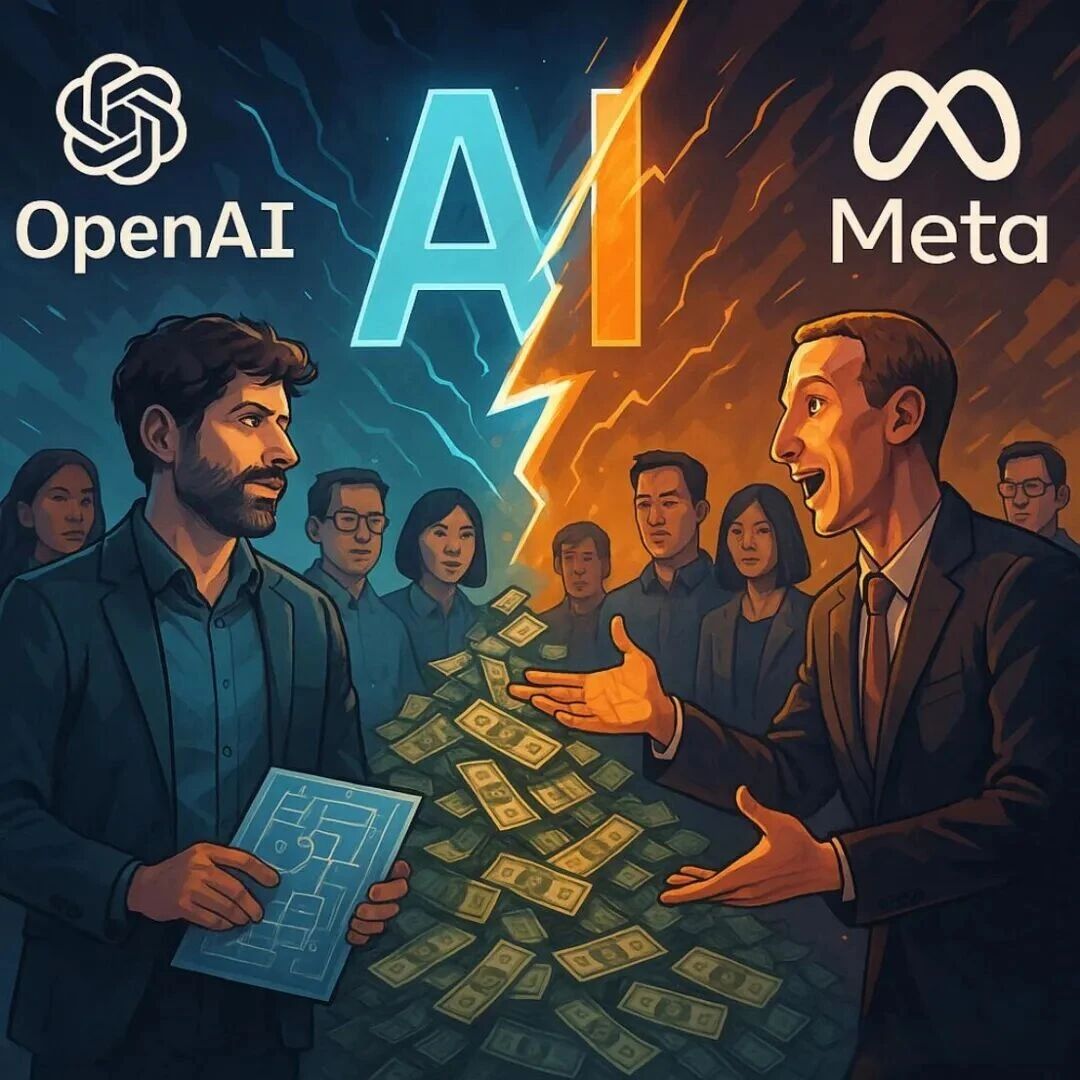
Core Insights - OpenAI is increasingly adopting a Meta-like development strategy, focusing on user growth and commercialization, transitioning from an idealistic research lab to a growth-oriented commercial giant [1][3][4] Group 1: Strategic Shifts - OpenAI has introduced a video application, Sora, which is rapidly gaining popularity in app stores, but this shift has raised internal concerns about content moderation and platform governance [3][4] - The company is softening its stance on advertising, with CEO Sam Altman acknowledging that certain ads could add value for users, contrasting with his previous view of ads as a last resort [3][4][8] - OpenAI's valuation pressure, reaching half a trillion dollars, is driving its transformation into a mature tech giant, raising questions about maintaining innovation and brand reputation while embracing commercialization [4][8] Group 2: Workforce and Culture - Approximately 20% of OpenAI's 3,000 employees have previously worked at Meta, leading to concerns about the company's culture becoming too similar to Meta's, particularly regarding content moderation and user privacy [5][6] - The influx of former Meta employees has resulted in significant leadership changes, with key positions filled by individuals with Meta backgrounds, raising internal concerns about the company's direction [5][6] Group 3: User Engagement and Metrics - OpenAI is shifting its product strategy to prioritize user growth, aiming for 1 billion weekly active users for ChatGPT, emphasizing quantity over quality [6][7] - The focus on user engagement metrics has permeated core research activities, causing unease among employees who fear the company may prioritize engagement over innovation [7][9] Group 4: Advertising and Revenue Generation - OpenAI is exploring advertising as a revenue source, with a dedicated team investigating how to integrate ads into ChatGPT based on user data, mirroring Meta's advertising model [8][9] - The company's rapid growth, with employee numbers increasing from 800 to 3,000 and revenue reaching $4.3 billion in the first half of the year, underscores the need for sustainable revenue sources [8][9] Group 5: Internal Dynamics and Balance - Despite the "Meta-ization" trend, there are mixed feelings within OpenAI, with some employees welcoming the business discipline brought by former Meta staff while others are concerned about preserving the research culture [9][10] - OpenAI is attempting to balance commercial success with a healthy product ecosystem, implementing features to prevent user overindulgence while pursuing growth [9][10]

赵长鹏“豁免”后发声“要让美国成为加密货币之都”,币安要重夺美国市场
美股IPO· 2025-10-26 03:30
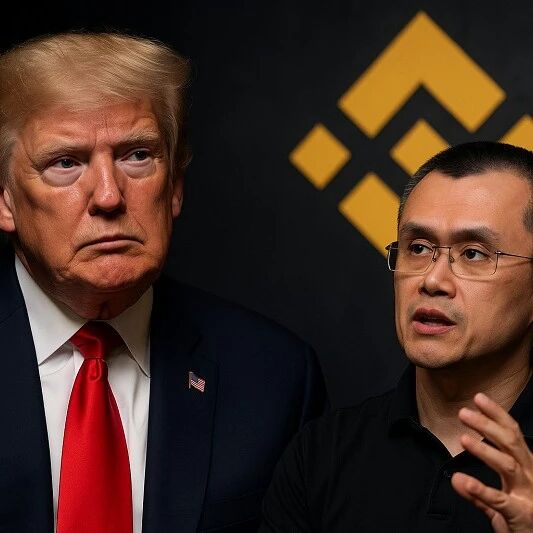
Core Viewpoint - The recent pardon granted by Trump to Zhao Changpeng has cleared legal obstacles for Binance, allowing Zhao to actively participate in the company's operations and pursue ambitions to make the U.S. a hub for cryptocurrency [1][3][5]. Group 1: Impact of the Pardon - Trump's pardon enables Zhao Changpeng to re-engage with Binance and its subsidiaries, potentially facilitating the integration of Binance.US into the global operations of Binance [5][9]. - The pardon is seen as a significant step towards overcoming regulatory challenges in the U.S. market, where Binance's U.S. branch currently operates with limited scope [5][6]. - Following the news of the pardon, Binance's native token BNB experienced an 8% surge, indicating positive market sentiment [3]. Group 2: Market Position and Challenges - Binance processes nearly 50% of global Bitcoin transactions, while Binance.US holds less than 1% market share in the U.S., highlighting the challenges it faces against competitors like Coinbase [6]. - Coinbase is recognized for its first-mover advantage and trustworthiness in the U.S. market, making it a formidable competitor for Binance [6]. - Despite Binance's aggressive pricing strategies, it has faced technical issues during recent market sell-offs, leading to significant forced liquidations [6]. Group 3: Zhao Changpeng's Global Strategy - Since his release in September 2024, Zhao has been actively building political capital and engaging with leaders in various countries to promote cryptocurrency [7]. - Zhao's recent changes to his personal profile suggest a potential return to a leadership role within Binance, although opinions vary on whether he will resume the CEO position [8]. - The pardon not only impacts the U.S. market but also opens new avenues for Binance's global expansion, particularly in regions with stringent ownership eligibility tests [8][9].
重磅!华尔街下注“高院否决关税,美国政府被迫退税”,商务部长儿子甚至一度参与
美股IPO· 2025-10-26 03:30
华尔街的投资银行正在构建一个特殊的"金融赌局"。据报道,对冲基金以每1美元索赔权20至40美分的价格,从现金流紧张的进口商手中购买未来可能获 得关税退款的索赔权。 10月25日,据媒体援引知情人士透露,Jefferies和Oppenheimer等公司正在积极撮合此类交易。它们将支付了高额关税的进口商与寻求投资机会的投 资者(主要是对冲基金)进行匹配。 这些交易的核心逻辑在于, 投资者以远低于潜在退款金额的价格购入索赔权 。 据报道,投资银行一直在接触美国多个州的海关报关行,寻求从现金流紧张的进口商手中购买索赔权。 一份Oppenheimer的推介材料写道: 该解决方案提供了一种能力,可以消除结果的不确定性,并立即获得有保证的付款,而无需等待法院的最终裁决。 据媒体援引相关信函及匿名知情人士透露, 对冲基金可能以每1美元索赔权20至40美分的价格买入,这意味着一旦赌赢,他们将获得数倍于原始投资的 回报 。 据一位知情人士称,大多数交易的规模在200万至2000万美元之间,极少超过1亿美元的交易。 该公司在材料中称, 其特殊资产团队自2021年以来,已围绕早于特朗普最新一轮关税的美中关税,安排了超过16亿美元的类 ...
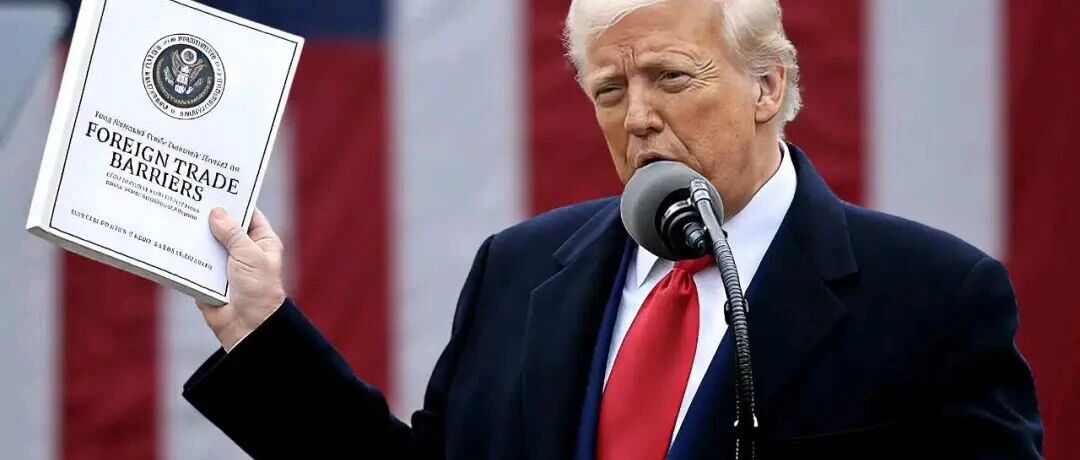
贝森特“坦白局”:力推MAGA,但保护市场,特朗普“总是宣布高关税创造杠杆,随后降低”
美股IPO· 2025-10-26 03:30
贝森特坦言,其核心工作是在推行"MAGA"议程与"不引发市场愤怒"这条底线之间寻求平衡。他表示,自己对市场抱有敬畏 之心,必须"尊重市场"。 上任仅九个月的时间里,贝森特——这位63岁的美国财长负责推进了特朗普激进的关税议程、主导了对美联储的改革、放松 了加密货币监管、开启了减税的大门。 在接受英国《金融时报》专访时,特朗普政府财政部长、前对冲基金经理 贝森特系统阐述了他的核心工作理念: "在不激怒市场的前提下,最大化推行'MAGA'。" 然而,这一做法也引发了批评。媒体引述批评者和前美国财政部官员观点称, 贝森特不仅动摇了财政部在贸易、政府干预 和央行自主权等问题上长期坚持的自由市场正统,还使其变得前所未有地党派化。 一位前财政部官员警告, 贝森特正在"迅速挥霍"财政部长期积累的、与黄金等价的信誉: "如果财政部被视为一个过度政治化的机构,它将在市场面前丧失信誉,这将产生严重且实质性的后果。" 对此,贝森特则以市场数据作为回应。自他1月28日上任以来,标普500指数上涨了约12%,而作为长期借贷成本基准的10 年期美国国债收益率同期下降了超过0.5个百分点至4%。他将此视为对那些警告其政策将引发通胀和债务危 ...