美股IPO

Search documents
马斯克给出“AI能源”解决方案:电网夜间储能、白天放电,将使美国电力产出翻倍
美股IPO· 2025-10-11 23:47
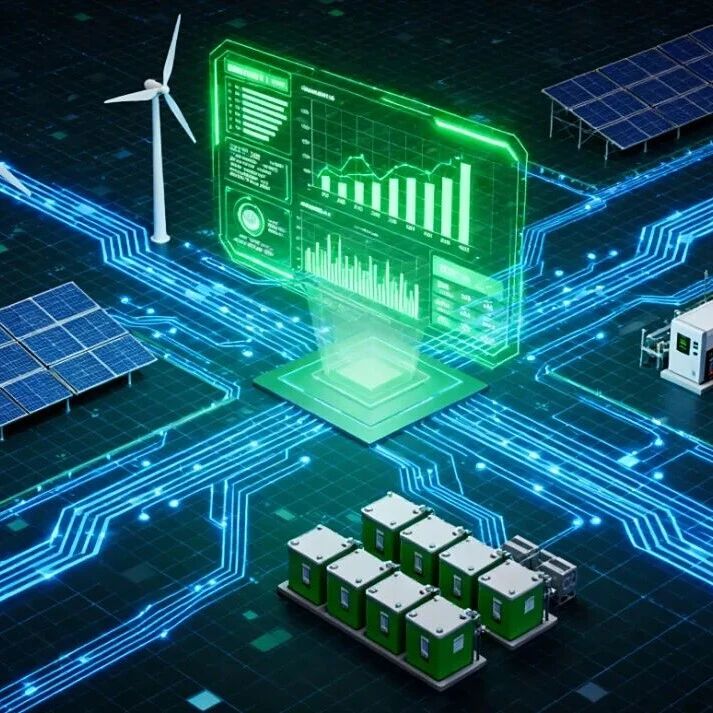
Core Insights - The rapid growth of artificial intelligence (AI) is pushing the U.S. power grid to its limits, with Elon Musk proposing large-scale deployment of industrial battery storage systems to potentially double the effective generation capacity of the grid [3][5] - The market is increasingly focusing on electrochemical storage and fuel cells as traditional energy sources struggle to meet immediate power demands due to long construction cycles [6][7] Group 1: AI and Power Demand - The AI data centers are expected to create an additional electricity demand of 6-13 gigawatts annually in the U.S. by 2025-2026, leading to a fourfold increase in peak load growth compared to historical averages [5] - The U.S. power grid has a stable output capacity of approximately 1 trillion watts, but the daily usage is only 0.5 trillion watts, indicating a significant gap that can be addressed through battery storage [3][6] Group 2: Energy Shortage and Solutions - There is an estimated power shortfall of 11-20 gigawatts in the U.S., with traditional power generation solutions unable to respond quickly enough due to lengthy construction times [7] - New natural gas projects require a three-year construction period, while nuclear power plants take over ten years, making them inadequate for immediate needs [7] Group 3: Storage Capacity and Market Growth - To address the anticipated power shortfall of 18-27 gigawatts by the end of 2026, the U.S. will need to add 110-205 gigawatt-hours of storage capacity over the next two years, necessitating an annual growth rate of over 50% compared to the 37 gigawatt-hours installed in 2024 [7] - The rapid deployment of electrochemical storage systems, which can be operational in 1 to 1.5 years, positions them as a key solution for short-term power shortages [6][7] Group 4: Investment Opportunities - The trend towards increased storage capacity is expected to benefit battery cell manufacturers, storage integrators, and backup power equipment companies [8] - If the Federal Reserve initiates a rate-cutting cycle, it could further enhance the investment returns for solar and storage projects, creating a "double benefit" for the industry [8]


暴涨29.77%!华尔街日报:市值54亿美元!强生拟收购Protagonist
美股IPO· 2025-10-11 23:47
Core Viewpoint - Johnson & Johnson (NYSE: JNJ) is in acquisition talks with Protagonist Therapeutics (NASDAQ: PTGX), which has led to a significant increase in Protagonist's stock price, closing at $8.7, a rise of approximately 30% with a market capitalization of $540 million [2]. Group 1: Acquisition Details - The details of the potential acquisition are not finalized, and the terms under discussion may not be guaranteed [5]. - The expected deal would significantly exceed Protagonist's market value, including a premium, and would enhance Johnson & Johnson's portfolio in immunology and oncology through two experimental drugs [5]. Group 2: Collaboration and Product Development - Johnson & Johnson and Protagonist are collaborating on the oral IL-23 inhibitor, Icotrokinra, which is aimed at treating immune diseases such as plaque psoriasis and ulcerative colitis, with Johnson & Johnson holding exclusive commercialization rights [6][8]. - Johnson & Johnson has already submitted a new drug application to the FDA for Icotrokinra to treat plaque psoriasis, following the loss of patent exclusivity for its product Stelara [8]. Group 3: Financial Aspects and Milestones - The collaboration includes potential financial milestones, with an upfront payment and milestone achievements totaling $337.5 million, alongside royalties of 6% to 10% on net sales exceeding $4 billion [6]. - Upcoming potential milestones through 2028 include various payments for marketing approvals and NDA filing acceptances, totaling an estimated $155 million [6]. Group 4: Market Performance - Protagonist's stock has more than doubled this year, with a notable 45% increase in March due to encouraging results from late-stage trials of Rusfertide, a treatment for polycythemia vera [12].



大摩:英伟达NDR点评,AI基础设施市场前景广阔,竞争动态仍具优势
美股IPO· 2025-10-11 23:47
Core Insights - NVIDIA emphasizes that its AI growth is still in the early stages, particularly in enterprise and industrial applications, which are described as being in a "nascent" phase [1] - The company maintains an "Overweight" rating, supported by strong arguments regarding the stability of its competitive landscape [1] AI Demand and Market Potential - Current AI demand growth is primarily driven by the migration from CPU to GPU in cloud computing capital expenditures, with significant expansion potential ahead [3] - NVIDIA's CEO forecasts that the AI infrastructure market could reach $3 to $5 trillion by 2030, exceeding common market assumptions [3] - The company notes that wafer capacity is no longer a major bottleneck, with current limitations focused on data center space, power, and supporting facilities [3] Strategic Partnerships and Investments - NVIDIA positions itself as an "accelerator" rather than a "financier," investing in projects like CoreWeave and sovereign fund initiatives in London to expedite data center development [3] - The company views OpenAI's recent 10GW data center construction goal as an incremental opportunity, advising caution in interpreting such targets from competitors [3] Competitive Landscape - In response to AMD's collaboration with OpenAI, NVIDIA highlights its own agreements with non-cloud data centers and equity investments per GW, suggesting a more direct approach to market engagement [4] - Concerns regarding NVIDIA's long-term forecasts, financing cycles, and rising competitor confidence are acknowledged, but the company believes that even partial realization of high assumptions in three-year agreements will support future growth [4] - NVIDIA expects to maintain an 80% market share in the XPU market by 2026, with its valuation still lower than competitors [4] AI Infrastructure and Growth Drivers - The AI infrastructure spending is projected to be between $3 to $4 trillion by 2030, driven by three AI scaling laws that are expected to exponentially increase computing demand [6][8] - The company excels in pre-training, post-training, and inference processes, which are critical for AI applications [8] Token Generation and Usage Growth - Token generation is reportedly doubling every two months, indicating a rapid increase in AI application usage [10] - OpenAI has seen significant growth in its user base, with 5 million paying business users as of recent reports, up from 3 million in June [10]

AI引爆美国电力需求,燃气轮机成“关键瓶颈”,GE Vernova、西门子能源和三菱重工“三巨头”面临抉择
美股IPO· 2025-10-11 12:52
Core Viewpoint - The three major gas turbine manufacturers are exercising caution in their expansion plans due to a deep understanding of industry cyclicality and the painful memories of the early 2000s industry disaster [1][5]. Group 1: Market Demand and Policy Support - The demand for gas turbines is surging due to the AI data center-driven "electricity competition," as stable and large-scale power supply is essential for AI operations [6]. - Gas turbines have replaced coal-fired units as the mainstay of the U.S. power grid due to their efficiency, flexibility, and lower pollution levels compared to coal [6]. - Since mid-2023, the cost of new gas power plants has roughly doubled, primarily driven by rising gas turbine prices, as utility companies and tech giants secure orders through the end of the decade [6]. - U.S. energy policies are favoring natural gas power, with the Trump administration prioritizing gas turbines as a key transitional solution before new nuclear plants are built [6]. Group 2: Historical Lessons and Caution - The cautious approach of the gas turbine manufacturers is influenced by the memory of the 2000s internet bubble, which led to over-optimistic power demand forecasts and subsequent industry collapse [7]. - Siemens Energy's CEO emphasized the cyclical nature of the industry, acknowledging that gas turbine demand will eventually decline [7]. - The challenge for companies lies in distinguishing between genuine demand and speculative demand [8]. Group 3: Limited Expansion Plans - In light of historical lessons and current market realities, the three major manufacturers are opting for limited capacity expansions [9]. - GE Vernova plans to invest over $300 million to increase its heavy gas turbine annual delivery capacity from an average of 55 units to 80 units [10]. - Siemens Energy aims to increase its capacity by 30% to 40% while avoiding high-risk bets on the market outlook for the 2030s [11]. - Mitsubishi Heavy Industries is expected to invest hundreds of millions to expand its production scale in the U.S. [12]. - Analysts note that these expansion plans are not commensurate with the growth in demand over the past two years, indicating a reluctance to overcommit [13]. - Supply chain bottlenecks are shifting from assembly plants to upstream suppliers, with critical materials like specialty alloys facing shortages [13].
币圈“血流成河”前夕,神秘“巨鲸”精准做空,30分钟狂赚2亿美元!
美股IPO· 2025-10-11 12:52
一个神秘的「巨鲸」账户在Hyperliquid上建立了巨额的比特币和以太坊空头头寸,市场崩盘后一天之内就获利近2亿美元。巨鲸赚得盆 满钵满的背后,是市场的尸横遍野。24小时内,全网杠杆仓位蒸发了191亿美元,刷新了历史记录,总共有超过162万人被强制平仓, 血本无归。 就在特朗普宣布关税政策前半小时,一个神秘的「巨鲸」账户在去中心化交易所Hyperliquid上,建立了巨额的比特币和以太坊空头头 寸。政策消息一出,市场应声崩盘,这个地址一天之内就获利近2亿美元。 链上数据与市场惨状共同指向的信息,不由地引发市场反思:在加密货币这个被誉为"去中心化"的金融前沿,权力和信息似乎正以一种 更隐蔽、更高效的方式被重新中心化。 | | | | | | Combined | Perc PnL | Account Va | | Show Trades | | --- | --- | --- | --- | --- | --- | --- | --- | --- | --- | | 24H | 1W | | 1M All | | | | | | | | Combined | Perc PnL | Account Va | S ...

黄仁勋、特朗普大儿子联手,投出百亿AI独角兽
美股IPO· 2025-10-11 12:52
其估值7个月飙到570亿,暴涨15倍。 由两位前DeepMind研究员创办的AI初创公司Reflection AI,于本周四完成 20亿美元融资 (约合人民币142.7亿元), 最新估值达 80亿美元 (约合人民币570.8亿元),相较7个月前上一轮估值5.45亿美元(约合人民币38.9亿元), 估值跃升近15倍 。 这轮融资由英伟达领投 ,参投方包括 前谷歌CEO埃里克·施密特 、花旗集团、小唐纳德·特朗普(Donald Trump Jr.)支持的私募股 权公司1789 Capital,以及原有投资者Lightspeed与红杉资本。 这家成立仅一年半的公司,正试图打造"美国的开放前沿AI实验室",未来可能会与OpenAI、Anthropic等封闭机构,以及 DeepSeek、通义千问等开源团队展开竞争。 ▲图源:Reflection AI社交平台 01 . 美国本土AI开源派再添一员 挑战DeepSeek Reflection AI成立于2024年3月,由两位 前DeepMind研究员Misha Laskin与Ioannis Antonoglou共同创办 。Laskin曾负责谷歌 Gemini项目的奖励建模 ...

黄金飙升背后的逻辑,美债并不认可?
美股IPO· 2025-10-11 05:48
Core Viewpoint - The article discusses the contrasting narratives of gold and U.S. Treasury bonds, highlighting gold as a "vote of no confidence" in future monetary credit, while U.S. bonds represent a "vote of confidence" in policy credibility [1][3]. Group 1: Market Dynamics - Gold prices have surged by 51% over the past 12 months, surpassing $4000, while the U.S. dollar has depreciated by over 10% against a basket of major currencies [6][8]. - The stock market has reached new highs, indicating a growing interest in "devaluation trades," where investors bet on inflation to dilute government debt [6][7]. - The U.S. government's net debt-to-GDP ratio has increased from 96% in 2020 to 98% in 2023, raising concerns about future inflation as a means to address debt issues [8]. Group 2: Inflation Expectations - The key indicator for long-term inflation expectations, the five-year, five-year forward breakeven inflation rate, remains stable and close to the Federal Reserve's 2% target, suggesting that bond investors do not foresee runaway inflation [9][10]. - Despite the heated gold market narrative, the bond market has not reacted to the inflation concerns that gold investors are expressing [9][10]. Group 3: Divergent Market Sentiments - The article notes a split in market sentiment, with the stock market driven by optimism around AI technology and strong economic growth, rather than solely inflation hedging [11][12]. - The current macroeconomic data presents contradictions, with signs of a slowing job market suggesting a need for preventive rate cuts, while strong growth and rising inflation raise concerns about the implications of such cuts [12][13]. Group 4: Long-term vs Short-term Risks - Long-term risks indicate that if the U.S. does not alter its fiscal trajectory, a "debt market reckoning" may eventually occur, with inflation becoming a political choice [13]. - In the short term, the fate of the market is in the hands of the Federal Reserve, which may need to abandon rate cut expectations if economic growth continues [13].

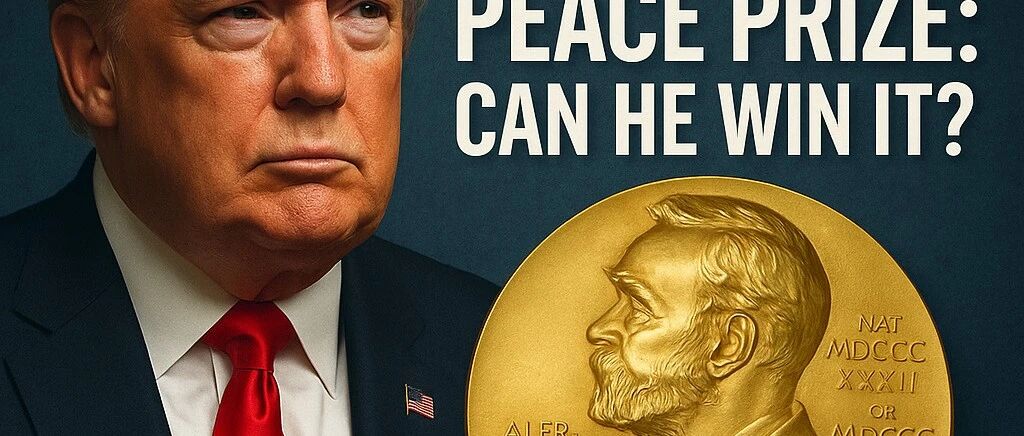
诺奖有“内鬼”?开奖前12小时,神秘交易员在Polymarket“精准押注”和平奖得主
美股IPO· 2025-10-11 05:48
Core Insights - A mysterious trader, using the account "6741," made significant bets on María Corina Machado winning the Nobel Peace Prize just 12 hours before the announcement, raising her winning probability from around 5% to 70% [3][5] - The incident has raised concerns about insider trading, prompting an investigation by the Norwegian Nobel Institute to determine if internal information was leaked [3][4] - This event highlights the regulatory gaps in the rapidly growing prediction market, particularly on platforms like Polymarket, which operates offshore and is not subject to U.S. laws against insider trading [8] Market Dynamics - The Polymarket platform has seen a surge in valuation, reaching $8 billion, with the Intercontinental Exchange planning to invest up to $2 billion, indicating growing interest from mainstream financial institutions [4][10] - The platform allows users to bet on various events, reflecting traders' judgments on future probabilities, but does not prohibit insider trading, creating a gray area in market operations [8][10] Trading Behavior - The account "6741" placed a $1,500 bet on Machado and $1,085 against a previously favored candidate, significantly impacting the odds in a relatively small market [7] - Other traders quickly followed suit, with one account named "GayPride" profiting over $85,000 as Machado's winning probability fluctuated between 60% and 71% [7] Regulatory Environment - Polymarket's operations are not regulated in the same way as traditional markets, leading to questions about the legality of trades based on leaked information [8] - Some economists argue that insider trading could enhance the predictive accuracy of markets, contrasting with regulated platforms like Kalshi, which prohibit such practices [8] Future Prospects - Polymarket's expansion plans include a potential return to the U.S. market after acquiring a CFTC-licensed exchange, with sports betting seen as a significant growth opportunity [10]
“次贷危机”的味道?华尔街投行旗下信贷基金暴雷,大摩等同业开始撤资
美股IPO· 2025-10-11 05:48
Core Viewpoint - The collapse of First Brands Group has exposed significant systemic risks within the $2 trillion private credit market, reminiscent of the 2008 subprime mortgage crisis, as highlighted by Jim Chanos [1][3][17]. Group 1: Incident Overview - Point Bonita Capital, a fund under Jefferies, is facing urgent redemptions from top Wall Street investors due to its exposure to First Brands, which recently filed for bankruptcy [2][6]. - First Brands' bankruptcy revealed nearly $12 billion in complex debt and off-balance-sheet financing, triggering a liquidity crisis among major financial institutions [3][6]. - The fallout from First Brands' collapse has led to a "run on the bank" scenario, with major investors like BlackRock and Morgan Stanley initiating withdrawal requests [7][11]. Group 2: Financial Implications - Point Bonita Capital holds $715 million in receivables related to First Brands, representing nearly a quarter of its $3 billion portfolio, creating a significant risk exposure [6][7]. - The fund's structure, which involved First Brands acting as a servicer for receivables from high-credit clients like Walmart, has proven to be deeply flawed, as funds were never directly received from these clients [13][14]. Group 3: Regulatory and Market Reactions - The U.S. Department of Justice has initiated a preliminary investigation into the circumstances surrounding First Brands' collapse, adding uncertainty to the situation [11]. - Other financial institutions, including UBS and Cantor Fitzgerald, are also facing repercussions due to their exposure to First Brands, with UBS reporting a 30% risk exposure in one of its funds [8][9]. Group 4: Broader Market Concerns - Jim Chanos has warned that the private credit market's operational model mirrors that of the subprime mortgage crisis, with hidden risks masked by complex financial structures [17][18]. - The First Brands incident has raised alarms about the transparency and stability of the private credit market, prompting concerns about undisclosed risks that may still exist within this sector [21].


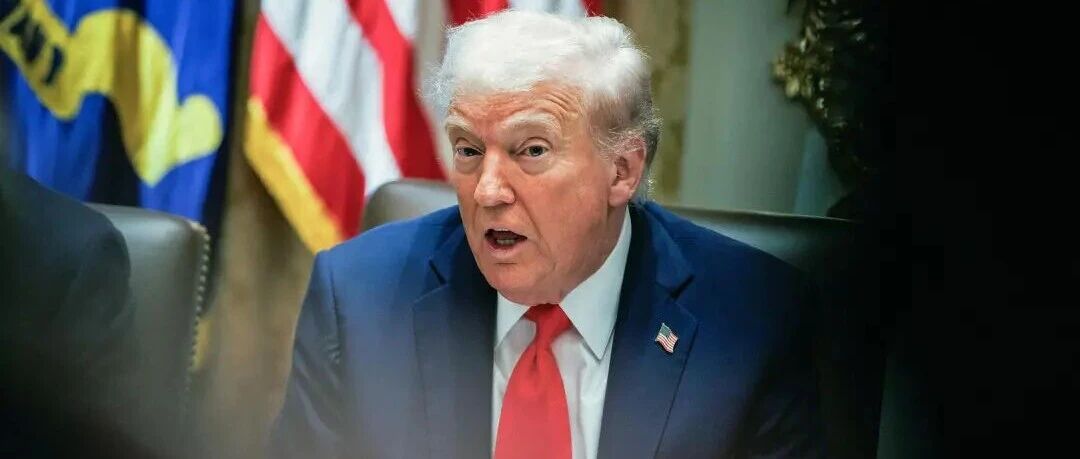
特朗普宣布对中国加征100%新关税,对所有关键软件实施出口管制
美股IPO· 2025-10-11 00:36
Core Viewpoint - The U.S. will impose a 100% tariff on Chinese imports starting November 1, which is an additional tax on top of existing tariffs, in response to China's new export control measures on rare earth minerals [1][3]. Group 1: Tariff Announcement - President Trump announced a 100% tariff on Chinese goods effective November 1, which is in addition to current tariffs [1]. - The tariff increase is a direct response to China's recent export control measures on rare earth minerals [3]. Group 2: Export Control Measures - Trump indicated that the U.S. will also implement export controls on "all critical software" starting on the same date [1]. - The announcement followed China's claim of implementing large-scale export controls on nearly all products they produce, effective November 1, 2025 [3]. Group 3: Context of the Announcement - The tariff increase was framed as a retaliation against China's unprecedented stance on export controls [3]. - Trump's statement emphasized that the U.S. is acting independently, representing its own interests rather than those of other affected countries [3].