
LI AUTO-W(02015)

Search documents
同比普涨、环比普跌,1月车企销量“开门红”成色不足
经济观察报· 2026-02-03 12:15
Core Viewpoint - The automotive industry experienced a mixed performance in January 2026, with many companies reporting year-on-year sales growth due to a low sales base from the previous year, but a significant month-on-month decline due to the end of full tax exemptions and consumer hesitation [2][3]. Group 1: Overall Market Performance - In January 2026, the automotive industry achieved a positive year-on-year growth, largely influenced by the low sales base from January 2025 when the Spring Festival occurred [2]. - Month-on-month sales for most companies declined significantly, attributed to the end of full tax exemptions for new energy vehicles and the lack of clear local subsidy policies, leading to consumer hesitation [2][3]. Group 2: Company-Specific Performance - Geely's sales reached 270,200 units in January, a year-on-year increase of 1.29% and a month-on-month increase of 14%. New energy vehicle sales accounted for 46% of total sales [3][4]. - BYD sold 210,100 units in January, with overseas sales of 100,000 units showing a year-on-year growth of 43.3% [4]. - Chery Group's sales were 200,300 units, down 10.72% year-on-year and 18.23% month-on-month, with new energy vehicle sales at 52,100 units [5]. - GAC Group reported sales of 116,600 units, a year-on-year increase of 18.47%, but a month-on-month decline of 37.79% [5]. - SAIC Group's sales data showed a retail volume of over 78,000 units for its passenger vehicle segment, a year-on-year increase of 9.8% [6]. Group 3: New Energy Vehicle Segment - New energy vehicle sales for Geely were 124,300 units, with a year-on-year growth of 3% [4]. - BYD's new energy vehicle sales were 177,500 units, contributing significantly to its overall performance [4]. - The new energy vehicle segment is showing resilience, with companies like AITO (问界) and Xiaomi Auto reporting substantial year-on-year growth [7][8].





American Lithium Announces CEO Appointment
Globenewswire· 2026-02-03 12:00
Core Viewpoint - American Lithium Corp. has appointed Mr. Alex Tsakumis as Chief Executive Officer effective January 29, 2026, following his role as Interim CEO since September 1, 2024, and his board membership since 2021 [1][2]. Group 1: Leadership and Management - Mr. Tsakumis brings over 30 years of experience in the mineral resource industry, specializing in public markets, corporate governance, communications, finance, and mergers and acquisitions [2]. - Under Mr. Tsakumis' leadership as Interim CEO, the company achieved significant milestones, including completing an oversubscribed financing, enhancing corporate governance, and optimizing operational costs [3]. Group 2: Corporate Actions - The company's Board approved the cancellation of 1,835,800 stock options previously granted under the Omnibus Incentive Plan, with exercise prices of $3.63 and $4.85 per common share, set to expire on February 16, 2027, and February 2, 2028, respectively [4]. Group 3: Project Development - American Lithium is developing two major lithium projects: the TLC claystone lithium project in Nevada and the Falchani hard-rock lithium project in southern Peru, which also includes a significant cesium resource, alongside the Macusani uranium project [5]. - All three projects have undergone robust preliminary economic assessments and show considerable potential for expansion, supported by strong community backing [5].
理想说新版汽车车门把手强制性国家标准是理想主导的
理想TOP2· 2026-02-03 10:31
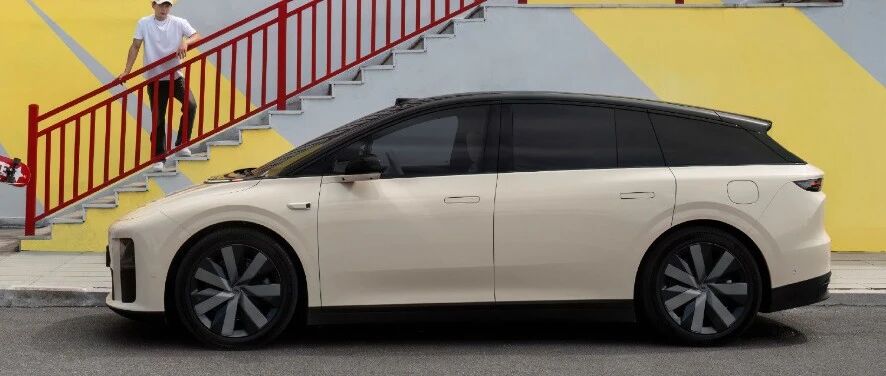
标准聚焦日常使用便利性和碰撞救援安全性,体现在三大方面: 2026年2月3日,理想官方公众号理想技术发文 理想汽车首个主导的强制性国家标准GB 48001—2026 《汽车车门把手安全技术要求》正式发布 以下为原文: 2026年1月28日,工业和信息化部组织制定的强制性国家标准《汽车车门把手安全技术要求》(GB 48001—2026)由国家市场监督管理总局、国家标准化管理委员会批准发布,将于2027年1月1日起开 始实施。 《汽车车门把手安全技术要求》是全球首个门把手安全法规,同时也是理想汽车首个主导的强制性国 家标准、首次在强制性国家标准领域承担核心编制任务,彰显了企业技术研发实力与行业引领作用。 一是研究提出了车门把手的手部操作空间及布置区域要求。 提出了手部操作空间、布置区域等标准 要求, 明确了车门外把手的手部操作空间最小尺寸为60mm×25mm×20mm,重点解决隐藏式外门把 手及内门把手操作不便、难以识别等困扰消费者的问题。 二是明确规范了车门把手的机械释放安全要求。 提出了车门内把手和车门外把手均应具有机械释放 功能,确保不可逆约束装置展开或动力电池热扩散等事件发生后通过机械释放车门把手的单次或 ...
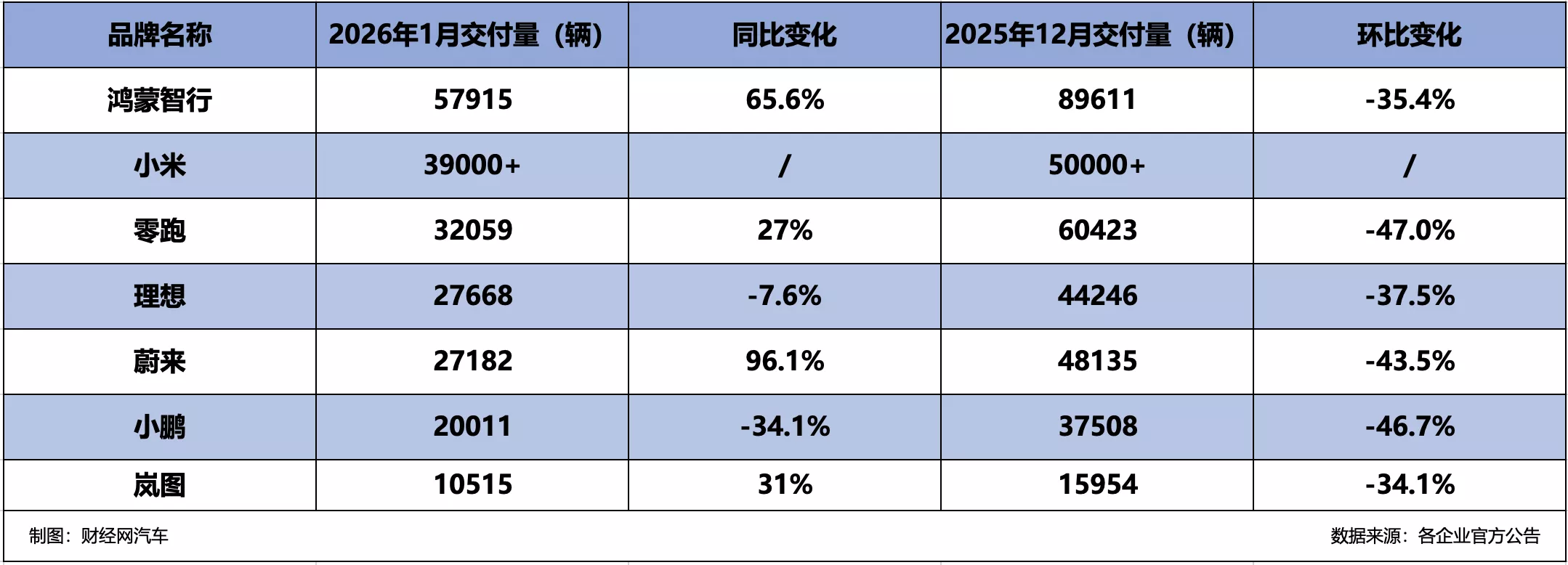
部分造车新势力1月交付数据丨鸿蒙智行57915台 小米、零跑超3万台
Cai Jing Wang· 2026-02-03 09:19
Core Insights - New energy vehicle companies in China reported mixed delivery results for January, with some experiencing significant growth while others faced declines in both year-over-year and month-over-month metrics [1][4]. Delivery Data Summary - Hongmeng Zhixing led the delivery rankings with 57,915 units, a year-over-year increase of 65.6% [5]. - Xiaomi delivered over 39,000 units, marking a 95% increase compared to January 2025 [5]. - Leap Motor delivered 32,059 units, a year-over-year increase of 27% but a month-over-month decline of 47% [5][6]. - Li Auto delivered 27,668 units, down 7.6% year-over-year and 37.5% month-over-month [7]. - NIO delivered 27,182 units, showing a 96.1% year-over-year increase but a 43.5% month-over-month decline [8]. - XPeng delivered 20,011 units, down 34.1% year-over-year and 46.7% month-over-month [10]. - Lantu delivered 10,515 units, a year-over-year increase of 31% [11]. Market Trends and Insights - The overall retail sales of passenger vehicles in China dropped by 28% year-over-year and 37% month-over-month, with new energy vehicles experiencing a notable decline [4]. - The penetration rate of new energy vehicles fell from 59.1% in December to 45.9% in January [4]. - A new energy vehicle company executive attributed the market downturn to the traditional off-peak season and the expiration of tax exemption policies, which led to demand being pulled forward [4][11].


理想AI眼镜真实销量曝光:首销超3万台 略低于小米
Feng Huang Wang· 2026-02-03 04:35
Group 1 - The core point of the article highlights the strong demand for Li Auto's AI glasses, which sold out within hours, indicating robust product appeal and brand strength [1][2] - Li Auto's AI glasses sold over 30,000 units in the first batch, which is slightly lower than Xiaomi's 50,000 units sold in three days, but Li Auto had limited inventory compared to Xiaomi [1][2] - 12% of the buyers of Li Auto's AI glasses are non-Li Auto vehicle owners, showcasing the product's broad market appeal beyond existing customers [1] Group 2 - The AI glasses, named Levis AI Smart Glasses, were launched on December 3 and feature first-person shooting, quick AI response, and vehicle control capabilities, weighing only 36 grams [2] - Due to high demand and production capacity issues, the first batch of orders is expected to be delivered by the end of February, with the next batch set to launch in mid-March, indicating a significant gap between the two sales [2] - Li Auto is actively seeking new production suppliers to address the capacity constraints and meet the demand for its AI glasses [2]
1月车市环比多暴跌,出口成“救命稻草”
Xin Lang Cai Jing· 2026-02-03 04:12
Core Viewpoint - The automotive market in January 2026 showed a slight year-on-year increase but a significant month-on-month decline, primarily due to policy changes and demand exhaustion, with exports becoming a crucial growth driver for companies [1][22]. Group 1: Market Performance - The overall automotive market experienced a year-on-year increase but a month-on-month decline, with some companies facing drastic reductions in sales [1]. - The core reasons for the market's sluggish start include the reduction of the new energy vehicle purchase tax and a mismatch in demand due to the timing of the Spring Festival [1]. - Exports have emerged as a vital growth area for automotive companies, helping to offset domestic market fluctuations [1][6]. Group 2: Company Sales Data - BYD sold 210,100 vehicles in January, a year-on-year decline of 30.11% and a month-on-month decline of 50.04%, heavily impacted by the new energy vehicle tax policy [3][5]. - Geely's sales reached 270,200 units, showing a year-on-year increase of 1.29% and a month-on-month increase of 14.08%, with significant export growth [5][6]. - SAIC Group reported sales of 327,000 units, a year-on-year increase of 23.9%, with a notable increase in overseas sales [8]. Group 3: New Energy Vehicle Trends - The new energy vehicle market is facing challenges due to policy changes, leading to a cautious consumer sentiment [1][3]. - Companies are increasingly relying on exports to sustain growth in the new energy vehicle segment, as domestic competition intensifies [6][22]. Group 4: Competitive Strategies - Companies are engaging in aggressive promotional strategies, including long-term financing options and price reductions, to stimulate sales amid a cooling market [15][17]. - The automotive industry is shifting towards a more competitive landscape, focusing on comprehensive service offerings beyond just product pricing [17][22]. - Traditional luxury brands are facing pressure from the rise of domestic electric vehicle manufacturers, leading to significant price reductions to maintain market share [20][22].


同比普涨、环比普跌,1月车企销量“开门红”成色不足
Jing Ji Guan Cha Wang· 2026-02-03 02:34
Core Insights - The automotive industry experienced a positive start in January 2026, with most companies reporting year-on-year sales growth, attributed to a low sales base from the previous year due to the Spring Festival occurring in January 2025 [2] - However, month-on-month sales showed a significant decline for most companies, primarily due to the end of full tax exemptions for new energy vehicles and the conclusion of various promotional policies that were in place at the end of 2025 [2] Company Performance - Geely's January sales reached 270,200 units, a year-on-year increase of 1.29% and a month-on-month increase of 14%. New energy vehicle sales accounted for 46% of total sales, with overseas exports growing by 121% year-on-year [3] - BYD sold 210,100 units in January, with overseas sales of 100,000 units showing a year-on-year growth of 43.3%. The brand's performance was strong across its various models [4] - Great Wall Motors reported sales of 90,300 units, a year-on-year increase of 11.59%, but a month-on-month decline of 27.18%. Overseas sales also grew by 43.77% [4] - Chery Group's sales were 200,300 units, down 10.72% year-on-year and 18.23% month-on-month. However, exports reached 119,600 units, marking a 48.1% increase [5] - GAC Group's sales totaled 116,600 units, up 18.47% year-on-year but down 37.79% month-on-month. The group's self-owned brands saw significant growth, particularly in overseas markets [5] - SAIC Group's passenger vehicle sales exceeded 78,000 units, a year-on-year increase of 9.8%, while Dongfeng Motor reported various brand performances, with some brands showing significant growth [6] New Energy and Emerging Brands - New energy vehicle sales are becoming increasingly significant, with companies like AITO, Xiaomi, and Leap Motor forming a new "first tier" in sales, while traditional players like NIO and Xpeng are now in the "second tier" [6][7] - AITO's sales reached approximately 40,000 units, a year-on-year increase of 83%, while Xiaomi's sales exceeded 39,000 units, showing strong growth compared to the previous year [7]

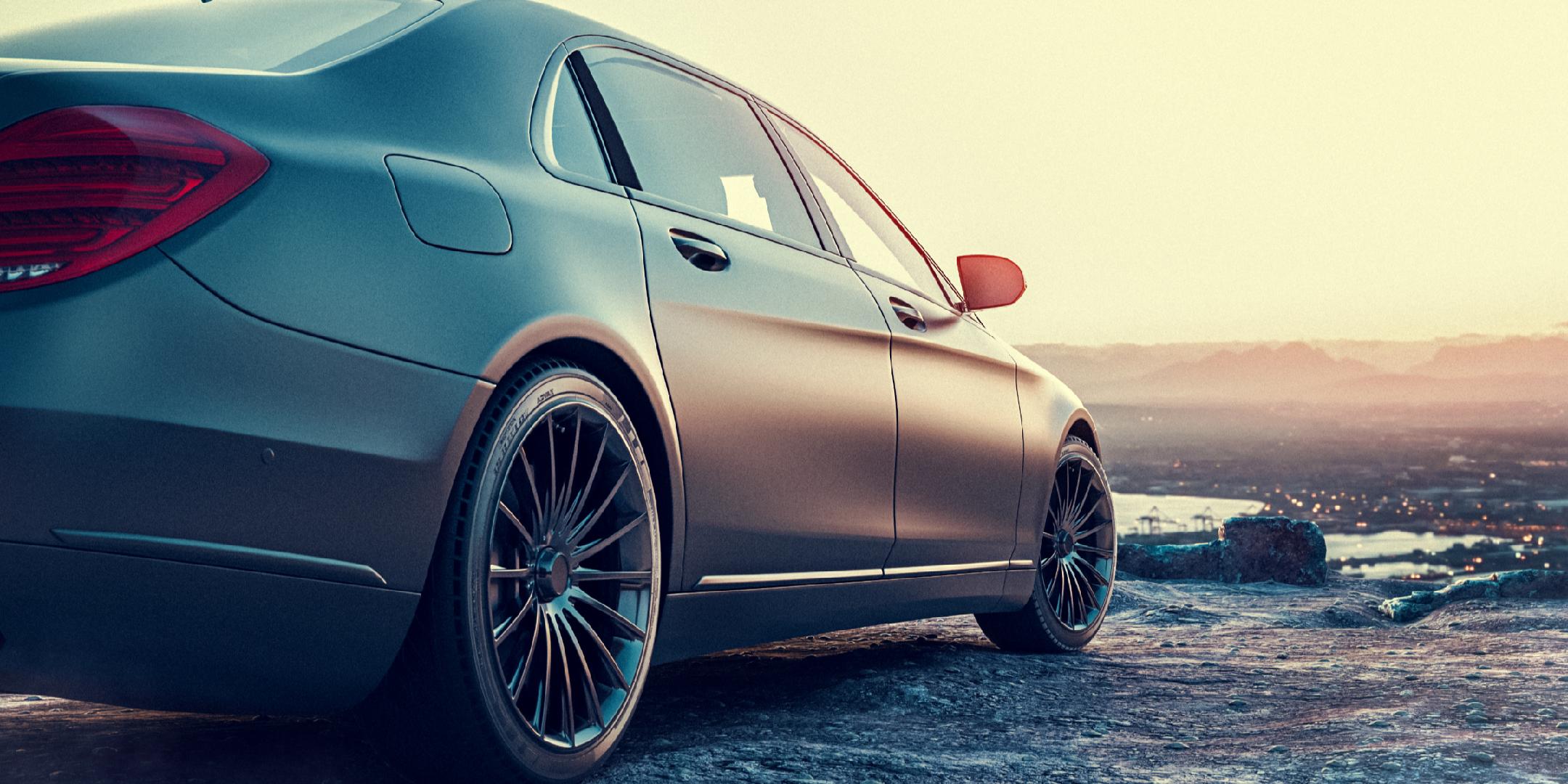
1月车市分化加剧:自主品牌座次洗牌 新势力环比普降
Zhong Guo Zheng Quan Bao· 2026-02-02 23:03
Core Insights - The automotive market in January 2026 shows a clear distinction between traditional domestic brands, which are performing strongly, and new energy vehicle (NEV) startups, which are facing challenges [1][5] Traditional Domestic Brands Performance - Major traditional automakers like SAIC, Geely, and Chery reported over 20% year-on-year sales growth in January 2026, with SAIC leading the market [2][3] - SAIC sold 327,400 vehicles in January, a 23.9% increase year-on-year, with 214,000 units from its own brands, marking a 39.6% increase [2] - Geely's sales reached 270,200 units, a 1% year-on-year increase, with NEV sales contributing significantly [2] - Chery's sales totaled 200,300 units, with exports accounting for 119,600 units, a 48.1% increase year-on-year [3] - GAC Group saw a significant increase in sales, reaching 116,600 units, up 18.47% year-on-year, driven by its new energy and overseas sales [3] New Energy Vehicle Startups Challenges - In contrast, nine major NEV startups experienced a collective decline in sales, with month-on-month drops ranging from 21.2% to 47.0% [5][6] - Despite the downturn, some brands like NIO and Zeekr reported year-on-year growth exceeding 95% [6][7] - The decline in NEV sales is attributed to short-term factors such as policy changes and seasonal demand fluctuations [6][7] - The market is expected to stabilize post-policy transition, with a potential recovery in sales anticipated in February and March 2026 [7] Market Dynamics and Future Outlook - The automotive industry is witnessing a restructuring of brand rankings, with traditional brands solidifying their positions while new entrants face increasing competition [1][5] - The long-term growth logic of the NEV sector remains intact, with expectations for a gradual recovery as new products are launched and market conditions improve [7]
自主品牌座次洗牌 新势力环比普降
Zhong Guo Zheng Quan Bao· 2026-02-02 20:45
Core Insights - The automotive market in China is showing a clear divide between traditional domestic brands, which are performing strongly, and new energy vehicle (NEV) startups, which are facing challenges. Traditional brands like SAIC, Geely, and Chery have reported over 20% year-on-year sales growth, while nine major NEV startups have experienced a collective decline in sales [1][4]. Traditional Domestic Brands Performance - SAIC Motor Corporation led the market with a total vehicle sales of 327,400 units in January, a year-on-year increase of 23.9%. The sales of its self-owned brands reached 214,000 units, up 39.6%, accounting for 65.3% of total sales [1][2]. - Geely Automobile sold 270,200 units, marking a 1% year-on-year increase and a 14% month-on-month increase. Its NEV sales reached 124,300 units, up 3%, making up 46% of total sales [2]. - Chery Group achieved sales of 200,300 units, with exports contributing significantly, totaling 119,600 units, a 48.1% increase year-on-year. The NEV segment also grew, with sales of 52,100 units [2][3]. - GAC Group reported a total sales volume of 116,600 units, an 18.47% increase year-on-year, driven by significant growth in its Aion and Trumpchi brands [3]. New Energy Vehicle Startups Challenges - The nine major NEV startups collectively faced a month-on-month sales decline ranging from 21.2% to 47.0%. However, six of these companies reported year-on-year growth, indicating a mixed performance [4][5]. - Leading brands like Hongmeng Zhixing and Xiaomi Auto reported significant year-on-year growth, with Hongmeng delivering 57,900 units (up 65.6%) and Xiaomi delivering over 39,000 units (up 70%) despite month-on-month declines [5]. - NIO and Zeekr emerged as strong performers with year-on-year growth exceeding 95%, with NIO delivering 27,200 units (up 96.1%) and Zeekr delivering 23,900 units (up 99.7%) [5][6]. Market Dynamics and Future Outlook - The automotive market is experiencing a temporary downturn due to factors such as policy changes and seasonal demand fluctuations. The inventory warning index for dealers was reported at 58.3%, indicating a supply-demand imbalance [4][6]. - Despite short-term challenges, industry experts believe the long-term growth trajectory for the NEV sector remains intact, with expectations for a recovery in sales as the market stabilizes post-policy transition and new products are launched [6].

China Bans Hidden Car Door Handles In World-First Safety Policy
Www.Ndtvprofit.Com· 2026-02-02 16:45
Core Viewpoint - China has become the first country to ban concealed door handles on electric vehicles (EVs), a design popularized by Tesla, due to safety concerns following several fatal incidents [1][3]. Regulatory Changes - The new safety rules will take effect on January 1, 2027, with existing models having until January 2029 to comply [2]. - The regulations mandate mechanical release mechanisms on both the inside and outside of vehicles [1]. Safety Incidents - The crackdown on concealed handles follows high-profile incidents, including two crashes involving Xiaomi's EVs, where power failures prevented doors from opening, resulting in fatalities [3][6]. - The push for regulation began after at least two fatal crashes where individuals were trapped in their vehicles due to door issues [7]. Industry Impact - Approximately 60% of the top 100 selling new-energy vehicles in April featured concealed handles, indicating a significant impact on automakers [5]. - The redesign efforts will likely focus on higher-margin luxury models, which often utilize sleek designs that will soon be banned [5]. Cost Implications - Implementing the new design standards could cost manufacturers over 100 million yuan (approximately $14.4 million) per model [4]. Global Influence - China's regulatory changes are expected to influence global automotive standards, as the country transitions from being the largest EV market to a rule-setter for vehicle technologies [4][12]. - Tesla and other foreign automakers are preparing to adapt their designs for the Chinese market, with Tesla indicating it will make necessary changes [10][11]. Future Regulations - In addition to door handle regulations, the Ministry of Public Security plans to limit vehicle acceleration rates and increase oversight of advanced driver-assistance systems [13].
