BABA(09988)

Search documents
AI巨头春节狂撒45亿红包雨
Qi Lu Wan Bao· 2026-02-06 12:38
Core Insights - The competition among major internet companies for user engagement during the Spring Festival has intensified, with Tencent, Baidu, and Alibaba collectively distributing over 4.5 billion yuan in cash red envelopes, marking the beginning of a heated "AI red envelope war" [1] - The challenge for these companies is to convert users from "one-time visitors" to "retained users" through deeper integration of software with social media and various industry applications [1][6] Group 1: AI Red Envelope War - Tencent initiated the "Spring Festival AI Red Envelope War" by announcing a 1 billion yuan cash red envelope campaign through its Yuanbao app from February 1 to February 17 [1] - Baidu quickly followed with a 500 million yuan red envelope offer, integrating it with its AI product, Wenxin Assistant [1] - Alibaba's Qianwen launched a 3 billion yuan "Spring Festival Treat Plan" and secured exclusive naming rights for the Bilibili New Year's Eve gala [1] - ByteDance's Volcano Engine is set to participate in the 2026 CCTV Spring Festival Gala as the exclusive AI cloud partner, enhancing its interactive features [1] Group 2: User Engagement and Retention - Users are downloading apps primarily due to promotional activities, but there is skepticism about continued usage post-campaign, as indicated by user feedback [2] - The "AI red envelope war" is seen as a strategy to transition AI from simple search functions to more interactive capabilities [2] - QuestMobile data shows that by Q4 2025, Doubao's monthly active users (MAU) could reach 230 million, while Alibaba's Qianwen app may achieve 100 million MAU [2] Group 3: Historical Context and Strategy - The strategy of using red envelopes to attract users is not new; it was successfully employed during the 2015 Spring Festival with WeChat's "shake to grab red envelopes" feature, which significantly increased user engagement [3] - The current competition focuses on establishing the first point of interaction with AI applications, which is crucial for future user engagement [3] - The "AI red envelope war" is expected to shorten the adoption cycle of AI applications, transitioning into a phase focused on user loyalty [3] Group 4: Long-term User Retention Challenges - The primary challenge remains how to retain users after initial engagement, as past experiences show that high initial user numbers do not guarantee long-term retention [5] - Experts suggest that simply attracting users with red envelopes is insufficient; deeper interaction is necessary to form habitual usage [5] - The success of Yuanbao's red envelope initiative is contingent on its ability to leverage the WeChat ecosystem and provide ongoing value beyond the initial cash incentive [5]

AI补贴战硝烟起,茶饮股价渔翁利|中环观察
2 1 Shi Ji Jing Ji Bao Dao· 2026-02-06 12:29
Group 1 - Alibaba's AI application Qianwen APP launched a promotional event distributing free milk tea, leading to a surge in consumer interest and causing server outages [1] - The Hong Kong tea beverage sector saw significant stock price increases, with Cha Bai Dao rising by 6.08%, Gu Ming by 3.58%, and Hu Shang A Yi by 1.15% on the same day [1] - The new tea beverage market has experienced a slowdown, with growth rates dropping from over 20% to single digits, yet external subsidies from major platforms provide a boost to sales and brand exposure [2][3] Group 2 - The promotional activity generated over 1 million milk tea orders within three hours, showcasing the immediate impact of the subsidy [3] - Analysts suggest that the competition for user acquisition and data is crucial, as it enhances AI model optimization and creates a positive feedback loop [4][5] - Despite the short-term stock price declines for Alibaba, the long-term potential for companies that secure user flow and engagement is significant [5][6]
千问请喝奶茶的免费效应下,Agent会迎来爆发吗?
3 6 Ke· 2026-02-06 11:43
Core Insights - The article highlights the significant role of AI Agents in enhancing user experience and operational efficiency, particularly during the Chinese New Year, with major companies like Alibaba and Tencent leading initiatives to promote AI technology [1][2][11]. Group 1: AI Agent Development and Adoption - Alibaba's "Qianwen" app launched a "30 billion free order" campaign, allowing users to interact with AI for various tasks, marking a significant step in user education about AI capabilities [1][2]. - The integration of AI Agents into Alibaba's ecosystem, including services like Taobao and Alipay, demonstrates the potential for seamless user experiences without switching between apps [2][10]. - A survey by LangChain indicates that 57% of organizations are already running AI Agents in production environments, with predictions that the integration of autonomous AI in enterprise software will rise from less than 1% in 2024 to 33% by 2028 [6]. Group 2: Business Model and Market Strategy - AI Agents provide a viable monetization path for large model vendors, addressing the long-standing issue of high costs and low returns associated with large models [8]. - Companies can adopt a "Robots as a Service" (RaaS) model, charging clients based on delivered results, which allows for deeper integration into core business processes [8][9]. - Consumer-facing AI Agents are expected to penetrate daily life through subscription models, enhancing user efficiency and creating a complete service loop within ecosystems [10]. Group 3: Competitive Landscape - Major tech companies are accelerating their AI Agent strategies, with ByteDance and Tencent also investing heavily in this area to create comprehensive service ecosystems [11][12]. - The smartphone industry is witnessing a race to integrate AI Agent capabilities, with companies like Honor and Xiaomi positioning themselves to lead in this new competitive dimension [12]. Group 4: Challenges and Future Outlook - Despite the consensus on the importance of AI Agents, challenges remain in terms of service delivery, user trust, and the need for effective multi-Agent collaboration [13][14]. - The stability of output quality and data security are identified as primary concerns for enterprises adopting AI Agents, indicating that overcoming these barriers will be crucial for widespread adoption [14].

震荡下跌,港股三大指数全绿,科网巨头齐跌!汽车股爆发,蔚来涨近7%,理想、小米、比亚迪等齐涨
Mei Ri Jing Ji Xin Wen· 2026-02-06 11:33
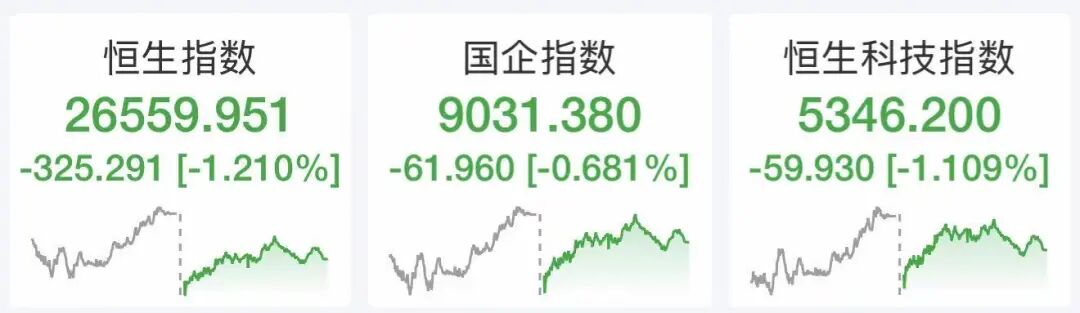
Market Overview - The Hong Kong stock market experienced a decline across all major indices, with the Hang Seng Index falling by 1.21%, the Hang Seng China Enterprises Index down by 0.681%, and the Hang Seng Tech Index decreasing by 1.109% [1] - Technology stocks saw a significant drop, with Alibaba falling nearly 3%, Meituan, Kingsoft, JD Health, Baidu, and NetEase all declining over 2%, while Tencent dropped nearly 2% [2][3] Automotive Sector - The automotive sector showed positive performance, with NIO rising nearly 7%, Li Auto increasing over 3%, and Leap Motor gaining more than 5% [4] - NIO announced an earnings forecast indicating that it expects to achieve an adjusted operating profit of approximately 700 million to 1.2 billion yuan for Q4 2025, marking the company's first quarterly adjusted operating profit in its 11-year history [4] Market Outlook - Analysts suggest that the recent adjustments in the Hong Kong stock market are primarily technical corrections rather than a trend reversal, attributing the decline to overly optimistic market sentiment and external factors such as liquidity concerns stemming from the nomination of the Federal Reserve Chairman [5] - Despite the recent downturn, the low valuation of Hong Kong stocks and the continued inflow of southbound capital provide support for the market [5] - A notable shift in capital is observed, moving from recently high-performing tech stocks to more defensive sectors, such as consumer and dividend stocks, which are favored for their lower valuations and stable performance [5] - Resource stocks, particularly coal, have shown strong performance due to events like Indonesia's suspension of coal spot exports, indicating a market focus on physical assets and short-term catalysts [5]



淘宝闪购“碰一下开门”服务已覆盖200多城
Bei Ke Cai Jing· 2026-02-06 11:24
Group 1 - The core service "Tap to Open" has been launched in over 200 cities and nearly 15,000 residential communities across the country, facilitating easier access for delivery riders [1] - The service addresses the "last 100 meters" challenge in food delivery, particularly in residential areas with strict access controls, by allowing riders to gain entry through a digital solution [1] - The integration of real-time order data with community access permissions ensures that only riders with active deliveries can enter, enhancing security and reducing communication costs [1] Group 2 - In addition to "Tap to Open," Taobao Flash Purchase has implemented smart lockers and community delivery relay stations to further streamline the last-mile delivery process [2] - The industry-first Taobao Flash Purchase Rider AI Assistant has been launched, which matches riders with suitable orders, recommends the fastest routes, and assists in locating stores, having served over 3 billion times since its introduction [2]
一新股,暗盘大涨39.21%!
Zhong Guo Ji Jin Bao· 2026-02-06 11:21
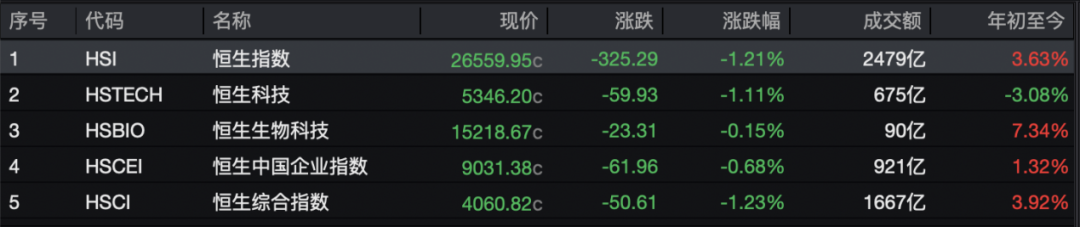
Group 1: Market Overview - The Hong Kong stock market experienced a collective decline on February 6, with the Hang Seng Index falling by 1.21% to 26,559.95 points, and the Hang Seng Technology Index decreasing by 1.11% to 5,346.20 points [1][2] - The total market turnover for the day was HKD 247.9 billion, with net inflows from southbound funds amounting to HKD 14.859 billion, and a cumulative net purchase of HKD 56.069 billion for the week [1] Group 2: Company Performance - The stock of 澜起科技 (Lianqi Technology) surged by 39.21% in dark trading, reaching HKD 148.9 per share ahead of its listing on the Hong Kong stock market on February 9 [9][13] - 澜起科技 is a leading international company in data processing and interconnect chip design, focusing on high-performance, low-power chip solutions for cloud computing and data centers [13] Group 3: Sector Movements - The beverage sector saw gains, with 茶百道 (Cha Bai Dao) rising by 6.08%, 古茗 (Gu Ming) increasing by 3.58%, and 沪上阿姨 (Hu Shang A Yi) up by 1.15%, driven by a promotional campaign from Alibaba's 千问App [3] - The lithium battery sector also performed well, with 彩客新能源 (Cai Ke New Energy) increasing by 6.59% and 中创新航 (Zhong Chuang Xin Hang) rising by 5.57%, attributed to strong demand in the new materials sector [5][7] - In the automotive sector, 蔚来 (NIO) saw a rise of 6.95%, with other companies like 零跑汽车 (Leap Motor) and 理想汽车 (Li Auto) also experiencing gains [8] Group 4: Analyst Insights - UBS has indicated that the Asian market is expected to enter a "super cycle," driven by multiple factors that could lead to long-term growth and profitability, particularly in the technology sector [14]



2月6日南向资金追踪:腾讯控股、阿里巴巴-W、南方恒生科技净买入额居前,分别为43.24亿港元、16.56亿港元、8.03亿港元

Jin Rong Jie· 2026-02-06 11:21
Market Performance - The Hang Seng Index fell by 1.21%, closing at 26,559.95 points, with a total market turnover of HKD 2,478.65 million [1] Southbound Trading Data - Tencent Holdings received a net inflow of HKD 4.324 billion, while Alibaba-W and Southern Hang Seng Technology saw net inflows of HKD 1.656 billion and HKD 0.803 billion, respectively [1] - Conversely, SMIC, China Mobile, and WuXi Biologics experienced net outflows of HKD 0.835 billion, HKD 0.804 billion, and HKD 0.347 billion, respectively [1] Individual Stock Performance - Tencent Holdings: Trading volume of HKD 7.664 billion, net inflow of HKD 4.324 billion, closing price at HKD 547.50, down by 1.97% [1] - Alibaba-W: Trading volume of HKD 6.727 billion, net inflow of HKD 1.656 billion, closing price at HKD 155.00, down by 2.88% [1] - Southern Hang Seng Technology: Trading volume of HKD 3.526 billion, net inflow of HKD 0.803 billion, closing price at HKD 5.23, down by 0.95% [1] - Other notable stocks include Pop Mart with a net inflow of HKD 0.589 billion and a closing price of HKD 243.20, up by 0.33% [1]
千问APP2月6日午间登顶App Store免费榜,AI应用包揽前三
Xin Lang Cai Jing· 2026-02-06 11:20
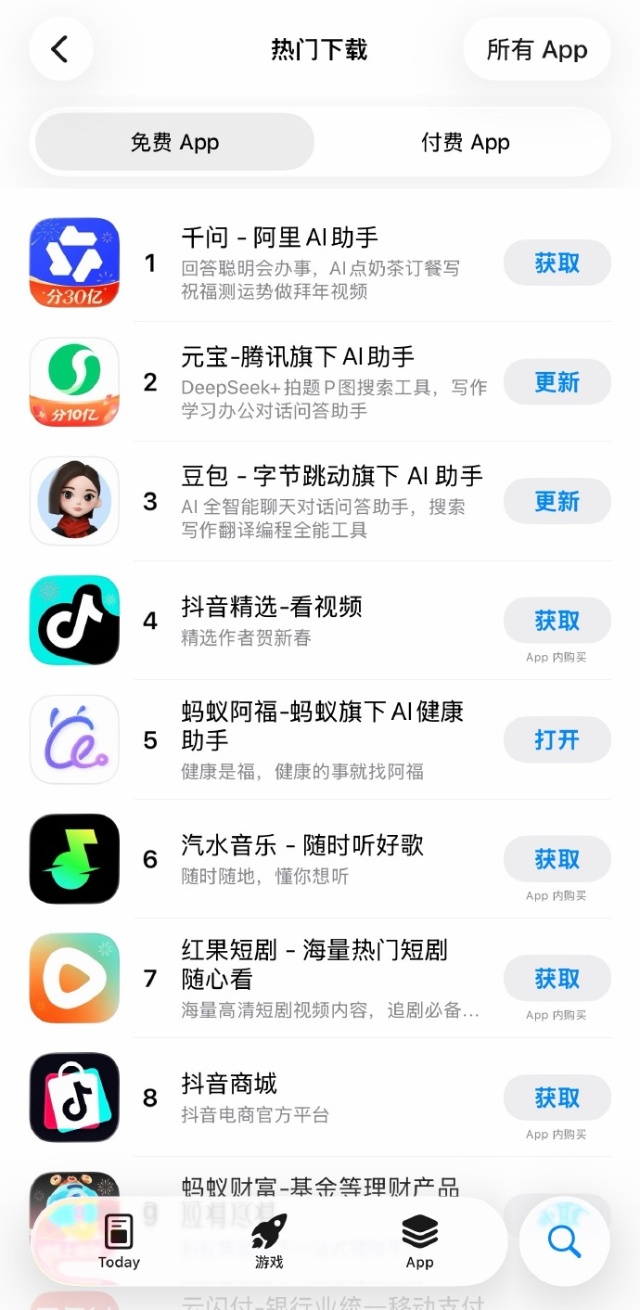
Core Viewpoint - The competition in the AI application sector is intensifying, with domestic applications dominating the top three spots on the Apple App Store's free app chart. Group 1: Market Performance - Qianwen APP, owned by Alibaba, has reached the top position on the Apple App Store's free app chart as of February 6, 2023 [1][6] - Tencent's Yuanbao AI ranks second, while ByteDance's Doubao holds the third position, indicating a strong presence of domestic AI applications [1][6] Group 2: Marketing Strategy - The rise of Qianwen APP to the top is attributed to the launch of a Spring Festival marketing campaign, which significantly boosted its download numbers [5][8] - The campaign utilized promotional benefits to attract users, leading to a rapid increase in downloads and securing its position at the top of the rankings [5][8]
智通港股通活跃成交|2月6日
智通财经网· 2026-02-06 11:13
Group 1 - On February 6, 2026, Alibaba-W (09988), Tencent Holdings (00700), and Yangtze Optical Fibre and Cable (06869) were the top three companies by trading volume in the Southbound Stock Connect, with trading amounts of 4.39 billion, 4.30 billion, and 2.05 billion respectively [1] - In the Southbound Stock Connect, Tencent Holdings (00700), Alibaba-W (09988), and Southern Hang Seng Technology (03033) were the top three companies by trading volume, with trading amounts of 3.37 billion, 2.34 billion, and 1.53 billion respectively [1] Group 2 - In the Southbound Stock Connect, the top active companies by trading amount included Alibaba-W (09988) with a net buy of 0.93 billion, Tencent Holdings (00700) with a net buy of 2.37 billion, and Yangtze Optical Fibre and Cable (06869) with a net buy of 0.12 billion [1] - In the Southbound Stock Connect, Tencent Holdings (00700) had a net buy of 1.95 billion, Alibaba-W (09988) had a net buy of 0.72 billion, and Southern Hang Seng Technology (03033) had a net buy of 0.80 billion [1]
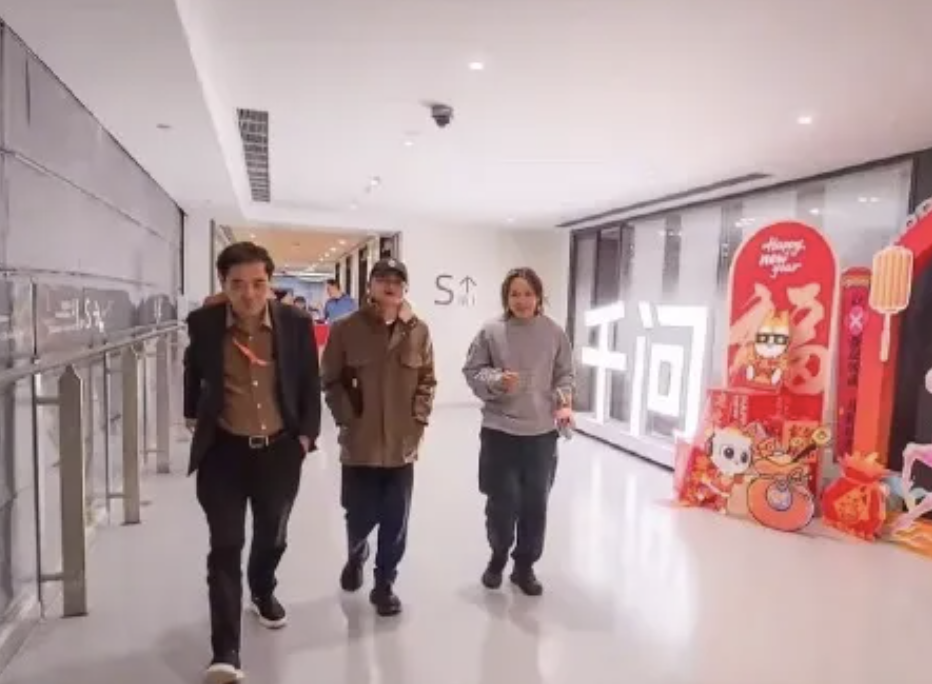
马云督战,千问剑指“AI入口”高地
Hua Er Jie Jian Wen· 2026-02-06 10:59
Core Viewpoint - Alibaba's recent aggressive marketing strategy, including a 30 billion yuan "Spring Festival Treat Plan," aims to establish its AI app, Qianwen, as a dominant player in the market, especially during the high-traffic period of the Spring Festival [1][7][10]. Group 1: Marketing Strategy and Competition - Alibaba's Qianwen app launched a significant promotional campaign, including a 30 billion yuan budget for user engagement during the Spring Festival, marking the largest investment in such activities in the company's history [1][7]. - The competition among major tech giants like Alibaba, Tencent, and Baidu has intensified, with each company investing heavily to capture user attention during the Spring Festival, reminiscent of past marketing battles [9][10]. - Tencent and Baidu have also initiated their own promotional activities, with Tencent offering 10 billion yuan and Baidu 5 billion yuan, but Alibaba's investment is notably higher [7][9]. Group 2: User Engagement and Market Dynamics - The presence of Jack Ma at Alibaba's headquarters and his focus on user engagement highlights the importance of capturing consumer interest in the AI sector, as failing to do so could render technological advancements ineffective [5][6]. - The traditional methods of user acquisition through financial incentives are being questioned in the context of AI, as the sustainability of such strategies remains uncertain [2][12]. - The market's reaction to these promotional efforts has been mixed, with stock prices for Alibaba and Tencent declining despite the announcements, indicating investor skepticism about the long-term viability of these strategies [13][15]. Group 3: Future Challenges and Considerations - The challenge for Alibaba lies not only in attracting users through subsidies but also in retaining them post-campaign, as user loyalty in AI applications is less predictable compared to traditional services [14][16]. - The financial implications of acquiring users through heavy subsidies could lead to increased operational costs, raising concerns about profitability in the long run [13][14]. - The shift towards AI-driven platforms necessitates a reevaluation of user engagement strategies, as the competitive landscape evolves beyond traditional app-based interactions [12][16].