
Shanxi Xinghuacun Fen Wine Factory (600809)

Search documents
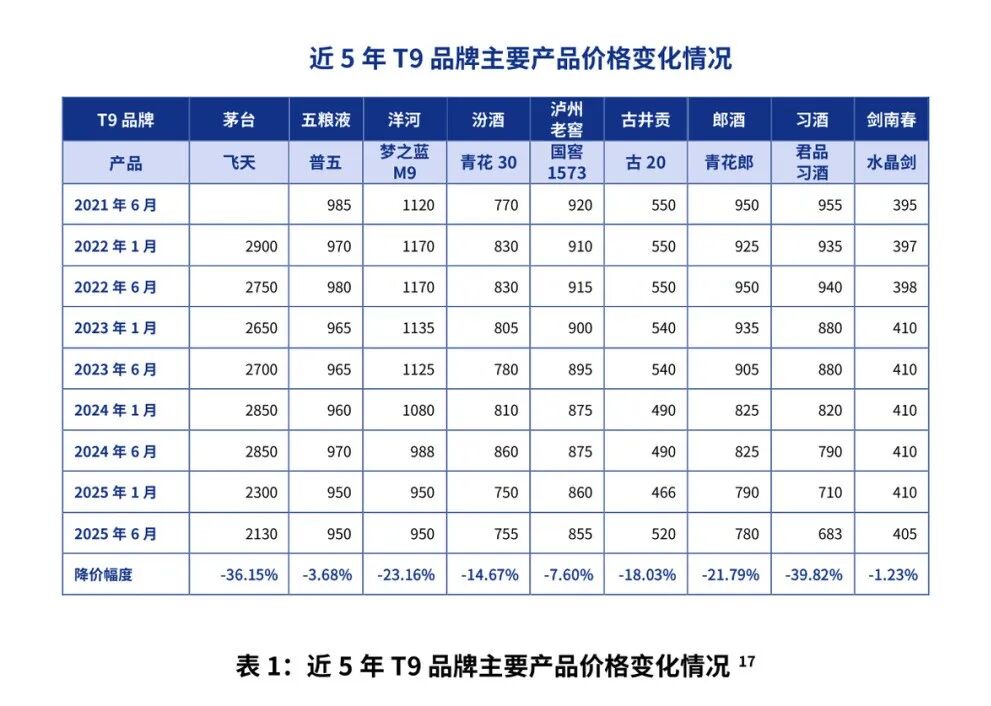
茅台都扛不住了,这轮白酒寒冬还要持续多久?
3 6 Ke· 2025-09-23 03:44
Core Viewpoint - The Chinese liquor industry, particularly the baijiu sector, is experiencing a significant downturn characterized by declining prices, increased inventory, and shifting consumer preferences, indicating a deep adjustment phase rather than a temporary fluctuation [4][15][22]. Industry Overview - The baijiu industry is facing a dual decline in both volume and price, with a reported production volume of 191.59 million kiloliters in the first half of 2025, a year-on-year decrease of 5.8% [5]. - Approximately 60% of liquor companies are experiencing price inversion, where actual market prices fall below manufacturer guidance, particularly affecting the 800-1500 yuan price range [5]. - The average inventory turnover days for the industry reached 900 days in the first half of 2025, a 10% increase year-on-year, indicating a significant slowdown in sales [11]. Company Performance - Major companies like Moutai and Wuliangye are showing signs of slowing growth, with Moutai's revenue growth target for 2025 set at 9%, the lowest since 2016 [17]. - Wuliangye's revenue for the first half of 2025 was 527.71 billion yuan, with a year-on-year growth of only 4.19% [17]. - Liquor companies are increasingly resorting to price cuts to manage high inventory levels, creating a downward pressure on prices [12]. Consumer Trends - The primary consumer demographic for baijiu is undergoing a generational shift, with younger consumers (born after 1995) showing diverse preferences for alcoholic beverages, including wine and craft beer [24]. - Health consciousness among younger consumers is changing drinking habits, leading to a decline in traditional drinking culture [25]. - The rise of new sales channels, such as e-commerce and community group buying, is disrupting traditional distribution models and further compressing profit margins for liquor companies [25]. Market Opportunities - Despite the challenges, there are emerging structural opportunities in the market, particularly in the lower price segments (100-300 yuan) where demand is shifting [26]. - The focus on family and friend gatherings as primary consumption scenarios is creating new opportunities for products that cater to these social settings [33]. - Companies that can adapt to these changes by enhancing their product offerings and marketing strategies are likely to survive and thrive in the long term [26].







山西汾酒跌2.04%,成交额6.65亿元,主力资金净流出6954.62万元
Xin Lang Cai Jing· 2025-09-23 02:38
Core Viewpoint - Shanxi Fenjiu's stock price has experienced fluctuations, with a recent decline of 2.04% and a year-to-date increase of 7.78%, indicating volatility in the market [1] Financial Performance - As of June 30, 2025, Shanxi Fenjiu reported a revenue of 23.964 billion yuan, representing a year-on-year growth of 5.35%, and a net profit attributable to shareholders of 8.505 billion yuan, with a growth of 1.13% [2] - Cumulative cash dividends since the A-share listing amount to 24.325 billion yuan, with 16.775 billion yuan distributed over the past three years [3] Shareholder Structure - The number of shareholders increased by 52.38% to 104,400 as of June 30, 2025, while the average circulating shares per person decreased by 34.38% to 11,687 shares [2] - Major shareholders include Hong Kong Central Clearing Limited, which holds 48.9991 million shares, and other significant institutional investors such as China Merchants Index and E Fund [3]
外媒嘉宾走进汾酒发源地:从千年佳酿中品读中国文化
Ren Min Wang· 2025-09-23 01:40
Core Insights - The article highlights the cultural significance and historical legacy of Fenjiu, a traditional Chinese liquor from the ancient town of Xinghua Village, which has been celebrated for over a thousand years [1][2]. Group 1: Cultural Heritage - Fenjiu's traditional brewing technique is recognized as a national intangible cultural heritage, embodying unique spiritual values and creativity of the Chinese nation [1][2]. - The town of Xinghua Village is not only famous for its liquor but also for its poetic heritage, as referenced in the poem "Qingming" by Du Mu, which has contributed to its allure as a cultural destination [1][2]. Group 2: Economic and International Cooperation - The Fenjiu Group plays a significant role in the Jinzhong merchant group, which has thrived for 500 years, promoting the spread of Qingxiang brewing techniques across China [2]. - The "Belt and Road" media cooperation forum, co-hosted by various governmental and media organizations, aims to enhance cultural exchange and economic cooperation, with over 1,000 representatives from more than 100 countries participating [2]. Group 3: Future Prospects - The article suggests that Fenjiu will continue to serve as a cultural ambassador along the "Belt and Road" initiative, sharing the rich history and essence of Chinese liquor with the world [3].
五年坚持,成就不可复制的“汾酒品质护城河”
Guo Ji Jin Rong Bao· 2025-09-22 13:45
Core Viewpoint - The Chinese liquor industry is undergoing a deep adjustment period towards high-quality growth, with Fenjiu leading a five-year "quality traceability journey" that aims to rebuild trust between the industry and consumers, providing a sustainable development model for the industry [1] Group 1: Quality Traceability Journey - Fenjiu's "quality traceability journey" has been ongoing for five years, showcasing a systematic approach to building a transparent quality traceability system from the field to the consumer [4][5] - The theme of the fifth anniversary event, "Grain Heart Builds Wine Soul · Earth Harvests Together," reflects the innovative format of the journey and highlights Fenjiu's commitment to quality [4] Group 2: Agricultural Base Development - Since 2009, Fenjiu has established over 1.4 million acres of standardized production bases, focusing on high-quality grain sourcing from key geographical areas [5] - The company employs a management model of "land registration + five unifications," ensuring full control over the entire process from production to storage, setting a new benchmark for quality safety in Chinese liquor [5][6] Group 3: Technological Empowerment - Fenjiu collaborates with top institutions to develop specialized grain varieties that meet brewing needs, enhancing both yield stability and resistance to adverse conditions [8] - The company has implemented a comprehensive quality control system covering 124 processes and 297 quality control nodes, integrating traditional brewing wisdom with modern technology [8][9] Group 4: Community Engagement and Trust Building - The "Walk into Fenjiu First Workshop" initiative has become a recognized quality IP, enhancing trust between the brand and consumers through transparency and active engagement [12] - Fenjiu's agricultural initiatives have positively impacted over 100,000 farmers, providing training and support, thus achieving a win-win situation for both the company and the agricultural community [12][13] Group 5: Future Commitment - Fenjiu aims to continue honoring the land and safeguarding quality, striving for high-quality development while contributing to rural revitalization and national strategies [14]
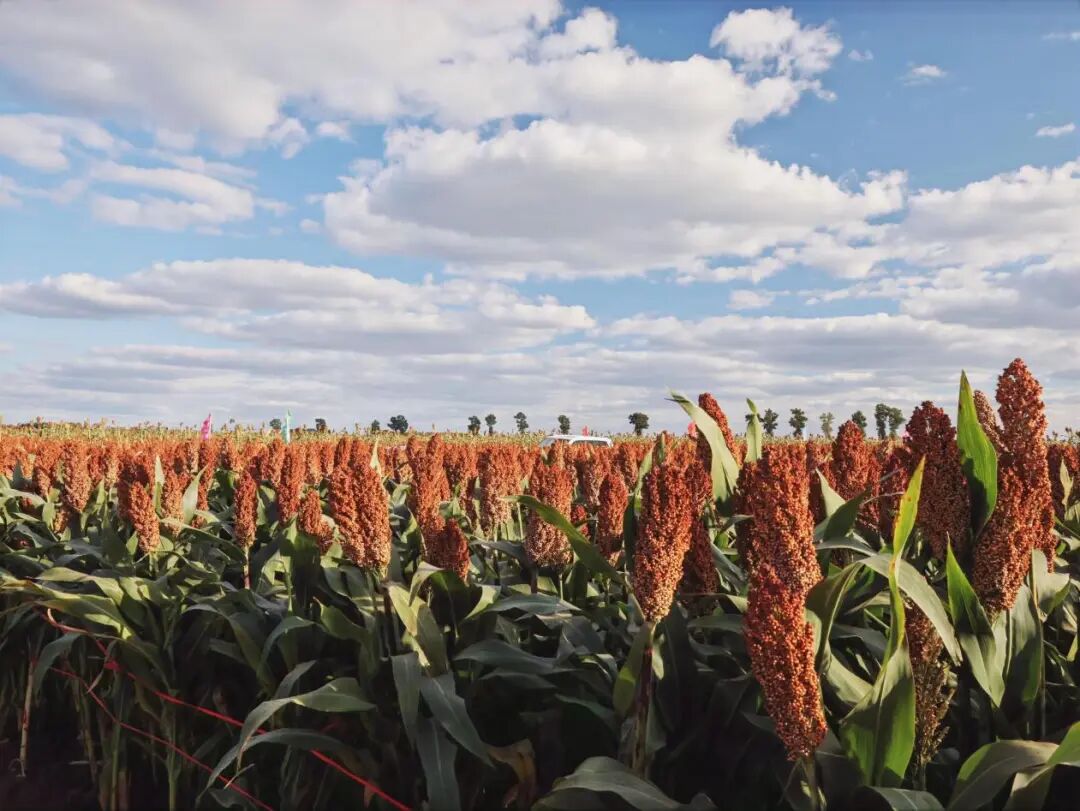
五年坚持,成就不可复制的“汾酒品质护城河”!
2 1 Shi Ji Jing Ji Bao Dao· 2025-09-22 13:36
Core Viewpoint - The Chinese liquor industry is undergoing a deep adjustment period towards high-quality growth, with Fenjiu leading a five-year "quality traceability journey" that aims to rebuild trust between the industry and consumers, providing a sustainable development model for the industry [1] Group 1: Quality Traceability Journey - Fenjiu has established over 1.4 million acres of standardized production bases since 2009, focusing on high-quality raw materials from key geographical areas [5] - The "grain is the foundation of liquor" philosophy has driven Fenjiu to create a transparent quality traceability system that ensures quality from the field to the table [6][9] - The company has implemented a management model that allows for full control over the entire process from production to storage, setting a new benchmark for quality safety in the Chinese liquor industry [5][6] Group 2: Technological Empowerment - Fenjiu has collaborated with top institutions to develop specialized grain varieties that meet brewing needs, enhancing both yield stability and resistance to adverse conditions [9] - The company has established a comprehensive quality control system covering 124 processes and 297 quality control nodes, integrating traditional brewing wisdom with modern technology [9][10] - Fenjiu's food safety indicators have consistently exceeded international standards, showcasing its commitment to quality through technological innovation [10] Group 3: Community Engagement and Trust Building - The "Walk into Fenjiu First Workshop" initiative has become a recognized quality IP, enhancing trust between the brand and consumers through transparency [10] - Fenjiu has implemented mechanisms such as order agriculture and price protection to support farmers, resulting in over 100,000 farmers benefiting from increased income over five years [10][11] - The company emphasizes the importance of building a responsible and mutually beneficial relationship with the community, contributing to rural revitalization and national strategies [11][13]
饮酒思源系列(二十二):再论白酒周期及中秋复盘展望
Changjiang Securities· 2025-09-22 09:42
Investment Rating - The report maintains a "Positive" investment rating for the liquor industry [10] Core Insights - The liquor inventory cycle is gradually turning, with expectations of a demand recovery driven by ongoing economic policies and improved consumer confidence. The industry is entering a critical phase for left-side layout [2][8] - Current valuations and fund holdings in the liquor industry are at historical lows, indicating a favorable time for allocation. Leading liquor companies are showing strong dividend support [2][8] Summary by Sections Inventory Management - The liquor industry has clear inventory cycle fluctuations, with different phases affecting stock performance. The current phase indicates a shift from passive inventory accumulation to active inventory reduction, suggesting a more scientific and rational management approach by manufacturers [6][20][24] Demand Recovery - The demand for liquor is closely tied to macroeconomic conditions. Historical data shows that liquor industry revenue growth aligns with GDP growth, indicating potential for gradual recovery as the economy improves [36][39] Head Brand Concentration - The trend of market share concentration towards leading brands continues, with top companies maintaining stable growth despite overall market slowdowns. In 2024, listed liquor companies accounted for 28% of the total production, a historical high [42][44] Mid-Autumn Festival Performance Review - Historical performance around the Mid-Autumn Festival shows varying results for liquor stocks compared to the CSI 300 index. The fundamental performance remains the decisive factor for excess returns during this period [49][52]

山西汾酒股东拟减持不超1620万股 全国化布局显效省外收入占比六成
Chang Jiang Shang Bao· 2025-09-22 09:10
Group 1 - The core point of the news is that China Resources' subsidiary, Huachuang Xinrui, plans to reduce its stake in Shanxi Fenjiu due to the expiration of related funds, which is considered a routine operation in fund management [2] - As of now, Huachuang Xinrui holds 128 million shares of Shanxi Fenjiu, accounting for 10.50% of the company's total share capital, making it a significant shareholder [2] - Shanxi Fenjiu emphasizes that this reduction will not affect China Resources' confidence in the company's future development and long-term value [2] Group 2 - The Chinese liquor industry is undergoing a significant cyclical adjustment, with overall production, sales, and profits under pressure [3] - Shanxi Fenjiu reported a stable performance in its semi-annual report for 2025, achieving revenue of 23.964 billion yuan, a year-on-year increase of 5.35%, and a net profit of 8.505 billion yuan, up 1.13% [3] - The core product, Fenjiu series, generated revenue of 23.391 billion yuan, accounting for approximately 98% of total revenue, indicating a highly concentrated product structure [3] Group 3 - Shanxi Fenjiu's revenue from outside Shanxi province increased to 63.2% in 2024, reflecting the effectiveness of its national expansion strategy [4] - The company is actively implementing its Nationalization 2.0 strategy, focusing on market development in key regions such as the Yangtze River Delta and Pearl River Delta, which are showing rapid growth [4]
黑土生金,天赐粮源!北纬43°的汾酒“粮心”答卷
Zhong Jin Zai Xian· 2025-09-22 09:01
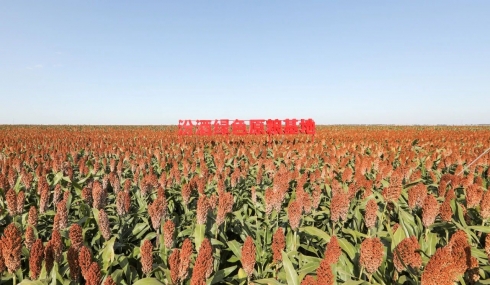
Core Insights - The article emphasizes the importance of high-quality raw materials, particularly the unique black soil in Jilin's Lishu County, for the production of Fenjiu, a renowned Chinese liquor [1][4][6] - The "Walk into Fenjiu's First Workshop" initiative highlights the company's commitment to quality control and cultural heritage in the liquor industry [1][10][11] Group 1: Black Soil and Raw Material Quality - Black soil, known for its high organic matter content, is crucial for producing top-quality sorghum, which is essential for Fenjiu's fermentation process [4][6] - The unique climatic conditions in Lishu County, including adequate rainfall and temperature, contribute to the superior quality of sorghum grown in this region [4][6] - Fenjiu has developed a specialized sorghum variety, Fenjiu No. 9, which is tailored for the production of clear-flavored liquor, ensuring optimal fermentation [6][7] Group 2: Sustainable Agricultural Practices - Fenjiu implements the "Lishu Model," a benchmark for black soil protection, utilizing techniques like straw coverage and no-till planting to preserve soil quality [7] - The company has established a comprehensive traceability system that links environmental monitoring data with raw material growth, ensuring quality control throughout the production process [7] Group 3: Consumer Engagement and Cultural Heritage - The "Walk into Fenjiu's First Workshop" initiative allows consumers to engage directly with the production process, fostering a deeper understanding of the craftsmanship behind the liquor [10][11] - This initiative has evolved into a broader dialogue about the relationship between land and quality, emphasizing the cultural significance of local agricultural practices [11]
山西汾酒(600809) - 关于召开2025年半年度业绩说明会公告
2025-09-22 08:30
证券代码:600809 证券简称:山西汾酒 公告编号:临 2025-028 山西杏花村汾酒厂股份有限公司 关于召开 2025 年半年度业绩说明会的公告 本公司董事会及全体董事保证本公告内容不存在任何虚假记载、误导性陈述 或者重大遗漏,并对其内容的真实性、准确性和完整性承担法律责任。 重要内容提示: 投资者可于 2025 年 9 月 24 日(星期三)至 9 月 30 日(星期二) 16:00 前登录上证路演中心网站首页点击"提问预征集"栏目或通过 公司邮箱 sxfj@fenjiu.com.cn 进行提问。公司将在说明会上对投资 者普遍关注的问题进行回答。 山西杏花村汾酒厂股份有限公司(以下简称"公司")已于 2025 年 8 月 29 日发布公司 2025 年半年度报告,为便于广大投资者更全面 深入地了解公司 2025 年半年度经营成果、财务状况,公司计划于 2025 年 10 月 9 日(星期四)15:00-16:00 举行 2025 年半年度业绩说明会, 就投资者关心的问题进行交流。 一、 说明会类型 本次业绩说明会以网络互动形式召开,公司将针对 2025 年半年 度的经营成果及财务指标的具体情况与投资者 ...
今日净申购8400万份,食品饮料ETF天弘(159736)连续4日获资金净流入,机构:重视白酒底部催化
2 1 Shi Ji Jing Ji Bao Dao· 2025-09-22 08:13
Group 1 - The A-share market saw all three major indices rise collectively on September 22, indicating positive market sentiment [1] - The Tianhong Food and Beverage ETF (159736) closed down 1.22% with a trading volume exceeding 280 million yuan and a net subscription of 84 million units [1] - The Tianhong Food and Beverage ETF has experienced a net inflow of funds for four consecutive days, accumulating 74.35 million yuan [1] Group 2 - The Tianhong Food and Beverage ETF closely tracks the CSI Food and Beverage Index, which selects stocks from the beverage, packaged food, and meat industries [1] - Major holdings in the Tianhong Food and Beverage ETF include leading companies such as Kweichow Moutai, Yili, Wuliangye, Shanxi Fenjiu, and Luzhou Laojiao [1] - Huachuang Securities emphasizes the importance of bottom-catalysts in the liquor sector, suggesting that traditional consumption is entering a phase of accumulation [1] Group 3 - Guoyuan Securities recommends closely monitoring the pricing and sales dynamics in the liquor sector as the Double Festival approaches, focusing on high-end liquor companies with strong brand and channel capabilities [2] - The beer industry is noted for its stable competitive landscape, while segments like snacks and energy drinks are experiencing high demand [2] - The dairy sector shows signs of stabilization in raw milk prices, with leading dairy companies demonstrating resilience [2]

