
GAC GROUP(601238)

Search documents
广汽冯兴亚:破局成关键词,要聚焦“四大引擎”
Nan Fang Du Shi Bao· 2026-01-04 03:32
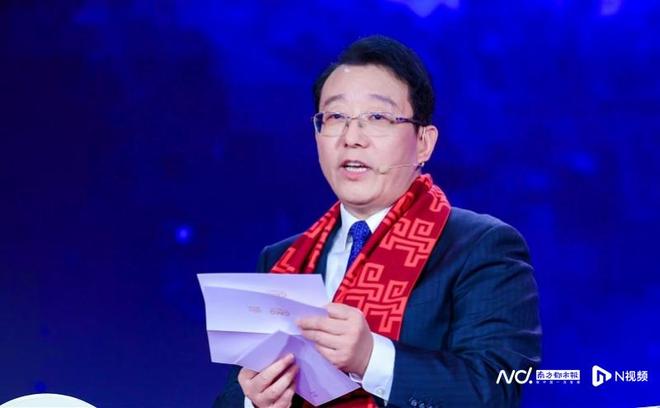
Core Insights - GAC Group's chairman, Feng Xingya, emphasized "breaking the situation" as the key theme for 2025, focusing on channel expansion and the establishment of 600 new experience stores to cover over 90% of county markets in China from the second half of 2025 to the first half of 2026 [1][10] Group 1: Organizational and Technological Breakthroughs - GAC Group is implementing a transformation strategy termed "Panyu Action," achieving breakthroughs in organization, technology, and talent to establish a new development framework [2] - The company has adopted IPD and IPMS processes to create a matrix organization that promotes cross-functional collaboration, addressing the fundamental questions of "who to build cars for" and "what cars to build" [4] - As a result of these changes, GAC has improved business efficiency by approximately 50%, reduced new car development cycles to 18-21 months, and lowered R&D costs by over 10% [4] Group 2: User-Centric Approach - GAC has established a 200-person user insight department and cross-departmental decision-making teams to prioritize user demand management [4] - The "User Feedback Conference," led by the chairman and attended by heads of various departments, allows direct interaction with users to address concerns and implement changes [4] Group 3: Technological Advancements - GAC has developed a "Star Spirit Safety Guardian System" that exceeds national standards, ensuring safety in intelligent driving and other critical systems through dual redundancy design [6] - The "Star Source Range Extender" technology converts 1 liter of fuel into 3.73 kWh of electricity, outperforming competitors by over 20% in sustained power generation [6] - GAC's ADiGO GSD intelligent driving assistance system covers 99.9% of road scenarios, and the new ADiGO SPACE intelligent cockpit has tripled response speed [6] Group 4: Internal Revitalization and Talent Management - GAC is promoting a project-based and profit-sharing incentive mechanism, linking individual contributions directly to project outcomes, fostering a competitive environment among employees [7] - The company has initiated an open recruitment process for middle management, resulting in two-thirds of the 50+ positions filled by new faces, injecting fresh energy into the organization [7] Group 5: Future Development Plans - GAC plans to continue focusing on "new technology, new products, new services, and new ecosystems" to build a high-quality development framework [8] - In 2026, GAC will launch 9 new models across its brands and introduce the first vehicle from the co-developed brand with Huawei [10]


广汽本田完成收购东风本田发动机公司
Qi Cha Cha· 2026-01-04 03:09
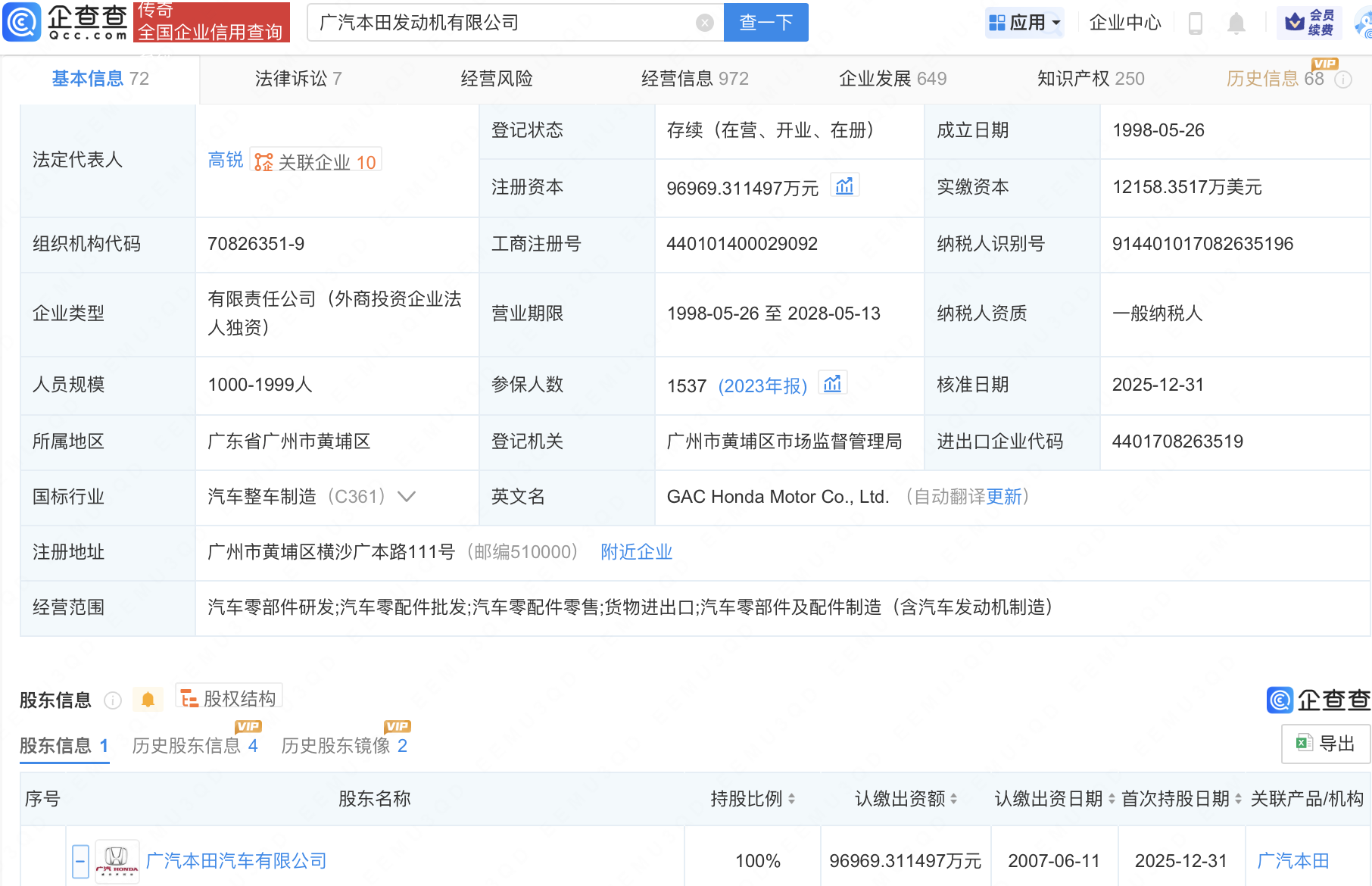
Group 1 - The core point of the news is the change in ownership of Dongfeng Honda Engine Co., Ltd., which has now become a wholly-owned subsidiary of GAC Honda after the exit of Dongfeng Group as a shareholder [1] - GAC Honda has acquired the 50% stake previously held by Dongfeng Group, leading to a complete ownership transition [1] - The company has been renamed to GAC Honda Engine Co., Ltd., reflecting the new ownership structure [1] Group 2 - GAC Honda Engine Co., Ltd. was established in 1998 and is involved in the research and development of automotive parts, as well as wholesale and retail of automotive components [2] - The registered capital of GAC Honda Engine Co., Ltd. is approximately 969.69 million yuan [2] - The company is located in Huangpu District, Guangzhou, Guangdong Province, and has a workforce of between 1,000 to 1,999 employees [2]

2025年杀青汽车渠道瘦身进行时
Xin Lang Cai Jing· 2026-01-04 01:19
Core Viewpoint - In 2025, the Chinese automotive industry is at a historic turning point, with the penetration rate of new energy vehicles exceeding 50%, marking a shift towards a high-quality development phase characterized by a balance between traditional and electric vehicles [2][16]. Group 1: Industry Transformation - The automotive channel system is undergoing unprecedented restructuring, shifting from scale expansion to integration optimization, model innovation, and deepening market penetration [2][16]. - The era of merely pursuing the number of outlets has ended, with a focus on quality improvement and efficiency optimization becoming the core issues [2][3]. - The automotive channel transformation is clearly presenting three major trends: lightweight, hybrid, and downward expansion, aimed at addressing high costs and low efficiency in the industry [2][3][11]. Group 2: Lightweight Trend - The traditional heavy asset 4S stores are facing high rent and inventory pressures, prompting automakers to explore lightweight outlet models [4][19]. - Lincoln China's "Spark Plan" serves as a benchmark for lightweight transformation, significantly reducing single-store investment from 20-30 million yuan to 4 million yuan, leading to a 40% decrease in dealer operating costs [4][18]. - The optimization of profit structure in lightweight stores allows after-sales profits to fully cover operating costs, enhancing profitability [4][18]. Group 3: Hybrid Trend - The trend of channel hybridization, which began in 2024, continues to deepen in 2025, with brands exploring flexible combinations of direct sales, agency, and authorization models [7][21]. - NIO is cautiously adopting a hybrid approach, allowing local agents to manage market operations while maintaining brand control [7][21]. - BYD's Tengshi and Fangchengbao brands are implementing a dual-track system of direct sales and authorization to enhance channel efficiency [8][22]. Group 4: Downward Expansion Trend - The trend of channel downward expansion is accelerating, with significant sales growth in lower-tier cities, reflecting a clear shift in the automotive consumption market [11][25]. - Leap Motor's strategy of lowering the price of main models to the 150,000 yuan range has led to a 113.42% year-on-year increase in deliveries, with over 60% of sales coming from lower-tier markets [11][25]. - Third-party involvement, such as JD Auto's collaboration with GAC and CATL, is creating new models for the lower-tier market, significantly reducing the purchase threshold [12][26]. Group 5: Efficiency Revolution - The core of channel transformation is an efficiency revolution, focusing on serving more users at lower costs [12][26]. - The automotive channel is undergoing structural reshaping through lightweight, hybrid, and downward expansion trends, but the evolution of channels is far from over [12][26].




研判2025!中国共享出行行业发展背景、产业链、交易规模、竞争格局及未来前景:共享出行交易规模稳步提升,正向智能化、绿色化方向深度演进[图]
Chan Ye Xin Xi Wang· 2026-01-04 01:17
Core Insights - The shared economy model, leveraging internet technology and resource sharing, has rapidly emerged, significantly impacting various sectors including transportation and finance [1] - The shared mobility sector has seen a recovery in transaction volume, reaching 234.5 billion yuan in 2024, a year-on-year increase of 9.07% [1][9] - Future growth is expected as shared mobility integrates with advanced technologies like autonomous driving and electric vehicles, enhancing service intelligence and sustainability [1][9] Shared Mobility Industry Overview - Shared mobility refers to transportation methods where users do not own vehicles but share them, including ride-hailing services and bike-sharing [2] - The industry encompasses various innovative models such as ride-hailing, bike-sharing, and car-sharing services [2] Development Background of Shared Mobility - The shared economy, centered around internet platforms, optimizes resource allocation and enhances efficiency [4] - China's shared economy market size is projected to grow from 19.6 trillion yuan in 2015 to 44.6 trillion yuan in 2024, with a compound annual growth rate of 9.57% [4] Shared Mobility Industry Chain - The industry chain includes hardware suppliers (vehicle manufacturers, battery suppliers) at the upstream, platform operators in the middle, and end-users at the downstream [5] Current State of Shared Mobility - The user base for shared mobility in China has grown from 380 million in 2016 to 710 million in 2024, with a compound annual growth rate of 8.13% [8] - The shared mobility sector is becoming a vital part of urban transportation, driven by urbanization and increasing environmental awareness [8] Competitive Landscape and Key Players - The shared mobility industry features a competitive landscape with major players like Didi Chuxing, Cao Cao Mobility, and others in ride-hailing, while bike-sharing is dominated by companies like Hello Bike and Meituan Bike [9] Future Trends in Shared Mobility - The integration of services and the emergence of Mobility as a Service (MaaS) will enhance user experience and operational efficiency [13] - Technological advancements will improve user experience and operational intelligence, with AI and autonomous driving playing key roles [14] - The green transition in shared mobility will involve collaboration with urban energy systems, enhancing sustainability [15]




瞄准5万亿美元市场:跨界布局机器人,时代的新共识
3 6 Ke· 2026-01-04 00:26
Core Insights - The Chinese robotics industry is poised for significant growth by the end of 2025, with humanoid robots transitioning from experimental concepts to practical applications, achieving over 50% growth and indicating a trillion-yuan industry on the horizon [1] - The entry of major players from various sectors such as automotive, electronics, and the internet into the robotics field marks a shift from niche exploration to widespread competition, creating a unique trend of "cross-industry integration" [1] Group 1: Market Dynamics - In the first eight months of 2025, the primary market financing in the robotics sector reached 38.624 billion yuan, 1.8 times the total for 2024, highlighting the blue ocean effect attracting significant investment [2] - The global industrial robot sales are projected to reach 542,000 units in 2024, with China accounting for 295,000 units, representing 54% of the global market [2] - By 2025, the Chinese robotics market is expected to exceed 150 billion yuan, capturing 35% of the global market share, with predictions suggesting the market for embodied intelligence could reach 400 billion yuan by 2030 and over a trillion yuan by 2035 [2] Group 2: Industry Trends - At least 20 automotive companies have entered the humanoid robot market by the end of 2025, with notable developments including Chery's humanoid robot Mocha and BYD's production line for core robot components [3] - The automotive industry's supply chain overlaps significantly with robotics, with a 60% compatibility rate, driving car manufacturers to invest in robotics as they view vehicles as "mobile intelligent robots" [3] - Home appliance manufacturers are transitioning from traditional manufacturing to smart ecosystems, with companies like Midea establishing dedicated innovation centers for humanoid robots and developing comprehensive R&D systems [7] Group 3: Strategic Shifts - The automotive sector is seen as a key player in the transition to robotics, with companies like Geely planning to invest 5 billion yuan over three years to develop critical components and establish an ecosystem covering all robotics applications [6] - Internet giants are leveraging their technological and capital advantages to enter the robotics space, with ByteDance and Huawei making significant investments in developing advanced robotic models and systems [8] - The competition in the robotics sector is viewed as a strategic restructuring driven by technological advancements, with companies aiming to activate existing technological capabilities and build new ecosystems [9] Group 4: Challenges Ahead - Despite the enthusiasm for entering the robotics market, cross-industry players face challenges such as adapting core competencies to the robotics field, where technology paths are still being defined [10] - The high precision and stability required for industrial applications pose significant challenges for companies transitioning from other sectors, as they may struggle to meet the diverse demands of various operational environments [11] - Cost remains a critical issue, with companies like BYD and GAC aiming to reduce the production cost of humanoid robots to below 200,000 yuan, which requires overcoming substantial supply chain and process optimization challenges [11]



从这里读懂中国车企老大们的心思
汽车商业评论· 2026-01-03 23:04
Core Viewpoint - The Chinese automotive industry in 2025 is characterized by a focus on "progress" rather than just sales figures, emphasizing product quality and brand value enhancement [5][10][13]. Group 1: Sales and Market Position - BAIC Group announced that its self-owned brand sales have returned to over one million units after six years, highlighting a significant increase in the proportion of new energy vehicles [5]. - Changan Automobile reported that its new energy vehicle sales have surpassed one million units for the first time, marking the establishment of its three-brand matrix: Avita, Deep Blue, and Qiyuan, which target different market segments [7]. - Dongfeng Motor also achieved over one million new energy vehicle sales, with its self-owned brand accounting for over 60% of total sales, driven by strategic adjustments [10]. Group 2: Technological Advancements - The industry is focusing on technological breakthroughs, with companies like GAC and Dongfeng establishing solid-state battery pilot lines and achieving significant advancements in key components such as high-efficiency engines and hybrid transmission systems [13][15]. - Companies are enhancing their AI technology capabilities, with Geely and GAC developing comprehensive AI systems to improve vehicle decision-making and environmental understanding [14]. - The progress in autonomous driving is notable, with BAIC and Changan receiving the first L3 autonomous driving licenses in China, indicating a new phase in regulatory acceptance [15]. Group 3: Global Expansion and Collaboration - Chinese automakers are shifting from merely selling cars abroad to establishing roots in foreign markets, exemplified by Geely's technical cooperation with Renault in Brazil [16]. - Companies like CATL are making strides in overseas manufacturing, while Chery is focusing on cultural integration in international markets [17]. - The industry is moving towards collaborative efforts, with BAIC easing financial pressures on suppliers and GAC partnering with major tech firms to build a smart electric vehicle ecosystem [17][18]. Group 4: Internal Reforms and Strategic Focus - Automakers are undergoing significant internal reforms, transitioning from broad growth strategies to lean operations and collaborative efforts [26][30]. - GAC has relocated its headquarters to its manufacturing base to enhance operational efficiency, while BAIC is implementing top-down management strategies to improve marketing and quality [29][30]. - The focus is on building resilient and efficient systems rather than just increasing sales, with companies emphasizing user-centric approaches in product development [30][35]. Group 5: Future Outlook - The competition in the automotive industry is evolving from individual companies to ecosystems, where collaboration and strategic partnerships will determine success [20][24]. - The industry is at a critical juncture, with companies emphasizing the importance of strategic determination amidst changing external environments and user expectations [22][23]. - The long-term winners will be those who focus on core values and sustainable growth rather than opportunistic trends [24][35].



广汽集团董事会通过董事选举等多项议案
Cai Jing Wang· 2026-01-02 02:10
Core Viewpoint - GAC Group announced the convening of its 17th meeting of the 7th Board of Directors on December 31, 2025, to review several important proposals [1] Group 1: Board Decisions - The board approved the election of the current general manager, He Xianqing, as a director of the 7th Board of Directors, with a term consistent with the current board [1] - The board also passed amendments to 12 company regulations, including the "Independent Director System" and "Related Party Transaction Decision Management System," some of which require approval from the shareholders' meeting [1]
今日财经要闻TOP10|2026年1月1日
Xin Lang Cai Jing· 2026-01-01 12:33
Group 1 - DeepSeek released a new paper on New Year's Day proposing a new architecture called mHC (Manifold-Constrained Hyperconnection) aimed at addressing instability issues in traditional hyperconnections during large-scale model training while maintaining significant performance gains [1] - The paper's first authors include Zhenda Xie, Yixuan Wei, and Huanqi Cao, with DeepSeek's founder and CEO Liang Wenfeng also listed as an author [1] Group 2 - The EU's Carbon Border Adjustment Mechanism (CBAM) will officially implement on January 1, 2026, with recent legislative proposals and implementation details released by the EU [2] - China expressed concerns over the EU's high default carbon emission intensity values for Chinese products, which are deemed unfair and discriminatory, and plans to gradually increase these values over the next three years [2] - The EU plans to expand the CBAM scope to include approximately 180 steel and aluminum-intensive downstream products by 2028, which China views as unilateral and protectionist [2] Group 3 - Multiple electric vehicle manufacturers have reported their delivery data for December 2025 and the entire year, with Li Auto delivering 44,246 vehicles in December and a total of 1,540,215 vehicles since inception [6][16] - NIO delivered 48,135 vehicles in December, marking a 54.6% year-on-year increase, and a total of 326,028 vehicles for the year, a 46.9% increase [6][16] - Xpeng Motors reported 37,508 vehicles delivered in December, with a total of 429,445 vehicles for the year, reflecting a 126% year-on-year growth [6][16] Group 4 - Warren Buffett officially retired as CEO of Berkshire Hathaway on December 31, 2025 [7][18]



RCEP红利持续释放 广东省内海关助企享惠成效凸显
Xin Lang Cai Jing· 2026-01-01 11:33
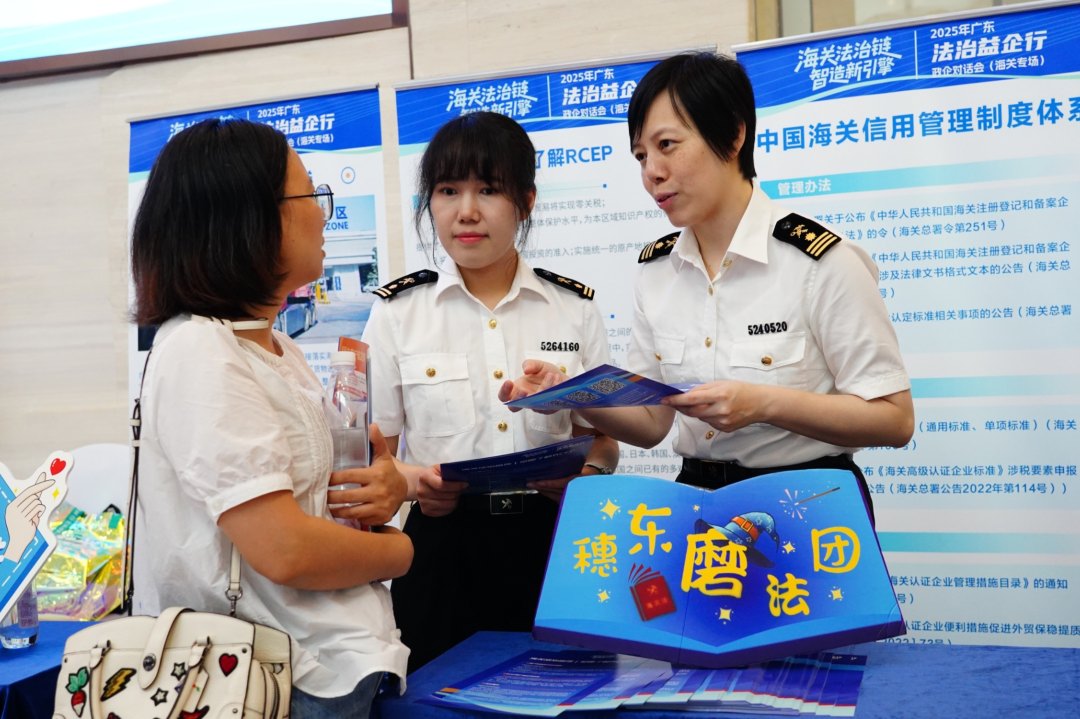
Group 1 - RCEP has been in effect for four years, providing significant tariff reductions and trade facilitation, which boosts regional economic development and enhances international market competitiveness for companies [1] - Guangdong port has imported goods worth 61.63 billion yuan under RCEP, with tax reductions totaling 1.57 billion yuan, showing double-digit growth in tax reductions for three consecutive years [1] - Companies like Dongguan Yiji Industrial Co., Ltd. have benefited from RCEP, saving on tariffs and improving operational efficiency, leading to increased exports to RCEP countries [2] Group 2 - GAC Aion's electric vehicle components exported to Indonesia previously faced a 10% import tariff, which has been eliminated due to RCEP, significantly enhancing price competitiveness in the market [4] - The original cumulative rules of RCEP allow for greater flexibility in supply chains, enabling companies like Dongguan Chuangji Electric Products Co., Ltd. to meet origin standards more easily and enjoy tariff reductions [5] - The Guangzhou Customs has implemented measures to streamline the issuance of origin certificates, improving efficiency and reducing operational costs for exporting companies [5]
造车新势力2025年12月及全年交付“成绩单”一览
Xin Lang Cai Jing· 2026-01-01 08:29
Summary of Key Points Group 1: Delivery Data - Li Auto delivered 44,246 vehicles in December, with a total of 109,194 vehicles delivered in Q4 2025, bringing cumulative deliveries to 1,540,215 vehicles by December 31, 2025 [1] - NIO delivered 48,135 vehicles in December, a year-on-year increase of 54.6%, with Q4 deliveries totaling 124,807 vehicles, up 71.7%. The total annual deliveries reached 326,028 vehicles, marking a historical high with a 46.9% increase [1] - Xpeng Motors delivered 37,508 vehicles in December, a 2% year-on-year increase, and a total of 429,445 vehicles for the year, reflecting a 126% growth [1] - Xiaomi Auto exceeded 50,000 vehicle deliveries in December [1] - Leap Motor delivered 60,423 vehicles in December, a 42% increase, with total annual deliveries of 596,555 vehicles, up 103% [1] - Zeekr delivered 30,267 vehicles in December, a historical high with an 11.3% year-on-year increase, totaling 224,133 vehicles for the year [1] - Lantu Auto achieved total deliveries of 150,169 vehicles for the year, marking a 87% year-on-year increase [1] - Hongmeng Zhixing delivered 589,107 vehicles for the year, a 32% increase, with December deliveries reaching 89,611 vehicles, setting a new monthly record for three consecutive months [1] - Seres delivered over 57,000 vehicles in December, setting a new monthly record, with total annual deliveries exceeding 420,000 vehicles [1] - IM Motors achieved annual sales of 81,017 vehicles, marking a new historical high [1] - GAC Aion's Haobo Aion BU reached 40,066 vehicle sales in December, a new high, with the i60 model exceeding 10,000 sales in its first month [1]
