PETROCHINA(601857)

Search documents
能源企业多措并举筑牢保供防线 守护千家万户“暖意融融”
Yang Shi Wang· 2025-12-15 02:28
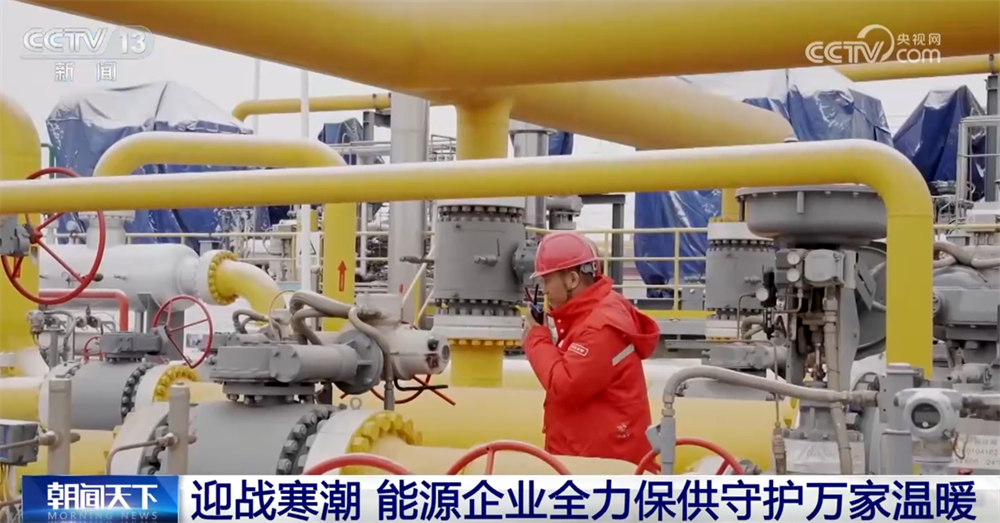
央视网消息:受强寒潮影响,我国多地出现大范围雨雪降温天气,供暖用气需求随之攀升。面对极寒考验,能源企业多措并举筑牢能源保 供防线,守护千万家庭温暖。 能源企业在加快推进油气勘探开发的同时,也在通过智能化手段加强对关键设备的检查和巡护。在位于沙漠腹地的新疆油田克拉美丽气田 天然气处理站,一台智能巡检机器人正搭载着高清摄像头、红外热像仪和气体传感器,穿梭在厂区中进行全方位检测。 中石化中原油田储气库管理中心生产指挥中心副主任刘铁英称:"目前我们供气量峰值是480万方/天,能够满足1000万户三口之家一天的 用气量,希望我们的付出能温暖更多的家庭。" 位于渤海湾的南港油田试验井产量不久前获得突破,日产油气当量340吨,预计今年新增原油产量1.5万吨、天然气2000万立方米以上。在 江苏如东液化天然气接收站,一艘满载15万立方米液化天然气的船舶进行装卸,自冬供以来,中国石油累计接卸液化天然气船舶20艘,单日气 化外输量最高可达8400万立方米,气化能力创历史新高。 为应对寒潮用气高峰,各地储气库全力保供。作为离北京最近的储气库集群,华北油田储气库群的单日采气量已突破2500万立方米,全力 守护京津冀区域百姓温暖过冬。 ...



国际油价、蛋氨酸价格下跌,TDI价格上涨 | 投研报告
Zhong Guo Neng Yuan Wang· 2025-12-15 02:01
Core Insights - The chemical industry report indicates a mixed performance in chemical product prices, with 42 products increasing in price, 37 decreasing, and 21 remaining stable during the week of December 8-14 [1][2] - The report suggests focusing on undervalued leading companies, the impact of "anti-involution" on supply in related sub-industries, and the importance of self-sufficiency in electronic materials and certain new energy materials amid price increases [1][6] Industry Dynamics - In the week of December 8-14, 47% of tracked chemical products saw a month-on-month price increase, while 44% experienced a decrease, and 9% remained unchanged [2] - The top price increases were noted in nitric acid, sulfuric acid, raw salt, bisphenol A, and TDI, while the largest declines were in PVA, LLDPE, trichloroethylene, and NYMEX natural gas [2] Oil Market Overview - International oil prices fell, with WTI crude oil futures closing at $57.44 per barrel (down 2.45%) and Brent crude at $61.12 per barrel (down 2.19%) [3] - The U.S. oil production averaged 13.853 million barrels per day, an increase of 38,000 barrels from the previous week and 222,000 barrels from the same period last year [3] - U.S. oil demand rose to an average of 21.082 million barrels per day, with gasoline demand increasing to 8.456 million barrels per day [3] TDI Market Analysis - TDI prices increased to an average of 14,713 yuan/ton, up 2.49% week-on-week and 5.51% month-on-month [4] - TDI production decreased, with an overall operating rate of approximately 58.55%, and various factories experiencing operational issues [4] - Average costs for TDI were 11,819 yuan/ton, down 0.92% week-on-week, while average gross profit rose by 31.79% week-on-week [4] Methionine Market Analysis - Methionine prices decreased to an average of 17,900 yuan/ton, down 2.45% week-on-week and 9.14% month-on-month [5] - The production remained stable at 18,350 tons, with an operating rate of 89.42% [5] - The cost of methionine was 13,853.73 yuan/ton, with a gross profit margin of 23.67% [5] Valuation Metrics - As of December 12, the TTM price-to-earnings ratio for the SW basic chemical sector was 24.14, and the price-to-book ratio was 2.19 [6] - The SW oil and petrochemical sector had a TTM price-to-earnings ratio of 12.85 and a price-to-book ratio of 1.24 [6] Investment Recommendations - The report recommends focusing on undervalued leading companies, sectors benefiting from policy support, and emerging fields such as semiconductor materials and new energy materials [6] - Specific companies highlighted for investment include Wanhua Chemical, Hualu Hengsheng, and others [6][7]





石油化工行业周报:需求增量上调,EIA预计今年全球原油有224万桶、天的供应过剩-20251214
Shenwan Hongyuan Securities· 2025-12-14 13:14
Investment Rating - The report maintains a positive outlook on the petrochemical industry, indicating a favorable investment environment [2]. Core Insights - Three major institutions have raised their oil demand forecasts, with the EIA predicting a global crude oil surplus of 2.24 million barrels per day for the current year [4][17]. - The EIA has kept its 2025-2026 crude oil price forecasts unchanged at $69 and $55 per barrel, respectively, while raising its natural gas price forecasts for the same years [5][11]. - The report highlights a tightening supply-demand balance in the downstream polyester sector, with expectations of improved market conditions [19]. Summary by Sections Demand Forecasts - IEA expects global oil demand to increase by 830,000 barrels per day in 2025 and 860,000 barrels per day in 2026, driven by positive macroeconomic and trade outlooks [11][12]. - OPEC forecasts a demand growth of 1.3 million barrels per day in 2025 and 1.4 million barrels per day in 2026 [12][58]. - EIA anticipates a rise in global oil and other liquid fuel consumption by 1.14 million barrels per day in 2025 and 1.23 million barrels per day in 2026 [12][17]. Supply Forecasts - EIA has raised its global oil supply forecast for the current year by 200,000 barrels per day, while IEA has lowered its forecast by 100,000 barrels per day [14][17]. - EIA projects a global oil production increase of 3.01 million barrels per day in 2025 and 1.25 million barrels per day in 2026 [15][17]. - OPEC anticipates a growth in non-OPEC oil supply of 1 million barrels per day in 2025, primarily from the U.S., Brazil, Canada, and Argentina [58]. Upstream Sector - Brent crude oil prices have decreased, with the latest closing price at $61.12 per barrel, reflecting a 4.13% week-on-week decline [27]. - The report notes a slight increase in U.S. oil rig counts, with 548 rigs reported as of December 12, 2025 [40]. Downstream Sector - The report indicates an improvement in refining margins, with the Singapore refining margin rising to $19.82 per barrel [4]. - Polyester sector profitability is mixed, with PTA prices declining while polyester filament prices are on the rise [19]. Investment Recommendations - The report recommends high-quality companies in the polyester sector, such as Tongkun Co. and Wankai New Materials, as well as major refining companies like Hengli Petrochemical and Rongsheng Petrochemical [19][22]. - It also suggests focusing on high-dividend yield companies like China Petroleum and China National Offshore Oil Corporation [22].



派驻中管企业纪检监察组推进信息化建设 为监督执纪安上科技“透视镜”
Zhong Yang Ji Wei Guo Jia Jian Wei Wang Zhan· 2025-12-14 00:53
Group 1 - The Central Commission for Discipline Inspection and National Supervisory Commission is enhancing digital supervision to combat corruption within state-owned enterprises, focusing on data-driven models to identify irregularities [1][3] - A recent inspection revealed issues such as frequent reimbursements by the same personnel and discrepancies in accommodation locations, leading to disciplinary actions against involved parties and the recovery of over 11,000 yuan in illicit funds [1] - The establishment of a comprehensive digital supervision system aims to integrate large data volumes, transforming isolated data into cohesive clusters, which is crucial for effective oversight [1] Group 2 - The digital oversight framework includes the development of risk alert models for various areas, such as vehicle and hospitality expenses, enhancing the ability to preemptively identify potential issues [1][3] - The National Pipeline Network Group's disciplinary inspection team is creating a detailed integrity archive for each enterprise, incorporating findings from audits and inspections to strengthen oversight [2] - The China Telecom disciplinary inspection team has implemented a digital platform that connects with other regulatory systems, allowing for real-time monitoring of multiple risk points related to financial operations [3] Group 3 - The use of small models, tools, and algorithms is being promoted to streamline data analysis and enhance the accuracy of investigations, facilitating the identification of risks in power operations [4] - Future initiatives will focus on leveraging big data and artificial intelligence to further empower the disciplinary inspection work, ensuring high-quality development in oversight practices [4]


石油化工行业周报:关注委内瑞拉潜在风险,地缘与供需博弈持续-20251213
SINOLINK SECURITIES· 2025-12-13 13:07
Investment Rating - The report does not explicitly provide an investment rating for the industry Core Insights - Oil prices have weakened this week due to ongoing geopolitical tensions and supply-demand dynamics, with WTI closing at $57.44 and Brent at $62.55, reflecting declines of $2.64 and $2.23 respectively [3][14][16] - The EIA report indicates a decrease in U.S. commercial crude oil inventories by 1.812 million barrels, while gasoline inventories increased by 639.7 thousand barrels [3][14] - The average operating rate of domestic refineries rose by 0.4% to 94.5%, with U.S. oil production reaching a record high of 13.853 million barrels per day [3][14] - The polyester sector is expected to see a decline in weaving operating rates due to some factories planning early holidays, while PTA processing fees remain low at 165.86 yuan/ton [3][14] - Ethylene prices in the domestic market have shown a slight decline, with the average price at 6172 yuan/ton, while propylene prices have increased to 6090 yuan/ton [3][14] Summary by Sections Market Review - The petrochemical sector underperformed against the Shanghai Composite Index, with a decline of 3.52% [9][10] - The oil and gas resource index fell by 1.17%, while the refining and chemical index dropped by 3.70% [9][10] Oil and Gas Sector - Oil prices are under pressure from geopolitical events, including the situation in Venezuela and potential peace talks between Russia and Ukraine [3][14][16] - U.S. oil production is projected to reach record levels, contributing to concerns about oversupply in the market [3][14][16] Refining and Chemical Sector - The average refining margin for major refineries increased to 645.47 yuan/ton, while independent refineries saw margins at 443 yuan/ton [3][13] - The processing fee for PTA remains low, indicating challenges in the polyester sector [3][14] Ethylene and Propylene Market - Ethylene prices have decreased slightly, while propylene prices have shown a modest increase, reflecting mixed market conditions [3][14]
美国降息、地缘发酵,油价受供应过剩担忧影响表现疲软
Guolian Minsheng Securities· 2025-12-13 11:15
石化周报 美国降息、地缘发酵,油价受供应过剩担忧影响表现疲软 glmszqdatemark 2025 年 12 月 13 日 重点公司盈利预测、估值与评级 | 代码 | 简称 | 股价 | | EPS(元) | | | PE(X) | | 评级 | | --- | --- | --- | --- | --- | --- | --- | --- | --- | --- | | | | (元) | 2024A | 2025E | 2026E | 2024A | 2025E | 2026E | | | 601857.SH | 中国石油 | 9.53 | 0.90 | 0.87 | 0.89 | 11 | 11 | 11 | 推荐 | | 600938.SH | 中国海油 | 28.40 | 2.90 | 2.60 | 2.68 | 10 | 11 | 11 | 推荐 | | 600028.SH | 中国石化 | 5.78 | 0.41 | 0.31 | 0.34 | 14 | 19 | 17 | 推荐 | | 603619.SH | 中曼石油 | 22.05 | 1.76 | 1.48 | 1.99 | 13 | ...


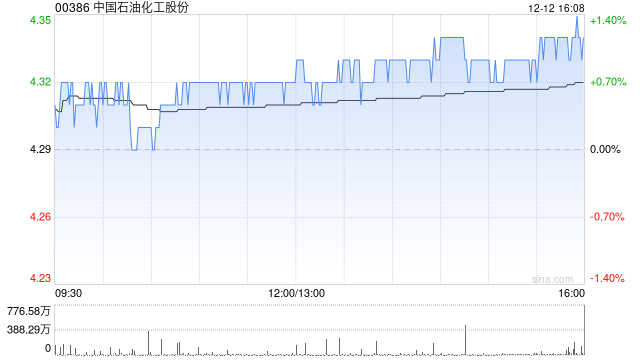
中国石油化工股份于12月12日斥资292.43万港元回购67.8万股
Xin Lang Cai Jing· 2025-12-13 06:15
Group 1 - China Petroleum & Chemical Corporation (Sinopec) announced a share buyback plan, intending to repurchase 678,000 shares at a cost of HKD 2.9243 million [2][4]
2025年1-10月中国石油焦产量为2617.4万吨 累计下降4%
Chan Ye Xin Xi Wang· 2025-12-13 02:42
根据国家统计局数据显示:2025年10月中国石油焦产量为268万吨,同比下降0.5%;2025年1-10月中国 石油焦累计产量为2617.4万吨,累计下降4%。 2020-2025年1-10月中国石油焦产量统计图 上市企业:华锦股份(000059),远兴能源(000683),上海石化(600688),华西能源(002630),万华化 学(600309),恒力石化(600346),荣盛石化(002493),新奥股份(600803),中油资本(000617) 相关报告:智研咨询发布的《2026-2032年中国石油焦行业发展形势分析及投资潜力研究报告》 数据来源:国家统计局,智研咨询整理 知前沿,问智研。智研咨询是中国一流产业咨询机构,十数年持续深耕产业研究领域,提供深度产业研 究报告、商业计划书、可行性研究报告及定制服务等一站式产业咨询服务。专业的角度、品质化的服 务、敏锐的市场洞察力,专注于提供完善的产业解决方案,为您的投资决策赋能。 ...

“增储上产”构筑中国石油高质量发展底气
Zheng Quan Ri Bao· 2025-12-12 16:40
Core Insights - The breakthrough at the ZI201 well in Sichuan marks China's first successful extraction of high-yield commercial gas flow from Cambrian shale, indicating significant advancements in deep shale gas exploration [1][2] - China National Petroleum Corporation (CNPC) is enhancing its traditional oil and gas reserves while actively investing in renewable energy, aiming for sustainable growth through innovative technologies [1][3] Natural Gas Production Growth - Following the success of the ZI201 well, CNPC is accelerating exploration and evaluation in the area, with the establishment of the ZI201H2 platform for pilot testing development techniques [2] - The pilot tests achieved four significant milestones, including reducing drilling cycles to under 100 days and implementing advanced monitoring systems in deep shale gas wells [2] Industry Development and Trends - Sichuan Basin is recognized as China's most promising area for natural gas exploration, with the highest total resource volume, particularly in shale gas [3] - Natural gas is expected to play a crucial role in China's energy transition, with medium to long-term consumption projected to grow at a moderate to high rate, enhancing CNPC's profitability in this sector [3] Enhancing Industry Resilience - The Xiangguosi gas storage facility in Chongqing is part of a strategy to create a "Southwest 10 billion gas storage center," contributing significantly to national gas supply stability [4] - The facility has achieved a 15% actual peak shaving task against its design capacity, showcasing its operational efficiency and technological advantages [4] Digital Transformation and Efficiency - The gas storage facility has implemented digital operations, reducing inspection cycles by 60% and increasing efficiency by 200% through the use of automated systems and intelligent robots [5] - CNPC's Suining gas purification plant has become the largest in China, achieving rapid production milestones and adopting a smart management model for enhanced operational efficiency [5] Transition to Comprehensive Energy Stations - CNPC is transforming traditional gas stations into comprehensive energy stations, integrating various services such as refueling, charging, and retail [6] - The Yongquan comprehensive energy station in Chengdu exemplifies this transition, featuring advanced charging infrastructure and a diverse range of services [6][7] Future Outlook - CNPC aims to maintain its core oil and gas business while innovating in comprehensive energy services, focusing on long-term growth and value creation for shareholders [7]
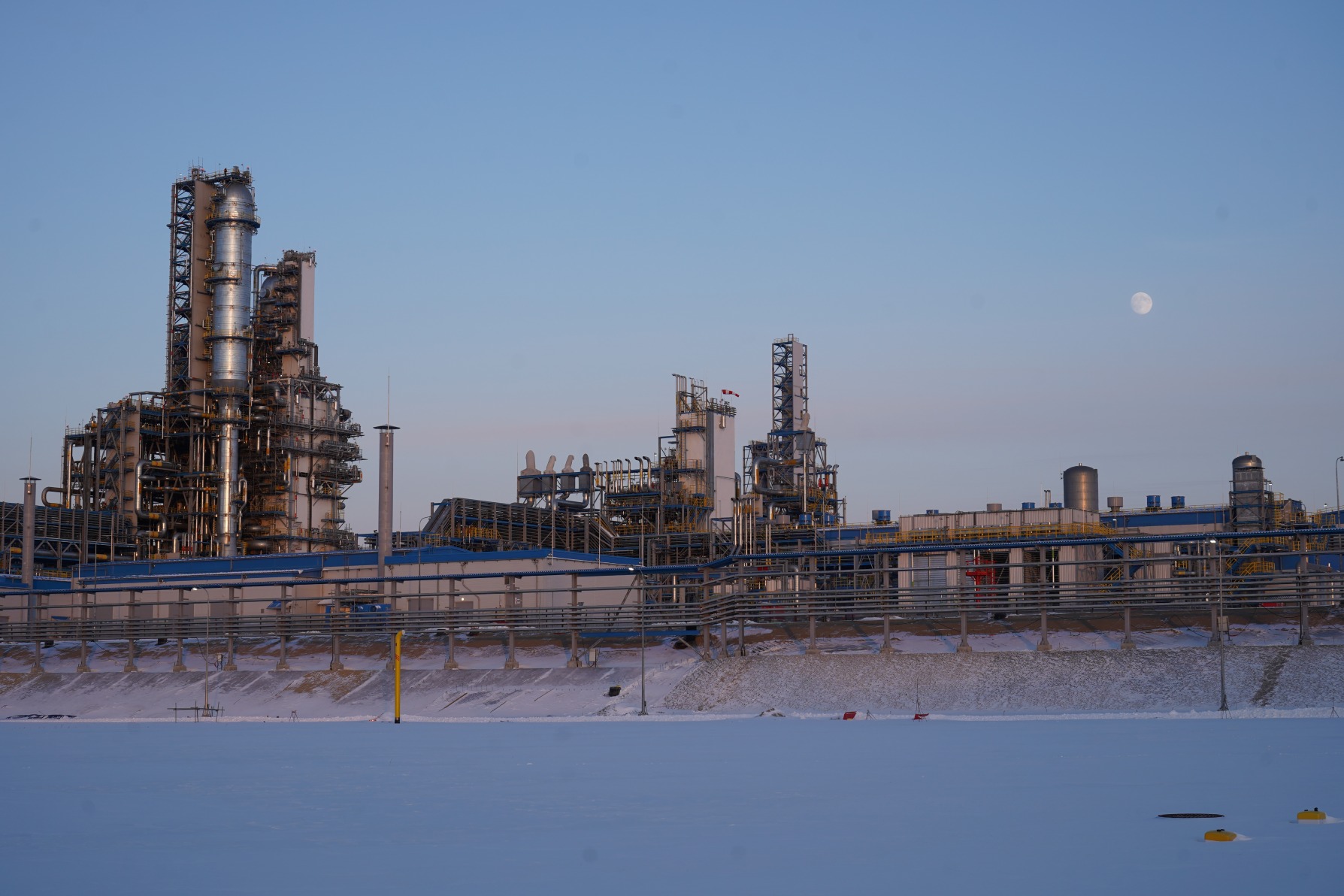
【环球财经】探访中俄能源大动脉上的天然气加工厂
Xin Hua Cai Jing· 2025-12-12 12:37
Core Insights - The Amur Gas Processing Plant is a significant project in the natural gas sector and a testament to the deepening energy cooperation between China and Russia [6][11] - The East Route Gas Pipeline, which has been operational for six years, plays a crucial role in this cooperation [6][11] Group 1: Project Overview - The Amur Gas Processing Plant covers an area of 900 hectares, equivalent to 1,100 football fields, and was constructed over ten years with the involvement of 35,000 workers at its peak [4][6] - The plant has a planned annual processing capacity of 42 billion cubic meters and an annual helium production of 6 million cubic meters [6] - Currently, four production lines are operational, with a fifth line nearing completion and a sixth line under construction [6] Group 2: Operational Details - The plant processes raw natural gas from the Kovykta and Chayandinskoye gas fields, separating and refining it into marketable products [6] - The facility includes a central control room where technicians monitor critical parameters such as gas pressure, temperature, and composition [7] - The plant's separation tower, standing at 88 meters, purifies natural gas and produces methane, helium, and ethane, with helium supplies to China starting in September 2023, accounting for about 40% of China's helium imports [9] Group 3: Infrastructure and Community Impact - The Atamanskaya Compressor Station, the largest and closest to China on the East Route Gas Pipeline, ensures the necessary pressure for gas transportation across the Amur River [11] - The local community has benefited from the project, with the construction of 1,540 apartments for plant employees and educational facilities, including a school that will offer Chinese language courses [11] Group 4: Historical Context and Future Prospects - The cooperation between Russia and China in natural gas began with a 30-year supply agreement signed in 2014, aiming to deliver 38 billion cubic meters annually through the East Route [11] - Since the pipeline's commencement in December 2019, gas supplies have increased annually, with daily deliveries exceeding 10 million cubic meters as of December 2024 [11] - Future agreements signed in September 2025 are expected to further enhance gas supply volumes from Russia to China [11]