
LBX(603883)

Search documents
科技发展快、社会保障贴心……一起听老百姓“晒幸福”
Yang Shi Xin Wen Ke Hu Duan· 2025-10-06 12:18
Group 1: Technological Advancements - The rapid development of AI has significantly changed coding practices, allowing for quicker results with minimal input [5] - The construction of the world's highest steady-state strong magnetic field magnet at the Hefei Institute of Physical Science represents a major scientific breakthrough, attracting international collaboration [12] - The launch of the third aircraft carrier, Fujian, and the commissioning of the J-35 fighter jet mark significant advancements in national defense technology [10] Group 2: Infrastructure and Transportation Improvements - The improvement of rural roads has greatly enhanced accessibility for villagers, with many now owning cars, which reflects a significant change in transportation [14] - The transportation of large wind turbine blades through challenging terrains showcases China's commitment to infrastructure development and renewable energy [7] Group 3: Educational Transformation - The education sector has undergone a dramatic transformation, moving from traditional blackboard teaching to media-based instruction [8] Group 4: Cultural Confidence and Economic Growth - There is a growing confidence in Chinese culture, with an increasing number of people engaging in and promoting traditional cultural practices [16] - Economic growth is evident in rural areas, with initiatives like "village super" boosting local economies and encouraging entrepreneurship among residents [18]


美联储降息,中国有三重机遇,对老百姓的钱袋子有何影响?
Sou Hu Cai Jing· 2025-10-06 08:01
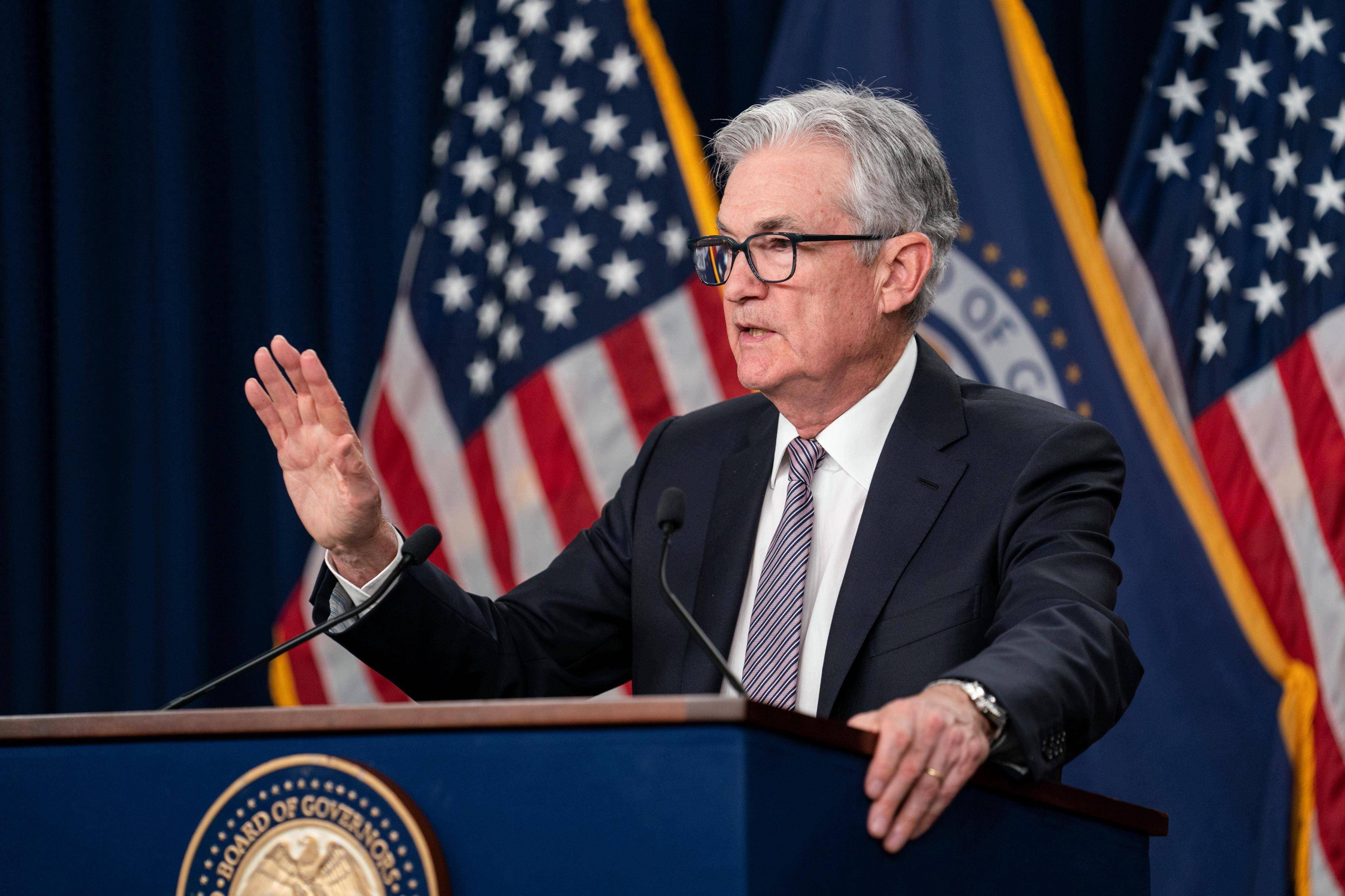
Core Viewpoint - The Federal Reserve's decision to lower the federal funds rate by 25 basis points to 4.00%-4.25% in September 2025 marks the first rate cut since December 2024, with expectations of two more cuts within the year, totaling a 75 basis point reduction, reshaping global capital flows and diminishing the influence of the dollar tide [1][4]. Group 1: Monetary Policy and Capital Flow - The high-interest era in the U.S. attracted global capital, creating a financial leverage model that maintained U.S. financial resilience but also led to significant market bubbles. The onset of the rate cut cycle is causing a decline in the attractiveness of dollar assets, prompting institutions to liquidate assets to avoid future yield shrinkage, thus redistributing global liquidity [4][6]. - The current complex global geopolitical environment is driving capital towards markets with higher safety margins, with China emerging as a key alternative due to its stable development environment and undervalued asset prices. The "Belt and Road" initiative is guiding foreign investment into the real economy, making it harder for short-term dollar flows to withdraw easily [6][19]. Group 2: Impact on Currency and Asset Pricing - The increase in dollar supply is weakening its exchange rate, with the RMB/USD exchange rate surpassing 7.1 in September 2025 and maintaining at 7.1195 on October 3. This appreciation reduces import costs and enhances the international pricing of domestic assets, with gold prices rising over 40% this year, reflecting a reassessment of dollar credit and increased attractiveness of RMB assets [9][12]. - Foreign capital is accelerating its investment in the Chinese market, despite short-term fluctuations in the bond market. The improvement in the interest rate differential between China and the U.S. is expected to attract more foreign investment in Chinese bonds [10][12]. Group 3: Market Dynamics and Challenges - The A-share and Hong Kong markets are showing upward trends, with a favorable financing environment for quality enterprises, particularly in coastal economic zones and "Belt and Road" regions, creating new wealth opportunities. However, the current monetary circulation shows a high multiplier effect, leading to cash flow challenges for businesses and individuals [12][14]. - Short-term speculative capital may disrupt local markets and inflate asset bubbles, while the real economy still faces financing disparities, particularly for small and medium-sized enterprises. The uncertainty surrounding the Fed's rate cut pace could complicate capital flows further [14][15]. Group 4: Strategic Opportunities and Recommendations - China's monetary policy needs to balance "stabilizing growth" and "preventing risks." The focus should remain on targeted monetary easing without large-scale loosening, with 10-year government bond yields expected to fluctuate between 1.70% and 1.90% [15][17]. - Key indicators to monitor include the Fed's rate cut schedule and domestic monetary policy actions, which will directly influence market expectations. Companies should optimize debt structures and reduce reliance on short-term borrowing, while individuals should manage leverage and prioritize emergency fund reserves [17][20].
美联储降息!全球资本大挪移中国成新宠?老百姓的钱袋子怎么应对
Sou Hu Cai Jing· 2025-10-04 18:38
Group 1 - The U.S. federal government spends $1.2 trillion annually on debt interest, exceeding the GDP of over half the world's countries, averaging $3,500 per American to support Wall Street [1] - The Federal Reserve's recent interest rate cut of 25 basis points marks the first reduction in nine months, significantly altering the global capital landscape [2][3] - The high U.S. interest rates previously attracted global capital, but the recent rate cut has led to a rapid outflow of funds seeking new investment opportunities [3] Group 2 - China has emerged as a favored destination for capital, with hedge funds rapidly increasing their purchases of Chinese stocks, as evidenced by a net inflow of $1.2 billion in June and $2.7 billion in July [5] - China's stable environment, lower asset prices compared to the U.S. and Europe, and the anchoring effect of the Belt and Road Initiative are key factors attracting foreign investment [5] - The capital influx has opened three significant doors for China: increased monetary policy autonomy, appreciation of RMB assets, and revitalization of market activity, with the A-share market surpassing 3,800 points [7] Group 3 - Despite the influx of capital, there are concerns about the domestic money supply, with M2 totaling 326 trillion yuan but only 15.74 trillion yuan available for spending, indicating a potential liquidity issue [7] - The risk of hot money inflating asset prices and creating bubbles is highlighted, especially if the Federal Reserve's interest rate policies fluctuate [7] - Investors are advised to focus on tangible investments in manufacturing and Belt and Road projects, while being cautious of short-term high-yield financial products that may pose risks [9]

老百姓(603883) - 关于2025年半年度业绩说明会召开情况的公告(2025年9月纪要)
2025-09-30 09:31
业绩说明会召开情况的公告 本公司董事会及全体董事保证本公告内容不存在任何虚假 记载、误导性陈述或者重大遗漏,并对其内容的真实性、准确性 和完整性承担法律责任。 老百姓大药房连锁股份有限公司(以下简称"公司")于 2025 年 8 月 26 日 在上海证券交易所网站(http://www.sse.com.cn)及指定信息披露媒体披露了 《老百姓大药房连锁股份有限公司 2025 年半年度报告》。为使广大投资者更加全 面、深入地了解公司情况,公司于 2025 年 9 月 29 日召开了 2025 年半年度业绩 说明会,现将会议召开情况公告如下: 证券代码:603883 证券简称:老百姓 公告编号:2025-051 老百姓大药房连锁股份有限公司关于 2025 年半年度 问题 1:公司在药店多元化领域准备怎么做? 答:尊敬的投资者您好,感谢您对公司的关注。公司持续深耕"健康生态", 聚焦产品多元化和服务多元化,打造增长新引擎。第一,产品多元化方面,公司 重视大健康非药品类布局,利用全渠道大数据精选 SKU,拓展商品矩阵,"老百 姓优选"聚焦"安全、健康、具有性价比的健康生活好物",提供健康食品、功 能零食及日用品等多元 ...
线下药店“关店”频现 多家上市药店中报业绩承压
Zhong Guo Chan Ye Jing Ji Xin Xi Wang· 2025-09-30 00:37
Core Viewpoint - The offline pharmacy industry is undergoing a significant transformation, shifting from rapid expansion to a focus on optimization and quality improvement, with many companies facing declining performance and store closures as a result of changing market dynamics and regulatory pressures [1][7]. Industry Performance - In the first half of 2025, several listed offline pharmacy companies reported weak performance, with major players like Yifeng Pharmacy, Lao Baixing, and Yixin Tang experiencing revenue declines [2]. - The retail pharmacy sector is seeing a slowdown in revenue growth, with some companies reporting negative growth for the first half of 2025, marking the end of a 20-year period of high growth [2][4]. Store Closures and Strategic Adjustments - Major pharmacy chains are closing stores to optimize their operations, with Yifeng Pharmacy closing 1,078 stores and Daclin closing 733 stores in 2024 [5]. - Guoda Pharmacy, once a member of the "10,000 store club," has closed over 1,270 stores as part of its strategic shift towards high-quality development, reducing its total store count from 10,702 to 9,569 by the end of 2024 [2][6]. Market Trends and Future Outlook - The overall retail pharmacy market is experiencing a contraction, with a significant decrease in the number of stores, dropping below 700,000 nationwide by the first quarter of 2025 [6]. - The industry is expected to undergo consolidation, with a shift from quantity expansion to quality improvement, driven by regulatory changes and market pressures [7][8]. - The rise of online pharmacy services is impacting traditional brick-and-mortar stores, but the latter are adapting by enhancing their service offerings and focusing on prescription drugs and health products [8].


老百姓:药店行业出清整合是大型连锁提升市占率的良好契机
Cai Jing Wang· 2025-09-29 10:55
Industry Overview - The pharmacy industry is undergoing a consolidation phase, with a confirmed trend of decreasing pharmacy numbers since Q4 2024. In Q4 2024, the net decrease was 3,395 pharmacies, followed by a decrease of 3,166 in Q1 2025 and 4,009 in Q2 2025. This trend is expected to accelerate over the next two years, leading to increased market concentration [1] - The shift from rapid expansion to standardized development raises the operational requirements for existing pharmacies, presenting a favorable opportunity for large chains to increase market share during this consolidation phase [1] Company Strategy - The company is enhancing its compliance system and self-inspection mechanisms to maintain a competitive edge in compliance management. It aims to strengthen professional pharmaceutical service capabilities and improve store operation quality [1] - The company is focusing on developing franchise and alliance businesses to integrate industry resources and attract small and medium-sized pharmacies, aiming to seize opportunities during the industry consolidation period and further increase market share [1] Procurement System Reform - In H1 2025, the company is implementing a deep reform of its procurement system, establishing a user-demand-centered model to enhance consumer loyalty and improve product quality and supply chain efficiency [2] - The integration of procurement functions aims to achieve unified management, significantly enhancing supply chain responsiveness and cost control capabilities [2] - The company is restructuring its category management logic to focus on user needs, moving away from the traditional prescription/OTC segmentation to a disease/health scenario-centered management system [2] Product and Service Diversification - The company is committed to diversifying its product offerings, particularly in the non-pharmaceutical health sector, utilizing big data to select SKUs and expand its product matrix. The "老百姓优选" brand focuses on safe, healthy, and cost-effective health products, including health foods and daily necessities [2] - In terms of service diversification, the company is building a health service platform centered around its stores, extending its health ecosystem with a focus on chronic disease services, pharmaceutical services, and convenience services [2]

智通A股限售解禁一览|9月29日




智通财经网· 2025-09-29 01:04
Core Points - On September 29, a total of 25 listed companies had their restricted shares unlocked, with a total market value of approximately 24.818 billion yuan [1] Summary by Category Restricted Share Unlocking - The companies involved in the unlocking of restricted shares include: - Luzhou Laojiao (000568) with 102,700 shares from equity incentive restrictions - East China Pharmaceutical (000963) with 215,000 shares from equity incentive restrictions - Taiyuan Heavy Industry (600169) with 11.6502 million shares from equity incentive restrictions - Jinfat Technology (600143) with 7.406 million shares from equity incentive restrictions - Guotai Junan (601211) with 3.2495 million shares from equity incentive restrictions - Guanglian Da (002410) with 3.2334 million shares from equity incentive restrictions - Ningbo Port (601018) with 3.647 billion shares from A-share issuance to legal person allocation - Zhongjin Environment (300145) with 852,070 shares from equity incentive restrictions - Keli Ke (002782) with 768,000 shares from equity incentive restrictions - Yingjie Electric (300820) with 62,500 shares from equity incentive restrictions - Laobaixing (603883) with 868,400 shares from equity incentive restrictions - Zhaoxun Media (301102) with 218 million shares from extended lock-up period - Zhongjing Technology (003026) with 20,000 shares from equity incentive restrictions - Woge Optoelectronics (603773) with 14.8003 million shares from A-share issuance to original shareholders allocation - Hanrui Cobalt (300618) with 104,670 shares from equity incentive restrictions - Fujilai (301258) with 55.362 million shares from extended lock-up period - Wankai New Materials (301216) with 225 million shares from extended lock-up period - Weiteou (301319) with 29.8 million shares from pre-issue share restrictions - Guanshi Technology (605588) with 19,870 shares from equity incentive restrictions - Sanwang Communication (688618) with 13,500 shares - Xidi Micro (688173) with 771,800 shares - Rendu Biology (688193) with 8.4316 million shares - Jinchang Protein (688137) with 7.145 million shares - Jiao Cheng Ultrasound (688392) with 43.8612 million shares - Aike Saibo (688719) with 824,800 shares [1]
知名专家现惊人言论!房价下跌,最受伤的不是有钱人,而是普通老百姓?
Sou Hu Cai Jing· 2025-09-29 00:57
Core Viewpoint - The article discusses the critical state of China's real estate market and the implications for the macro economy, emphasizing the need for a shift in policy and perception regarding housing prices and land finance [2][4]. Group 1: Land Finance and Policy - Land finance is defined as the fiscal mechanism of local governments that possess land transfer and planning rights [4]. - To stabilize the real estate market, it is essential to abandon quantity targets and halt the influx of new land supply, focusing instead on redeeming excess properties [4]. - The current approach of relying on land sales for financing contradicts the central government's strategy of transitioning from incremental expansion to qualitative improvement [4]. Group 2: Impact of Housing Prices - The decline in housing prices primarily affects ordinary citizens rather than the wealthy, as housing constitutes a significant portion of household assets in China [4]. - The homeownership rates are notably high, with urban residents at 96.3% and rural residents at 94.8%, indicating that housing is a critical asset for the majority [4]. - The article argues that rising housing prices can help reduce wealth inequality, contrary to the belief that falling prices benefit the majority [4]. Group 3: Market Structure and Transformation - A dual-track system is proposed, distinguishing between market-driven housing and affordable housing, to ensure both price stability and housing accessibility [5]. - The article suggests that the best source of affordable housing is not new construction but rather the repurchase of excess market housing [5]. - The handling of unfinished projects should focus on rescuing banks rather than merely saving companies [5]. Group 4: Current Market Conditions - The real estate sector is currently in a downturn, with significant declines in new housing sales and investment [7][9]. - From January to August 2023, new housing sales dropped by 4.7% in area and 7.3% in value, while real estate development investment fell by 12.9% [7][9]. - The inventory of unsold properties has increased, with a notable rise in the waiting period for inventory clearance [10][13]. Group 5: Economic Contribution and Future Outlook - The real estate sector contributes approximately 20% to GDP and 40% to fiscal revenue, highlighting its importance to the economy [19][22]. - Despite its significance, the probability of housing prices continuing to rise is deemed low due to oversupply and demographic challenges [23][24]. - The article emphasizes that the real estate market must return to a supply-demand balance, as excessive price increases lead to unsustainable debt levels for developers [28][31].

三大“毒瘤”不去除,老百姓的钱被吸走了,经济复苏谈何容易?
Sou Hu Cai Jing· 2025-09-28 11:00
Economic Overview - The domestic economy shows a trend of "stability with growth," with GDP expected to grow by 5.3% year-on-year in the first half of 2025 [1] - Despite economic growth, consumer demand remains low, with prices of goods like cars and home appliances in a downward trend [1] - Total bank deposits of residents surged by 10.77 trillion yuan in the first half of 2025, reaching a historic high [1] Consumer Behavior - Experts suggest lowering bank deposit interest rates to zero to encourage spending, but residents are still reluctant to consume [3] - The primary reasons for low consumer spending include significant wealth disparity, high housing prices, and the overdevelopment of e-commerce [3][5] Wealth Disparity - Although GDP is increasing, the majority of wealth is concentrated among the government and corporations, leaving laborers with a smaller share [5] - Only 2% of families hold 80% of the deposits, while 98% hold just 20% [5] - Many households are saving for future expenses like healthcare, education, and housing, leading to a reluctance to spend [5] Housing Market - Housing prices remain high, with the price-to-income ratio in second and third-tier cities at 20-25 and in first-tier cities at 40 [7] - High housing costs severely limit disposable income, as families often spend over 40% of their income on mortgage repayments [7] - Reducing housing prices and increasing affordable housing availability are essential for improving consumer spending [7] E-commerce Impact - The rise of e-commerce has changed shopping habits, with consumers favoring online shopping for lower prices and convenience [8] - However, overdevelopment of e-commerce may harm long-term economic growth due to limited job creation compared to physical stores [8] - The profitability of e-commerce is concentrated among leading companies, while small and medium-sized e-commerce businesses struggle to survive, impacting overall consumer demand [9]
美联储降息,全球粮价或将大涨,中国老百姓的米袋子受影响吗?
Sou Hu Cai Jing· 2025-09-26 16:49
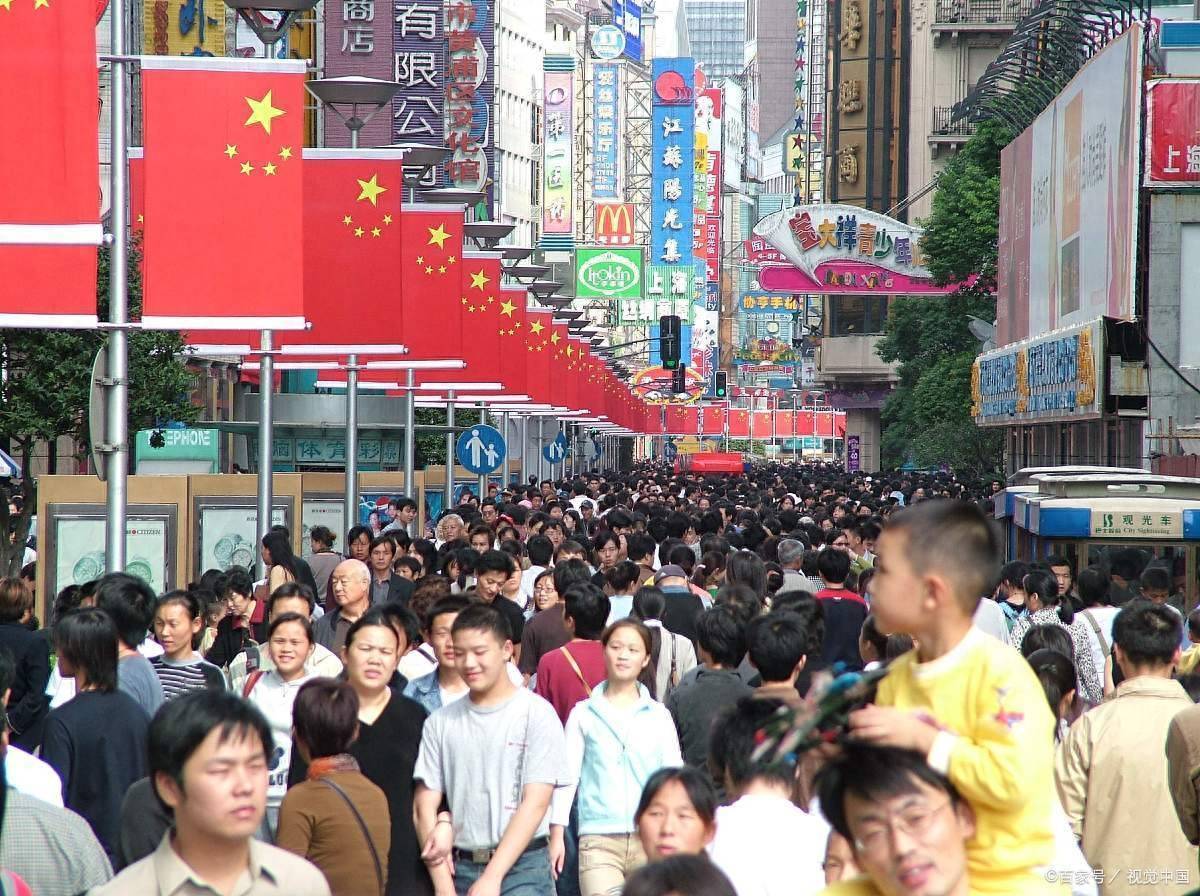
Core Viewpoint - The Federal Reserve's recent interest rate cut is expected to have significant implications for global food prices, potentially leading to inflation in food costs due to increased capital flow into commodity markets [1][2][9]. Group 1: Impact of Federal Reserve's Rate Cut - The Federal Reserve lowered the federal funds rate by 25 basis points, marking its first substantial easing since 2025, which may lead to a depreciation of the dollar and increased investment in commodities, including food [1][2]. - The logic behind the rate cut suggests that lower returns on dollar assets will drive international capital towards commodities, causing prices of staple foods like wheat, corn, and rice to rise irrationally [2][9]. Group 2: Relationship Between Energy and Food Prices - Food prices are closely linked to energy costs; rising energy prices increase fertilizer and transportation costs, which ultimately contribute to higher food prices [3]. - Historical food price crises have often been driven by a combination of financial factors and rising energy prices, as seen in the 2008 global food crisis [4]. Group 3: Current Market Conditions - Current geopolitical tensions and export instability from key regions, such as the Black Sea, combined with India's rice export restrictions, have created a tight market for food [5][6]. - The recent interest rate cut by the Federal Reserve is seen as exacerbating the situation, potentially leading to a surge in global food prices [6][9]. Group 4: China's Food Security - China has a robust food security system, being the largest rice producer globally, accounting for about one-third of the world's production [11][12]. - China's grain reserve system is recognized as the largest in the world, allowing it to stabilize domestic prices even amid global market fluctuations [13]. - The country maintains a high self-sufficiency rate in staple grains, with rice and wheat self-sufficiency rates consistently above 95% [14]. Group 5: Potential Domestic Impacts - While China's food supply is secure, global price increases may still lead to indirect pressures on domestic markets, such as rising feed costs affecting livestock prices [15][22]. - The government must remain vigilant as global food price increases could stimulate domestic speculation and push up prices of related products [15][22]. Group 6: Strategic Considerations - China's food security strategy emphasizes not only ensuring staple food availability but also diversifying import channels to mitigate risks from specific countries [18]. - The country aims to modernize agriculture to enhance productivity and reduce vulnerability to climate fluctuations, which have been increasingly disruptive [19][16].