VANKE(000002)

Search documents
房地产开发与服务26年第5周:坚定看好地产行情,商业不动产REITs首批挂牌
GF SECURITIES· 2026-02-02 06:53
Core Insights - The report maintains a bullish outlook on the real estate market, highlighting the significant debut of commercial real estate REITs, with the first batch of applications exceeding 32.1 billion RMB, accounting for 14% of the existing C-REITs market [5] - The cancellation of the "three red lines" policy marks a pivotal shift, indicating a return to orderly market development and improved financing channels for real estate companies [16][20] - The report notes a strong year-on-year increase in transaction volumes for both new and second-hand homes, with new home transactions in 50 cities up 3.3% week-on-week and 37.2% year-on-year [5][9] Group 1: Central Policies - The cancellation of the "three red lines" policy allows for a more market-oriented development of the real estate sector, which had previously constrained financing for weaker firms [16] - The central government is actively managing expectations and stabilizing the policy environment to facilitate a turning point in the real estate cycle [16] Group 2: Transaction Performance - New home transactions saw a week-on-week increase of 3.3% and a year-on-year increase of 37.2%, reflecting a recovery from last year's low base due to the Spring Festival [5][9] - Second-hand home transactions also showed significant growth, with a year-on-year increase of 154.9%, driven by a favorable comparison to last year's figures [9] Group 3: Market Dynamics - The report indicates that the new home supply has improved, with a week-on-week increase of 34.5%, which is unusual before the Spring Festival, suggesting increased developer confidence [5] - The second-hand market remains robust, with a year-on-year increase in visits and transactions, indicating sustained demand [5] Group 4: Land Market Performance - The land market showed weaker performance, with total land sales in 300 cities amounting to 12.7 billion RMB, down 20% week-on-week and 69% year-on-year [5] - The report highlights a supply of 7.93 million square meters, with a land absorption rate of 51%, indicating a dual weakness in supply and demand [5] Group 5: Company Performance and Recommendations - The report suggests that companies with strong investment fundamentals and low valuations, such as China Jinmao and China Overseas, are leading the sector [5] - The property management sector also performed well, with a 2.6% increase, outperforming the Hang Seng Index [5] Group 6: C-REITs Overview - The C-REITs composite return index rose by 0.36%, with 41 out of 78 REITs showing gains, particularly in the renewable energy and highway sectors [5]




债市早报:1月制造业PMI为49.3%;资金面整体均衡平稳,债市偏强震荡
Jin Rong Jie· 2026-02-02 03:58
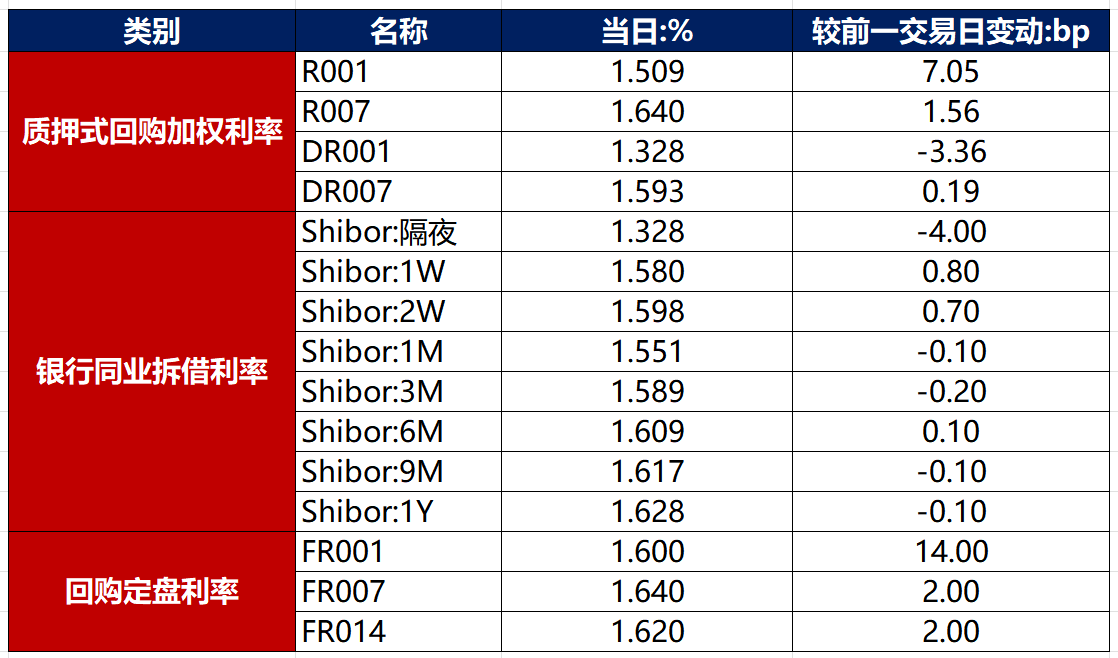
Group 1: Domestic News - President Xi Jinping's article emphasizes the need to build a modern financial system with a focus on a scientific and stable financial regulation system, a reasonable financial market structure, and effective financial supervision [2] - In 2025, the national public budget revenue is projected to be 21.6045 trillion yuan, a decrease of 1.7% compared to 2024, with tax revenue increasing by 0.8% to 17.6363 trillion yuan [2] Group 2: Economic Indicators - The manufacturing PMI for January is reported at 49.3, indicating a decline in economic activity, while the factory price index has risen above the critical point for the first time in nearly 20 months [3] - The non-manufacturing business activity index and the comprehensive PMI output index are at 49.4 and 49.8, respectively, both showing a decrease from the previous month [3] Group 3: Capital Market Developments - The China Securities Regulatory Commission (CSRC) is focused on consolidating the capital market's positive momentum and enhancing the adaptability of regulatory systems [4] - The CSRC plans to deepen reforms in the capital market, improve the convenience and attractiveness of refinancing systems, and support the development of a modern industrial system [4] Group 4: International News - The U.S. Senate passed a $1.2 trillion government spending bill, but a partial government shutdown is expected due to the House of Representatives not being in session until February 2 [5] - President Trump nominated Kevin Warsh as the next Federal Reserve Chairman, who has previously criticized quantitative easing and emphasized the need for closer collaboration between the Fed and the Treasury [6] Group 5: Commodity Market - International crude oil prices have declined, with WTI crude down 0.32% to $65.21 per barrel, while natural gas prices increased by 13.9% to $4.416 per million British thermal units [7] Group 6: Financial Market Operations - On January 30, the central bank conducted a reverse repurchase operation of 477.5 billion yuan at a fixed rate of 1.40%, resulting in a net cash injection of 352.5 billion yuan for the day [8] - The overall funding environment remains stable, with the DR001 rate decreasing by 3.36 basis points to 1.328% [9] Group 7: Bond Market Dynamics - The bond market showed a strong upward trend, with the 10-year government bond yield decreasing by 0.50 basis points to 1.8100% [12] - The credit bond market experienced significant price deviations, with certain bonds like "21 Vanke 04" dropping by 17.52% [13] Group 8: Convertible Bonds - The convertible bond market saw major indices decline, with the China convertible bond index down by 1.73% on January 30 [15] - The trading volume in the convertible bond market reached 93.272 billion yuan, an increase of 2.399 billion yuan from the previous trading day [15]

中国地产:1 月房企销售额跌幅仍较大;预计一季度将进一步下滑-China Property-Developers‘ Sales Decline Remained Deep in January; We Expect Further Drop in 1Q
2026-02-02 02:42
Summary of Conference Call on China Property Market Industry Overview - The conference call focused on the **China Property** market, specifically the performance of major property developers in January 2026 and expectations for the first quarter of 2026 [1][2]. Key Points Sales Performance - Contracted sales for the 25 major developers tracked fell **32% year-on-year (y-y)** in January 2026, despite a low base due to the Chinese New Year (CNY) calendar effect [1][2]. - The top 50 and top 100 developers experienced declines of **26% and 29% y-y**, respectively, in January, compared to **-22% and -29%** in December [2]. Divergence in Developer Performance - State-Owned Enterprises (SOEs) outperformed other developers with milder declines. Notable performers included: - **China Overseas Land & Investment (COLI)**: +20% y-y - **Jinmao**: +14% y-y - **CR Land**: +0.4% y-y - Conversely, developers like **Sunac**, **Shimao**, **CIFI**, **Midea RE**, and **GZ R&F** reported declines exceeding **50% y-y** [3]. Market Outlook - The physical property market is expected to continue its downtrend in 2026-27, with projected declines of **8% and 6% y-y** in secondary home prices [4]. - A meaningful nationwide housing policy is anticipated to remain muted in the coming months, contributing to fragile buyer sentiment and increased inventory [4]. Investment Sentiment - Recent sentiment-driven outperformance in the China property industry is viewed as unsustainable, with expectations of a sector pullback as results season approaches [5]. - The focus remains on quality names with credible self-help stories, such as: - **CR Land (1109.HK)** - **Seazen (601155.SS)** - **C&D International (1908.HK)**, which is seen as a consolidator in the residential market with optimized landbanks [6]. Additional Insights - The analysis indicates that home prices in tier 1 and select tier 2 cities could stabilize in the second half of 2027 if the macro environment remains resilient [4]. - The overall sentiment in the market is cautious, with expectations of continued challenges for developers, particularly those with weaker brand recognition and fewer saleable resources [5][6].


中国地产:政策预期的 “踏空焦虑”—— 销售与政策的双向辩论-China_Property_Fear_of_Missing_Out_A_Two-Way_Debate_on_Policy_Expectation__Sales
2026-02-02 02:22
Summary of China Property Sector Conference Call Industry Overview - **Industry**: China Property Sector - **Key Focus**: Market expectations, policy changes, sales performance, and investment opportunities Core Insights 1. **Investor Positioning**: Many investors in Hong Kong, Singapore, and overseas have been underweight in the China property sector, while sectors like metals, mining, tech, and healthcare are well-owned. There is a shift towards increasing exposure in the property sector due to fear of missing out on potential recovery [1][2] 2. **Sales and Investment Trends**: Secondary sales improved in January, with a month-on-month increase compared to December. However, new home sales remain weak, with a year-on-year decline of approximately 30% expected to persist into Q1 2026 due to last year's high base [2][4] 3. **Policy Easing Expectations**: Positive market sentiment in January was driven by expectations of policy easing, including VAT cuts and adjustments to down payment requirements for commercial properties. The easing of the "three red lines" policy indicates that deleveraging targets may have been met [2][15] 4. **Opportunistic Window**: There is a belief that an opportunistic window may exist from January to March before the National People's Congress meeting and FY25 earnings reports, suggesting potential for strategic investments during this period [2] 5. **Stock Picks**: Recommended stocks include China Overseas Land & Investment (COLI), Jinmao, and Greentown, which are expected to benefit from land acquisition growth and ample saleable resources in 2026. CR Land is noted for its strong fundamentals but is already well-owned [3] 6. **Secondary Market Activity**: Secondary transaction volumes improved to approximately 26,038 units in the week ending January 25, 2026, reflecting a 19% year-on-year increase. This is seen as a positive sign for market confidence [3][9] 7. **New Home Sales Performance**: New home sales increased by 15% week-on-week but are still down approximately 30% year-on-year. The primary sales trend remains uncertain and is not yet sustainable [4][11] 8. **Land Acquisition Trends**: Significant increases in land acquisition costs were noted for several companies, with Jinmao seeing a 78% increase year-on-year. In contrast, Vanke and Longfor reported substantial declines in land acquisition values [17] Additional Important Points - **Policy Support**: Recent supportive policies include lowering the minimum down payment for commercial property mortgages and extending tax refund policies for home buyers [15][16] - **Market Sentiment**: The market's positive response to policy changes indicates a potential shift in investor sentiment towards the property sector, despite ongoing challenges in new home sales [2][4] - **Valuation Insights**: The sector's valuations are being closely monitored, with recommendations varying from buy to neutral based on individual company fundamentals [20] This summary encapsulates the key discussions and insights from the conference call regarding the China property sector, highlighting both opportunities and ongoing challenges.
万科预告2025年亏损820亿元,2年合计亏损1314亿!
梧桐树下V· 2026-02-02 02:06
Core Viewpoint - Vanke Enterprise Co., Ltd. is projected to incur a net profit loss of approximately 82 billion yuan in 2025, following a loss of 49.48 billion yuan in 2024, resulting in a total loss of 131.48 billion yuan over two years [1]. Financial Performance Summary - The net profit attributable to shareholders is expected to be a loss of approximately 82 billion yuan, compared to a loss of 49.48 billion yuan in the same period last year [2]. - The net profit after deducting non-recurring gains and losses is also projected to be a loss of about 80 billion yuan, compared to a loss of 45.39 billion yuan in the previous year [2]. - Basic earnings per share are expected to be a loss of approximately 6.89 yuan per share, compared to a loss of 4.17 yuan per share in the previous year [2]. Reasons for Loss - The significant decline in the settlement scale of real estate development projects and low gross profit margins are primary reasons for the losses. The profits from real estate development mainly correspond to projects sold in 2023 and 2024, with high land acquisition costs leading to a substantial decrease in total gross profit [2]. - Increased credit impairment and asset impairment provisions due to heightened business risk exposure [2]. - Overall losses in some operational businesses after deducting depreciation and amortization, along with losses from non-core financial investments [2]. - Prices of certain bulk asset transactions and equity transactions were below book value [2]. Operational Highlights - The company delivered 117,000 housing units during the reporting period, and the revenue from operational services remained stable [3]. - The company has actively promoted cost reduction and efficiency improvement measures in its development business, achieving a continuous decline in management expenses for two consecutive years [3]. - Despite these efforts, the company continues to face severe challenges, and operational performance is expected to remain under pressure [3]. Future Outlook - The company aims to improve operations through strategic focus, standardized operations, and technological empowerment, optimizing business layout and structural adjustments to enhance development and operational capabilities across multiple scenarios [3]. - As of January 30, 2026, Vanke's total assets were 1,136.595 billion yuan, and net assets were 175.756 billion yuan, representing declines of 11.64% and 13.28% respectively compared to the end of 2024 [4]. - The closing price of Vanke A shares was 4.88 yuan per share, with a total market value of 58.222 billion yuan [4].

早报|Moltbook爆火:百万智能体自主讨论甚至创立宗教;月之暗面公开喊话百度;何小鹏回应机器人首秀摔倒;深圳水贝“杰我睿”最新进展
虎嗅APP· 2026-02-02 01:37
Group 1 - Trump expressed hope for an agreement with Iran regarding nuclear issues, with Iranian Foreign Minister indicating confidence in negotiations [2][3] - SpaceX submitted a request to launch up to 1 million satellites to create an "orbital data center" and is considering an IPO, with revenue reported between $15 billion to $16 billion last year [4] - Apple is exploring a foldable iPhone design, with the first model expected to launch in September, while the "flip" version's market release remains uncertain [5][6] Group 2 - Nvidia's CEO Huang Renxun announced plans for a significant investment in OpenAI, potentially the largest in the company's history, amidst previous reports of a $100 billion investment plan being stalled [7] - A severe winter storm impacted the southeastern U.S., causing significant disruptions in transportation and logistics, particularly in North Carolina [8] - Shenzhen's "Jie Wo Rui" company is in the process of asset disposal and has initiated a repayment plan for affected consumers, with some receiving gold and cash as compensation [9] Group 3 - The AI-exclusive social network Moltbook gained popularity, attracting millions of AI agents discussing various topics, although some claims may be exaggerated [11] - Xiaopeng's humanoid robot made its debut but faced criticism after falling during a demonstration, prompting responses from company executives [12][14] - Wang Shi addressed rumors of his disappearance by sharing a recent cycling video, while Vanke projected a significant net loss for 2025 [16][17] Group 4 - A construction accident in Wuhan resulted in one death and one injury during the dismantling of a crane [19] - Reports of a potential joint venture between Xiaomi and Ford for electric vehicle production were denied by Ford, stating there is no factual basis for the claims [22] - Musk responded to allegations regarding his past communications with Jeffrey Epstein, asserting minimal contact and emphasizing the need to pursue those involved in serious crimes [23][24] Group 5 - Tesla's CEO Musk identified Chinese companies as the strongest competitors in the humanoid robot sector, highlighting their manufacturing capabilities and advancements in AI technology [33]







万科亏损加剧2025年预亏820亿 68亿债券展期深铁再输血23.6亿驰援
Chang Jiang Shang Bao· 2026-02-02 00:44
Core Viewpoint - Vanke is facing a significant increase in losses, with a projected net loss of approximately 82 billion yuan for 2025, which is a substantial rise from the previous year's loss of 49.48 billion yuan [1][2]. Group 1: Financial Performance - The projected net loss for 2025 is about 82 billion yuan, with a net loss of approximately 80 billion yuan after excluding non-recurring gains and losses, marking a further deterioration compared to the previous year's loss of 49.48 billion yuan [1][2]. - The loss is attributed to four main factors: a significant decline in the scale of project settlements and low gross margins, increased credit and asset impairment provisions, losses in some operational businesses after depreciation, and asset disposal losses due to lower transaction prices in a challenging market [2][3]. Group 2: Operational Achievements - Despite the financial losses, Vanke has made progress in ensuring delivery, cost reduction, and diversification, with 117,000 units delivered in 2025, including 16,000 units delivered 30 days early and about 5,000 units delivered across years [3]. - The company has implemented a "City Delivery" initiative, utilizing smart technologies for construction management and establishing a standardized delivery system [3]. Group 3: Debt Management - Vanke successfully completed the extension of three bonds totaling 6.8 billion yuan, alleviating immediate liquidity pressures and avoiding default risks in the public market [5][6]. - The major shareholder, Shenzhen Metro Group, has provided continued financial support, including a loan of up to 2.36 billion yuan to help repay market debts, with total support exceeding 30 billion yuan since 2025 [6][7]. - Despite these measures, Vanke's liquidity remains under pressure, with cash and cash equivalents at 60.39 billion yuan against short-term borrowings and current liabilities totaling 151.4 billion yuan, resulting in a cash shortfall exceeding 90 billion yuan [6][7]. Group 4: Strategic Direction - Vanke has withdrawn its public REITs application for its logistics subsidiary, which was intended to help liquidate assets and improve cash flow, indicating challenges in asset management [7]. - The company plans to focus on strategic optimization, standardized operations, and technological empowerment to enhance its business layout and risk management [7].
机构研究周报:风格转换成长“轮休”,黄金短空长多
Wind万得· 2026-02-01 22:37
Core Viewpoint - The article discusses the recent volatility in the gold and silver markets, the transition of the equity market from a "structural bull" to a "comprehensive bull," and the implications for various sectors, particularly technology and real estate [1][3][4]. Group 1: Precious Metals - On January 30, gold and silver experienced significant declines, with silver dropping 36% and gold falling over 12%, marking the largest daily declines in history [3]. - Short-term market dynamics indicate that the momentum for gold's correction is still accumulating, while the long-term fundamentals for gold remain solid, suggesting a continued bull market trend [3]. Group 2: Equity Market - According to Franklin Templeton, the domestic asset allocation for 2026 will be driven by three core logic points: a weak dollar benefiting RMB assets, low domestic interest rates leading to increased equity investments, and policy support impacting inflation [4]. - Zhejiang Securities notes that the technology growth sector has entered a phase of high-level consolidation after a strong three-week performance, while the resource sector is experiencing volatility amid global resource price fluctuations [6]. - CICC highlights that the willingness of residents to invest in the stock market remains weak, with the correlation between available funds and stock market performance being low [7]. Group 3: Industry Research - Huatai Securities indicates that the real estate sector is entering a "policy + small spring" window, with improved transaction volumes in core cities and relaxed financing conditions [10]. - China Europe Fund emphasizes a moderate bull market for A-shares in 2026, focusing on structural opportunities in overseas computing power and industrial metals [11]. - China Asset Management points out that the demand for electrical equipment exports is rising due to the urgent need for upgrades in North America's aging power grid [12].

近3000家公司“交卷” A股2025年业绩预告收官:宁波富邦预增超30倍居首 还有147家公司业绩超预期
Mei Ri Jing Ji Xin Wen· 2026-02-01 15:03
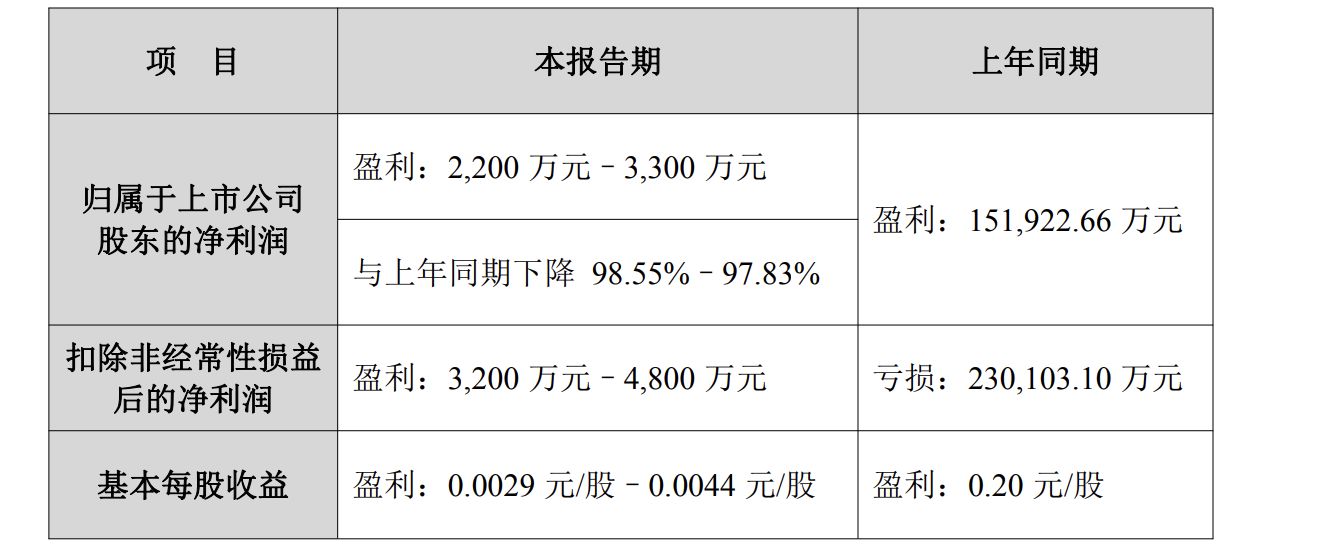
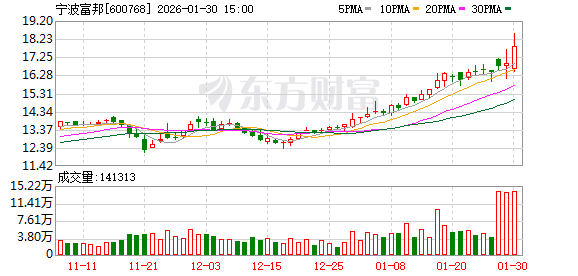
Core Viewpoint - The disclosure of annual performance forecasts for A-shares in 2025 has concluded, with approximately 3,000 listed companies providing important references for market performance predictions [2]. Group 1: Performance Forecasts - A total of 2,956 companies in the Shanghai, Shenzhen, and Beijing stock markets disclosed their 2025 performance forecasts, with 705 companies expecting profit increases, 420 companies expecting profit decreases, 987 companies continuing to incur losses, and 374 companies anticipating a turnaround to profitability [2]. - Ningbo Fubang (SH600768) is expected to see a net profit increase of over 30 times, leading the profit growth forecast, while Vanke A (SZ000002) is projected to incur a loss of 82 billion yuan, making it the "loss leader" [2]. - Guangdong Mingzhu (SH600382) and Sainuo Medical (SH688108) also expect significant net profit increases, with growth rates of 2,908.49% to 3,577.04% and 2,767% to 3,233%, respectively [3]. Group 2: Major Profit Increases - Ningbo Fubang's net profit is forecasted to increase by 3,099.59% to 4,379.43%, with an expected net profit of 50 million to 70 million yuan, primarily due to non-recurring gains from the sale of equity [2]. - Guangdong Mingzhu anticipates a net profit of approximately 166 million to 203 million yuan, driven by improved performance from its subsidiary and non-operating gains [3]. - Sainuo Medical expects a net profit of about 43 million to 50 million yuan, attributing the increase to revenue growth and reduced asset impairment losses [3]. Group 3: Major Profit Decreases - Heli Tai (SZ002217) is projected to experience the largest decrease in net profit, with an expected decline of 97.83% to 98.55%, resulting in a net profit of 22 million to 33 million yuan [4]. - The decline is attributed to the absence of non-recurring gains from debt restructuring in the previous year and a strategic shift in focus to general display and electronic paper businesses [4]. - Changhong High-Tech (SH605008) and Yuancheng Co. (SZ002692) also expect significant profit declines of 97.88% to 98.41% and 96.8%, respectively, due to market conditions and production adjustments [6]. Group 4: Significant Losses - Vanke A is expected to report a net loss of 82 billion yuan, an increase from a loss of approximately 49.48 billion yuan in the previous year, primarily due to a significant decrease in project settlement scale and low profit margins [7]. - Other real estate companies, such as Huaxia Happiness (SH600340) and Greenland Holdings (SH600606), are also projected to incur substantial losses of 16 billion to 24 billion yuan and 16 billion to 19 billion yuan, respectively [7]. - Companies outside the real estate sector, like Zhifei Biological (SZ300122), are also expected to report significant losses, with forecasts ranging from -10.698 billion to -13.726 billion yuan due to decreased vaccination demand [8]. Group 5: Performance Against Expectations - Among the 2,956 A-share companies that disclosed forecasts, 147 companies exceeded institutional consensus estimates, including Zijin Mining (SH601899) and Industrial Fulian (SH601138), with net profit forecasts significantly higher than expected [9]. - Conversely, 858 companies' forecasts fell short of institutional expectations, with notable examples including Muyuan Foods (SZ002714) and Shenghong Technology (SZ300476), which both reported lower-than-expected net profit forecasts [12].

近3000家公司“交卷”,A股2025年业绩预告收官:宁波富邦预增超30倍居首,还有147家公司业绩超预期
Mei Ri Jing Ji Xin Wen· 2026-02-01 15:00
Core Viewpoint - The A-share market has seen a significant number of companies disclose their 2025 annual performance forecasts, with approximately 3,000 companies participating, providing crucial insights for market performance predictions. Group 1: Performance Forecasts - A total of 2,956 companies in the Shanghai, Shenzhen, and Beijing stock exchanges disclosed their 2025 performance forecasts, with 705 companies expecting profit increases, 420 companies anticipating profit decreases, and 987 companies projecting continued losses. Additionally, 374 companies expect to turn losses into profits [1] - Ningbo Fubang (SH600768) leads with an expected profit increase of over 30 times, while Vanke A (SZ000002) is projected to incur a loss of 82 billion yuan, marking it as the "loss leader" [1] Group 2: Notable Profit Increases - Ningbo Fubang is expected to achieve a net profit of 50 million to 70 million yuan, with a staggering increase of 3,099.59% to 4,379.43% attributed to non-recurring gains from the sale of a stake in Ningbo Zhonghua Paper Industry [2] - Guangdong Mingzhu (SH600382) anticipates a net profit of approximately 166 million to 203 million yuan, reflecting a growth of 2,908.49% to 3,577.04% due to increased operational performance and non-operating gains [2] - Sino Medical (SH688108) expects a net profit of about 43 million to 50 million yuan, representing a year-on-year increase of 2,767% to 3,233% due to revenue growth and reduced asset impairment losses [2][3] Group 3: Significant Profit Decreases - Helitai (SZ002217) forecasts a net profit of 22 million to 33 million yuan, a decline of 97.83% to 98.55% compared to the previous year, primarily due to the absence of non-recurring gains from debt restructuring [4][5] - Longhong High-Tech (SH605008) and Yuancheng Co. (SZ002692) also expect significant profit declines of 97.88% to 98.41% and 96.8%, respectively, due to market conditions and strategic adjustments [6] - Vanke A projects a net loss of 82 billion yuan for 2025, up from a loss of approximately 49.48 billion yuan the previous year, attributed to decreased project settlement scales and increased impairment provisions [6][7] Group 4: Companies Exceeding Expectations - Among the 2,956 companies that disclosed forecasts, 147 companies exceeded institutional consensus estimates, including Zijin Mining (SH601899) with a projected net profit of 51 billion to 52 billion yuan, surpassing the consensus of approximately 49.95 billion yuan [8][9] - Industrial Fulian (SH601138) expects a net profit of 351 billion to 357 billion yuan, exceeding the consensus estimate of about 344.86 billion yuan [9] Group 5: Companies Falling Short of Expectations - Conversely, 858 companies reported forecasts below institutional consensus estimates, such as Muyuan Foods (SZ002714) with a projected net profit of 14.7 billion to 15.7 billion yuan, below the consensus of approximately 18.21 billion yuan [10] - Shenghong Technology (SZ300476) anticipates a net profit of 4.16 billion to 4.56 billion yuan, also falling short of the consensus estimate of about 5.03 billion yuan [10]