
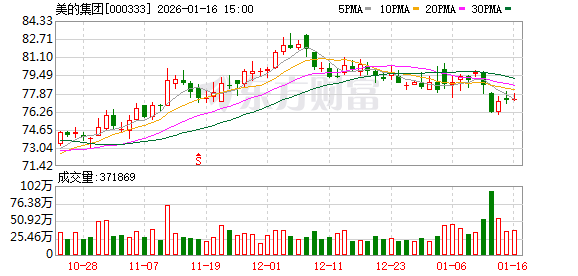
Midea Group(000333)

Search documents
方洪波谈企业家精神:不被过往成绩束缚,不被路径依赖拖累
Shang Hai Zheng Quan Bao· 2026-01-16 15:47
Core Insights - The annual speech by Midea Group's Chairman and President, Fang Hongbo, emphasized the company's achievements over the past year and outlined the strategic direction for the upcoming year, focusing on core business and diversification strategies [2][5]. Business Performance - Midea Group has made significant progress in various business sectors, achieving notable results through a strategy of simplification and self-disruption, leading to breakthroughs in technology, product innovation, and global expansion [6]. - In the smart home sector, Midea introduced the industry's first AI butler and continued to lead in air conditioning technology with multi-model AI interaction, while also launching innovative products like the 45CM ultra-thin refrigerator [6]. - The industrial technology segment saw the introduction of new products such as wide-frequency rotary compressors and the establishment of manufacturing facilities in Mexico and Brazil, enhancing the company's capabilities in core components for electric vehicles and robotics [6]. - Midea's energy business is expanding rapidly, with significant growth in distributed photovoltaic installations and the launch of self-developed energy storage systems in multiple international markets [7]. Future Strategy - For 2026, Midea aims to focus on core businesses and markets, promoting synergy between ToC (business-to-consumer) and ToB (business-to-business) operations to create a sustainable growth model [9][10]. - The company plans to enhance its core capabilities in white goods and HVAC, targeting a leading position globally while improving its presence in key markets such as Southeast Asia, North America, and the Middle East [10][11]. - Midea is committed to innovation in its secondary core businesses, including robotics, energy, and healthcare, recognizing their potential for significant market opportunities [11]. Management Philosophy - Fang Hongbo highlighted the importance of self-revolution and breaking path dependence to adapt to increasing market competition, advocating for a culture of innovation and agility within the organization [12][13]. - The company emphasizes the need for decisive action and the elimination of redundant operations to maintain organizational efficiency and responsiveness [13]. Conclusion - The overarching message from Fang Hongbo's speech is one of resilience and adaptability, encouraging the organization to embrace change and pursue growth opportunities while remaining grounded in core competencies [14].


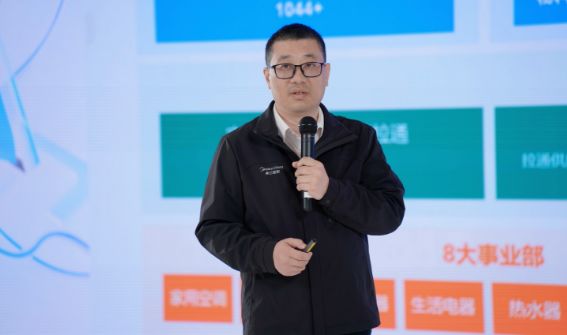
对话美云智数总裁金江:美的累计打造了1.3万个智能体,千分之二可商业化,希望以领域智能体构建护城河
Mei Ri Jing Ji Xin Wen· 2026-01-16 09:54
Core Insights - The AI agent industry is expected to mature significantly by 2026, with a focus on unlocking the next wave of AI commercial value [3] - Midea Group has launched the Meiqing AIGC 3.1 platform and intelligent agent factory solutions, emphasizing the importance of AI in its strategic development [1] - Midea aims to achieve cost reductions of 1.8 billion yuan in 2024, 6 billion yuan in 2025, and over 9 billion yuan in 2026 through AI implementation [5] Group 1 - Midea Group has developed over 13,000 AI agents in the past three years, with 158 agents contributing 95% of the value output, although only 0.2% have been commercialized [1][5] - The company plans to release 20 to 30 new AI agent products in 2026, expanding its offerings to over 40 agents for external sales [3][4] - The market for AI agents is projected to grow from $5.1 billion in 2024 to $47.1 billion by 2030, with a compound annual growth rate of 44.8% [4] Group 2 - Midea's AI strategy involves a three-step approach: from embedding AI in processes, to co-piloting with AI, and finally to full automation with AI agents [5] - The focus on domain-specific AI agents is seen as a way to build a competitive advantage, as general-purpose agents have a relatively low barrier to entry [5] - The company aims to effectively capture market share and customer mindshare by launching its AI capabilities at the beginning of 2026 [4]
爆款广货现场爆单:广东制造以新价值“行天下”
21世纪经济报道· 2026-01-16 09:18
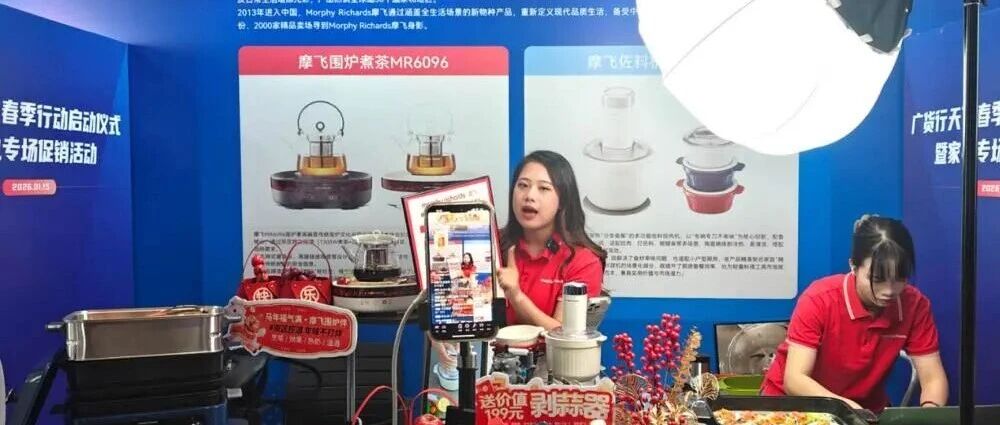
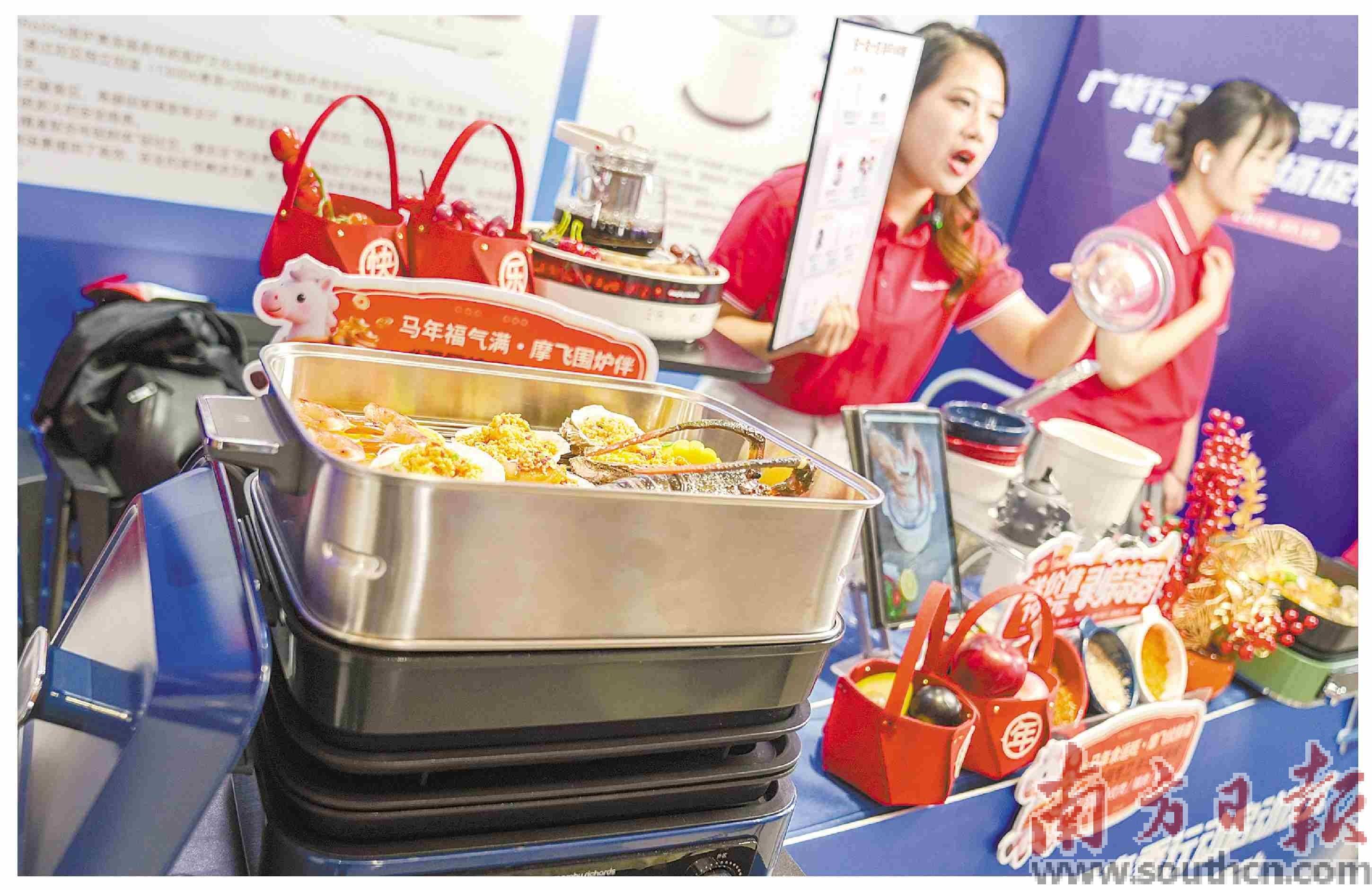
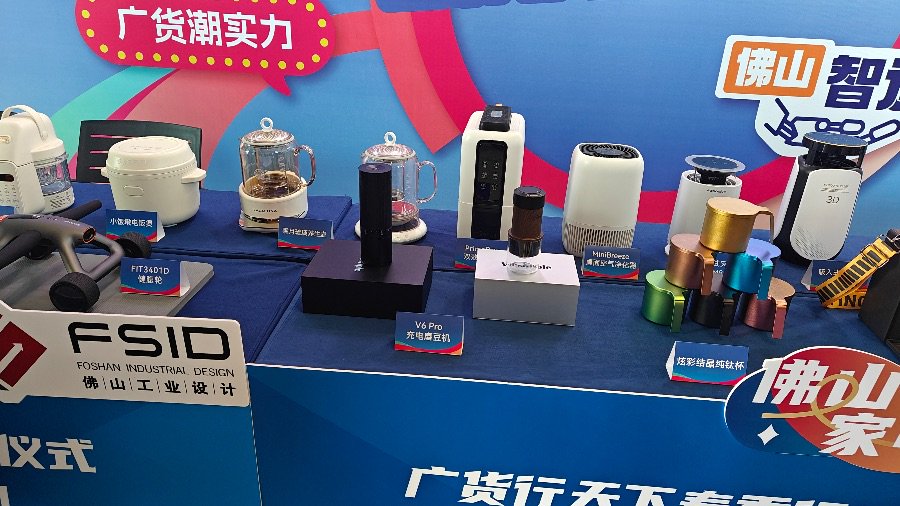
Core Viewpoint - The "Guangdong Goods Going Global" spring initiative aims to enhance consumer spending and expand the influence of Guangdong products, showcasing over 30 home appliance companies and their products through live streaming and on-site sales [1][3]. Group 1: Event Overview - The event took place on January 15 at the Shunde Tanzhou Convention and Exhibition Center, featuring major brands like Midea, Gree, Galanz, and Hisense [1][3]. - Sales during the live broadcast exceeded 100,000 yuan within three hours, indicating a 100% increase compared to regular sales [1][3]. Group 2: Evolution of Guangdong Goods - Guangdong goods have evolved from basic necessities to high-quality products, reflecting a shift in consumer demand from mere survival to quality and innovation [3][4]. - The evolution is characterized by three main trends: smart technology, green competitiveness, and aesthetic manufacturing [3][4]. Group 3: Strategic Changes - The Guangdong industry is transitioning from OEM to brand development, supply chain optimization, and international standards, enhancing the value proposition of Guangdong products [4]. - The initiative emphasizes not just product sales but also the transmission of quality confidence and brand value [4]. Group 4: Sales and Marketing Strategies - The initiative includes government subsidies, corporate discounts, and platform support, with companies like Gree offering up to 15% discounts and other brands providing various promotional offers [6]. - The event's success is attributed to the continuous optimization of Guangdong's industrial structure and product quality, with the home appliance sector alone exceeding 1 trillion yuan in scale [7][8]. Group 5: Regional Manufacturing Strength - Foshan was chosen as the launch site due to its concentration of advantageous manufacturing industries, contributing significantly to global production of microwaves and water heaters [8]. - The region has produced major brands like Midea and Galanz, as well as smaller innovative companies, forming a robust industrial cluster [8]. Group 6: Technological and Aesthetic Innovations - Companies are focusing on smart technology and green solutions, with products like Gree's AI-powered air conditioners and Galanz's energy-efficient appliances leading the way [11][12]. - The integration of technology and aesthetics is transforming products from mere tools to expressions of emotional and aesthetic value, enhancing user experience [13][14]. Group 7: Future Directions - Guangdong plans to continue its promotional efforts with a weekly focus on different product categories, aiming to cover all consumer needs and enhance the global reach of its products [9][14]. - The integration of cutting-edge technology, green practices, and aesthetic design is seen as essential for maintaining competitiveness in the global market [14].



美的取得传动设备及机器人动力机构专利
Sou Hu Cai Jing· 2026-01-16 07:51
天眼查资料显示,广东美的制冷设备有限公司,成立于2004年,位于佛山市,是一家以从事电气机械和 器材制造业为主的企业。企业注册资本85400万人民币。通过天眼查大数据分析,广东美的制冷设备有 限公司共对外投资了5家企业,参与招投标项目5000次,财产线索方面有商标信息333条,专利信息5000 条,此外企业还拥有行政许可242个。 来源:市场资讯 美的集团(上海)有限公司,成立于2020年,位于上海市,是一家以从事计算机、通信和其他电子设备 制造业为主的企业。企业注册资本100000万人民币。通过天眼查大数据分析,美的集团(上海)有限公 司共对外投资了11家企业,参与招投标项目140次,专利信息785条,此外企业还拥有行政许可130个。 国家知识产权局信息显示,广东美的制冷设备有限公司和美的集团(上海)有限公司取得一项名为"传 动设备及机器人动力机构"的专利,授权公告号CN118254154B,申请日期为2022年12月。 声明:市场有风险,投资需谨慎。本文为AI基于第三方数据生成,仅供参考,不构成个人投资建议。 ...

大和:“春季行情”提前到来,料A股市况迈向“慢牛”
Xin Lang Cai Jing· 2026-01-16 05:44
Group 1 - The core viewpoint of the report is that the "spring market" has arrived early, leading investors to potentially take profits before the Lunar New Year holiday or the National People's Congress, while liquidity support and stimulus policy expectations may boost the A-share market, although the pace of growth is expected to slow, transitioning towards a "slow bull" market [1] - The report notes that the regulatory authority raised the minimum margin ratio on January 14 to cool market sentiment, but it is believed that the A-share market has not yet entered a bubble phase [1] - Financing transactions as a percentage of total trading volume increased from 9.9% to 11.2% over the past month, still below the historical "warning level" of 12% that has previously triggered regulatory tightening [1] Group 2 - The report emphasizes that investor crowding in the top three popular sectors is still far below the peaks observed in February or October 2025 [1] - The company maintains a positive outlook for the first half of 2026, recommending investors to diversify their exposure in both A-share and Hong Kong markets for balanced sector risk [1] - Preferred stocks in the Hong Kong market include Tencent Holdings, Shenzhou International, Weichai Power, China Resources Land, and Alibaba, while preferred stocks in the A-share market include Midea Group, Northern Huachuang, CATL, Heng Rui Medicine, and Lanke Technology, all rated as "buy" [1]



广东启动“广货行天下”春季行动,家电打头阵
Zhong Guo Xin Wen Wang· 2026-01-16 02:54
Group 1 - The "Guangdong Products Going Global" spring action was launched on January 15 in Foshan, marking the beginning of the 2026 promotional activities for Guangdong products [1] - The spring action covers 12 major categories including home appliances, mobile phones, clothing, food, smart terminals, automobiles, beauty and daily necessities, cultural tourism, and agriculture, attracting over 6,000 participating enterprises [1] - The first event focused on home appliances, featuring over 1,900 large-scale home appliance companies in Guangdong, with 55 well-known brands such as Midea, Gree, Galanz, and Hisense showcasing quality products and conducting live-stream sales [1] Group 2 - The promotional campaign is structured around a multi-layered discount system involving government subsidies, enterprise discounts, and platform support, providing consumers with various benefits including government "national subsidies," brand direct discounts, platform exclusive live prices, and consumer vouchers [2] - The Guangdong Provincial Department of Industry and Information Technology stated that the "Guangdong Products Going Global" initiative aims to enhance the market exposure and influence of high-quality industrial products from Guangdong, promoting online sales and contributing to economic stability [2] - The department plans to hold 12 online promotional events in a "one product per week" rhythm leading up to the Spring Festival, focusing on advantageous industries such as mobile phones, clothing, and food [2]

热力全开 旺势十足 爆单连连
Sou Hu Cai Jing· 2026-01-16 01:43
Core Insights - The "Guangdong Goods Going Global" spring campaign was launched on January 15, featuring a successful home appliance promotion event in Foshan, showcasing various Guangdong brands and products [6][11]. - The event highlighted the strong sales performance of participating companies, with significant sales recorded during live streaming sessions, indicating a robust consumer interest in Guangdong-made products [9][10][16]. Group 1: Event Overview - The spring campaign commenced with a vibrant atmosphere, featuring major Guangdong home appliance brands such as Midea, Galanz, Hisense, and Bear, showcasing innovative products at competitive prices [11][12]. - The event served as a platform for small and medium enterprises to gain visibility, with reports of high sales volumes, including over 200 units of home dryers sold by Kawa Technology and 300 units of travel dryers sold during a four-hour live stream [9][10]. Group 2: Product Highlights - Midea's low-sugar rice cooker and Galanz's multifunctional microwave were among the featured products, emphasizing their practicality and quality, which resonated well with consumers [16][17]. - The event showcased the strength of Guangdong's manufacturing capabilities, with the home appliance industry alone exceeding one trillion yuan in scale, accounting for nearly half of the national revenue and exports [17]. Group 3: Market Dynamics - The campaign leveraged various e-commerce platforms, including Douyin and major online retailers, to enhance market reach and consumer engagement, facilitating direct communication with both domestic and international consumers [14][15]. - The promotion included significant discounts, with some products seeing price reductions exceeding 20%, enhancing the appeal of Guangdong products to consumers [15][16]. Group 4: Future Prospects - The campaign is set to continue with a series of themed promotions across various product categories, aiming to showcase the innovation and quality of Guangdong goods while enhancing consumer value through multiple incentives [18]. - The integration of cultural elements and technological advancements in product design is expected to further elevate the brand image of "Guangdong Goods," making them more attractive to a global audience [18].

美的集团:2B业务增长,并购整合加速,预测全年营业收入4605.28~4949.00亿元
Xin Lang Cai Jing· 2026-01-15 14:09
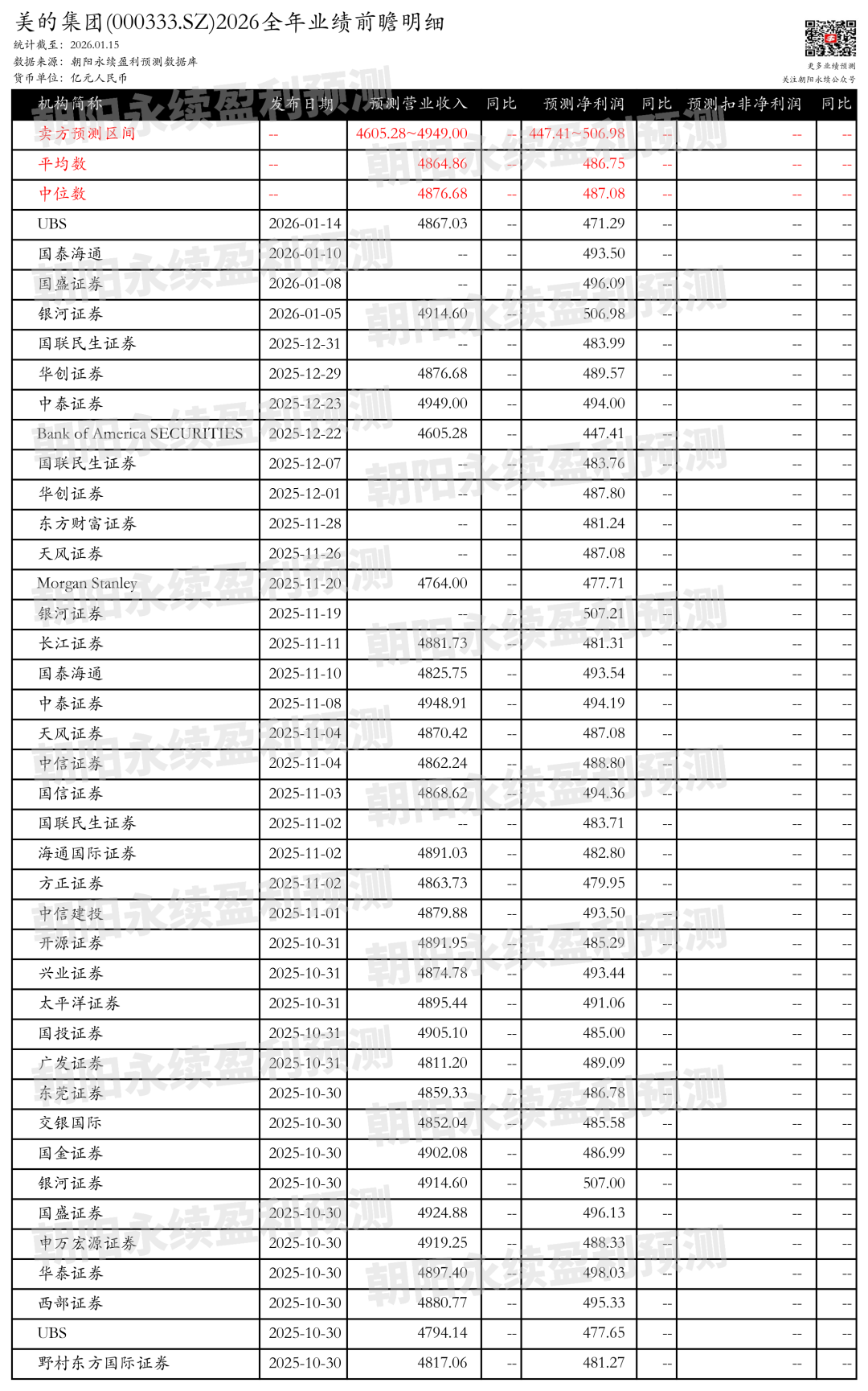
Core Viewpoint - Midea Group's projected annual revenue is between 460.53 billion to 494.90 billion yuan, with a net profit forecast of 44.74 billion to 50.70 billion yuan for the year ending January 15, 2026, indicating strong growth expectations [1][5]. Revenue and Profit Forecasts - The average revenue forecast from various institutions is 486.49 billion yuan, with a median of 487.67 billion yuan [2][6]. - The predicted net profit average is 486.75 billion yuan, with a median of 487.08 billion yuan [2][6]. - UBS forecasts revenue of 486.70 billion yuan and net profit of 47.13 billion yuan [2][6]. Business Segments - **Medical Sector**: Midea Group has strengthened its global competitiveness in medical imaging equipment through the acquisition of Carestream International, gaining access to overseas sales networks and advanced technology platforms [3][8]. - **2B Business Growth**: The revenue share from Midea's 2B business has increased from 18.5% in 2020 to 25.7% in the first half of 2025, reflecting robust growth in industrial technology and automation sectors [4][8]. - **Home Appliance Domestic Sales**: Midea's air conditioning division has implemented a tiered pricing strategy to counter rising costs and maintain stable growth amid market challenges [4][8].
广货焕新“佛山样本”:家电产业穿越新消费周期
2 1 Shi Ji Jing Ji Bao Dao· 2026-01-15 13:49
南方财经记者吴蓉 佛山报道 广货的传奇仍在继续。 2025年10月,一通电话打进了格兰仕集团。家在黑龙江的王女士提出想把一台用了28年的格兰仕微波炉,寄回它的"出生地"广东顺德。这款微波炉至今完好 无损,可王女士担心超期使用存在安全隐患,又不忍将其当作废品处置,只能请"娘家"妥善保管。 无独有偶,暨南大学新闻与传播学院副教授朱磊最近回浙江老家也意外发现,父母几十年前买的格兰仕微波炉还在服役,这让本就研究全球品牌的朱磊感慨 不已,"质量如此过硬,确实是传奇"。 一款小小的微波炉,不仅成为品牌与消费者的情感见证,也揭开了"中国家电之都"佛山在改革开放后独领风骚至今的密码。从改革开放初期的"三来一补"起 步,佛山家电企业带着"敢为人先"的岭南基因,在小作坊里开启了创业征程,美的、格兰仕、万家乐等一批企业昼夜赶工,将性价比出众、品质可靠的家电 产品源源不断送往全国,在竞争激烈的市场中杀出一条血路。"远看像洋货,近看是广货"的调侃,既是消费者对广货品质的认可,也见证了佛山家电从模仿 承接向自主制造的初步跨越。 而当市场进入新消费周期,消费需求从"能用、耐用"升级为"智能、个性、绿色",佛山家电又以"智造"为核,完成了从 ...
助力当家产品“行天下” 制造业大省广东政府牵头带货
Di Yi Cai Jing· 2026-01-15 13:49
Group 1 - The "Guangdong Goods Going Global" spring campaign was launched on January 15 in Foshan, focusing on promoting local home appliance brands through live streaming sales [1] - Over 1,900 home appliance companies participated in the first promotional event, with 55 major brands including Midea, Gree, and Hisense actively engaging in live streaming [1] - The campaign aims to boost revenue for industrial chain enterprises and promote consumption upgrades through new channels, aligning with China's 14th Five-Year Plan [1] Group 2 - The event received support from over 10 major commercial platforms, including Alibaba International, JD.com, and Douyin, as well as numerous offline supermarkets [1] - The chairman of Xinxuan Group emphasized that live e-commerce not only generates sales but also empowers quality industries and domestic brands through tailored content [2] - The Guangdong Provincial Department of Industry and Information Technology plans to organize 12 online promotional events covering various manufacturing sectors, including home appliances, mobile phones, and cosmetics [2]