BABA(BABA)

Search documents
国金证券:一切仍然指向算力
Xin Lang Cai Jing· 2025-12-28 09:41
Group 1: Industry Insights - The competition in large models remains intense, with the Scaling Law still effective. Google's Gemini 3 has made significant advancements in foundational reasoning and multimodal capabilities, while OpenAI's GPT-5.2 emphasizes the potential of large models in creating economic value [1][11][14] - Meta is actively developing two heavyweight AI models, Mango for image and video processing, and Avocado to enhance programming capabilities, indicating a strong commitment to AI development [1][15] - The Chinese open-source model DeepSeek-V3.2 is approaching the performance of top closed-source models, showcasing innovations in sparse attention (DSA), high post-training ratios, and large-scale synthetic data [1][16][18] Group 2: AI Application Acceleration - ByteDance released the Doubao AI mobile assistant, which allows for cross-application autonomous operations, marking a significant evolution in mobile interaction methods [2][26] - The daily token usage of the Doubao model surged from over 16.4 trillion in May 2025 to over 50 trillion by December 2025, reflecting a rapid increase in inference demand [2][28] - NVIDIA's collaboration with Groq, a startup specializing in inference chips, highlights a strategic move towards enhancing inference capabilities while maintaining its dominance in training power [2][29][30] Group 3: Policy and Future Industry Layout - The "14th Five-Year Plan" emphasizes support for strategic emerging industries such as aerospace, quantum technology, and AI, indicating a clear direction for future industrial development [3][42] - The plan also calls for proactive infrastructure development, including information communication networks and integrated computing networks, reinforcing the importance of computational power in the AI era [3][42] Group 4: Related Companies - Key players in computing power include Cambrian, Haiguang Information, and Zhongke Shuguang, among others, indicating a diverse landscape of companies involved in AI and computing infrastructure [4][43] - Companies involved in AI agents include Google, Alibaba, Tencent, and others, showcasing a broad spectrum of firms engaged in AI development [5][44] - In the autonomous driving sector, companies like Jianghuai Automobile and Xiaopeng Motors are notable participants, reflecting the industry's growth [6][45]




英国金融时报:“今年花销很大”:美团盘点中国外卖大战的成本
美股IPO· 2025-12-28 06:56
'It's been an expensive year': Meituan counts cost of China's delivery wars 来自 阿里巴巴 和 京东 在快速增长的 即时零售 市场的竞争,已对这家总部位于北京的集团 造成冲击。 美团急于投入资金发放汉堡和甜饮的优惠券,以捍卫其市场主导地位 © FT montage/Bloomberg/Getty Images 在美团北京总部,管理人员每周都会开会进行一项至关重要的工作:估算竞争对手在电子商务配 送补贴上会损失多少资金,以及他们必须采取多么积极的应对措施。 今年,京东和阿里巴巴等科技巨头在中国快速增长的即时零售市场展开了激烈的竞争,导致美团 为了捍卫其市场主导地位,不得不紧急投入资金发放汉堡和 甜饮 的优惠券。 高盛 分析师估计,美团今年每笔即时配送订单平均亏损约 1 元人民币,这将导致其第三季度亏 损 160 亿元人民币,这是自 2018 年上市以来最大的亏损。 一位高管表示:"今年成本很高。"据几位知情人士透露,美团内部,国内市场的冲击引发了高层 领导和投资者之间的争论,他们质疑公司是否还能继续为海外扩张提供资金。 阿里巴巴的复兴改 ...
美团、淘宝闪购开启外卖抢人大战?“转会费”最高3000元
2 1 Shi Ji Jing Ji Bao Dao· 2025-12-28 03:39
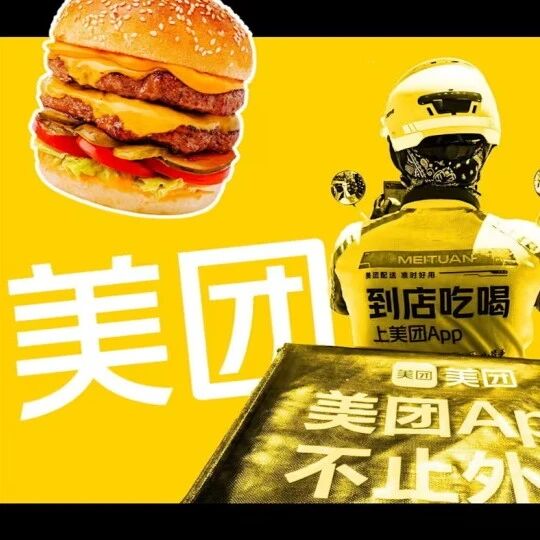
Core Viewpoint - The competition in the food delivery industry has intensified as companies like Meituan and Taobao Shanguo are offering substantial "transfer" bonuses to attract experienced riders, indicating a shift from price and subsidy wars to a focus on securing quality delivery personnel [1] Group 1: Company Strategies - Meituan is offering a reward of 2,888 yuan to riders who have completed over 720 orders on Ele.me or JD in November and are willing to join Meituan for six weeks [1] - Taobao Shanguo is providing a 3,000 yuan incentive for riders who completed more than 140 orders on platforms like JD, Meituan, and SF Express between December 15 and 21, and who join Taobao Shanguo for four consecutive weeks, along with a 1,000 yuan reward for the referrer [1] Group 2: Market Dynamics - The recruitment efforts are not nationwide and are characterized by limited availability, with many riders receiving offers that emphasize "limited slots, first come, first served" [1] - The competition for skilled and stable riders has led to a noticeable shift, with reports of several riders moving to Taobao Shanguo due to attractive benefits, although some riders believe that experienced riders are less likely to switch frequently due to the importance of stable order volume and platform experience [1]

阿里巴巴-W(09988.HK):模型能力持续迭代 钉钉发布工作智能操作系统AGENT OS
Ge Long Hui· 2025-12-27 20:05
Core Viewpoint - Alibaba is continuously enhancing its multimodal model capabilities, launching advanced video and image generation models, and aiming to establish a new AI operating system through its DingTalk platform [1][2]. Group 1: Multimodal Model Developments - Alibaba released the new video generation model "Wanshang 2.6" on December 16, achieving a domestic record of 15 seconds for single video length, with added features for role-playing and scene control [1]. - The new image generation model "Qwen-Image-Layered" allows images to be decomposed into multiple layers, enabling high-fidelity editing capabilities such as scaling, moving, and recoloring [1][2]. - The company has developed a comprehensive range of visual creation capabilities, including text-to-image, image editing, text-to-video, and general video editing, which are expected to be widely applied in AI comic, advertising design, and short video creation [2]. Group 2: DingTalk AI Ecosystem - DingTalk held an AI product launch and ecosystem conference on December 23, introducing over 20 AI products, including the Agent OS and DingTalk Real device [2]. - The Agent device "DingTalk Real" facilitates secure access to internal systems and real-time data acquisition, supporting AI agents in making decisions based on real-time data [2]. - The Agent OS is designed to standardize the construction, deployment, and interaction of AI agents, while the "Wukong" feature allows for complex operational processes to be triggered and executed through dialogue [2]. Group 3: Financial Projections - The company is projected to achieve revenues of 1.03 trillion, 1.12 trillion, and 1.24 trillion yuan for FY2026-FY2028, with adjusted net profits of 116 billion, 148 billion, and 179 billion yuan respectively [3]. - The company maintains a "buy" rating due to the continuous enhancement of its AI multimodal capabilities and sustained high revenue growth in its B2B cloud business [3].
闲鱼无锡首家线下实体店开业
Xin Lang Cai Jing· 2025-12-27 11:30
转自:扬子晚报 资深用户"蟹老板"使用闲鱼近10年,3年前开始收藏谷圈物品,此次在预寄卖阶段就带来了近百件吧 唧、卡牌和手办,希望能在"出坑"的同时与同好分享快乐。他欣喜地表示:"无锡的二次元氛围浓厚, 循环商店为我们提供了线下交流的新空间,是件美事!" 闲鱼循环商店负责人邹明耀表示:"落子梁溪是看重其旺盛的消费活力和开放包容的市场环境,希望通 过品牌和循环商店的落地,为梁溪绿色经济发展注入新的活力,也为市民践行循环生活方式提供新选 择"。 扬子晚报/紫牛新闻 记者 季娜娜 据闲鱼方面透露,截至12月底,全国运营及筹备门店已近20家。同时自今年1月江苏首店落地南京以 来,闲鱼已在江苏省内布局南京、苏州、无锡3城4店,另有1至2家新店将于春节前开业,无锡第二店也 已开始筹备,计划明年上半年亮相新兴潮流商圈。 12月27日上午,二手交易平台闲鱼在无锡开出首家线下实体店。该店名为闲鱼循环店,落位于梁溪区圆 融广场一层。 据介绍,该门店占地150平方米,集个人闲置寄卖、极速回收与淘逛体验于一体。门店不仅支持用户通 过闲鱼循环商店小程序线上预约、到店寄卖,还深度合作本地供应链资源,提供品牌折扣、出口转内销 等高性价比好 ...
亲历外卖补贴过山车:他们的爆单、疲惫与重新算账
Di Yi Cai Jing Zi Xun· 2025-12-27 11:20
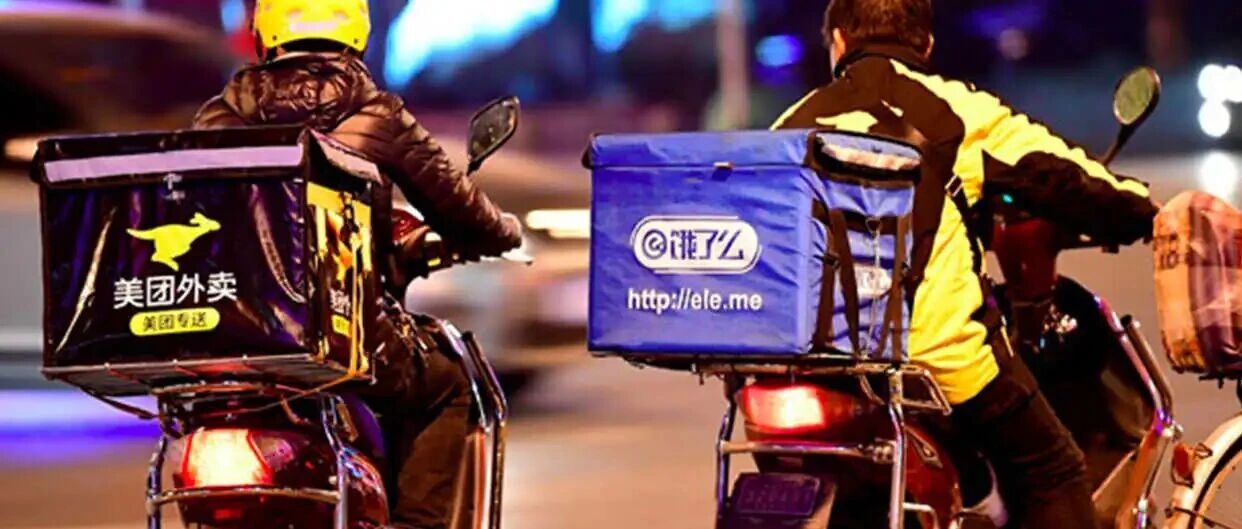
Core Insights - The recent food delivery war, characterized by over 10 billion yuan in subsidies from major platforms like Meituan, Taobao, and JD, has significantly impacted the industry, leading to increased order volumes but decreased profitability for many merchants [2][3][4] - The competition has altered consumer habits, with a notable shift towards delivery over dine-in, and has resulted in a waste of resources due to excessive promotions [6][9] Group 1: Impact on Merchants - Many merchants, like Yu Li, experienced a surge in sales during the subsidy war, with revenues exceeding 200,000 yuan in July compared to 50,000 yuan in July 2024, but faced doubled costs leading to negligible profits [3][4] - The average order value dropped from over 30 yuan to around 15 yuan during the subsidy period, affecting overall profitability [3][4] - Merchants like Huang Lin noted that low-priced subsidized items did not retain customers, and profits were higher when not participating in such promotions [4] Group 2: Impact on Delivery Riders - Delivery riders, such as Zhou Pengfei, reported increased earnings during the subsidy war, with daily incomes rising by 5,000 yuan and peak earnings exceeding 900 yuan on high-demand days [5] - The number of delivery riders has nearly doubled in some areas, indicating a significant increase in workforce due to the heightened demand [7] Group 3: Financial Performance of Platforms - Meituan reported a 2.8% year-on-year decline in revenue for its core local business in Q3, resulting in an operating loss of 14.1 billion yuan [7] - Alibaba's instant retail business saw a 60% year-on-year revenue increase, but adjusted EBITA fell by 78% to 907.3 million yuan due to investments in user experience and technology [7] Group 4: Industry Trends and Future Outlook - The food delivery industry is expected to enter a new phase as subsidies decrease and regulatory scrutiny increases, with a focus on sustainable operations and improved merchant profitability [10][11] - Platforms are shifting from aggressive market capture strategies to refined operations, aiming to balance user experience with commercial sustainability [10] - Regulatory bodies are emphasizing the protection of small merchants and the establishment of a more rational competitive environment [9][10]


亲历外卖补贴过山车:他们的爆单、疲惫与重新算账
第一财经· 2025-12-27 11:10
Core Viewpoint - The article discusses the intense competition in the food delivery industry during the subsidy war in July 2025, highlighting the challenges faced by restaurants and delivery personnel, as well as the long-term implications for the industry [4][10]. Group 1: Impact of the Subsidy War - The food delivery subsidy war led to a significant increase in order volume, but many restaurants reported that profits did not increase proportionately, with some experiencing losses despite higher sales [6][11]. - The average order value dropped significantly during the subsidy war, with some restaurants reporting a decrease from over 30 yuan to around 15 yuan per order [7]. - The competition resulted in a shift in consumer behavior, with a notable increase in the proportion of orders placed for delivery compared to dine-in [11]. Group 2: Financial Performance of Platforms - Meituan reported a 2.8% year-on-year decrease in revenue for its core local business in Q3 2025, resulting in an operating loss of 14.1 billion yuan [13]. - Alibaba's Q3 financial report indicated a 60% year-on-year increase in revenue from its instant retail business, but a significant decline in adjusted EBITA by 78% [13]. - The intense competition and high spending on subsidies have accelerated the development of instant retail, impacting traditional e-commerce dynamics [13]. Group 3: Industry Adjustments and Future Outlook - The article notes a shift towards more rational competition in the food delivery industry, with platforms beginning to reduce subsidy expenditures and focus on sustainable operations [15][16]. - Regulatory bodies are increasing scrutiny on the industry, addressing issues such as "ghost deliveries" and the rights of delivery personnel, which may lead to a more balanced market [15]. - Experts predict that the industry will evolve into a more mature phase, focusing on a symbiotic relationship between platforms and quality merchants, with an emphasis on user experience and profitability [16].
火了整整一年 AI更“懂人”了!
Sou Hu Cai Jing· 2025-12-27 09:43
Core Insights - The AI industry is experiencing significant advancements, marked by the release of the DeepSeek AI model, which has sparked a wave of revaluation in the tech sector [2] - AI applications are evolving from simple question-answering to executing complex multi-modal tasks, indicating a shift towards more sophisticated AI capabilities [3][4] - The competition in the AI sector is increasingly focused on multi-modal capabilities, where models must understand and generate various types of information [4] Group 1: AI Advancements - The launch of DeepSeek's AI model R1 on January 20, 2025, has ignited a revaluation of tech stocks in the A-share and Hong Kong markets, leading to a surge in AI-related companies [2] - AI applications are now capable of processing multi-modal information, moving from mere intent understanding to executing services based on real-world data [2][3] - The introduction of various AI applications, such as Sora 2 and the Ant Group's AI health app, showcases the growing sophistication and understanding of AI in real-world scenarios [4][5] Group 2: Market Dynamics - The AI industry is transitioning from a phase reliant on capital investment to one that demands self-sustainability and rigorous scrutiny, as evidenced by companies like Zhiyu and MiniMax seeking IPOs [7] - The investment landscape for AI has been robust, with significant funding rounds and a total of 186 financing events in the AIGC sector from July to November 2025, amounting to 33.67 billion [7] - Major tech companies are committing substantial resources to AI development, with Alibaba planning to invest at least 380 billion RMB over three years for cloud computing and AI infrastructure [7] Group 3: Application Trends - AI applications are becoming more specialized, with a notable increase in vertical applications in healthcare, as seen with the Ant Group's AQ brand upgrade to Ant Aifu [5][6] - The competitive edge in AI applications is shifting from model parameters to a deeper understanding of industry needs and the ability to create closed-loop solutions [6] - The current landscape features a mix of general-purpose AI and specialized applications, with a notable presence of healthcare-focused AI apps among the top user engagement rankings [5][6] Group 4: Future Outlook - The AI industry is at a critical juncture, transitioning from a conceptual phase to a growth phase, with a need to enhance monetization strategies for AI applications [9] - Predictions for 2026 indicate a focus on lightweight models and deeper integration of AI with the real economy, alongside the establishment of regulatory frameworks to guide industry development [9][10] - The emergence of embodied intelligence and AI smartphones is expected to drive significant growth, with a competitive focus on application ecosystems among various AI platforms [10]
数码家电行业周度市场观察-20251227
Ai Rui Zi Xun· 2025-12-27 08:05
Investment Rating - The report does not explicitly provide an investment rating for the industry Core Insights - The digital home appliance industry is experiencing a bifurcation, with companies in Hangzhou focusing on traffic operations and storytelling, while Shenzhen companies emphasize technical refinement and practical innovation [4] - The AI eyewear market is witnessing intense competition among major players like Google and Alibaba, with a projected market size of $4.2 billion by 2025, although consumer sentiment remains cautious [6] - The rise of AI emotional products is driven by the "loneliness economy," with a market expected to reach 59.5 billion yuan by 2028, as young consumers seek emotional companionship [6] - The humanoid robot sector is facing scrutiny over its reliance on remote control rather than autonomous intelligence, with a projected global shipment of only 1.38 million units by 2035 [7] - The AI model IPO race is heating up, with companies like MiniMax and Zhizhu AI vying for the title of "first AI model stock" in Hong Kong, indicating a shift from technology to commercialization [9] Industry Trends - The Hangzhou "Six Little Dragons" and Shenzhen "Invisible Champions" are contrasting entrepreneurial philosophies, with the former focusing on narrative and the latter on technical prowess [4] - The AI eyewear market is characterized by a shift from hardware to vertical scene integration and data control, with major players competing for market share and future interaction interfaces [6] - The AI emotional product market is evolving from functional needs to emotional value, driven by the increasing demand for companionship among young consumers [6] - The humanoid robot market is currently in a speculative phase, with significant investment but limited actual orders and production capacity [7] - The competition among AI models is intensifying, with a focus on ecosystem building and commercial validation as companies prepare for IPOs [9] Brand Dynamics - The AI investment landscape is witnessing a rush to IPO, with companies like Moonlight Dark Side negotiating significant funding and facing increased competition [17] - Ideal Auto has launched AI glasses as part of its strategy to integrate AI into physical products, emphasizing multi-modal data integration [18] - Xiaomi is making significant investments in humanoid robotics, aiming to leverage its existing technology and supply chain capabilities [19] - Google is re-entering the smart glasses market after a long hiatus, planning to launch new products that face challenges in market acceptance [20] - The AI assistant from Doubao is facing privacy concerns and restrictions from major app ecosystems, highlighting the tension between innovation and regulatory compliance [22]


拒绝「行活」舒适区,优酷用「无上限」激励创造新秩序
Sou Hu Cai Jing· 2025-12-27 07:05
Core Insights - The long video industry is transitioning into a new cycle focused on quality content creation after a prolonged phase of "land grabbing" and intense "cost reduction and efficiency improvement" [2] - A new industry anxiety has emerged as many projects are trapped in a "data inflation" cycle, where high surface-level popularity lacks genuine social impact and user reputation [2] - The traditional fixed fee model for content production limits ambition and creates a disconnect between content production and revenue mechanisms, leading to a market filled with mediocre content [2][5] Group 1: Industry Changes - The call for premium content to receive priority returns has been echoed in recent policies, such as the "21 Articles" directive [2] - Youku's new post-broadcast verification strategy, integrating the Effective Play Index (EPI) rating system, aims to break the wall between revenue and performance for content creators [2][5] - The EPI model shifts revenue structures from a fixed fee to a combination of fixed costs, variable management fees, and unlimited incentives, allowing for greater potential earnings based on performance [5][8] Group 2: EPI Model Implementation - The EPI model is designed to align content creators' earnings with actual audience engagement, moving the focus from merely satisfying platform demands to genuinely engaging users [8][9] - This model is a response to the industry's need for a more transparent and trust-based relationship between platforms and content creators, addressing concerns about data authenticity and algorithm transparency [9][12] - The EPI is not just a traffic metric; it incorporates multiple dimensions such as user scale, membership revenue, and viewing duration, thus reflecting the true commercial value of content [8][12] Group 3: Trust and Transparency - Youku's commitment to transparency includes real-time data access for content creators, allowing them to monitor their EPI scores and corresponding incentives [12] - The platform aims to build trust through clear standards and data sharing, moving away from the opaque "black box" nature of previous models [9][12] - Youku is also enhancing its industrial capabilities by providing advanced production tools and technologies to support content creators in achieving high EPI scores [12][14] Group 4: Talent Development - To address talent shortages in the industry, Youku is establishing a closed-loop system for screenwriters and directors, ensuring a continuous influx of new talent [15] - Initiatives like the "Whale Super Class" and collaborations with international entities aim to cultivate a robust talent pool for the industry [15] - These efforts signal a shift towards a more collaborative partnership model between platforms and content creators, fostering a symbiotic relationship [17]