
BABA(BABA)

Search documents
阿里巴巴-W(9988.HK)FY2026Q3财报前瞻:传统电商略疲软 即时零售持续投入 关注“云+AI+芯片”全栈战略下的增长潜力
Ge Long Hui· 2026-02-04 04:34
Core Viewpoint - Alibaba is expected to face challenges in its traditional e-commerce segment while showing growth in its cloud and international digital business, leading to a mixed financial outlook for FY2026Q3 [1][2][3] Group 1: Financial Projections - Total revenue for Alibaba in FY2026Q3 is projected to be 291 billion yuan, representing a year-over-year increase of 4% and a quarter-over-quarter increase of 17% [1] - Adjusted EBITA is expected to decline by 47% to 29.1 billion yuan, with an adjusted EBITA margin of 10% [1] - The Chinese e-commerce group is anticipated to generate revenue of 166 billion yuan, reflecting a year-over-year growth of 10% [1] - The cloud intelligence group is projected to achieve revenue of 43.2 billion yuan, with a year-over-year growth of 36% [1][2] Group 2: Segment Analysis - The traditional e-commerce segment is expected to see a slowdown in customer management revenue (CMR) growth, projected at 2.5% year-over-year, due to weakening market demand and increased compliance costs [1] - The adjusted EBITA for the Chinese e-commerce group is forecasted to decline by 40% to 36.2 billion yuan, primarily due to negative growth in traditional e-commerce profits [1] - The cloud intelligence group is optimistic about long-term revenue and profit growth, with a strategic focus on "cloud + AI + chips" [2] Group 3: International and Other Businesses - The international digital business is expected to grow by 10% year-over-year, with an adjusted EBITA forecast of -1.3 billion yuan [2] - Other business segments are projected to incur an adjusted EBITA loss of 8 billion yuan, significantly impacted by investments in AI and model training [2] - The company aims to capture 80% of the incremental AI cloud market in China by 2026, indicating a strong growth strategy for its cloud services [2] Group 4: Investment Outlook - Revenue forecasts for FY2026-2028 are set at 1,036.4 billion yuan, 1,132.7 billion yuan, and 1,235.2 billion yuan respectively, with net profits expected to be 108.7 billion yuan, 116.6 billion yuan, and 149.3 billion yuan [3] - The target market capitalization for Alibaba in FY2027 is estimated at 3,177.6 billion yuan, with a target price of 166 yuan per share [3] - The company maintains a "buy" rating despite short-term profit disruptions due to ongoing investments in instant retail and AI exploration [3]
微信屏蔽元宝红包链接,元宝回应:正在紧急优化调整机制
2 1 Shi Ji Jing Ji Bao Dao· 2026-02-04 04:02
春节C端大战拉响,大厂内部先出现了不统一声音。今日微信表示,已屏蔽腾讯元宝的红包链接。 现金获取方式主要有两种:其一,通过好友分享红包,每人每天最多抢3个不同用户发出的红包;其 二,通过完成任务获得抽奖机会,现金红包中奖概率约30%,单个红包金额在0.01—8.88元不等。 21世纪经济报道记者肖潇 北京报道 微信派公众号今日发文称,近期发布了《针对第三方违规行为的打击公告》,对以春节为主题集中爆发 的过度营销、诱导分享等违规行为进行打击。在此背景下,收到了用户针对元宝的反馈和投诉,其相关 春节营销活动存在通过"做任务""领红包"等方式诱导用户高频分享链接到微信群等场景,干扰平台生态 秩序、影响用户体验、对用户造成骚扰。 微信方面表示,经研判,对元宝的违规链接进行处置,限制其在微信内直接打开。相关处置措施即日生 效。 21记者注意到,目前在微信群点击元宝红包链接后,会弹出提示:"网页包含诱导分享、关注等诱导行 为内容",用户需手动复制链接至浏览器才能访问,无法直接跳转。 元宝方面随后在微博回应称,正在紧急优化调整分享机制,将尽快上线,以确保用户抢红包体验。 元宝本轮社交裂变始于四天前。2月1日,元宝春节红包活 ...
债市早报:资金面整体平稳;债市以震荡为主
Jin Rong Jie· 2026-02-04 03:26
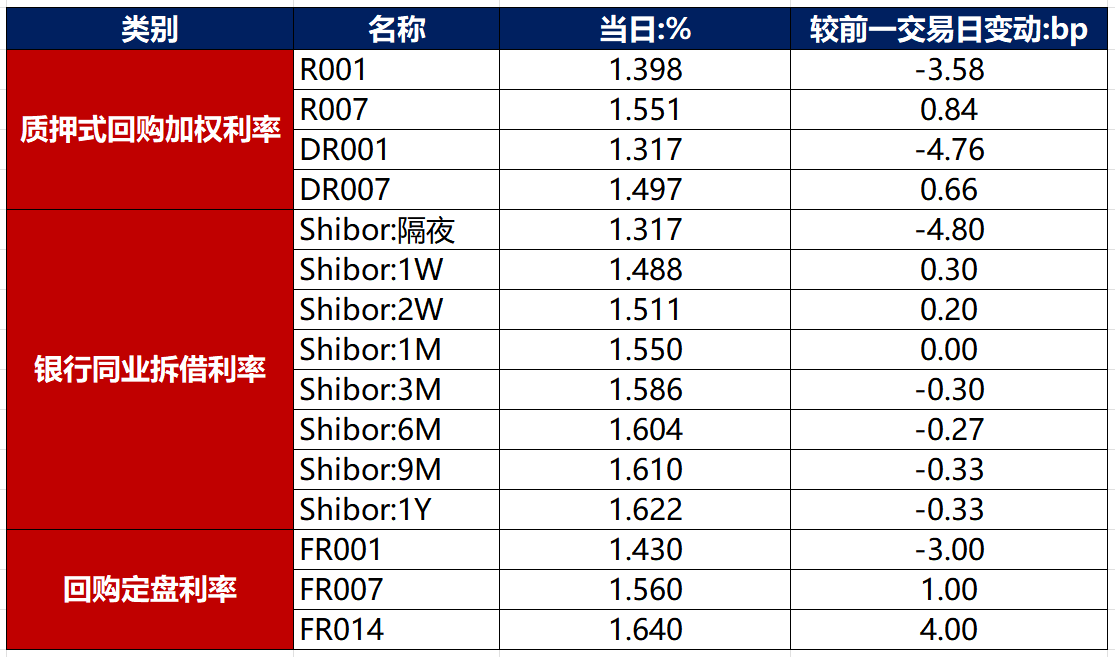
【内容摘要】2月3日,资金面整体平稳;债市以震荡为主,短债偏弱,中长债略强;转债市场主要指数集体跟涨,转债个券多数上涨;各期限美债收益率走 势分化,主要欧洲经济体10年期国债收益率普遍上行。 一、债市要闻 (一)国内要闻 【2026年中央一号文件发布】2月3日,2026年中央一号文件《中共中央 国务院关于锚定农业农村现代化 扎实推进乡村全面振兴的意见》发布。《意见》提 出,深化农村集体产权制度改革,支持发展新型农村集体经济,严控新增村级债务。健全农垦国有资产资源监管体制。创新乡村振兴投融资机制。优先保障 农业农村领域一般公共预算投入,提升财政支农政策效能和资金效益。用足用好专项债、超长期特别国债,支持符合条件的农业农村领域重大项目建设。健 全财政金融协同支农投入机制,充分发挥支农支小再贷款、科技创新和技术改造再贷款等政策激励作用,推动金融机构加大对农业农村领域资金投放。加大 对涉农企业和农户贷款展期、续贷支持力度。 【央行加量续做3个月期买断式逆回购】2月3日,央行发布公开市场买断式逆回购招标公告。公告显示,为保持银行体系流动性充裕,2月4日,央行将以固 定数量、利率招标、多重价位中标方式开展8000亿元买断 ...


AI打开2026年新春消费新空
Xin Hua She· 2026-02-04 02:41
新华社北京2月3日电 2月2日,阿里巴巴旗下的千问App宣布投入30亿元启动"春节请客计划",联合淘宝 闪购、飞猪、大麦、盒马、天猫超市、支付宝等阿里生态业务,发放现金红包、提供免单机会。 近日,在小米集团与蚂蚁集团的联手合作下,AI眼镜又落地了新功能——停车缴费。在此之前,京东 科技携手智能眼镜品牌乐奇,已推动AI眼镜购物应用落地。 "千问App希望通过真金白银的投入,培养用户'有事找AI'的习惯。"千问产品负责人郑嗣寿表示,用户 不再需要在多个手机应用之间反复跳转,只需向AI表达意图,即可完成从决策到履约的全过程,带来 AI时代的全新消费体验。 不久前,腾讯也上线了春节活动,用户上元宝App可分10亿元现金红包;百度宣布,自1月26日至3月12 日,用户在百度App使用文心助手,有机会瓜分5亿元现金红包。 开启AI红包大战、发放新春消费券、直播间里办"新春大集"……2026年春节来临之际,多家互联网平台 已经开启消费预热模式。 互联网公司在春节扎堆营销自家AI的背后,不仅只是在争夺超级流量入口,更是看中了可供挖掘的消 费潜力。 借助提前预见的能力,人工智能技术正在消费领域唤醒需求:空调小程序根据近期用电峰 ...



中国互联网:暂未发现增值税影响的证据-China Internet-No Evidence of VAT Impact
2026-02-04 02:32
February 3, 2026 01:08 PM GMT China Internet | Asia Pacific No Evidence of VAT Impact We think market concern about potential negative impact from VAT regulation is overdone – state media Xinhua dismissed speculation. Unlike telcos, there's no evidence of any change in VAT on Internet-related service revenues (games, ads, etc.). Key Takeaways At one point on February 3, the Hang Seng Tech Index was down >3% (Tencent -6%; BABA -5%) in the morning session, mainly driven by market concern about potential negat ...
国内外AI年报分析展望




2026-02-04 02:27
Summary of the Conference Call on AI Annual Report Analysis Industry Overview - The conference focused on the analysis and outlook of AI annual reports, particularly in the TMT (Technology, Media, and Telecommunications) sector, with a specific emphasis on domestic and international AI companies [1][2][4]. Key Points and Arguments General Market Sentiment - The period from October 31 to March is characterized as a performance vacuum, where the focus is on thematic investments rather than immediate earnings results [2][3]. - The spring market is expected to see a resurgence, with significant activity anticipated around March [3][4]. North American Companies - North American companies, particularly those involved in AI and cloud computing, have reported earnings that exceeded expectations, indicating strong capital expenditure in AI [4][6]. - Companies like Microsoft and Meta have shown robust spending on AI infrastructure, reflecting a positive outlook for the sector [4][6]. - Despite some domestic companies underperforming, their stock prices have rebounded, suggesting that market sentiment is more focused on thematic trends rather than immediate earnings [5][6]. Domestic AI Companies - Domestic AI companies are experiencing a supply-demand imbalance, with strong demand for AI-related products and services, despite some companies reporting earnings below expectations [6][7]. - The industry is characterized by a shortage of materials and components, which is driving prices up and creating a favorable environment for growth [6][7][10]. Future Growth Projections - There is a consensus that the growth trajectory for AI companies will continue to be strong, with expectations for significant growth in 2026 and beyond [8][9]. - Many companies are currently undervalued, trading at price-to-earnings (P/E) ratios between 15x to 20x, which presents a potential investment opportunity [8][9]. Specific Company Insights - Companies like Wan, Tianfu Communication, and others are highlighted for their potential despite recent earnings misses, as the overall industry outlook remains positive [4][6][7]. - The demand for GPUs and AI chips is expected to remain high, with domestic companies like Cambrian facing challenges but still showing potential for recovery [9][10]. Application and Innovation - The conference emphasized the importance of AI applications, particularly in gaming and media, with companies like Tencent and ByteDance leading the charge [14][15]. - The emergence of AI-driven applications is seen as a significant growth area, with expectations for increased investment and innovation in this space [14][15]. Regulatory and Market Concerns - There are concerns regarding potential regulatory impacts on the gaming industry, but these are largely viewed as unfounded and not likely to affect the overall market significantly [15][16]. - The market is currently experiencing volatility, but analysts suggest that this presents buying opportunities for fundamentally strong companies [21][22]. Additional Important Insights - The conference highlighted the importance of monitoring capital expenditure trends among major tech companies, as this will influence the demand for AI infrastructure and services [36][37]. - The potential for new technologies, such as diamond-based cooling materials for semiconductors, was discussed as a future growth area [24][25]. - Analysts recommend focusing on companies with strong fundamentals and growth potential, particularly in the AI and semiconductor sectors, as the market continues to evolve [22][23][39].
未知机构:看好互联网龙头关注AI模型及应用迭代一事件近日三大电信运-20260204
未知机构· 2026-02-04 02:10
Summary of Conference Call Notes Industry Overview - The telecommunications industry is facing a change in the value-added tax (VAT) rate, with the tax rate increasing from 6% to 9% for certain services, which will impact company revenues and profits [1][2]. - Concerns have been raised regarding whether the financial and internet sectors will also face similar VAT rate increases [2][3]. Key Points on Tax Policy - The Ministry of Finance and the State Administration of Taxation announced that only mobile data, SMS, MMS, and broadband access services will be reclassified from "value-added telecommunications services" (6% VAT) to "basic telecommunications services" (9% VAT) by 2026 [2][3]. - Internet value-added services, such as gaming and advertising, will maintain a stable VAT rate of 6%, with no indications of an increase [4]. Positive Outlook on Chinese Internet Companies - **Alibaba (9988.HK)**: - Strong potential for the Qianwen App due to its robust model capabilities and extensive business ecosystem, positioning it well for the AI era [4]. - As one of the largest cloud service providers in the Asia-Pacific region, Alibaba is expected to maintain high growth in cloud business driven by AI demand [4]. - The self-developed AI chip "Zhenwu 810E" enhances the training and inference efficiency of the Qwen model [4]. - Improvement in instant retail user experience (UE) is noted. - Target price set at HKD 200 for Alibaba, with a "Buy" rating reaffirmed [4]. - **Tencent Holdings (0700.HK)**: - Active in AI initiatives, including intensive recruitment of high-end AI talent and the launch of "Yuanbao" with a distribution of 1 billion cash rewards [4]. - Tencent's vast user base in the WeChat ecosystem allows for better AI user experiences through enhanced data quality and model optimization [4]. - Target price set at HKD 767 for Tencent, with a "Buy" rating reaffirmed [5]. - **Kuaishou (1024.HK)**: - Expected revenue for Kuaishou AI in 2025 is projected to reach USD 140 million, significantly exceeding the target of USD 60 million [5]. - The Kuaishou 2.6 model ranks among the top in the ArtificialAnalysis video model rankings, with the upcoming Kuaishou 3.0 expected to enhance productivity tool attributes [5]. - The OneRec and OneSearch features are designed to improve recommendation and search efficiency in e-commerce scenarios [5]. - Target price set at HKD 94 for Kuaishou, with a "Buy" rating reaffirmed [5]. Additional Insights - The reclassification of telecommunications services is a clear policy direction that does not affect internet value-added services, which may provide a competitive advantage for companies in the internet sector [3][4]. - The focus on AI capabilities and enhancements in user experience across major internet companies indicates a strong trend towards leveraging technology for growth and market positioning [4][5].
发红包能否换来AI刚需
Bei Jing Ri Bao Ke Hu Duan· 2026-02-04 01:50
本报记者 袁璐 春节临近,互联网巨头间的"红包大战"再度打响。腾讯元宝抢先出手,撒出10亿元现金红包;百度紧随 其后,投入5亿元加入战局;阿里千问则启动规模达30亿元的"春节请客计划"。 这场亿元级别的"红包雨",背后是大厂对AI(人工智能)流量入口的激烈争夺,各家都想复刻当年微信 通过红包引爆市场的成功。但行业专家指出,若后续产品力不足,热闹可能只是"昙花一现"。唯有把短 期流量转化为真实的用户习惯,才是实现长效增长的关键。 春节红包大战再起 2月2日,阿里巴巴旗下AI助手"千问"宣布将于6日正式上线总额30亿元的"春节请客计划"。该计划联合 淘宝闪购、飞猪、大麦、盒马等阿里系业务,以"免单"形式为用户提供消费福利。 1月25日,腾讯元宝宣布将分10亿元现金红包,活动自2月1日持续至17日,单个红包最高可达万元。同 日,百度也宣布,1月26日至3月12日期间,在百度App使用文心助手可参与瓜分5亿元现金红包,最高 奖励同样为1万元。 记者注意到,与以往"直接撒钱"不同,此次三家公布的红包活动均与AI产品功能进行了深度绑定。 腾讯元宝的红包玩法植根于其社交生态。用户可通过每日登录、完成任务抽奖、分享至微信或Q ...
AI与机器人盘前速递丨百度阿里打响春晚 AI 流量战,人形机器人创新中心融资7亿!
Mei Ri Jing Ji Xin Wen· 2026-02-04 01:16
3.武汉经开区企业武汉市龙点睛智能科技有限公司自研的"龙点睛穿刺手术导航设备",近日获国家药监 局三类医疗器械审批并上市,该设备可助力医生安全、精准、高效开展肺结节活检、肿瘤消融等微创手 术。 【机构观点】 东方证券研报称,机器人板块确定性加强,后续设备性能将大幅提升,有望加速在工业及C端场景的需 求突破,人形机器人市场空间进一步打开,催生投资机会;机器人拟人化趋势将带动传感器、电子皮肤 等相关零部件需求,而国内在汽车、工程机械零部件领域已验证优秀制造与管理能力的公司,有望在该 赛道占据更高份额。 (文章来源:每日经济新闻) 【市场复盘】 本周二(2月3日),A股人工智能与机器人赛道爆发,相关主题ETF强势上涨,普涨格局凸显市场做多热 情。机器人ETF(562500)早盘高开后在日均线附近盘整,午后持续拉升冲高,最新价1.072元,较开盘价 上涨2.682%。持仓层面,66只成分股中62只同步上涨,普涨态势鲜明,科瑞技术强势涨停,中控技术 等4只个股涨超6%形成强劲跟涨梯队,无明显下跌标的拖累盘面。流动性方面,成交额达11.29亿元, 换手率4.54%,成交活跃度稳居高位,量能充分支撑上涨走势。科创人工智能E ...

百度阿里打响春晚 AI 流量战,人形机器人创新中心融资7亿!
Mei Ri Jing Ji Xin Wen· 2026-02-04 01:09
【市场复盘】 本周二(2月3日),A股人工智能与机器人赛道爆发,相关主题ETF强势上涨,普涨格局凸显市场做多热 情。机器人ETF(562500)早盘高开后在日均线附近盘整,午后持续拉升冲高,最新价1.072元,较开盘价 上涨2.682%。持仓层面,66只成分股中62只同步上涨,普涨态势鲜明,科瑞技术(002957)强势涨 停,中控技术等4只个股涨超6%形成强劲跟涨梯队,无明显下跌标的拖累盘面。流动性方面,成交额达 11.29亿元,换手率4.54%,成交活跃度稳居高位,量能充分支撑上涨走势。科创人工智能ETF华夏 (589010)早盘高开后小幅回落,午后震荡上行,最新价1.594元,较开盘价上涨2.179%。持仓层面,30只 成分股做多力量集中释放,28只个股同步走涨,思看科技大涨9.90%领涨,芯原股份等3只个股涨超7% 形成跟涨梯队;仅寒武纪跌超9%形成个别拖累,对盘面影响有限。流动性方面,成交额8889万元,换 手率3.47%,成交活跃度维持高位,场内交投情绪热烈;资金端表现积极,昨日净流入1900万元资金, 彰显市场对赛道上涨的坚定信心。 【热点要闻】 1.2月3日百度、阿里同日官宣2026年春晚相关合 ...