BMW(BMWYY)

Search documents
东北第一城,失速了!
3 6 Ke· 2025-11-28 03:27
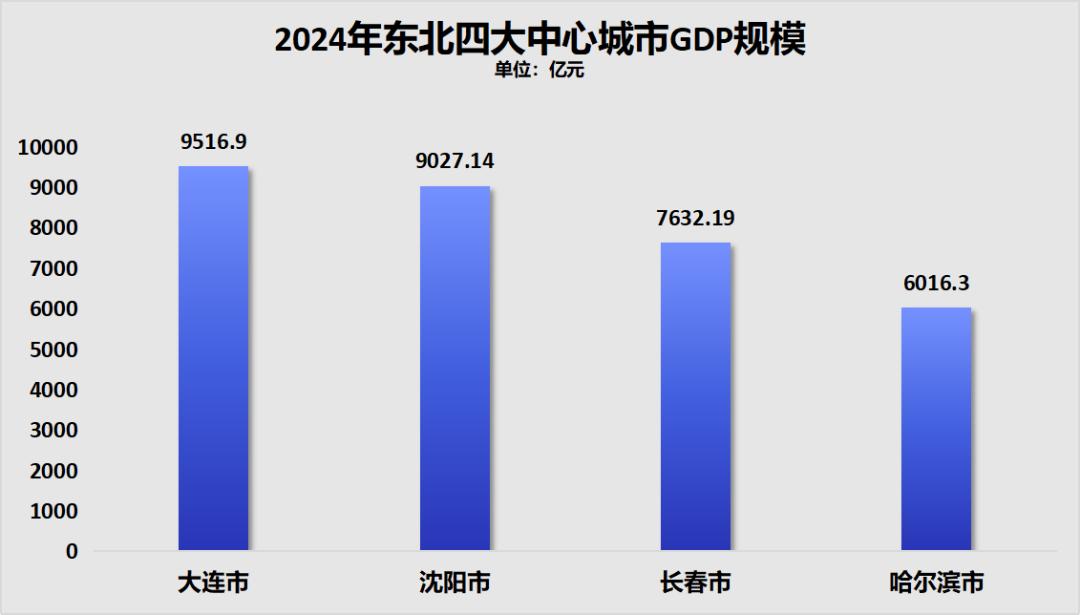
Core Viewpoint - Shenyang is positioned as the leading city in Northeast China, despite its current economic challenges, particularly in the industrial sector, which is crucial for its overall economic performance [5][10][15]. Economic Comparison - Shenyang's GDP is 902.71 billion, while Dalian leads with 951.69 billion. Shenyang has a higher total financial assets of 23,258.6 billion compared to Dalian's 21,018.3 billion [4][3]. - In terms of fiscal revenue, Shenyang also outperforms its peers with 82.56 billion, while Dalian has 77.48 billion [4]. Industrial Performance - Shenyang's industrial sector is facing significant challenges, with a 1.9% decline in the secondary industry and a 4.7% drop in industrial output value [13][14]. - The automotive industry, which constitutes 48.7% of Shenyang's industrial revenue, is particularly affected, with a reported revenue of 334.91 billion [15][16]. Strategic Positioning - Shenyang is designated as a national historical and cultural city and an international transportation hub, with plans to enhance its role as a center for advanced manufacturing and modern services in Northeast Asia [5][6][7]. - The city is actively pursuing the development of new energy vehicles, particularly methanol and hydrogen fuel vehicles, to adapt to changing market conditions [26][30]. Future Initiatives - Shenyang aims to optimize its industrial structure by promoting traditional industries while fostering emerging sectors, including artificial intelligence and advanced manufacturing [28][32]. - The city is implementing a "chain leader system" to enhance collaboration among key industries, targeting a total scale of over 1 trillion in ten key industrial clusters by the end of 2024 [35].

万江与宝马地热能供热项目投入运营 中德合作共赴零碳之约生动实践再升级
Zhong Guo Qi Che Bao Wang· 2025-11-27 08:15
Core Viewpoint - The collaboration between Wanjiang and BMW on the geothermal heating project exemplifies innovative practices in industrial decarbonization, contributing to China's green transformation and global climate governance efforts [4][12][14]. Group 1: Project Overview - The geothermal heating project at the BMW powertrain factory and sixth-generation battery center is the first large-scale application of geothermal energy in China's industrial sector, officially launched on October 31 [4]. - The project utilizes a deep geothermal heat exchange system, extracting heat from 2,900 meters underground, and is designed to operate without water extraction or pollution generation [11][12]. - The project is expected to reduce carbon emissions by 18,000 tons annually, equivalent to the carbon footprint of a car circling the Earth 3,000 times [12]. Group 2: Collaborative Efforts - The project is a result of collaboration between BMW, China Huaneng Group, and Wanjiang New Energy, showcasing a successful model of cross-border and cross-industry cooperation [7][13]. - The project was completed in just one and a half years, highlighting the efficiency often referred to as "China speed" in project execution [7][14]. - The initiative aligns with China's dual carbon strategy, aiming for significant reductions in carbon emissions across various sectors [12][16]. Group 3: Industry Impact - The geothermal project serves as a benchmark for zero-carbon industrial parks and is seen as a replicable model for low-carbon transformation in other regions [13][16]. - It reflects the growing trend of integrating renewable energy solutions into industrial processes, addressing the urgent need for energy structure reform in the industrial sector [12][16]. - The project is positioned as a key example of how local green technology can meet international sustainability goals, contributing to global climate governance [14][16].

不出意外德国工业的“去中国化”,将变成全网笑话
芯世相· 2025-11-26 11:31
Core Viewpoint - The article discusses the ongoing industrial crisis in Germany, highlighting the paradox of German companies increasingly relying on China despite political calls for "decoupling" from the Chinese market. It argues that the notion of "de-Chinafication" is unrealistic and counterproductive, as German industries are deeply integrated with Chinese markets and technologies [10][21][29]. Group 1: Industrial Crisis in Germany - German industrial companies are experiencing a significant decline in competitiveness, with a recent survey indicating that 36.6% of firms feel disadvantaged compared to non-EU competitors, marking a historical low [12][13]. - The crisis is attributed to structural issues such as an aging population, a shortage of skilled labor, rising labor costs, and bureaucratic inefficiencies, which collectively exert pressure on business operations [14][15]. - A notable trend is the migration of German companies abroad, with 70% of energy-intensive firms planning to invest overseas, reflecting a loss of confidence in the domestic industrial landscape [16][17]. Group 2: Dependence on China - Despite political rhetoric advocating for reduced reliance on China, trade data shows that Germany's imports and exports with China reached €163.4 billion (approximately $190.7 billion) from January to August, surpassing trade with the U.S. [22][23]. - German companies are increasingly viewing China not just as a low-cost manufacturing base but as a critical driver for technological innovation and market growth, as evidenced by BMW's investment in hydrogen fuel cell production in China [22][23]. - BASF's significant investment in a chemical production facility in Guangdong, totaling €10 billion, underscores the strategic importance of the Chinese market for German firms [23][24]. Group 3: Global Industrial Landscape Shift - The article highlights a historical shift in global industrial power, with developing countries, particularly China, increasing their share of global manufacturing value added, which now stands at 31% [30][31]. - China's manufacturing prowess is evident in various sectors, including electric vehicles and semiconductors, where it leads global production [33][34]. - The article concludes that the "de-Chinafication" narrative is fundamentally flawed, as it contradicts economic principles and the realities of global supply chains, ultimately harming Germany's industrial competitiveness [35][36].


宝马集团携超20款车型亮相广州车展 国产新世代iX3明年上市
Jing Ji Guan Cha Bao· 2025-11-25 13:58
Group 1 - BMW Group showcased over 20 core products from its BMW, MINI, and BMW Motorrad brands at the Guangzhou Auto Show, highlighting its product layout and technological breakthroughs in the luxury automotive market [1][3] - The new generation BMW iX3, a long-wheelbase version, is set to be mass-produced and launched in the second half of 2026, demonstrating BMW's commitment to the Chinese market [1][2] - The 2026 BMW X5 model features upgrades in intelligence, comfort, and luxury design, with standard configurations including a driving assistance system, ventilated front seats, heated rear seats, and high-end audio systems [1] Group 2 - The MINI brand presented seven unique models that embody the "mini to the max" design philosophy, including the electric MINI COOPER PAUL SMITH designer edition, which made its debut in China [2] - BMW's new generation technology cluster was highlighted, featuring the self-developed "Driving Control Super Brain" that integrates core functions and responds to driving intentions in 1 millisecond, recognized as a global innovation in electric vehicles [2] - The new generation electric drive system in the BMW iX3 boasts a 20% increase in energy density and a comprehensive range exceeding 900 kilometers, with a rapid charging capability of 400 kilometers in just 10 minutes [2] Group 3 - BMW Group's CEO for Greater China, Gao Xiang, emphasized the company's commitment to meeting local customer needs and leading the future of luxury mobility through innovation and deepening local engagement [3] - The exhibition lineup covers a wide range of market segments from entry-level compact to large luxury vehicles, showcasing BMW's product strength and forward-looking strategy in its core market [3]
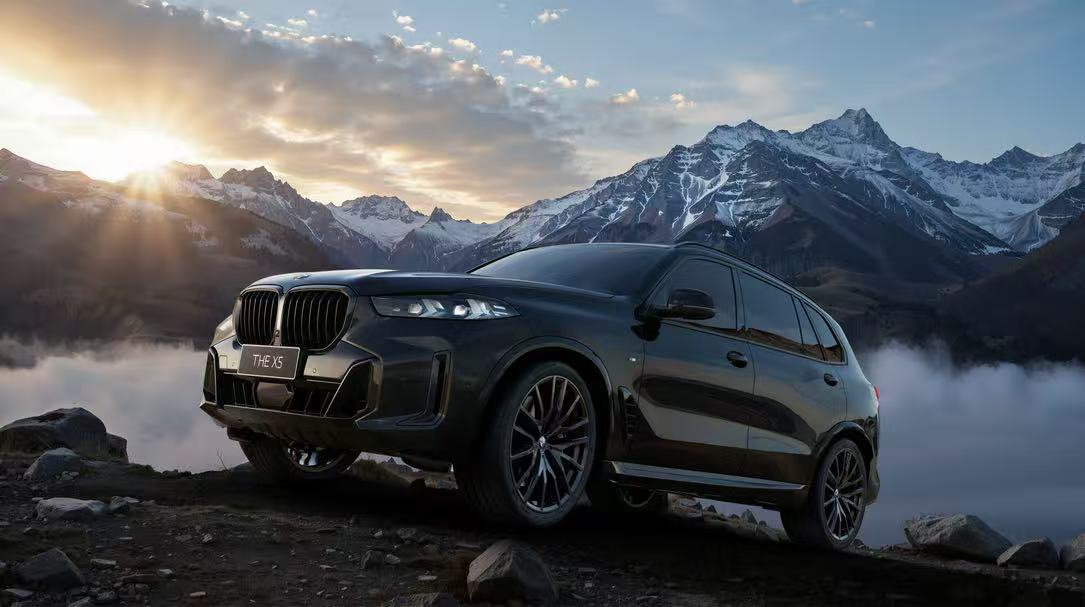
更懂中国用户需求,2026款BMW X5三大维度诚意升级
Zhong Guo Jing Ji Wang· 2025-11-25 06:34
Core Insights - The BMW X5 has been a leading product for BMW since it pioneered the luxury Sports Activity Vehicle (SAV) segment 26 years ago, particularly excelling in the Chinese market with 700,000 users [1][3] - The 2026 BMW X5 will enhance its value by focusing on three key dimensions: intelligence, comfort luxury, and personalized design, aiming to reward Chinese consumers for their loyalty [3][9] Product Evolution - The original BMW X5 launched in 1999 introduced advanced technologies such as hill descent control and off-road engine management, combined with powerful 6-cylinder and 8-cylinder engines, establishing its capability in various terrains [3][6] - The second generation in 2006 brought breakthroughs in all-scenario driving and digital technology, including the advanced BMW iDrive system and electronic gear shifter [6] - The third generation in 2013 focused on lightweight design and efficient power, utilizing aerodynamic enhancements and turbocharged engines for improved performance [7] - The fourth generation in 2018 featured a complete overhaul of luxury technology and driving assistance functions, balancing road handling with all-terrain adaptability [7] - In 2022, the BMW X5 was locally produced in China, introducing a long-wheelbase version to meet local market demands, enhancing both driving pleasure and luxury comfort [7] Upgrades in 2026 Model - The 2026 BMW X5 will include the upgraded Driving Assistance Pro as standard across the range, designed for user-friendliness and safety [9] - Comfort luxury features will be enhanced with standard front seat ventilation, comfort seating, and rear seat heating, catering to seasonal needs [9] - The aesthetic upgrades will include larger wheels and M calipers on the 40Li model, with the top model offering a free black package option for a fully blacked-out appearance, alongside standard high-end Harman Kardon audio and head-up display [9]
X @Bloomberg
Bloomberg· 2025-11-24 16:18
BMW is weighing the addition of range extenders to some of its electric vehicles amid growing demand for the technology popularized by its Chinese rivals, according to people familiar with the company’s strategy. https://t.co/kaJj4wK1WH ...
威兰达、宝马X5、一汽奥迪A5L等重磅上市新车汇总
Zhong Guo Zhi Liang Xin Wen Wang· 2025-11-24 06:16
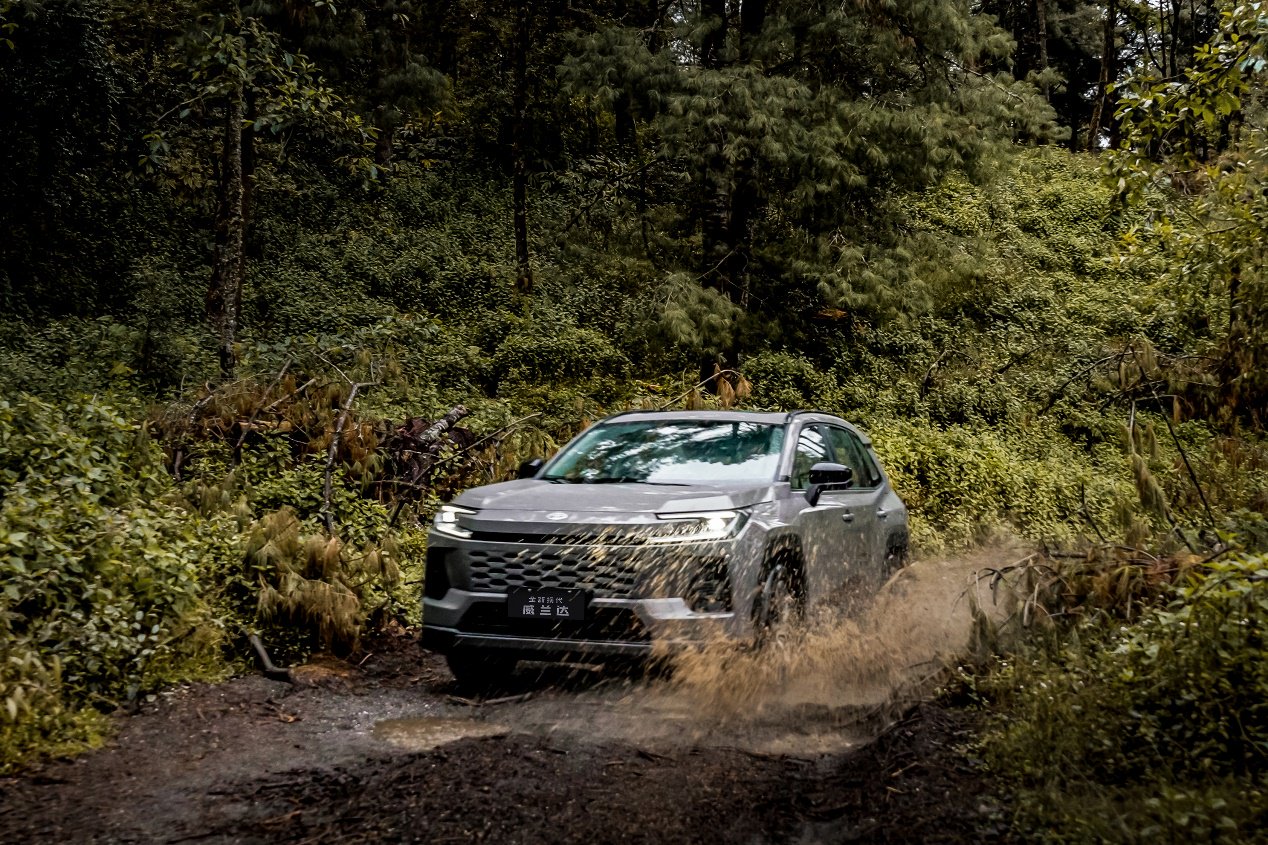
Core Insights - The 2025 Guangzhou Auto Show showcases significant advancements in the automotive industry, with GAC Toyota's new generation of the Venza lowering the hybrid SUV price threshold to under 200,000 yuan, while BMW X5 and Mercedes-Benz GLB also see configuration upgrades and price reductions [1][3] GAC Toyota Venza - The new generation Venza starts at 159,800 yuan, with the entry-level version being a luxury model [3] - It introduces a new 2.0L hybrid version alongside the existing 2.5L hybrid, significantly enhancing cost-performance [3] - The vehicle features Toyota's latest TSS 4.0 intelligent driving assistance system, with an increase in sensor count from 12 to 24 and enhanced camera resolution [3][4] - Fuel consumption for the new 2.0L hybrid is as low as 4.59L per 100km, with a 14.3% increase in power output [4] Audi A5L - The Audi A5L Qian Kun Intelligent Driving version starts at 286,800 yuan, featuring a collaboration with Huawei for advanced electronic architecture [5][7] - It includes dual laser radar for enhanced perception and supports various driving assistance features [7] BMW X5 - The BMW X5's price ranges from 598,000 to 748,000 yuan, with a reduction in model variants from four to three and an upgrade in standard configurations [9] - The entire range now includes the Pro intelligent driving assistance system and enhanced seating comfort features [9] Mercedes-Benz GLB - The Mercedes-Benz GLB220 Heritage Edition is priced at 349,900 yuan, featuring a sporty design and upgraded standard equipment [11] - New standard features include intelligent navigation assistance and heated front seats, enhancing comfort and usability [11] Changan Q05 - The Changan Q05, a new small SUV, starts at 79,900 yuan and is built on a pure electric platform [13][14] - It offers advanced interior technology and a range of power options, including a 120 kW electric motor [14] Lincoln Nautilus - The Lincoln Nautilus Atlantis version is priced at 259,900 yuan, featuring a luxurious design and advanced safety features [16] - It includes a 2.0T turbocharged engine with a maximum power of 258 horsepower [16] Other Models - The YANGWANG U7 is priced between 628,000 and 708,000 yuan, featuring advanced interior and exterior designs [18] - The Lexus NX Limited Edition starts at 309,600 yuan, showcasing a unique color scheme and advanced ergonomic design [20] - The Jietu Zongheng G700 Ring Tower Edition starts at 334,900 yuan, featuring a hybrid powertrain with significant power output [22] - The Dongfeng Nissan Teana with Harmony OS starts at 129,900 yuan, offering advanced comfort features and a powerful 2.0T engine [24]

德国经济面临的结构性挑战:从出口引擎到转型阵痛
Di Yi Cai Jing· 2025-11-23 12:14
Economic Overview - Germany's economy is at a crossroads, facing manufacturing recession, collapsing exports, expanding debt, and technological lag [1][16] - The GDP growth forecast for 2025 is only 0.2%, significantly lower than the Eurozone average of 0.8% [2][7] - Structural issues are deeply rooted, including a collapsing export model, declining manufacturing competitiveness, and a lack of digital transformation [2][8] Manufacturing Sector Challenges - The manufacturing sector, which accounts for about 20% of GDP, is in crisis, particularly the automotive industry, which contributes 5% of GDP and employs 800,000 directly [3][4] - Major automotive companies like Porsche and Volkswagen are experiencing severe profit declines and production halts due to supply chain disruptions and high costs associated with electric vehicle (EV) transitions [3][4] - The automotive industry's export has decreased by 8% in the first three quarters of 2025, with EV penetration at only 18%, far below the EU target of 25% [4][11] Small and Medium Enterprises (SMEs) Struggles - SMEs are facing a dire situation, with a 12.2% increase in bankruptcy rates in the first half of 2025 compared to 2024 [5] - The mechanical engineering sector's orders have plummeted by over 20%, with 33% of SMEs rating the current situation as "bad" or "very bad" [5][11] - The overall manufacturing output has declined by 10% in the first three quarters of 2025, indicating a broader manufacturing recession [5][11] Export Market Decline - Germany's export model, which heavily relies on high-end products, is collapsing, with total exports expected to shrink by 2% to 3% in 2025 [9][11] - The U.S. market has seen a significant drop in exports, with a 20% decline in August 2025 due to high tariffs [10] - The Chinese market is also becoming a challenge, with local brands capturing a significant market share, leading to a 13.5% decline in automotive exports to China [10][11] Fiscal Policy Adjustments - The German government has adjusted its strict fiscal discipline to allow for a special fund of €500 billion for defense and infrastructure, which is independent of the debt brake [12][13] - This fund aims to stimulate short-term growth, with infrastructure investments expected to rise by 15% in 2025 [13] - However, long-term risks remain, as additional debt could lead to increased interest burdens if growth does not exceed 1% [13][14] Technological Transition Issues - Germany is lagging in the digital revolution, with only 2% of global AI investment, despite being a leader in Industry 4.0 [15][16] - The manufacturing cost index has risen by 25% since 2022, leading to a 15% decline in export competitiveness [15] - The government is attempting to attract talent and investment in AI, with a €55 billion investment from Google expected to contribute significantly to GDP and job creation [16]
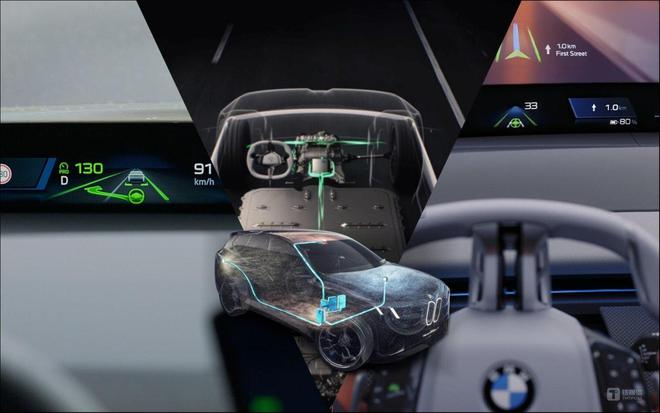
宝马新世代技术集群广州车展亮相
Liao Ning Ri Bao· 2025-11-22 23:49
Core Insights - The new generation BMW iX3 will begin mass production at the Shenyang plant next year, with comprehensive vehicle testing currently underway globally [1] - The first model of the new generation, the long-wheelbase BMW iX3, is set to launch in the second half of 2026 [1] - The new generation represents not just a vehicle but the future of the BMW brand and its next-generation products [1] Technology and Innovation - The new generation BMW iX3 will feature the BMW Driving Control Super Brain, new generation electric drive, panoramic iDrive, and advanced intelligent driving assistance solutions [1] - The new generation electric drive system debuts at the Guangzhou Auto Show, utilizing BMW's unique 4695 large cylindrical battery cells, which increase energy density by 20% compared to previous models [1] - The electric drive system combines a unique excitation synchronous motor with an asynchronous motor, reducing energy loss by 40% and improving overall vehicle efficiency by 20% [1] Performance Metrics - The CLTC comprehensive range of the new generation BMW iX3 exceeds 900 kilometers [1] - The 800V high-voltage platform enhances charging efficiency, allowing for a 400-kilometer charge in just 10 minutes [1]
BMW新世代四大技术上车:电动化能否守住“宝马味”?
Tai Mei Ti A P P· 2025-11-22 10:11
Core Insights - BMW showcases its new generation technology cluster at the 2025 Guangzhou Auto Show, emphasizing its advancements in electric and intelligent driving technologies [2] - The new generation BMW iX3 will be the first model to feature these technologies, set to be produced in 2026 at BMW's Shenyang plant, representing a significant step in BMW's future direction [2] Electric Drive System - The sixth-generation eDrive system is highlighted as a "performance champion," featuring a 46mm standard diameter cylindrical battery that achieves a 20% increase in energy density [3] - The system supports an 800V high-voltage platform, allowing for a 400km range increase with just 10 minutes of charging, and a CLTC range exceeding 900km [3] Driving Control Technology - The BMW Driving Control Super Brain integrates AI algorithms and hardware to replicate the driving feel of traditional fuel vehicles, addressing common issues in electric vehicle handling [3][4] - It processes data from 23 sensing units to perform 1000 dynamic calculations per second, enabling real-time adjustments to torque distribution, suspension damping, and steering force [3] Intelligent Cockpit and User Experience - The new panoramic iDrive system focuses on user-centered, scenario-based simplification, utilizing AR technology to enhance information accessibility while maintaining driving safety [5] - BMW collaborates with Huawei to integrate HarmonyOS NEXT for features like the BMW digital key and HUAWEI HiCar, tailored for local user habits [5] AI and Smart Driving Solutions - BMW partners with Alibaba to develop an intelligent cockpit system based on AI technology, aiming to create a new BMW personal assistant with advanced communication capabilities [6] - The collaboration with Momenta focuses on developing a new generation of intelligent driving assistance solutions, designed specifically for the Chinese market [6][7] Integration and Synergy of Technologies - The four key technologies form a synergistic effect, enhancing the overall driving experience by integrating electric drive, driving control, and intelligent assistance [8] - The system's ability to adjust based on real-time conditions, such as wet road surfaces, exemplifies the interconnectedness of these technologies [8] Market Position and Future Outlook - BMW's new generation technology cluster indicates its commitment to maintaining driving pleasure while addressing the challenges of electric and intelligent vehicle markets [9] - The success of these innovations will depend on their real-world performance and the company's ability to adapt to the rapidly evolving competitive landscape in China [9]