JD(JD)

Search documents
解密盒马“超盒算”开放加盟 巨头硬折扣战争夺赛点
Zhong Guo Jing Ying Bao· 2025-12-05 02:29
Core Viewpoint - The competition among Alibaba, Meituan, and JD.com in the discount supermarket sector is intensifying, with Hema's "Super Box" launching a franchise model to accelerate expansion, indicating a shift from online food delivery battles to offline discount wars [1][4][10]. Group 1: Market Dynamics - Hema's "Super Box" has opened franchise opportunities, with initial fees around 2.65 million yuan, including various costs for branding, deposits, renovations, and equipment [1]. - The discount supermarket model focuses on "extreme cost compression and constant low prices," with a significant emphasis on price sensitivity among consumers [3][6]. - The competition is not just about pricing but also involves product quality and freshness, with a notable focus on private label products to differentiate offerings [5][6]. Group 2: Expansion Strategies - Hema's "Super Box" has rapidly expanded to over 350 stores in the Yangtze River Delta region, while Meituan's "Happy Monkey" and JD's discount supermarkets are also entering the market with their own expansion plans [3][4]. - Meituan is adopting a gradual expansion strategy without opening franchise opportunities, while Hema's franchise model aims for quick scale [4][10]. - The competition is characterized by a race for speed and scale, with all three companies leveraging their existing ecosystems to capture market share [8][9]. Group 3: Pricing and Product Strategy - Hema's "Super Box" emphasizes private label products, with nearly 60% of its offerings being self-branded, which helps in maintaining lower prices [6][7]. - The pricing strategy involves a cost-backward approach, where the actual costs of production and logistics are analyzed to set competitive prices [7]. - The average gross margin for discount supermarkets is around 15%, highlighting the importance of a simplified supply chain and lower margins for operational success [7]. Group 4: Challenges and Risks - The rapid expansion through franchising presents challenges in supply chain management and maintaining product quality and service standards across different locations [10]. - Hema must implement strict franchisee selection and training processes to ensure consistent operational standards and mitigate brand reputation risks [10].



美团、京东外卖、淘宝闪购发布声明
财联社· 2025-12-05 02:11
Core Viewpoint - The article discusses the voluntary implementation of the "Basic Requirements for Delivery Platform Service Management" national standard by major players in the food delivery industry, including Meituan, JD.com, and Taobao Flash Purchase, aiming to enhance service quality and protect the rights of all stakeholders involved [1][4]. Group 1: Implementation of National Standard - JD.com, as one of the drafters of the national standard, has committed to integrating the standard into its platform operations and service processes [4]. - The standard emphasizes fair competition, food safety, service quality improvement, and coordination of stakeholder rights [4]. - The implementation of this standard is seen as an opportunity to promote regulated management, quality service, rational competition, and ecological win-win scenarios in the food delivery industry [4].

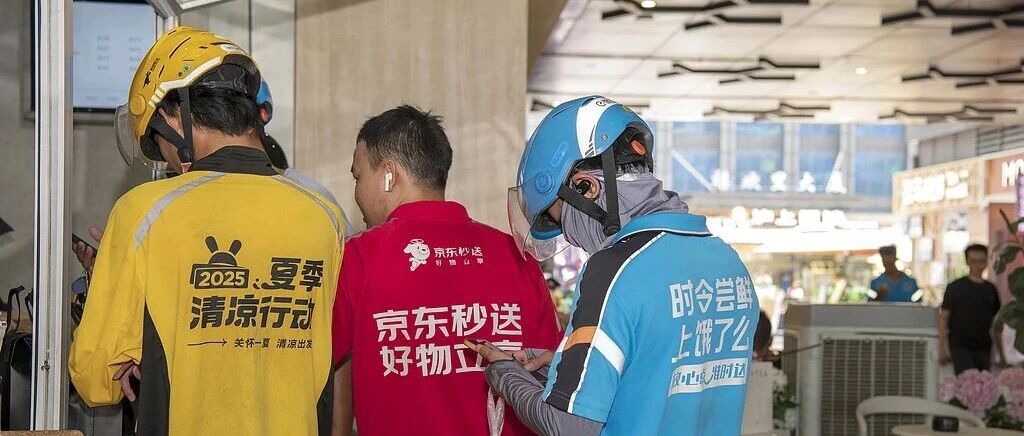
外卖大战烧钱千亿元:没有赢家的“内卷”
证券时报· 2025-12-05 00:23
Group 1 - The core viewpoint of the article is that the fierce competition among the three major platforms in the food delivery sector has resulted in significant financial losses, with a combined loss of nearly 80 billion yuan, indicating that there are "no winners" in this battle [1] - Meituan reported its largest loss since going public, Alibaba's operating profit plummeted by 85%, and JD's net profit was halved, highlighting the unsustainable nature of the current growth model driven by heavy subsidies and marketing [1] - Despite the losses, the competition has accelerated user habit formation and expanded instant retail from food delivery to a broader range of categories, with JD's active users surpassing 700 million and Alibaba's growth in various business lines [1] Group 2 - The article reflects on the strategic choices of Chinese tech companies, contrasting their focus on short-term delivery efficiency with the long-term investments made by overseas tech giants in AI and other advanced technologies [2] - While companies like Alibaba and Meituan have made some investments in AI, their overall contributions to foundational technologies and global breakthroughs remain insufficient compared to their spending in the local delivery market [2] - The "ceasefire" in the food delivery war signals a need for rationality, urging Chinese tech firms to redirect resources towards hard technology and innovation that will determine long-term competitiveness [2]
【电商月报】11月:跨境电商告别“免税红利” 海上鲜递交招股书
Sou Hu Cai Jing· 2025-12-04 20:13
Core Insights - The e-commerce landscape in November 2025 saw significant developments across various sectors, including digital retail, cross-border e-commerce, and logistics technology, as highlighted by the NetEase Research Center [1][4]. E-commerce Developments - The "Double 11" shopping festival showcased a shift towards rational consumption, with major platforms like Taobao, Meituan, and JD.com focusing on physical convenience stores as new battlegrounds [27]. - JD.com reported a 24.7% year-on-year increase in active users during the "Double 11" period, indicating strong consumer engagement [4]. - The total sales during the "Double 11" event reached 1.695 trillion yuan, with nearly 600 brands achieving over 100 million yuan in sales [4]. Cross-border E-commerce - Douyin's e-commerce GMV is projected to exceed 4 trillion yuan for the year, surpassing JD.com and closely approaching Pinduoduo and Meituan [14][15]. - A global tightening of cross-border tax policies is reshaping the industry, as many countries are eliminating or significantly reducing tax exemptions for small packages [20]. Logistics and Technology - The logistics sector processed approximately 139.38 billion packages during the "Double 11" period, setting a new record for daily processing volume [37]. - JD Logistics has enhanced its logistics capabilities in preparation for the Black Friday sales, with a significant increase in goods stored in overseas warehouses [38]. Regulatory Changes - New regulations targeting "ghost stores" and trademark infringement are being implemented to improve the online shopping environment and protect consumer rights [12]. - The Chinese government has initiated a one-year suspension of trade sanctions between the U.S. and China, which may impact e-commerce dynamics [19]. Company Performance - JD Industrial reported a revenue of 14.1 billion yuan over eight months, reflecting an 18.9% year-on-year growth [33]. - Alibaba Cloud's revenue grew by 34% year-on-year to 39.824 billion yuan, driven by strong demand for AI-related products [35].
2025十大标杆营销案例!
Xin Lang Cai Jing· 2025-12-04 19:16
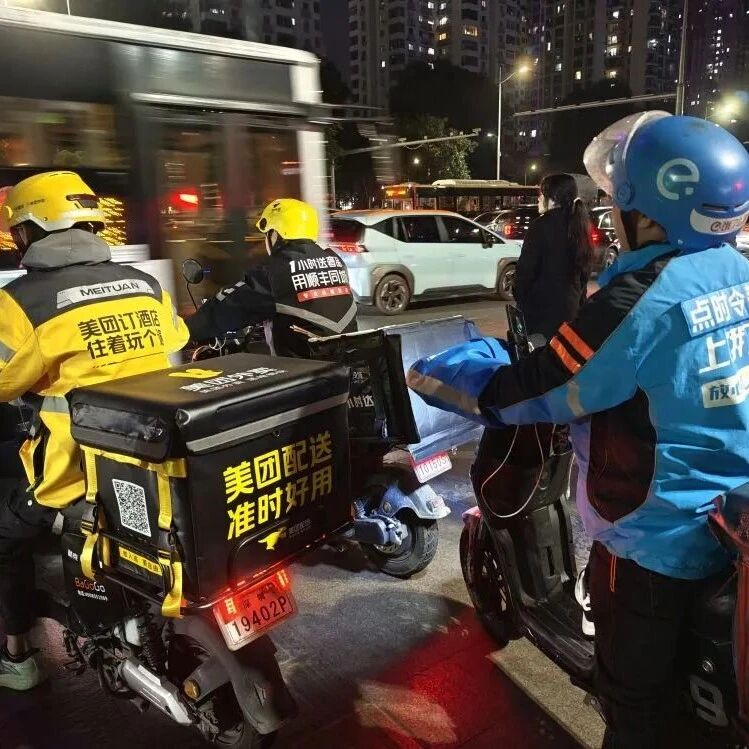
Core Insights - In 2025, brands are shifting from traditional marketing strategies to more innovative and engaging approaches that resonate with consumers' emotions and preferences [1][2] - Successful marketing now involves creating participatory events and leveraging user-generated content to enhance brand visibility and connection [1] Group 1: Case Studies of Innovative Marketing - **Mixue Ice City**: The brand's IPO was marked by a lively event featuring various IPs, breaking the traditional solemnity of such occasions and enhancing brand relatability among younger consumers [1][2] - **Haier**: The brand effectively utilized the "listening to advice" strategy by having its CEO return to social media, which resonated with users and boosted product sales [3][5] - **Yike Spring**: The brand creatively linked its marketing to a popular drama, using a pun on its spokesperson's name to enhance product appeal and engagement [4][7] Group 2: Sports and Event Marketing - **Yili**: The brand transformed traditional sports marketing by integrating long-term engagement strategies with current events, creating a relatable brand image [10][11] - **Sanjiao Weitai**: The brand capitalized on a trending drama to create a humorous and engaging marketing campaign that resonated with viewers, enhancing brand affinity [11][13] - **Gaotu Education**: The collaboration with a celebrity for an English course showcased a new model of education marketing that combines entertainment with learning [16][15] Group 3: User-Centric Marketing - **Xiangpiaopiao**: The brand's partnership with a popular figure demonstrated the effectiveness of user-driven marketing, enhancing consumer connection and brand perception [16][18] - **Zhuanzhuan**: The brand's strategic business shift was cleverly marketed, turning a potential negative into a viral advertising opportunity [18][20] - **Luckin Coffee**: The brand's dramatic marketing campaign involving a partnership and subsequent "divorce" with another brand created significant buzz and consumer engagement [22][23] Group 4: Competitive Landscape in Delivery Services - **JD.com, Meituan, Ele.me**: The competition in the food delivery market intensified with aggressive pricing strategies and targeted marketing campaigns, each brand leveraging unique selling propositions to attract consumers [25][23] - **Market Dynamics**: The shift towards local and immediate retail services reflects changing consumer behaviors, with brands adapting to meet the demand for convenience [25]





Alibaba’s Big Bets Face Their Next Test After a Standout Year
Investing· 2025-12-04 18:30
Market Analysis by covering: JD.com Inc Adr, Alibaba Group Holdings Ltd ADR. Read 's Market Analysis on Investing.com ...

外卖大战烧钱千亿元:没有赢家的“内卷”
Zheng Quan Shi Bao· 2025-12-04 17:42
Core Insights - The fierce competition among Meituan, Alibaba, and JD Group in the food delivery sector has resulted in a combined loss of nearly 80 billion yuan in the third quarter, highlighting the high cost of the subsidy war [1] - Despite the apparent short-term benefits for consumers, the platforms are facing a challenging situation of simultaneous growth and losses, with significant financial implications [1] Financial Performance - Meituan reported its largest loss since going public, while Alibaba's operating profit plummeted by 85%, and JD's net profit was halved [1] - The three companies invested hundreds of billions in subsidies and marketing to capture market share but failed to achieve sustainable profit growth [1] Market Dynamics - The competition has accelerated user mindset formation and consumption habits, expanding instant retail from food to a broader range of categories [1] - JD's food delivery efforts helped it surpass 700 million annual active users, while Alibaba's initiatives through Taobao Flash and Hema Fresh contributed to business growth [1] Operational Efficiency - Intense competition has forced platforms to optimize operational efficiency and service systems, with Meituan maintaining a lead in high-ticket orders and Alibaba focusing on fulfillment efficiency and user experience [1] - These changes signify a necessary transition from extensive expansion to refined operations within the industry [1] Strategic Reflection - The ongoing investment in food delivery contrasts with global tech giants like Google and Microsoft, which are focusing on AI and cloud computing, indicating a strategic lag in China's tech industry [2] - While Chinese tech giants have made some advancements in AI, their investments in foundational technologies and global breakthroughs remain insufficient compared to their spending in local delivery services [2] Future Challenges - The temporary "ceasefire" in the food delivery war signals a return to rationality, but the real challenge lies in whether Chinese tech companies can convert this rationality into sustained investment in hard technology and frontier innovation [2] - The significance of the food delivery battle should extend beyond market share redistribution to a collective reflection on development models, urging companies to move beyond "traffic competition" to a "technology-driven" approach [2]
JD.com, Inc. (JD): A Bear Case Theory
Yahoo Finance· 2025-12-04 16:06
Core Viewpoint - JD.com, Inc. is facing significant operational challenges despite strong revenue growth, leading to a cautious investment outlook due to collapsing margins and cash flow issues [5][4]. Financial Performance - JD.com reported Q3 2025 revenue of RMB 299.1 billion, reflecting a year-on-year increase of approximately 15%, indicating growth in retail and logistics segments [2]. - Non-GAAP operating income fell dramatically from RMB 13.1 billion to RMB 0.2 billion, with profit margins shrinking from 5.0% to 0.1% [3]. - Free cash flow decreased sharply to RMB 12.6 billion from previous levels of RMB 30–40 billion, highlighting difficulties in converting revenue growth into sustainable earnings [3]. Operational Challenges - JD Retail improved revenue and operating income, while JD Logistics experienced higher revenue but a decline in operating income [3]. - New Businesses, including quick commerce and instant delivery, reported widened operating losses of RMB 15.7 billion, contributing to overall profitability pressure [3][4]. - Working capital pressures, such as increased inventory and receivable days, further strain the low-margin retail model [4]. Market Sentiment - The combination of strong top-line growth with collapsing margins and cash flow challenges suggests a cautious investment stance, as the market remains skeptical about JD's ability to achieve consistent profitability [5]. - The stock price has depreciated approximately 26.79% since a previous bullish thesis, indicating that the optimistic outlook did not materialize [6].

“国民好车”背后的商业三角:从“听劝”到“保障”的范式创新
Hua Er Jie Jian Wen· 2025-12-04 15:10
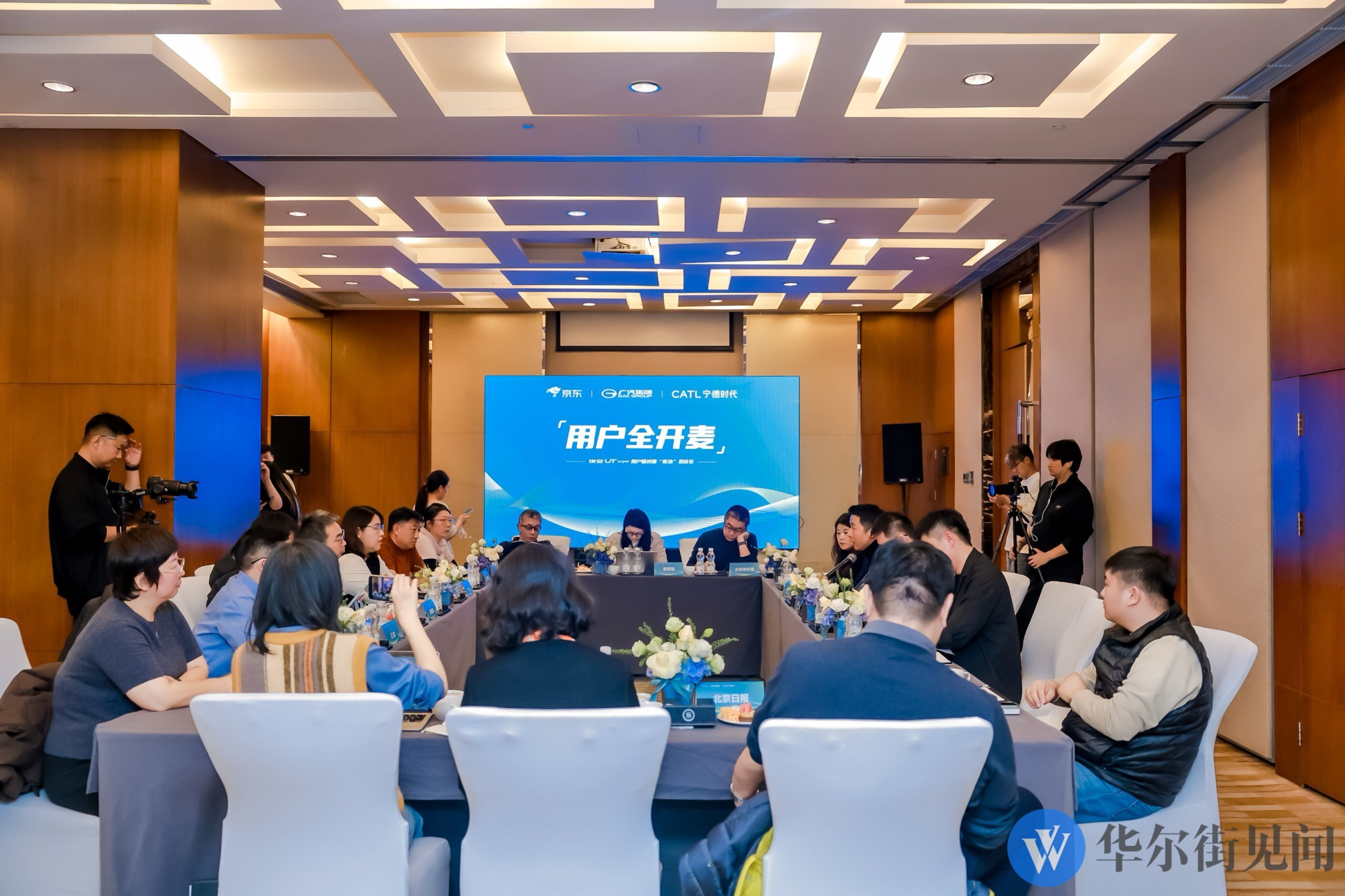
广汽的制造、宁德时代的电池、京东的服务,三方联盟正将"用户导向"从口号变为可感知的消费信心。 12月1日,一场特殊的"用户全开麦"恳谈会让京东、广汽、宁德时代三家企业的项目负责人坐在一起,直面用户的尖锐提问。从"宣传图有天窗,实车为什么 没有"的质疑,到租电方案里程限制的担忧,再到开票地域限制的困惑,用户的问题直接而具体。 这场恳谈会没有变成简单的答疑解惑,而是三方合作模式进入深度磨合期后的一次集中展示。更为重要的是,这一次的恳谈会,直接体现出了三方都在积极 面对用户,持续为提升用户的体验而出力。 在本次合作中,京东、广汽、宁德时代三大巨头跨界联盟,以C2M(用户直连制造)模式对汽车产业价值链进行了一次外科手术式重构。 京东以其覆盖超3000家门店的线下网络与数亿用户的数据洞察能力,扮演"超级供应链组局者",精准定义需求并压缩渠道成本;广汽依托其智能制造体系, 担当整车品质与安全的"压舱石";宁德时代则以其"巧克力换电"技术及"只换不修"的承诺,构建起解决续航与电池衰减焦虑的"技术护城河"。 三者分工明确,风险共担,共同为消费者编织了一张名为 "三倍保障" 的信心之网。这一模式的竞争力,在于其同时祭出了 "高 ...


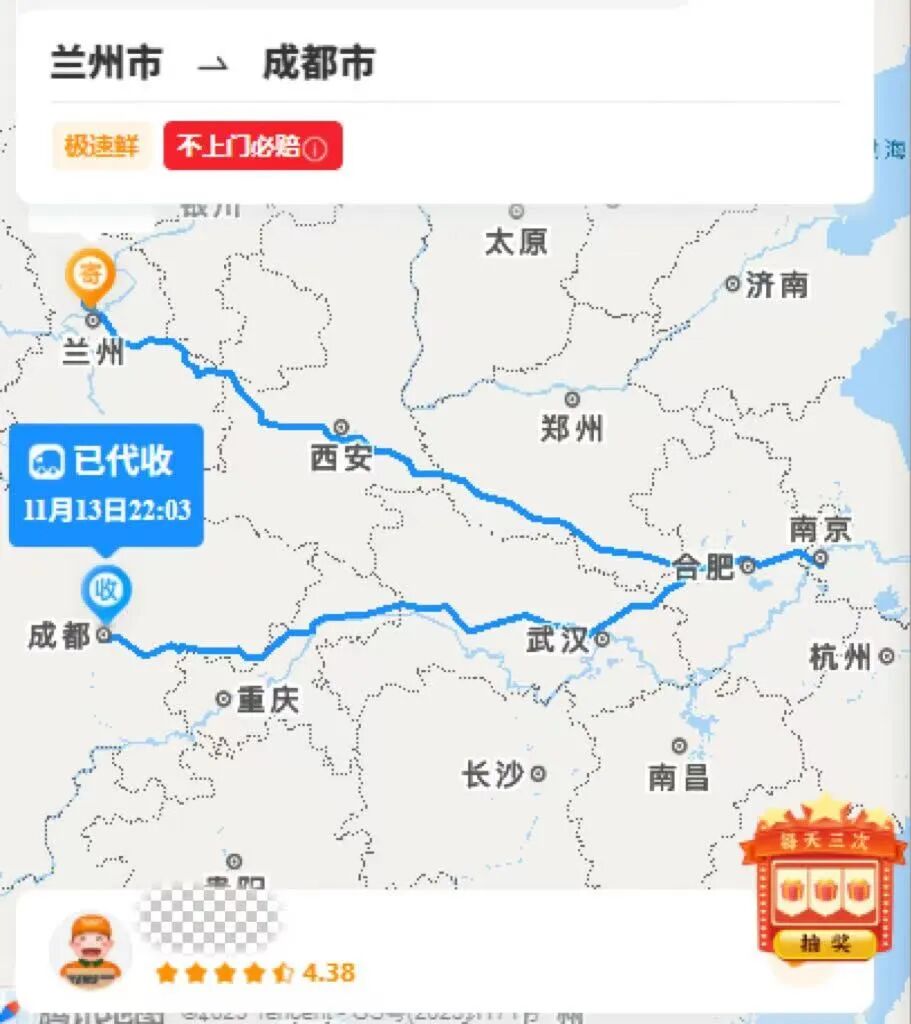
“直飞660公里 却绕行了2800公里” 甘肃羊肉寄到成都 快递为啥绕道南京?
Mei Ri Jing Ji Xin Wen· 2025-12-04 11:53
Core Viewpoint - The article discusses the perplexing logistics route taken by a package of lamb from Lanzhou to Chengdu, which first diverted to Nanjing, highlighting inefficiencies in modern logistics despite advanced technology [1][3]. Group 1: Logistics Operations - The package's journey involved a total distance of approximately 2800 kilometers instead of the direct 660 kilometers, raising questions about the efficiency of logistics operations [1][3]. - The response from EMS indicated that this routing is standard practice, as Nanjing serves as a central hub for their national air network [4][5]. - Many logistics companies, including SF Express, also utilize similar routing strategies, consolidating packages at central hubs before final delivery [5][6]. Group 2: Economic Rationale - The "hub-and-spoke" model is employed to achieve economies of scale and reduce costs, which may appear inefficient to consumers but is a calculated decision from a logistics perspective [7][8]. - The cost of shipping multiple packages together significantly reduces the average cost per item, demonstrating the financial logic behind the routing choices [9][10]. Group 3: Hub Selection and Strategy - Major logistics companies have strategically chosen locations for their hubs based on factors like cargo flow, land costs, and transportation infrastructure, with a focus on new first-tier cities and key economic regions [11][12]. - The government's logistics hub planning aligns with the choices made by companies, creating a supportive environment for efficient logistics operations [13][14]. Group 4: Future Outlook - The integration of national logistics networks with corporate logistics systems is expected to enhance efficiency, allowing for smarter routing decisions that balance cost, speed, and reliability [14].