Luckin Coffee(LKNCY)

Search documents
卖爆了!一杯不到3元,网友:没有最低只有更低……
新华网财经· 2025-06-05 03:12
Core Viewpoint - The article discusses the impact of aggressive subsidies from major food delivery platforms on the pricing and sales of coffee and tea beverages, leading to significant price reductions and increased sales volumes for brands like Kudi Coffee and Luckin Coffee [1][4][6]. Group 1: Pricing Strategies - Major food delivery platforms have implemented substantial subsidies, resulting in prices for beverages dropping to as low as 1 yuan for coffee and 1.68 yuan for American coffee [1][4]. - Kudi Coffee's prices have been reduced to 3.9 yuan and 4.9 yuan per cup due to these subsidies, with some drinks previously priced at 10 yuan now selling for under 5 yuan [6][7]. - The competitive landscape has intensified, with Luckin Coffee also entering a lower price bracket, offering drinks for as low as 6.9 yuan [4][6]. Group 2: Sales Growth - Kudi Coffee has experienced a surge in sales, with daily orders increasing from around 500 to over 900 during peak times due to the subsidies [4][6]. - The average daily revenue for Kudi Coffee has increased from approximately 3,000 yuan to between 12,000 and 15,000 yuan, marking a growth of 4 to 5 times [6][7]. - Luckin Coffee reported a same-store sales growth rate of 8.1%, indicating a positive turnaround in performance [7]. Group 3: Market Dynamics - The article highlights that the coffee price war is not new, with previous instances where brands like Luckin Coffee used low pricing strategies to capture market share, prompting competitors like Starbucks to respond with discounts [7]. - The entry of JD.com into the food delivery market has reignited competition among platforms, leading to a resurgence in aggressive pricing strategies for coffee and tea [7]. - Economic experts suggest that while the price war may create short-term opportunities, it also poses challenges related to supply chain management, operational efficiency, and product quality, indicating a potential for market consolidation in the future [7].


中国消费更重视性价比,通缩前兆?
日经中文网· 2025-06-05 03:01
Core Viewpoint - Chinese consumers are increasingly prioritizing cost-effectiveness, leading to a decline in high-end retail and dining while benefiting budget-friendly businesses like coffee shops and chain hotels [1][2][4]. Group 1: Consumer Behavior Trends - There is a notable shift in consumer preferences towards affordable and value-for-money options, impacting high-end restaurants and luxury goods negatively [1][2]. - The first quarter of 2025 saw a 4.6% year-on-year increase in retail sales, down from around 10%, indicating a slowdown in consumer spending [1]. - High-end dining establishments, such as Quanjude, reported a 7% decline in revenue, attributed to reduced banquet demand and economic downturns [1]. Group 2: Impact on Specific Companies - Chow Tai Fook, a major jewelry retailer, experienced a 12% drop in sales, with its mainland China stores seeing five consecutive quarters of decline [2]. - Shanghai Jin Jiang International Hotel reported a 43% occupancy rate for high-end hotels, lower than the 56% for budget hotels, with an 8% decline in sales and an 81% drop in net profit [2]. - Luckin Coffee, the largest chain in the coffee sector, saw a 41% increase in sales, significantly outperforming Starbucks' 5% growth in China [2]. Group 3: Broader Economic Implications - The economic downturn is prompting a rise in budget-oriented businesses, reminiscent of trends seen in Japan during its economic struggles [4]. - The Chinese government is focusing on boosting personal consumption, which accounts for about 40% of GDP, with measures like "trade-in subsidies" set to launch in 2024 [3]. - Despite some positive indicators, concerns about high youth unemployment and an aging population continue to cast doubt on a full recovery in consumer spending [3].
从“娃圈”火到“打工人”,六一你凭什么?
3 6 Ke· 2025-06-05 01:25
Core Insights - The article highlights the evolving consumer behavior among young adults, particularly the trend of adults celebrating Children's Day, driven by nostalgia and emotional connections to childhood memories [5][6][30]. Group 1: Marketing Strategies - Major brands are leveraging popular IP collaborations to attract young consumers, with KFC's early launch of limited edition toys and promotional activities on social media platforms like Douyin [7][11]. - The marketing approach has shifted from simple product promotion to engaging content and interactive live streams, allowing deeper consumer participation [30][31]. - Brands are utilizing social media to create a buzz around their products, with KFC's toys and drinks becoming highly sought after, leading to price increases on resale platforms [11][28]. Group 2: Consumer Behavior - The phenomenon of adults purchasing children's meals is fueled by social media's nostalgic influence, with platforms like Douyin facilitating emotional consumption [18][30]. - The Z generation is becoming the main consumer force, prioritizing emotional value and ritualistic consumption, which is expected to drive the holiday consumption market to exceed 5 trillion by 2025 [31][32]. - The trend of "big friends celebrating Children's Day" reflects a broader shift in consumer psychology, where age is no longer a barrier to participation in traditionally child-focused events [30][31]. Group 3: Social Media Influence - Douyin serves as a powerful connector for brands, transforming holiday marketing into a communal experience where users share their celebrations and purchases [6][30]. - The platform's interactive features encourage users to engage with brands and each other, creating a viral effect that boosts sales and brand visibility [27][28]. - The success of campaigns, such as Luckin Coffee's collaboration with SpongeBob, demonstrates the effectiveness of targeted marketing through influencer partnerships and engaging content [17][30].




外卖补贴搅动咖啡、茶饮江湖 供应链成竞争关键
Zheng Quan Ri Bao· 2025-06-04 16:45
Core Viewpoint - The coffee and tea market is experiencing an unprecedented price war driven by aggressive subsidies from delivery platforms like JD and Taobao, leading to significant price reductions for various brands [1][2]. Group 1: Price War Dynamics - Delivery platforms have intensified their subsidy efforts, resulting in a surge in order volumes for brands like Kudi Coffee, which saw daily orders increase from approximately 100 to 600 after subsidy implementation [2]. - Kudi Coffee's product, originally priced at 7.9 yuan, is now available for as low as 1.68 yuan due to platform subsidies, with total costs remaining under 3 yuan [2]. - Luckin Coffee has also reduced prices on some drinks from 9.9 yuan to 6.9 yuan to strengthen its market position amid the price war [2]. Group 2: Market Impact and Brand Strategy - The subsidies are seen as a boon for coffee brands, with experts noting that coffee has become a necessity for the younger generation, making it an attractive target for delivery platforms [2][3]. - Tea brands like Mixue Ice City and Gu Ming are also benefiting from the subsidies, positioning themselves as long-term winners in this competitive landscape [2]. - Goldman Sachs has raised its profit forecasts and valuation multiples for Gu Ming and Mixue Ice City, increasing target prices significantly [2]. Group 3: Supply Chain Advantages - The construction of a robust supply chain is becoming a critical competitive factor in the price war, with companies that have optimized supply chains able to reduce costs and ensure product quality [4][5]. - Kudi Coffee has launched a new roasting facility in Anhui with an annual processing capacity of 75,000 tons, supporting daily sales of 10 million cups [4]. - Luckin Coffee has established multiple automated roasting facilities, achieving an annual roasting capacity exceeding 100,000 tons, creating a complete industry chain from cultivation to retail [4]. - Mixue Ice City leverages its five production bases across various regions to maintain control over raw material costs and quality, enhancing its competitive edge [4].

星巴克再现人事变动,亚太区门店开发负责人离职
Guan Cha Zhe Wang· 2025-06-04 13:27
Group 1: Starbucks - Scott Keller, Senior Vice President of Store Development and Design for Starbucks Asia Pacific, has announced his departure after nearly nine years, during which the number of stores in the region doubled, averaging one new store opening per day [1] - Keller was responsible for leading the development strategy and design of Starbucks stores across major cities including Seoul, Bangkok, and Singapore [1] Group 2: Luckin Coffee - Luckin Coffee has expanded its self-operated stores in Hong Kong to 12 since entering the market in December 2024, with plans to further expand into core commercial areas like Central [2] - The company is also enhancing brand collaborations, with a SpongeBob-themed concept store opening from May 31 to June 29, featuring new co-branded beverages and a photo area [2] Group 3: Coffee Industry Growth - In April, 1,220 new coffee stores were opened across 27 tracked chain brands, representing a month-on-month increase of 3.74% and a year-on-year increase of 6.64%, bringing the total number of stores in the industry to 60,795 [3] - Luckin Coffee experienced a net decrease of 206 stores in April, indicating a network optimization strategy despite holding a 39.3% market share [3] - Starbucks opened 20 new stores in April, marking an 81.82% year-on-year increase, indicating a recovery trend [3] Group 4: Bawang Chaji - Bawang Chaji reported a net profit of 677 million yuan for Q1 2025, with a total GMV of 8.23 billion yuan, reflecting a year-on-year growth of 38% [4] - The company disclosed its overseas market performance for the first time, with overseas GMV reaching 178 million yuan, a year-on-year increase of 85.3% [4] - The total number of Bawang Chaji stores globally reached 6,681 by the end of Q1 2025 [4]


“价格战”再度打响?部分饮品降价3元 瑞幸咖啡回应
Xi Niu Cai Jing· 2025-06-04 11:37
Core Viewpoint - Luckin Coffee's recent price reduction strategy has sparked widespread discussion and is seen as a response to competitive pressures from rivals like Kudi Coffee [2][4][9] Pricing Strategy - Multiple products from Luckin Coffee have seen a price drop of 3 yuan, entering the "6.9 yuan era" [4] - However, some consumers reported that prices on the Luckin app still show 9.9 yuan, indicating inconsistency in pricing across platforms [4] - Luckin Coffee's official customer service stated that actual discounts depend on the ordering platform and that the recent promotions are part of holiday offers rather than a price cut [7] Competitive Landscape - Kudi Coffee has been aggressively lowering prices, with some products priced as low as 3.9 yuan and 4.9 yuan, leading to a significant increase in their sales volume [9] - Luckin Coffee's promotional activities during the holidays are likely a strategic move to counter Kudi's low pricing and maintain market share [9] Historical Pricing Trends - Luckin Coffee initially gained market share through a "subsidy for scale" strategy, but has recently increased prices on several products, with American coffee rising from 23 yuan to 26 yuan and lattes from 26 yuan to 29 yuan [9] - The company has a history of price adjustments, having raised prices by 2 to 3 yuan across its product line in 2020 [9] Financial Performance - In Q1 2025, Luckin Coffee reported total net revenue of 8.865 billion yuan, a year-on-year increase of 41.2%, with a GAAP operating profit of 737 million yuan and an operating profit margin of 8.3% [9] - The company opened 1,757 new stores in Q1 2025, bringing the total number of global stores to 24,097, with a significant increase in the Chinese market [10] Market Conditions - The CEO of Luckin Coffee highlighted the challenges posed by rising coffee bean prices, which are at historical highs, potentially impacting profit margins in the second half of the year [10]
2025年全球餐馆品牌25强
Sou Hu Cai Jing· 2025-06-04 01:27
今天分享的是:2025年全球餐馆品牌25强 报告共计:35页 全球餐饮品牌大变局:麦当劳重登王座,区域黑马崛起,健康科技重塑行业 Brand Finance最新发布的《2025年全球最具价值餐饮品牌25强》报告揭示了一场深刻的行业洗牌。全球前25大餐饮品牌总价值 达到1749亿美元,但竞争格局已发生显著变化:传统巨头遭遇挑战,区域品牌强势突围,而消费者偏好的转变正推动整个行业 加速变革。 一、王座易主:麦当劳的逆袭与星巴克的困局 体验失衡: 过度依赖APP订餐,牺牲了传统的咖啡馆社交体验,引发核心顾客不满。 中国受挫: 在中国市场,其"声誉"与"推荐度"指标下滑,被本土品牌瑞幸咖啡(品牌价值增长17%至17亿美元)以迅猛的开店 速度(仅2024年第三季度就新开1382家)和产品创新反超。 声誉风波与领导动荡: 国际市场的声誉受到地缘事件影响,两年内更换四位CEO,关键职位(如北美CEO)空缺,全球首席营 销官职位的取消也引发品牌战略连贯性质疑。 二、增长新势力:区域黑马与品类专家的崛起 "最快增长"冠军:福乐鸡的专注之道: 美国品牌福乐鸡(Chick-fil-A)成为最大黑马,品牌价值飙升43%,达57亿美元 ...

微博-2024年度饮品行业:社交生态解析及热点价值洞察
Sou Hu Cai Jing· 2025-06-03 10:41
Industry Growth and Market Performance - The beverage industry is experiencing positive growth, with total production nearing 190 million tons, a year-on-year increase of 7% [2] - Revenue growth is at 5%, and profits have increased by over 10%, outpacing the average growth rate of the food and beverage sector [2] - The packaged beverage market is steadily expanding, while the ready-to-drink tea and coffee segment is seeing a slowdown in growth but is still achieving positive results through a "milk tea + coffee" dual-drive strategy [2] Consumer Groups and Demand Characteristics - The primary consumer demographic is shifting towards younger generations, including those born in the 1990s, 2000s, and even 2010s, with three main consumption characteristics: strong willingness to try new flavors, emphasis on emotional value, and an upgrade in health demands [3] - Consumers in first- and second-tier cities show lower price sensitivity and prefer higher-priced products, while those in third- and fourth-tier cities focus on cost-effectiveness, leading to increased sales of large-capacity sugary teas [3] Social Hotspots and Content Ecology - Social media has become a key influence on beverage consumption decisions, with over 470 billion discussions on beverages on Weibo, and more than 5.2 billion interactions [4] - Four major social hotspots emerged throughout the year: health and wellness discussions, cross-industry collaborations, curiosity-driven flavor innovations, and emotional consumption trends [4][5][6] - Health and wellness topics, particularly around low-sugar and nutritious ingredients, saw a 345% increase in interaction [4] Future Trend Predictions - The industry is expected to continue four major trends into 2025: deepening emotional needs, refined health and wellness focus, diversification of IP collaborations, and the emergence of local specialty beverages [7] Brand Strategy Insights - Brands should enhance social media marketing by leveraging celebrity endorsements and creating emotional connections through contextual content [8] - Emphasizing health benefits and regional characteristics can help build differentiated brand recognition [8] - Brands need to adapt to the evolving social ecosystem by innovating content to capture the interests of younger consumers, transitioning from "functional consumption" to a multi-faceted approach that includes "emotion + health + social" elements [8]

瑞幸回应多款饮品降至6.9元;海底捞全国首家脆鲩鱼主题店登陆广州
Sou Hu Cai Jing· 2025-06-03 04:11
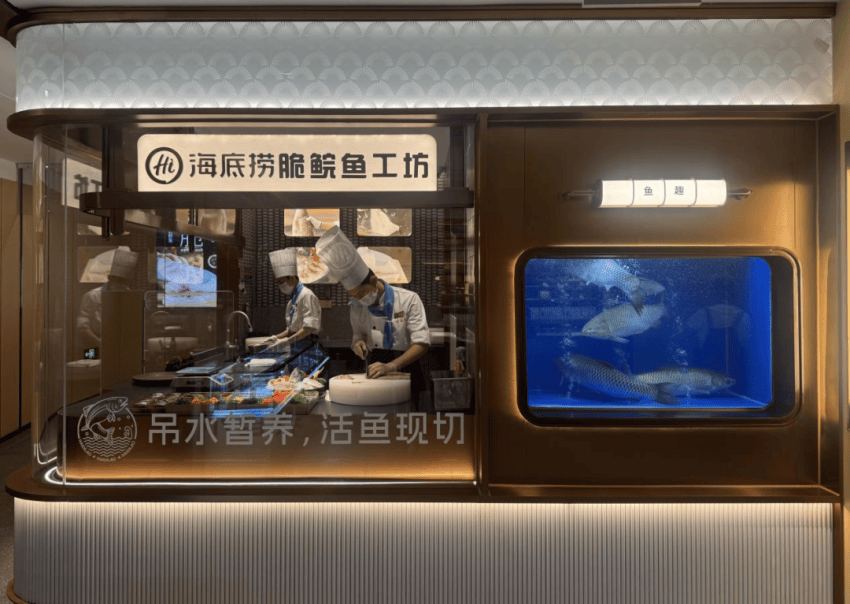
Group 1: Luckin Coffee - Multiple drinks at Luckin Coffee have been reduced by 3 yuan, with prices now in the 6.9 yuan range for non-core beverages like light milk tea and fruit C Americano, down from 9.9 yuan [2] - Classic coffee drinks such as coconut latte and meteor latte remain priced between 13 to 17 yuan, with some products even experiencing price increases [2] - Luckin Coffee clarified that the price adjustments are part of promotional offers for the Dragon Boat Festival and Children's Day, involving the distribution of 6.9 yuan discount coupons rather than an overall price reduction [2] Group 2: Haidilao - Haidilao has opened its first crispy fish-themed restaurant in Guangzhou, integrating the local specialty crispy fish with traditional hot pot offerings [2] - The restaurant emphasizes a "fresh and crispy" experience, aiming to enhance consumer engagement through innovative regional ingredients and upgraded visual experiences [2] - This opening follows previous themed restaurant launches, including a fresh-cut chicken and a beef workshop, showcasing Haidilao's strategy to diversify its offerings in Guangdong [2] Group 3: Guming - Guming has established a holding company in Zhejiang with a registered capital of 1.1 billion yuan, focusing on holding company services, machinery development, software development, and enterprise management [4] - The new company is fully owned by Guming's associated company, Guming (Hong Kong) Limited, indicating a strategic move to expand its operational capabilities [4]
出去旅游,怎么感觉吃得都差不多?
吴晓波频道· 2025-05-31 16:41
Core Viewpoint - The article discusses the evolving landscape of the restaurant industry in China, highlighting the tension between consumer desire for unique dining experiences and the increasing prevalence of standardized chain restaurants. It suggests that as consumers become more discerning, there is a growing demand for quality and authenticity in dining options, which may lead to a resurgence of local, non-chain establishments [1][41][44]. Group 1: Consumer Behavior and Trends - During the recent Dragon Boat Festival and Children's Day, many restaurants, especially those near tourist attractions, saw high demand, with special "family packages" introduced to attract customers [2][4]. - A report from Deep Blue Think Tank revealed that 28.2% of consumers prioritize product quality over brand, while 20.6% prefer well-known brands, indicating a complex relationship with brand loyalty [5][7]. - Consumers exhibit a mix of loyalty and curiosity, with 32.2% often choosing familiar restaurants, while 29.6% are willing to try new places if the price is right [10][12]. Group 2: Market Dynamics and Competition - The share of chain restaurants in China has increased from 15% in 2019 to 22% in 2024, with projections suggesting it could reach 24% by 2025 [16]. - Major global brands like McDonald's and Starbucks dominate the market, with McDonald's alone purchasing 35 billion pounds of potatoes annually, showcasing the scale and purchasing power of these giants [21][22]. - Chinese brands like Mixue Ice City and Luckin Coffee are also expanding rapidly, with Mixue boasting 46,000 stores, primarily in Asia [20]. Group 3: Standardization vs. Local Flavor - The article notes that many traditional dishes are becoming standardized, with some brands achieving 60%-70% standardization in their offerings [32]. - The rise of "internet celebrity" restaurants, which create unique dining experiences, is highlighted as a response to consumer fatigue with uniformity [33][36]. - The future of the restaurant ecosystem in China may not mirror the U.S. model of dominance by a few giants, but rather a coexistence of large chains and small, unique establishments [49]. Group 4: Future Outlook - As consumer preferences shift towards quality and authenticity, the article suggests that brands must refine their offerings to meet these expectations, focusing on product quality, service, and brand culture [44][50]. - The article concludes that the competition will increasingly hinge on the ability to provide unique experiences and maintain a connection to local culture, as consumers seek out authenticity in their dining choices [52].