
PDD(PDD)

Search documents
一颗黑糖话梅为何“瘦身”?老牌国民零食靠拼多多翻盘,单品ROI高达1:10!
Xin Jing Bao· 2025-08-08 03:44
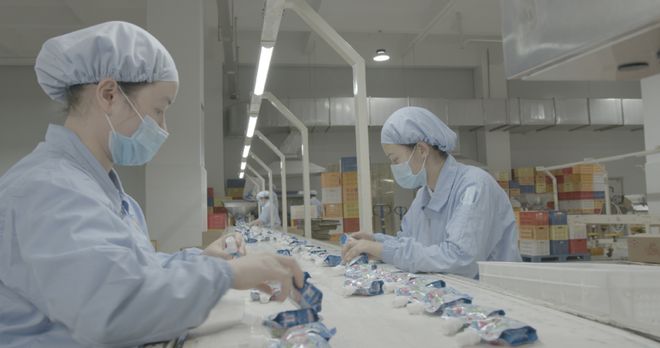
Core Viewpoint - The article discusses the transformation of traditional snack brands in Jinjiang, China, as they adapt to the rise of new e-commerce platforms like Pinduoduo, which has revitalized their brand presence and sales performance. Group 1: Historical Context - Jinjiang, a key city in the ancient Maritime Silk Road, has a rich cultural heritage that fostered a spirit of innovation and entrepreneurship among its people [1] - The snack industry in Fujian has a history of 30 to 40 years, with over 700 food companies in Jinjiang alone, producing well-known brands like Jincuan, Youchen, and Yake [3][4] - Many Jinjiang snack brands were slow to embrace e-commerce due to the success of traditional offline sales, leading to a delayed entry into the online market [3][4] Group 2: E-commerce Transformation - Traditional brands like Yake and Crayon Shin-chan faced challenges in transitioning to e-commerce, initially relying on third-party operators before deciding to build their own teams [5][6] - Pinduoduo has become a significant platform for these brands, offering better ROI compared to traditional e-commerce channels, with Yake achieving a store ROI of 1:10 on Pinduoduo [5][7] - Jinjiang brands are now focusing on younger consumer demographics, with Jincuan targeting the 18 to 25 age group on Pinduoduo, leading to significant sales growth [8][9] Group 3: Product Innovation and Consumer Engagement - Brands are rapidly iterating on products based on direct consumer feedback obtained through e-commerce platforms, significantly reducing the time to market for new products [9][11] - Jincuan has adapted its popular black sugar plums to meet consumer preferences, changing the product size and quantity while maintaining price points [9][10] - The collaboration with Pinduoduo's "small assistants" has enabled brands to better understand market trends and consumer preferences, leading to successful product launches [11][15] Group 4: Future Outlook - The article highlights the potential for domestic brands to rise in the snack industry, with Pinduoduo's support through initiatives like "100 Billion Subsidies" and "100 Billion Support" aimed at fostering brand growth [15][16] - There is a strong belief among industry leaders that the future of domestic snack brands is promising, with aspirations to elevate their status and compete on a global scale [15][16]


内地大厂,抢滩香港
创业邦· 2025-08-08 03:41
Core Viewpoint - The article discusses the aggressive expansion of major Chinese internet companies into the Hong Kong market, highlighting their strategies and the implications for local businesses and the overall market landscape [5][6]. Group 1: Market Entry Strategies - Major internet companies like JD.com and Meituan are increasingly targeting Hong Kong as a strategic market for expansion, with JD.com planning to acquire a local supermarket chain for approximately HKD 4 billion [8]. - Over 1,300 overseas and mainland companies have established operations in Hong Kong from January 2023 to mid-2025, with nearly half coming from mainland China [8]. - The shift from cloud services and AI to direct consumer engagement in Hong Kong signifies a new phase of competition among these companies [9]. Group 2: Competitive Landscape - Meituan's Keeta launched in Hong Kong in May 2023, quickly gaining market share and competing with established players like Foodpanda and Deliveroo [10][22]. - By December 2023, Keeta captured approximately 27% of the market share in food delivery, positioning itself as a strong competitor against Deliveroo [22]. - The entry of these companies has led to significant changes in consumer behavior and market dynamics, with local businesses feeling the pressure [12][29]. Group 3: Financial Investments and Subsidies - Keeta initiated its market entry with substantial subsidies, offering promotions that included HKD 300 coupons for new users, which significantly boosted order volumes [15]. - In 2024, Alibaba announced a HKD 1 billion investment for shipping services in Hong Kong, while JD.com committed to an initial investment of HKD 1.5 billion for logistics and service enhancements [15][19]. - The scale of these investments is comparable to much larger sums in mainland China, given Hong Kong's smaller user base [16]. Group 4: Challenges and Market Characteristics - Despite the high potential, the Hong Kong market presents challenges such as high labor costs and entrenched consumer habits, which complicate the expansion efforts of mainland companies [27][29]. - The online retail penetration in Hong Kong remains low, with only 9.3% of total retail sales attributed to online sales, compared to 26.8% in mainland China [28]. - The competitive environment is characterized by both local and international players, making it a complex market for new entrants [29]. Group 5: Future Outlook - Success in Hong Kong is viewed as a stepping stone for these companies to enter more complex international markets, with Meituan already expanding into the Middle East [30]. - The strategies and experiences gained in Hong Kong are expected to inform future operations in other regions, enhancing the companies' global competitiveness [30][31].



老糖罐里跳新舞:福建零食老字号借拼多多焕发新生
2 1 Shi Ji Jing Ji Bao Dao· 2025-08-08 00:08
Core Insights - A group of traditional snack brands from Fujian is experiencing a revival through the e-commerce platform Pinduoduo, leveraging direct consumer engagement and innovative product development to adapt to new consumption trends [1][2][17]. Company Overview - Jin Guan, established in 1982, has achieved annual sales of 1.5 billion yuan through its signature black sugar plums [2]. - Crayon Shin-chan, founded in 2000, has built a strong national recognition over 25 years, primarily through its jelly products [2]. - Yake, starting in 1993, has expanded from vitamin candies to multiple categories, maintaining a leading position in the industry for 33 years [2]. - Youchen, known for its meat floss cakes since 2011, has over 30 years of history [2]. Transformation Strategies - Direct consumer engagement is central to the revival of these brands, allowing them to respond quickly to consumer preferences and innovate products [4][5]. - Jin Guan has shifted from traditional candy to healthier options, reducing the size of its black sugar plums from 6.5 grams to 4 grams to cater to younger consumers [4][5]. - The feedback cycle for product development has been significantly shortened from months to weeks on Pinduoduo, enabling rapid response to market demands [5][13]. Product Innovation - Yake has developed V9 vitamin soft candies, combining vitamins with a pleasant taste to appeal to health-conscious consumers [15][16]. - Crayon Shin-chan has focused on creating jelly products with high fruit juice content and no additives, targeting both children and office workers with tailored offerings [8][15]. - Youchen has introduced new flavors and products, such as meat floss twists, to cater to various consumption scenarios [8][15]. Market Dynamics - The brands are leveraging Pinduoduo's policies, such as subsidies and promotional resources, to enhance their market presence and drive sales [9][12]. - The competitive landscape is evolving, with brands investing in unique product features and packaging to differentiate themselves in the online market [11][12]. Future Outlook - The Fujian snack industry is poised for continued growth, with plans for new product lines including probiotic candies and herbal candies, supported by Pinduoduo's ongoing initiatives [17][18].

押注中国AI 国际资金出手
Shang Hai Zheng Quan Bao· 2025-08-07 16:08
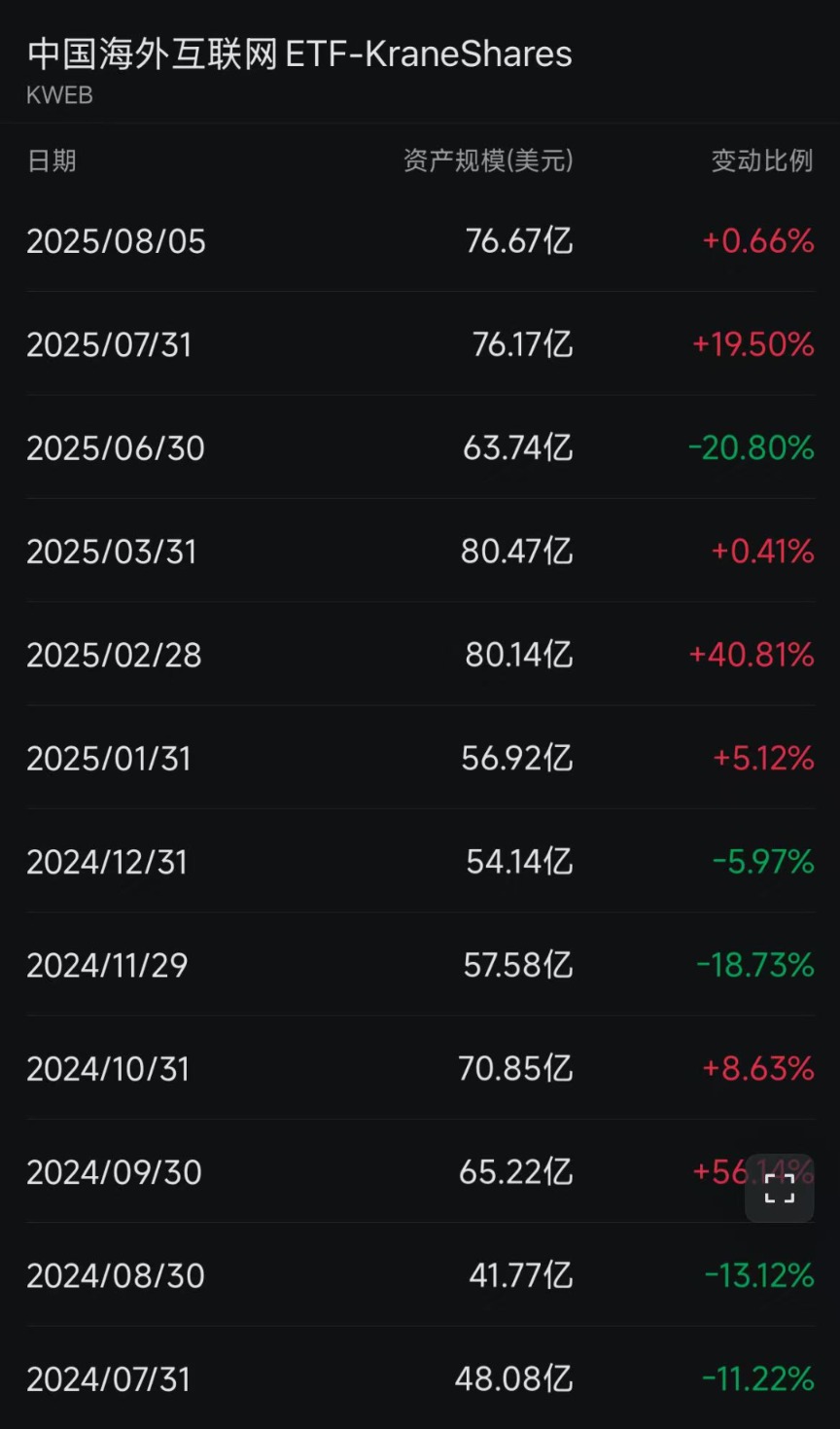
Group 1 - KIM, a South Korean investment management company, launched an ETF focused on China's AI sector, tracking 50 leading AI companies, which was listed on July 29 [1][2] - The ETF, named "KIM ACE China AI Big Tech TOP2+ Active ETF," aims to capture investment opportunities in artificial intelligence, digital platforms, and smart industrial technologies [2] - The underlying index, developed by Solactive, selects 25 companies from two main fields: cognitive technology and digital platforms, ensuring that selected companies have substantial AI technology layouts [2][3] Group 2 - Morgan Stanley predicts that China will become a global AI leader by 2030, with the core AI industry expected to reach a scale of $140 billion and an overall industry chain expansion to $1.4 trillion [3] - International capital has shown strong interest in Chinese tech stocks, particularly in emerging fields like AI, with the KraneShares China Overseas Internet ETF seeing a significant increase in assets under management, growing over 40% from $5.414 billion at the end of last year to $7.667 billion by August 5 [4][5] - The average price-to-sales ratio of comparable Chinese AI companies is around 15 times, significantly lower than that of typical American AI companies, which averages 42 times, indicating that Chinese AI firms may be undervalued [8]




2025电商消费新生态研讨会召开 专家“把脉开方”,千亿扶持引领行业高质量发展
Bei Jing Shang Bao· 2025-08-07 12:35
站在2025年下半年的起点回看国内电商行业,"6·18"大促早已结束,但留给行业的追问却依然亟待解 答。在用户流量红利减少、竞争日趋激烈等诸多挑战下,电商行业已进入关键转型期,平台高质量发展 之路走向何方?如何更好地推动行业转型? 近日,"2025电商消费新生态:高质量发展路径探索"研讨会在上海举办。与多位电商、消费领域专家探 讨新形势下消费的最新趋势,以及如何促进电商行业的高质量发展。 与会专家认为,电商平台的角色已经进化为生态赋能者,通过千亿扶持等措施,以新技术和新服务为商 家和产业带转型赋能,重构商家与消费者的连接方式,助力商家和产业捕捉新需求、新市场,实现多层 次需求与供给的匹配。当行业回归初心,通过给商家确定性、提升经营信心、放大生态价值,最终就能 实现"用户为先",构建起商家、消费者、平台共赢的生态。 相信伴随全行业回归价值竞争,在新的一年,或许更多品牌、更多商家有望通过平台惠商举措撬动下一 阶段的发展机会。 新消费、新技术、新服务 蕴含电商发展新机遇 对于电商平台目前发展进入的新阶段,行业内普遍存在一种观点,即随着市场渗透率趋近饱和,竞争愈 发激烈,目前电商行业已进入存量市场竞争阶段。但与会专家 ...

第一网舟山梭子蟹上线,“2025多多好特产”助力商家喜迎“小开渔”
Xin Hua Wang· 2025-08-07 01:48
Core Viewpoint - The fishing season in the East China Sea has resumed, with thousands of fishing boats from Zhoushan setting out to catch seafood, marking the beginning of the peak consumption season for seafood products [2][4]. Group 1: Seafood Market Dynamics - The first batch of hair crabs was delivered to Shenjiamen Fishing Port on the morning of August 6, and they will be available on Pinduoduo for consumers in the Yangtze River Delta and nationwide [3][8]. - Following the hair crabs, other local seafood products such as ribbonfish and yellow croaker will also be launched as the fishing season progresses [3]. - The seafood market is expected to enter a consumption peak in the second half of the year, with various economic fish and fresh shrimp also set to be available [3][14]. Group 2: Pinduoduo's Support Initiatives - Pinduoduo has launched a "100 Billion Support" initiative and the "2025 Duoduo Good Specialty" program to support fresh agricultural products and help local seafood businesses increase production and revenue [5]. - The "Duoduo Good Specialty" team has provided customized training for seafood merchants in the Jiangsu and Zhejiang regions, focusing on product operations, logistics, and supply chain management [5][13]. - Pinduoduo is implementing three major measures to empower merchants for the seafood peak season, including a "Quality Fresh" initiative, brand growth planning, and regular training sessions for merchants [12]. Group 3: Logistics and Quality Control - The logistics process for hair crabs is critical, with a focus on minimizing time from sea to consumer to maintain freshness, with delivery to cities like Shanghai and Hangzhou possible within the same day [6]. - The packaging and logistics costs for hair crabs are high, with specific requirements for oxygenation during packaging, which can reach 15 yuan per unit [9]. - Merchants are leveraging Pinduoduo's support to reduce costs and enhance product quality, which is essential for maintaining competitive advantages in the market [9][11].
研判2025!中国充气玩具行业产业链、市场规模、竞争格局、发展趋势分析:行业应用场景广泛,市场规模增长至84.81亿元[图]
Chan Ye Xin Xi Wang· 2025-08-07 01:09
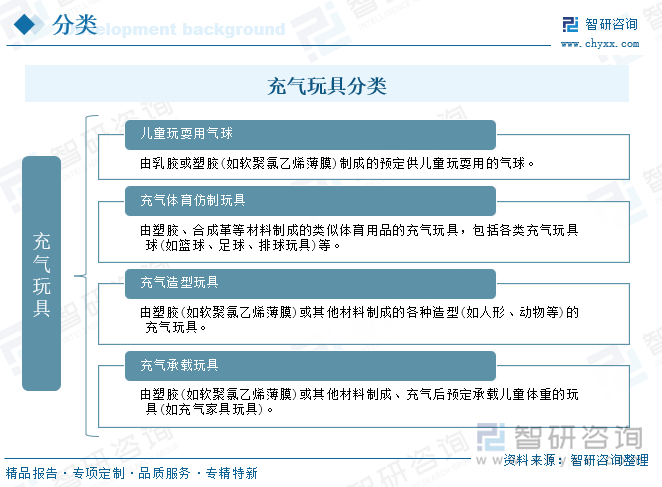
Core Viewpoint - The inflatable toy market, as a segment of the plastic toy industry, is experiencing steady growth due to its lightweight, durable, and versatile characteristics, with the market size projected to increase from 6.704 billion yuan in 2015 to 8.481 billion yuan in 2024, reflecting a compound annual growth rate (CAGR) of 2.6% [1][16]. Industry Overview - Inflatable toys are made from materials like latex or plastic, filled with air or inert gases, and include various types such as balloons, inflatable sports toys, and furniture [3]. - The inflatable toy market in China is expected to grow steadily, driven by the increasing demand for lightweight and portable toys suitable for outdoor activities and travel [1][16]. Market Size and Growth - The inflatable toy market in China reached a size of 6.704 billion yuan in 2015 and is projected to grow to 8.481 billion yuan by 2024, with a CAGR of 2.6% [1][16]. - The overall plastic toy market in China is also expanding, with the market size expected to reach 84.808 billion yuan in 2024, showing a year-on-year increase of 4.03% [14]. Competitive Landscape - The inflatable toy industry is characterized by intense competition, with major players like Gaole Co., Aofei Entertainment, and Hai Xin Group leveraging brand strength, supply chain integration, and diverse sales channels to maintain market share [18][19]. - Companies are facing challenges such as product homogenization and shrinking profit margins, prompting a need for differentiation and innovation [18]. Policy and Regulation - Recent government policies aim to enhance regulation and provide guidance for the toy industry, including measures to address marketing practices harmful to minors and ensure product quality [5][7]. - The 2023-2025 action plan emphasizes the need for improved mental health protections for children, impacting the marketing and safety standards for toys [5]. Industry Trends - There is a growing emphasis on environmental sustainability and safety in the inflatable toy industry, with a shift towards recyclable or biodegradable materials [23]. - The industry is witnessing increased concentration, with leading companies expanding through IP integration and technology, while smaller firms either specialize or face consolidation [24]. - Sales channels are diversifying, with a significant rise in e-commerce and cross-border sales, enhancing market reach and brand visibility [26].



全国一体化算力网算力池化、算网安全相关技术文件公开征求意见——《投资早参》
Mei Ri Jing Ji Xin Wen· 2025-08-07 00:48
Market News - The three major US stock indices closed higher, with the Dow Jones up 0.19%, Nasdaq up 1.21%, and S&P 500 up 0.73%. Notable tech stocks saw significant gains, including Apple rising over 5%, adding approximately $160 billion to its market cap. Amazon increased by 4%, Tesla by over 3%, and Broadcom by nearly 3% [1] - The Nasdaq Golden Dragon China Index rose by 0.93%, with most popular Chinese concept stocks also increasing, such as Alibaba up over 3% and NIO up over 2% [1] - COMEX gold futures fell by 0.08% to $3431.8 per ounce, while silver futures rose by 0.3% to $37.935 per ounce. WTI crude oil futures dropped over 2% to $63.7 per barrel, and Brent crude oil futures also fell over 2% to $66.3 per barrel [1] - Major European stock indices closed collectively higher, with Germany's DAX30 up 0.21%, the UK's FTSE 100 up 0.27%, France's CAC40 up 0.18%, and the Europe Stoxx 50 up 0.22% [1] Industry Insights - The National Data Standardization Technical Committee recently solicited public opinions on two technical documents related to the National Integrated Computing Network, marking a transition from planning to implementation in the construction of the computing network. This sector is crucial in the digital economy, with significant growth expected in areas like AI training, the metaverse, and smart cities [2] - The robotics sector is witnessing a surge in activity, with a recent breakthrough study challenging traditional views on data diversity in robotic learning. The upcoming 2025 World Robot Expo and the China Embodied Intelligent Robotics Industry Conference are set to showcase advancements in the field [3] - Tesla is advancing its autonomous driving technology, with plans to release a new FSD model that is ten times more capable than the current version. The rollout of FSD across the US is expected this year, with further enhancements anticipated by 2026 [4][5]


AI人才争夺战愈演愈烈 上市公司开高薪招贤纳士
Zheng Quan Ri Bao Zhi Sheng· 2025-08-06 16:10
Group 1 - The capital market is experiencing a "talent war" as companies like Pinduoduo actively recruit AI-related talent, with positions such as CUDA/GPU developers and AIGC algorithm engineers being in high demand [1] - Third-party recruitment platforms indicate that the monthly salary for AI-related positions can reach up to 60,000 yuan, with a minimum experience requirement of one year [1] - Other companies, including Beijing Four-Dimensional Map Technology Co., Great Wall Motors, and Beijing North Information Technology Co., are also seeking to hire AI talent, particularly in large model algorithm engineering [1] Group 2 - Many listed companies are intensifying their efforts to recruit AI talent this year, with China Unicom emphasizing the importance of talent in technology innovation and offering personalized services to attract top AI professionals [2] - China Telecom is also focusing on providing platforms for various talents and granting them autonomy in their work [2] - Kunlun Wanwei Technology Co. plans to increase its human resource costs to attract algorithm engineers and other AI-related positions [2] Group 3 - The demand for AI talent is significantly increasing across various sectors, including e-commerce, new life services, and new energy vehicles, with some leading e-commerce companies experiencing a surge in AI job openings [3] - The recruitment demand for positions such as AI product managers and large model algorithm engineers has seen a dramatic increase, with job postings rising several times compared to the previous year [3] - Average monthly salaries for new AI positions reached 53,500 yuan, with high-performance computing engineers earning over 79,000 yuan on average [3] Group 4 - The increase in salaries for R&D personnel reflects the intensifying competition in technological innovation, as companies must keep pace with global AI development trends to avoid being eliminated [4] - The strong emphasis on AI development in China, along with the ongoing "AI+" initiatives, indicates a robust willingness among companies to undergo digital transformation [4] - The rapid growth of AI applications has created a talent gap due to the relatively short development time in the field [4]
解读中国互联网行业- 大盘股第二季度财报发布后,预期与投资者关注重点-Navigating China Internet_ What to expect & key investor focuses into mega-caps 2Q prints
2025-08-06 03:33
Summary of Key Points from the Conference Call Industry Overview - The conference call discusses the China Internet sector, particularly focusing on mega-cap companies and their upcoming Q2 earnings reports. - It is anticipated that aggregate profits for the China Internet sector will decline by 10% year-over-year (YoY) for the first time since Q2 2022, primarily due to challenges in eCommerce and local services [1][1]. Core Insights and Arguments 1. **AI and Cloud Revenue Growth**: - There is an expected sequential acceleration in AI/cloud hyperscaler revenue growth, with Alibaba Cloud projected to grow by 23% YoY, up from 18% in the previous quarter. This growth is attributed to rising demand for AI inference and applications [1][1]. - Comparatively, other cloud services like Google Cloud, Azure, and AWS are expected to grow by 32%, 39%, and 17% respectively during the same period [1][1]. 2. **Profit Declines in Transaction Platforms**: - Significant profit declines are anticipated across major transaction platforms, with Alibaba's EBITA expected to drop by 16% YoY, and Meituan and JD projected to see declines of 58-70% YoY due to increased competition in food delivery and merchant support measures [1][1]. - In contrast, sub-segments such as gaming and mobility are expected to show healthy profit growth, with Tencent's adjusted EBIT growth estimated at 15% YoY [1][1]. 3. **Government Policies and Competition**: - The intensity of food delivery competition is expected to peak in Q3, with a potential for a more fragmented market in the long term. ECommerce players are positioning food delivery as a customer acquisition channel [1][1]. - The report suggests that while competition may moderate in the near term, it will likely extend longer than anticipated, affecting the overall landscape of food delivery services [1][1]. 4. **Company-Specific Expectations**: - **Tencent**: Expected to report Q2 revenue growth of 11% YoY, with adjusted EBIT growth of 15% YoY, driven by solid performance in games and marketing services [1][1]. - **Alibaba**: Anticipated to see a 3% YoY revenue increase in Q1 FY26, with a significant decline in adjusted EBITA by 16% YoY due to investments in food delivery and instant shopping [1][1]. - **PDD**: Projected revenue growth of 11% YoY in Q2, but adjusted EBIT is expected to decline by 38% YoY [1][1]. - **Meituan**: Expected to report a 16% YoY revenue increase, but adjusted EBIT is projected to decline by 58% YoY due to competitive pressures [1][1]. - **JD**: Anticipated revenue growth of 16% YoY, but adjusted EBIT is expected to decline by 70% YoY [1][1]. - **DiDi**: Expected to see revenue growth of 8% YoY, with adjusted EBIT growth of 32% YoY, driven by operational leverage [1][1]. Other Important Insights - The report highlights the ongoing competition in eCommerce, particularly in food delivery and on-demand shopping, with Alibaba's instant shopping volumes reaching 15 million daily [1][1]. - Geopolitical developments and their implications on cross-border business models are also discussed, particularly in light of expanded tariffs and potential delisting risks for ADR companies [1][1]. - The report emphasizes the importance of AI investments and the expected increase in capital expenditures for AI applications in the second half of 2025 [1][1]. This summary encapsulates the key points discussed in the conference call, providing insights into the current state and future outlook of the China Internet sector and its major players.
