PDD(PDD)

Search documents
富达中华基金连续三个月增持拼多多,新进五矿资源并清仓极氪

news flash· 2025-06-30 18:38
Core Insights - Fidelity China Region Fund has increased its holdings in Pinduoduo ADR for the third consecutive month in May [1] - The fund has completely divested from Zeekr [1] Company Analysis - The continuous increase in Pinduoduo ADR holdings indicates a positive outlook from Fidelity China Region Fund towards the company's performance and growth potential [1] - The decision to clear out Zeekr suggests a strategic shift in investment focus, possibly due to underperformance or a reevaluation of the company's prospects [1]
PDD Holdings: Still A Buy Despite The Tariff Storm
Seeking Alpha· 2025-06-30 05:52
Group 1 - The framework of a trade deal between the US and China was reportedly agreed upon in mid-June, which led to a modest increase in stock prices due to tariff-related news [1] - Despite the positive sentiment from the trade deal news, it did not significantly alter the broader market conditions [1]


港股互联网电商投资框架——港股深度培训
2025-06-30 01:02
Summary of Key Points from the Conference Call Industry Overview - The conference call focuses on the **Chinese e-commerce industry**, particularly the performance and strategies of major players like Alibaba, JD.com, and Pinduoduo [1][7][30]. Core Insights and Arguments - **Revenue Generation**: Chinese e-commerce platforms primarily generate revenue through brand payments for traffic rather than charging consumers directly. The Gross Merchandise Volume (GMV) is a key performance indicator, calculated as Annual Active Users (AAC) multiplied by Average Revenue Per User (ARPU) [1][5][6]. - **Market Saturation**: The Chinese internet market is nearing saturation, leading to a shift in competition towards existing user retention and increasing purchase frequency and average transaction value. Consumption downgrade from 2020 to 2023 has led to a decrease in average transaction value, but platforms have maintained ARPU through increased repurchase rates and order volumes [1][7][8]. - **Quality Growth**: In 2024, e-commerce platforms aim to enhance average transaction value by reducing low-quality products and optimizing marketing strategies, focusing on high-quality growth [1][10]. - **618 Shopping Festival Performance**: During the 618 shopping festival, platforms like Alibaba and JD.com saw GMV growth rates of 9%-10%, driven by strong consumer resilience and effective government subsidy policies for home appliances and electronics [10][23]. - **Advertising Monetization**: The advertising monetization rate is crucial for platform revenue, with different types of ads (search, feed, display) contributing to income. The monetization rate for Alibaba is approximately 5%, slightly higher for Pinduoduo, and between 3%-5% for JD.com, indicating room for improvement compared to Amazon's 15%-20% [1][12][15]. Additional Important Insights - **User Retention Strategies**: Platforms are focusing on retaining new users and reactivating dormant users, with JD.com leveraging instant retail to boost daily active user engagement [7][8]. - **Changes in Consumer Behavior**: The pandemic has altered consumer behavior, with a notable rise in demand for cost-effective products, leading to a competitive landscape where platforms like Pinduoduo have adopted aggressive subsidy strategies [8][11][49]. - **E-commerce Value Chain**: The e-commerce value chain has evolved, with manufacturers transitioning to direct-to-consumer models, enhancing efficiency in sales channels [3][30]. - **Future Growth Areas**: Categories with low penetration rates, such as jewelry, fresh produce, and emerging consumer goods, are identified as potential growth areas for e-commerce platforms [32][33]. - **Cloud Computing and AI Investments**: Alibaba is significantly increasing its capital expenditure in cloud computing and AI, aiming to strengthen its market position and drive future growth [34][35]. Conclusion The Chinese e-commerce industry is navigating a complex landscape characterized by market saturation, changing consumer behaviors, and a focus on quality growth. Major players are adapting their strategies to enhance user retention, optimize monetization, and explore new growth opportunities in emerging product categories and technological advancements.


互联网大厂们,想打赢半小时战争
3 6 Ke· 2025-06-27 10:49
Core Insights - The shift from community group buying to instant retail is reshaping the consumer landscape in China, with major companies like Alibaba and Meituan making strategic adjustments to capture market share [1][3][4] - Instant retail is seen as a response to the limitations of community group buying, which has struggled with profitability and market saturation [4][10] - The competition in instant retail is intensifying, with companies leveraging their supply chains and logistics to enhance service offerings [6][8][9] Company Strategies - Alibaba has integrated Ele.me and Fliggy into its e-commerce business group, emphasizing instant retail as a top priority [5][9] - Meituan is expanding its instant retail strategy by enhancing its flash purchase categories and increasing the number of small supermarkets [5][8] - JD.com is also entering the instant retail space, utilizing its existing supply chain advantages to offer services like "second delivery" [9][10] Market Dynamics - The instant retail market is characterized by a focus on speed and variety, with companies aiming to meet consumer demands for quick delivery and diverse product offerings [6][7] - High-tier cities are the primary battleground for instant retail, where consumers are less price-sensitive and more willing to pay for convenience [11][12] - The competition is fierce, with multiple players vying for market share, leading to potential saturation and price wars [11][12] Challenges - The profitability of instant retail remains uncertain, as companies must balance operational costs with competitive pricing strategies [12][13] - Companies face the challenge of convincing consumers to accept higher prices or increased delivery times in exchange for better service [13] - The rapid entry of new players into the market could lead to oversaturation, making it difficult for any single company to dominate [12][13]
鏖战即时零售:为何巨头们纷纷涌入?
Hu Xiu· 2025-06-27 10:12
Core Viewpoint - The entry of Pinduoduo into the instant retail market signifies a strategic shift as it aims to compete with established players like Meituan, Alibaba, and JD.com in a rapidly growing sector [4][5][10]. Group 1: Pinduoduo's Entry into Instant Retail - Pinduoduo is testing self-built product warehouses in first-tier cities like Shanghai and plans to launch instant delivery services by August [3][4]. - The company has historically focused on community group buying but is now exploring instant retail, which is seen as a significant market opportunity [5][10]. - Pinduoduo's cautious approach involves pilot testing and partnerships with third-party logistics, avoiding large-scale investments initially [22][44]. Group 2: Market Dynamics and Competitors - The instant retail market in China is projected to reach 780 billion yuan in 2024, growing by 20% year-on-year, and is expected to exceed 2 trillion yuan by 2030 [13][14]. - Competitors like Meituan and Alibaba have already established strong positions in instant retail, with Meituan's flash purchase service achieving daily order volumes of 12 million [10][25]. - Alibaba has integrated its logistics through Ele.me and Taobao Flash Purchase, rapidly increasing its market presence [28][29]. Group 3: Strategic Implications for Pinduoduo - Pinduoduo's move into instant retail is both a defensive and offensive strategy to protect its market share in low-frequency consumption categories [17][19]. - The company aims to leverage its existing user base in lower-tier cities to replicate its previous success in community group buying [44]. - The competition in instant retail is intensifying, with a focus on supply chain efficiency and data capabilities becoming critical for success [46][48].

拼多多入局,四巨头混战即时零售
华尔街见闻· 2025-06-27 03:47
Core Viewpoint - Pinduoduo is entering the instant retail market through its subsidiary Duoduo Grocery, aiming to enhance delivery efficiency and consumer experience amidst slowing growth in traditional e-commerce [2][3][12]. Group 1: Market Dynamics - The instant retail market is highly competitive, with major players like JD, Meituan, and Alibaba already engaged in fierce competition [4][5][6]. - Pinduoduo's entry transforms the competition into a "four-way battle," leveraging its low-price strategy and large user base [6][12]. - The core of this competition revolves around meeting consumer demands for rapid delivery, specifically the "30-minute delivery" promise [6][48]. Group 2: Pinduoduo's Strategy - Pinduoduo's move into instant retail is both a business model upgrade and a strategic defense against rising competitors [8][11]. - The company aims to combine the cost advantages of community group buying with the timeliness of instant retail [13][15]. - Initial offerings will include a mix of products from Duoduo Grocery and Pinduoduo's main platform, focusing on fresh produce and consumer goods at low prices [14]. Group 3: Competitive Landscape - JD has made significant investments in instant retail, launching "JD Seconds" and emphasizing quality delivery services [18][30]. - Meituan has responded aggressively, enhancing its own instant retail offerings and committing to substantial subsidies for delivery personnel [25][31]. - Alibaba has restructured its instant retail operations, integrating its platforms to enhance efficiency and user engagement [34][44]. Group 4: Future Outlook - The instant retail market is projected to exceed 1 trillion yuan by 2025, driven by consumer demand for convenience and efficiency [47][49]. - The competition is not just about market share but also about building robust supply chains and delivery networks to ensure quality and speed [56][58]. - The battle for dominance in instant retail will test the capabilities of these companies in terms of capital, patience, and operational execution [60].

重兵压境VS轻装上阵,即时零售的终极模式究竟是什么?
3 6 Ke· 2025-06-27 03:40
Core Viewpoint - The competition in the instant retail sector is intensifying, with a clash between light and heavy asset models, focusing on balancing costs and profits [1][10]. Group 1: Market Dynamics - Instant retail is gaining momentum, with major players like JD, Taobao, Meituan, and Pinduoduo entering the space [2][3]. - Meituan is scaling back its operations in 18 provinces, focusing resources on its Xiaoxiang supermarket and flash purchase business [2]. - Pinduoduo's Duoduo Grocery is testing self-built warehouses in first-tier cities, aiming to launch instant delivery services by August [2][4]. Group 2: Business Models - The light asset model, exemplified by community group buying, is currently outperforming heavier models [4]. - Pinduoduo's Duoduo Grocery has achieved a market share of approximately 200 billion yuan, surpassing Meituan's 100-120 billion yuan [4][5]. - Pinduoduo operates on a platform model, relying on merchant commissions and marketing revenue, minimizing its own logistics costs [5][6]. Group 3: Competitive Strategies - Pinduoduo plans to combine the cost advantages of community group buying with the timeliness of instant retail, creating a unique model [7]. - JD's instant delivery uses a front warehouse model for quick delivery, while Meituan invests heavily in supply chain management [8][9]. - Meituan's Xiaoxiang supermarket is expanding its presence in 20 cities, focusing on direct sourcing and supply chain enhancement [8][9]. Group 4: Challenges and Considerations - Both light and heavy asset models face challenges in profitability and operational efficiency [10][12]. - The complexity of cost structures in instant retail requires effective resource allocation and control [12]. - Quality control and after-sales service are critical issues for both models, impacting brand reputation and customer satisfaction [12][13]. Group 5: Future Outlook - Companies must innovate and optimize their business models to thrive in the competitive instant retail landscape [13].
拼多多有一场硬仗要打
3 6 Ke· 2025-06-26 08:08
Core Viewpoint - Pinduoduo's entry into instant retail is a strategic necessity to counter competition from Meituan and JD, which have already begun to erode its market share in core categories like fresh produce and fast-moving consumer goods [2][4][5] Group 1: Market Dynamics - The instant retail market is projected to grow from 650 billion in 2023 to over 2 trillion by 2030, with Meituan's market share increasing from 33% to 45% [3][5] - Pinduoduo's core categories are being targeted by competitors, with Meituan's daily orders surpassing 18 million and JD's reaching 25 million [2][3] - Pinduoduo's user growth is plateauing, with active users nearing 900 million and a mere 19% growth in lower-tier markets, significantly lagging behind Douyin's 48% [4][5] Group 2: Strategic Positioning - Pinduoduo aims to leverage its existing community group buying model and supply chain to enter instant retail, focusing on fresh produce and private label products [11][12] - The company plans to utilize its network of 500,000 "Duoduo Stations" as last-mile delivery points, enhancing user engagement and order density [18][19] - Pinduoduo's private label products account for over 35% of its GMV, which is crucial for maintaining profitability in the face of rising competition [13][24] Group 3: Competitive Landscape - Meituan's flash purchase segment is particularly vulnerable to Pinduoduo's low-price strategy, which could significantly impact Meituan's profit margins [24][25] - JD's strength lies in high-ticket items, but its penetration in lower-tier markets is weak, making it susceptible to Pinduoduo's expansion [27] - Alibaba faces challenges with its fragmented ecosystem, as the integration of Ele.me and Taobao is still in early stages, while Pinduoduo's model offers cost advantages in lower-tier cities [28] Group 4: Operational Challenges - Pinduoduo's reliance on third-party delivery services poses risks, especially during peak hours when demand surges [9][10] - The company must achieve a daily order volume of over 3,000 per front warehouse to break even, a target that is currently challenging compared to Meituan's 5,000 [14][20] - The profitability model remains uncertain, as low-margin fresh produce sales could lead to significant losses if not managed effectively [20][21] Group 5: Future Outlook - The success of Pinduoduo's instant retail strategy hinges on its ability to balance cost and delivery speed, potentially redefining the market dynamics [30] - If successful, Pinduoduo could disrupt the existing pricing strategies of competitors and create a new market segment focused on affordable instant retail [29][30] - The outcome of this competitive landscape will depend on Pinduoduo's initial order data post-launch, which will indicate its market acceptance and operational efficiency [30]
低价陷阱里的即时零售:越卷越亏,出路究竟在哪?
3 6 Ke· 2025-06-25 09:55
Core Insights - The instant retail sector is experiencing rapid growth, with major platforms like Meituan, Taobao, and JD showing significant increases in daily order volumes, indicating a competitive landscape [1][2][3] - However, the industry is facing challenges due to a price war, leading to unsustainable low-price strategies that threaten long-term profitability and brand integrity [2][3][4] Group 1: Industry Growth - Meituan's non-food instant retail surpassed 18 million daily orders in Q1 2025, with core categories like 3C appliances and daily necessities growing over 200% year-on-year [1] - Taobao's flash purchase service achieved over 60 million daily orders within two months, with a year-on-year retail order growth of 179% and a punctuality rate of 96% [1] - JD's food delivery service has exceeded 25 million daily orders since its launch on March 1, with over 120,000 full-time delivery personnel [1] Group 2: Price Competition Challenges - The industry is dominated by low-price strategies, forcing merchants to lower prices to attract price-sensitive consumers, which compresses profit margins [3][4] - Platforms encourage low-price promotions to enhance competitiveness, leading to a cycle of unhealthy competition that harms long-term sustainability [3][4] - Over-reliance on low prices results in reduced product quality and brand damage, as merchants may resort to inferior goods to cut costs [3][4] Group 3: Need for Differentiation - The current low-price competition model fails to meet the evolving demands of consumers who seek quality, service, and speed [5][6] - Platforms must shift focus from low prices to high-quality offerings and services to attract discerning customers, as exemplified by Sam's Club and Costco [7][8] - A strategy of customer segmentation targeting high-end clients with premium products and services can create a competitive edge [8][9] Group 4: Strategic Recommendations - Platforms should develop robust customer analysis systems to identify high-end consumer segments based on purchasing behavior and preferences [9] - Strengthening partnerships with suppliers to ensure high-quality product offerings is essential for long-term success [9] - Building a strong brand image through quality service and products will help attract and retain high-end customers, moving away from the low-price model [9]
补贴加码、直播招聘舱、资源倾斜……多举措、出实招助力企业稳岗扩产提速
Yang Shi Wang· 2025-06-25 02:49
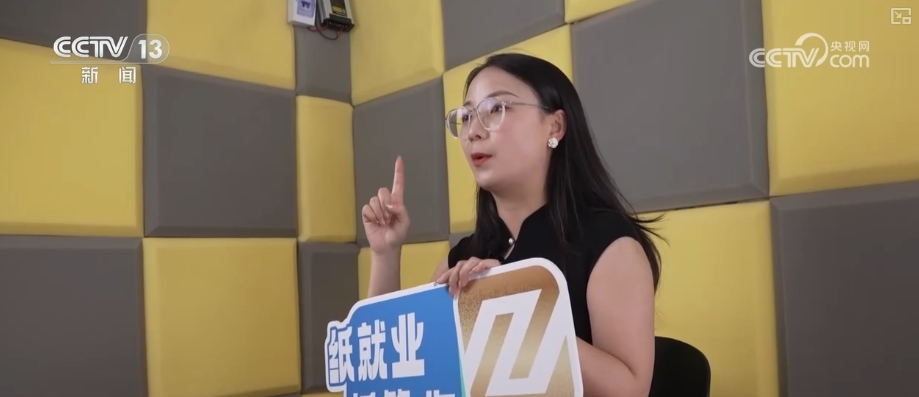
Group 1: Employment Services - Beijing has launched a "digital live broadcast cabin" platform to assist job seekers in finding suitable positions through live streaming recruitment [1][3] - The live broadcast recruitment model has proven effective, with 300,000 views and over 500 resumes submitted during the first event, significantly higher than traditional recruitment fairs [6] Group 2: E-commerce and Export Enterprises - Over 24,000 enterprises have joined the Kuaishou Kuaipin platform, which collaborates with human resources departments in more than 20 cities to provide job matching services [8] - E-commerce platforms are actively helping over 10,000 foreign trade enterprises to expand into domestic markets, addressing the challenges posed by fluctuations in overseas markets [10][14] Group 3: Financial Support and Growth - E-commerce platforms like Pinduoduo are providing substantial financial support, including a "100 billion support plan," to assist small and medium-sized enterprises in stabilizing and expanding their operations [15][23] - Companies have reported a reduction in operational costs by nearly 100,000 yuan per month due to these subsidies, allowing for brand and quality upgrades [17] - Since 2025, companies have hired over 160 new employees, indicating a significant increase in recruitment compared to previous years [20]