XPENG(XPEV)

Search documents
纳斯达克中国金龙指数收跌0.06%,小鹏汽车涨超7%
Mei Ri Jing Ji Xin Wen· 2025-11-11 21:20
Core Viewpoint - The performance of popular Chinese concept stocks showed mixed results, with the Nasdaq Golden Dragon China Index experiencing a slight decline of 0.06% [1] Group 1: Stock Performance - Xpeng Motors saw an increase of over 7% [1] - NetEase and Li Auto both rose by more than 1% [1] - Alibaba experienced a decline of over 3% [1] - Bilibili and NIO both fell by more than 1% [1]
Tesla Vs. XPeng: Musk's Optimus Meets Xiaopeng's Iron In The AI Race
Benzinga· 2025-11-11 20:04
Core Insights - XPeng Inc. is entering the humanoid robot market with its prototype named Iron, which is set to begin mass production by the end of next year, potentially outpacing Tesla's Optimus timeline by a year [1][2] - The humanoid robot Iron has been well-received, with its lifelike appearance leading to initial confusion among observers who mistook it for a human in costume [2] - XPeng positions itself as an AI-first mobility company, developing humanoids, robotaxis, and flying cars powered by its proprietary Turing AI chip, contrasting with Tesla's more ambitious claims about the capabilities of its robots [3][4] Company Developments - Iron will initially serve roles such as a museum guide, receptionist, and sales assistant, rather than replacing human workers [4] - XPeng plans to test three autonomous vehicle models in Chinese cities, while Tesla is set to roll out Cybercab robotaxis in the U.S. next year [5] - The company is also developing a hybrid road-and-air vehicle called the Land Aircraft Carrier, with mass production expected in 2026 [5] Financial and Market Position - XPeng's vehicle sales are projected to double to 400,000 units this year, which is significantly lower than Tesla's eight million, but the company maintains high ambitions [6] - Unlike Tesla, XPeng continues to attract external investment to support its AI and aerial initiatives, indicating a different funding strategy [6] - XPeng is establishing 200 "sky camps" for consumers to pilot its compact electric aircraft, reflecting a more pragmatic approach compared to Tesla's broader vision [6][7]


XPeng Breaks Out After Unveiling New Robots And Flying Cars
Investors· 2025-11-11 19:18
BREAKING: Futures Rise As Trumps Signs Bill Ending Shutdown Shares of Chinese electric vehicle manufacturer XPeng (XPEV) soared Monday. The jump came as the company presented a spate of new technologies, including plans for robotaxis and a prototype of a humanoid robot. XPeng Stock Tuesday's intraday high of 28.06 is XPeng's highest share price since July 2022. The stock has since pared some of its gains and now trades… Related news Take a Trial Today Stocks To Watch: XPeng ADR Sees RS Rating Rise To 94 11/ ...
纯电与增程“龙虎斗” 造车新势力“技术对调”打破“路线围城”
Zheng Quan Shi Bao· 2025-11-11 17:58
Core Viewpoint - The Chinese electric vehicle market is witnessing a shift in technology strategies, with companies like Xiaopeng Motors and Li Auto adjusting their approaches to include both pure electric and range-extended vehicles, reflecting market demands and competitive pressures [1][2][6]. Group 1: Xiaopeng Motors' Strategy - Xiaopeng Motors has launched its first range-extended model, the Xiaopeng X9, featuring a fast-charging lithium iron phosphate battery and a large fuel tank, achieving a pure electric range of over 450 kilometers and a combined range exceeding 1600 kilometers [2]. - The company plans to adopt a dual strategy of offering both pure electric and range-extended vehicles in the future, responding to market demands where traditional fuel vehicles still hold significant market share [2][6]. - Xiaopeng's shift towards range extension is seen as a necessary compromise to address challenges such as reduced range in winter and insufficient charging infrastructure in lower-tier cities [2][6]. Group 2: Li Auto's Transition - Li Auto, initially focused on range-extended vehicles, is now increasing its efforts in the pure electric segment due to competitive pressures and the need to diversify its offerings [3][7]. - The company faces competition from other brands in the range-extended market, which has prompted it to explore pure electric options to maintain market relevance [7]. - Data indicates that pure electric vehicles accounted for over 60% of total new energy vehicle sales in China from January to September this year, with a significant increase in sales of pure electric large SUVs [3]. Group 3: Market Dynamics and Consumer Preferences - The market is evolving towards a dual approach where both pure electric and range-extended vehicles coexist, driven by consumer preferences and technological advancements [8][12]. - The competition in the range-extended segment is intensifying, with multiple companies, including Lantu and others, planning to enhance their offerings in this area [3][10]. - The overall trend suggests that while pure electric vehicles are the long-term goal, range-extended and hybrid technologies will play a crucial role in the short to medium term as the market transitions [11][12].

十月新能源汽车销量首超新车总销量一半
Zheng Quan Shi Bao· 2025-11-11 17:49
Core Insights - The core viewpoint of the articles highlights the rapid growth of China's new energy vehicle (NEV) market, with NEV sales surpassing 50% of total vehicle sales for the first time in October 2025, indicating a significant shift in consumer preferences towards electric vehicles [1][2]. Group 1: Market Performance - In the first ten months of this year, China's total vehicle production and sales reached 27.69 million units, with a year-on-year growth of over 10% [1]. - NEV production and sales during the same period were 13.015 million and 12.943 million units, respectively, reflecting year-on-year increases of 33.1% and 32.7% [1]. - In October, NEV monthly sales exceeded 50% of total vehicle sales for the first time, reaching 51.6% [1]. Group 2: Export Growth - NEV exports from January to October amounted to 2.014 million units, marking a year-on-year growth of 90.4%, and representing the first time annual exports surpassed 2 million units [1]. Group 3: Company Performance - Xpeng Motors delivered 42,000 new vehicles in October, setting a monthly record and surpassing 40,000 units for two consecutive months, with total deliveries reaching 355,200 units in the first ten months, a year-on-year increase of 190% [1]. - Leap Motor achieved a delivery of 70,300 units in October, a year-on-year growth of over 84%, marking the first time its monthly deliveries exceeded 70,000 units [1]. Group 4: Market Drivers - The high growth of the NEV market this year is attributed to several factors, including effective vehicle trade-in subsidy policies, which have broad coverage and significant impact [2]. - The upcoming halving of the NEV purchase tax in the next year is expected to create a consumer rush to purchase vehicles, leading to a new consumption peak in the NEV market [2]. - Continuous innovation in product offerings, technological upgrades, and improvements in charging infrastructure have also contributed to the robust growth of the NEV market [2].
全球资产大反攻,欧美股市、黄金、科技股大涨,中概股上涨
Sou Hu Cai Jing· 2025-11-11 16:37
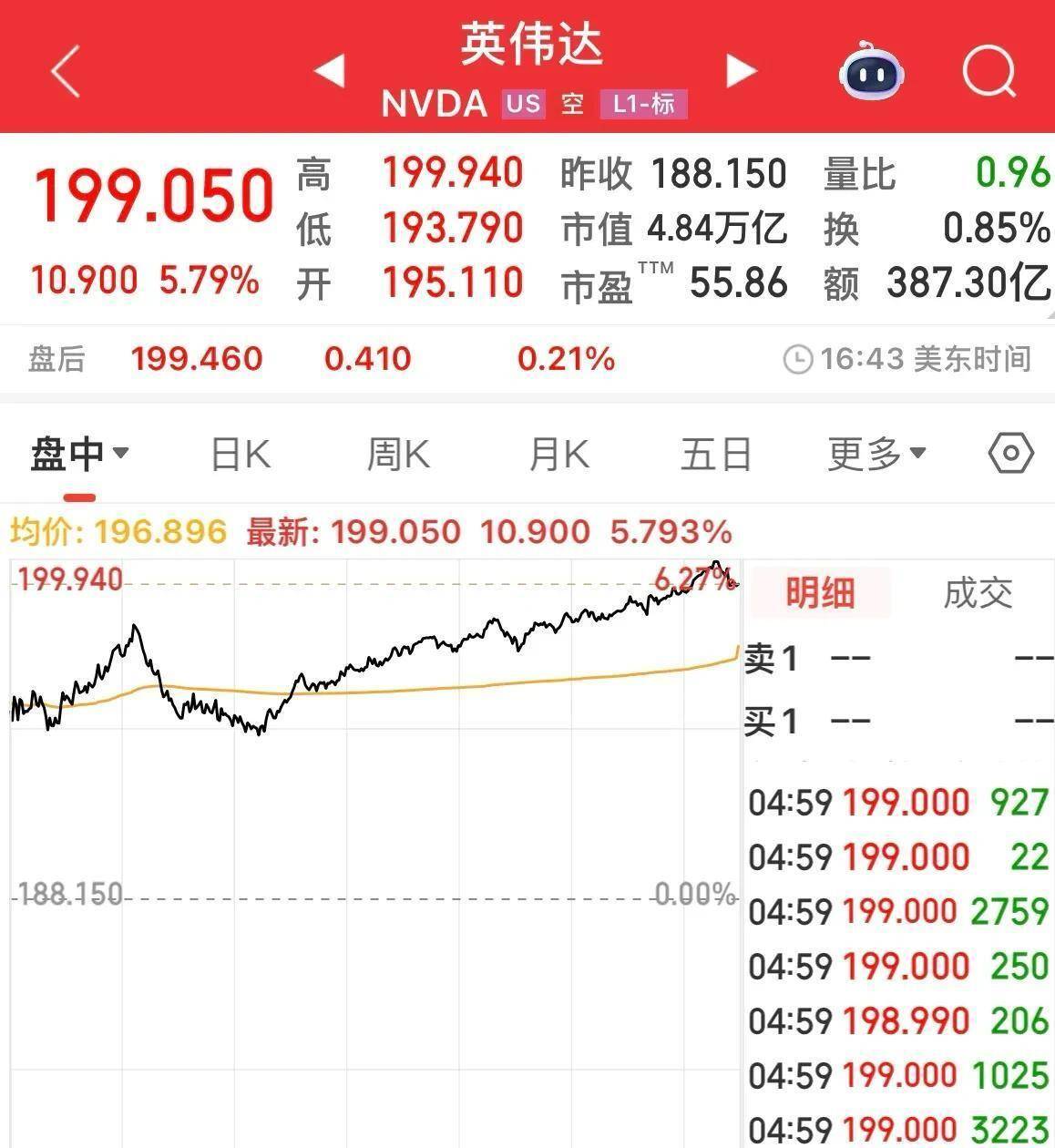
Group 1 - The U.S. government shutdown crisis has eased, leading to a significant rally in global markets, particularly in U.S. stocks [2][10] - Major U.S. stock indices saw substantial gains, with the Nasdaq rising by 2.27%, the S&P 500 up by 1.54%, and the Dow Jones increasing by 0.81% [2] - The technology sector led the rebound, with Nvidia's stock surging by 5.79%, adding approximately $265 billion to its market capitalization [3] Group 2 - Storage-related stocks performed exceptionally well, with SanDisk announcing a 50% increase in NAND flash memory contract prices, driving up shares of Micron Technology by 6.46% and Western Digital by nearly 7% [4] - AI-related stocks also rebounded, with Advanced Micro Devices rising over 4% and other semiconductor stocks like Broadcom and Lattice Semiconductor gaining more than 3% [4] Group 3 - The dovish statements from Federal Reserve officials further boosted market sentiment, with expectations for a potential interest rate cut in December rising to about 63% [6] - The Nasdaq Golden Dragon China Index increased by 2.25%, with notable gains in Chinese stocks such as XPeng Motors, which soared by 16.15% [6] Group 4 - International gold prices rebounded by 2.8%, reaching $4,122 per ounce, supported by a declining dollar index and expectations of Federal Reserve easing [8] - The oil market also strengthened, with WTI crude oil futures settling at $60.13 per barrel and Brent crude at $64.06 per barrel, driven by expectations of improved economic activity [8] Group 5 - The easing of the U.S. government shutdown crisis is identified as the core catalyst for the market rebound, with legislative progress indicating a potential end to the political deadlock [10] - Concerns over economic data shortages have diminished, with expectations for a wave of delayed data releases following the government reopening [10] - The concentration risk in U.S. stocks remains, as approximately 35% of the S&P 500's gains are driven by just seven technology stocks [10]

汽车2026年投资策略:品牌化、全球化、智能化,迎接AI浪潮下的产业升级机遇【国信汽车】
车中旭霞· 2025-11-11 16:02
Core Viewpoint - The Chinese automotive industry is transitioning from a growth phase to a mature phase, with a significant slowdown in sales growth and a shift in focus towards brand building and globalization to maintain profitability and market share [1][11]. Group 1: Industry Characteristics and Changes - The automotive industry is experiencing three main characteristics: diminishing total volume dividends, low growth normalization in sales, and a shift in production capacity from traditional fuel vehicles to new energy vehicles [11][19]. - The industry has undergone significant changes, including the transition from a focus on meeting transportation needs to a broader application in various life scenarios, and the evolution of vehicles from mere transportation tools to intelligent entities [42][45]. Group 2: Sales and Market Trends - The sales volume of the automotive industry is expected to reach 34.89 million units in 2025, with a growth rate of approximately 11%, driven by tax incentives and subsidies [1][11]. - The penetration rate of new energy vehicles is projected to increase significantly, with sales expected to rise from 1.21 million in 2019 to 14 million by 2024, reflecting a compound annual growth rate of 63% [19][24]. Group 3: Brand and Globalization Strategies - Brand building and globalization are essential strategies for automotive companies to counteract intense competition and maintain market share, with a focus on creating brand premiums and establishing barriers through advanced technologies [2][4]. - Domestic automotive brands are increasingly expanding overseas, supported by the establishment of production capacities, distribution channels, and service systems in international markets [2][4]. Group 4: Technological Advancements - The automotive industry is on the brink of a technological revolution, with advancements in intelligent driving expected to transition from co-pilot (L3) to agent (L4) capabilities, creating new investment opportunities in various components [2][3]. - The expected mass production of robots in 2026 will mark a significant milestone for the robotics industry, with a high overlap in components between automotive and robotics sectors, presenting investment opportunities in related supply chains [3][4]. Group 5: Policy and Economic Influences - The automotive industry is influenced by macroeconomic cycles, industry cycles, and policy cycles, with the latter playing a crucial role in shaping market dynamics through incentives and regulations [1][50]. - The upcoming reduction in new energy vehicle purchase tax incentives in 2026 is anticipated to stabilize overall automotive sales, with a slowdown in the growth rate of new energy vehicle sales [1][50].





美股异动 | 小鹏汽车(XPEV.US)续涨超4% 两个交易日累涨20% 创年内新高
智通财经网· 2025-11-11 15:51
Core Viewpoint - Xiaopeng Motors (XPEV.US) has seen a significant stock price increase, with a rise of over 4% on Tuesday and a cumulative increase of 20% over two trading days, reaching a new high for the year [1] Group 1: Stock Performance - The company's Hong Kong stock surged by 17.93%, marking the highest price since July 2022, with a trading volume exceeding 9 billion HKD [1] - The overall trading activity has intensified, with the daily transaction volume significantly increasing [1] Group 2: Product and Market Attention - The new humanoid robot, IRON, has garnered substantial attention from both domestic and international users and investors due to its "extremely human-like" features [1] - Elon Musk has publicly praised a video related to Xiaopeng's robot, indicating high-profile interest in the product [1] Group 3: Institutional Support - Major financial institutions such as Morgan Stanley, Deutsche Bank, Citigroup, CICC, and CITIC Securities have released reports strongly recommending Xiaopeng Motors [1]
小鹏人形机器人这套太极拳,在国内机器人领域是什么水平?
Xin Lang Cai Jing· 2025-11-11 15:23
Core Viewpoint - Xiaopeng's humanoid robot has demonstrated a set of Tai Chi movements, showcasing its capabilities in the domestic robotics field, which raises questions about its competitive position in the industry [1] Group 1 - Xiaopeng's humanoid robot is making strides in the domestic robotics sector with its Tai Chi performance [1] - The performance has led to a significant increase in Xiaopeng's stock price, rising over 16% [1]


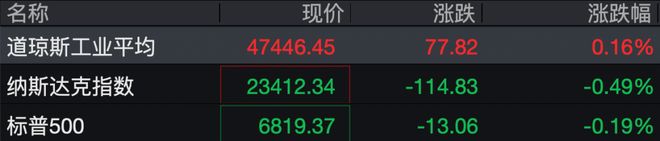
美股科技股开盘普遍承压
Di Yi Cai Jing Zi Xun· 2025-11-11 14:56
Market Overview - On November 11, US stock indices opened mixed, with the Dow Jones Industrial Average up by 0.16%, the Nasdaq down by 0.49%, and the S&P 500 down by 0.19% [1][2] Technology Sector - Most technology stocks declined, with ARM falling over 2%, Tesla down by 1%, and both Microsoft and Google experiencing declines; Nvidia also dropped over 2% [1] - SoftBank Group announced the sale of all its shares in Nvidia, cashing out $5.8 billion [1] Chinese Stocks - Chinese stocks showed mixed performance, with Xpeng Motors and NIO rising over 4%, while Daqo New Energy fell over 3%, and Tencent Music dropped nearly 2% [1]