宝马

Search documents
华宝新能涨8.77%,成交额3.76亿元,近5日主力净流入-793.82万
Xin Lang Cai Jing· 2025-08-13 08:26
Core Viewpoint - The company, Huabao New Energy, has seen a significant increase in stock price and trading volume, driven by its strategic partnerships and focus on sodium-ion and lithium battery technologies [1][2]. Group 1: Company Overview - Huabao New Energy, established in 2011, specializes in the research, production, and sales of lithium battery energy storage products, with portable energy storage products as its core offering [3][8]. - The company has developed strong supplier relationships with high-quality partners such as Panasonic, LG Chem, and BYD, and has expanded its customer base to include well-known brands like Tesla and BMW [2][3]. Group 2: Financial Performance - For the first quarter of 2025, Huabao New Energy reported a revenue of 714 million yuan, representing a year-on-year growth of 22.60%, while net profit attributable to shareholders reached 85.07 million yuan, up 193.36% year-on-year [9][10]. - The company's overseas revenue accounted for 95.09% of total revenue, benefiting from the depreciation of the Chinese yuan [4]. Group 3: Market Activity - On August 13, the stock price of Huabao New Energy increased by 8.77%, with a trading volume of 376 million yuan and a turnover rate of 13.06%, bringing the total market capitalization to 10.812 billion yuan [1]. - The stock has shown a diverse distribution of shares among major investors, with no clear trend in net inflow or outflow of funds [5][6].
福达股份(603166):2Q业绩新高,机器人转型持续推进
Huachuang Securities· 2025-08-12 13:31
Investment Rating - The report maintains a "Strong Buy" rating for the company, with a target price of 21.7 yuan, reflecting an expected performance exceeding the benchmark index by over 20% in the next six months [9][19]. Core Insights - The company reported a record high in Q2 2025, with revenue of 9.4 billion yuan, a year-on-year increase of 30%, and a net profit attributable to shareholders of 1.46 billion yuan, up 99% year-on-year [2][3]. - The company is undergoing a transformation towards robotics, with significant progress in product development and market expansion [8][9]. - The financial outlook for 2025-2027 has been adjusted, with net profit expectations revised to 3.12 billion, 3.94 billion, and 4.84 billion yuan, respectively, indicating growth rates of 68%, 26%, and 23% [8][9]. Financial Summary - The company’s total revenue is projected to grow from 1,648 million yuan in 2024 to 3,294 million yuan in 2027, with a compound annual growth rate (CAGR) of 19.5% [4][10]. - The net profit is expected to increase from 185 million yuan in 2024 to 484 million yuan in 2027, with a CAGR of 22.9% [4][10]. - The earnings per share (EPS) is forecasted to rise from 0.29 yuan in 2024 to 0.75 yuan in 2027 [4][10]. Market Performance - The company’s stock price has shown significant growth, outperforming the benchmark index over the past 12 months, with a notable increase of 291% [7][8]. - The company has maintained stable supply relationships with major clients, including BYD and Chery, contributing to its revenue stability [8][9]. Strategic Focus - The company is focusing on accelerating its robotics transformation, with successful product deliveries and ongoing development of high-precision components [8][9]. - The expansion of the crankshaft business into new markets, particularly in passenger vehicles, is expected to drive further growth [8][9].

打法变了,稀土对美国开放,特朗普忙活180天,给中国做了嫁衣
Sou Hu Cai Jing· 2025-08-12 11:34
Group 1 - The core point of the article highlights a significant shift in the U.S.-China trade dynamics, particularly regarding rare earth elements, where the U.S. military-industrial complex is increasingly reliant on China for essential materials [2][4][6] - On August 12, a new agreement was reached between the U.S. and China, extending a tariff truce for 90 days while maintaining a 10% tariff, indicating a tactical retreat from both sides [4][6] - The U.S. defense sector is facing severe supply chain disruptions due to China's control over rare earth elements, with prices for certain elements skyrocketing, leading to production slowdowns in critical military projects [8][10] Group 2 - The U.S. Department of Defense reports that 87% of key military equipment relies on Chinese rare earths, highlighting the strategic vulnerability of the U.S. military [10][12] - The U.S. government has attempted to mitigate this dependency by providing subsidies to domestic companies, but these efforts have proven inadequate compared to China's production capabilities [12][14] - China's dominance in rare earth production is underscored by its control over 90% of the global refining capacity, making it a critical player in the supply chain [16][18] Group 3 - The article discusses the strategic implications of the tariff truce, suggesting that the remaining 10% tariff serves as leverage for the U.S. while China uses its rare earth control to maintain influence over U.S. military operations [20][22] - The ongoing trade dynamics are reshaping international trade rules, with emerging markets increasingly engaging in trade with China using local currencies, indicating a shift away from dollar dependency [24][26] - The article concludes that the trade war initiated by the Trump administration has inadvertently strengthened China's position in the global supply chain for rare earths, solidifying its role as a strategic resource provider [26]


年中经济观察丨中国新能源汽车如何逐“新”提“智”——中国经济年中观察之二
Xin Hua Wang· 2025-08-12 06:37
Core Viewpoint - The Chinese new energy vehicle (NEV) industry has shown remarkable growth in the first half of the year, with production and sales both exceeding 6.9 million units, marking a year-on-year increase of over 40% [1] Group 1: Industry Performance - The NEV market penetration rate continues to rise, and exports have increased by 75.2% [1] - The automotive industry is characterized by efficient production rhythms and continuous technological renewal [1] Group 2: Innovation and Technology - AI technologies are enhancing production processes, with factories achieving 100% automation and utilizing over 40 advanced technologies for smarter, lower-carbon, and more efficient production [5] - New battery technologies, such as the dual-core battery developed by CATL, are being introduced to meet specific user needs, showcasing the industry's focus on performance and innovation [6] Group 3: Collaboration and Ecosystem - The automotive industry is witnessing new steps in open cooperation, with suppliers and manufacturers integrating more closely, such as CATL's production lines being located next to vehicle assembly lines [8] - Collaborative efforts are being made to develop new intelligent driving solutions tailored for the Chinese market, emphasizing the importance of partnerships in driving innovation [8] Group 4: Market Dynamics and Challenges - The automotive industry is facing challenges such as irrational competition and low profit margins, with the industry's profit rate at 4.3%, lower than the average of 5.7% for downstream industrial enterprises [10] - Regulatory measures are being implemented to address issues of competition and safety, including new standards for electric vehicle batteries and safety requirements for vehicle components [11] Group 5: Future Outlook - Industry leaders emphasize the need for a long-term strategy focused on value creation rather than price competition, with a consensus emerging on the importance of brand strength and innovation [13]






老豪华如何进化为新豪华
Zhong Guo Qi Che Bao Wang· 2025-08-12 06:33
Core Insights - Traditional luxury brands like BBA (Benz, BMW, Audi) are facing strong competition from new luxury brands represented by companies like Wenjie and Li Auto in the Chinese market [2][3] - Significant price reductions have been observed for multiple Benz models, with discounts reaching up to 50%, leading to the closure of several dealerships in cities like Tangshan, Dongying, and Luoyang [2] - Mercedes-Benz's net profit after tax dropped by 55.8% year-on-year in the first half of the year, with total sales in China declining by 14% to 293,200 units [2] - Audi and BMW also reported declines in sales, with Audi's sales down 10.2% and BMW's net profit decreasing by over 29% [2] Market Dynamics - The definition of luxury is evolving as the automotive industry accelerates towards electrification and intelligence, with younger consumers prioritizing technology and practicality over brand prestige [2][3] - Mercedes-Benz is adjusting its electrification strategy to allow for a coexistence of fuel and electric vehicles, catering to different market conditions, particularly in China [3][10] - The acceptance of intelligent technology varies globally, with Chinese consumers showing the highest willingness to adopt smart features, while North American and European consumers express concerns about privacy and data security [3][9] Technological Focus - Mercedes-Benz identifies five key future technology anchors: electronic and electrical architecture, powertrains, autonomous driving, smart cockpits, and data security [8][9] - The company emphasizes the importance of self-research in electronic architecture and powertrains to maintain competitive advantage, while opting for collaboration in areas like data security and chip development [10][12] - The strategy includes a focus on user-centered technology that enhances safety, comfort, and convenience, avoiding mere technological accumulation [6][7] Localization and Global Strategy - The unique dynamics of the Chinese market are seen as a testing ground for innovation, with Mercedes-Benz aiming to adapt its product development processes to align with local market demands [13][14] - The company plans to leverage its experiences in China to enhance its global operations, potentially developing next-generation platforms locally [13] - The shift from traditional luxury to new luxury is characterized by a blend of brand heritage with modern consumer needs, with China acting as a catalyst for this transformation [14]

汽车之家用评测引领汽车消费新航向
Xin Hua Wang· 2025-08-12 06:17
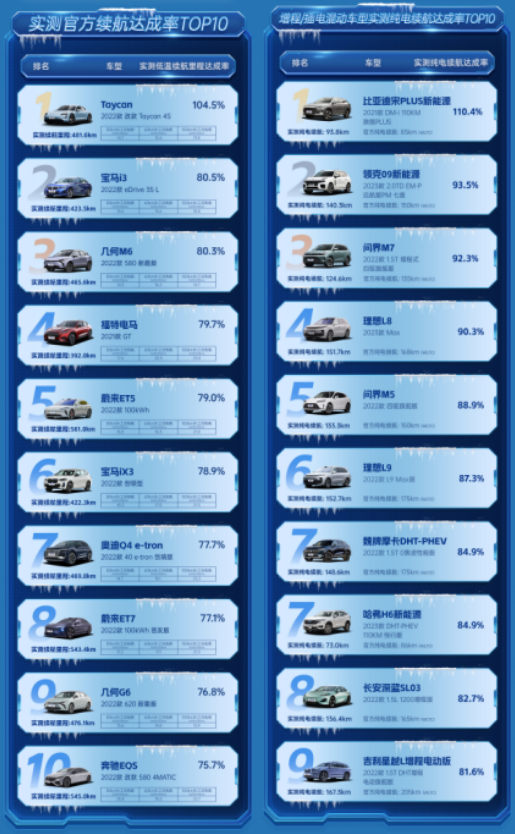
Core Viewpoint - The automotive consumption landscape is undergoing transformation due to upgraded consumer demand and the application of new technologies, leading to the emergence of new demands and business models, which will reshape the automotive consumption value chain [1] Group 1: Testing and Evaluation - The 2022 "Super Test - Winter Laboratory" introduced a new dual-temperature testing method, collecting over 20,000 real user samples to provide comprehensive evaluations of 58 popular new energy vehicle models [2][3] - The testing included both pure electric and range-extended/integrated models, covering popular domestic and joint venture brands, and also included new models still in testing [2][4] - The dual-temperature testing approach provided a more comprehensive understanding of vehicle performance under varying conditions, including extreme cold [3][4] Group 2: Performance Insights - In the low-temperature tests, joint venture brands outperformed domestic brands in pure electric models, while all range-extended/integrated models were domestic, highlighting the market dominance of domestic brands in this segment [4] - The average range achievement rate for pure electric models in Beijing was 71.8%, with the Taycan achieving 104.5%, while extreme cold conditions significantly reduced the range of many models [5][4] - The extreme cold testing revealed that the performance of electric vehicles was severely impacted, with some models achieving less than 40% of their official range [5] Group 3: Consumer Guidance - The testing results provided valuable insights into factors affecting winter range, such as battery performance, heating system efficiency, and tire performance under low temperatures [9][12] - The "Super Test" aims to address consumer pain points in selecting electric vehicles by providing clear, data-driven evaluations and recommendations [13] - The initiative emphasizes the importance of transparency and accuracy in automotive evaluations to help consumers make informed decisions [14] Group 4: Industry Impact - The automotive industry is encouraged to upgrade technology and improve product quality through the insights gained from the testing, which serves as a catalyst for innovation [10][14] - The integration of real user data into the evaluation process enhances the credibility and relevance of the assessments, positioning the company as a leader in automotive testing [12][14] - The company's brand upgrade reflects its commitment to meeting evolving consumer needs and promoting sustainable development in the automotive industry [13]
嵘泰股份20250811
2025-08-11 14:06
Summary of the Conference Call Company and Industry Overview - The conference call primarily discusses **Rongtai Co., Ltd.** and its acquisition of **Aodu Electronics**. Aodu Electronics specializes in automotive electric pedals and electric tailgates, rapidly gaining market share in China and becoming a key supplier for major manufacturers like **Seres** and **Li Auto**. [2][5][10] Key Points and Arguments 1. **Investment and Acquisition Strategy** - Rongtai Co., Ltd. invested **40 million yuan** in Aodu Electronics and co-financed **100 million yuan** to mitigate risks and assess growth potential. [2][5] - The acquisition of **51%** of Aodu Electronics aims to expand market presence and achieve resource integration for technological and market synergies. [5][10] 2. **Market Performance and Projections** - Aodu Electronics is projected to achieve **800 million yuan** in sales in **2025**, a significant increase from **200 million yuan** in **2022**. [2][7] - Expected net profit for Aodu Electronics in **2025** is over **60 million yuan**, with sales anticipated to reach at least **1 billion yuan** in **2026**, reflecting a growth rate of no less than **30%** annually for the next two years. [2][10] 3. **International Market Expansion** - Aodu Electronics is actively pursuing international markets, collaborating with companies like **Mercedes-Benz** and **BMW**, with mass production expected to start in **2026**. [2][7][10] - The gross margin for international clients is projected to be **35%**, significantly higher than the domestic market's **28%**. [7] 4. **Technological Capabilities** - Aodu Electronics' motor development capabilities are bolstered by a team of retired experts from **Bosch**, focusing on innovative designs for electric motors used in robots and robotic dogs. [3][16] - Plans to eliminate outsourcing by **2026** and establish a manufacturing facility in North America to meet international demand are underway. [3][18] 5. **Synergies and Resource Integration** - The acquisition is expected to enhance competitive advantages through resource sharing, particularly in entering new markets and accelerating product development. [13][10] - Collaboration on R&D in automotive motors and robotic components is anticipated to improve product performance and reduce costs. [13] 6. **Future Growth and Development Goals** - Aodu Electronics aims to rapidly capture market share by leveraging top-tier global technology teams and establishing overseas production bases for localized service. [21] - The company plans to achieve a production capacity of **100,000 units** by **2026**, addressing both automotive and robotics sectors. [26] Additional Important Information - The acquisition process involves multiple steps, including shareholder approval and compliance with disclosure obligations, expected to be completed by the end of **August**. [14][15] - Aodu Electronics currently derives over **90%** of its revenue from the domestic market, with plans to significantly increase its international sales contribution in the coming years. [11] - The company is also exploring new applications for its products, including planetary rolling screws, with ongoing discussions with major clients like **Tesla** and **BYD**. [25][30] This summary encapsulates the critical insights from the conference call regarding Rongtai Co., Ltd.'s strategic acquisition of Aodu Electronics, market expectations, and future growth plans.

二手油车不太好卖,合资车高保值神话被打破
创业邦· 2025-08-11 03:14
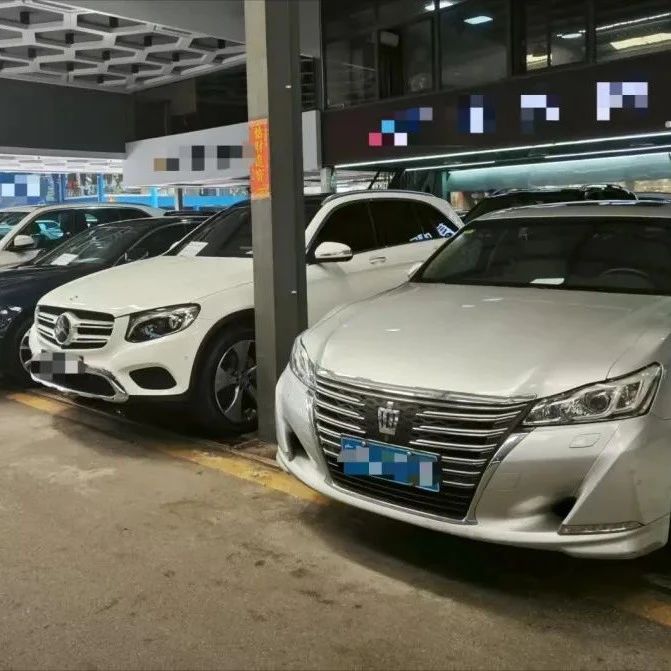
Core Viewpoint - The automotive industry is undergoing a significant transformation as traditional fuel vehicles face increasing competition from electric vehicles (EVs), leading to a decline in the market share and resale value of fuel vehicles [4][5][10]. Market Trends - In July, the retail penetration rate of new energy vehicles (NEVs) in China's passenger car market reached 54.0%, a year-on-year increase of 2.7 percentage points. Cumulatively, 6.455 million NEVs were sold in the first seven months of the year, representing a 29.5% year-on-year growth [4][16]. - The second-hand fuel vehicle market is experiencing downward pressure on prices, with average inventory cycles extending to 43 days and 35.6% of businesses facing cycles over 30 days, indicating increased operational pressure [5][21]. Resale Value Decline - The resale value of previously high-value brands like Toyota and Honda is declining, with the three-year resale value for Toyota dropping to 56.6% from 83.24% in 2021, and Honda to 57% from 78.19% [10][13]. - Specific examples include a two-year-old Toyota Camry priced at 12.96 million yuan, reflecting a 65% resale value, down from higher values in previous years [6][8]. Shift to New Energy Vehicles - The second-hand market for NEVs is growing, with penetration rates rising from 8% to 9.9% in recent months, indicating a shift in consumer preference [16][18]. - Some second-hand car dealers are increasingly focusing on selling NEVs to compensate for the declining profits and sales of fuel vehicles [5][20]. Consumer Behavior - Consumers are showing a preference for NEVs, with many second-hand car dealers reporting that the inventory of NEVs is now greater than that of fuel vehicles [18][20]. - Despite the growth of NEVs, fuel vehicles still maintain a significant market presence, with many consumers still willing to purchase them if priced competitively [21].
早报 | 英特尔CEO周一将赴白宫;百果园董事长称在教育消费者成熟;鹤岗开发百万元高档小区;猪价跌破14元创年内新低
虎嗅APP· 2025-08-11 00:14
Group 1 - The price of live pigs in China has dropped to a new low of 13.77 yuan per kilogram, marking a decrease of approximately 8.3% month-on-month and 33.6% year-on-year, prompting the government to implement measures to reduce production capacity by about 1 million breeding sows [2] - The housing market in Hegang has seen a significant increase in prices over the past five years, with new homes averaging 3,860 yuan per square meter, up from 3,046 yuan, and a total of 5,680 homes purchased by non-local buyers last year [3] - 百果园's chairman stated that the company will not lower fruit prices to cater to consumer ignorance, emphasizing the importance of educating consumers about quality differences in fruits [4][5] Group 2 - A major corruption case involving the quantitative trading firm Fantasia Quant has emerged, with allegations of embezzlement amounting to 118 million yuan over six years, leading to the investigation of several individuals [15][16][17] - Huawei is set to announce a breakthrough technology in AI inference that could reduce reliance on high-bandwidth memory (HBM) and enhance the performance of domestic AI models [18] - BMW and Brilliance BMW have initiated a recall of over 230,000 vehicles due to safety hazards related to starter generator connections and high-pressure system malfunctions [28]

知名机器人企业老总月薪200万提议遭拒,投资人谴责其“掏空公司”;幻方量化腐败大案曝光;ChatGPT误诊致男患者溴中毒丨邦早报
创业邦· 2025-08-11 00:08
Group 1 - Huanfang Quantitative has been involved in a corruption case involving a total of 118 million yuan over six years, with the market director, Li Cheng, allegedly colluding with a brokerage to siphon off commissions [3][4] - The company claims that Li Cheng's actions were personal and not representative of the company's practices, asserting that they were unaware of the commission incentives provided by the brokerage [4] Group 2 - Borante Robotics faced controversy after a proposal to increase the general manager's salary to 2 million yuan was rejected by the board, leading to public accusations of mismanagement from investors [4] Group 3 - Wahaha is implementing a strict policy to eliminate distributors with annual sales below 3 million yuan, causing disputes over unsettled payments among distributors [7][8] Group 4 - The global industrial robot market is experiencing a downturn, with a 3% decrease in new installations last year, while China is the only market showing growth, expected to increase by 5% in 2024 [23]