康师傅控股

Search documents
聚焦港股消费ETF(513230)布局机遇,把握“以旧换新”百亿红利
Mei Ri Jing Ji Xin Wen· 2026-01-08 06:06
Group 1 - The Hong Kong stock consumer sector experienced a slight decline, with the Hong Kong Consumer ETF (513230) dropping over 0.5% [1] - Major stocks such as Upstream Holdings, Master Kong Holdings, and Uni-President China saw significant declines, while stocks like Weidong Gourmet and Mixue Group showed notable gains [1] - The launch of the "old-for-new" subsidy program by various platforms, including JD.com and Suning, aims to stimulate consumer spending, supported by a 625 billion yuan special government bond plan for 2026 [1] Group 2 - The tourism sector saw record high activity during the New Year holiday, with significant growth in outbound travel, surrounding tours, and duty-free shopping [1] - Huachuang Securities maintains a positive outlook on the performance of service consumption-related sectors in 2026 [1] - The Hong Kong Consumer ETF (513230) tracks the CSI Hong Kong Stock Connect Consumer Theme Index, encompassing leading consumer stocks across various sectors, including Pop Mart, Yum China, and Anta Sports [1]
万亿外资巨头,加仓!
Zhong Guo Ji Jin Bao· 2026-01-07 13:52
Group 1 - BlackRock increased its holdings in Haier Smart Home, WuXi Biologics, Midea Group, and Bank of China on January 2, 2026 [1][3] - The shareholding percentage of WuXi Biologics increased from 5.32% to 6.14%, Midea Group from 5.15% to 6.75%, Bank of China from 5.98% to 6.11%, and Haier Smart Home from 7.72% to 8.34% [3] - Previously, on December 29, 2025, BlackRock had reduced its holdings in Midea Group from 7.03% to 5.16% and in Bank of China from 6.07% [3] Group 2 - Goldman Sachs released a report predicting that China's GDP growth in 2026 will exceed market expectations, recommending an overweight position in Chinese stocks [4][5] - The report anticipates a continuation of the bull market in Chinese stocks, with annual growth rates of 15% to 20% in 2026 and 2027, supported by earnings growth and valuation re-rating [5] - UBS Wealth Management expressed optimism for the Chinese market, highlighting advanced manufacturing and technological self-reliance as new growth engines, with a projected 37% earnings growth for the Hang Seng Tech Index in 2026 [5]



传统饮料行业面对革新变化
Xiangcai Securities· 2026-01-07 06:27
Investment Rating - The industry investment rating is maintained as "Buy" [4] Core Insights - The traditional beverage industry is undergoing significant changes, with a shift towards health-conscious consumption and personalized beverage options [6][12] - The beverage market is transitioning from a focus on sugary drinks to healthier, sugar-free alternatives, with sugar-free beverages projected to account for over 45% of the market by 2024 [7][15] - The industry is experiencing a dual-track development focusing on health and sensory enjoyment, with ready-to-drink beverages posing a significant challenge to traditional bottled drinks [17] Summary by Sections Current Situation - The past decade has seen a transformation in China's beverage industry, with evolving consumer demands and marketing strategies. Consumers now prioritize health, hydration, and personalized experiences over mere thirst quenching [6][12] Product Dimension - The beverage market's core trend is the pursuit of health, with sugar-free drinks becoming mainstream. In 2014, sugar-free beverages accounted for about 5%, which is expected to rise to over 45% by 2024. The market is now dominated by packaging water, tea drinks, and energy beverages [7][15][17] Channel and Marketing Dimension - The beverage industry is moving towards a multi-channel approach, emphasizing comprehensive channel coverage and online-offline integration. This shift presents opportunities for smaller brands to leverage social media and innovative marketing strategies to drive sales [8][20][21] Investment Recommendations - The food and beverage industry is characterized by resilience and is currently undervalued. The report suggests focusing on leading brands with strong channel advantages and emerging growth companies that align with health and experience trends. The industry is shifting from scale benefits to structural benefits, highlighting the importance of health and experience in future growth [9][22]
魏氏家族80后少帅接班,能拯救失血的康师傅帝国吗
首席商业评论· 2026-01-07 05:06
Core Viewpoint - The article discusses the transition of leadership at Master Kong (康师傅) as CEO Chen Yingrang retires, highlighting the challenges faced by the company in a changing market environment and the expectations for new CEO Wei Hongcheng to revitalize growth [7][8][11]. Company Transition - Chen Yingrang, who has led Master Kong for many years, will retire at the end of 2025, with Wei Hongcheng set to take over as CEO starting January 1, 2026 [7]. - Wei Hongcheng is the third son of the founder and is part of the Wei family, which has maintained control over the company [9]. Financial Performance - In the first half of 2025, Master Kong reported revenues of 40.092 billion yuan, a decrease of 1.109 billion yuan or 2.69% year-on-year [7]. - The number of distributors decreased from 67,215 at the end of 2024 to 63,806 in the first half of 2025, indicating a significant reduction from 76,875 at the end of 2023 [7][18]. Market Challenges - The rise of the food delivery industry has significantly impacted the demand for instant noodles, which were once a staple for consumers [13]. - Master Kong faces intense competition from major internet companies like Alibaba, Meituan, and JD.com, which have reshaped consumer habits [13]. - The company’s beverage segment, which contributes 65.74% of total revenue, saw a revenue decline of 2.61%, while the instant noodle segment, contributing 33.59%, experienced a 2.52% decline [17]. Strategic Adjustments - Master Kong is attempting to adapt by implementing a "one code for one item" strategy to enhance channel control and reduce gray market profits [18]. - The company has also seen a decline in customer prepayments, which dropped to 912 million yuan in the first half of 2025 from 1.25 billion yuan in 2024 and 1.521 billion yuan in 2023, indicating waning confidence among distributors [20][21]. Profitability Measures - Despite revenue declines, Master Kong reported a net profit of 2.271 billion yuan in the first half of 2025, up over 20% from 1.885 billion yuan in the previous year [23]. - The company has pursued strategies such as product premiumization and cost reduction, alongside price increases for key products, to maintain profitability [23]. Competitive Landscape - The competitive landscape for ready-to-drink tea has shifted, with Master Kong's market share in this segment decreasing from 29.5% to 27.7%, while competitors like Nongfu Spring's "Oriental Leaf" have increased their share from 19.9% to 24.8% [27]. - The article highlights the significant market capitalization gap between Master Kong and emerging tea brands, indicating a shift in consumer preferences [15][27].


我国情绪消费市场规模超2万亿元,港股消费ETF(159735)盘中交投活跃,机构:消费板块或将迎来业绩修复成长空间
2 1 Shi Ji Jing Ji Bao Dao· 2026-01-07 02:18
Group 1 - The Hang Seng Tech Index experienced a decline of over 1%, while the CSI Hong Kong Stock Connect Consumer Theme Index saw a slight increase of 0.02% as of the report time [1] - Among the constituent stocks, companies such as Shangmei Co., Ltd. rose by over 2%, with other notable gainers including KANAT Optics, AUX Electric, Mao Ge Ping, Xiao Cai Yuan, and Master Kong Holdings [1] - The Hong Kong Consumer ETF (159735) tracked the CSI Hong Kong Stock Connect Consumer Theme Index, which consists of 50 large-cap consumer-related stocks with good liquidity, reflecting the overall performance of consumer stocks within the Hong Kong Stock Connect [1] Group 2 - The emotional consumption market in China is rapidly growing, projected to increase from 16.3 trillion yuan in 2022 to 27.2 trillion yuan by 2025, and expected to exceed 45 trillion yuan by 2029 [1] - Over 90% of young people recognize the concept of "emotional value," with nearly 60% willing to pay for it, indicating a strong market potential driven by the younger demographic [1] - Experts believe that Chinese products and services have unique advantages in the emotional consumption sector, which is becoming a significant growth area in the overall consumption market [1] Group 3 - According to Everbright Securities, the consumption sector is expected to stabilize due to policy support and a rebound in consumer confidence, potentially leading to performance recovery and growth opportunities [2] - Leading companies in specific sub-sectors are noted for their strong resilience and competitive market positions [2]

康师傅控股(00322) - 截至二零二五年十二月三十一日止之股份发行人的证券变动月报表
2026-01-06 08:30
股份發行人及根據《上市規則》第十九B章上市的香港預託證券發行人的證券變動月報表 截至月份: 2025年12月31日 狀態: 新提交 致:香港交易及結算所有限公司 公司名稱: 康師傅控股有限公司 呈交日期: 2026年1月6日 I. 法定/註冊股本變動 | 1. 股份分類 | 普通股 | 股份類別 不適用 | | | 於香港聯交所上市 (註1) | | 是 | | | --- | --- | --- | --- | --- | --- | --- | --- | --- | | 證券代號 (如上市) | 00322 | 說明 | | | | | | | | | | 法定/註冊股份數目 | | | 面值 | | 法定/註冊股本 | | | 上月底結存 | | | 7,000,000,000 | USD | | 0.005 USD | | 35,000,000 | | 增加 / 減少 (-) | | | 0 | | | USD | | 0 | | 本月底結存 | | | 7,000,000,000 | USD | | 0.005 USD | | 35,000,000 | 本月底法定/註冊股本總額: USD 35,0 ...
彭博绿金2026值得关注榜成功发布
Sou Hu Wang· 2026-01-06 04:57
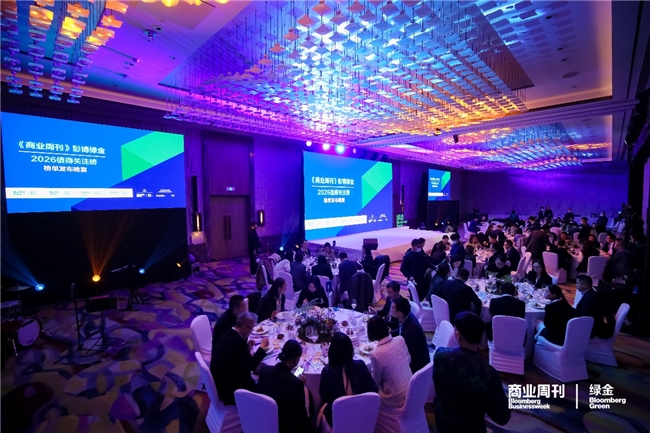
Core Insights - The 2026 Bloomberg Green Finance Awards ceremony was successfully held at the MGM Hotel in Shanghai, emphasizing the importance of aligning with China's "dual carbon" goals and the evolving global business landscape [2] - The event introduced two new evaluation systems: the "Green Finance List" and the "ESG Potential Enterprises" list, alongside existing categories for "ESG Leading Enterprises" and "Outstanding ESG Projects" [2] Green Finance List - The Green Finance List focuses on the green development and innovation within China's financial sector, developed in collaboration with the Central University of Finance and Economics [3] - It aims to respond to national green finance policies and promote the green transformation of financial institutions and enterprises [3] ESG Potential Enterprises - The ESG Potential Enterprises list is based on Bloomberg's proprietary analysis of corporate data, utilizing a comprehensive ESG matrix covering four dimensions, 16 core issues, and 41 sub-issues [4] - The matrix addresses nine major themes, including climate action, energy and ecological management, product safety, employee health, and social responsibility, to identify companies with long-term value and industry leadership potential [4] Complete Lists Released - The ESG Leading Enterprises include CHINT Group Co., Ltd., Tingyi Holding Corp. (Master Kong), Trina Solar Co., Ltd., and several others [5][6][7] - Outstanding ESG Projects feature initiatives from Beijing Fuping Social Venture Capital Co., Ltd., Envision Energy, LONGi Green Energy Technology Co., Ltd., and others [7][8] Green Financial Institutions - The Green Financial Institutions recognized include Bank of China (Hong Kong) Limited, Guotai Junan International Holdings Limited, Industrial Bank Co., Ltd., and others [9][10] Innovation Drivers - The ESG Innovation Drivers include organizations such as the Alliance for Water Stewardship, Climate Bonds Initiative, and Shanghai Advanced Institute of Finance [10] ESG Advocates - The ESG Advocates list features companies like Hydrowell (Taicang) Energy Technologies Co., Ltd., Ningbo Joyson Electronics Corp., and Skyworth Group Limited [11] Future Outlook - Bloomberg Green Finance aims to collaborate with more practitioners to explore core trends and future pathways for sustainable development, accumulating cross-disciplinary wisdom and solutions [13]


最长春节前的礼品市场:加多宝们摆烂,烟酒店老板没钱进货,小品牌开始抢市场
3 6 Ke· 2026-01-05 06:16
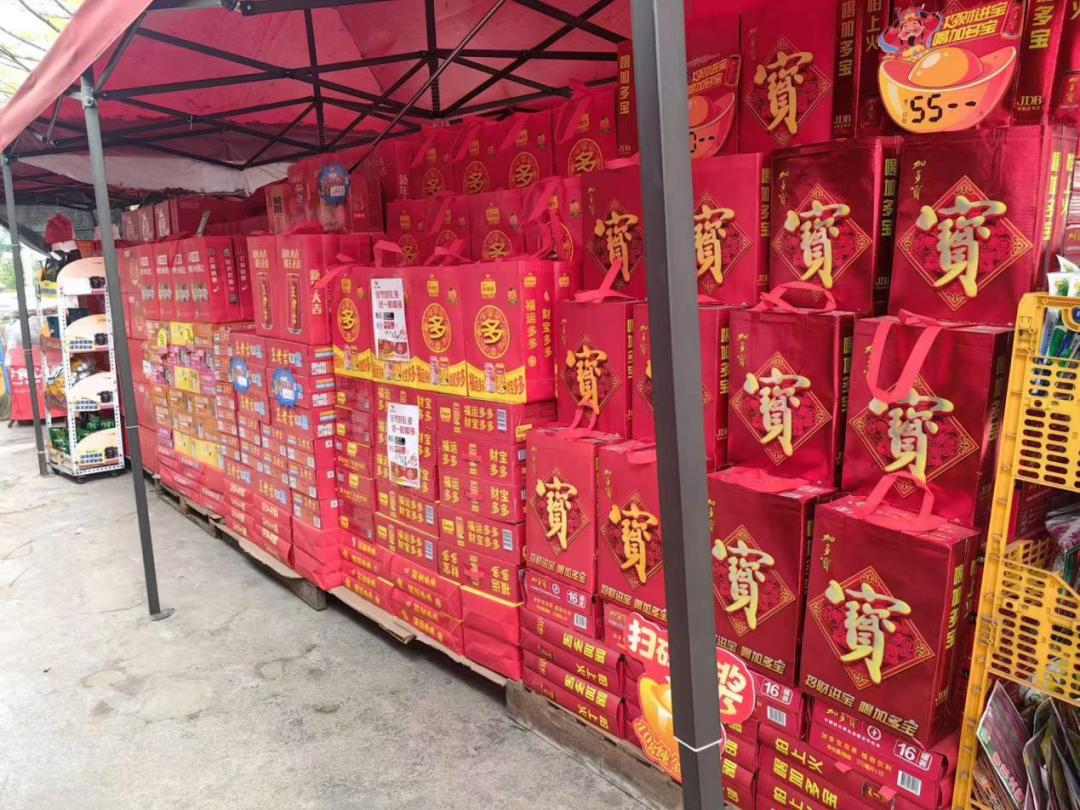
Group 1 - The gift box market is experiencing a downturn, with companies like Jia Duo Bao reducing their workforce and struggling to maintain sales levels compared to previous years [1][2] - Jia Duo Bao's sales have dropped to only a quarter of their peak, indicating a significant decline in overall market performance [1] - Wang Lao Ji is also facing challenges, with a recent anti-corruption campaign affecting the festive atmosphere and leading to price competition with Jia Duo Bao [2] Group 2 - The milk segment remains the dominant player in the gift box market, but there is a lack of innovation and a perception of declining value among consumers [4] - The gift market has faced four years of sluggish consumption, with sales during the 2025 Mid-Autumn Festival and National Day being less than half of 2024's figures [4] - Retailers are hesitant to stock up on inventory due to poor cash flow from lower-tier distributors and stores, leading to reduced order quantities [6][7] Group 3 - New entrants in the market, such as snack gift boxes and cross-category products, are capturing market share from traditional brands [8] - The example of instant noodles being used as wedding gifts in Henan illustrates a shift in consumer preferences and the evolving nature of gift products [12] - Traditional brands are struggling to adapt to changing market dynamics, while new brands are more agile and willing to take risks [13]
每日晨讯-20260105
ZHONGTAI INTERNATIONAL SECURITIES· 2026-01-05 02:05
Market Overview - The Hong Kong stock market started the new year positively, with the Hang Seng Index and the Hang Seng China Enterprises Index closing at 26,338 points and 9,169 points, down 2.8% and 2.9% respectively [1] - Total trading volume in Hong Kong reached HKD 140.9 billion, an increase of 18.4% compared to HKD 119 billion on December 31 [1] - The technology, materials, and consumer discretionary sectors saw increases of 3.9%, 3.5%, and 3.3% respectively, while consumer staples and utilities rose only 0.9% and 0.5% [1] - Baidu Group (9888 HK) and New Oriental (9901 HK) led the blue-chip stocks with gains of 9.4% and 7.2%, while Cheung Kong Infrastructure (1038 HK) and Tingyi (322 HK) experienced declines of 0.9% and 0.7% [1] IPO Market - The performance of new stocks was strong, which is expected to positively influence investor sentiment in the IPO market [1] - Wall Street's recent IPO of domestic GPU company Birran Technology (6082 HK) saw its stock price rise by 75.6% after an initial surge of approximately 1.2 times [1] Automotive Industry - On the first trading day of the new year, the Hong Kong automotive sector followed the market trend upward [3] - Geely Automobile (175 HK) announced a cumulative sales target of 3.024 million units for 2025, representing a year-on-year increase of 39%, exceeding its annual target [3] - The sales of new energy vehicles (NEVs) for Geely are expected to increase by 90% year-on-year, with a target of 3.45 million units for 2026, including 2.22 million NEVs, a year-on-year increase of 32% [3] - BYD (1211 HK) reported total sales of 4.602 million units last year, up 7.7%, with its stock price rising 3.6% [3] - Li Auto (2015 HK) saw its stock price increase by 4.9% [3] Renewable Energy Sector - The renewable energy and utilities sectors generally rose last Friday, with Goldwind Technology (2208 HK) surging by 21.0% [3] - The company’s stake in Blue Arrow Aerospace received approval for its IPO application on the A-share Sci-Tech Innovation Board, drawing comparisons to SpaceX [3] - Meanwhile, Weisheng Holdings (3393 HK) rose by 4.7%, as its subsidiary received investment from Boyu Capital, which is expected to enhance its smart grid and data center energy solutions business [3]
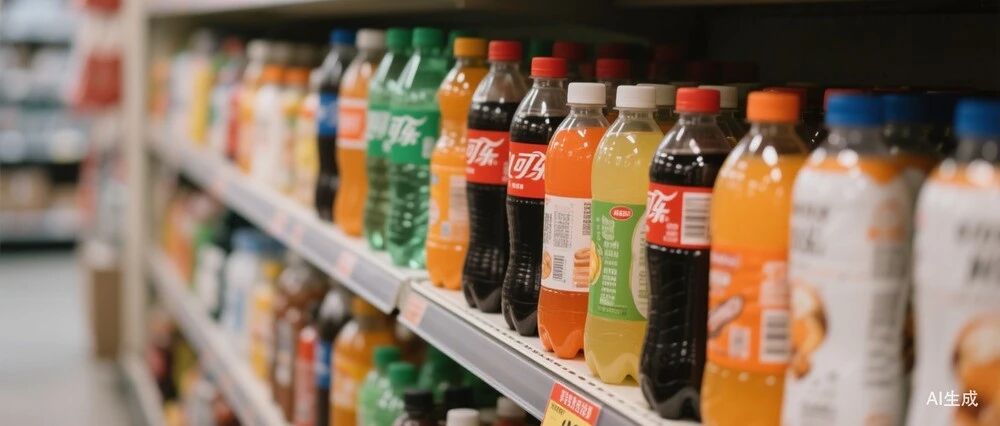
中国人最爱喝的饮料,大多数都不及格
虎嗅APP· 2026-01-03 13:35
Core Viewpoint - Shanghai is implementing a beverage "nutritional choice" grading system, marking a national first aimed at reducing sugar consumption, particularly from sugary drinks [4][5][6]. Group 1: Grading System Overview - The grading system categorizes beverages into four levels: A, B, C, and D, with A being the healthiest and D the least healthy [9]. - Manufacturers are required to label C and D grade beverages, effectively informing consumers about their health risks [9][10]. - The grading is based on three criteria: sugar content, saturated fat content, and the presence of non-sugar sweeteners [10]. Group 2: Comparison with Singapore - Singapore has already implemented a similar grading system since late 2022, which has now expanded to include freshly prepared drinks [5][6]. - The Singaporean system is considered one of the strictest globally, with penalties for non-compliance, including advertising bans for D grade beverages [14]. Group 3: Health Implications - The average sugar intake in Singapore is significantly above the World Health Organization's recommended limit, with many people consuming around 60 grams daily, primarily from sugary drinks [37]. - In contrast, China's average daily sugar intake is lower, at about 21 grams, suggesting that the grading system could be beneficial if adapted [38][42]. Group 4: Beverage Analysis - Common beverages like carbonated drinks and fruit juices often fall into C or D grades due to high sugar content, while unsweetened teas and sodas are more likely to achieve A grades [24][30]. - The grading system may not favor certain products like full-fat milk, which could receive lower grades due to saturated fat content, despite their nutritional benefits [26][29]. Group 5: Consumer Behavior and Alternatives - The rise of non-sugar sweeteners in beverages is a response to sugar reduction efforts, but their health implications are still debated [49][52]. - The World Health Organization has raised concerns about the potential health risks associated with excessive consumption of non-sugar sweeteners, suggesting that moderation is key [54][55].