奔驰

Search documents
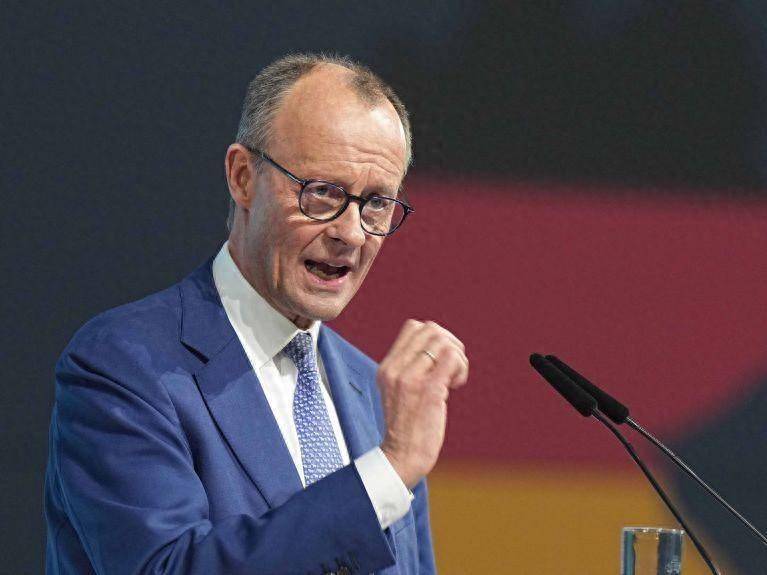
对话苏伟铭:哪有世界级车企,选择不在中国
汽车商业评论· 2025-07-22 15:01
Core Viewpoint - The article emphasizes the importance of strategic planning in business, particularly in the automotive industry, as articulated by Renault China's CEO, Su Weiming, who believes that a well-defined strategy is crucial for navigating market changes and technological advancements [2][4]. Group 1: Historical Context and Leadership - Su Weiming has witnessed the evolution of the Chinese automotive market over the past 30 years, marking significant milestones such as China surpassing the US in monthly car sales in August 2006 [3]. - His career spans major automotive companies, including Mercedes-Benz and Volkswagen, where he successfully implemented strategies that capitalized on market opportunities [4][5]. - At Renault, he advocated for a strategic retreat from unprofitable joint ventures in China, which ultimately saved the company from significant losses [9][10]. Group 2: Strategic Decisions and Market Positioning - Under Su's leadership, Renault has focused on leveraging Chinese technology for global electric vehicle development, indicating a shift from traditional combustion engines to electric models [12][14]. - The company aims to produce a new electric vehicle priced under €20,000, showcasing the potential of Chinese innovation in the automotive sector [14]. - Renault's global sales are projected to exceed 2.26 million units in 2024, with operating profit reaching €4.3 billion, highlighting a successful turnaround strategy [11]. Group 3: Supply Chain and Collaboration - Su Weiming emphasizes the importance of building strong relationships with suppliers, moving from a transactional model to a collaborative approach that fosters mutual growth [25][24]. - The establishment of a new fund in collaboration with Chinese partners aims to explore investment opportunities in the electric vehicle ecosystem, reflecting Renault's commitment to integrating with local technology [20][22]. - The focus on supply chain innovation is seen as critical for the future of the automotive industry, with Su predicting that the next generation of automotive giants will emerge from China's robust supply chain ecosystem [23][24]. Group 4: Future Outlook and Market Dynamics - Su Weiming believes that the automotive market will continue to evolve, with a focus on supply rather than just demand, particularly in the context of technological advancements [27][29]. - He identifies the importance of AI and software in the future of automotive technology, suggesting that the competition will increasingly revolve around user experience and internationalization [32][30]. - The article concludes with Su's perspective on the future of new energy vehicle companies, indicating that scale will be essential for survival in a competitive market [41][42].

投资6310亿欧元!“为德国制造”倡议发布
Guo Ji Jin Rong Bao· 2025-07-22 13:58
Group 1 - The "Made for Germany" investment initiative aims to strengthen Germany's position as a business hub, with a total investment of up to €631 billion by 2028 from 61 companies including BMW, Mercedes-Benz, Volkswagen, Allianz, Airbus, and NVIDIA [1] - The initiative is intended to send a strong and positive signal that Germany is an attractive investment destination, reflecting the confidence of businesses in their employees and the country as a commercial base [2] - The initiative's founders emphasize that the goal is not only to mobilize funds but also to boost confidence in the German economy through concrete actions [2][3] Group 2 - The initiative is a response to previous perceptions of Europe as an unsuitable investment destination, highlighting a shift in sentiment due to new government measures [3] - The founders call for bold reforms from the government and express the need for collaboration between businesses and the government to stimulate economic vitality [3] - The focus areas for future development include industrial AI, microelectronics, biotechnology, pharmaceuticals, quantum computing, and high-end chemicals, with an emphasis on maintaining Germany's export advantages [4]
终于发飙了!德国对美放话:想打仗?满足你!
Sou Hu Cai Jing· 2025-07-22 13:17
Core Viewpoint - Germany has shifted from a conciliatory approach to a more aggressive stance in trade negotiations with the U.S., driven by significant economic pressures and frustrations over U.S. tariffs [1][2][4] Group 1: Germany's Response to U.S. Tariffs - Germany previously adopted a submissive attitude towards U.S. trade demands, exemplified by Chancellor Merkel's conciliatory visit to Washington in 2017 [2] - The automotive industry, crucial to Germany's economy, is particularly affected by U.S. tariffs, with potential losses amounting to hundreds of millions of euros if tariffs increase [4][7] - German officials expressed frustration over the U.S. refusal to negotiate on automotive tariffs, indicating a turning point in their approach [4][5] Group 2: U.S. Trade Strategy - Trump's "maximum pressure" strategy has been applied to various countries, including China and Canada, but has backfired with the EU, particularly Germany [4][5] - The U.S. believes that the EU is dependent on the American market, but this overlooks the reciprocal trade relationship where the U.S. also relies heavily on European imports [5][6] Group 3: EU's Countermeasures - The EU is prepared to implement its "counter-coercion toolbox," which includes potential tariffs on U.S. digital services and restrictions on U.S. companies in public procurement [6] - The EU has a list of retaliatory tariffs valued at $100 billion targeting key U.S. exports, which could significantly impact American farmers and manufacturers [6][7] Group 4: Implications of the Trade Conflict - The trade conflict could lead to significant economic repercussions for both sides, with daily trade valued at €4.6 billion, affecting global supply chains [7][9] - The shift in Germany's stance reflects a broader realization that allies should not be treated as mere economic tools, signaling a potential change in future EU-U.S. relations [8][9] Group 5: Conclusion on Trade Dynamics - The ongoing trade war is characterized as a game of endurance, with both sides potentially suffering economic losses if the conflict escalates [9] - The situation underscores the importance of cooperative trade relations, as both parties risk significant economic fallout from continued hostilities [9]

消费税起征点大降40万元 多家超豪车品牌紧急“兜底”
Jing Ji Guan Cha Wang· 2025-07-22 12:25
Group 1 - The core viewpoint of the news is that the new luxury car consumption tax policy has led to a surge in demand for ultra-luxury vehicles, with manufacturers offering subsidies to offset the tax burden on consumers [2][3][4] - The consumption tax threshold for ultra-luxury cars has been lowered from 1.3 million yuan to 900,000 yuan, impacting a wider range of vehicles and increasing the tax burden on certain models [2][8] - Major brands like Jaguar Land Rover and Mercedes-Benz have quickly introduced promotional measures to alleviate the impact of the new tax policy on consumers [4][5] Group 2 - The new tax policy includes electric and fuel cell vehicles for the first time, addressing previous concerns about tax equity between fuel and electric vehicles [8][9] - The policy also exempts second-hand ultra-luxury car transactions from consumption tax, which may stimulate the second-hand luxury car market [10] - The ultra-luxury car market is currently under pressure, with significant declines in sales for brands like Rolls-Royce and Bentley, indicating a challenging environment for luxury car manufacturers [11][12]
坤泰股份(001260) - 坤泰股份投资者关系活动记录表
2025-07-22 11:25
Company Overview - Shandong Kuntai New Materials Technology Co., Ltd. specializes in the R&D, production, and sales of automotive interior materials and products, listed on February 16, 2023 [2] - The company’s main products include automotive tufted carpets and needle-punched carpets, primarily serving the complete vehicle matching market [2] Market Position and Growth - The company has established stable partnerships with brands such as BMW, Audi, Mercedes-Benz, and NIO, and is actively expanding overseas with subsidiaries in the USA, Singapore, and Mexico [2] - The needle-punched carpet segment has seen rapid growth due to favorable industry policies and increasing demand for new energy vehicles [3] Production Capacity and Investment - The company’s production capacity for needle-punched carpets has significantly increased following the launch of a project to produce high-grade needle-punched materials and 15,000 tons of BCF yarn [3] - The project is expected to enhance market share in the needle-punched carpet sector [3] Future Development and Market Expansion - Kuntai plans to strengthen its domestic market while expanding its presence in overseas markets, aiming to increase global market share [3] - The company is also focusing on R&D in the fiber sector to develop products that meet customer needs, enhancing overall competitiveness and profitability [3] Joint Ventures and Strategic Partnerships - The establishment of a Sino-Japanese joint venture aims to improve collaboration with Japanese clients and expand into the Japanese market [3] - The joint venture will facilitate resource integration and joint development in areas such as fiber and automotive carpets [3]
市值第一英伟达,被中国汽车浇冷水|深氪
36氪· 2025-07-22 10:21
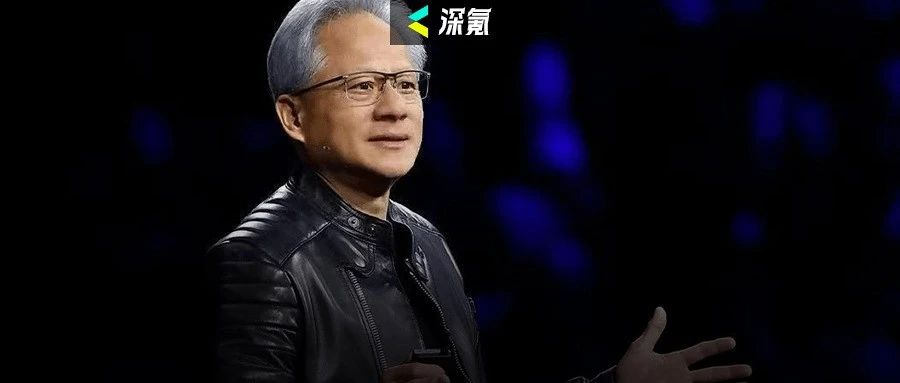
Core Viewpoint - The article discusses the challenges faced by NVIDIA in the automotive sector, particularly in the context of its partnerships with major car manufacturers and the increasing competition from Chinese companies developing their own chips and software solutions [3][5][18]. Group 1: NVIDIA's Automotive Business Challenges - NVIDIA's automotive business, while significant, accounts for less than 2% of its total revenue of $130.5 billion, indicating that it is a relatively small segment for the company [11][58]. - The collaboration between NVIDIA and General Motors has faced internal criticism, with GM executives describing NVIDIA's autonomous driving solutions as "very scary" [5][6]. - Other automakers, such as Mercedes-Benz, have also expressed dissatisfaction with NVIDIA's performance, leading to a shift towards competitors like Momenta for autonomous driving solutions [9][11]. Group 2: Competition from Chinese Companies - Chinese automakers are increasingly developing their own AI chips, with companies like NIO and Xpeng already delivering their self-developed chips, posing a significant threat to NVIDIA's market share [19][30]. - The article highlights that the delay in NVIDIA's Thor chip delivery has prompted companies like Xpeng to pivot towards their self-developed chips, indicating a loss of confidence in NVIDIA's ability to meet delivery timelines [24][25]. - The competitive landscape is shifting, with Chinese companies rapidly advancing in autonomous driving software and hardware, making it difficult for NVIDIA to maintain its previous dominance [66][68]. Group 3: Implications of Chip Development - The development of self-research chips by automakers is seen as a strategic necessity, driven by the need for cost reduction and better integration with AI capabilities [45][49]. - The article notes that the challenges faced by NVIDIA in delivering the Thor chip have inadvertently accelerated the self-development of chips among leading Chinese automakers [31][30]. - The long development cycle for automotive chips, which can take up to four years, contrasts sharply with the faster-paced software development cycles seen in the industry [33][50]. Group 4: Cultural and Operational Differences - NVIDIA's corporate culture, which emphasizes long-term technological advancements, may not align with the immediate delivery needs of automotive clients, leading to operational friction [51][62]. - The article points out that NVIDIA's team in China lacks decision-making power compared to its larger U.S. team, which may hinder its responsiveness to local market demands [65]. - The disparity in urgency and operational focus between NVIDIA and its automotive partners has created a gap that competitors are eager to exploit [67][68].

德国公开反对法国,中国电动车征税计划,欧盟内部现重大分歧
Sou Hu Cai Jing· 2025-07-22 10:06
Group 1 - The EU is experiencing internal conflict regarding tariffs on Chinese electric vehicles, with Germany opposing France's stance [1][10] - German automakers, such as Volkswagen and BMW, heavily rely on the Chinese market, with Volkswagen selling 3 million cars in China, accounting for one-third of its global sales [3][4] - BMW's profits from China exceed those from the entire European market by 20%, highlighting the critical importance of the Chinese market for German automotive companies [4][10] Group 2 - The German automotive industry association supports opposing tariffs, emphasizing that trade protectionism is not a viable solution [6][10] - Other EU countries, like France, have minimal stakes in the Chinese market, allowing them to advocate for tariffs without significant repercussions [10][12] - The voting results showed a split in the EU, with 10 countries supporting tariffs, 5 opposing, and 12 abstaining, indicating a lack of unity [14][17] Group 3 - China's potential retaliatory measures, such as imposing tariffs on French brandy, could significantly impact French businesses, as 25% of French brandy exports go to China [19][22] - The EU's strategy to impose tariffs may inadvertently accelerate the localization of Chinese automotive production in Europe, as companies like BYD and SAIC establish factories in countries that opposed tariffs [24][30] - The long-term implications of this tariff dispute may catalyze the globalization of the Chinese automotive industry, revealing the EU's internal vulnerabilities when member states' core interests conflict [32][34]
豪车税来了,晚一天多花10万
盐财经· 2025-07-22 10:00
Core Viewpoint - The recent adjustment of the luxury car tax in China has significantly impacted the high-end automobile market, with the threshold for tax applicability lowered from 1.3 million yuan to 900,000 yuan, affecting both traditional fuel vehicles and new energy vehicles [3][4][27]. Group 1: Tax Policy Changes - The new luxury car tax policy will take effect on July 20, lowering the retail price threshold for tax applicability from 1.3 million yuan to 900,000 yuan for various types of passenger cars and light commercial vehicles [3][4]. - The inclusion of new energy vehicles in the tax scope is a notable change, expanding the range of vehicles subject to the luxury car tax [4][27]. Group 2: Market Reactions - Following the announcement, there was a surge in consumer activity, with many rushing to dealerships to finalize purchases before the new tax took effect, leading to extended store hours and increased sales efforts [5][6][7]. - Some consumers who had already placed deposits on vehicles began to reconsider their purchases due to the unexpected tax increase, with reports of potential cancellations [10][13]. Group 3: Impact on Specific Brands - Brands such as Land Rover and Porsche are expected to be significantly affected, as many of their models now fall within the new tax range, leading to increased urgency among consumers to purchase before the tax implementation [9][21]. - The luxury car market is experiencing structural changes, with traditional fuel vehicles facing intensified competition from new energy models, further complicated by the new tax policy [5][27]. Group 4: Sales Data and Market Share - In the market segment affected by the new tax, Mercedes-Benz holds a 48% share, followed by Land Rover at 23% and Porsche at 18%, indicating a competitive landscape that may shift due to the tax changes [29][30]. - The sales figures for luxury vehicles show that models like the Range Rover and Porsche Cayenne are among the top sellers, highlighting the potential impact of the new tax on their sales dynamics [30]. Group 5: Future Market Dynamics - The adjustment of the luxury car tax is expected to alter the competitive landscape, potentially benefiting domestic luxury brands as they may find new opportunities in the market previously dominated by imported vehicles [34][35]. - The ongoing decline in imported vehicle sales suggests that domestic brands could capitalize on the new tax structure, appealing to consumers looking for alternatives in the luxury segment [34].

里程碑!熊猫债累计发行规模突破一万亿元
Xin Hua Cai Jing· 2025-07-22 08:51
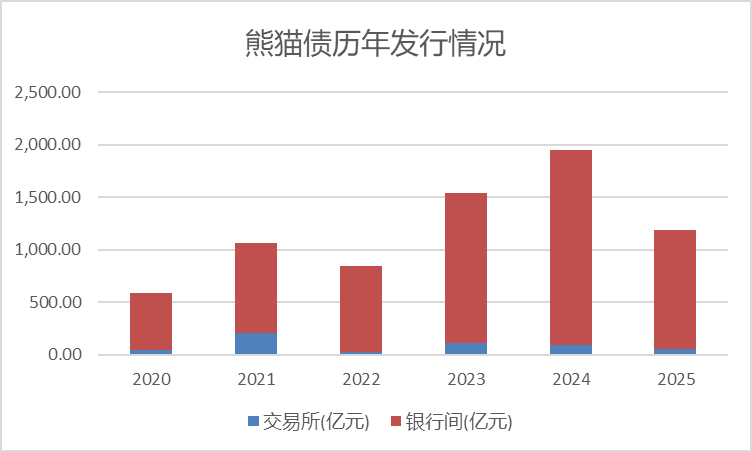
Core Viewpoint - The issuance of offshore institutions' onshore RMB bonds, known as "Panda Bonds," has officially surpassed 1 trillion yuan, reaching 1,093.89 billion yuan, marking a significant milestone in China's bond market opening process [1] Group 1: Historical Context and Growth - In the past decade, the issuance of Panda Bonds has grown from billions to trillions, starting with 1.13 billion yuan in 2005 and only reaching 11.3 billion yuan by 2015 due to regulatory constraints [2] - The issuance volume first exceeded 100 billion yuan in 2016, and by 2022, it reached a record of 1,948 billion yuan annually [2] - In 2023, 61 entities have issued 101.2 billion yuan in bonds, with expectations to approach 200 billion yuan for the year [2] Group 2: Investor Structure and Market Expansion - The investor base for Panda Bonds has diversified from large banks to include central banks, sovereign funds, insurance companies, asset management firms, and foreign private equity funds [3] - As of now, over 90 institutions have issued Panda Bonds, covering international development institutions, foreign sovereign governments, and non-financial enterprises across five continents [3] - In the first half of 2025, the issuance scale reached 84.4 billion yuan, with a year-on-year growth of 165% [3] Group 3: Future Outlook - The successful crossing of the 1 trillion yuan threshold for Panda Bonds reflects the coordinated advancement of China's capital market reforms and the internationalization of the RMB [6] - Analysts predict continued growth in Panda Bond issuance, estimating a net issuance of approximately 161 billion yuan in 2025, with total issuance potentially reaching around 223 billion yuan, a year-on-year increase of about 14% [6][7] - The favorable policy environment and the increasing global appeal of RMB assets are expected to support this growth trajectory [7]
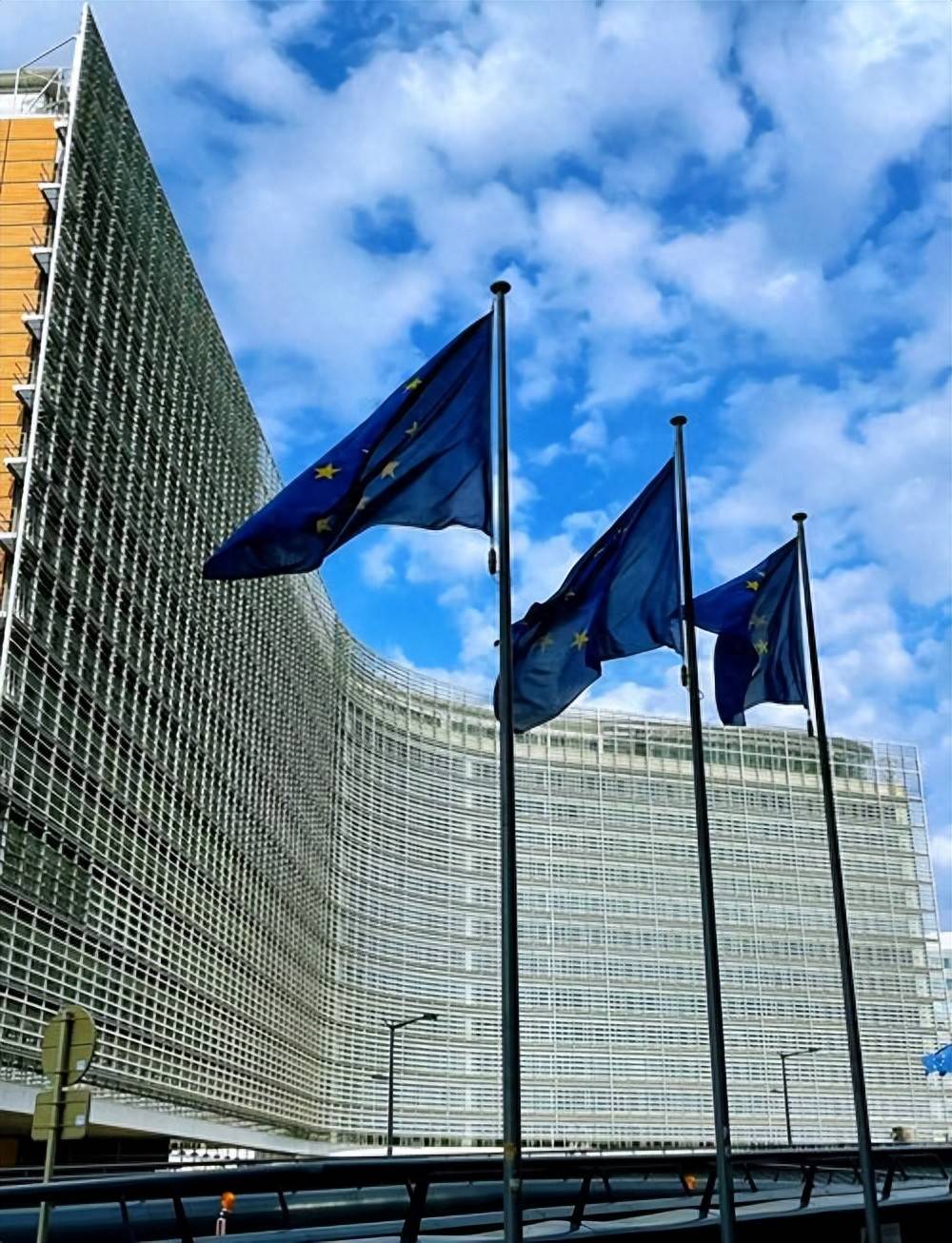
德国终于站起来对美国说“不”,放出狠话:想打仗?奉陪到底!
Sou Hu Cai Jing· 2025-07-22 07:42
Core Viewpoint - The article discusses Germany's strong response to the potential increase in tariffs by the United States, marking a significant shift in its historical stance towards U.S. pressure, indicating a potential turning point in global trade dynamics [2][30]. Group 1: U.S. Tariff Threats - The U.S. government has proposed increasing tariffs on most European goods to 15% and potentially up to 30%, which has alarmed Germany, a major exporter to the U.S. with exports valued at €58 billion [4][6]. - The proposed 30% tariff could lead to a GDP decline of 0.3-0.5% for Germany, resulting in potential losses of up to €20 billion [6]. Group 2: Germany's Response - Germany's leadership has shifted from compliance to a more confrontational stance, indicating a readiness to challenge U.S. demands [9]. - The visit of European leaders to China is seen as a strategic move to strengthen Germany's position against U.S. tariffs, with China being Germany's largest trading partner, with bilateral trade expected to reach €240 billion by 2024 [11][13]. Group 3: Historical Context and Lessons - The article contrasts Germany's current situation with Japan's past experience during the 1980s trade tensions with the U.S., which led to Japan's prolonged economic stagnation [21][24]. - In contrast, China's response to U.S. tariffs has resulted in significant trade surpluses, providing a model for Germany to follow [17][19]. Group 4: Global Trade Dynamics - The article highlights a broader trend of shifting global power dynamics, with emerging economies like China, India, and Brazil challenging U.S. dominance, suggesting that the era of unilateral U.S. trade policies may be coming to an end [30][32]. - Germany's awakening signifies a potential shift in European unity against U.S. trade practices, with the possibility of forming a coalition with other EU nations to resist U.S. pressure [35][37].