极氪

Search documents
极氪9X产能稳定爬坡交付加速 专项团队保证供应链稳定
Yang Shi Wang· 2026-01-30 03:24
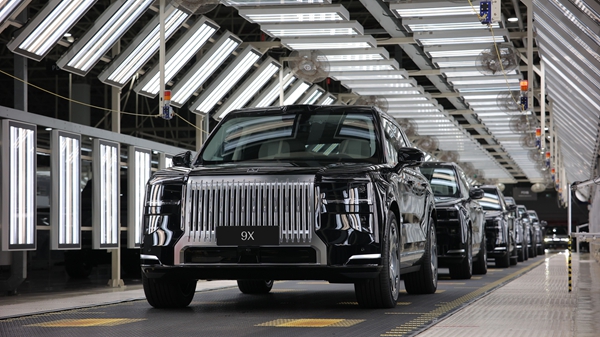
由于市场热度较高,极氪9XHyper版与曜黑版由于前期订单积累超过预期,叠加芯片供应等行业共性问 题,部分订单交付时间可能受到影响。据了解,一辆搭载L3级辅助驾驶系统的智能电动车所需的各类 芯片数量,一般是传统汽车的10倍以上。9XHyper版车型采用了英伟达双Thor芯片方案,单台车需要8 颗行业目前最高规格的DDR5X存储芯片,对芯片性能、容量、传输速率都有更高要求。TrendForce市场 研究数据显示,自去年2月以来部分存储芯片价格涨幅已超过一倍,供应商库存周期明显缩短。当前AI 产业与智能汽车领域对高端芯片的需求,共同加剧了供应压力。高端豪华车型供应链的稳定与突破,是 中国车企需要面对的一场新的攻坚战。对此,赵春林日前接受媒体采访时表示:极氪已组建全球专项团 队保供,正在与供应链伙伴携手积极应对,尽全力提升产能。 素材源:董凡 编辑:康书源 审核:王明月 免责声明:以上内容为本网站转自其它媒体,相关信息仅为传递更多信息之目的,不代表本网观点,亦 不代表本网站赞同其观点或证实其内容的真实性。如稿件版权单位或个人不想在本网发布,可与本网联 系,本网视情况可立即将其撤除。 近日,来自极氪的数据显示,极氪9 ...

AI巨头抢完了车规级内存,你的车可能因此减配
3 6 Ke· 2026-01-30 00:31
Core Viewpoint - The automotive industry is facing a severe crisis due to skyrocketing prices of automotive-grade memory chips, particularly DRAM and DDR5, which have surged over 300% since the second half of 2025, significantly impacting production costs without a corresponding increase in vehicle prices [1][3]. Group 1: Price Surge and Cost Impact - Automotive-grade memory prices have dramatically increased, with DRAM prices rising over 300% and automotive-grade DDR5 memory exceeding 300%, leading to an increase of approximately 1,000 yuan in the cost of each vehicle [1][3]. - Despite the rising costs, vehicle prices have remained stable, with industry leaders indicating that the pressure from memory price increases has not yet been passed on to end consumers [1][3]. Group 2: Supply Chain Challenges - The memory shortage has begun to affect production schedules for some automakers, with concerns about supply interruptions leading companies to deploy personnel to monitor supplies and develop alternative sourcing strategies [3][4]. - The automotive industry is facing a significant challenge in securing memory supplies, as the demand from the AI sector is siphoning off production capacity, with AI data centers expected to consume over 70% of high-end memory chips by 2026 [4][6]. Group 3: Market Dynamics and Competition - The automotive memory market is highly concentrated, with Samsung, SK Hynix, and Micron controlling over 90% of the market, leaving automakers with little bargaining power during the supply crisis [7][9]. - The shift in production focus towards AI-related memory products, which offer significantly higher profit margins, has led to a reduction in the availability of automotive-grade memory, exacerbating the supply issues faced by car manufacturers [4][6]. Group 4: Strategic Responses from Automakers - In response to the memory shortage, automakers are adopting strategies such as direct supply agreements with memory manufacturers and establishing strategic safety stock to mitigate the risks of supply disruptions [10][12]. - The competition in the automotive sector is increasingly centered around "smart driving" capabilities, with memory being a critical component that influences the performance and features of intelligent vehicles [10][12]. Group 5: Future Outlook and Industry Trends - The memory shortage is expected to persist until at least 2028, with new chip manufacturing facilities taking 3-5 years to establish, indicating a prolonged period of supply constraints for the automotive industry [9]. - The automotive sector is witnessing a shift towards self-developed technologies, with a significant portion of the market being dominated by domestic brands that are focusing on in-house development of smart driving features [17][18].





AI这趟车,不上怕掉队,上了怕翻车
吴晓波频道· 2026-01-30 00:30
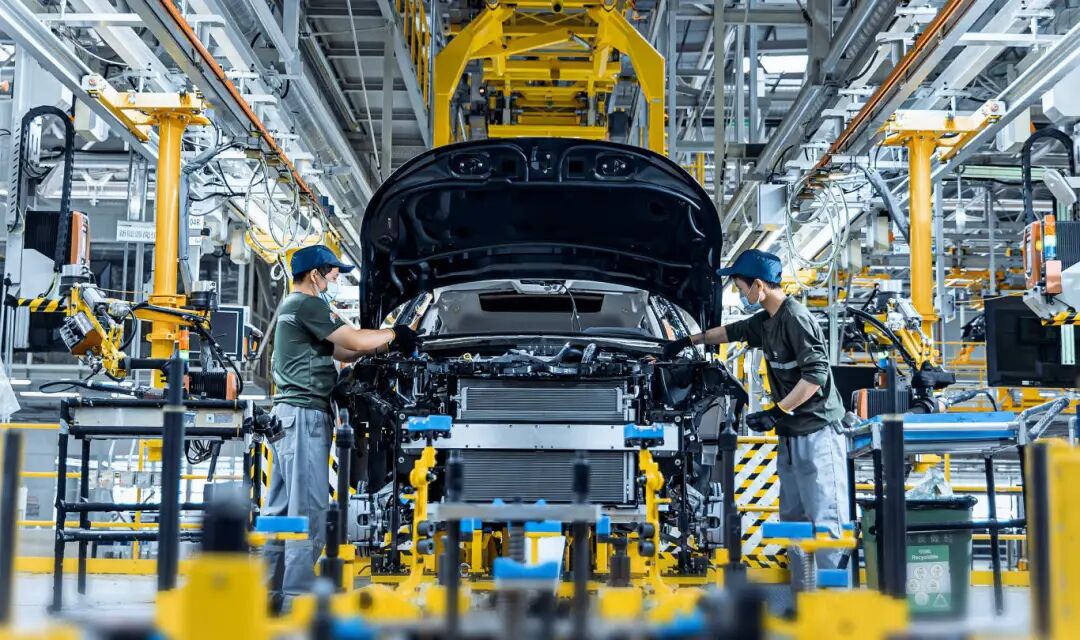
Core Viewpoint - China has been the most aggressive testing ground for industrial intelligence over the past decade and is set to build the world's most advanced artificial intelligence factory clusters in the next decade [2][43]. Group 1: AI in the Workplace - Employees have mixed feelings about AI, hoping it will reduce their workload while fearing job displacement, with 75% of decision-makers more concerned about missing AI opportunities than wasting money [3][4]. - Many manufacturing enterprises are hesitant to adopt AI due to uncertainty about implementation and fear of ineffective investments [4][6]. Group 2: Challenges in AI Adoption - The primary challenges faced by manufacturing companies in adopting AI include: - **Data Utilization**: Many factories invest heavily in data collection but end up with "dead" data that is outdated or inconsistent, making it difficult to train AI effectively [6][7]. - **Overwhelming Technology Choices**: The vast array of AI applications in manufacturing creates confusion, leading companies to either follow trends blindly or remain inactive [8]. - **High Cost of Trial and Error**: The unique nature of industrial applications means that the costs associated with failed AI implementations can be prohibitively high [9][10]. Group 3: Successful AI Implementation Strategies - Successful companies often start by addressing a specific, pressing issue rather than attempting to create a comprehensive smart factory from the outset [12][14]. - AI serves as a "super assistant" to human workers, solving problems that were previously difficult or costly to address [15]. Group 4: Case Studies - In the Hai Tian factory, AI has transformed traditional processes, such as selecting soybeans, by using advanced scanning technology to improve efficiency and accuracy [17][18]. - The Haier factory employs a VR welding training system that enhances safety and reduces training time by 30% [20]. - At the Zeekr factory, AI systems optimize collaboration between robots and workers, resulting in a 30% increase in assembly efficiency and a 25% reduction in defect rates [23]. Group 5: AI+Manufacturing Practical Training Camp - The "AI+Manufacturing" practical training camp aims to help enterprises understand and implement AI effectively by providing real-world case studies and expert guidance [28][30]. - Participants will engage in deep discussions with factory leaders and AI engineers to understand the rationale behind their AI implementations and the challenges faced [32]. - The camp emphasizes output, with each participant leaving with a personalized action plan tailored to their company's specific needs and constraints [34][35].


欣旺达在韩再遭诉讼,专利与质量双重围剿下溃败在即?
3 6 Ke· 2026-01-29 13:24
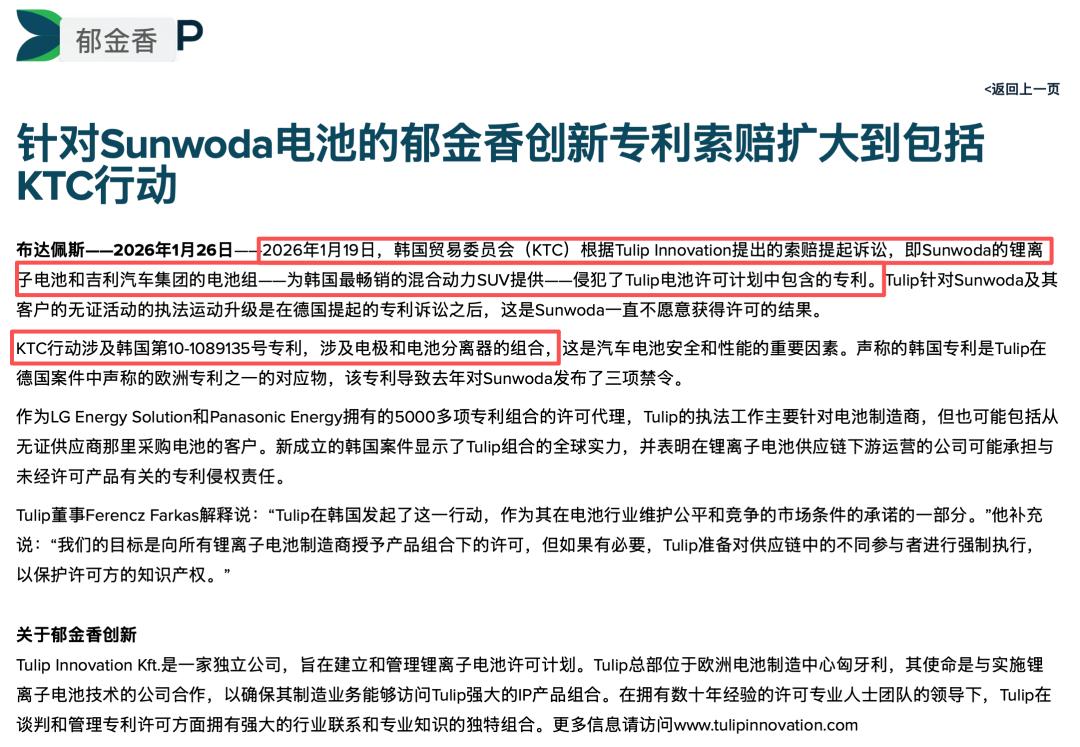
Core Viewpoint - The patent alliance "Tulip Innovation," formed by LG Energy and Panasonic, has initiated a patent infringement lawsuit against Xinwanda in South Korea, claiming that Xinwanda's lithium-ion battery cells and battery packs for Geely's popular hybrid SUV violate a specific patent related to electrode and separator technology [1][4]. Group 1: Patent Infringement and Legal Challenges - The lawsuit in South Korea is part of a broader strategy similar to previous actions taken in Germany, targeting core battery technologies that are critical for energy, safety, and lifespan [4][7]. - Xinwanda has previously faced three defeats and sales bans in Germany regarding the same patent, indicating the strength of the patent barriers established by the alliance [4][7]. - The lawsuit poses risks not only to Xinwanda but also to its customers, as the involved battery technology is used in Geely's hybrid SUV sold in South Korea, potentially affecting market prospects [7][11]. Group 2: Domestic Quality Issues and Financial Implications - Xinwanda is also facing a domestic lawsuit from Geely's Weirui company, claiming damages of 2.313 billion RMB due to serious quality issues with battery cells supplied between 2021 and 2023 [4][11]. - The quality issues have led to significant vehicle recalls, with estimates suggesting that tens of thousands of vehicles may be affected, aligning with the compensation amount sought [11][15]. - The financial impact of the 2.313 billion RMB claim is severe, potentially consuming 90% of Xinwanda's net profit for 2023 and 2024, with insufficient reserves to cover such liabilities [15][16]. Group 3: Industry Implications and Strategic Reflections - Xinwanda's situation serves as a warning for the industry, highlighting the risks of prioritizing cost over quality, as aggressive pricing strategies may compromise essential safety and reliability standards [20][24]. - The dual challenges of patent infringement and quality issues are forcing a reevaluation of supplier assessments, emphasizing the need for robust quality systems and independent patent strategies [20][24]. - The case of Xinwanda illustrates the complexities of international expansion for Chinese companies, where legal and technical challenges are becoming increasingly intertwined [20][24].

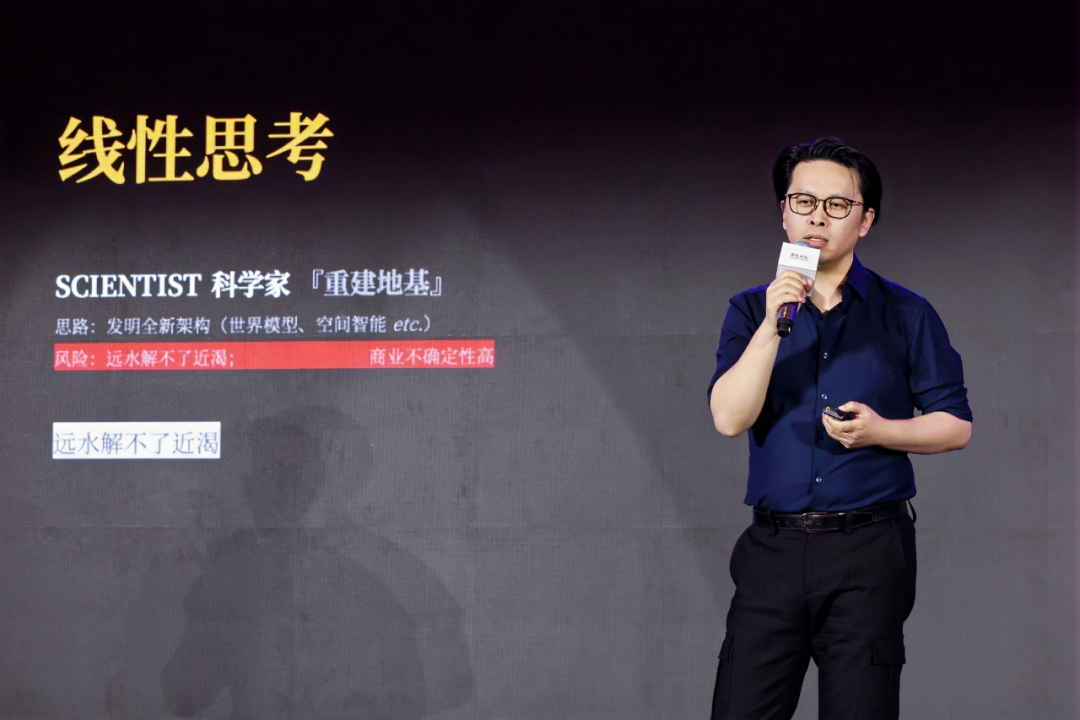
FUTURUS未来黑科技徐俊峰:侧翼突围,构建AR全栈解决方案|甲子光年
Xin Lang Cai Jing· 2026-01-29 12:12
Core Insights - The automotive industry is at a critical juncture where AI technology faces bottlenecks in both B2B and B2C sectors, necessitating innovative approaches for cross-industry integration [2][11] - The use of augmented reality (AR) technology through automotive windshields is identified as a key opportunity to create a data feedback loop, enabling seamless user interaction without disruption [2][11][14] Company Overview - FUTURUS Future Black Technology, established in 2016, specializes in the development and application of augmented reality head-up display (HUD) technology in the automotive sector, holding over 600 domestic and international patents [3][12] - The company is recognized as one of the first in China to mass-produce HUD products and has been awarded the national-level "specialized and innovative" small giant enterprise title [3][12] Market Position and Strategy - The company’s products are currently integrated into several high-end Chinese automotive models, including the Li Auto L9 and NIO ET9, and have attracted significant investments from major firms such as SoftBank and CICC, amounting to hundreds of millions [3][12] - The CEO emphasizes a strategy of "side-wing breakthrough," advocating for a shift from linear thinking to tackling complex problems through innovative solutions that leverage existing resources [5][14] Technological Innovation - The focus on AR technology aims to enhance user experience by utilizing peripheral attention rather than core attention, making interactions less intrusive and more engaging [6][15] - The integration of advanced physics with automotive technology is seen as a way to create a formidable competitive moat, with the goal of developing a comprehensive AR solution that can transform the automotive industry [7][16] Future Vision - The company aims to build a top-tier team capable of merging optics, spatial computing, automotive systems, and AI, with the ambition to create a unique product that stands out in the global market [7][16] - The ultimate goal is to transition from product development to commercial success, with the expectation that achieving the first successful deployment will lead to rapid growth [7][16]
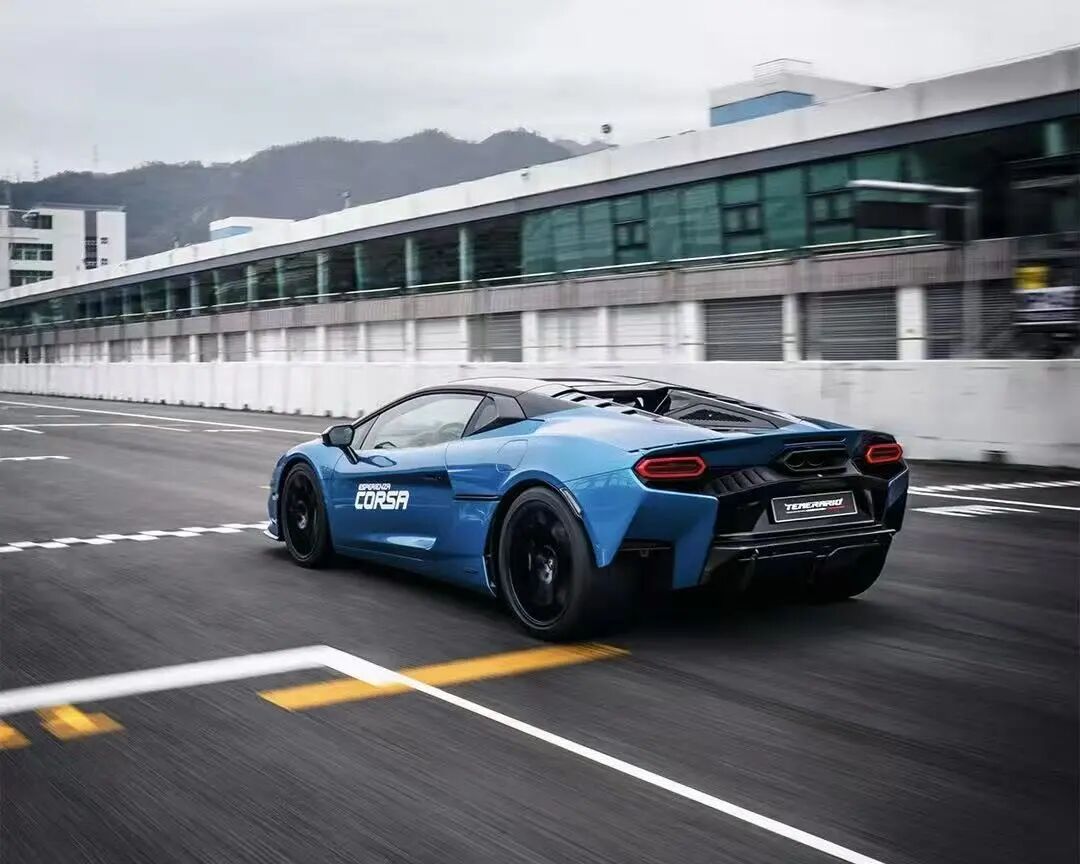
进口车去年猛降32%,雷克萨斯却逆势上涨
3 6 Ke· 2026-01-29 10:56
Core Insights - The import car market in China has been under pressure, with a projected decline of 32% in imports for 2025, totaling 480,000 units, marking four consecutive years of negative growth [2][4] - Luxury vehicles are the mainstay of the import market, while non-luxury imports are experiencing significant shrinkage [3][5] - Lexus stands out with a 2% increase in sales for 2025, reaching 184,000 units, marking a four-year high [6][8] Import Market Trends - The import car volume has seen a consistent decline from 2014's peak of 1.43 million units, with 2024 imports down 12% to 700,000 units [2][4] - Monthly data for 2025 indicates a sharp decline in early months due to price observation, followed by a brief recovery in July, but continued weakness from August to November [4] Sales Performance - Total retail sales of imported cars for 2025 are expected to be 540,000 units, down 33% year-on-year [5] - Luxury brands dominate the import market, accounting for 90.7% of total sales, with significant declines in brands like BMW (down 62% to 64,400 units) and Mercedes-Benz (down 37% to 94,800 units) [5][6] Luxury Segment Analysis - Lexus's sales growth is attributed to timely product adjustments and strong performance of hybrid models, with the ES series and RX series contributing significantly to overall sales [8] - The super-luxury segment has faced declines, with brands like Bentley, Ferrari, and Lamborghini experiencing three consecutive years of sales drops [8][9] Regional Insights - Shanghai has become the leading market for super-luxury imports in 2025, surpassing Tianjin, while traditional affluent areas face significant market pressure [9] Domestic Competition - Domestic brands are increasingly targeting the luxury segment, with models like the Huawei-backed ZunJie S800 and NIO ET9 entering the market, challenging traditional luxury brands [10][12] - The shift in consumer preferences indicates a growing acceptance of domestic luxury vehicles, driven by technological advancements and changing consumer habits [10][12]
第十二届金轩奖颁奖 揭晓年度汽车营销标杆案例
2 1 Shi Ji Jing Ji Bao Dao· 2026-01-29 10:29
Group 1 - The importance of marketing in the automotive industry is emphasized, highlighting that effective marketing is essential for reaching target users and driving sales growth [1] - The Jin Xuan Award aims to recognize innovative marketing practices and their market impact, with a total of 20 gold awards, 6 annual awards, and 43 excellent case awards across various categories [2] - The 12th Jin Xuan Award has selected 20 gold award winners, including Volkswagen Group (China) and Toyota China for public welfare and sustainable development, and Great Wall Motors for personalized marketing [3] Group 2 - The 12th Jin Xuan Ceremony took place on January 23, 2026, in Beijing, providing insights into automotive marketing trends and solutions for the year [4] - Marketing in the new automotive era transcends the product itself, focusing on user experience and the integration of AI technology to enhance value [4] - The current Chinese consumers are characterized by their demand for quality and experience, presenting a challenge for marketers to redefine marketing significance and reconstruct value [4]

中国,为什么要让新能源车“减肥”?
创业邦· 2026-01-29 10:16
前段时间,中国汽车工业协会发布的最新数据显示,2025年,中国新能源汽车产销分别为1662.6万 辆和1649万辆,同比分别增长29%和28.2%,连续11年位居全球第一。 中国大街小巷上的新能源车,越来越多了。 大家是否注意到,现在的新能 源 车正变得越来越重。 部分大中型SUV,整备质量甚至高达4吨,堪比一辆满载的轻卡。 今年起实施的国家能耗强制性标准,正在倒逼新能源车"减肥"。 这是一个关乎行业发展的大趋势。 新能源车特别是SUV,患上了"肥胖症"。 以下文章来源于正解局 ,作者正解局 正解局 . 解读产业,发现价值。产业/城市/企业。 来源丨 正解局 (ID: zhengjieclub ) 图源丨Midjourney 新能源中大型SUV,普遍在2吨以上,部分车型超过了3吨。 最夸张的是美国通用汽车旗下的GMC Hummer EV SUV EV,搭配212kwh的电池组,主打越野性能 和超长续航。 GMC Hummer EV SUV EV 外媒预测,该车重量达到惊人的4.5吨,堪比一辆满载的轻卡。 "肥胖症"是个相对概念,是与燃油车相较而言的。 有媒体统计发现,新能源汽车平均整备质量,要比同级别的传统燃 ...
极氪9X发布等车权益:推出最高1.2万元等车补贴,可在提车时直接抵扣尾款
Xin Lang Cai Jing· 2026-01-29 04:32
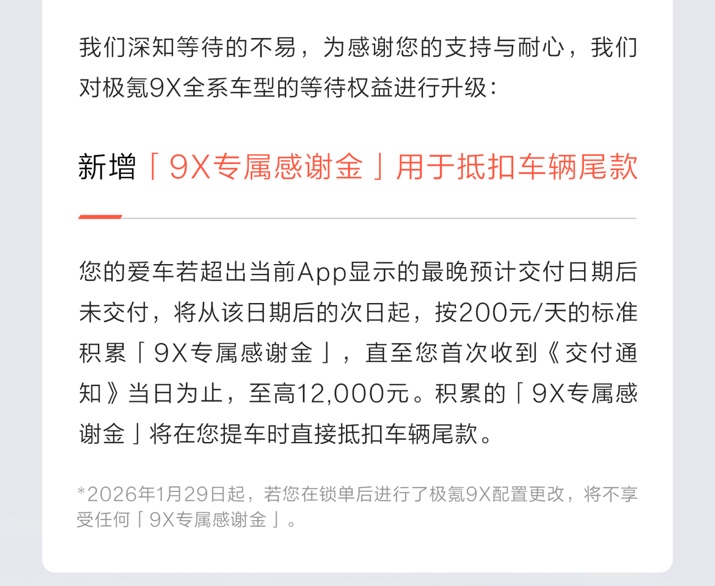
新浪科技讯 1月29日中午消息,极氪今日发布《关于极氪9X交付节奏及等待权益的说明》,称面对持续 火爆的订单和大量等车用户,极氪9X推出等车权益。官方公告显示,若提车时间超过极氪App显示的预 计交付最晚日期,极氪将按200元/天发放用户专属感谢金,直至交付通知当日,累积金额最高12000 元,并可在提车时直接抵扣尾款。 据悉,极氪9X自上市以来,已连续两个月位居50万级以上大型SUV市场销冠,单车交付均价超53万 元。公告称,作为新一代豪华旗舰,9X搭载诸多行业领先的科技配置,这为产能快速提升带来了挑 战。极氪方面表示,经过和供应链伙伴的共同努力,部分零部件的产能爬坡已取得积极进展。 目前,极氪9X Max版和Ultra版提车周期缩短至2-6周,选装智能主动稳定杆的Ultra版交付周期为4-8 周。而Hyper版与曜黑版交付周期也缩短了4周,但因前期订单远超预期,仍需消化大量前序积压订单, 交付还需一定时间。 衷心感谢大家的信任和支持!作为新一代蒙华旗舰,极 氪9X搭载诸多行业领先的科技配置,这也为产能快速 提升带来挑战。 经过和供应链伙伴的共同努力,部分零部件的产能爬 坡已取得积极进展。针对大家关心的交付 ...

订单量持续火爆!极氪9X发布行业最高标准等车权益
Zhong Guo Qi Che Bao Wang· 2026-01-29 03:47
据悉,极氪9X自上市以来,热度持续走高,已连续两个月位居50万级以上大型SUV市场销冠,单车交付均价超53万元,成为中国品牌在该 价位段的标杆。极致的产品力,也吸引了海外关注。根据公开报道,因一车难求,极氪9X在多个海外市场上演加价潮,部分海外终端市场甚至 售价翻倍。 作为新一代豪华旗舰,9X搭载诸多行业领先的科技配置,这为产能快速提升带来了挑战。极氪方面表示,经过和供应链伙伴的共同努力, 部分零部件的产能爬坡已取得积极进展。 1月29日,记者获悉,面对持续火爆的订单和大量等车用户,极氪9X推出行业最高标准的等车权益。官方公告显示,若提车时间超过极氪 APP显示的预计交付最晚日期,极氪将按200元/天发放用户专属感谢金,直至交付通知当日,累积金额最高12000元,并可在提车时直接抵扣尾 款。 目前,极氪9X Max版和Ultra版提车周期缩短至2-6周,选装智能主动稳定杆的Ultra版交付周期为4-8周。而Hyper版与曜黑版交付周期也缩 短了4周,但因前期订单远超预期,仍需消化大量前序积压订单,交付还需一定时间。 业内人士分析,和同级其他品牌靠中低配走量不同,极氪9X的订单结构中顶配占比超过70%。Hype ...