宝丰能源

Search documents
长江期货聚烯烃月报-20260202
Chang Jiang Qi Huo· 2026-02-02 06:11
长江期货聚烯烃月报 01 核心观点总结 长江期货股份有限公司交易咨询业务资格:鄂证监期货字【2014】1号 【产业服务总部能化产业服务中心】 研 究 员: 张 英 执业编号:F03105021 投资咨询号:Z0021335 2026-02-02 聚烯烃:估值短暂修复,逢高沽空为主 01 资料来源:iFIND,隆众资讯,长江期货 1 市场变化:1月30日塑料主力合约收盘价7014元/吨,月环比+8.37%。LDPE均价为9066.67元/吨,月环比+7.94%,HDPE均 价为7337.50元/吨,环比+6.92%,华南地区LLDPE(7042)均价为7213.89元/吨,环比+10.67%。LLDPE华南基差收于 199.89元/吨,环比331.41%,5-9月差-55元/吨(-33)。聚丙烯主力合约收盘价6824元/吨,较上月末+476元/吨,环比 +7.50%。生意社聚丙烯现货价报收6720元/吨(+2.13%)。PP基差收-104元/吨(-28),5-9月差-33元/吨(-1)。 2 基本面变化:1、供应端:本周中国聚乙烯生产开工率85.35%,较上周+0.68个百分点,聚乙烯周度产量70.60万吨,环 ...
化工ETF(159870)受国家原油价格下跌影响有回调,机构称当前时点回调仍是布局的好时机
Xin Lang Cai Jing· 2026-02-02 03:41
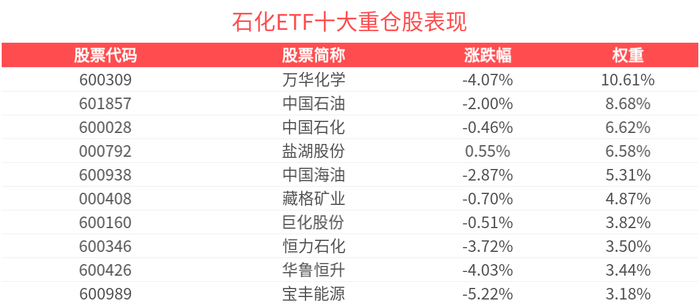
Group 1 - The chemical sector is experiencing capital inflow, with the chemical ETF (159870) seeing a net subscription of 80 million units during trading [1] - Short-term price adjustments for PX/PTA are influenced by declining national crude oil prices, but the overall upward price trend remains intact, making this a good time for investment [1] - The global refining industry is facing long-term losses, particularly in Europe due to high costs and aging facilities, leading to capacity reductions, while new capacity is mainly concentrated in the Asia-Pacific region [1] Group 2 - As of February 2, 2026, the CSI sub-industry chemical theme index (000813) shows mixed performance among its constituent stocks, with Tianqi Lithium leading at a 0.52% increase, while Luxi Chemical is among the laggards [1] - The latest price for the chemical ETF (159870) is 0.88 yuan, closely tracking the CSI sub-industry chemical theme index [1] - The top ten weighted stocks in the CSI sub-industry chemical theme index (000813) as of January 30, 2026, include Wanhua Chemical and Yilong Co., with these stocks collectively accounting for 44.82% of the index [2]
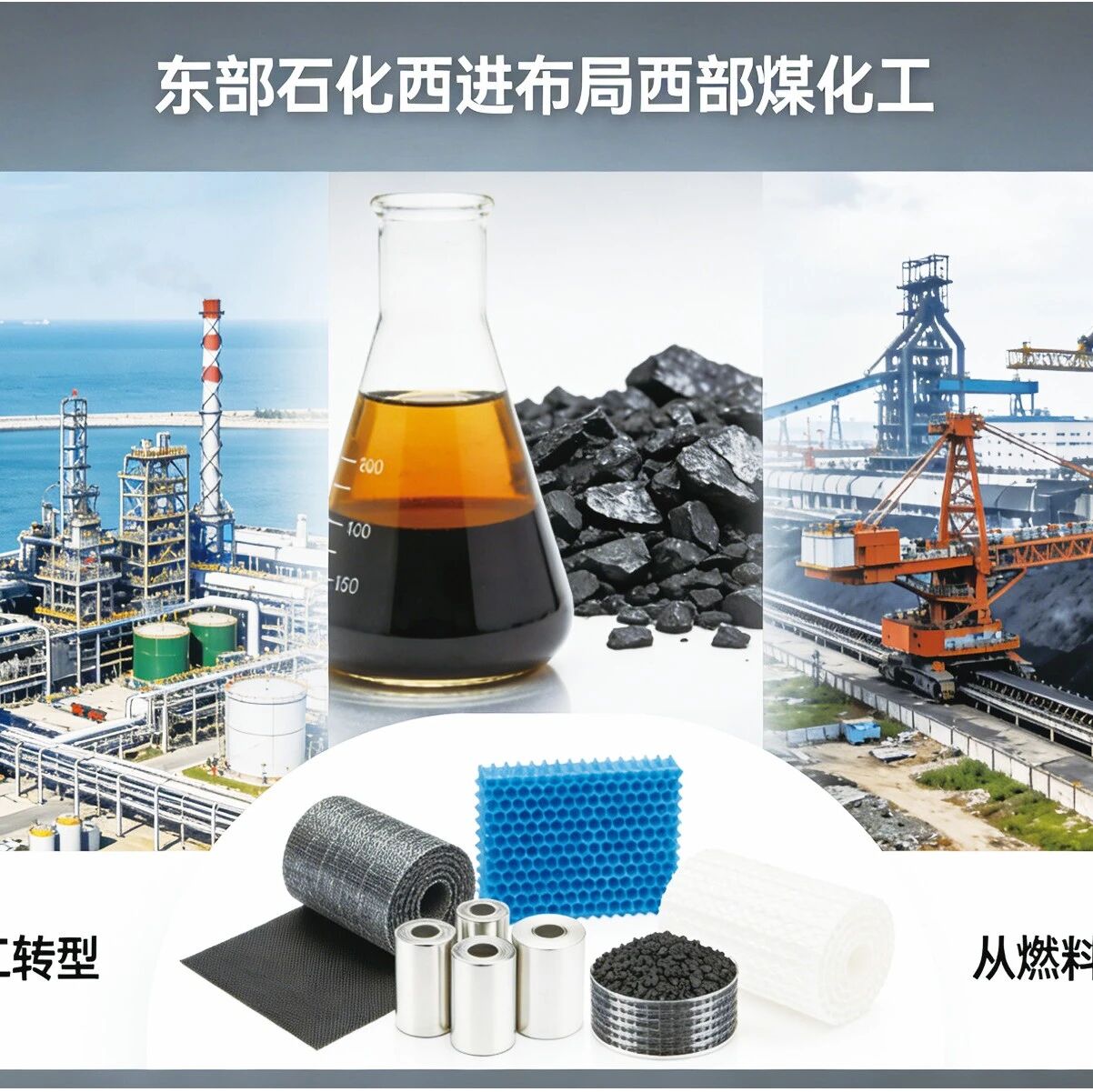
大型民营石化企业“西进”布局煤化工
中国能源报· 2026-02-02 03:38
Core Viewpoint - The major chemical and petrochemical companies in China's eastern coastal regions are strategically shifting towards coal chemical projects in the western regions to reduce reliance on oil and enhance cost control, marking a transition from a "fuel era" to a "materials era" [3][10]. Group 1: Industry Trends - The investment in coal chemical projects is exemplified by Rongsheng Petrochemical's approximately 160 billion yuan investment in Inner Mongolia for a green coal chemical integration project, which aims to convert 35 million tons of raw coal annually into over 20 high-end chemical materials [3][4]. - The industry is facing declining revenue profit margins, dropping from 8.03% in 2021 to an estimated 4.85% in 2024, indicating a growing challenge of "increased production without increased profits" [6][4]. - The correlation between traditional petrochemical products and crude oil prices is weakening, with market supply and demand becoming the primary determinants of product pricing [6][4]. Group 2: Cost Advantages - The cost of producing olefins from coal is estimated to be 20% to 30% lower than traditional oil routes, making it an attractive option for profit-sensitive chemical companies [9][8]. - Rongsheng Petrochemical's project in Inner Mongolia is designed to leverage local low-cost coal resources, ensuring competitiveness even amid price fluctuations in chemical products [9][10]. Group 3: Strategic Intent - Companies are not only motivated by cost advantages but also by the desire to establish a self-controlled raw material supply chain, as seen in Hengyi Petrochemical's integrated coal-to-ethylene glycol project in Xinjiang [10][10]. - Technological advancements in modern coal chemical processes, such as gasification and methanol-to-olefins, are enabling efficient conversion of coal into high-quality chemical raw materials [10][10]. Group 4: Future Outlook - The Ministry of Industry and Information Technology's plan emphasizes the support for modern coal chemical projects in resource-rich areas, encouraging the development of new chemical materials to guide industry upgrades [12][12]. - The focus on high-end products like polyolefins, specialty rubbers, and carbon fibers in coal chemical projects indicates a significant increase in value compared to traditional bulk chemical products [12][12]. - The integration of energy resources in the west with industrial capital and technological advantages in the east is expected to redefine the future of the chemical industry, transitioning from oil dependency to coal utilization and from fuel production to material manufacturing [13][13].


化工概念股走低,相关ETF跌近4%
Sou Hu Cai Jing· 2026-02-02 02:55
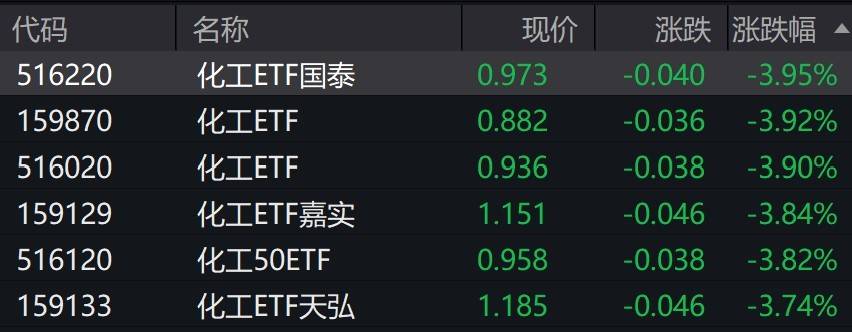
Group 1 - Chemical concept stocks declined, with Wanhua Chemical, Hengli Petrochemical, and Baofeng Energy dropping over 6%, while Hualu Hengsheng fell over 5% and Yuntianhua decreased over 4% [1] - Affected by the market, chemical-related ETFs fell nearly 4% [1] Group 2 - Various chemical ETFs reported declines, with the Guotai Chemical ETF at 0.973 (-3.95%), the Chemical ETF at 0.882 (-3.92%), and the Chemical 50 ETF at 0.958 (-3.82%) [2] - Analysts indicate that the chemical industry, being a typical cyclical sector, usually follows a five-year cycle consisting of "profit upturn - capacity expansion - profit bottoming - capacity clearance/demand expectation improvement" [2] - Current industry conditions are at the cycle bottom, with expectations for supply-demand dynamics to improve and accelerate the recovery of industry prosperity [2]



政策导向推动供给侧优化,龙头企业竞争优势凸显,石化ETF(159731)连续18天净流入
Xin Lang Cai Jing· 2026-02-02 02:28
Core Viewpoint - The petrochemical industry is experiencing fluctuations in stock performance, with significant policy changes expected to optimize supply-side dynamics and enhance the competitive advantages of leading enterprises [2]. Group 1: Market Performance - As of February 2, 2026, the China Securities Petrochemical Industry Index has decreased by 2.78%, with mixed performance among constituent stocks [1]. - The top-performing stock is Sanmei Co., which increased by 1.75%, while Luxi Chemical led the decline with an 8.18% drop [1]. - The Petrochemical ETF (159731) has fallen by 2.79%, with a latest price of 1.01 yuan and a turnover rate of 6.58% [1]. Group 2: Fund Flows and ETF Performance - The Petrochemical ETF has seen continuous net inflows over the past 18 days, with a peak single-day net inflow of 348 million yuan, totaling 1.351 billion yuan [1]. - As of January 30, 2026, the Petrochemical ETF's net value has increased by 69.05% over the past two years [2]. - The ETF has achieved a maximum monthly return of 15.86% since its inception, with the longest streak of monthly gains lasting 9 months and an average monthly return of 5.59% [2]. Group 3: Policy Impact - Recent government policies aimed at "decarbonization," "environmental protection," and "cancellation of export tax rebates" are expected to suppress low-level redundant construction and disorderly expansion in the chemical industry [2]. - The policies are part of a broader strategy to optimize supply-side dynamics and enhance the competitive advantages of leading enterprises in the petrochemical sector [2]. Group 4: Index Composition - As of January 30, 2026, the top ten weighted stocks in the China Securities Petrochemical Industry Index account for 55.71% of the index, with Wanhua Chemical and China Petroleum being the top two [2].


长江大宗2026年2月金股推荐
Changjiang Securities· 2026-02-01 11:44
Group 1: Metal Sector - Shandong Gold - Shandong Gold's net profit forecast for 2026 is projected to reach CNY 108.14 billion, with a PE ratio of 25.21[10] - The company has a resource reserve of 2,058 tons and an equity reserve of 787 tons, indicating significant undervaluation potential[14] - The recovery of the Jiaoji Gold Mine is expected to contribute 10 tons of gold annually once fully operational[14] Group 2: Building Materials Sector - Oriental Yuhong - Oriental Yuhong's operating performance is expected to bottom out, with net profits projected at CNY 18 billion in 2025, increasing to CNY 29 billion by 2027[21] - The company plans to increase revenue through retail price hikes of 3-4% and overseas expansion, potentially adding CNY 25 billion in revenue from international operations[21] - The domestic construction materials market is expected to see a 47% decline in sales area compared to 2021, leading to significant supply exit in the sector[18] Group 3: Transportation Sector - ZTO Express - ZTO Express is expected to achieve a net profit of CNY 104.45 billion in 2026, with a PE ratio of 11.80[10] - The company has improved its cash flow, with cash reserves exceeding CNY 300 billion and a debt ratio below 30%[44] - The competitive landscape in the express delivery sector is stabilizing, with a focus on improving profitability and operational efficiency[43]



石油化工行业周报:伊朗推动地缘溢价进一步上升
SINOLINK SECURITIES· 2026-02-01 10:50
Investment Rating - The report indicates a positive outlook for the oil and petrochemical sector, with the sector outperforming the Shanghai Composite Index by +8.40% this week [10]. Core Insights - Geopolitical factors remain the primary driver in the current oil market, with significant attention on the potential for conflict between the US and Iran. The market is pricing in a geopolitical risk premium of approximately $8-10 per barrel related to Iran [15][17]. - The report anticipates that if the situation with Iran does not escalate into a full-blown conflict, oil prices may revert to supply-demand fundamentals, potentially leading to a price decline [15][17]. - The report highlights that the recent cold wave and reduced production in Kazakhstan have slowed the accumulation of global inventories, with expectations of a return to a higher accumulation rate in the coming weeks [17][18]. Summary by Sections Market Review - The oil and petrochemical sector has shown a weekly increase of +7.95%, with specific indices such as the oil and gas resources index rising by +7.79% and the oil and gas extraction services index by +7.96% [10][11]. Oil Sector - As of January 29, WTI crude oil was priced at $65.42, up by $6.06, while Brent crude was at $72.57, up by $6.60. The EIA reported a decrease in commercial crude oil inventories by 2.295 million barrels [16][17]. - The report notes that US crude oil production stands at 13.696 million barrels per day, with a decrease in net imports by 61.8% [16]. Refining Sector - The average operating rate of domestic refineries was reported at 80.02%, with a slight increase of 1.24 percentage points from the previous week. The average refining margin for major refineries was 659.83 yuan per ton, down by 101.65 yuan per ton [16]. Polyester Sector - The PX-Naphtha spread has increased to approximately $340 per ton, with PTA processing fees at 374.32 yuan per ton. The report indicates a decline in profitability for polyester products, with average profit levels for various types of polyester showing negative margins [16]. Olefins Sector - The average price for ethylene in the domestic market was reported at 5769 yuan per ton, a slight decrease of 0.33%. The propylene market saw an increase in average transaction prices to 6400 yuan per ton, up by 3.64% [16].




基础化工行业研究:多产品涨价,继续看好大化工板块投资机会
SINOLINK SECURITIES· 2026-02-01 10:34
Investment Rating - The report maintains a positive outlook on the chemical industry, suggesting to focus on leading companies and those experiencing price increases from the bottom [2][3] Core Insights - The chemical market experienced fluctuations, with the Shenwan Chemical Index declining by 0.86%, underperforming the CSI 300 Index by 0.94%. However, price increases were noted in various products, including dyes and para-nitrochlorobenzene, driven by the cancellation of export tax rebates, which accelerated export activities [2] - The AI industry shows strong demand, positively impacting the entire supply chain. Notable performances include ASML's Q4 results, which exceeded expectations, and SK Hynix's Q4 operating profit doubling year-on-year, marking the strongest performance in history [2] - The real estate sector is stabilizing as the "three red lines" policy ends, indicating a healthier market moving forward [2][3] Summary by Sections Chemical Market Overview - The chemical market saw a mixed performance, with the Shenwan Chemical Index down 0.86% while the CSI 300 Index rose 0.08%. The textile chemical products sector led gains with a 14.33% increase [11][12] - Key price movements included a rise in disperse dyes to an average of 19 CNY/kg and reactive dyes to 23 CNY/kg, reflecting a 5.56% and 4.55% increase respectively [3][29] AI Industry Developments - The AI sector is witnessing robust growth, with major players like ByteDance and Alibaba planning to launch new AI models around the Spring Festival, and significant investments in AI and cloud computing expected to rise from 380 billion CNY to 480 billion CNY over the next three years [2][4] Real Estate Sector Changes - The end of the "three red lines" policy is expected to lead to a more stable and resilient real estate market, as risks from the previous cycle are gradually cleared [3][4] Price Trends in Key Chemical Products - The report highlights significant price increases in various chemical products, with disperse dyes and reactive dyes showing notable upward trends due to rising raw material costs and limited supply [29][30] - The report also notes that the PA66 market is experiencing upward pressure, with prices rising to 14,954 CNY/ton, reflecting a 0.48% increase [33][34]
石油化工行业周报:伊朗推动地缘溢价进一步上升-20260201
SINOLINK SECURITIES· 2026-02-01 09:30
Investment Rating - The report indicates a positive outlook for the oil and petrochemical sector, with the sector outperforming the Shanghai Composite Index by +8.40% this week [10]. Core Insights - The oil market is experiencing a rapid increase in prices due to geopolitical risks, particularly concerning Iran's potential actions in the Strait of Hormuz, with a risk premium estimated at $8-10 per barrel [15][16]. - The overall supply remains in excess, with previous supportive factors like cold weather and reduced production in Kazakhstan starting to stabilize [15]. - The report highlights a mixed performance across various segments of the petrochemical industry, with oil and gas resources showing a +7.79% increase, while the polyester index decreased by -1.82% [10]. Summary by Sections Market Review - The petrochemical sector has outperformed the Shanghai Composite Index, with various indices showing significant weekly changes, including the oil and gas extraction service index at +7.96% and the refining and chemical index at +6.75% [10][11]. Oil Market - As of January 29, WTI crude oil closed at $65.42, up $6.06 from the previous week, while Brent crude closed at $72.57, up $6.60 [16]. - The EIA reported a decrease in commercial crude oil inventories by 2.295 million barrels, with a notable drop in gasoline inventories as well [16]. Refining Sector - The average operating rate of domestic refineries increased to 80.02%, with a slight rise in gasoline demand due to seasonal travel [16]. - The average refining margin for major refineries was reported at 659.83 yuan per ton, down 101.65 yuan from the previous period [16]. Polyester Sector - The PX-Naphtha spread has risen to approximately $340 per ton, with PTA processing fees reported at 374.32 yuan per ton [15]. - The report notes a decline in profitability for various polyester products, with average profit levels for POY150D at -21.03 yuan per ton [15]. Olefins Market - The average price for ethylene in the domestic market was reported at 5769 yuan per ton, a slight decrease of 0.33% from the previous week [15]. - Propylene prices in Shandong increased by 225 yuan per ton, reflecting a 3.64% rise [15].
有料财经:2026年煤炭采选行业具有十倍股增长潜力的上市公司
Sou Hu Cai Jing· 2026-02-01 07:36
Core Viewpoint - The coal industry is expected to undergo a significant transformation driven by technological innovation by 2026, moving away from traditional coal mining practices towards high-value applications and materials [1]. Group 1: Potential Directions in the Coal Industry - Direction One: Coal as "Gold" - The coal chemical industry is transforming coal into high-value products such as nylon, carbon fiber, and semiconductor materials, which are supplied to major manufacturers like aircraft and smartphone companies. The profit margins for these new materials are typically over three times that of traditional coal [1]. - Direction Two: Smart Mining - The introduction of smart mining technologies allows operators to control mining equipment remotely, significantly reducing labor costs by 70% and improving safety and efficiency. Companies like Tianma Zhikong are leading this change by providing advanced robotic systems for mining operations [5]. - Direction Three: Embracing New Energy - Baofeng Energy is diversifying its product offerings to include coal-based olefins and green hydrogen, targeting high-growth sectors such as electric vehicles and solar energy. The company aims to build the world's largest single green hydrogen-to-methanol project by 2025, showcasing its potential for future growth [7][8]. Group 2: Investment Considerations - Investors are advised to avoid traditional coal power companies that rely solely on coal sales, as they face increasing pressure from renewable energy sources. Instead, focus on innovative companies producing high-value products and technologies [9]. - Key indicators for assessing investment potential include: over 40% of revenue from new materials, smart systems, or green hydrogen; R&D investment exceeding 8%; possession of over 100 patents; and a gross margin of 30%. Companies meeting these criteria are likely to be industry leaders [12]. - The true winners in the coal industry by 2026 will be those companies that are willing to innovate and transform their business models, moving beyond traditional coal mining to embrace technology and new materials [12].