
古茗

Search documents
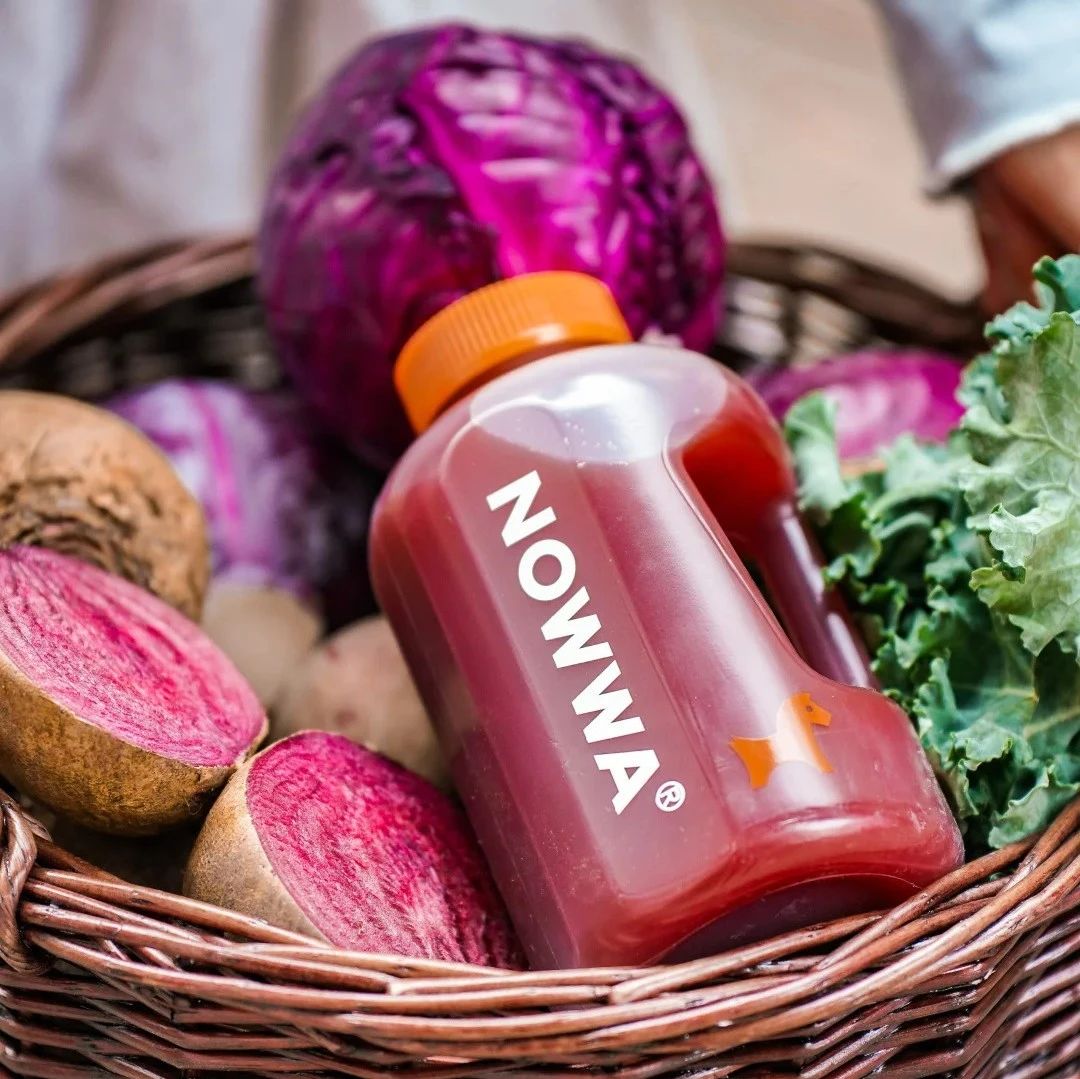
红菜头正在成为“中产通行证”
FBIF食品饮料创新· 2025-05-06 00:31
Core Viewpoint - The article discusses the rise of "superfoods" in the market, highlighting their marketing appeal and the trend of food brands incorporating these ingredients into their products to attract consumers [5][19][33]. Group 1: Definition and Popularity of Superfoods - "Superfood" is a vague term originating from the West, referring to foods rich in certain nutrients, but lacks a strict scientific definition [13][15]. - The popularity of superfoods has surged recently, with various brands launching products featuring ingredients like kale, beetroot, and turmeric, which are marketed for their health benefits [6][7][10]. - A significant factor in the rise of superfoods is a 2022 article from Harvard Health that listed ten superfoods, which gained traction on social media and contributed to the perception of these foods as health-enhancing [20][23]. Group 2: Market Trends and Brand Strategies - In the past year, many food and beverage brands have introduced new products centered around superfoods, with notable examples including Heytea's kale-based drink and various offerings from other tea brands [6][7][10]. - The trend has expanded beyond beverages to include snacks and meal replacements, with brands like White Elephant and Wang Baobao launching products that emphasize the health benefits of superfoods [10][26]. - Social media data indicates that the most common associations with superfoods have shifted from weight loss to nutrition, reflecting a broader acceptance of these ingredients in everyday diets [29]. Group 3: Historical Context and Marketing Dynamics - The article traces the historical context of superfoods, noting that many have undergone similar marketing transformations in the past, such as bananas and avocados, which were once considered difficult to sell but became popular through strategic marketing [35][37]. - The marketing of superfoods often emphasizes their health benefits while downplaying their historical challenges in gaining consumer acceptance, suggesting that the appeal of superfoods is as much about marketing as it is about nutrition [33][40].

五一假期消费力旺盛,多景区创新高,酒店预定量高增,茶饮品牌热度攀升
HUAXI Securities· 2025-05-05 15:20
Investment Rating - The industry rating is "Recommended" [4] Core Insights - The consumption power during the May Day holiday was strong, with a total of 1.467 billion people traveling across regions, a year-on-year increase of 8.0% [1][2] - Hotel bookings saw a significant increase, with OTA hotel sales up 24.93% year-on-year, and user spending on hotels also rising by 24.8% [1] - The retail and catering sectors experienced a robust performance, with key retail and catering enterprises' sales increasing by 6.3% year-on-year during the holiday [2] - The tourism sector thrived, with various scenic spots reporting record visitor numbers and revenue growth [2] Summary by Sections 1. Industry Overview - The report highlights a resurgence in offline traffic, benefiting traditional business formats, with key beneficiaries including Yonghui Supermarket and other retail chains [3] - AI technology is expected to continue its upgrade, with increasing penetration in applications, benefiting companies like Focus Technology and others [3] 2. Consumer Behavior - Consumers are increasingly willing to pay for emotional value, leading to a sustained high performance in the new retail sector, with beneficiaries including Miniso and Pop Mart [3] - Under the backdrop of promoting domestic demand, cyclical sectors are expected to recover from low levels, releasing performance elasticity, with beneficiaries including Haidilao and others [3] 3. Investment Opportunities - The report suggests focusing on five investment themes, including the recovery of offline traffic, AI technology upgrades, emotional value in consumer spending, cyclical sector recovery, and the potential of consumer brands going overseas [3]
“消费分化”而非“消费降级”!基金经理被“上了一课”
证券时报· 2025-05-05 14:56
Core Viewpoint - The article discusses the significant performance of certain Hong Kong-listed new consumer brands in 2023, indicating a shift in consumer behavior towards either extreme cost-effectiveness or high-end products, moving away from the middle ground [1][2]. Group 1: Market Trends - The stock prices of several Hong Kong consumer brands have surged, with notable increases such as over 198% for Laopu Gold and over 140% for Gu Ming and Mi Xue Group [1]. - The concept of "consumption downgrade" is being replaced by "consumption differentiation," highlighting that different consumer segments have varying demands, with some prioritizing cost-effectiveness and others seeking premium experiences [2][3]. Group 2: Consumer Behavior - New consumer trends show a growing interest in self-indulgent purchases, with younger consumers gravitating towards products that offer emotional value, such as pet food and trendy toys [5][7]. - The demand for gold jewelry is increasing, particularly among entry-level customers of traditional luxury brands, indicating a shift in consumer loyalty and spending patterns [3][4]. Group 3: Investment Insights - Fund managers are urged to adapt their strategies to capture alpha opportunities in the evolving consumer landscape, moving away from traditional narratives of steady growth [5][6]. - There is a recognition that high-net-worth individuals continue to drive significant purchasing power, focusing on quality and emotional satisfaction rather than merely brand prestige [5][6]. Group 4: Industry Evolution - The retail landscape is evolving with new business models emerging, such as discount snacks and membership supermarkets, which aim to enhance retail efficiency [4]. - The article emphasizes the importance of understanding the changing dynamics within the consumer sector, as companies that adapt to these shifts are likely to outperform [6][7].

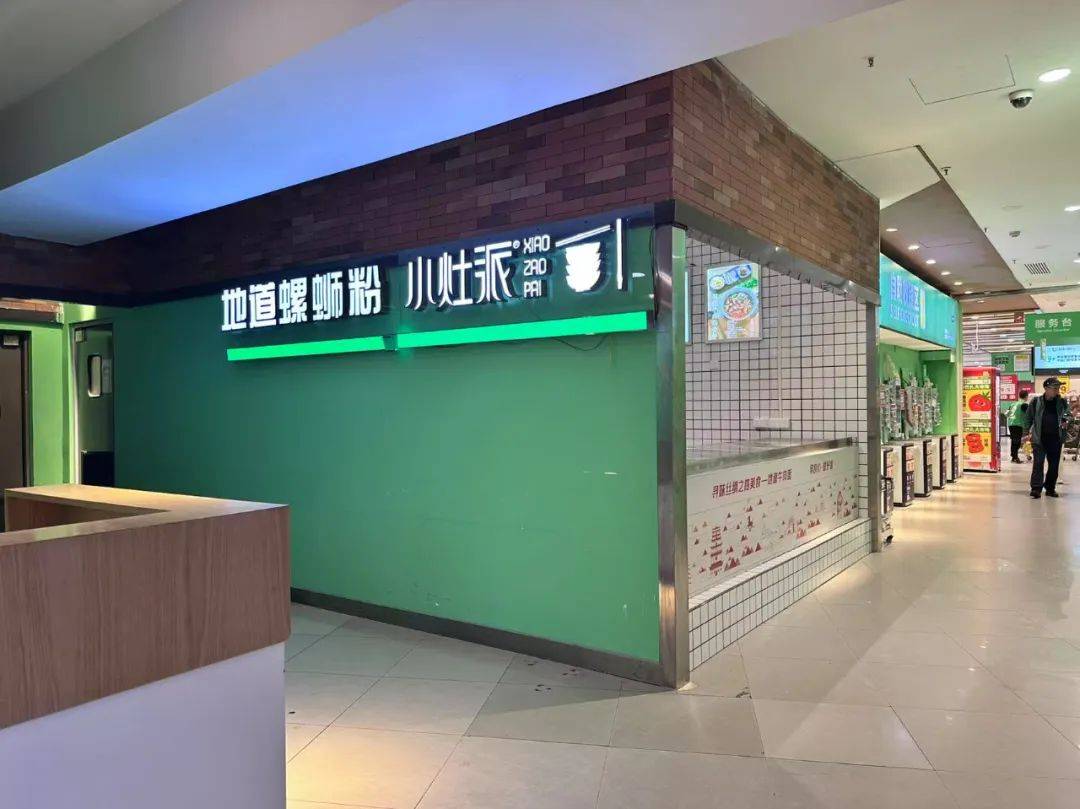
闭店率超30%,商场的餐饮生意越来越难做了?
Hu Xiu· 2025-05-05 12:55
Core Viewpoint - The restaurant industry is experiencing a significant wave of closures in shopping malls due to declining foot traffic, high rents, and increasing operational costs, leading to a challenging environment for both malls and restaurants [3][6][23]. Group 1: Current Trends in the Restaurant Industry - Many restaurants are closing or relocating from shopping malls, with notable examples including "奈斯椰" in Beijing and "银棠·新中餐" in Qingdao, indicating a broader trend of withdrawal from mall locations [2][3]. - A report indicates that by 2024, 34.9% of shopping centers will see more closures than new openings, suggesting a growing vacancy rate in malls [3][12]. - The average rent for shopping mall spaces remains high, with a slight decrease of only 0.06% year-on-year, making it increasingly unfeasible for restaurants to operate profitably [22][23]. Group 2: Challenges Faced by Shopping Malls - Shopping malls are facing a saturation of locations, leading to diluted foot traffic, which negatively impacts restaurant patronage [8][10]. - Many malls have outdated designs and layouts that do not cater to modern consumer preferences, further diminishing their attractiveness [13][14]. - The homogenization of brands across malls has led to a lack of differentiation, making shopping experiences feel repetitive for consumers [17][18]. Group 3: Future Outlook and Opportunities - Experts predict that the survival of mall-based restaurants will remain difficult for at least the next two years, with a potential recovery not expected until then [5][6]. - A shift towards "downward" strategies is emerging, where restaurants are increasingly looking to open in lower levels of malls or in less saturated markets, such as county-level cities [29][32]. - The underdeveloped commercial real estate in lower-tier cities presents opportunities for restaurant brands to establish themselves in less competitive environments, where consumer demand for quality dining experiences is rising [35][36].
“消费分化”而非“消费降级”!基金经理被“上了一课 ”
券商中国· 2025-05-05 12:32
Core Viewpoint - The Hong Kong stock market has seen a significant rise in new consumer brands, indicating a shift in consumer behavior towards either extreme cost-effectiveness or high-end products, challenging previous consumption narratives [1][2]. Group 1: Market Performance - As of April 30, 2023, the stock prices of several new consumer brands in Hong Kong have shown remarkable growth, with Lao Pu Gold increasing by over 198%, Gu Ming and Mi Xue Group rising over 140%, and Pop Mart and Mao Ge Ping increasing by 116% and 83% respectively [1]. - The performance of these brands suggests a departure from the traditional "long slope, thick snow" narrative in the consumer sector, with a focus on identifying alpha opportunities [1]. Group 2: Consumption Trends - The concept of "consumption downgrade" is being replaced by "consumption differentiation," as highlighted by fund managers who note that the Chinese consumer market is vast and complex, with varying demands across different segments [2]. - A notable example includes a Hong Kong-listed cosmetics company that has maintained high gross margins, projected to exceed 84% in 2024, while its stock price has risen over 80% this year [2]. Group 3: Consumer Behavior Insights - Research indicates that traditional high-end jewelry brands are still experiencing positive sales growth, while new entrants like Gu Fa Gold are attracting entry-level customers from these brands [3]. - The purchasing behavior for gold jewelry is heavily influenced by traditional festivals, with some stores seeing up to 40% of annual sales concentrated around these events [3]. Group 4: Supply and Demand Changes - New consumer demands are emerging, particularly among younger generations who are increasingly interested in self-indulgent and interest-driven purchases, as well as new retail models like discount snacks and membership supermarkets [4]. - The retail landscape is evolving with a focus on higher efficiency across various dimensions, reflecting a shift in supply-side dynamics [4]. Group 5: Investment Strategies - Fund managers emphasize the need for deeper insights into current consumer trends, moving away from passive investment strategies to actively capturing alpha opportunities [5]. - The consumer landscape remains vibrant, with a more rational approach to spending, particularly among high-net-worth individuals who seek emotional satisfaction rather than simply opting for well-known brands [5][6]. Group 6: Emerging Opportunities - The rise of "phenomenal" consumer companies has prompted fund managers to explore new investment avenues, particularly in sectors catering to younger and older demographics, such as pet food and skincare products [7]. - The trend of domestic brands gaining traction continues, with significant growth observed in various categories including cosmetics and personal care products, presenting numerous research opportunities for fund managers [7].

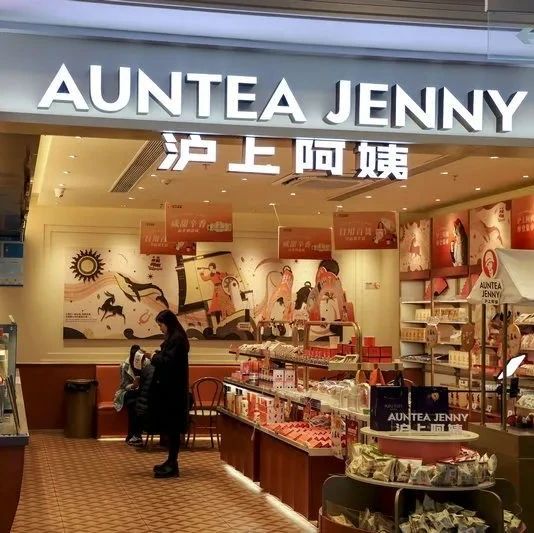
加盟率99.7% 沪上阿姨轻资产模式能否撑起上市梦?
凤凰网财经· 2025-05-04 14:00
Core Viewpoint - The article discusses the upcoming IPO of the tea brand "Hushang Ayi" on the Hong Kong Stock Exchange, highlighting its rapid expansion and market positioning in the competitive new-style tea beverage industry [2][3]. Group 1: Market Positioning and Expansion - Hushang Ayi is strategically focusing on the lower-tier markets in China, claiming a strong market position among mid-priced tea brands [3][4]. - The brand plans to expand its store network from 5,307 at the end of 2022 to 9,176 by the end of 2024, with 99.7% of these stores operated by franchisees [2][6]. - As of the end of 2024, Hushang Ayi will have stores in over 300 cities, with 4,629 located in third-tier cities and below [4][3]. Group 2: Franchise Model and Financial Performance - Hushang Ayi relies heavily on a franchise model, with 99.7% of its stores operated by franchisees, which allows for rapid expansion but poses management challenges [6][7]. - The average single-store GMV decreased from RMB 1.6 million in 2023 to RMB 1.4 million in 2024, while total revenue slightly declined by 1.9% from RMB 3.348 billion to RMB 3.285 billion [6][7]. - Franchise income accounted for 96.5% of total revenue in 2024, indicating a strong reliance on franchisee investments [7]. Group 3: Competitive Landscape and Future Outlook - The new-style tea beverage market is entering a phase of intensified competition, with brands struggling to differentiate themselves [9]. - Hushang Ayi has introduced multiple brand concepts, including "Hushang Ayi," "Hukafe," and a lighter version targeting lower-tier cities, to capture diverse consumer preferences [5][9]. - Analysts predict that 2025 will mark a critical period for the coffee and tea beverage sectors, with significant challenges ahead, but also potential growth opportunities in supply chain management and overseas expansion [8][9].
加盟率99.7% 沪上阿姨轻资产模式能否撑起上市梦?
Zhong Guo Jing Ying Bao· 2025-05-02 21:25
Core Viewpoint - The new tea beverage brand "Hushang Ayi" is set to go public on the Hong Kong Stock Exchange, becoming the fifth new tea brand to list after successful IPOs of competitors like Nayuki and Mixue Ice City, with market attention focused on its performance amid previous listing challenges in the sector [1][2]. Expansion Strategy - Hushang Ayi has rapidly expanded its store network from 5,307 at the end of 2022 to an expected 9,176 by the end of 2024, with 99.7% of these stores operated by franchisees, indicating a light-asset operational model that facilitates market penetration [1][6]. - The brand strategically targets lower-tier markets, claiming a strong market position in mid-priced tea beverage stores across over 300 cities in China, with a significant number of stores located in third-tier and below cities [2][3]. Market Dynamics - The tea beverage industry is experiencing a shift towards stock competition, with Hushang Ayi aiming to capture market share through a multi-brand strategy and low-price model, particularly in underdeveloped markets [3][9]. - The competitive landscape is intensifying, with numerous brands lacking significant differentiation, leading to potential challenges in maintaining market share [9]. Financial Performance - Hushang Ayi's average single-store GMV decreased from RMB 1.6 million in 2023 to RMB 1.4 million in 2024, with total revenue slightly declining by 1.9% to RMB 3.285 billion, attributed to reduced income from franchise-related and self-operated stores [6][8]. - Despite the decline in average GMV, approximately 48.8% of new stores in 2024 were opened by existing franchisees, indicating a strong willingness to reinvest within the franchise system [6]. Franchise Model - The franchise model has allowed Hushang Ayi to expand rapidly, with 96.5% of its revenue coming from franchise operations, but it also poses risks related to quality control and operational oversight [6][7]. - The company mandates that franchisees source most ingredients from its centralized procurement platform, which includes a comprehensive supply chain network [7][8]. Future Outlook - Analysts predict that 2025 will mark a critical juncture for the tea and coffee sectors, with increasing competition and a focus on supply chain efficiency and product differentiation becoming essential for sustainable growth [8][9]. - Hushang Ayi has begun exploring international markets, although it currently operates only one overseas store, highlighting the potential for future expansion [8].
港股5月开门红,恒生科技指数涨3.08%
Sou Hu Cai Jing· 2025-05-02 13:36
Market Performance - The Hang Seng Index rose by 1.74% to close at 22,504.68 points on May 2, with the Hang Seng Technology Index increasing by 3.08% to 5,244.06 points, and the Hang Seng China Enterprises Index up by 1.92% [2] - The market saw a cumulative increase of over 2% for the Hang Seng Index this week, marking the third consecutive week of gains, while the Hang Seng Technology Index rose over 5%, indicating a second consecutive week of growth [2] - Major technology stocks performed well, with Alibaba up by 3.83%, Tencent by 2.22%, and Xiaomi by 6.31% [2] Industry Highlights - The electric vehicle sector saw significant gains, with Li Auto rising by 3.57%, Xpeng by 6.66%, and BYD by 3.3% [3] - Apple-related stocks also experienced a rally, with Weishi Jiajie up by 7.39% and Sunny Optical Technology up by 3.59% [3] - The tea beverage sector continued its upward trend, with Nayuki's Tea increasing by 8.85% [3] Economic and Policy Context - The impact of tariff policies has diminished, leading to a recovery in global stock indices, with the Hang Seng market showing signs of positive sentiment [5] - The Chinese government is expected to implement additional fiscal policies ranging from 1 trillion to 3 trillion yuan to support economic growth amid external pressures [6] - UBS anticipates that the People's Bank of China may lower reserve requirements by 100 to 200 basis points and interest rates by 30 to 50 basis points within the next 12 months [6] Investment Recommendations - The investment strategy suggested by CMB International focuses on a balanced allocation of "high elasticity + high dividend" to navigate uncertainties, particularly favoring AI and technology sectors [6] - Defensive state-owned enterprises in finance, energy, telecommunications, and utilities are recommended for their resilience against tariff and economic growth risks [6]

中国资产,爆发!
证券时报· 2025-05-02 05:14
中国资产强势上涨。 今日,A股市场因"五一"假期休市,港股正常交易。 从上午的表现来看,港股市场整体走强,截至午间收盘,恒生指数涨1.69%,恒生科技指数涨3.28%。 港股新能源汽车股爆发 港股汽车股上午整体表现较好,多数股票上行。 其中,小鹏汽车涨势凌厉,盘中一度大涨逾8%。 | 小鹏汽车-W(9868) W | | | | --- | --- | --- | | 05-02 12:31:06 通 | | | | 78.200 额 4.96亿 股本 19.04亿 市盈 -24 | | 万得 참 ■ | | 5.350 7.34% 换 0.42% | 市值1 1489亿 市净 4.41 | | | 美股 18.670 +0.070 +0.38% | | 溢价(US/H) -7.41% | | 分时 五日 日K | 周K 月K 更多 © | | | 叠加 | | 均价:76.223 盘口 成交 | | 78.750 _____ Concession Company of Children | | ------------ 8.10% 卖10 78.700 7000(10) | | | | 卖9 78.650 ...
《洞见ESG》4月刊:ESG强制信披倒计时
21世纪经济报道· 2025-04-30 12:45
《洞见ESG》4月刊 ESG强制信披倒计时 政策速递 证监会发文规范A股ESG信披,这458家上市公司须做好准备 近日,证监会发布修订后的《上市公司信息披露管理办法》,第六十五条明确提出"上市公司按照证券 交易所的规定发布可持续发展报告"。该《信披办法》于2025年7月1日起正式施行。 【点击查看详 情】 铝冶炼纳入碳市场有何影响?2026年碳配额缺口或达34万吨,企业需尽快降低碳成本 铝冶炼纳入碳市场的管控范围与电力行业有所不同。电力行业只管控化石燃料燃烧排放,而新纳入的 铝冶炼行业,除了化石燃料燃烧排放,工业过程排放也纳入管控。 【点击查看详情】 1200家水泥企业将纳入全国碳市场,如何减碳? 按照单吨水泥碳排放550kg计算,近十年我国水泥工业每年碳排放在11亿吨以上。纳入全国碳市场的水 泥企业或达1200家,目前企业减排压力不大,但预计三到五年内碳配额将收紧,减排成本将上升。 【点击查看详情】 全国碳市场首次扩围:纳入钢铁、水泥、铝冶炼行业,新增1500家重点排放单位 生态环境部发布《全国碳排放权交易市场覆盖钢铁、水泥、铝冶炼行业工作方案》。此次扩围后,预 计全国碳排放权交易市场重点排放单位将达到37 ...