奈雪的茶

Search documents
米村拌饭布局,轻食赛道又翻红?
3 6 Ke· 2026-01-05 05:51
Core Viewpoint - The light meal segment is gaining traction among various restaurant brands, with a focus on health-conscious offerings and competitive pricing, but the market faces challenges such as high closure rates and consumer skepticism regarding portion sizes and satisfaction [9][13][15]. Group 1: Market Trends - The light meal category is becoming a new selling point for brands, with 米村拌饭 launching a new line of light meals priced between 20.9 yuan and 33.9 yuan, filling a gap in the mid-range market [3][5]. - Other brands like Tims and 奈雪的茶 are also introducing light meal options, with prices generally around 30 yuan, indicating a trend towards affordable healthy eating [5][7]. - The light meal market in China is projected to grow significantly, with an expected market size of over 320 billion yuan by 2024, reflecting a 41.7% annual growth rate [15]. Group 2: Industry Challenges - Despite the growth potential, the light meal segment has a high closure rate, with over 6,200 stores shutting down in the past year, leading to a net increase of only 729 stores [13]. - The survival rate of light meal brands is concerning, with a closure rate of 27% compared to the average of 22.6% in the restaurant industry, indicating it is a high-risk category [13]. - Consumer feedback often highlights issues with portion sizes and energy satisfaction, which affects repeat purchase rates and overall brand loyalty [13][15]. Group 3: Consumer Behavior - Light meal consumption is highly dependent on specific scenarios such as workdays and dieting periods, making it vulnerable to shifts in consumer preferences [13][15]. - Brands are exploring local adaptations of light meals to cater to Chinese tastes, which may enhance consumer engagement and repeat purchases [16][17]. - The transition from light meals being a trendy choice to a regular dietary option remains a significant challenge for the industry [17].


一周新消费NO.342|徐福记请全国人民吃1亿颗糖;东鹏饮料官宣闫妮代言海岛椰
新消费智库· 2026-01-04 13:04
New Consumption Highlights - Yili launched a garlic-flavored yogurt drink, a creative addition to its yogurt series with playful packaging [3] - Lays introduced a new Spring Festival limited series featuring Kung Fu Panda-themed packaging [3] - Watsons released an AI-designed series of Hong Kong landmark packaging for its distilled water products [3] - Heytea collaborated with Pop Mart for a second wave of co-branded products, including a tiramisu-flavored drink [4] - Yili announced plans to launch a -196°C frozen berry-flavored ice cream in 2026, utilizing liquid nitrogen technology [5] - Genki Forest upgraded its "Ice Blast Little Lime" sparkling water with a fresher lemon flavor and new packaging [7] - Nongfu Spring introduced a new "Pure Transparent Square Ice" product at Sam's Club, designed for wine and cocktail use [7] - Manner launched a winter specialty drink, grapefruit hot Americano, available from December 30 [8] - Guming began selling bottled juices in select stores, including 100% HPP apple juice [10] - Xu Fu Ji plans to distribute 100 million candies nationwide as part of a promotional campaign [12] - JD.com will fully implement national subsidies for various home appliances and electronics starting January 1 [15] - Cafe Deco Group from Hong Kong filed for an IPO in the US, aiming to raise up to $13 million [12] - The new Chinese health drink market is projected to reach a scale of 10 billion yuan, driven by the trend of convenient health solutions [12] - Qinghua Fenjiu was recognized as a world-renowned wine town, highlighting its significance in the liquor industry [12] Industry Events - Wuliangye received the Most Investment Value Listed Company award at the 2025 Jin Junma Awards [12] - JD.com announced a partnership with the national subsidy program to support consumer electronics purchases [15] - UU Delivery launched a cross-year rescue service in 20 cities to address transportation challenges during New Year's Eve [16] - Longan's Deep Blue Automotive secured over 6.1 billion yuan in Series C financing to support its electric vehicle platform [20] - Neurable, a brain-computer interface headphone brand, raised $35 million in Series A funding for commercialization [20] - Micro-Nano Star completed a 1 billion yuan Series D financing round, recognized for its capabilities in satellite manufacturing [20] Food Industry Developments - Nissin Foods announced its first foray into the ice cream business through the acquisition of Seria Roile [28] - Hema launched its 2026 New Year Festival, featuring a wide range of festive products [28] - Pizza Hut tested the night snack market with a new brand, Pizza Grill Skewers, in Shanghai [28] - Orion plans to invest 11 billion won to expand its production facilities in Russia by 2027 [28] - Yi Li released its first interactive drama short film in the dairy industry [28] - Xiangpiaopiao announced plans to establish subsidiaries in Singapore and Thailand, investing 268 million yuan in a beverage production base [28] New Brand Initiatives - FILA Kids opened a new store at Beijing Universal City, enhancing its retail strategy [33] - Adidas launched a new pet clothing line inspired by traditional Chinese aesthetics [33] - Kidswant opened a new flagship store in Beijing, marking a significant expansion in high-line cities [35] - Hunter opened its first store in Jiangsu, focusing on a nature-inspired shopping experience [36] - Arome Manpo launched its first flagship store in Shanghai, emphasizing a unique design concept [38]

万万没想到!2025年买房最狠的是这几个
Sou Hu Cai Jing· 2026-01-04 05:20
Core Viewpoint - The real estate market is witnessing significant purchases from various sectors, particularly from gaming and energy companies, despite a general downturn in property prices [1][10]. Group 1: Gaming Companies - The gaming sector, particularly companies like "Kawoo," is aggressively investing in real estate, with Kawoo purchasing properties in Shanghai at prices exceeding double the current market rate, indicating a 200% premium [2][4]. - Other gaming companies, such as "Yanyu Games" and "Feiyu Technology," are also making substantial real estate investments, including a 3.31 billion yuan purchase of a commercial complex and a 5.03 million yuan acquisition of a large property in Beijing [4][5]. Group 2: Energy Companies - Energy companies, often referred to as "coal bosses," are making bold investments in real estate during a market downturn, with firms like "Jinfeng Cement" spending over 2.4 billion yuan on a hotel in Shanghai [5][6]. - Notable purchases include "Manshi Coal" acquiring three apartments in Shanghai for 4.142 billion yuan and "Ordos Group" purchasing a comprehensive office property for 2.67 billion yuan [7][8]. Group 3: Diverse Investors - A wide range of investors from various industries, including food, clothing, and logistics, are also entering the real estate market, with companies like "Mondelez" and "Anta" making significant purchases [10]. - These investments serve multiple purposes, such as asset allocation, brand enhancement, and cash flow management, highlighting the strategic importance of real estate for businesses [10].

2026消费前瞻:为“活人感”买单
虎嗅APP· 2026-01-02 09:36
Core Viewpoint - The consumption market in 2025 cannot be simply categorized as "recovery" or "weakness," as it reflects a transformation in consumer behavior, emphasizing "human feeling" as a core element of consumption [4][24]. Group 1: Eating - A Fine Calculation of Experience - The offline dining industry faces significant challenges, with a decline in foot traffic, as evidenced by a 0.66% decrease in average monthly customer visits in the first eight months of 2025, which worsened to a 4.1% decline after June [6][12]. - To attract customers, many dining brands are resorting to price reductions, with self-service hot pot and street food becoming representative categories of this strategy [7]. - A new approach to finding growth is the "dining + performance" model, which enhances the dining experience through entertainment, creating a compelling reason for customers to visit [8][12]. - Street vending has gained popularity since July 2025, with well-known brands setting up stalls, offering affordable home-style dishes priced between 10 to 30 yuan, thus broadening revenue channels [9][10][12]. Group 2: Drinking - Adding More Sweetness to Life - The new tea beverage market in 2025 is stabilizing, with a market size of 374.93 billion yuan, reflecting a growth rate of 5.7%, down from 6.4% in 2024 [14]. - The total number of tea beverage stores exceeded 415,000, but the net number of new openings was lower than closures, resulting in a decrease of 39,000 stores [14]. - The market is witnessing a shift in consumer preferences towards healthier options, with products like fresh fruit teas gaining popularity [15][17]. - The competition in the new tea beverage sector will increasingly focus on creating perceived value for consumers, as loyalty to specific brands diminishes [17][24]. Group 3: Entertainment - Experience Over Arrival - The cultural tourism market is thriving, with domestic travel reaching 4.998 billion trips in the first three quarters of 2025, a year-on-year increase of 18% [19]. - This surge in travel has stimulated significant consumer spending, with total expenditures reaching 4.85 trillion yuan, up 11.5% from the previous year [19]. - Innovative experiential offerings, such as city walks and interactive theme parks, are emerging to attract tourists, emphasizing engagement and participation [20][21]. Group 4: Summary - The overall consumption market in 2025 is stable, with retail sales expected to exceed 50 trillion yuan, maintaining a contribution rate of around 60% to GDP growth [23]. - Consumers are increasingly selective, rejecting products that lack emotional resonance, indicating a shift from accumulating assets to seeking meaningful experiences [24][25]. - The focus on "human feeling" reflects a collective return to valuing real experiences and immediate feedback in an uncertain economic environment [26].

扩张集体放缓,新茶饮第一梯队踩下急刹车
3 6 Ke· 2025-12-31 00:49
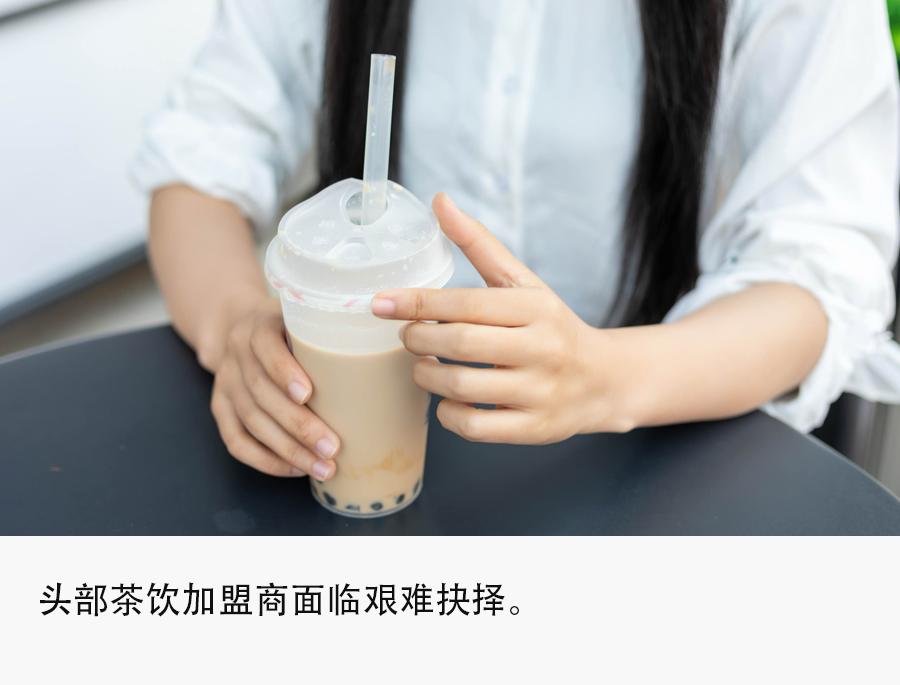
Core Insights - The leading new tea beverage brands, represented by Heytea, are experiencing a significant slowdown in expansion, with a notable decrease in the number of stores from 4,610 in October 2024 to 3,930 by October 2025, resulting in a net closure of 680 stores within a year [2] - The challenges faced by franchisees include high operational costs, particularly due to the expensive raw materials and short shelf life of fresh ingredients, which contribute to profitability pressures [8][9] - The competitive landscape is shifting, with brands like Bawang Chaji rapidly expanding through a "big single product" strategy, yet also facing challenges related to market saturation and product innovation [9][10] Group 1: Expansion Trends - Heytea's franchise model, which previously allowed for rapid expansion, has now hit a brake, with the company halting new franchise applications as of February 2023 [4] - The number of operational stores for Heytea as of December 29, 2023, is reported at 3,883, consistent with the previous year's figures, indicating a plateau in growth [2] - Naixue's Tea is also seeing a reduction in store numbers, with operational stores at 1,570, down from 1,798 at the end of 2024 [2] Group 2: Franchisee Challenges - Franchisees are facing tough decisions regarding store renewals, with additional renovation costs required for upgrades, leading to closures due to performance pressures [3] - High raw material costs are a significant burden, with reports indicating that material costs for Naixue's Tea reached approximately 740 million yuan, accounting for 34.1% of total revenue [8] - Franchisees have reported that the cost of materials supplied by brands like Heytea can increase by as much as 40%, further straining profitability [8] Group 3: Product Strategy and Market Positioning - The new product launch frequency has increased significantly for Heytea, with new offerings introduced weekly, but this has led to inventory pressures for franchisees [5] - The pricing strategy is shifting back to the 20-30 yuan range for new products, as brands aim to regain high-end market positioning after a period of aggressive discounting during the delivery wars [11] - The competitive dynamics are evolving, with brands like Bawang Chaji focusing on product innovation while also managing the challenges of high store density in key markets [9][10]
新茶饮因为咖啡因上热搜,但对于中国茶来说,这不一定是坏事
3 6 Ke· 2025-12-30 10:24
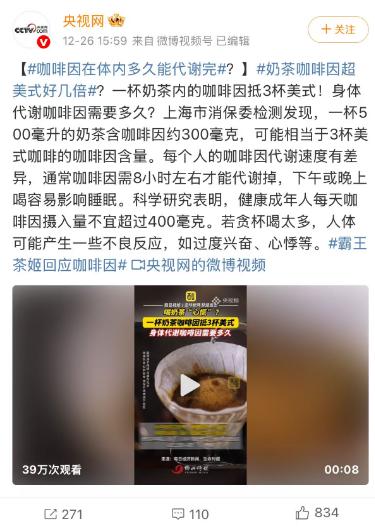
Core Viewpoint - The recent discussions around caffeine content in milk tea have sparked public concern, highlighting a significant gap in consumer awareness regarding caffeine in tea-based beverages [1][4][16]. Group 1: Caffeine Awareness - Many consumers are unaware that milk tea contains caffeine, with over 52.15% not knowing that tea also has caffeine [4]. - Tea is a major source of caffeine for adult consumers in China, contributing 74.80% to caffeine intake, significantly more than other sources like coffee [3][10]. Group 2: Caffeine Safety and Regulation - Caffeine in food is fundamentally different from controlled substances, and approved caffeine in food products meets national safety standards [5][10]. - The safe daily caffeine intake for healthy adults is established at 400 mg, which allows for the consumption of one cup of milk tea without health concerns [11]. Group 3: Industry Response and Consumer Education - The new tea beverage industry is evolving towards transparency, with brands like Heytea and Bawang Tea Princess introducing caffeine grading systems and low-caffeine products [14][19]. - Recent public discourse has served as an educational opportunity, raising awareness about caffeine content and the need for caution among specific demographics such as children and pregnant women [16][19].
奈雪解锁泰国第三城,星巴克入局美妆市场
3 6 Ke· 2025-12-30 02:56
Industry Overview - In November, a total of 30 chain tea brands monitored by Yilan Commercial reported 134,300 stores, with a net increase of 498 stores after opening 3,190 and closing 2,692 [1] - Among these, brands like Hu Shang A Yi and Gu Ming showed significant growth, with net increases of 231 and 190 stores respectively [1] - Tims Coffee and Grid Coffee are also expanding, with new stores set to open by the end of the year [1] New Store Openings - New flagship stores are being launched, such as Mixue Ice City in Hangzhou, which invested nearly 8 million yuan and covers approximately 700 square meters [2] - Other brands like Nayuki and WILLchá are also expanding internationally, with new openings in Thailand and Japan [2] Product Launches - Various tea and coffee brands have introduced new products, including CoCo's new tapioca peach gum dessert and Nayuki's cherry series [3] - Sales performance has been strong, with one brand's yogurt drink series surpassing 200 million cups sold [3] Collaborations and Promotions - Collaborations between brands are yielding positive results, such as Heytea's partnership with Pop Mart leading to long queues and rapid sales [5] - Other brands are also engaging in promotional activities, with some facing consumer backlash over product sizes and caffeine content [5] Corporate Developments - Starbucks appointed Anand Varadarajan as the new CTO, bringing extensive experience from Amazon [6] - The company is also enhancing its marketing team with a new senior manager from Elf Cosmetics [6] Financial Insights - Hextar Industries Berhad is divesting from its fertilizer business to focus on expanding its food and beverage retail operations, particularly Luckin Coffee in Malaysia [7] - Starbucks anticipates a busy day for gift card sales on December 24, expecting over $60 million in new card reloads [7] - The company's unredeemed gift card balance reached $1.8 billion, an increase from the previous year [7]

“雪王”出海纽约、好莱坞:6天开3店,给美国人提供200%甜度
3 6 Ke· 2025-12-30 00:47
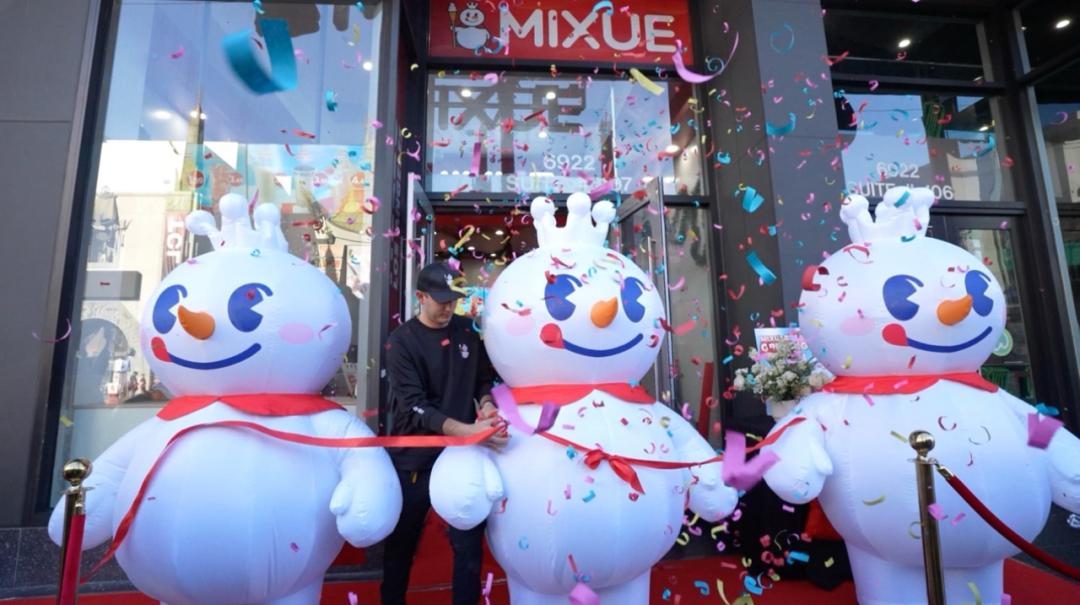
Core Insights - Mixue Ice Cream & Tea has successfully opened its first three stores in the United States within six days, marking a significant expansion from the West Coast in Los Angeles to the East Coast in New York [1][3][4] Store Openings - The first store opened on December 20, 2025, in Hollywood, Los Angeles, located opposite the famous Chinese Theatre [4] - On December 25, 2025, two additional stores opened in New York City, situated on 8th Avenue and Broadway, both in high-traffic areas [6][9] - The geographical spread of the stores is notable, covering approximately 4,000 kilometers between Los Angeles and New York, indicating a strategic approach to market penetration [9] Consumer Response - There has been a strong consumer interest, with long queues reported at the Hollywood store even before its official opening, and similar enthusiasm observed in New York [11][13] - Social media discussions about Mixue's U.S. launch have gained traction, with consumers expressing desires for further expansion into other countries [11][13] Product Localization - Mixue has tailored its menu for the U.S. market, allowing for sweetness levels up to 200%, and featuring soft serve ice cream more prominently than tea [3][19] - The menu includes options for plant-based milk, catering to health-conscious consumers and those with lactose intolerance [19][21] - Prices are set competitively, with items like soft serve starting at $1.19, which is lower than many local competitors [22][25] Marketing Strategies - The brand has employed various promotional activities, including advertising in Times Square and offering free ice cream for social media engagement [13] - The theme song has been localized to resonate better with American consumers, reflecting a broader trend of adapting branding for different markets [16][27] Future Plans - Mixue has plans for further expansion in the U.S., with a third New York location set to open soon, indicating a commitment to establishing a strong presence in the market [15][17]

咖啡因又让霸王茶姬遭遇“无妄之灾”?
3 6 Ke· 2025-12-29 23:17
Core Viewpoint - The article discusses the controversy surrounding the beverage brand "霸王茶姬" (Bawang Tea) being labeled as a "soft drug" or "quasi-drug" due to its high caffeine content, which has sparked public debate and affected the brand's stock price [2][12][23]. Group 1: Controversy and Public Reaction - The term "quasi-drug" was used by a content creator, leading to widespread discussion and concern about the caffeine levels in Bawang Tea's products [3][4]. - The association of the brand with "drugs" has resulted in significant public backlash, with many consumers sharing experiences of insomnia and anxiety after consuming the drinks [12][17]. - Despite the negative connotation, the overall public reaction was not as severe as anticipated, with some comments calling for the brand's legal team to respond [18][20][23]. Group 2: Stock Market Impact - Following the controversy, Bawang Tea's stock price dropped over 14% at one point, marking a new low since its listing, and the hashtag related to the drop trended on social media [23][25]. - The article notes that attributing the stock price decline solely to the "soft drug" label may be overly simplistic, as the broader market was also experiencing declines on that day [25]. Group 3: Caffeine Content Analysis - Bawang Tea's products, particularly the "万里木兰" (Wanli Mulan), contain high caffeine levels, with one variant showing 235 mg of caffeine per 580 ml [32][39]. - Comparatively, the caffeine content in Bawang Tea's drinks can exceed that of traditional coffee, with some products containing up to 406 mg per 500 ml [41][42]. - The article emphasizes that the caffeine content varies significantly across different tea products, with Bawang Tea's "伯牙绝弦" (Boyan Juexian) containing 105 mg per serving, aligning with their product labeling [44]. Group 4: Regulatory and Industry Response - The article highlights the need for brands to clarify caffeine content and educate consumers, suggesting that Bawang Tea should actively engage in public relations efforts to counter misinformation [67][70]. - It mentions that other brands, like 喜茶 (Heytea), have implemented a caffeine labeling system to inform consumers about caffeine levels in their products [72]. - The industry is encouraged to provide a variety of options to cater to different consumer preferences regarding caffeine intake [73].

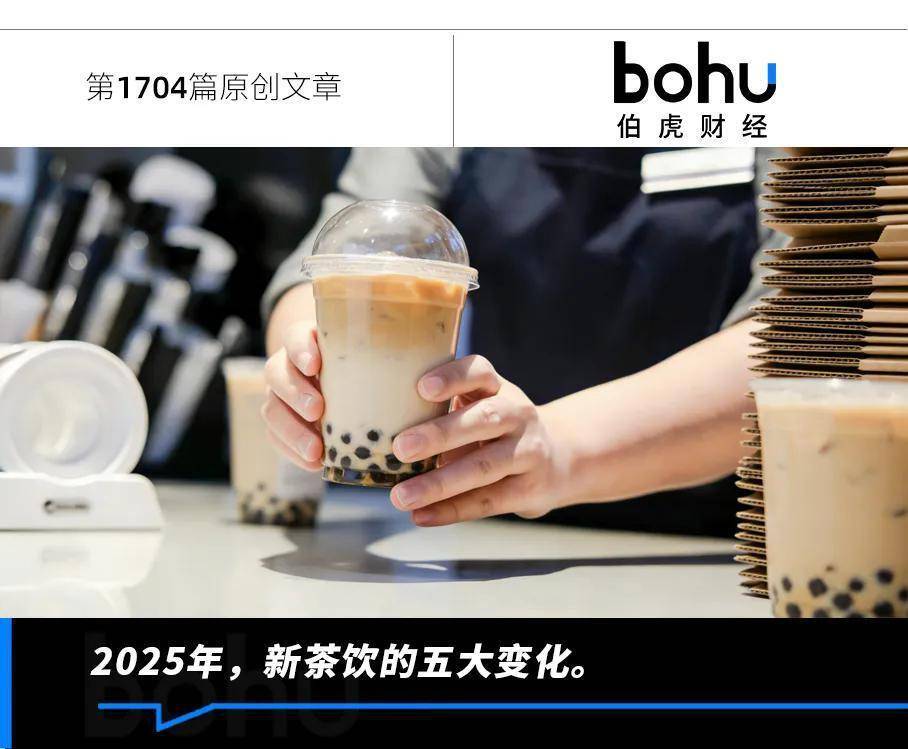
透过五大变化,预判新茶饮的 2026 年
Sou Hu Cai Jing· 2025-12-29 20:10
Core Insights - In 2025, the Chinese new tea beverage industry is at a critical turning point from "scale expansion" to "value cultivation" [3] - New consumer demands and development models are emerging, reshaping the future direction of the tea beverage industry [3] Group 1: Market Dynamics - The "0 Yuan Milk Tea" promotion, driven by massive subsidies, sparked a temporary surge in the tea beverage market, significantly impacting brand operations [3] - According to Zhejiang Securities, the average single-store sales revenue for Mixue Group reached 278,000 yuan in the first half of the year, a year-on-year increase of 13.2% [3] - Tea Baidao reported that promotional activities boosted store sales, with a second-quarter average daily GMV reaching its highest level in nearly a year, up approximately 15% from the first quarter [3] Group 2: Brand Expansion and Challenges - Gu Ming's store count increased from about 9,914 at the beginning of 2025 to over 12,000 by the end of August, maintaining an average of 7 new store openings per day [3] - However, the sustainability of the delivery war is questioned due to low profit margins and potential losses [3][5] - Naixue's financial report indicated that delivery service fees paid to third-party platforms reached 200 million yuan, rising from 6.7% to 9.2% of total revenue year-on-year [4] Group 3: International Expansion - Overseas markets are becoming a crucial source of growth for tea brands, with Ba Wang Cha Ji becoming the first new tea company to list on NASDAQ in April 2025 [7] - Ba Wang Cha Ji opened its first U.S. store in May, selling over 5,000 cups on the first day, and entered the Philippines market in August, selling over 23,000 cups in three days [7] - Other brands like Mixue Ice City and Tianlala are also expanding internationally, with Mixue covering 12 countries and over 4,700 overseas stores [7] Group 4: Health Trends - The "Skinny Milk Tea" trend is emerging as a new growth engine in the industry, with kale becoming a core ingredient [8] - The price of kale surged from 0.8 yuan per jin in 2024 to 3.5 yuan per jin in March 2025, reflecting a price increase of over 300% due to rising demand [9] Group 5: Market Segmentation - The pearl milk tea segment is gaining traction, with brands like Bao Jin Zhu focusing on low-cost, single-product strategies, rapidly expanding to over 1,800 stores in four years [10][12] - These brands are achieving significant sales, with single-store daily revenues between 1,500 and 1,800 yuan, and a projected 80% growth in store count for 2025 [12] Group 6: Industry Transition - The new tea beverage industry is shifting from quantity to quality, with brands like Heytea and Naixue closing underperforming stores and slowing down expansion [13][14] - As of October 2025, Heytea's store count decreased by 680 to 3,930, while Naixue closed 160 stores, reducing its total to 1,638 [13] - The focus is now on enhancing single-store value, tightening franchise management, and upgrading product structures [14]