
科沃斯

Search documents
整个社会都在喊没钱了,为什么这些公司反而年赚百亿?
创业家· 2026-01-29 10:34
Core Viewpoint - The article emphasizes that despite the prevailing narrative of economic hardship, certain industries are thriving and generating significant profits, particularly in the context of Japan's "lost 30 years" and the evolving consumer behavior in China [3][4]. Group 1: Economic Shifts and Opportunities - The concept of a "low-desire society" does not equate to a lack of opportunities, as consumer demand is shifting towards different sectors [4]. - The article identifies eight key industries that are capitalizing on changing consumer preferences, highlighting that demand migration presents substantial business opportunities [5]. Group 2: Key Industries and Trends - **Second-Hand Economy**: The second-hand luxury market in Japan, exemplified by companies like Daikokuya, has seen a significant revenue increase. In China, platforms like Hongbulin and Panghu are experiencing similar growth [6][7]. - **Pet Economy**: With declining birth rates, spending on pets is rising, as seen with brands like Inaba in Japan and Guobao in China, indicating a robust market for pet products and services [12][13][14]. - **Adult Care**: The adult diaper market in Japan has surpassed $10 billion, showcasing the potential of the aging population as a lucrative economic segment [17][18]. - **Health Food and Beverages**: The rise in health consciousness has led to increased demand for products like sugar-free tea and functional beverages in both Japan and China [21]. - **Beauty and Aesthetics**: The beauty industry continues to thrive, with products like collagen supplements and home beauty devices gaining popularity, indicating a strong consumer focus on personal care [23][24][26]. - **Outdoor Recreation**: Companies in the outdoor equipment sector, such as Snow Peak in Japan, are profiting from the growing interest in outdoor activities, reflecting a shift in consumer spending priorities [29][31]. - **Convenience Economy**: The demand for convenience products, such as frozen foods and smart home appliances, is increasing as younger generations seek to save time in their daily routines [39][40]. - **Leisure and Experience Economy**: Consumers are willing to spend on experiences and small pleasures, indicating a dual trend of frugality and indulgence in spending [36][44].


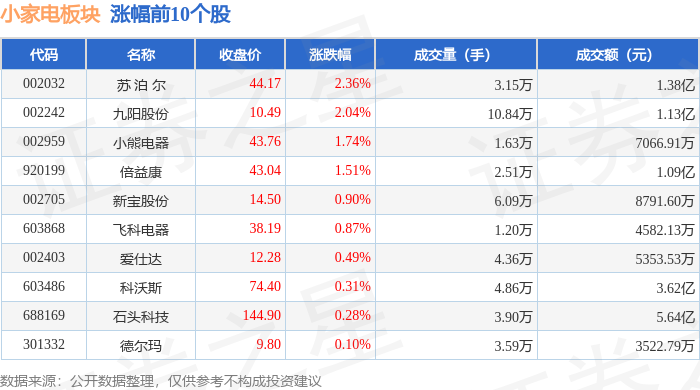
小家电板块1月29日跌0.07%,鸿智科技领跌,主力资金净流出6188.49万元
Zheng Xing Xing Ye Ri Bao· 2026-01-29 09:03
Group 1 - The small home appliance sector experienced a slight decline of 0.07% on January 29, with Hongzhi Technology leading the drop [1] - The Shanghai Composite Index closed at 4157.98, up 0.16%, while the Shenzhen Component Index closed at 14300.08, down 0.3% [1] - Notable gainers in the small home appliance sector included Supor, which rose by 2.36% to a closing price of 44.17, and Joyoung, which increased by 2.04% to 10.49 [1] Group 2 - The small home appliance sector saw a net outflow of 61.88 million yuan from institutional investors, while retail investors contributed a net inflow of 68.63 million yuan [2] - Key stocks with significant movements included Chicken Smart Technology, which fell by 6.06% to 18.61, and Lek Electric, which decreased by 4.71% to 32.55 [2] - The trading volume for the small home appliance sector was highlighted, with Supor achieving a transaction amount of 138 million yuan and Joyoung at 113 million yuan [1][2] Group 3 - In terms of capital flow, Fuhua shares saw a net inflow of 15.51 million yuan from institutional investors, while Supor experienced a net outflow of 13.78 million yuan [3] - The data indicates that retail investors were more active, with a net inflow of 6.86 million yuan across various stocks in the sector [2][3] - The overall market sentiment reflected a mixed performance, with some stocks like Supor and Joyoung attracting retail interest despite the overall sector decline [1][3]
中国定位专家顾均辉解析徕芬拓展困局:心智占位才是破局关键
Sou Hu Wang· 2026-01-29 08:09
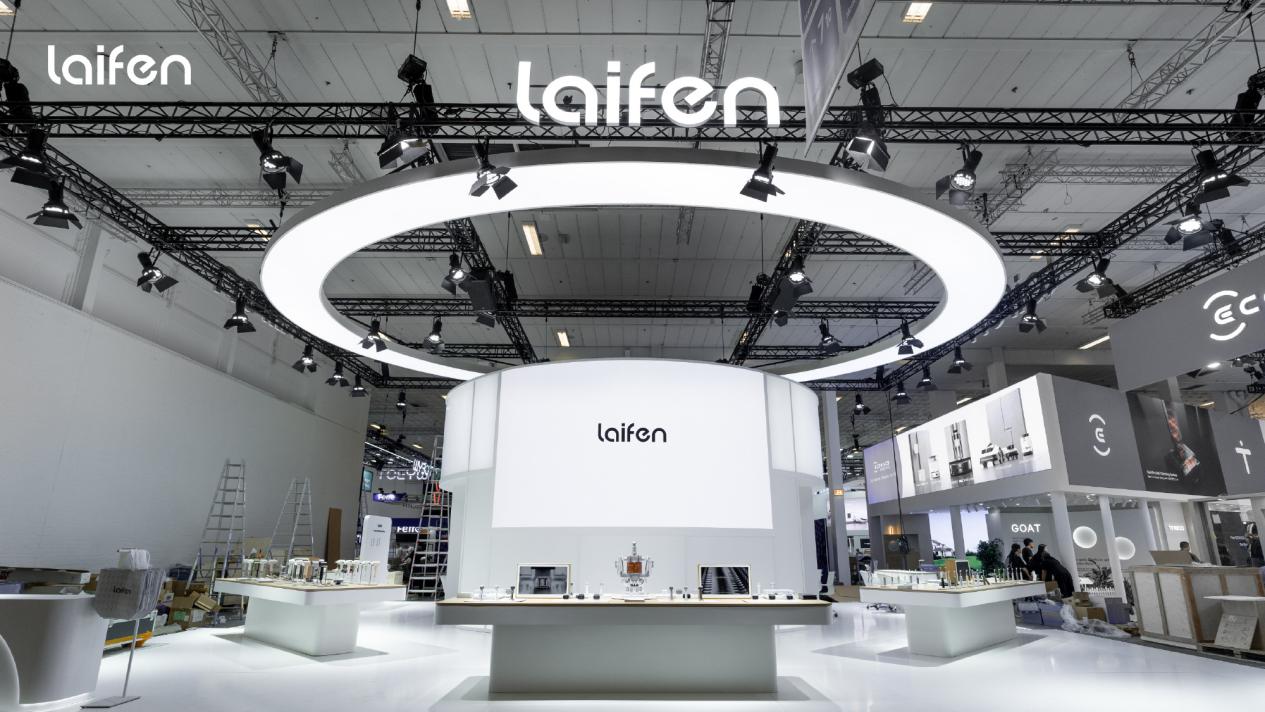
Core Insights - The domestic personal care appliance brand, Lefan Technology, is facing challenges due to obstacles in new category expansion and significant losses in its electric toothbrush business, raising industry concerns [1] - Lefan previously achieved rapid sales growth from 150 million yuan in 2021 to approximately 4.1 billion yuan in 2024 through its "high-speed hair dryer" but now struggles with a "substitute" label and a lack of diverse growth drivers [1] Strategic Positioning Issues - Strategic positioning expert Gu Junhui identifies that Lefan's current predicament stems from a deviation in strategic positioning; after initially entering the market as a "big brand substitute," it failed to build an independent brand identity, leading to limited growth [2] - The "substitute" positioning is a double-edged sword, providing short-term gains but posing long-term risks, as consumer choice is primarily driven by cost rather than brand value recognition [3][5] Market Competition and Risks - Lefan's brand recognition is heavily reliant on the leading brand, Dyson, and faces severe challenges as competitors like Mijia and Feike introduce low-cost high-speed hair dryers, threatening Lefan's market position [5] - The brand's attempts to extend into electric toothbrushes and shavers have not met expectations, indicating confusion in consumer perception and a lack of competitive differentiation in these new categories [6][7] Recommendations for Strategic Recovery - Gu Junhui suggests that Lefan should focus on solidifying its core category and upgrading its brand perception, moving away from the "Dyson substitute" label by enhancing core technology and establishing a trustworthy brand image [11] - Any new category expansion should adhere to the principle of mental synergy, ensuring that new products are closely related to the brand's established core recognition to avoid dilution [11] - The brand should concentrate on deepening its presence in the high-speed hair dryer market and related categories, aiming to become a leading brand in a specific niche rather than spreading resources too thin across multiple competitive markets [11][13]
扛不住!又一家割草机器人开始破产清算,行业洗牌加剧,突围之路在何方?
机器人大讲堂· 2026-01-28 10:24
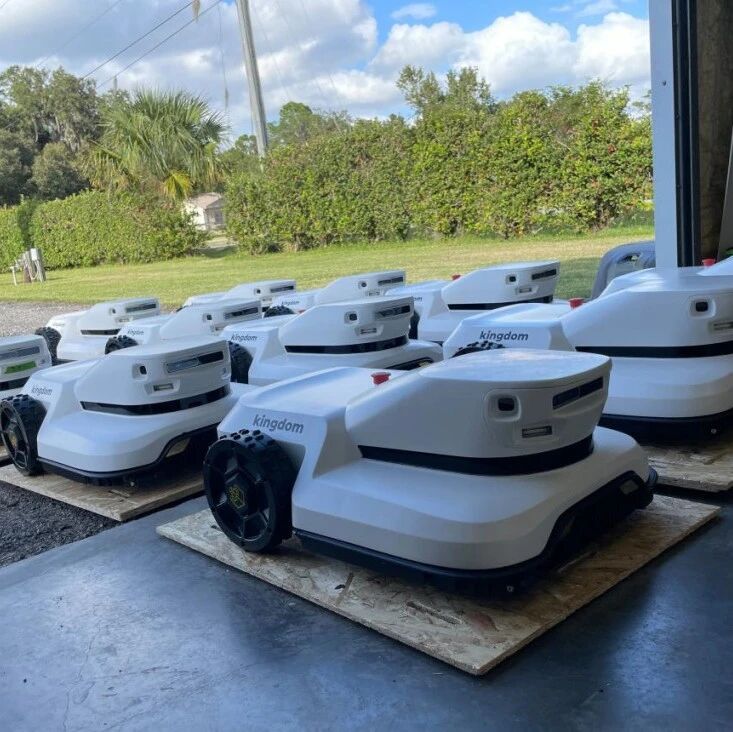
在智能硬件出海的热潮中,割草机器人一度被视为继扫地机器人之后的下一个 "蓝海"与"风口"。然而,近期一 系列企业的退场事件,却为这个高速增长的赛道蒙上了一层阴影。 1 月 23 日,英国商用割草机器人厂商 Kingdom Technologies 正式宣布进入清算程序,其 CEO 在声明中坦 言,技术成熟周期与市场、融资环境的不匹配,加上激烈的市场竞争,导致企业未能筹集到持续运营的资金, 最终无奈退场。 " 在充满挑战的融资环境和日益激烈的市场竞争下,我们未能筹集到继续运营所需的资金。 " 这并非个例, 2025 年四季度,全球家用机器人巨头 iRobot 正式关停旗下割草机器人业务, 引发行业震动 ; 此前,国内割草机器人公司森合创新创始人李畅在社交平台发布公开信称,虽全力推进 R1 产品交付,但 受团队意外重组、制造难题以及资金限制等因素影响,公司已无力维持运营。 从英国商用割草机器人厂商 Kingdom Technologies 的清算,到全球巨头 iRobot 关停相关业务,再到中国 企业森合创新,行业洗牌的信号已愈发清晰。一面是市场规模的持续扩大与资本的争相涌入,另一面则是企业 接连倒闭、黯然离场, ...
经济越来越差,这八大行业越赚爆!
创业家· 2026-01-28 10:09
Core Insights - The article discusses how certain industries are thriving despite a general perception of economic downturn, highlighting eight key sectors that present significant business opportunities in a low-desire society [3][4]. Group 1: Key Industries - **Second-Hand Economy**: The second-hand luxury market in Japan, represented by companies like Daikokuya, has seen a surge in revenue. In China, platforms like Hongbulin and Panghu are experiencing similar growth, indicating a shift in consumer spending towards second-hand goods [6][7][8][9]. - **Pet Economy**: With declining birth rates, young people are spending more on pets, leading to a boom in pet food and healthcare products. Companies like Inaba in Japan and Guobao in China are capitalizing on this trend [11][12][14][15]. - **Adult Care Products**: The adult diaper market in Japan has surpassed $10 billion, indicating a growing demand for adult care products in China, with companies like Kexin poised for growth [16][17][18]. - **Health Food and Beverages**: The rise in health consciousness has led to increased sales of sugar-free beverages and functional drinks in both Japan and China, with brands like Suntory and Dongpeng gaining traction [21][22]. - **Beauty Economy**: The demand for beauty products, including collagen supplements and at-home beauty devices, is on the rise, with companies like Jinbo Bio and U like seeing significant sales growth [23][25]. - **Outdoor Recreation**: The outdoor equipment market is thriving, with brands like Snow Peak in Japan and various Chinese brands experiencing rapid sales growth, as consumers seek leisure activities despite economic constraints [25][26][27]. - **Emotional Economy**: Brands like Labubu and Rio are tapping into the emotional needs of consumers, offering products that provide comfort and joy, even in a frugal spending environment [28][29][30]. - **Lazy Economy**: The trend towards convenience has led to increased sales of frozen foods and smart home appliances, with companies like Anjijia and Kewos leveraging technology to save consumers time [33][35][36]. Group 2: Market Trends - The article emphasizes that the current economic climate, often described as a "cold winter," presents unique opportunities for those willing to invest in counter-cyclical sectors [39]. - It suggests that the key to success in this low-desire era is recognizing and seizing opportunities in these emerging markets, rather than succumbing to pessimism [39].

追觅科技的三重困局:质量失守、售后失责、战略失焦
Xin Lang Cai Jing· 2026-01-28 06:52
来源:眼镜财经 从行业新星到危机四伏,追觅科技的困境并非偶然,而是产品品控、售后服务、企业战略多重问题叠加 的结果。 曾凭借高速马达技术在智能清洁赛道脱颖而出的追觅科技,一度被视为行业内的"技术黑马",登顶过扫 地机器人市场零售额榜首。但如今的追觅,却深陷消费者投诉 【下载黑猫投诉客户端】的泥潭,核心 业务增长失速,跨界扩张的豪赌更让企业陷入多重危机。 《眼镜财经》注意到,从产品端的质量硬伤,到服务端的售后推诿,再到战略层面的盲目扩张,追觅科 技的发展之路,正被自己埋下的种种问题绊住脚步。 产品质量频出故障 高端定位难掩品控短板 作为以"科技"为核心标签的企业,追觅科技的产品质量却屡屡刷新消费者的失望底线,且问题集中在其 主打的扫地机器人、洗地机等核心品类,涉事产品多为定价数千元的高端型号,品控短板与高端定位形 成强烈反差。 在黑猫投诉平台,关于追觅产品故障的投诉呈集中爆发态势,仅2026年1月上旬,就有多位消费者投诉 旗下扫地机器人、洗地机出现各类质量问题:定价6000元的追觅X20Pro扫地机器人,在正常使用下短 短一年多时间因拖布脱落、主机故障、电池损坏等问题五次返厂; 刚购买不到20天的H20Ultr ...
筑牢育人“定盘星” 打造科创新平台
Xin Lang Cai Jing· 2026-01-27 22:08
先锋引领结硕果,辐射带动显担当。党员教师是科创教育的"主力军"和"排头兵",在课程研发、课题攻 坚、学生指导中冲锋在前,不仅有效破解了民办学校师资流动、课程衔接等实际难题,更带出了一支政 治过硬、业务精湛的育人队伍,成为科创育人的核心力量。近年来,党员教师带头指导学生斩获全国青 少年科技创新大赛二等奖、丘成桐全国青少年科技大赛二等奖、江苏省青少年科创大赛一等奖等各级各 类奖项50余项,拿下32项国家发明专利。学校大批毕业生凭借扎实的科研能力与开阔的国际视野被麻省 理工学院、牛津大学、剑桥大学等世界顶尖学府录取,80%的学生在申请文书中重点凸显科创经历与家 国情怀,实现了学术成长与价值塑造的双重收获。学校获评江苏省"一校一品"党建品牌、苏州市首批科 学家培养"薪火计划"摇篮基地、苏州市科学教育综合示范学校等多项荣誉。 展望未来,校党支部将继续深化"党建红"与"科技蓝"的融合实践,以党建领航育人方向,以科技创新激 发成长动能,以特色发展引领学校高质量发展。同时进一步强化辐射引领作用,为苏州乃至全省基础教 育阶段党建与科教融合贡献更多智慧与力量。 赵加军(苏州北美国际高级中学党支部书记) (来源:新华日报) 在苏州 ...
2月北京站:头部智驾企业“盲盒”、天工机器人——芯之所驱 形之所塑
泽平宏观· 2026-01-26 16:05
以下文章来源于泽平宏观商学 ,作者泽平宏观商学 泽平宏观商学 . 前沿科技企业实战研学 读万卷书行万里路 014> 盲盒:头部智能驾驶企业 上午 头部智能驾驶企业 当前正处于从 L2 到 L4 自动驾驶迭代、从汽车向 通用机器人跨越的历史拐点。智驾芯片及解决方案市 场正以接近 50% 的年复合增长率奔向万亿规模。公司 凭借国产替代与技术普惠的双重红利,占据了中国智 驾市场的"半壁江山"。 在物理AI加速落地浪潮与国产替代加速的双重β 下,公司作为国产中大型算力芯片头部企业及具备软 硬一体能力的供应商,推动汽车从"功能"迈向"智 能",让机器更懂人类,让出行更安全、更自由。 天工机器人:北京人形机器人创新中心 国家战略级平台,定义全栈自主新高度 北京人形机器人创新中心于2023年11月成立,是 国内首个省级人形机器人创新中心,也是国内首家具 身智能软硬件全栈科技公司,全面覆盖人形机器人大 脑、小脑、本体与数据的研发攻关并且构建了良好的 开源生态。 目前已推出自主研发的全国产化"具身天工"系 列人形机器人和"天轶"系列轮式人形机器人,可覆 盖工业制作、特种作业、物流分拣、商业导览等多元 场景,在人形机器人半马、运 ...

帮阿里、科沃斯出海年入608亿毛利率仅2.5%,“北大学霸”携蓝色光标IPO
Xin Lang Cai Jing· 2026-01-26 10:52
Core Viewpoint - Beijing BlueFocus Data Technology Group Co., Ltd. (BlueFocus) is preparing for a dual listing on the A+H stock markets, leveraging its position as a leading cross-border marketing agency for Chinese brands [2][26]. Group 1: Company Overview - BlueFocus was founded in 1996 and became the largest marketing communication group in China after its A-share listing in 2010, currently boasting a market capitalization of over 74.46 billion yuan [5][26]. - The company operates three main business segments: cross-border marketing, domestic integrated marketing, and domestic full-service advertising [5][27]. Group 2: Business Performance - In 2024, BlueFocus's revenue is projected to reach 60.8 billion yuan, with cross-border marketing services contributing 48.33 billion yuan, accounting for 79.5% of total revenue [5][31]. - The company has seen a compound annual growth rate of 28.7% in revenue from 2022 to 2024, with revenue increasing from 36.68 billion yuan in 2022 to 60.8 billion yuan in 2024 [8][31]. Group 3: Profitability Challenges - Despite significant revenue growth, BlueFocus faces a "growth without profit" dilemma, with a projected net loss of 297 million yuan in 2024 and a declining gross margin from 4.7% in 2022 to 2.5% in 2024 [4][31]. - The average annual spending per customer in the cross-border marketing segment has decreased from 472,000 yuan in 2022 to approximately 323,000 yuan in 2025, indicating a trend of increasing customer numbers but declining individual spending [32][36]. Group 4: Strategic Initiatives - BlueFocus is investing in AI transformation, with its proprietary Blue AI engine processing vast amounts of data and generating marketing intelligence, although AI-driven revenue is currently only about 2.5 billion yuan, less than 4% of total revenue [12][37]. - The company aims to enhance its AI capabilities and expand its global business network through the funds raised from the upcoming IPO [37]. Group 5: Historical Context and Leadership - The founder, Zhao Wenquan, has played a pivotal role in the company's evolution from a public relations firm to a comprehensive marketing group, with a history of aggressive acquisitions since 2013 [38][41]. - BlueFocus has accumulated approximately 3 billion yuan in goodwill due to its acquisition strategy, which poses risks if the performance of acquired subsidiaries does not meet expectations [41][43].



可选消费W04周度趋势解析:黄金持续创新高叠加新消费板块回暖,黄金珠宝板块本周表现最优-20260126
Haitong Securities International· 2026-01-26 09:54
Investment Rating - The report assigns an "Outperform" rating to multiple companies including Nike, Midea Group, JD Group, Haier Smart Home, Gree Electric, Anta Sports, and others, indicating a positive outlook for these stocks [1]. Core Insights - The gold and jewelry sector has emerged as the top performer this week, driven by new consumer sentiment and expectations of improved sales as the Spring Festival approaches. The sector saw a weekly increase of 12.9% [4][14]. - The report highlights a rebound in the new consumer sectors, with various segments such as gambling, overseas cosmetics, and retail also showing positive performance [4][14]. - The overall market sentiment is influenced by the performance of the MSCI China index, which has shown fluctuations in its weekly, monthly, and year-to-date performance [12][13]. Sector Performance Summary - **Gold and Jewelry**: Increased by 12.9%, with notable gains from Lao Pu Gold (20.5%) and Chow Tai Fook (5.9%) due to positive sales forecasts [6][14]. - **Gambling**: Rose by 2.9%, with MGM China and Galaxy Entertainment seeing increases of 4.0% and 3.6% respectively, attributed to market share gains [6][14]. - **Overseas Cosmetics**: Gained 2.1%, driven by E.L.F Beauty's strong performance and positive earnings outlook [6][14]. - **Retail**: Increased by 2.0%, with Wanchen Group rising 14.3% due to optimistic revenue forecasts [6][14]. - **Domestic Cosmetics**: Saw a modest increase of 0.9%, with companies like Proya and Runben showing positive trends [8][14]. - **Snacks**: Increased by 0.6%, with Youyou Foods and Qiaqia Foods showing gains [8][14]. - **Pet Sector**: Experienced a slight decline of 0.4%, with Zhongchong Co. facing market challenges [8][14]. - **Domestic Sportswear**: Decreased by 1.4%, with Li Ning showing a positive increase of 4.3% while Anta Sports faced a decline [8][14]. - **US Hotels**: Fell by 1.4%, with major hotel chains like Marriott and Hilton seeing declines [15][16]. - **Credit Card Sector**: Also decreased by 1.4%, with Visa and Mastercard facing market uncertainties [15][16]. - **Luxury Goods**: Declined by 1.6%, with Burberry experiencing a significant drop [15][16]. - **Overseas Sportswear**: Decreased by 1.8%, with Adidas facing a notable decline due to downgrades from investment banks [15][16]. Valuation Analysis - The report indicates that most sectors are currently undervalued compared to their historical averages, with expected PE ratios for various sectors such as overseas sportswear at 30.0x (56% of the past 5-year average) and domestic sportswear at 13.4x (70% of the past 5-year average) [10][17].