华为

Search documents
城市NOA“向下走”
Zhong Guo Jing Ying Bao· 2026-01-25 03:31
Core Insights - The implementation of a 128 TOPS chip for city NOA (Navigate On Autopilot) has been successfully launched, challenging the previous consensus that a minimum of 200 TOPS was required for such technology, indicating a shift towards mainstream adoption in the market [1] - A report by the China Automotive Industry Economic and Technological Research Institute forecasts that by November 2025, the cumulative sales of passenger cars equipped with city NOA will reach 3.129 million units, with a penetration rate of 15.1%, an increase of 5.6 percentage points from 2024 [1] - The trend shows that city NOA is moving from high-end vehicles to mainstream passenger cars, with over 68.9% of city NOA-equipped vehicles priced below 300,000 yuan [1] Market Penetration - In 2024, the penetration rate of NOA in the domestic automotive market is projected to be 7.3%, with city NOA at 1.52%, indicating a significant increase in adoption within a year [3] - By November 2025, 15 out of every 100 passenger vehicles are expected to be equipped with city NOA, marking a rapid scale-up in its market presence [3] Competitive Landscape - The focus of the industry has shifted from highway NOA to city NOA, with the latter being more complex to implement [4] - Over 78.3% of city NOA-equipped vehicles sold by November 2025 are expected to be self-developed by automakers, indicating a strong market position for companies that invest in in-house technology [4] Key Players - Notable brands in the self-developed city NOA segment include Tesla, NIO, Xpeng, Li Auto, and Xiaomi, each leveraging their unique technological capabilities to enhance their offerings [5] - Approximately 21.7% of city NOA-equipped vehicles are developed in collaboration with third-party suppliers, with traditional automotive brands making up 64.4% of these partnerships [5] Supplier Dynamics - The market for third-party city NOA suppliers is dominated by Momenta and Huawei, which together account for about 80% of the market share [6] - By November 2025, Momenta is expected to have a leading position with 414,400 units, while Huawei's HI model will account for approximately 19.76% of the third-party supplier market [6] Future Outlook - The upcoming mandatory national standard for intelligent connected vehicles is expected to set a clear safety baseline and further promote the marketization of related technologies [7] - The integration of end-to-end large models is seen as a key driver for the acceleration of city NOA, enhancing safety and user experience [8] - By 2030, city NOA is projected to become a mainstream feature in advanced driver assistance and autonomous driving systems, with significant market penetration expected in the 150,000 to 200,000 yuan price range [6][9]
当前企业史研究仍有巨大的发展空间
Bei Jing Ri Bao Ke Hu Duan· 2026-01-25 01:12
虽然中国的当代企业史研究,从1996年国家经贸委启动编纂《中国企业史》算起已经30年,成果丰硕, 而且近代企业史研究也已成为近代史中的显学,并由此推动当代企业史研究,但是就中国经济发展的成 就和未来趋势看,当前企业史研究仍有巨大的发展空间。 当前企业史研究呈现出三个特点 这几年我的研究重心转向社会生产力的发展,而生产力发展涉及两个关键领域:一是科技,邓小平提出 了"科技是第一生产力"的论断;二是企业,尤其是工业企业,因为企业是经济发展的主体,是人力、资 本、技术、组织结合的载体,也是企业家精神、工匠精神的载体。当今社会,企业已经成为承载社会生 产力的主要载体。若不研究企业的发展变化,不研究企业的"生老病死"和社会责任,研究生产方式、研 究生产力的发展就很难深入下去,理论无法落地,结论往往空洞。通过这几年我对新中国生产力的研 究,当然也涉及中国近代和古代的相关内容,我发现当前企业史研究呈现出三个特点: 一是不少研究当代企业史的学者主要来自政府财经部门、企业界、高校和科研院所,也包括一些记者和 财经专家,他们的研究往往就事论事多,研究某个企业的成功历史、成功经验多,企业创办人个人贡献 和企业家精神多。比如近些年来 ...
黄仁勋2026年首度来华,现身上海陆家嘴锦德菜市场;iPhone Air三个月暴跌近3000元;俞敏洪谈新东方转型丨邦早报
创业邦· 2026-01-25 01:09
Group 1 - Huang Renxun visited Nvidia's new office in Shanghai and engaged with employees, reflecting on key events of 2025 [3] - The iPhone Air saw a price drop of nearly 2900 yuan within three months of its launch, now priced at approximately 5499 yuan after discounts [5][6] - Yu Minhong discussed New Oriental's transformation, emphasizing the shift from a purely educational focus to new business ventures post-2021 [6] Group 2 - Baidu merged its document and cloud storage services into a new personal super-intelligent business group, enhancing AI application capabilities [8] - Zhou Hongyi predicted that by 2026, there will be at least 10 billion intelligent agents globally, with companies in the AI sector being relatively small [8] - Tesla plans to start training its Optimus robot at the Austin factory next month, indicating a move towards automation in production [10] Group 3 - OpenAI's API business achieved a significant growth, reaching an annual recurring revenue of over 20 billion dollars by the end of 2025, up from 6 billion in 2024 [16] - OpenAI announced the launch of multiple Codex-related products in the coming month, focusing on AI programming safety and efficiency [16][20] - Alphabet's CEO Sundar Pichai sold 32,500 shares of the company, cashing out 10.6 million dollars [21] Group 4 - The Chinese foldable smartphone market is dominated by Huawei, which holds over 70% market share, while Apple is expected to enter the market with its foldable iPhone in fall 2026 [28]



2025年中国移动互联网AIGC赛道流量报告
艾瑞咨询· 2026-01-25 00:03
Core Insights - The AIGC sector in China has entered a phase of large-scale application, with a user base of 483 million and a market penetration rate exceeding 30% as of October 2025 [1][8]. User Demographics - The primary user group for AIGC applications consists of young white-collar workers under 35 years old, predominantly located in high-tier cities, characterized by strong purchasing power and a desire for social sharing [2][10][11]. Segment Analysis - **Language Models**: The Doubao APP leads in traffic within the language model segment, while Tencent Yuanbao has shown significant growth [3][13]. - **Intelligent Chat**: The industry is experiencing sluggish growth, but the Xingye APP has achieved positive user growth [4][22]. - **Intelligent Tools**: This segment remains stable, with user traffic closely tied to platform devices [5][17]. - **Image Processing**: Jimeng AI holds a dominant position in the image processing sector [6][20]. Growth Rankings - As of October, Jimeng AI, Tencent Yuanbao, and Doubao are among the top apps with leading user growth rates over the past ten months [7][27]. Overall Traffic Trends - The AIGC sector's monthly independent device count increased from 318 million to 483 million from January to October 2025, with penetration rising from 22.1% to 33.2%, indicating a shift from novelty to mainstream application [8]. User Characteristics - The user base is balanced in gender, with a significant presence of young individuals, particularly those under 35, making up nearly 50% of users, and white-collar workers accounting for 30% [11]. Segment-Specific Traffic Insights - **Language Models**: The top language model apps, including Doubao and Tencent Yuanbao, have monthly independent device counts exceeding 50 million, while smaller apps struggle to grow [13]. - **Intelligent Tools**: This segment has maintained a user base of over 20 million, with Huawei's tools leading the market [17]. - **Image Processing**: Jimeng AI dominates with over 95% market share in user metrics, while smaller apps may need to focus on niche markets [20]. - **Intelligent Chat**: The segment is facing a decline in user engagement, with only Xingye APP showing positive growth [22].


欧美加税拦不住!中国外贸狂收45万亿,新三样出口暴涨27%
Sou Hu Cai Jing· 2026-01-24 23:49
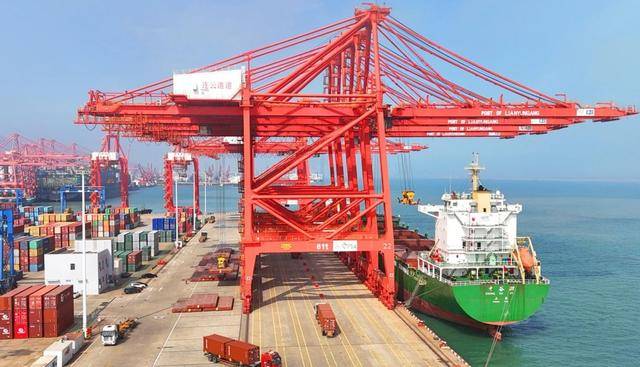
Core Insights - The total import and export value of China reached 45.47 trillion yuan in 2025, marking a 3.8% year-on-year increase, comparable to Germany's annual GDP [1] - Despite increased tariffs on Chinese electric vehicles by the EU (up to 45.3%) and stricter policies from the US, exports of new energy vehicles surged by 27.1%, indicating a significant transformation in China's foreign trade landscape [3][5] Trade Dynamics - ASEAN has become China's largest trading partner for three consecutive years, with trade volume with Belt and Road countries accounting for 51.9% of total trade, amounting to 23.6 trillion yuan, growing 2.5 percentage points faster than overall foreign trade [5][7] - China's trade partners now include over 240 countries and regions, with trade volume increasing in more than 190 of these markets, demonstrating resilience against tariff barriers [7][9] Export Strategies - The shift in export strategy from merely processing fees to establishing industry standards is evident, with Chinese companies now exporting complete energy solutions rather than just products [10][12] - In 2025, the export of self-owned brands grew by 12.9%, with market share increasing by 1.4 percentage points, showcasing the strength of China's manufacturing capabilities [14] Industry Strengths - China's complete supply chain advantage in the electric vehicle sector, from lithium mining to battery manufacturing and vehicle assembly, allows for rapid iteration and cost reduction [18][20] - The domestic market of 1.4 billion people serves as a significant accelerator for product scaling, enabling companies like CATL to dominate the global market [20][22] Long-term Strategies - The Chinese government has maintained a long-term commitment to industries like solar energy and electric vehicles, resulting in global leadership in production and cost efficiency [22][24] - The cancellation of export tax rebates in the solar industry reflects its strength and independence from subsidies, allowing for greater market share acquisition [14][28] Societal Impact - The growth in high-tech product exports (up 13.2% year-on-year) is creating numerous high-paying jobs, particularly in R&D and supply chain management [26] - The transformation in the perception of Chinese products, particularly electric vehicles, signifies a shift in national confidence and global standing [29][31]
“广货行天下”消费电子专场今在深启动
Xin Lang Cai Jing· 2026-01-24 23:45
Core Viewpoint - The "Guanghuo Goes Global" Spring Action Consumer Electronics Promotion event was launched in Shenzhen, showcasing the strengths of Guangdong's consumer electronics brands and products [1] Group 1: Event Overview - The event is co-hosted by the Guangdong Provincial Department of Industry and Information Technology and the Shenzhen Municipal Government [1] - It aims to highlight the advantages of Guangdong products, emphasizing strong branding, a wide range of categories, and innovative technology [1] Group 2: Participating Companies - A total of 50 high-quality consumer electronics companies are participating, including Huawei, Honor, Ying Shi, OPPO, vivo, Xiao Tian Zai, and iFlytek [1] - The event features a comprehensive display of smart devices, digital accessories, AI wearables, and drones [1] Group 3: Consumer Focus - The promotion is designed to meet diverse and high-quality consumer demands [1]
2026,解码汽车营销六大趋势
汽车商业评论· 2026-01-24 23:07
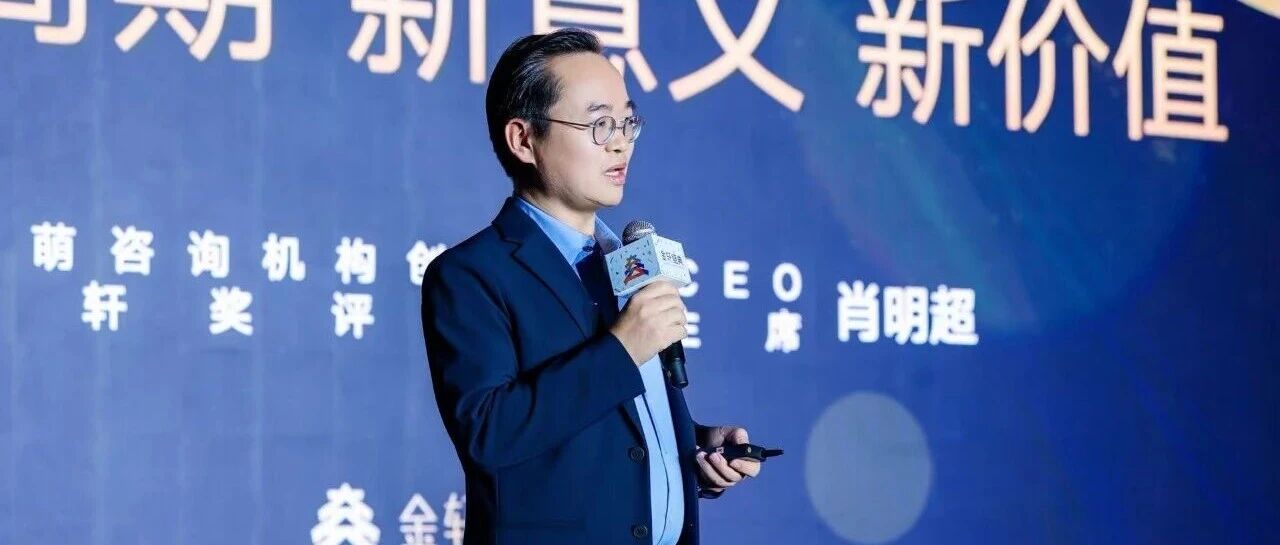
Core Viewpoint - The article emphasizes the transition from an era focused on scale and speed to a new value-driven era, highlighting the importance of meaning and value in consumer behavior and marketing strategies for 2026 [6][12][18]. Group 1: New Consumer Trends - The year 2026 is identified as a new cycle where consumer focus shifts towards "meaning and value," indicating that marketing must revolve around the reconstruction of product significance and value [6][18]. - Chinese consumers are entering a "value-price ratio" era, which transcends traditional concepts like cost-performance ratio, emphasizing the dual need for basic satisfaction and new experiences [20][21]. - Consumers are becoming "rational emotionalists," seeking self-actualization even in small purchases, which complicates marketing strategies [22][18]. Group 2: Marketing Trends from Award Cases - Six major marketing trends have been identified from the 84 benchmark cases in the 12th Golden Xuan Award, including: 1. **Personalization and IPization**: Brands are encouraged to express their spirit in a personalized manner to build long-term relationships with consumers [26]. 2. **Authenticity**: Consumers prefer relatable stories over grand narratives, seeking genuine emotional connections [30]. 3. **Cross-industry Integration**: Effective cross-industry collaborations should resonate on emotional and value levels rather than just superficial branding [32]. 4. **Beyond Newness**: New product launches should focus on ongoing engagement with users rather than being a one-time event [36]. 5. **Sustained Philanthropy**: Brands are encouraged to integrate long-term social responsibility into their strategies rather than treating it as a marketing event [39]. 6. **AI Scene Power**: The importance of utilizing AI tools effectively in marketing is highlighted, although notable AIGC cases are currently lacking [41].
埃中合作是中国赋能全球发展的缩影(国际论坛·读懂中国·读懂中国式现代化)
Ren Min Ri Bao· 2026-01-24 22:04
中国正朝着建成科技强国的宏伟目标迈进,积极扩大新能源、数字经济和人工智能等领域的国际合作。 埃及在人工智能与数字化转型领域也在加快发展步伐。两国在人工智能应用、工业领域数字化转型、商 业流程优化以及港口和贸易路线现代化建设等领域的合作蕴藏巨大机遇。未来,双方可进一步深化产能 协同,推动中国技术与埃及区位优势对接,共同服务非洲乃至全球市场。 中国坚定不移推进高水平对外开放,通过举办进博会、消博会等国际经贸展会,为全球企业进入中国市 场创造了有利条件,为深化合作搭建了重要桥梁。通过进博会等平台,埃及的新鲜果蔬、化工产品、皮 革、大理石和纺织品等特色产品得以进入中国市场,埃及相关企业获得了重要发展机遇。此外,中国展 会专业精准的运作模式、井然有序的组织管理、高质量的展品水准、充沛的客流量和高效的商务对接均 堪称典范。这些都是中国高水平对外开放的生动写照。 作为全球南方的重要成员,中国通过持续扩大对外开放进一步深化与全球南方国家的团结协作,为解决 当前国际贸易和金融体系中的不平等问题提供了新思路。 我关注中国经济和中国现代化发展已超过25年。当前,中国坚持高水平对外开放,构建起卓越的创新体 系,多个行业实现了可持续高 ...
从宇树 5,500 台到理想急招,机器人产业已经到了转折点
Sou Hu Cai Jing· 2026-01-24 20:15
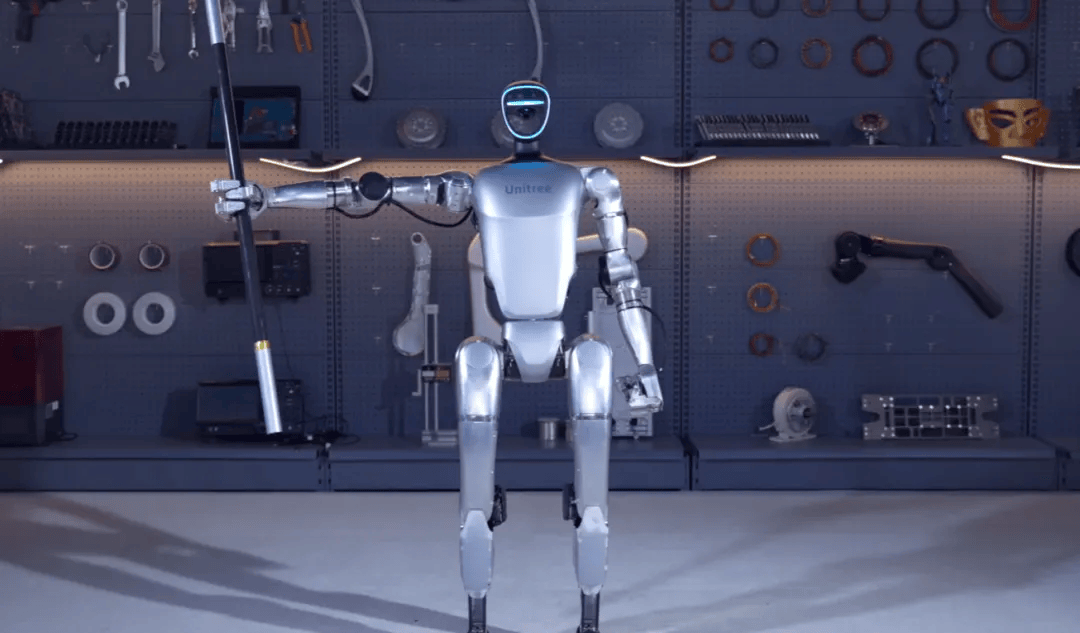
1 月 22 日晚,宇树科技首次对外公布了公司 2025 年的人形机器人销量数据,其 2025 年的实际出货量已经超过了 5,500 台。 宇树科技透露这一数据还只是实际出售发货给终端客户的数量,而不是订单数量,订单数量更高。且其 2025 年本体的量产下线已经超过了 6,500 台。 另外,宇树科技指出:「上述数据均为我司纯人形机器人的数量,不含我司双臂轮式等其他机器人产品。」 根据宇树科技的官网信息,目前其通用人形机器人已经包含了 H2、R1、G1、H1/H1-2。 在公告中,宇树科技也 强调:「目前各种机器人形态多样,建议大家请勿把不同类型的机器人数量,直接合并在一起对比。」 | Table 1: Robotics shipments by vendor, 2024 and 2025 | | | | --- | --- | --- | | Vendor | 2024 | 2025 | | AGIBOT | 600 | 5,168 | | Unitree | 800 | 4,200 | | UBTECH | 250 | 1,000 | | Leju Robotics | 100 | 500 | | Eng ...


2025年GDP十强城市预估排名出炉:上海第1,苏州远超成都,南京入围?
Sou Hu Cai Jing· 2026-01-24 17:39
Core Insights - The 2025 GDP forecast for China's top ten cities reveals a competitive landscape, with Shanghai and Beijing maintaining their positions as economic powerhouses, while cities like Shenzhen, Chongqing, and Guangzhou are rapidly advancing [1][3]. Group 1: Shanghai and Beijing - Shanghai's GDP is projected to reach 5.67 trillion yuan, an increase of 278.2 billion yuan from the previous year, with significant contributions from the Zhangjiang Science City and Yangshan Port, which has been the world's busiest container port for 19 consecutive years [1][5]. - Beijing's GDP is expected to surpass 5.2 trillion yuan, growing by 388 billion yuan, driven by a surge in tech startups in Zhongguancun and a digital economy that constitutes over 65% of its GDP [3][5]. Group 2: Emerging Cities - Shenzhen's GDP is forecasted to hit 3.89 trillion yuan, with a growth rate of 5.68%, bolstered by major players like BYD in the electric vehicle market, which holds a 12% global share [5][7]. - Chongqing's GDP is anticipated to reach 3.37 trillion yuan, with a notable contribution from the automotive sector, where companies like Changan and Seres account for 12% of its GDP [7]. - Guangzhou's GDP is projected at 3.23 trillion yuan, supported by investments in AI and digital economy sectors, with local companies contributing significantly to national testing mileage in smart vehicles [7]. Group 3: Other Notable Cities - Suzhou's GDP is expected to be 2.79 trillion yuan, with a strong focus on nanotechnology and a 20% annual growth in patents in biomedicine and integrated circuits [7]. - Chengdu is set to achieve a GDP of 2.5 trillion yuan, with a remarkable growth rate of 6.57%, driven by advancements in electronic information and new energy industries [8]. - Hangzhou's GDP is forecasted at 2.3 trillion yuan, with its digital economy core industries accounting for over 30% of its GDP, showcasing a transition from an e-commerce hub to a smart city [8]. - Wuhan's GDP is projected to reach 2.23 trillion yuan, with significant contributions from the optoelectronic information industry and a resilient economic recovery post-pandemic [8]. - Nanjing's GDP is expected to be 1.93 trillion yuan, with high-tech industries like integrated circuits and new energy vehicles making up over 55% of its GDP [9].