小米

Search documents
2025中国消费人群心智地图与品牌未来战略白皮书
Sou Hu Cai Jing· 2025-09-21 07:50
Group 1 - The core viewpoint of the report is that the Chinese consumer market is undergoing a profound transformation, influenced by economic fluctuations, technological innovations, and cultural confidence, leading to a reconfiguration of consumer psychology and behavior [1][15][20] - The report highlights the dual existence of "rational consumption" and "emotional consumption," where consumers seek both value for money and emotional satisfaction, indicating a shift in consumer priorities [1][15][20] - Generational differences and regional disparities shape the market landscape, with distinct consumption values and behaviors emerging from different age groups, such as Baby Boomers, Generation X, Millennials, and Generation Z [1][24][30] Group 2 - Approximately 90% of future consumption growth is expected to come from non-first-tier cities, necessitating brands to adopt localized and refined operational strategies rather than a one-size-fits-all approach [2][26][29] - The report identifies four differentiated development models for cities: emerging hotspots, public service advantage cities, tourism-driven cities, and cities facing housing price pressures, each requiring tailored marketing strategies [2][29] - The emotional connection and cultural recognition are becoming increasingly important for consumers, particularly among Generation Z, who prioritize brands that resonate with their values and interests [1][25][30] Group 3 - Technological innovations are reshaping consumer experiences, with personalized recommendation systems evolving from "precision" to "understanding," enhancing engagement and satisfaction [3][4] - The report emphasizes the importance of brands becoming "spiritual partners" for consumers, especially during economic downturns, by focusing on cultural and emotional fulfillment rather than mere material possession [3][4] - Six brand case studies illustrate the growth logic in the new consumption era, showcasing how brands leverage emotional value, cultural empowerment, and innovative strategies to connect with consumers [4][5]

ESG热点周聚焦(9月第3期):《企业可持续披露准则》正式印发
Guoxin Securities· 2025-09-21 07:27
Core Insights - The report highlights increasing regulatory uncertainty in the ESG landscape, particularly in the U.S., where the EPA plans to terminate the Greenhouse Gas Reporting Program, reflecting a trend towards deregulation under the Trump administration [3][10][12] - Despite setbacks, there are advancements in ESG initiatives, such as Singapore's signing of a 200,000-ton carbon credit procurement agreement and the introduction of a molecular-level plastic passport system, indicating ongoing efforts towards standardization and internationalization in certain areas [3][6][17] - The report emphasizes the importance of technological breakthroughs in carbon capture and renewable energy, with Prometheus reducing direct air capture costs to $50 per ton and the launch of the world's first F-class pure hydrogen turbine by Dongfang Turbine [3][6][18] International ESG Events - The report notes significant investments in sustainable practices, such as McDonald's $200 million investment in regenerative agriculture to enhance the sustainability of its beef supply chain [6][8] - A survey by Bain indicates that 50% of corporate buyers plan to eliminate unsustainable suppliers, reflecting a shift in procurement strategies towards sustainability as a core business value [6][8] - The collaboration between S&P Global and Novata to enhance carbon accounting and compliance capabilities demonstrates the growing need for standardized ESG data management solutions [6][8] Domestic ESG Developments - The Chinese government continues to promote standardization and market-oriented reforms in ESG, with the Ministry of Finance releasing guidelines for corporate sustainability disclosures [3][18] - The operationalization of a 1.5 million kW wind-storage base in Inner Mongolia and the full capacity grid connection of the Hami linear Fresnel solar thermal project signify advancements in renewable energy technology [3][18] - The report highlights the strengthening of compliance and cross-border collaboration in governance, with initiatives in regions like Shaanxi to regulate electricity market operations and enhance user rights [3][18]
字节跳动深夜回应TikTok进展;清华学霸小红书晒1.67亿元年薪引调查;特朗普对H-1B签证加征10万美元引恐慌 | AI周报
AI前线· 2025-09-21 05:32
Group 1 - A Tsinghua University graduate, Wu Jian, faces civil and criminal charges from the SEC and DOJ after posting a salary of $23.5 million (approximately 167 million RMB) on Xiaohongshu [2][3] - Wu Jian, a 34-year-old Chinese citizen residing in New York, is accused of wire fraud, securities fraud, and money laundering, and is currently at large [3] - The H-1B visa program is facing significant changes as Trump signs an executive order imposing a $100,000 fee for new applications, which previously cost only a few thousand dollars [4][5][6] Group 2 - Major tech companies, including Amazon, Google, and Microsoft, are advising H-1B visa holders not to leave the U.S. due to the new fee, which could financially impact many employees [5][6] - TP-Link has disbanded its chip division, marking a significant setback in its self-developed chip project, with compensation for affected employees set at an N+3 standard [19][20] - Oracle is negotiating a $20 billion cloud computing deal with Meta, while also undergoing significant layoffs in its MySQL database team, raising concerns about the software's future [21] Group 3 - ByteDance announced it will proceed with TikTok's U.S. operations in compliance with Chinese laws, amidst ongoing scrutiny from the U.S. government [9][11] - Alibaba founder Jack Ma has been spotted back at the company, indicating a potential return to active involvement in its operations, particularly in AI and e-commerce strategies [13][14] - Weibo and Kuaishou have committed to rectifying issues related to their trending topics, following government intervention regarding content management [15][16][17] Group 4 - OpenAI reported that ChatGPT has surpassed 700 million weekly active users, with 73% of conversations unrelated to work, indicating a shift in user engagement [24][25] - Nvidia announced a $5 billion investment in Intel, becoming one of its largest shareholders, while also securing a new order worth $6.3 billion from CoreWeave [22][23] - Xiaomi is set to launch its new smartphone series, the Xiaomi 17, directly competing with Apple's iPhone, reflecting its commitment to high-end market positioning [27][28]



蔡国强烟花秀引关注,日喀则连夜通报|南财早新闻
2 1 Shi Ji Jing Ji Bao Dao· 2025-09-21 00:07
Macro Economy - The National Healthcare Security Administration released the rules for the 11th batch of national drug centralized procurement, emphasizing principles such as "stabilizing clinical use, ensuring quality, preventing collusion, and avoiding internal competition" [3] - The "East Data West Computing" project has driven social investment exceeding 1 trillion yuan since its implementation [3] Investment News - As of September 19, 99 listed companies have implemented private placements this year, raising a total of 757.234 billion yuan, a year-on-year increase of 534.49% [4] - The average position of domestic stock private equity institutions exceeded 78% as of September 12, reaching the highest level this year [5] - The margin balance of the A-share market has further climbed, surpassing 2.4 trillion yuan, setting a historical high as of September 18 [5] Company Movements - Huawei and SAIC have launched their first model, the Shangjie H5, which is now available for test drives across over 200 cities and 1,000 stores [6] - Huawei plans to invest 15 billion yuan in ecosystem development and support for 15,000 people in its ecosystem platform [6] - Baidu has announced over 200 AI-related job openings for campus recruitment, with AI positions accounting for over 90% of the total offers [6]

第二座5万亿之城来了,中国城市格局怎么变
Feng Huang Wang· 2025-09-20 14:46
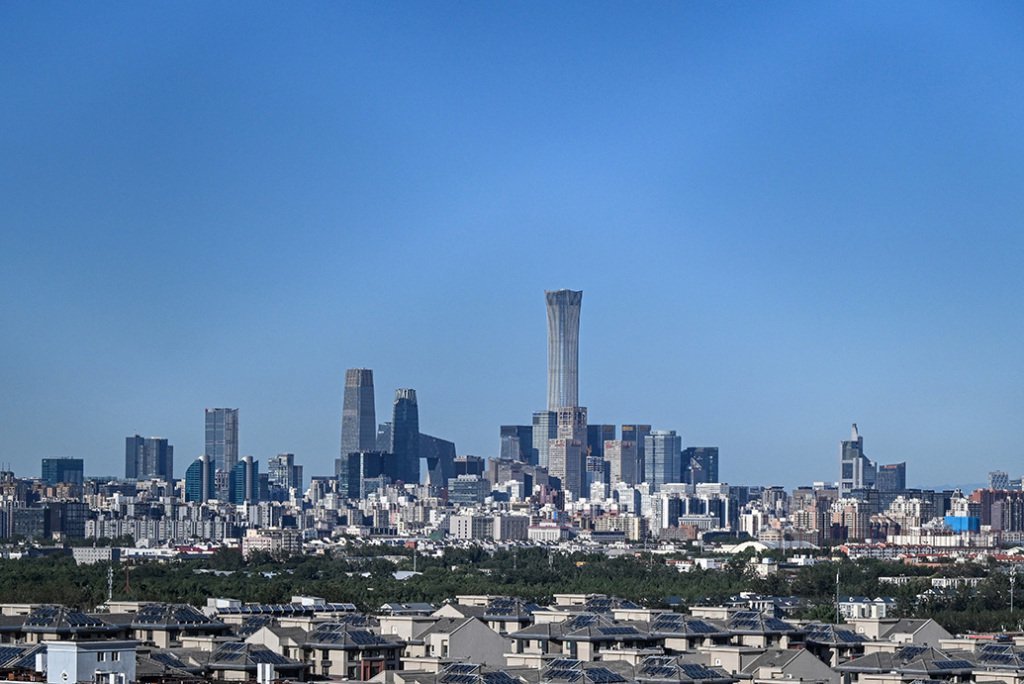
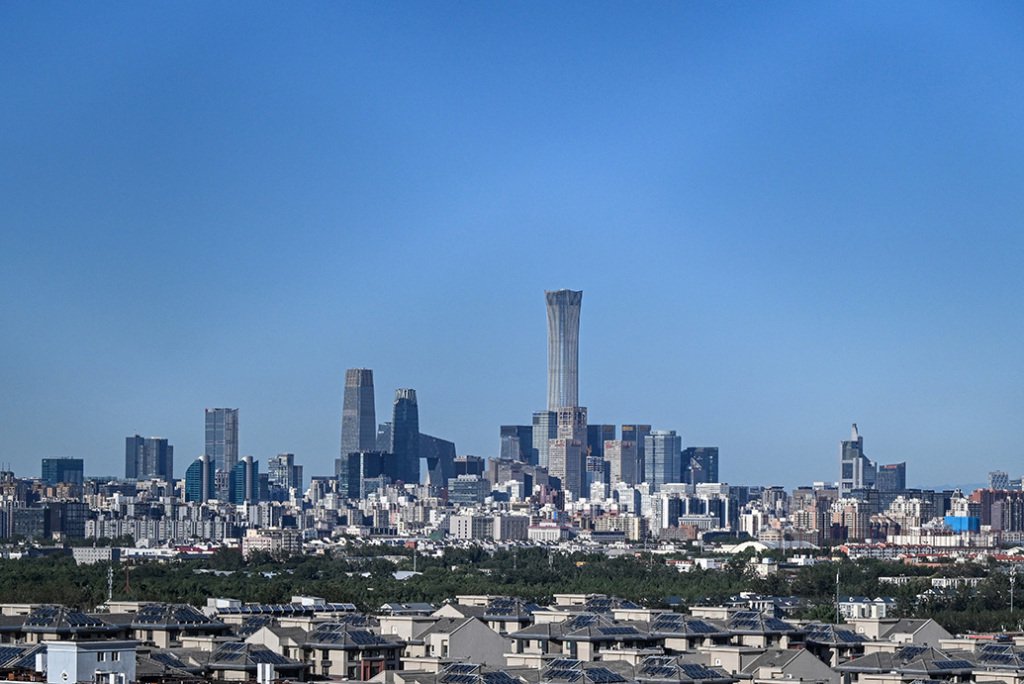
Core Insights - Beijing is set to become the second city in China to surpass a GDP of 5 trillion yuan, following Shanghai, marking a significant milestone in the urban economic landscape of China [1][3][13] - The achievement is attributed to Beijing's long-term commitment to high-quality development and continuous optimization of its economic structure [3][4] Economic Growth and Structure - In 2024, Beijing's GDP is projected to reach 49,843.1 billion yuan, with a year-on-year growth of 5.2%, and in the first half of 2025, it achieved a GDP of 25,029.2 billion yuan, reflecting a growth of 5.5% [3][12] - Over the past five years, Beijing's economic increment has been approximately 1.4 trillion yuan, equivalent to the economic total of a district like Haidian [3] - Key indicators such as energy consumption, water usage, and carbon emissions per unit GDP are among the best in the country, with energy efficiency being three times the national average [3][4] Industry Performance - The information service industry has become Beijing's largest pillar industry, consistently growing by at least 100 billion yuan annually, with a significant contribution to the city's GDP [4] - The financial sector in Beijing has assets exceeding 220 trillion yuan, accounting for about half of the national total, with a growth rate of 7.6% in 2024 [5] - Beijing is a national center for technological innovation, with over 2,400 AI companies and a core AI industry scale surpassing 300 billion yuan [5] Consumption and Investment - Consumer spending has been effectively stimulated, with expectations for total market consumption to exceed 3 trillion yuan by 2025 [6] - Fixed asset investment is projected to surpass 1 trillion yuan, indicating robust economic activity [6] Regional Development Strategy - The "Beijing-Tianjin-Hebei coordinated development" strategy has been pivotal in promoting regional economic growth, with significant reductions in non-capital functions to optimize space and resources [8][10] - Support for Xiong'an New Area has led to the establishment of over 4,000 enterprises from Beijing, enhancing the economic dynamism of the region [9] Competitive Landscape - The entry of Beijing and Shanghai into the "5 trillion club" is reshaping the competitive landscape of Chinese cities, with 27 cities now having a GDP of over 1 trillion yuan [13][14] - The focus is shifting from total GDP to quality of growth, emphasizing technological innovation, industrial upgrades, and regional collaboration as key competitive advantages [14]
新城市志|第二座5万亿之城来了,中国城市格局怎么变
Xin Lang Cai Jing· 2025-09-20 06:17
Core Insights - Beijing is set to become the second city in China to surpass a GDP of 5 trillion yuan, following Shanghai, marking a significant milestone in the urban economic landscape of China [1][14] - The achievement is attributed to long-term high-quality development and continuous optimization of the economic structure, with a projected GDP of 49,843.1 billion yuan in 2024, reflecting a growth of 5.2% year-on-year [3][14] Economic Growth and Structure - Beijing's economic growth is driven by the optimization of its industrial structure, with the information service industry emerging as the largest pillar, contributing significantly to GDP [4] - The financial sector in Beijing has assets exceeding 220 trillion yuan, accounting for about half of the national total, with a growth rate of 7.6% in 2024 [5] - The city has seen a robust increase in technology innovation, with over 2,400 AI companies and a core AI industry scale surpassing 300 billion yuan [5] Consumption and Investment - Consumer spending has been stimulated by various events, with an expected market total consumption exceeding 3 trillion yuan by 2025 [6] - Fixed asset investment is projected to surpass 1 trillion yuan, indicating strong investment activity in the city [6] Regional Development and Collaboration - The "Beijing-Tianjin-Hebei coordinated development" strategy has been pivotal in driving regional economic growth, with over 4,000 Beijing-based enterprises establishing operations in Xiong'an New Area [7][8] - Transportation infrastructure improvements have facilitated better connectivity within the region, enhancing economic interactions [9] Future Outlook - The competition among cities is shifting from total economic volume to quality, with a focus on technological innovation, industrial upgrades, and regional collaboration as key competitive advantages [14][15] - The number of trillion-yuan cities is expected to increase, with cities like Tangshan and others on the verge of breaking into the trillion-yuan GDP club [15]
又有两位智驾大牛联手入局具身智能机器人赛道创业,已完成数亿元融资!
Robot猎场备忘录· 2025-09-20 00:03
Core Viewpoint - The article discusses the recent trend of executives from the autonomous driving sector transitioning into the embodied intelligence field, highlighting significant investments and the potential for a new wave of financing in this area by 2025 [6][7]. Group 1: Investment and Founders - Wang Kai, a former CTO of Li Auto, has entered the embodied intelligence sector and secured approximately $50 million in funding [2][3]. - The founding team includes experienced professionals from leading automotive companies, which has attracted significant capital interest [6]. - The company has completed two rounds of financing in a short period, indicating strong investor confidence [3]. Group 2: Market Dynamics - The embodied intelligence sector is becoming crowded with talent from the automotive and autonomous driving industries, leading to a competitive landscape [7]. - There are currently 15 well-known automotive companies involved in the humanoid robot sector, with 11 based in China, although only a few have showcased competitive bipedal products [7]. - The trend of automotive companies entering the humanoid robot market is seen as a natural extension of their existing manufacturing capabilities [8]. Group 3: Challenges and Future Outlook - Despite the influx of talent and investment, the article notes that the commercial viability of humanoid robots remains uncertain, with challenges in mass production and effective application in real-world scenarios [9]. - The article emphasizes that while producing humanoid robots is not particularly difficult, achieving scalable production and practical deployment is a significant hurdle [9]. - The future of the humanoid robot sector is expected to be shaped by ongoing developments and potential breakthroughs in technology, particularly in the "brain" of the robots [9].

2025年自动驾驶公司一览表
自动驾驶之心· 2025-09-19 16:03
Core Viewpoint - The autonomous driving industry is undergoing a new round of reshuffling and resource integration, with various companies striving to achieve Level 3 (L3) automation as the next technological breakthrough [1]. New Forces - Companies such as NIO, Xpeng, Li Auto, Xiaomi, Leap Motor, Didi, WM Motor, and others are emerging as new players in the autonomous driving sector [2][3]. Tier 1 Suppliers - Major Tier 1 suppliers include Huawei, Baidu, DJI, ZTE, Tencent, and others, focusing on smart cockpits, high-precision maps, and simulation toolchains [5]. Robotaxi - Key players in the Robotaxi segment include Baidu, Pony.ai, and Didi, among others, indicating a competitive landscape in autonomous ride-hailing services [7]. Robotruck - Companies involved in the Robotruck sector include Zhijia Technology, Yincheng Technology, and others, highlighting the growth of autonomous trucking solutions [9]. Robobus - Notable companies in the Robobus category include Baidu, Pony.ai, and SenseTime, showcasing advancements in autonomous bus services [11]. Logistics and Delivery - Major players in logistics and delivery automation include Meituan, Alibaba Damo Academy, JD.com, and others, reflecting the integration of autonomous technology in supply chain operations [13]. Traditional OEMs - Established original equipment manufacturers (OEMs) such as SAIC, GAC, BYD, and others are also investing in autonomous driving technologies [15]. Agricultural Autonomous Driving - Companies like Fengjiang Intelligent and Zhonglian Heavy Industry are focusing on agricultural applications of autonomous driving [17]. Mining Autonomous Driving - Key players in mining automation include Yikong Zhijia and Taga Zhixing, indicating the sector's interest in autonomous solutions [19]. Sanitation Autonomous Driving - Companies such as Zhixingzhe and Koo Wah are developing autonomous solutions for sanitation services [21]. Intelligent Parking - Major players in intelligent parking solutions include Baidu, Desay SV, and others, reflecting the growing need for automated parking systems [23]. Computing Platforms - Companies like Huawei and Horizon Robotics are providing computing platforms essential for autonomous driving technologies [24]. High-Precision Mapping - Key players in high-precision mapping include Baidu, AutoNavi, and Tencent, which are crucial for the development of autonomous navigation systems [25]. Conclusion - The autonomous driving industry is characterized by continuous technological evolution and the collaborative efforts of numerous stakeholders, with the journey towards L3 automation being a collective endeavor [26].


铭科精技(001319) - 2025年09月19日投资者关系活动记录表
2025-09-19 11:08
Group 1: Acquisition and Integration Plans - The company will complete the business registration change for the acquisition of Nanjing Hiroshima Technology Co., Ltd. by the end of September 2025, becoming its controlling shareholder [1] - Future integration efforts will focus on business synergy, resource integration, management enhancement, and strategic extension to enhance core competitiveness and profitability [2] Group 2: Business Collaborations and Market Position - The company is actively exploring collaborations in humanoid robotics and smart manufacturing, maintaining communication with upstream and downstream partners [3] - All acquisitions are aligned with the core business, focusing on automotive parts, automation, and humanoid robotics, with no plans for unrelated cross-industry projects [3] Group 3: Stock Performance and Market Management - The company's stock price is influenced by macroeconomic conditions, industry trends, and investor expectations, with no specific predictions on stock price fluctuations [5] - There is currently no stock incentive plan, but the company emphasizes long-term value creation and stable operations to reward shareholders [5] Group 4: Robotics Development and Future Projects - The company is in the preparatory phase for its robotics business, focusing on core component R&D and applications in automotive manufacturing and industrial automation [6] - The project for automotive hardware molds and humanoid robot arms is progressing as planned, with various permits obtained and construction expected to start by the end of September 2025 [9] Group 5: Investor Relations and Value Management - The company has established a long-term mechanism for market value management, focusing on improving information disclosure and investor relations [11] - Management remains confident in the company's business development and future prospects, aiming to return value to shareholders through operational performance [11]

武汉大学党委书记调整
证券时报· 2025-09-19 09:53
Group 1 - The central government has approved the appointment of Zhu Kongjun as the Party Secretary of Wuhan University, relieving him of his previous role as the Party Secretary of Sun Yat-sen University [1] - Huang Taiyan is no longer serving as the Party Secretary of Wuhan University [1] - A meeting was held on September 19 at Wuhan University to announce these changes, attended by various officials including the Deputy Minister of the Central Organization Department and the Deputy Minister of the Ministry of Education [1] Group 2 - Zhu Kongjun, born in August 1967, holds a doctoral degree in law and has previously served in several significant educational leadership roles, including Party Secretary of South China Normal University and Party Secretary of Sun Yat-sen University [3]