
未提及具体公司

Search documents
中方:坚决反对,将密切关注
中国能源报· 2025-10-03 08:51
Core Viewpoint - The Chinese Ministry of Commerce expresses strong opposition to Mexico's recent anti-dumping investigations against Chinese products, emphasizing the need to adhere to WTO rules and protect the rights of Chinese enterprises [1][3]. Group 1: Anti-Dumping Investigations - Mexico has initiated four anti-dumping investigations against Chinese products including float glass, self-adhesive tape, PVC coated cloth, and steel bolts, following requests from domestic companies [1][3]. - This year, Mexico has launched a total of 11 anti-dumping investigations against Chinese products, nearly double the total from the previous year [1][3]. Group 2: Trade Relations and Responses - The Chinese side has been cautious and restrained in initiating trade remedy investigations, contrasting with the increasing number of investigations from Mexico [1][3]. - In response to Mexico's proposed increase in import tariffs and other trade restrictions, the Chinese Ministry of Commerce has initiated an investigation into trade and investment barriers [1][3]. - The Chinese government will take necessary measures across trade and investment sectors based on the investigation results to protect the legitimate rights of enterprises [1][3].

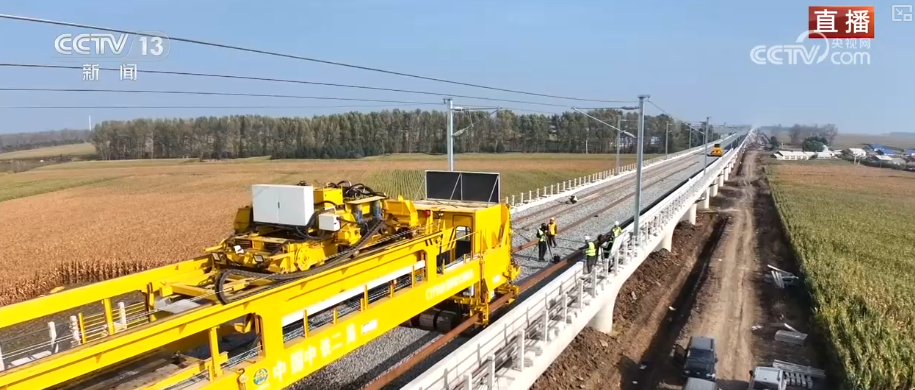
建设者假日坚守岗位 重大工程建设“进度条”不断刷新
Yang Shi Wang· 2025-10-03 01:58
Core Viewpoint - The construction of the Harbin-Yichun High-Speed Railway (Ha-I Railway) is progressing rapidly, with significant advancements made during the recent holiday period, highlighting the commitment to infrastructure development in China. Group 1: Project Overview - The Ha-I Railway is an extension of China's high-speed rail network, specifically the Jingha to Jinggang'ao corridor, and is notable for being the highest latitude railway that traverses permafrost regions [1] - The railway spans a total length of 318 kilometers, with a design speed of 250 kilometers per hour, significantly reducing travel time from Harbin to Yichun from approximately 7 hours to about 2 hours upon completion [16] Group 2: Construction Progress - During the National Day holiday, it is expected that 40 kilometers of track will be laid, achieving 35% of the total track-laying task [15] - The track-laying process involves advanced machinery, with a single track-laying machine capable of laying at least 2.5 kilometers of steel rail in one day [5] Group 3: Technical Innovations - The railway utilizes seamless rail technology, which enhances track smoothness, safety, and passenger comfort by eliminating the noise associated with traditional rail joints [9] - The construction process includes the use of specialized machinery for ballast placement and track alignment, ensuring optimal track conditions [13] Group 4: Regional Impact - Currently, 8 out of 13 prefecture-level cities in Heilongjiang Province have operational high-speed rail services, with a total operational mileage exceeding 1,400 kilometers, indicating a shift towards more accessible rail transport [18]
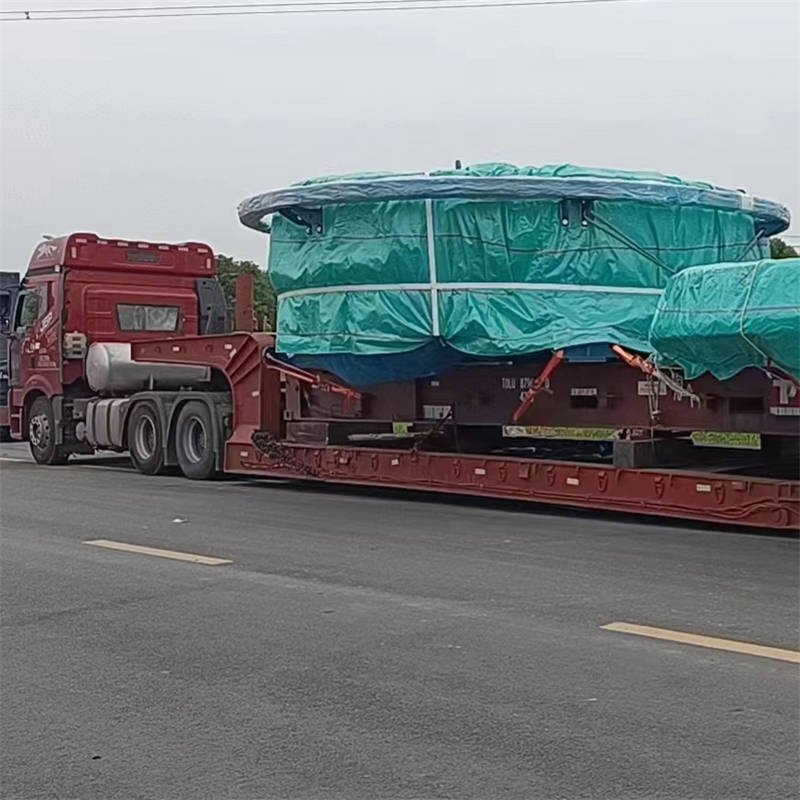
苏州张家港到金昌物流公司苏州张家港至金昌专线
Sou Hu Cai Jing· 2025-10-02 11:36
Core Insights - The logistics line from Zhangjiagang to Jinchang connects important port cities in the Yangtze River Delta with the northwest's non-ferrous metal industrial hub, facilitating a comprehensive logistics solution for three major industries: non-ferrous metals, chemicals, and specialty agricultural products [6][22] Non-Ferrous Metal Logistics - Jinchang's non-ferrous metal industry has strict transportation requirements for nickel and copper raw materials, including corrosion prevention and collision protection [7] - A recent shipment involved transporting 800 tons of nickel concentrate and 500 tons of electrolytic nickel plates, emphasizing the need for moisture and oxidation prevention [7][10] - The logistics team implements five core measures to ensure safe transportation, including specialized protective designs and route optimization [8][10] Chemical Logistics - The chemical industry in Jinchang requires high compliance and safety standards for transporting sulfuric acid and fertilizers, with a focus on leak prevention and corrosion protection [11] - A shipment of 600 tons of concentrated sulfuric acid and 400 tons of compound fertilizer was executed with strict adherence to safety protocols [11][14] - The logistics team employs four core measures for chemical transportation, including tiered protection and compliance control [12][14] Specialty Agricultural Products Logistics - Jinchang's agricultural sector focuses on the transportation of specialty products like barley and fruits, necessitating cold chain preservation and timely delivery [15] - The logistics team has established a distribution center in Jinchang to facilitate efficient delivery to farmers and cooperatives [16][21] - The transportation process ensures minimal product loss, with a reported loss rate of only 0.6% for agricultural products [21] Integrated Logistics Solutions - The logistics line has developed a "nine-step closed-loop service process" to cater to the needs of the non-ferrous metal, chemical, and agricultural industries, enhancing efficiency in logistics operations [22][24] - In 2024, the logistics service is projected to transport over 60,000 tons of goods, supporting more than 150 enterprises and fostering industrial collaboration between Zhangjiagang and Jinchang [22][23]
“项目研发成功,随后融资成功。公司庆祝搞聚餐,结果研发和技术一个都没叫。搞不懂是什么意思!”
程序员的那些事· 2025-09-30 08:45
Core Viewpoint - The article discusses the disconnect between research and development (R&D) teams and the recognition they receive within companies, highlighting a trend where R&D contributions are overlooked in favor of marketing and financing achievements [4]. Group 1: R&D Recognition - Successful R&D projects often lead to celebrations that exclude the engineers and technicians who contributed to the success, indicating a lack of appreciation for their work [1]. - The analogy of a farmer celebrating a harvest without acknowledging the labor of the farm animals illustrates the sentiment that R&D efforts are undervalued [3]. Group 2: Company Culture - Many companies prioritize marketing and financing over R&D, treating R&D personnel as expendable resources rather than integral team members [4]. - The statement "R&D is just a tool for output, while financing is the focus" reflects a broader industry trend where R&D is not seen as a core function [4]. - The culture within these companies suggests a lack of respect for R&D, with the implication that anyone can provide technical guidance, undermining the expertise of R&D professionals [4].

政策“堵漏洞”,纯电动乘用车出口许可证收紧
Jing Ji Guan Cha Wang· 2025-09-30 02:26
Core Viewpoint - The Chinese government has announced the implementation of export license management for pure electric passenger vehicles starting January 1, 2026, to promote healthy development in the electric vehicle trade and ensure quality control [2][3]. Group 1: Export License Management - The export license management will apply to pure electric passenger vehicles with a vehicle identification number (VIN) and will follow existing regulations set by various government departments [2]. - The announcement marks a significant regulatory shift since China began managing automotive exports in 2007, with a focus on enhancing the quality and order of electric vehicle exports [2][3]. Group 2: Growth of Electric Vehicle Exports - China's electric vehicle exports have seen substantial growth, surpassing 1 million units in 2023, with a year-on-year increase of 77.6% [3]. - From January to August 2023, electric vehicle exports reached 1.532 million units, reflecting an 87.3% increase compared to the previous year [3]. Group 3: Quality Control and Compliance - The new regulations aim to ensure that only qualified manufacturers and their authorized entities can apply for export licenses, thereby preventing unauthorized exports and ensuring product quality [4][5]. - Companies must meet two key requirements: inclusion in the Ministry of Industry and Information Technology's announcement of vehicle manufacturers and obtaining the national compulsory product certification (CCC certification) [4]. Group 4: Market Dynamics and Challenges - The export landscape has been complicated by the presence of unauthorized exporters, which has led to quality issues and damage to the reputation of Chinese brands in international markets [5][6]. - The new policy is expected to curb disorderly competition and promote a shift from price competition to technology competition among manufacturers [6][7]. Group 5: Industry Perspectives - Industry experts believe that the new regulations will stabilize the export market and encourage manufacturers to establish robust quality systems and price discipline [7][8]. - Some industry players view the regulations as beneficial for larger manufacturers, while smaller companies may face challenges in compliance [8].
【点金互动易】光刻胶+存储芯片,公司自主研发的光刻胶功获得国产化订单,产品可用于存储芯片多个工艺环节
财联社· 2025-09-30 00:35
Core Viewpoint - The article emphasizes the importance of timely and professional information interpretation in investment decision-making, focusing on extracting investment value from significant events, analyzing industry chain companies, and interpreting key policies [1] Group 1 - The product "Telegram Interpretation" aims to provide instant news interpretation with a focus on market impact and investment reference [1] - It presents information in a professional perspective using simple language and visual aids to enhance user understanding [1]

“金融稳,经济稳”:关税冲击下的银行业防风险与稳信心
Xin Hua Ri Bao· 2025-09-29 21:19
Group 1 - The core relationship between finance and the economy is one of mutual support, where economic vitality is essential for financial stability and vice versa [1] - Current tariff shocks pose significant challenges to economic development, necessitating a coordinated approach to banking development and safety to mitigate risks [1] Group 2 - In the first half of 2025, China's exports increased by 5.9% year-on-year, demonstrating resilience amid global trade uncertainties [2] - The current round of tariff shocks is characterized by rapid implementation and significant increases, shortening the "export rush" window for Chinese companies [2][3] - The U.S. has begun to impose punitive tariffs on goods suspected of being transshipped from China, complicating the external trade environment for Chinese exporters [3] Group 3 - Tariff shocks will indirectly impact the banking sector through mechanisms of passive pressure and active contraction, affecting credit availability and increasing default risks [4] - The interaction between the real economy and bank balance sheets can create a self-reinforcing feedback loop, amplifying the impact of tariff shocks on both the banking sector and the economy [4] Group 4 - Recommendations include enhancing regulatory tools to balance market confidence and long-term risk prevention, with a focus on temporary regulatory leniency and clear policy windows [5] - Utilizing export credit insurance and providing targeted loans to key industries can help mitigate risks for banks and stabilize cash flows for affected enterprises [6] - The integration of financial technology and data resources is essential for optimizing trade and financial data, thereby reducing transaction costs and enhancing risk-sharing among enterprises [7]
投资988亿!配套储能5GWh!内蒙古沙戈荒风、光大基地全面开工
中关村储能产业技术联盟· 2025-09-29 07:43
Core Viewpoint - The construction of the Kubuqi Desert New Energy Base in Inner Mongolia marks a significant step in China's renewable energy development, aiming to enhance the green energy structure in North China and promote ecological restoration [2][5][7]. Group 1: Project Overview - The Kubuqi Desert New Energy Base is the first large-scale "sand-gobi-wasteland" wind and solar power base in Inner Mongolia, with a total investment of 98.8 billion yuan, planning to build 8 million kilowatts of solar power and 4 million kilowatts of wind power, along with supporting coal power and new energy storage [2][5]. - The project is expected to be completed and operational by the end of 2027, with an annual electricity supply of approximately 36 billion kilowatt-hours to the North China power grid, of which 60% will be renewable energy [5]. Group 2: Environmental Impact - The base will reduce standard coal consumption by about 6.4 million tons and cut carbon dioxide emissions by approximately 16 million tons annually, contributing to the green transformation of the energy structure in North China [5]. - The Kubuqi Desert Base has already established 13.06 million kilowatts of renewable energy capacity and has implemented a "photovoltaic + desertification control" model, restoring around 300,000 acres of desertified land [5][7]. Group 3: Broader Context - Inner Mongolia has approved six large-scale "sand-gobi-wasteland" wind and solar power bases, with a total planned renewable energy capacity of 72 million kilowatts, which will supply 216 billion kilowatt-hours of electricity annually to North, East, and Central China [7]. - The green electricity proportion is expected to be around 60%, leading to a reduction of approximately 38.4 million tons of standard coal consumption and nearly 100 million tons of carbon dioxide emissions, while also promoting ecological restoration in several deserts [7].
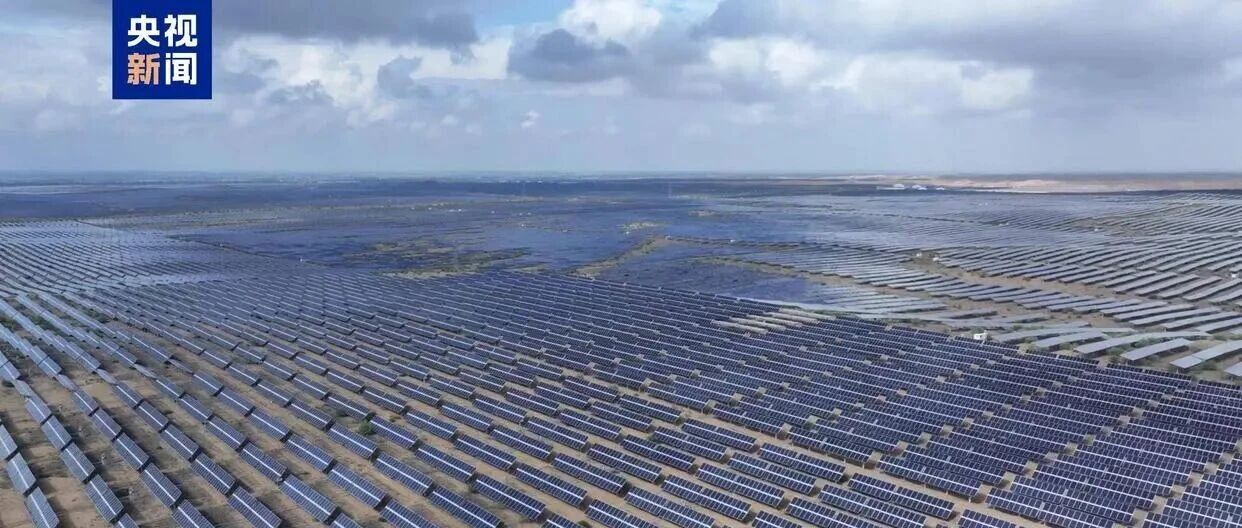
内蒙古千万千瓦级“沙戈荒”新能源大基地开工 预计2027年投运
Xin Lang Cai Jing· 2025-09-29 04:50
Core Viewpoint - The construction of the large-scale renewable energy base in the northern part of the Kubuqi Desert in Inner Mongolia has officially commenced, marking a significant step in the region's renewable energy development [1] Group 1: Project Overview - The Kubuqi Desert northern renewable energy base is the first large-scale "sand-gobi-wasteland" wind and solar power base in Inner Mongolia, with a total investment of 98.8 billion yuan [1] - The project plans to install 8 million kilowatts of solar power and 4 million kilowatts of wind power, along with supporting coal power of 4 million kilowatts and new energy storage of 500 megawatt-hours [1] Group 2: Infrastructure Development - The base will also include the construction of the "Inner Mongolia Ordos to Hebei Cangzhou" ultra-high voltage power transmission corridor, which will have a total length of 699 kilometers and a voltage level of ±800 kilovolts [1]
有色金属迎重磅政策利好!八部门联合部署,有色金属稳增长工作!细分方向投资机遇怎么看?
Xin Lang Ji Jin· 2025-09-29 01:23
Core Viewpoint - The Ministry of Industry and Information Technology and eight other departments have issued a plan for the non-ferrous metals industry, targeting an average annual growth of around 5% in value-added and approximately 1.5% in the production of ten non-ferrous metals from 2025 to 2026, with a significant focus on domestic resource development and recycling [1] Group 1: Industry Growth and Policy Impact - The non-ferrous metals industry is expected to see a positive impact from the deep implementation of the "anti-involution" policy, which is changing the supply-demand dynamics in the sector [1] - The "anti-involution" policy is not just a supply-side measure but also a strong demand-side policy, which is anticipated to enhance domestic production factor prices and retain more surplus value within the country [1] - The current timing is favorable for implementing "anti-involution" measures, as excess capacity and price declines are nearing an end [1] Group 2: Investment Opportunities in Non-Ferrous Metals - The focus on copper and aluminum is highlighted, with expectations of steady demand growth for these industrial metals, particularly as the market transitions from supply constraints to demand recovery [2] - Precious metals like gold are expected to benefit from anticipated Federal Reserve rate cuts, which will likely drive up gold prices due to their relationship with real interest rates [2] - Small metals such as tungsten, rare earths, and tin are also seen as promising, driven by geopolitical factors, industry consolidation, and the rise of AI and electronic devices [2] Group 3: Market Dynamics and ETF Insights - Different non-ferrous metals exhibit varying degrees of market conditions and drivers, suggesting a diversified investment approach could be beneficial [3] - The non-ferrous metals sector's leading ETF, which tracks the China Nonferrous Metals Index, includes significant weights in copper (25.3%), aluminum (14.2%), rare earths (13.8%), gold (13.6%), and lithium (7.6%), providing a risk-diversified investment option [3]
