极氪

Search documents
2025年俄罗斯电动汽车市场新车销量下降30%
Xin Hua Cai Jing· 2026-01-19 10:08
新华财经圣彼得堡1月19日电 根据俄罗斯汽车市场分析机构"机动车统计网"(Autostat)公布的数据, 2025年俄罗斯电动汽车市场共售出1.25万辆新车,销量与上年相比下降了30%。2024年的销量为1.78万 辆。 2025年在俄共售出449辆美国品牌"特斯拉"电动车,销量与2024年相比下降了34%。 (文章来源:新华财经) "机动车统计网"的负责人采利科夫在社交媒体上介绍说,俄电动车市场最受欢迎的品牌是中国产"极 氪",但其销量与上年相比下滑了61%。销量排在第二位和第三位的是俄罗斯的品 牌"Evoluteh"和"Amberavto"。 中国品牌"比亚迪""小米"和"吉利"等在俄罗斯电动汽车市场也有不错的销量。采利科夫预测俄车市对这 些中国品牌的电动车需求将持续增长。 ...
极氪2025年度进阶:从国内领先到全球豪华市场新标杆
Guo Ji Jin Rong Bao· 2026-01-19 06:39
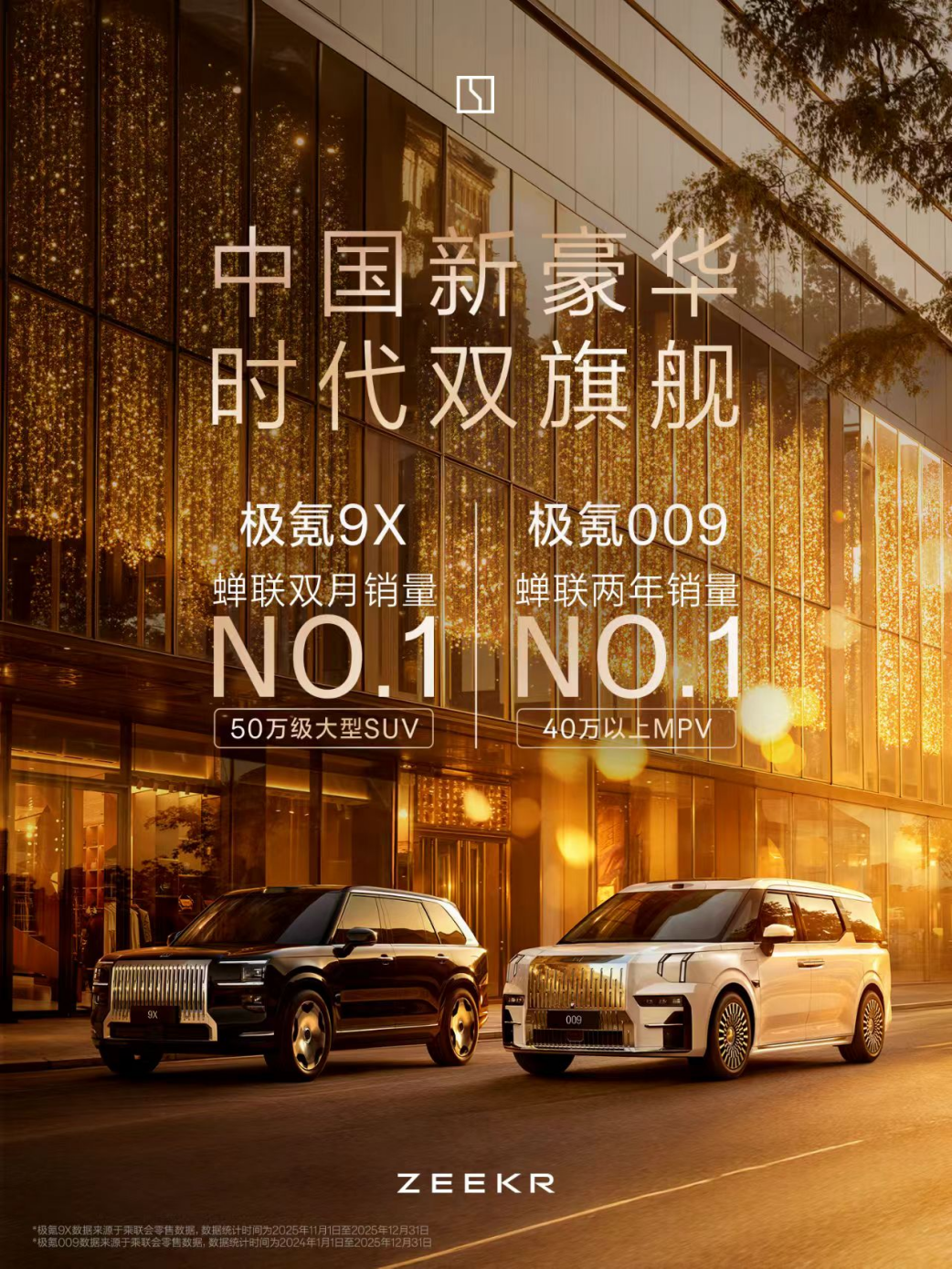
Core Insights - Zeekr is making significant strides in globalizing the Chinese luxury electric vehicle brand, achieving a presence in over 50 countries and regions with more than 640 stores worldwide by the end of 2025 [1][12] - The launch of the Zeekr 9 series at CES 2026 garnered global attention, receiving accolades from media and creating a surge in demand among high-net-worth individuals [1][3] Global Market Performance - Zeekr has established a collaborative development model across five continents, with notable success in Europe, Australia, Southeast Asia, and the Americas [7] - The Zeekr 001 has become the most popular Chinese luxury model in Germany and the UK, while the Zeekr 7X received over 1,000 orders in its first week in Australia [7] - In Southeast Asia, the Zeekr 009 has dominated the luxury MPV market, becoming the top-selling model in Thailand and Malaysia [7] Pricing and Demand Dynamics - Zeekr has successfully positioned itself in the international market with a "high price, high recognition" strategy, with the Zeekr 001 priced over 35% higher in Europe than in China [9] - The Zeekr 9X has sparked a "price increase reservation" trend in overseas markets, with significant markups reported in the Middle East and Southeast Asia [9][10] Customer Demographics - Approximately 80% of Zeekr's overseas customers come from traditional luxury brands like BMW, Benz, and Porsche, indicating a shift in consumer preference towards Zeekr [10] Technological Advancements - The Zeekr 9X features cutting-edge technology, including a unique 900V high-voltage architecture and the world's first hybrid megawatt electric drive system, achieving 0-100 km/h in just 3.1 seconds [4][12] - Zeekr's self-developed technologies, such as the G-AES automatic obstacle avoidance system, position it at the forefront of the luxury electric vehicle market [12][14] Strategic Vision - Zeekr's global strategy emphasizes a comprehensive approach, integrating research, production, sales, and service to build a robust competitive edge [14] - The company aims to redefine global luxury automotive standards, shifting consumer focus from brand loyalty to technological recognition [15]

购置税补贴风波后,知名车企表态了...
Sou Hu Cai Jing· 2026-01-19 01:36
本文自南都·湾财社。 采写 | 南都·湾财社记者 陈镜安 近期,因"跨年购置税补贴"引发用户疑虑的极氪汽车公布了实际执行情况:目前已为2025年下定且在2026年1月开票提车交付的 8125名用户兜底了购置税补贴,符合条件的其他订单也在持续推进中。 误读风波的起因,是极氪在2025年11月公布了跨年购置税补贴政策,2025年12月31日24点前锁单的订单,若因极氪原因导致用户车 辆在2026年开票交付,企业将为跨年后产生的购置税差额部分进行兜底补贴。随后,极氪又发布了"先付款后验车"服务,即车辆下 线后第一时间通知用户支付尾款,用户完成验车确认即可直接提车。 两项独立的政策,因为执行时间的重叠,被外界误读为"先付款才能兜底补贴"。 具体而言,跨年购置税补贴权益为2025年11月发布,极氪承诺2025年12月31日24点前锁单的订单,若因极氪原因导致用户车辆在 2026年开票交付,用户无需承担因购置税政策变化而产生的额外成本。 "先付款后验车"则是极氪优化提车流程的创新模式,用户下定后,待工厂排产、车辆下线,极氪便通知用户可支付尾款,车辆运抵 门店后,用户仅需到店一次,完成验车确认就可直接提车。 因为发布节点接 ...

【新能源篇】新的一年开始了,各家的销售情况都怎么样?
车fans· 2026-01-19 01:06
Core Viewpoint - The current market is experiencing a significant decline in customer traffic and orders compared to the previous month, primarily due to the reduction of purchase tax subsidies and the lack of new government funding for 2026, leading to a cautious market sentiment [1][10]. Group 1: Market Conditions - Customer traffic and orders have sharply decreased, with many stores reporting single-digit order numbers and a general lack of high-intent customers [1][12]. - The New Year's holiday saw minimal customer engagement, with many potential buyers still in the consideration phase and not making decisive purchases [5][17]. - The introduction of new policies, such as a 12,000 yuan purchase tax subsidy, has not significantly improved the situation, as actual costs remain higher than last year [2][10]. Group 2: Consumer Behavior - Customers are exhibiting a strong wait-and-see attitude, largely influenced by the anticipation of new models and subsidy policies [4][19]. - Many customers who considered purchasing at the end of last year are now hesitant due to increased costs and the uncertainty surrounding new government incentives [8][10]. - The majority of customers are not in a hurry to buy, with many expressing a desire to wait for better deals or new model releases [9][15]. Group 3: Competitive Landscape - The market is seeing increased competition among electric vehicle brands, with some customers considering switching back to traditional fuel vehicles due to the new purchase tax on electric cars [10][19]. - Brands like Xiaopeng and Zeekr are gaining attention for their new models, but overall customer interest remains subdued [8][14]. - The introduction of new models and policies by competitors is expected to influence customer decisions, with many waiting for clearer signals from manufacturers [15][22].

美国最铁盟友,倒戈中国汽车
汽车商业评论· 2026-01-18 23:07
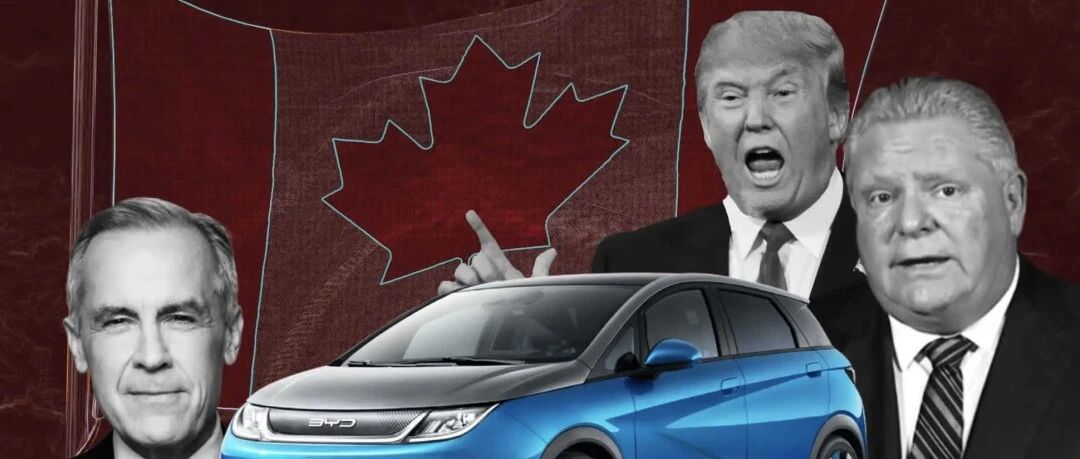
Core Viewpoint - The article discusses the significant shift in trade relations between Canada and China regarding electric vehicles (EVs), highlighting the implications for the North American automotive industry as Canada reduces tariffs on Chinese EV imports, which could reshape market dynamics and competition [3][8]. Group 1: Canada-China Trade Agreement - Canada has reached a new agreement with China to lower tariffs on imported electric vehicles from 100% to 6.1% for an annual quota of 49,000 vehicles, with plans for gradual increases in the quota over the years [6][8]. - This agreement is seen as a response to previous trade tensions and aims to provide Canadian consumers with more affordable EV options, addressing the current shortage of budget-friendly electric vehicles in Canada [8][13]. Group 2: Impact on the Automotive Industry - The introduction of Chinese EVs into the Canadian market is expected to create significant competition for local manufacturers, particularly in Ontario, which is a major automotive production hub [10][15]. - Concerns have been raised by local officials and unions about the potential negative impact on jobs and production capacity in the Canadian automotive sector due to increased competition from Chinese imports [10][15]. Group 3: Broader Implications for North America - The shift in Canadian policy may complicate relations with the United States, as it could undermine efforts to resolve existing trade disputes and affect the overall stability of the North American automotive market [12][15]. - The article notes that the U.S. automotive industry is currently undergoing a costly transition to electric vehicles, and the new Canadian policy could exacerbate challenges faced by American manufacturers [12].
湾财周报 | 大事记 “广货行天下”开门红;央行发大礼包;携程被立案调查
Nan Fang Du Shi Bao· 2026-01-18 15:11
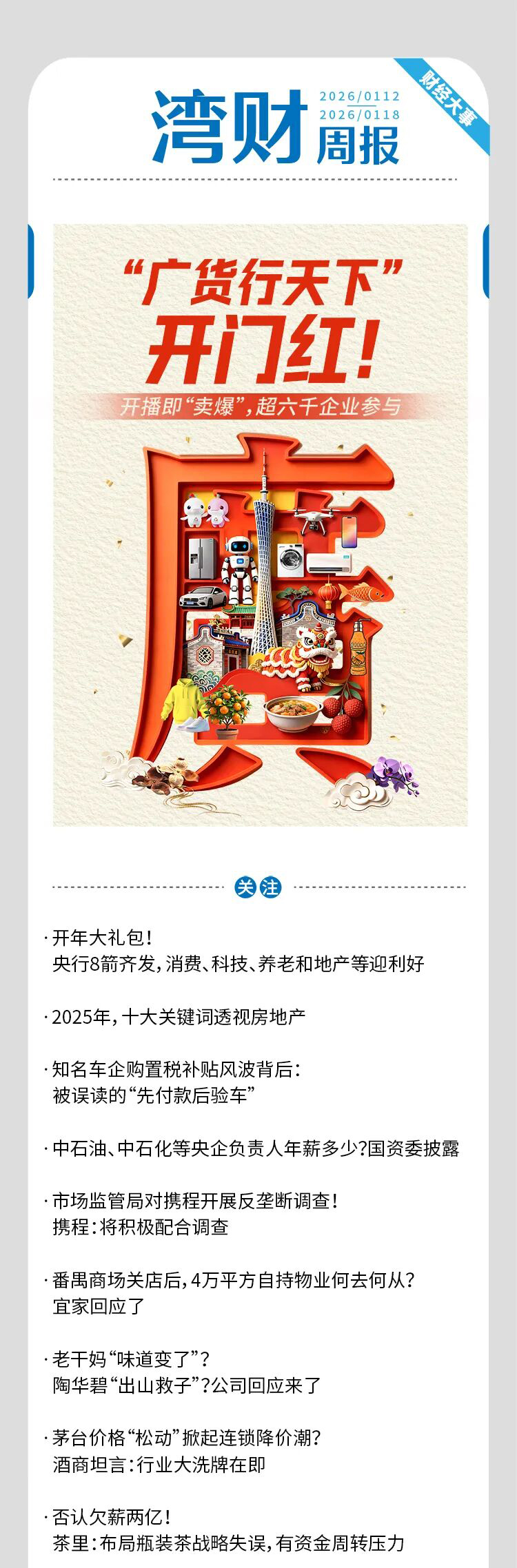
Group 1 - The "Guanghuo Hang Tianxia" spring campaign launched in Guangdong, with over 1,300 local appliance companies participating, aiming to boost sales through online and offline promotions [5] - The campaign will feature 12 synchronized promotional events throughout the first quarter, targeting over 6,000 enterprises to enhance online sales of quality products [5] Group 2 - The People's Bank of China announced eight major policy measures to support economic transformation, including a 0.25 percentage point reduction in various structural monetary policy tool rates and a special relending quota of 1 trillion yuan for private enterprises [6] - The measures also include increasing relending quotas for technological innovation to 1.2 trillion yuan and lowering the minimum down payment for commercial housing to 30% [6] Group 3 - In 2025, the national real estate market continued to adjust, with new residential sales area declining by 4.9% year-on-year to approximately 390 million square meters, and sales value dropping by 10% to around 5.4 trillion yuan [7] - The total transaction volume of new and second-hand residential properties reached 839 million square meters, indicating stable demand from residents [7] Group 4 - Zeekr Automotive clarified its cross-year vehicle purchase tax subsidy policy, stating that it has covered the tax subsidy for 8,125 users who placed orders in 2025 and received their vehicles in January 2026 [9] - The confusion arose from the overlap of two policies, leading to misinterpretations regarding payment and vehicle delivery [10] Group 5 - The State-owned Assets Supervision and Administration Commission disclosed the 2024 salary information for over 80 central enterprise leaders, showing a stable salary range without extreme high salaries [11] - The top earners are primarily from telecommunications and energy sectors, with China Mobile's former chairman leading at a pre-tax salary of 1.2582 million yuan [11] Group 6 - The State Administration for Market Regulation has initiated an antitrust investigation into Trip.com Group for suspected monopolistic behavior [12] - Trip.com has committed to cooperating with the investigation and ensuring normal business operations [12] Group 7 - IKEA announced the closure of its Guangzhou Panyu store, raising questions about the future of its 40,000 square meters of self-owned property [13] - IKEA is currently evaluating arrangements for the asset and will comply with relevant laws and regulations [13] Group 8 - CHALI Tea clarified rumors regarding a 200 million yuan salary debt, admitting to cash flow pressures due to strategic missteps in bottled tea, while assuring that its core bagged tea business remains operational [16] - The company is addressing salary issues for departing employees in batches, although some employees have expressed ongoing concerns about unpaid wages [16] Group 9 - The white wine market is experiencing a price decline, influenced by the price adjustments of flagship products like Moutai, leading to a broader price reduction across various brands [15] - The industry is facing inventory pressures, prompting some distributors to lower prices to stimulate sales, indicating a shift towards a "price for volume" strategy [15]
“吃住还没安排,人均成本已近万元”!实探免签后赴俄旅游
Mei Ri Jing Ji Xin Wen· 2026-01-16 13:59
Core Insights - Russia has implemented a visa-free entry policy for Chinese citizens holding ordinary passports, effective from December 1, 2025, allowing a single stay of up to 30 days until September 14, 2026, aimed at boosting tourism and business activities [1][14] Group 1: Tourism Impact - The Russian Ministry of Economic Development anticipates that the number of Chinese tourists will exceed 2 million in 2026 due to the visa-free policy, with a target of 5.5 million by 2030 [2][14] - Following the announcement of the visa-free policy, flight searches to Russia surged by over 800% and bookings increased by nearly 500% within an hour [14] - The average cost for a trip to Russia has risen significantly, with domestic travel expenses alone reaching approximately 4,300 RMB per person, excluding accommodation and meals, leading to total trip costs nearing 10,000 RMB [2][4] Group 2: Price Increases - Prices for cultural activities, such as ballet performances, have surged during the New Year period, with tickets reaching around 2,000 RMB, comparable to the highest concert ticket prices in China [4] - The cost of basic services, including transportation and dining, has also increased, with taxi fares averaging around 50 RMB for short distances and meals costing between 200 to 500 RMB [6][5] Group 3: Economic Context - The ongoing Ukraine conflict has significantly impacted Russia's economy, leading to inflation and increased prices for essential goods due to supply chain disruptions and a shift in resource allocation towards military spending [7][8] - The Russian government has prioritized controlling inflation as a critical economic task, affecting both local residents and tourists [8] Group 4: Communication Challenges - Tourists face communication barriers due to restrictions on foreign mobile services and navigation apps, complicating travel logistics within Russia [9][10] - The lack of accessible navigation tools has made it challenging for visitors to navigate cities, necessitating alternative methods for finding directions [11] Group 5: Local Business Adaptation - Local businesses have begun to adapt to the influx of Chinese tourists, with some entrepreneurs shifting focus from tourism to business events during the pandemic and conflict periods [15] - The reintroduction of Chinese tourists has revitalized the local tourism market, with increased demand for guided tours and related services [15]

“吃住还没安排,人均成本已近万元”!实探免签后赴俄旅游:到莫斯科手机卡通信受限、导航失灵、信用卡不能用,在北极圈都有中国游客排队
Mei Ri Jing Ji Xin Wen· 2026-01-16 13:58
Group 1 - The Russian government has implemented a visa-free entry policy for Chinese citizens holding ordinary passports, allowing a single stay of up to 30 days, effective from December 1, 2025, until September 14, 2026, aimed at promoting tourism and business activities [1] - The Russian Ministry of Economic Development anticipates that the number of Chinese tourists will exceed 2 million in 2026, with a target of reaching 5.5 million by 2030 due to the visa-free policy [3] - Following the announcement of the visa-free policy, there was a significant increase in interest for travel to Russia, with flight search volume increasing by over 800% and booking volume rising by nearly 500% within an hour [14] Group 2 - The cost of traveling in Russia has risen significantly, with average expenses for a trip reaching around 10,000 RMB per person, excluding accommodation and meals [3] - Prices for activities such as ballet performances and ice floating experiences have surged, with tickets for major theaters during the New Year period reaching around 2,000 RMB, comparable to the highest concert ticket prices in China [6] - The ongoing conflict in Ukraine has led to inflation and increased living costs in Russia, affecting both locals and tourists, with essential goods and services experiencing price hikes [7][8] Group 3 - Tourists face challenges in Russia due to the unavailability of major credit cards like Visa and MasterCard, necessitating cash transactions in rubles or Chinese yuan [8] - Communication issues arise for visitors, as foreign SIM cards are restricted, and navigation apps are unreliable due to the conflict, complicating travel logistics [10][11] - The presence of Chinese tourists is becoming more prominent in Russia, with local businesses adapting to cater to the renewed interest in tourism following the visa-free policy [15]

跨越多地极端环境,浩思动力冬测进行中
Zhong Guo Qi Che Bao Wang· 2026-01-16 12:38
Core Insights - Haosi Power is conducting a winter extreme testing program for its power systems, involving over 200 technical personnel, aimed at enhancing product reliability and stability in extreme environments [1][4] Group 1: Testing Overview - The winter testing commenced in November 2025 in Mohe, Heilongjiang, and will continue until March 2026, covering various high-cold and high-altitude regions [1] - The testing includes models such as Zeekr 9X, Geely Galaxy M9, Smart5, Smart6, Geely Galaxy Starship 7, and Lynk & Co 10 EMP, focusing on 16 key powertrain systems [4] Group 2: Technical Focus - The primary focus of the winter testing is on the intelligent control and low-temperature reliability of power systems, addressing core issues related to winter vehicle performance [4][6] - Key areas of testing include engine calibration, driving performance calibration, functional safety calibration, energy management control, thermal management control, and OBD calibration [4] Group 3: Performance Optimization - In extreme low-temperature conditions of -35°C, the technical team is optimizing the stability of power systems through energy management calibration and real-time monitoring of key performance parameters [6] - The team is also conducting comprehensive tests on various driving scenarios, including starting, acceleration, shifting, turning, and hill driving, to ensure all-encompassing performance coverage [6]

盘点2025:让车企走下坡路的九大“致命伤”
3 6 Ke· 2026-01-16 12:12
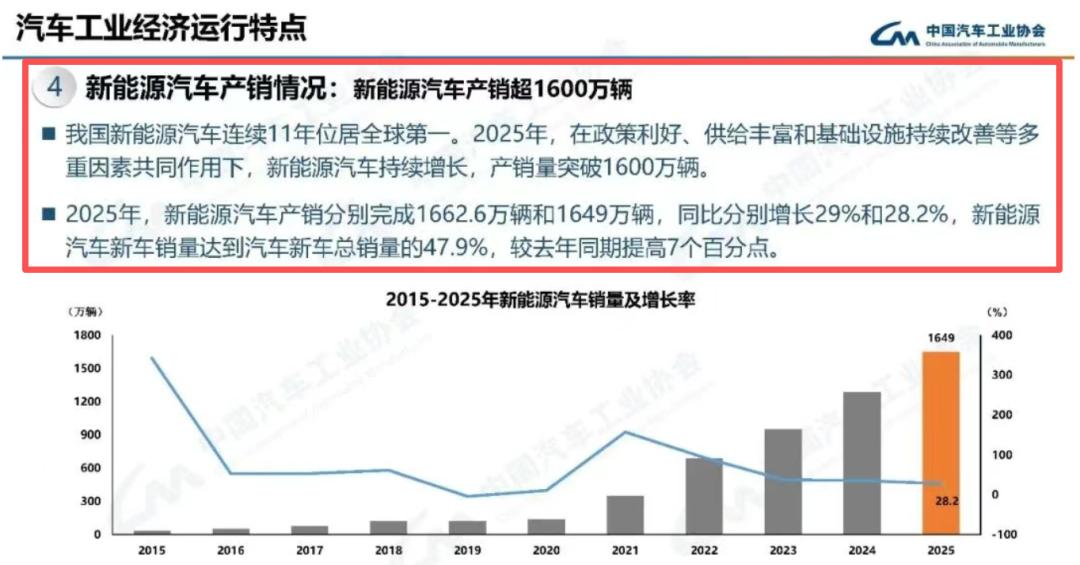
Core Insights - The Chinese electric vehicle (EV) market saw record production and sales in 2025, with 16.626 million units produced and 16.49 million units sold, marking a year-on-year growth of 29% and 28.2% respectively, maintaining its position as the global leader for 11 consecutive years [1][3] - A significant industry reshuffle is underway, with previously dominant brands experiencing declines, highlighting that success now hinges on minimizing errors rather than just speed [3][4] Group 1: Market Dynamics - The rapid evolution of the EV market has led to increased competition, with companies like Li Auto facing challenges due to slow product line updates, resulting in lost market share [4][9] - Competitors have surpassed Li Auto in key metrics such as electric range and technology, prompting Li Auto to accelerate its product upgrade cycle from four years to two [9][10] Group 2: Quality Control Issues - Manufacturing quality issues, such as the "spray powder" problem affecting BYD vehicles, have led to customer dissatisfaction and complaints, indicating potential weaknesses in quality control and supply chain management [10][11][14] - These quality concerns can erode brand loyalty and consumer trust, as they directly impact user experience [14] Group 3: Marketing and Trust - Some companies are engaging in "small print marketing," which obscures critical information and can lead to trust erosion among consumers, as seen with Xiaomi's SU7 [15][18] - The practice of reducing vehicle configurations without proper disclosure has resulted in significant backlash, particularly for XPeng's G6 model, leading to a sharp decline in brand reputation [18][22] Group 4: Design and Consumer Perception - Controversial design choices, such as those made for the Li Auto MEGA, have sparked public debate and negatively affected sales and brand image [23][25] - A disconnect between innovative design and consumer expectations can lead to adverse market reactions [25] Group 5: Supply Chain and Financial Health - The financial struggles of companies like Nezha, which reported a mere 15.45 million yuan in cash against debts exceeding 26 billion yuan, highlight the risks of aggressive expansion without solid financial foundations [30][32] - Poor supplier choices can lead to significant reputational damage, as seen with Zeekr's "zero self-ignition" claim being undermined by safety incidents [33][35] Group 6: Product Recalls and Safety - Major recalls due to safety issues, such as those affecting Xiaomi and BYD, underscore the importance of rigorous product testing and quality assurance [36][39] - Recalls not only incur financial costs but also severely damage brand reputation and consumer confidence [39] Group 7: Competitive Landscape - The EV industry is evolving into a comprehensive competition encompassing strategic stability, technological innovation, honest marketing, and robust supply chain management [39] - Companies that respect manufacturing principles and maintain a focus on user value are more likely to succeed in this challenging environment [39]