
小米

Search documents
研发与专利齐增长 民企500强中19家研发费用超百亿元
Xin Jing Bao· 2025-08-29 12:05
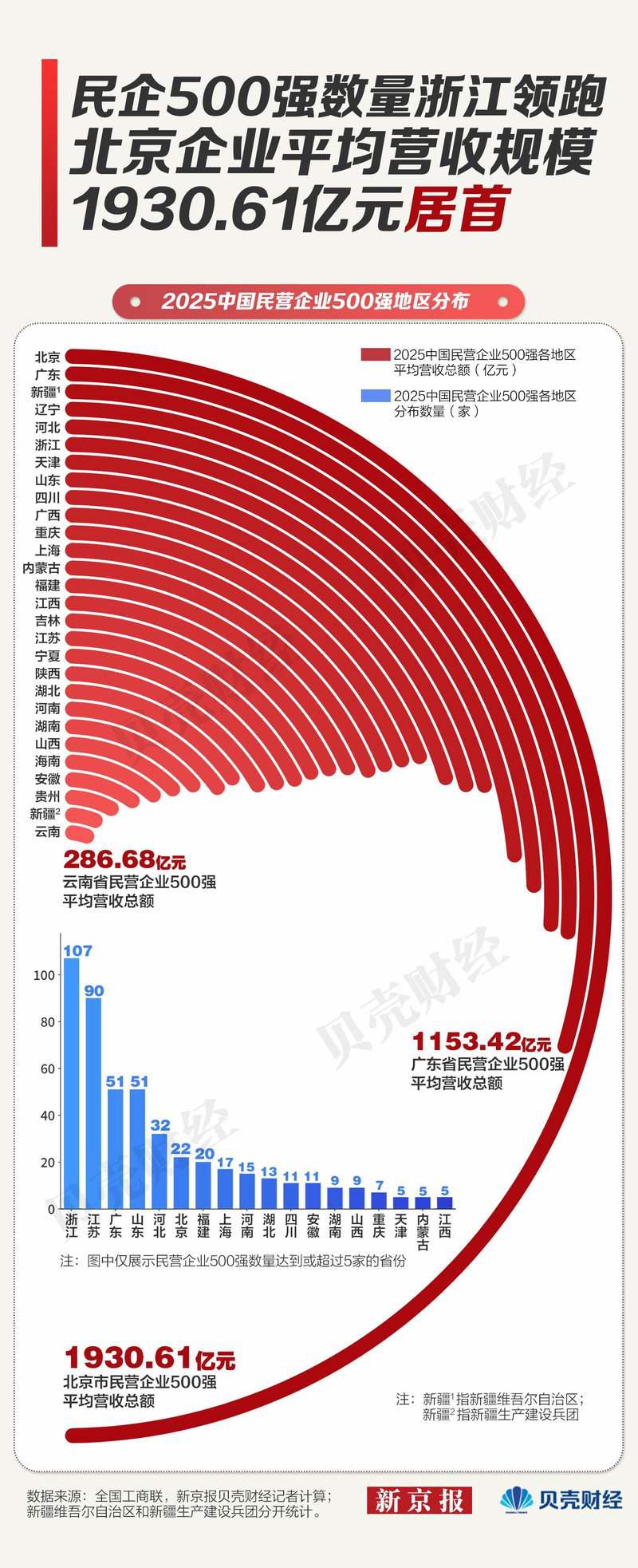
Core Insights - The "2025 China Top 500 Private Enterprises" list indicates that the overall development of private enterprises in China is stable and improving, with enhanced quality, efficiency, and core competitiveness [1] Group 1: Key Statistics - The threshold for entering the list this year is 27.023 billion yuan, an increase of 710 million yuan from the previous year [2] - The total revenue of the top 500 private enterprises reached 4.305 trillion yuan, an increase of 114 billion yuan, with an average revenue of 86.102 billion yuan, reflecting a year-on-year growth of 2.72% [2] - The number of enterprises with revenues exceeding 100 billion yuan increased to 105, with 11 enterprises surpassing 500 billion yuan, accounting for 19% of the total revenue of the top 500 [2] Group 2: Profitability and Efficiency - The total net profit of the top 500 private enterprises is 1.8 trillion yuan, with an average net profit of 360.5 million yuan, showing a year-on-year growth of 6.48%, which is higher than revenue growth [3] - The average return on net assets is 10.61%, and the total asset turnover rate is 86.62%, indicating improved capital utilization efficiency [3] Group 3: Regional Distribution - The top 500 private enterprises are predominantly from economically strong provinces, with Zhejiang, Jiangsu, Guangdong, and Shandong accounting for 59.8% of the total [3] - Guangdong ranks third in the number of enterprises, with an average revenue of 115.342 billion yuan, significantly higher than the national average [3][4] Group 4: Innovation and R&D - The total R&D expenditure of the top 500 private enterprises reached 1.13 trillion yuan, reflecting a year-on-year increase of 7.6% [8] - The number of enterprises investing over 1 billion yuan in R&D increased from 159 to 171, with the average R&D intensity rising from 2.66% to 2.77% [8] - The number of valid patents reached 721,600, with a growth rate of 12.42%, indicating a significant enhancement in the innovation capabilities of private enterprises [9]


广汽集团(02238)发布中期业绩,股东应占亏损25.38亿元 同比盈转亏
智通财经网· 2025-08-29 11:55
Group 1: GAC Group Financial Performance - GAC Group reported a sales revenue of 42.611 billion yuan for the first half of 2025, a decrease of 7.88% year-on-year [1] - The company recorded a loss attributable to equity holders of 2.538 billion yuan, compared to a profit of 1.516 billion yuan in the same period last year [1] - The total vehicle production and sales were 801,700 units and 755,300 units respectively, representing a decline of 6.73% and 12.48% year-on-year [1] Group 2: New Energy Vehicle Sales - GAC Group's new energy vehicle sales reached 154,100 units, a decrease of 6.08% year-on-year, while energy-saving vehicle sales increased by 13.43% to 211,600 units [1] - The proportion of energy-saving and new energy vehicle sales increased to 48.43% during the reporting period [1] Group 3: GAC Trumpchi Developments - GAC Trumpchi launched the "Xiangwang" new energy vehicle series, including models like Xiangwang S7 and Xiangwang M8 Qiankun, focusing on smart and electric transformation [2] - The sales of energy-saving and new energy vehicles for GAC Trumpchi reached 35,000 units, an increase of 18% year-on-year [2] Group 4: GAC Toyota Performance - GAC Toyota achieved sales of 344,700 units in the first half of 2025, a growth of 2.58% year-on-year [3] - The company’s energy-saving and new energy vehicle sales reached 202,300 units, a significant increase of 30.55%, with a market share of 58.70% [3] - GAC Toyota's first jointly developed pure electric model, Platinum Smart 3X, became the best-selling joint venture electric vehicle for two consecutive months [3]

“宁王”大涨!下个月,还有这些大事要来!
天天基金网· 2025-08-29 11:42
Group 1 - The A-share market experienced a strong rebound, with the ChiNext Index rising over 2% led by "Ning Wang" [1][2][6] - In August, the Shanghai Composite Index gained nearly 8%, surpassing 3800 points, marking a significant milestone [2][11] - The trading volume in the two markets decreased to 2.8 trillion yuan, with sectors like new energy, insurance, and liquor leading the gains, while semiconductors and communications saw corrections [4][5] Group 2 - The recent surge in the new energy sector was attributed to the approval of a new standard for solid-state batteries, which is expected to promote healthy industry development [8][9] - Analysts suggest that the current market conditions indicate a strong upward trend, but caution against potential short-term volatility due to speculative trading [5][10] - The technology sector, particularly AI hardware and applications, is expected to remain a key focus for investors moving forward [10][11] Group 3 - Looking ahead to September, analysts predict that the overall market performance may be weaker compared to August, with a shift in leading sectors [13][15] - The potential for a recovery in manufacturing sectors is anticipated following the Federal Reserve's interest rate decisions, with opportunities in industrial metals and machinery [15] - The upcoming product launches from major tech companies in September are expected to influence market dynamics, particularly in consumer electronics [16][18][30]

行业观察 | 2025成都车展展出逾1600款车型 多家超豪华品牌集体缺席
Cai Jing Wang· 2025-08-29 10:23
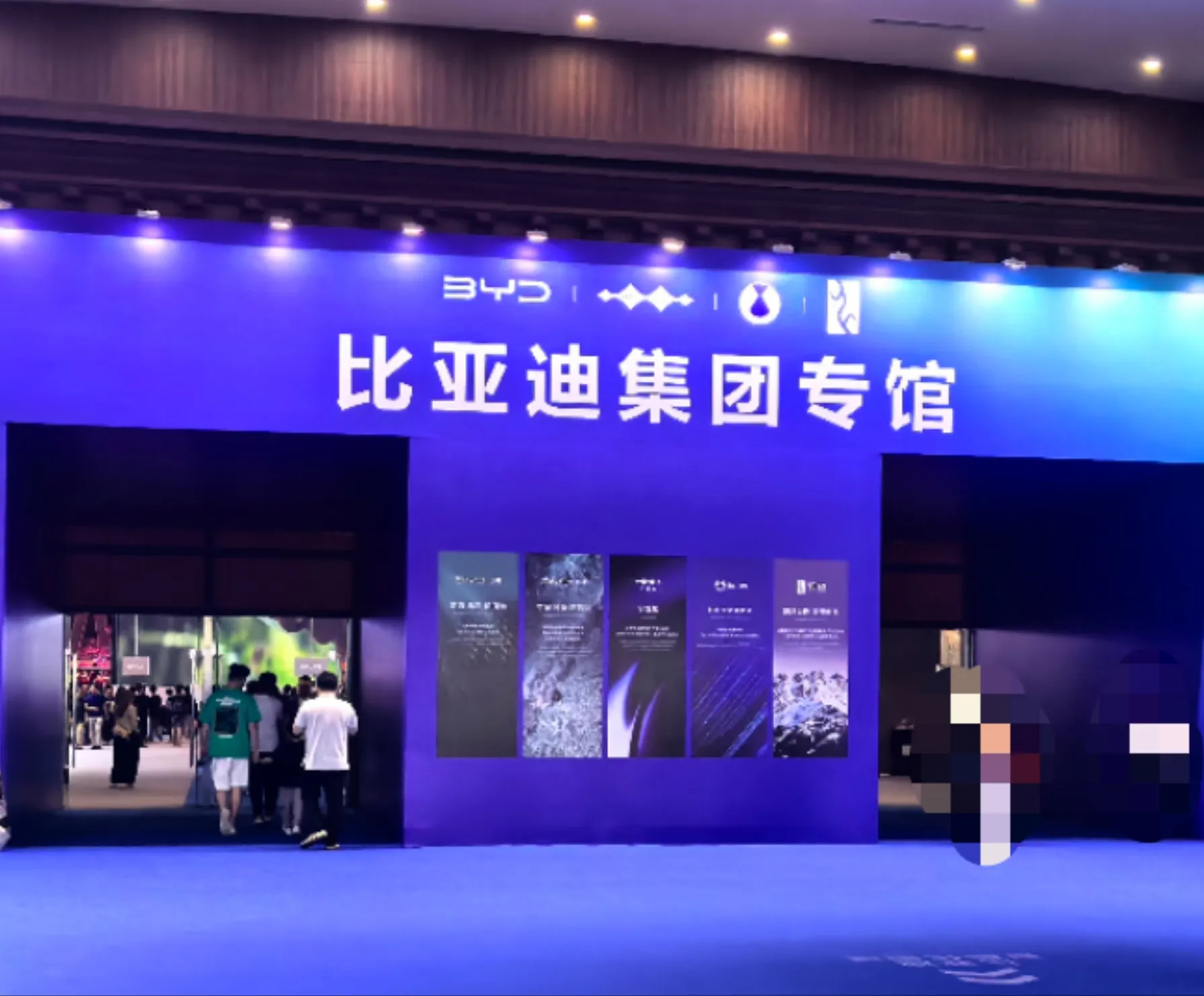
Core Viewpoint - The 28th Chengdu International Auto Show highlights a significant shift in the automotive industry, with luxury brands absent and a strong presence of domestic and new energy vehicle manufacturers, indicating a transformation in consumer preferences and market dynamics [1][6][16]. Industry Overview - The Chengdu Auto Show is one of the four major A-level auto exhibitions in China, taking place before the traditional peak sales season in September and October, serving as a crucial platform for manufacturers to showcase new products and enhance brand image [5]. - This year's show features nearly 120 brands and over 1,600 models, including vehicles, modified cars, humanoid robots, and electric systems, reflecting the industry's diverse offerings [1]. Absence of Luxury Brands - Several international luxury brands, including Porsche, Bentley, Lamborghini, and Rolls-Royce, did not participate in this year's show, indicating a strategic shift as these brands face declining sales in the Chinese market [6][8]. - Data shows that from January to May 2025, the sales of imported vehicles in China dropped by 33% year-on-year, with luxury brands like Porsche experiencing a significant decline in sales, falling from 95,700 units in 2021 to 56,900 units in 2024 [8][9]. Rise of Domestic Brands - In contrast to the absence of luxury brands, domestic manufacturers and new energy vehicle companies showcased a strong presence, with expanded exhibition spaces and increased brand visibility [9][11]. - The exhibition area for new energy vehicles reached a historical high, with companies like Xiaomi and BYD setting up large independent booths to display their latest technologies and products [9][11][12]. Strategic Adjustments - The absence of luxury brands and the strong showing of domestic companies reflect a fundamental shift in the Chinese automotive market, driven by the trends of electrification and intelligent technology [8][16]. - Domestic brands are increasingly focusing on advanced features such as smart cockpits and high-level driver assistance systems, showcasing their continuous breakthroughs in the electric and intelligent vehicle sectors [15]. Notable New Products - The show featured several new models from both domestic and joint venture companies, including the NIO ES8, Zeekr 9X, and various new energy vehicles from brands like Chery and Geely, highlighting the competitive landscape of the market [15][16].


电厂 | 全新P7上市热销,但销量已经不是小鹏的最大问题
Xin Lang Cai Jing· 2025-08-29 10:21
Core Insights - The new Xiaopeng P7 was launched on August 27, with a starting price of 219,800 yuan, and achieved over 10,000 orders within 7 minutes of its release [1] - Xiaopeng Motors has delivered 197,189 vehicles in the first half of the year, surpassing last year's total deliveries, with July's deliveries reaching 36,717 units, nearing the target of 40,000 units per month [1][12] - The company aims to achieve profitability in the fourth quarter of this year, with a focus on maintaining sales growth through the MONA series, G7, and P7 series [1][12] Product Development - The new P7 features improvements in design, chassis performance, and interior space, addressing previous customer complaints about rear seat comfort [4][6] - The vehicle's interior has been upgraded with a rear seat angle of 30 degrees, a trunk capacity of 575 liters, and additional storage spaces, enhancing overall comfort [6] - The P7's performance includes an 800V XPower electric drive system, with a maximum power output of 437 kW, combining comfort, handling, and performance [6][9] Market Positioning - Xiaopeng Motors aims to rank among the top three in pure electric sedan sales, with the P7 positioned to impact the sales of the P7+ [11] - The average monthly delivery for Xiaopeng Motors in the first seven months of the year was 33,415 units, with a consistent performance of over 30,000 units for nine consecutive months [12] - Despite the new P7's launch, the company faces challenges in maintaining high average selling prices due to a shift towards lower-priced models like the MONA M03 [15][17] Financial Performance - In the first half of the year, Xiaopeng Motors reported a 279% increase in deliveries, but the average revenue per vehicle dropped significantly to 158,500 yuan, a 33.3% decrease year-on-year [14][15] - The company's gross margin improved by 6.6 percentage points compared to the previous year, despite the decline in average selling price [14] - The performance of the high-end model X9 has been underwhelming, with deliveries in the first seven months falling short of last year's total [17][19] Future Outlook - Xiaopeng Motors plans to launch a range of new products from 2026 to 2027, covering various price segments from 100,000 to 2 million yuan, including full-size SUVs [19] - The company must navigate the challenge of gaining recognition in the high-end market while relying on lower-priced products for sales growth [19]


一个赌气移民,一个驻华40年:他们如何躲过日本“失去的30年”?
虎嗅APP· 2025-08-29 10:10
Core Viewpoint - The article discusses the changing dynamics of the job market and emphasizes the importance of adapting to new opportunities, particularly in emerging markets, as traditional career paths become more challenging [4][18]. Group 1: Historical Context and Lessons from Japan - The article references Japan's "lost 30 years," highlighting how government actions during economic downturns affected workers, leading many to face challenges such as the "high-education trap" and "dispatch internal competition" [4][8]. - It shares stories of Japanese workers who successfully navigated these challenges by seizing opportunities in China, illustrating the potential for career growth in emerging markets [5][9]. Group 2: Identifying Opportunities in Emerging Markets - The article outlines various Chinese companies that have successfully expanded internationally, including sectors like consumer electronics, new energy vehicles, and cross-border e-commerce [23][24]. - It emphasizes the need for workers to research and identify lesser-known but promising companies that are expanding globally, rather than focusing solely on well-known brands [28][30]. Group 3: Strategies for Job Seekers - The article suggests that job seekers should enhance their skills and knowledge, particularly in international markets, to improve their chances of securing overseas positions [34][35]. - It highlights the importance of language skills and cultural understanding in building relationships and succeeding in foreign markets [36][37]. - The article recommends exploring internal transfer opportunities within companies as a pathway to international roles, as many firms offer such options [39][40]. Group 4: Actionable Steps for Career Development - The article encourages job seekers to create a LinkedIn profile and utilize various international job platforms to increase visibility and access to opportunities [46]. - It advises individuals to conduct thorough research on target companies, including their market position and growth potential, to better position themselves for job applications [48]. - The article suggests considering emerging markets in Southeast Asia and Africa for job opportunities, as these regions are projected to experience significant economic growth [50][53].

港股8月收官 | 恒指涨1.23%,月线4连阳!黄金、半导体多只个股刷新历史新高
Ge Long Hui· 2025-08-29 08:51
Core Insights - The Hong Kong stock market closed August with positive performance, with the Hang Seng Index rising by 1.23%, marking four consecutive months of gains for all three major indices [1] Index Performance - The Hang Seng Index increased by 1.23% - The Hang Seng China Enterprises Index rose by 0.73% - The Hang Seng Tech Index saw a significant increase of 4.06% [1] Sector Performance - Semiconductor stocks led the gains, with InnoCare Pharma surging by 96.7%, and SMIC rising nearly 19%, both reaching historical highs - Gold stocks also performed well, with China Gold International up by 61.48%, Lingbao Gold rising over 39%, Zhaojin Mining up by 23%, and Zijin Mining increasing by over 22% [1] - Conversely, the banking sector experienced a pullback, with China Construction Bank down by 6.7%, China Merchants Bank nearly 6%, Bank of Communications down by 4.8%, and Industrial and Commercial Bank of China down over 4% [1] - Other sectors such as restaurants, ports and shipping, and dairy products saw some declines [1] Large Tech Stocks - Among large tech stocks, Tencent performed well with an increase of 8.45%, followed by Baidu at 5.67% and NetEase at 4.37% - Alibaba remained flat, while Meituan experienced a significant drop of 15.5%, JD.com fell over 4%, and Xiaomi saw a slight decline of 0.56% [1]
新会议室:视频播客作为企业战略资产的深度解析
混沌学园· 2025-08-29 07:03
Core Insights - The article emphasizes that video podcasts have evolved from a content format to a strategic asset for businesses, particularly in an era of advertising saturation and consumer skepticism [3][4][43]. - The case of entrepreneur Luo Yonghao's four-hour dialogue with Li Xiang serves as a pivotal example of how video podcasts can create brand trust and influence business narratives [3][4][21]. Market Overview and Scale - The global podcast market is projected to reach between $22 billion and $35 billion in 2024, with a compound annual growth rate (CAGR) of approximately 27% to 29%, potentially exceeding $130 billion by 2030 [12]. - Despite a lack of specific statistics for the domestic video podcast market, it is experiencing rapid growth, driven by the overall prosperity of the podcast and online audio market [8][9]. Core Drivers - The rise of video podcasts in China is attributed to the convergence of technological advancements, platform strategies, and evolving user demands [10]. - AI technology is significantly reshaping content production, lowering creative barriers, and enhancing content quality, with 69% of content creators reporting faster video publishing due to AI editing tools [11]. Business Models and Monetization - Video podcasts exhibit a dual monetization model: direct content monetization and indirect strategic value monetization [15]. - Direct revenue streams include advertising and sponsorships, which account for approximately 80% of industry income, while indirect revenue stems from building trust and enhancing brand value [19][20]. Competitive Landscape - The competitive intensity in the video podcast industry is high, with platforms and creators engaged in fierce competition for audience attention and advertising revenue [32][35]. - Major platforms like Bilibili and Douyin are rapidly entering the video podcast space, with Bilibili signing over 20 prominent figures to enhance its content offerings [13][35]. Regulatory Environment - As of August 2025, there are no specific regulations for the video podcast sector in China, but existing frameworks for online audio-visual content apply [40][44]. Future Trends - The article predicts that the "CEO as creator" model will become standard for high-growth companies, with AI playing a crucial role in content creation and user engagement [52]. - The industry is expected to face challenges related to market saturation and information overload, necessitating differentiation through authenticity and quality [47].

资讯日报:国务院公布《关于推动城市高质量发展的意见-20250829
Guoxin Securities Hongkong· 2025-08-29 05:32
Market Overview - The Hong Kong stock market saw all three major indices decline, with net selling by southbound funds exceeding HKD 20 billion[9] - Major tech stocks underperformed, with Meituan dropping 12.55%, JD down 5%, Alibaba down 4.69%, and Tencent and Xiaomi also declining[9] - Semiconductor stocks surged, with InnoCare rising over 15% and SMIC increasing nearly 11% to reach a new listing high[9] U.S. Market Performance - On August 28, U.S. markets opened high and closed with all three major indices rising, with the Dow and S&P 500 reaching new closing highs[9] - Nvidia's Q2 revenue grew 56% year-on-year, exceeding expectations, and the company approved an additional USD 60 billion for stock buybacks[9] - Quantum computing stocks led gains, with Quantum Computing up over 8% and Rigetti Computing up over 7%[9] Japanese Market Insights - The Nikkei 225 index rose 0.73%, driven by strong performance in metal and energy stocks[12] - Berkshire Hathaway increased its stake in Mitsubishi Corporation to 10.23%, pushing the stock prices of Japan's five major trading companies higher[12] - Foreign investment in Japanese stocks showed signs of slowing, with a net decrease of JPY 496.8 billion in the week ending August 22[12] Key Economic Indicators - U.S. initial jobless claims for the week ending August 23 were 229,000, lower than the expected 230,000[12] - The U.S. Q2 GDP annualized growth rate was revised to 3.3%, above the expected 3.1%[12] - The Chinese government released guidelines to promote high-quality urban development, focusing on city cluster integration and innovation[12]
C位“易主”,从成都车展透视车市三大变化
Zhong Guo Jin Rong Xin Xi Wang· 2025-08-29 02:19
Core Insights - The 28th Chengdu International Auto Show has commenced, featuring nearly 120 automotive brands and over 1,600 vehicles on display, indicating a significant event in the automotive industry [1] - A notable trend is the collective absence of traditional luxury brands, reflecting a shift in the automotive market dynamics in China [2][3] - In contrast, domestic brands have significantly expanded their presence at the show, showcasing their growing strength and market influence [4][5] Luxury Brands Absence - The absence of luxury brands such as Porsche, Bentley, and Lamborghini at this year's show marks a significant change compared to previous years, driven by cost control measures [2][3] - Only six luxury brands, including Mercedes-Benz, BMW, and Audi, continue to participate, highlighting a decline in luxury brand representation [2] - The luxury car market is experiencing a downturn, with Porsche's global deliveries down 6% year-on-year, and a staggering 28% decline in the Chinese market [3] Domestic Brands Expansion - Domestic brands like BYD, Changan, and Chery have established dedicated exhibition spaces, showcasing their growing importance in the automotive sector [4][5] - BYD's pavilion features advanced technologies such as "God's Eye" intelligent driving demonstrations, indicating a focus on innovation [4] - The trend of domestic brands adopting "pavilion" formats at auto shows is becoming more common, enhancing brand visibility and communication [4] Rise of Regional Auto Shows - Regional auto shows are gaining prominence, with events like the Guangdong-Hong Kong-Macao Greater Bay Area Auto Show surpassing the Chengdu Auto Show in size and influence [6] - The Chongqing Auto Show is also expanding, with increased participation and audience numbers, indicating a growing interest in regional events [6][7] - These regional shows are evolving beyond mere sales platforms, integrating local economic and industrial ecosystems, thus becoming vital for brand promotion and investment attraction [7] Industry Evolution - The automotive industry in China is undergoing a transformation, moving from traditional luxury brands to a focus on domestic brands and technological advancements [7] - The competition landscape is shifting, with a clear trend towards high-quality development centered on technology, ecology, and user experience [7]