
李宁

Search documents
贵州纺织集团首家旗舰店开业!三大贵州自有服饰品牌亮相
Xin Lang Cai Jing· 2026-01-31 09:10
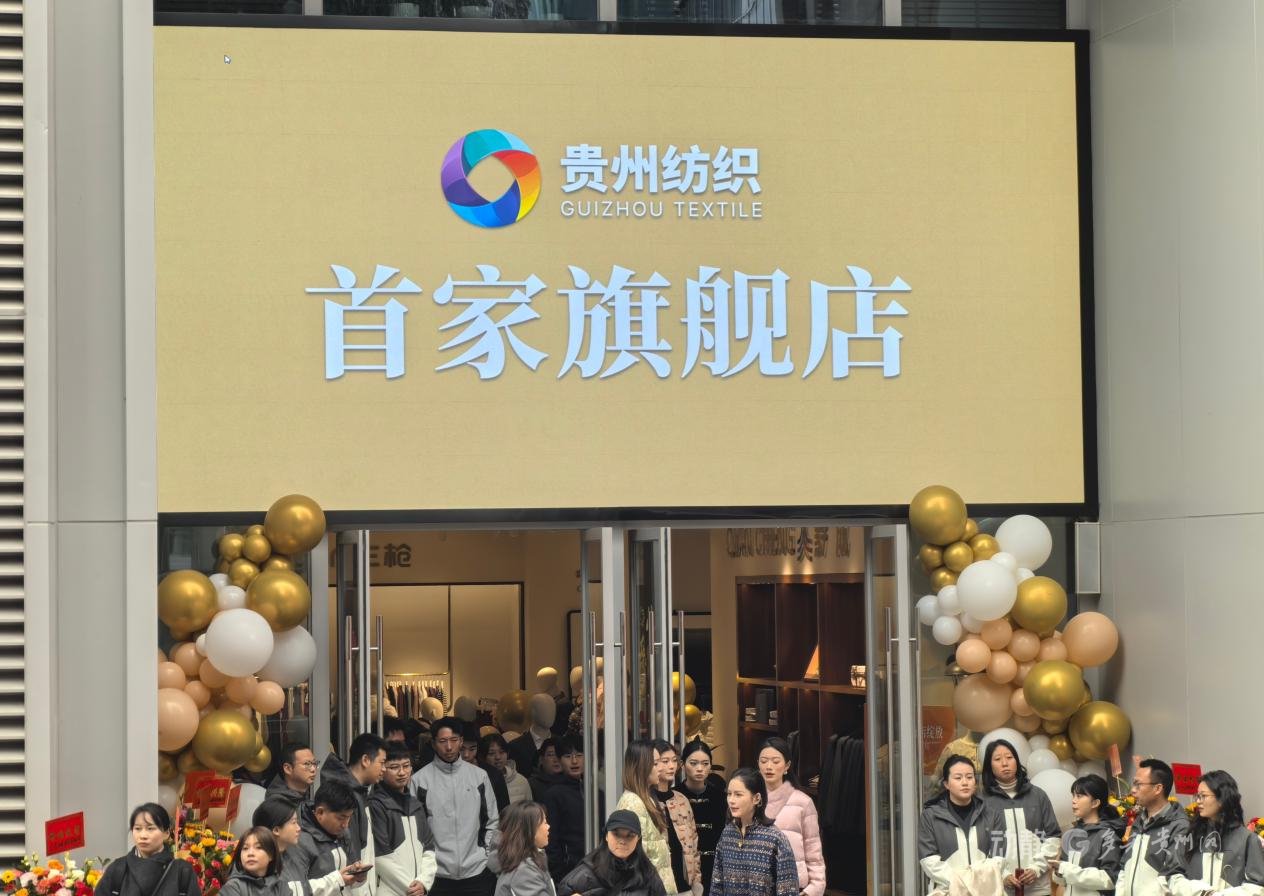
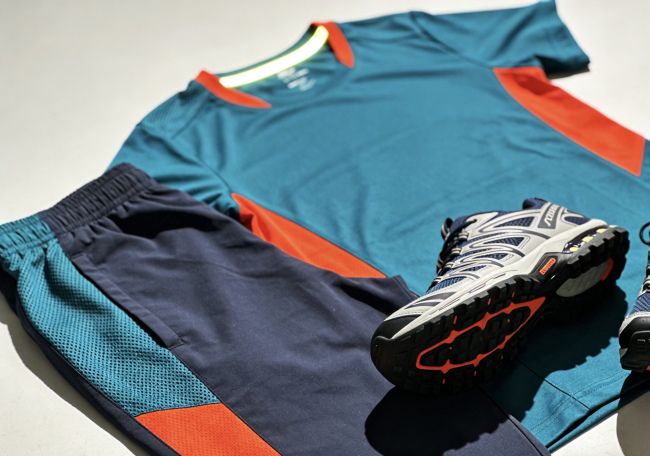
1月31日,位于贵阳市云岩区中华北路99号的贵州纺织集团首家旗舰店开业。店内三大贵州自有服饰品牌在售——黔超系列具备专业运动属性、黔锦系列结 合非遗工艺内涵、黔成系列主打日常实用设计,价格百元到千元不等,部分已实现贵州本土制造。 据悉,贵州民族服饰品牌"黔锦",将贵州民族文化、非遗技艺与现代时尚深度融合,携手艺之卉集团登陆米兰时装周,向世界展示了中华优秀传统文化的独 特魅力。 贵州体育运动服饰品牌"黔超",在省体育局大力支持下,实施"名赛、名人、名企"战略,与李宁集团联合打造第十五届全运会贵州代表团战袍,同时冠名多 项重大国际赛事。 开业前三天(1.31-2.2)有全场7.5折优惠活动,市民朋友可前往选购。 作为贵州省唯一的省级国有纺织产业平台,贵州纺织集团目前与中国李宁、上海美特斯邦威等知名品牌达成合作。 纺织集团相关负责人表示,旗舰店是"看得见"的产业窗口、"穿得着"的体验平台、"促合作"的招商桥梁,提供线下线上联动销售及定制服务,并通过产品展 示促进招商引资。 开业当日邀请到多位贵州体育运动员穿着"黔超"运动服饰助力走秀。 贵州专用服饰品牌"黔成",拓展工服、制服、校服市场,已获得中国商飞、保利集团、茅 ...

盘点丨2025运动服饰本土化与场景延伸双重竞速
Xin Lang Cai Jing· 2026-01-30 06:12
Core Insights - The sports fashion apparel industry in 2025 is undergoing significant transformation, with opportunities and risks intertwined, as international giants seek new growth points while local brands innovate and niche players achieve breakthroughs [2][29] Event Summaries Event 1: Li Ning Sponsors the Chinese Olympic Committee - In May 2025, Li Ning became the sports apparel partner for the Chinese Olympic Committee for 2025-2028, enhancing brand value [18] - The brand launched the "Milan Shining" event in October, showcasing the Chinese sports delegation's award outfits and a new lifestyle series, reinforcing its cultural and technological integration [18][3] Event 2: Anta Group's Brand Matrix Growth - Anta achieved low double-digit growth in retail sales, stabilizing total revenue at 70 billion, with a notable performance in the fourth quarter despite market pressures [19] - The main brand saw low single-digit growth, while FILA and other brands like Descente experienced higher growth rates, indicating a diversified brand strategy [19][4] Event 3: Controversy Surrounding 361° Brand Image - In September 2025, 361° terminated its endorsement with Zhang Shuihua due to a scandal, which negatively impacted the brand's image and performance [20] - Despite maintaining growth, 361° faced its lowest growth rates in five years, highlighting systemic flaws in brand endorsement risk management [20][5] Event 4: Lululemon's Growth in China - Lululemon's comparable sales in China surged by 25% in Q3 2025, becoming a key growth driver despite previous downward adjustments in performance guidance [21][22] - The brand's strategic focus on core athletic categories and product line optimization contributed to its success in the Chinese market [21][22] Event 5: Xtep's Strong Profit Growth - Xtep reported a revenue of 6.838 billion yuan in the first half of 2025, with a 7.1% year-on-year increase, and a net profit of 914 million yuan, reflecting strong profitability [22] - The brand's focus on marathon sponsorships and product innovation has solidified its position in the professional running segment [22][6] Event 6: Nike's Return to Innovation - Facing declining profits, Nike restructured its innovation teams to focus on athlete-centered product development, unveiling several new technologies in 2025 [23] - This strategic shift aims to enhance product performance and address market demands for innovation [23][9] Event 7: Puma's Crisis Due to Tariffs and Performance Decline - Puma faced a 10.4% decline in global sales and significant losses due to increased production costs from tariffs, leading to layoffs and a drop in stock price [24] - The company's strategic missteps in supply chain management have exacerbated its challenges in a competitive market [24][10] Event 8: Clarks' Channel Transformation Failure - Clarks experienced a 10% revenue decline in the UK due to over-reliance on physical stores and a lack of digital strategy, resulting in significant layoffs [25] - The brand's failure to adapt to changing consumer habits highlights the necessity for channel transformation in the retail sector [25][11] Event 9: Under Armour's Struggles with Growth - Under Armour's brand image suffered as it faced challenges from previous expansion efforts, leading to high inventory turnover and financial losses [26] - The company's restructuring efforts focus on core business areas but have yet to yield positive results [26][12] Event 10: HOKA's Growth Slowdown - HOKA's growth rate significantly decreased, with a mere 11.1% increase in net sales for Q2 2026, prompting concerns about its long-term sustainability [27] - The brand's reliance on high growth without establishing strong technical barriers has led to vulnerabilities in a competitive landscape [27][13] Event 11: IPO Aspirations of BERSHKA and Tamboor - BERSHKA filed for an IPO aiming to become a leading player in high-performance outdoor apparel, while Tamboor also submitted documents for public listing [28] - These moves reflect the growing trend of local brands capitalizing on market opportunities in the outdoor segment [28][14] Conclusion - The sports fashion apparel industry in 2025 has undergone a profound value reconstruction, with brands like Lululemon and Nike achieving breakthroughs through precise positioning and local adaptation [29] - The shift from scale expansion to quality growth emphasizes the importance of innovation and risk management for sustained success in the evolving market landscape [29]


国信证券:运动品牌行业增长难掩价格战隐忧 关注价格内卷中引领新方向的品牌机遇
智通财经网· 2026-01-30 03:33
Core Insights - The sports brand industry is experiencing a duality, with a strong growth in overall market demand but intense price competition, leading to a critical point in the product lifecycle [1][2] Industry Overview - The sports and outdoor market continues to grow, with apparel showing a clear "volume and price increase" trend driven by high-priced brands, while footwear is experiencing a "volume increase and price drop" trend [2][3] - In Q4 2025, the overall sports category saw a slight price increase of 0.9% but a sales volume decline of 1.7%, with outdoor products achieving a sales growth of 13.5% [3] International Brands - Nike is undergoing significant adjustments, with a 15.5% year-on-year sales decline and a market share drop to 9.7%, while Adidas also saw a 6.2% sales decline but maintained a market share of 8.5% [4] - Adidas' basketball shoes and casual shoes are experiencing growth despite overall declines in other categories [4] Domestic Brands - Domestic brands are facing substantial price competition, with a slight decline in market share across four major brands, while professional products are receiving positive market feedback [5] - The pricing strategy of domestic brands has led to only marginal sales increases, particularly in footwear [5] Key Takeaways - The industry shows strong growth potential, with a stable penetration rate in the sports and outdoor sector, while price competition intensifies [6] - Nike is under pressure with ongoing product adjustments, while Adidas stabilizes its market share with specific product growth [6] - Domestic brands are leveraging professional product lines to maintain market presence amidst increasing price competition [6]

服务消费扩容提质再迎政策利好
HTSC· 2026-01-30 02:25
Investment Rating - The report maintains an "Overweight" rating for the consumer discretionary sector [7] Core Insights - The "Work Plan" issued by the State Council aims to stimulate domestic demand by fostering new growth points in service consumption, focusing on six key areas including transportation, housekeeping, and online audiovisual services, as well as three potential areas: performance services, sports events, and emotional experience services [1][2] - The report emphasizes that service consumption is a natural direction for consumption upgrading and the pursuit of a better life by residents, with significant long-term potential in China as service consumption typically increases with GDP growth [1] - The report suggests that the recovery of service consumption will help shift traffic from online to offline, benefiting related industries such as dining, tourism, and retail [1] Summary by Sections Service Consumption Growth - The "Work Plan" includes twelve specific measures to enhance service consumption, with a focus on optimizing supply and encouraging innovative consumption scenarios [2][4] - The report highlights the importance of developing high-quality supply and encourages proactive exploration of new business models in the service sector [4] Transportation and Tourism Integration - The "Work Plan" proposes initiatives such as developing senior tourism trains and enhancing the quality of cruise and night tour services, which are expected to benefit related sectors [3] - The report notes that the integration of transportation and tourism, along with the emergence of quality tourism supply, will lead to an upturn in specific tourism segments [3] Investment Recommendations - The report recommends focusing on leading companies in the consumer sector, including: - Travel Chain: Recommended companies include Atour, Huazhu Group, Shoulv Hotel, and China Duty Free [5] - Ready-to-Drink Beverages and Dining: Recommended companies include Guming, Yum China, Yihai International, Dashihua, Chabaidao, Xiaocaiyuan, and Haidilao [5] - Emotional Consumption: Recommended companies include Pop Mart, Laopu Gold, Blukoo, Miniso, Shangmei, Maogeping, and Juzibio [5] - Scenario Chains: Recommended companies include Guoquan, Wancheng Group, Wanwu Xingsheng, and Shengbeila [5] - Sports Apparel: Recommended companies include Anta, Amer Sports, and Li Ning [5] Key Company Insights - Pop Mart has initiated share buybacks, reflecting confidence in growth prospects, and is expected to accelerate the diversification of its IP structure [12] - Laopu Gold is anticipated to perform well during the upcoming Spring Festival, with expectations of exceeding sales forecasts due to ongoing brand expansion and strong market demand [12] - Miniso's recent performance has exceeded guidance, driven by a successful large store strategy and improved operational efficiency [12]





晨会纪要-20260130
Guoxin Securities· 2026-01-30 01:31
Macro and Strategy - The fixed income investment strategy for February 2026 focuses on convertible bonds, suggesting a "Top Ten Convertible Bonds" portfolio, with an emphasis on growth sectors and defensive allocations in power and banking [7] - The report highlights that the small-cap growth style outperformed the large-cap value in January, with significant increases in resource sectors, while the market's valuation levels indicate potential for upward movement [7] - The report anticipates a continuation of the "spring excitement" market trend, with the Shanghai Composite Index expected to break through 4200 points, driven by increased retail investment as high-interest savings mature [7] Industry and Company Mechanical Industry - SpaceX aims for complete reuse of its Starship rockets in 2026, which could reduce space access costs by 99%, while Tesla plans to sell humanoid robots to the public by the end of 2027 [11][12] - The report emphasizes the long-term investment opportunities in commercial aerospace and humanoid robotics, particularly focusing on supply chain companies involved in rocket manufacturing and AI infrastructure [12][13] Energy Sector - China National Offshore Oil Corporation (CNOOC) expects capital expenditures of approximately RMB 8.44 billion for 2026, focusing on equipment investment and technology upgrades, with a positive outlook on its operational performance [24] - The report predicts that international oil prices will stabilize and rise slightly, with CNOOC's business structure continuously optimizing, leading to improved profit margins [24] Battery Materials - Xiamen Tungsten Co., Ltd. anticipates a 42% increase in net profit for 2025, driven by strong sales of lithium cobalt oxide and ongoing advancements in solid-state battery materials [25][26] - The company is expanding its production capacity for high-performance battery materials and is actively developing new materials for electric vehicles and energy storage [27] Insurance Sector - Ping An Insurance is focusing on enhancing its liability business and value transformation, which is expected to improve its valuation amid easing real estate risks [28][29] - The report maintains profit forecasts for Ping An from 2025 to 2027, with expected earnings per share of RMB 7.72, 8.57, and 9.26, respectively, indicating a positive outlook for the company's valuation recovery [29] Sportswear Industry - The sportswear market is experiencing a bifurcation, with high-end brands driving growth in apparel while footwear prices are under pressure, leading to a decline in sales for many brands [18][19] - The report highlights that domestic brands are facing significant price competition, with performance varying widely across different product categories [20][21]


纺织业多元革新促节能降碳
Jing Ji Ri Bao· 2026-01-29 22:11
中央经济工作会议明确提出"坚持'双碳'引领,推动全面绿色转型",将重点行业节能降碳改造推向纵 深。 "这为纺织行业高质量发展指明了方向。"中国纺织工业联合会副会长、社会责任办公室主任阎岩接受本 报记者专访时表示,纺织行业绿色转型目前已形成"头部引领、分层追赶"的良性格局,从理念倡导进入 规模化实践阶段,正通过技术革新、价值链协同与产业生态支撑的多元发力,释放高质量发展新动能。 技术引领效应持续显现 在工业和信息化部近期公布的"2025年度重点行业能效'领跑者'企业名单"中,江苏恒科新材料有限公司 成功入选,成为聚酯涤纶细分行业全国唯一的"领跑者"企业。 "作为恒力集团全资子公司,恒科新材已构建全流程中水回用系统,废水回用率超90%,年节约水资源 250万吨以上。"恒科新材副总经理陆佳颖介绍,在能源结构优化方面,建成总容量106.5兆瓦的光伏发 电项目及60兆瓦/120兆瓦时储能系统,打造"光储充"一体化模式,热媒炉全面采用生物质颗粒燃料,可 再生能源利用占比超40%。同时,回收利用聚酯工艺塔塔顶蒸汽及空压机余热,用于制冷与物料加热。 近3年,共完成79项节能技改项目,创造效益超7000万元。 "恒力是纺织行业 ...
中国消费的新“老”温差
财富FORTUNE· 2026-01-29 13:10
Core Viewpoint - The article highlights a significant shift in China's consumer landscape, contrasting the performance of traditional consumer brands like Kweichow Moutai with new consumer brands like Pop Mart, indicating a transition towards "new" consumption driven by changing demographics, real estate cycles, and evolving consumer values [1][3]. Group 1: Company Performance - Kweichow Moutai announced a stock buyback plan of 1.5 to 3 billion yuan but saw its stock price decline after the initial buyback, reflecting a defensive market perception [1][3]. - In contrast, Pop Mart's stock buyback of 350 million HKD led to a market capitalization increase of nearly 60 billion HKD within a week, showcasing a strong growth narrative [1][3]. - On January 29, Kweichow Moutai's stock experienced a rare surge, recovering to over 1400 yuan, which also positively impacted other liquor stocks and the real estate sector [3]. Group 2: Market Dynamics - The article discusses the divergence in investment logic between traditional and new consumer brands, with the former viewed as defensive and the latter as growth-oriented [3][4]. - Traditional consumer stocks, particularly in the liquor sector, are closely tied to macroeconomic conditions and the real estate cycle, which has been under pressure, leading to a challenging environment for recovery [3][4]. - New consumer brands like Pop Mart, Anta, and Li Ning are not solely reliant on macroeconomic support but are leveraging innovation to create structural growth opportunities [4][5]. Group 3: Growth Drivers - The core driver for new consumption has shifted from "demographic dividends" to "emotional dividends," focusing on consumer identity and self-expression rather than basic material needs [4][5]. - The Hong Kong consumer index, which includes new consumption sectors, saw a cumulative increase of about 20% in 2025, while the Shanghai consumer index, dominated by traditional sectors, fell nearly 8% [4]. Group 4: International Expansion - Traditional consumer companies lacking international expansion capabilities face stagnation, while new consumer brands are showing strong growth overseas, with Pop Mart reporting a 3.7 times increase in overseas revenue by Q3 2025 [5]. - Successful international strategies are evident in brands like Anta and Li Ning, which are expanding rapidly in Southeast Asia, indicating a shift from "Made in China" to "Global Brands" [5]. Group 5: Valuation and Investment Considerations - Traditional consumer leaders like Kweichow Moutai still hold strong market positions and stable cash flows, with their valuations entering historically low ranges, appealing to risk-averse investors [6]. - New consumer brands face unique challenges, such as sustaining IP creation and managing acquisitions, with high valuations making them sensitive to any signs of growth slowdown [6][7]. - The sustainability of "self-indulgent" consumption is questioned, as it relies on consumer sentiment and disposable income, which may be the first to be scrutinized in uncertain economic times [8].



穿越“K型”周期,解码运动户外品牌的增长密码
Di Yi Cai Jing Zi Xun· 2026-01-29 13:07
Core Insights - The outdoor sports industry is demonstrating strong growth potential despite macroeconomic challenges, driven by a shift towards health economy, emotional connections, and technological innovation [1][5][36] Group 1: Industry Trends - The industry is transitioning from traditional retail to a new paradigm focused on health, emotional connections, and technology [1] - The growth of the outdoor sports sector is supported by favorable policies and urban development strategies, with cities increasingly branding themselves around sports and outdoor activities [5][6] - The industry is characterized by a strong external influence, with products like camping gear creating a complete camping economy [6] Group 2: Consumer Behavior - The outdoor sports market has a user base of 400 million, with a penetration rate of one-third of the national population, indicating significant growth potential compared to developed countries [7] - The industry is expected to achieve a compound annual growth rate (CAGR) of 15.5% over the next five years, driven by increased penetration among existing users rather than population growth [7] - Consumer demand is evolving towards specialization, technology integration, and quality, with a notable rise in high-end and value-for-money products [8] Group 3: Market Segmentation - The current consumer market is experiencing a K-shaped differentiation, where the upper segment continues to thrive while the lower segment faces challenges [11] - Growth in the outdoor sports sector is primarily driven by three demographic groups: women, middle-aged and elderly consumers, and youth, each with distinct consumption patterns and preferences [11][12] - The market is witnessing a dual trend where luxury brands are shifting online while maintaining a strong offline presence, indicating a complex consumer landscape [12][13] Group 4: Investment Insights - The valuation logic of the outdoor sports industry is shifting from traditional retail metrics to a focus on health economy factors, emphasizing direct-to-consumer sales, supply chain technology, and community building [14][16] - Investors are increasingly interested in brands that demonstrate resilience, community engagement, and a clear product philosophy, as these factors contribute to long-term growth [19][18] - The integration of AI and technology is becoming essential for brands to enhance operational efficiency and consumer engagement [32][34] Group 5: Marketing Strategies - Successful brands in the future will focus on niche markets, innovation, and creating strong mental associations with their products [29] - Brands should prioritize user engagement and community building over sheer scale, focusing on enhancing customer lifetime value [30] - The marketing approach must adapt to dynamic consumer profiles and leverage multiple channels for effective communication [31]


穿越“K型”周期,解码运动户外品牌的增长密码
第一财经· 2026-01-29 12:42
Core Insights - The outdoor sports industry is demonstrating strong certainty and growth potential against the backdrop of a new normal in the macro economy and profound changes in consumption structure [1][3] - The industry is evolving from traditional retail to a new paradigm driven by health economy, emotional connection, and technological innovation [1][4] Macro Trends - The outdoor sports industry is in a certain development channel, with China's retail sales growing by 4% and GDP expected to grow by 5%, which is low compared to the past decade but higher than recent expectations [6] - Consumption is becoming the leading driver of economic growth, as highlighted in the "14th Five-Year Plan" which emphasizes increasing the consumption rate [6] - Changes in global trade patterns and domestic consumption structure are creating new opportunities, with emerging categories like high-end fragrances experiencing significant growth [6] Industry Opportunities - The "Sports Power" policy is shifting focus from Olympic gold medals to comprehensive sports development, providing policy support for the outdoor sports industry [6] - Local governments are transitioning from solely pursuing GDP to creating unique city labels, with many cities planning to focus on sports and outdoor activities as core identifiers [6] Consumer Insights - The outdoor sports market has a user base of 400 million, with a penetration rate equivalent to one-third of the national population, indicating substantial growth potential compared to developed countries [9] - The industry is expected to achieve a compound annual growth rate of 15.5% over the next five years, driven by increased penetration among existing users rather than population growth [9] - Key characteristics of current consumer demand include specialization, technological integration, and quality enhancement, with a notable trend towards high-end and value-for-money products [9][10] Demographic Shifts - The growth of the outdoor sports industry is primarily driven by three demographic groups: women, middle-aged and elderly consumers, and youth, each exhibiting distinct consumption patterns and preferences [12][14] - The youth market is seen as a potential growth area, with a significant opportunity for brands to develop products and ecosystems tailored to their needs [12] Brand Strategies - Brands are advised to focus on building deep user relationships, embracing cutting-edge technology, and practicing long-termism to reshape value [1][4] - The shift in consumer behavior towards viewing outdoor gear as an investment rather than a consumable is influencing brand strategies [10] Marketing and Community Engagement - Successful brands are those that prioritize community engagement and emotional storytelling, moving beyond traditional marketing funnels to foster deeper connections with consumers [25][27] - The importance of emotional value in consumer decision-making is increasing, necessitating brands to create spaces for consumers to express their feelings [31][33] Future Growth Pathways - Brands should focus on niche success, transformative innovation, and the integration of technology and new product categories to achieve long-term growth [36] - The introduction of AI and data-driven strategies is expected to enhance operational efficiency and consumer engagement, marking a significant shift in brand evaluation metrics [40][42]

李宁(02331)因转换可换股证券而发行2748股
智通财经网· 2026-01-29 08:47
Core Viewpoint - Li Ning Company Limited announced the conversion of its publicly offered convertible securities issued on April 22, 2013, at an adjusted price of HKD 3.183 per share, resulting in the issuance of 2,748 new shares with a principal amount of HKD 8,746.884 million [1] Group 1 - The company will convert its convertible securities on January 29, 2026 [1] - The adjusted conversion price for the securities is HKD 3.183 per share [1] - A total of 2,748 new shares will be issued as part of this conversion [1]