
OPPO

Search documents
华为、OPPO入局,手机厂商探索主动散热
3 6 Ke· 2025-08-27 02:46
Core Insights - OPPO has introduced an active cooling system with a built-in fan in its mid-range products, while Huawei and other manufacturers are also testing similar technologies [1] - Huawei's Mate80 series may feature a dual cooling solution with an active fan and micro-pump liquid cooling, although its implementation remains uncertain [1] - Liquid cooling technology is still in the early stages of development, with many related products in research or validation phases, but there is optimism about its future potential in consumer electronics, AI devices, and high-power chips [1] Company Developments - Aiwei Electronics has completed verification tests for its ultra-low power high-voltage piezoelectric micro-pump liquid cooling product, aiming for mass production by Q4 2025 [2][3] - The company anticipates potential orders from clients by the end of the year, although specific client names cannot be disclosed due to confidentiality agreements [3] - Aiwei's product pricing is estimated at approximately $2-3 per unit for small batches and $1-1.5 per unit for large batches, with expected annual revenue from this product being less than 100 million RMB based on a hypothetical shipment of 10 million phones [3] Industry Trends - The liquid cooling technology is expected to expand beyond consumer electronics into industrial and automotive sectors [1] - Companies like Nanchip Technology and Zhihua Technology are also developing liquid cooling solutions, with a focus on low-power applications in mobile devices [3][4] - The industry is seeing significant investment in liquid cooling technology, with many firms recognizing it as a key strategic direction for future growth [6]
又一家科技企业「砸钱」搞激励,追觅单月发近4000万奖金,多名员工获6位数奖励;某车企暂停自研电池并裁员;京东官宣进军团播
雷峰网· 2025-08-27 00:34
Key Points - Huawei's Yu Chengdong emphasized the stability of their vehicles compared to competitors, highlighting a revolutionary innovation in chassis technology with the iDVP platform, which triples the number of perception components compared to traditional chassis [2][3] - Zhi Mi Technology distributed nearly 40 million yuan in incentive bonuses in a single month, with multiple employees receiving six-figure rewards, indicating a strong performance-based culture [4][5] - JD Global Purchase is experimenting with a new live-streaming sales model during the Qixi Festival, involving a competition between male and female idol groups, reflecting the growing trend of interactive e-commerce [7] - 360's revenue for the first half of 2025 reached 3.827 billion yuan, marking a 3.67% increase year-on-year, indicating a return to growth after previous declines [11] - Jianghuai Automobile reported a 356% drop in net profit for the first half of 2025, with a loss of 773 million yuan, attributed to international market challenges and production ramp-up issues [12][13] - Xpeng Motors' CEO mentioned that many have suggested changing the company's name, believing it could double sales, highlighting branding challenges in the automotive sector [14] - Cambrian's market value surged to 579.4 billion yuan, making its founder the richest person in Nanchang, with a personal fortune exceeding 150 billion yuan, showcasing the rapid growth in the AI chip sector [15] - Porsche announced the suspension of its self-developed high-performance electric vehicle battery project due to market conditions, leading to layoffs and a potential transfer of remaining employees to Volkswagen's battery subsidiary [23] - Tesla was ordered to pay approximately 2.425 billion yuan in damages after a jury found it partially responsible for a fatal accident, following its refusal to settle for 60 million dollars [24][25] - Elon Musk's xAI filed a lawsuit against Apple and OpenAI, alleging anti-competitive behavior in the AI market, reflecting ongoing tensions in the tech industry [26]



帮主郑重:消费电子午后暴动!华为苹果双王炸,这些龙头要成AI时代硬通货?
Sou Hu Cai Jing· 2025-08-26 19:59
Group 1 - The consumer electronics sector in A-shares is experiencing a significant surge due to major announcements from Huawei and Apple, with stocks like Fenda Technology and GoerTek hitting the daily limit [1] - The third quarter is identified as a golden season for consumer electronics, with Huawei's Mate 80 and Apple's iPhone 17 series launches expected to drive demand [3] - Companies in the domestic supply chain, such as Lens Technology and Luxshare Precision, are showing strong performance, with Lens Technology's net profit increasing by 32.68% in the first half of the year [3] Group 2 - The integration of AI technology into consumer electronics is accelerating hardware upgrades, with devices like the Xiaomi 14 and Huawei's HarmonyOS 4.0 showcasing enhanced capabilities [4] - The long-term outlook for consumer electronics is positive, as companies involved in foundational technologies for AI, such as Lens Technology and those developing Micro LED and waveguide technologies, are positioned for growth [4] - Industrial Fulian, a leader in AI servers with a global market share of 40%, reported a 35% revenue increase in the first quarter, highlighting the importance of strong fundamentals for long-term investors [4]



小米的复杂性
Xin Lang Cai Jing· 2025-08-26 16:49
Core Viewpoint - Xiaomi's Q2 2025 financial report shows impressive growth with revenue of 116 billion yuan, a 31% year-on-year increase, and adjusted profit of 10.8 billion yuan, up 75% year-on-year, reaching historical highs. However, market response has been lukewarm, with stock prices hovering around 52 HKD despite buy ratings from major institutions like Goldman Sachs and HSBC, which have lowered target prices due to some data falling short of expectations [3][4][5]. Financial Performance - Xiaomi's smartphone revenue for Q2 was 45.5 billion yuan, accounting for nearly 40% of total revenue, but this represents a decline from 46.5 billion yuan in the same period last year. The gross margin for smartphones also decreased from 12.1% to 11.5% [5][6]. - Despite selling more smartphones, revenue decreased due to pricing issues rather than a shift towards high-end models. The proportion of high-end smartphone sales in China increased by 5.5% year-on-year [6][7]. Market Position and Strategy - Xiaomi's global market strategy is crucial as domestic growth is stagnant. The company has maintained a top-three position in global smartphone market share, but competition is intensifying, particularly in Southeast Asia where Xiaomi holds a 19% market share [7][8]. - The company is focusing on high-end models while also managing to maintain a competitive edge in the mid-to-low-end market, which is essential for growth in emerging markets [9][10]. Ecosystem Development - Xiaomi's IoT business saw significant growth, with revenue reaching 38.7 billion yuan, a 44.7% increase year-on-year, driven mainly by major appliances [10][11]. - The automotive business is also showing improvement, with losses narrowing to 300 million yuan in Q2, and gross margin increasing from 23.2% to 26.4% [10][12]. Competitive Landscape - Xiaomi's strategy involves leveraging its ecosystem across various sectors, including home appliances and automotive, to create synergies that enhance market share and brand influence [11][14]. - The company faces challenges from traditional giants in the home appliance sector, which are adapting to Xiaomi's strategies, indicating a potential for increased competition in the future [16][17]. Leadership and Vision - The role of Xiaomi's founder, Lei Jun, remains pivotal in driving innovation and maintaining competitive advantages across product lines. His leadership is seen as crucial for navigating the company's strategic direction [17][18].

晚报 | 8月27日主题前瞻
Xuan Gu Bao· 2025-08-26 14:13
Group 1: Artificial Intelligence - The State Council of China has issued an opinion on the implementation of the "Artificial Intelligence+" initiative, aiming for AI applications to exceed 70% penetration in six key areas by 2027 and over 90% by 2030 [1][2] - The initiative is a core strategy for promoting new productivity and digital transformation, with a projected annual compound growth rate of 32.1% for China's AI industry from 2025 to 2029, potentially exceeding 1 trillion yuan by 2029 [2] Group 2: Low-altitude Economy - The "2025 Low-altitude Economic Development Conference" will be held in Wuhu from September 5 to 7, focusing on national policies and industry development in the low-altitude economy [3] - The low-altitude economy is entering an explosive growth phase driven by policy and technology, with a target market size of 1 trillion yuan by 2030 as outlined in the "General Aviation Equipment Innovation Application Implementation Plan (2024-2030)" [3] Group 3: Consumer Electronics - Apple has begun large-scale production of the iPhone 17, with various models expected to launch in September, including the iPhone 17 series and Huawei's Mate X7 [4][5] - The consumer electronics industry is in a recovery phase, with AI technology driving a new wave of upgrades and replacements in devices, indicating a solid long-term growth logic for the sector [5] Group 4: Millimeter Wave Technology - The Ministry of Industry and Information Technology (MIIT) is set to issue the second batch of millimeter wave private network frequency licenses, indicating a maturing domestic millimeter wave 5G industry [6] - Millimeter wave technology is crucial for maximizing 5G performance, and the issuance of these licenses is expected to initiate a wave of innovation in the industry [6] Group 5: Domestic Operating Systems - The new generation of the Chinese operating system, Galaxy Kirin V11, has been launched, featuring enhanced security and compatibility with domestic CPUs and GPUs, marking a significant advancement in the domestic operating system ecosystem [5][7] - The Galaxy Kirin operating system has been deployed in over 16 million units and is becoming a foundational digital infrastructure for key national projects and various industries [7]

苹果、vivo、荣耀接连入局!手机厂商为何看好MR新赛道?
Zheng Quan Shi Bao Wang· 2025-08-26 13:54
Group 1: Industry Overview - The mixed reality (MR) market is still in its early stages, with various companies like vivo, Honor, Xiaomi, Huawei, and OPPO entering the space, reflecting a broader industry anxiety about growth [1][4] - Apple's MR headset, Vision Pro, faced disappointing sales, with only 500,000 units sold by the end of 2024, leading to its production halt [3][4] - The Chinese consumer-grade XR device market saw a retail volume of 307,000 units in the first half of 2025, a 17.6% year-on-year increase, but the VR/MR segment experienced a 25.6% decline [3][4] Group 2: Company Strategies - Vivo launched its first MR headset, the vivo Vision Exploration Edition, which is the lightest MR headset on the market at 398g, but it is currently only available for reservation [2] - Vivo's MR team has grown to 500 members, with a long-term vision of integrating MR technology into household robotics [2][3] - Xiaomi adjusted its annual smartphone sales target to approximately 175 million units due to market conditions, indicating a shift in focus towards MR technology [6] Group 3: Market Dynamics - The global VR/MR shipment is expected to reach 5.6 million units in 2025, potentially growing to 14.4 million units by 2030 [5] - The smartphone market is saturated, prompting manufacturers to explore MR as a means to expand their business boundaries and create a multi-device ecosystem [6][7] - The integration of MR with robotics is seen as a way to enhance human-machine interaction, with MR serving as a data collection tool for robots [7][8] Group 4: Challenges and Future Outlook - Industry experts highlight several challenges for MR and robotics, including the need for high-performance sensors, real-time data processing, and cost-effective production [7][8] - The development of a robust application ecosystem and user-friendly interfaces is crucial for the widespread adoption of MR technology [4][5] - The transition from consumer electronics to more reliable systems for robotics is necessary for companies looking to leverage MR technology [8]
AI日报丨最强人形机器人“大脑”!英伟达推Jetson Thor,AI性能暴涨7.5倍
美股研究社· 2025-08-26 12:58
Group 1 - Nvidia launched the Jetson Thor robotics platform, significantly enhancing AI computing power by 7.5 times and energy efficiency by 3.5 times compared to previous models. The developer kit starts at $3,499, while bulk orders of the production module are priced at $2,999 each. Over 2 million developers are currently utilizing Nvidia's robotics technology stack [5][6][11]. - Mobile manufacturers are increasingly investing in new human-computer interaction technologies, with companies like Apple, Vivo, Honor, Xiaomi, Huawei, and OPPO entering the mixed reality (MR) and augmented reality (AR) markets. However, initial sales of Apple's MR headset were disappointing, leading to its discontinuation, and Xiaomi's AI glasses faced a return wave [5][6]. - Saudi AI company Humain is constructing its first data centers, set to begin operations in early 2026, and plans to import chips from Nvidia and other suppliers to establish Saudi Arabia as a regional AI hub [6][7]. Group 2 - Wedbush reported that Nvidia's demand-to-supply ratio is 10:1 ahead of its earnings report, making it a focal point for market attention. Analysts expect Nvidia's earnings per share to be $1.01, with revenue projected at $46 billion [11][12][13].

独家丨大疆 Pocket3 冲破一千万台销量,多家手机厂商悄然进军Pocket赛道
雷峰网· 2025-08-26 11:01
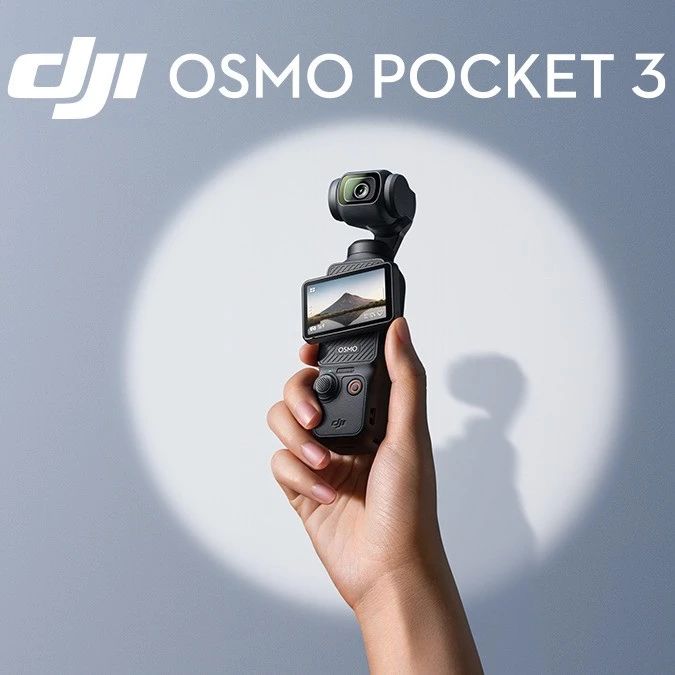
Core Viewpoint - The article discusses the significant success of DJI's Osmo Pocket 3, highlighting its sales performance and the competitive landscape as other companies enter the handheld camera market. Group 1: DJI's Success with Pocket 3 - DJI's Osmo Pocket 3 has sold over 10 million units since its launch in October 2023, generating revenue close to 200 billion [2] - The initial sales forecast for Pocket 3 was 30,000-40,000 units, which was later revised to 1 million and finally reached 5 million units sold [2] - The expected revenue from DJI's handheld products, including Pocket 3 and the newly launched Osmo 360 camera, is projected to exceed 500 billion this year, contributing to an overall revenue estimate of 850-900 billion for DJI [2] Group 2: Competitive Landscape - Other smartphone manufacturers, including OPPO and vivo, are actively developing their own versions of pocket cameras, with vivo reportedly assembling a team of nearly 100 people for this project [3] - Xiaomi has partnered with Haohan to create a competing gimbal camera, targeting the lower-end market and differentiating itself from DJI's offerings [4] - The competitor, Innosilicon, has also restarted its Pocket project, indicating the growing interest in this product category [5] Group 3: Challenges in Developing Pocket Cameras - The complexity of creating a pocket camera lies in miniaturizing the gimbal and body while accommodating a 1-inch image sensor and advanced image processing chips [8] - Previous attempts to create similar products faced challenges such as overheating and poor user experience due to modular designs [8] - The supply chain issues, particularly with the 1-inch CMOS sensor from Sony and motor module production, have contributed to the ongoing shortages of Pocket 3 [9][10] Group 4: Technological Barriers - The development of the camera motor module is particularly challenging due to the need for precision and the use of glass lenses, which significantly increase weight and complicate motor design [11] - The technology behind the gimbal stabilization and motor control is complex, requiring advanced algorithms and sensor integration [12] - Despite the advancements in technology, competitors struggle to differentiate their products from DJI's, making it difficult to capture market share [12][13] Group 5: Market Positioning and User Base - DJI's Pocket series has successfully expanded its user base over three generations, evolving from content creators to a broader audience, including vloggers and casual users [14][15] - The third generation, Pocket 3, has introduced features like beauty filters and color adjustments, further appealing to female users [15] - Competitors must find significant differentiation to compete effectively with DJI, as replicating the product without unique features may not yield profitable margins [15]
马斯克正式起诉OpenAI和苹果,电商成为小红书一级入口 | 蓝媒GPT
Sou Hu Cai Jing· 2025-08-26 10:48
Group 1: Legal Actions and Allegations - Musk's company xAI has filed a lawsuit against OpenAI and Apple, accusing them of illegal collusion to hinder competition in the AI sector [1] - Musk claims that Apple is violating antitrust laws by favoring OpenAI in its app store rankings, making it difficult for other AI companies to compete [1] - Musk has threatened immediate legal action against Apple and questioned why Apple has not included xAI's applications in its recommended section [1] Group 2: E-commerce Developments - Xiaohongshu has launched a new version of its app, making e-commerce a primary entry point, indicating a significant investment in its e-commerce business [1] - The new version features a "Market" page in the bottom navigation bar, positioned near the main "Home" page, showcasing Xiaohongshu's lifestyle e-commerce offerings [1] Group 3: Technology and Product Innovations - Zhixiang Future has introduced a new self-regressive image editing framework called VAREdit, which executes user commands accurately and improves editing speed to 0.7 seconds [1] - Multiple smartphone manufacturers, including Vivo, Honor, Xiaomi, Huawei, and OPPO, are entering the mixed reality (MR) and augmented reality (AR) markets, reflecting a strategic shift towards new human-computer interaction opportunities [2] - Meta Platforms plans to unveil a new type of smart glasses with a display at the upcoming Connect conference, priced around $800, indicating ongoing expansion in augmented reality and wearable technology [3]
折叠屏出货增速刹车,华为占据中国75%份额
Guan Cha Zhe Wang· 2025-08-26 07:01
Core Insights - The global foldable smartphone market is projected to reach approximately 19.83 million units in 2025, with a year-on-year growth of 6.0%, and is expected to approach 27.29 million units by 2029, reflecting a five-year compound annual growth rate (CAGR) of 7.8% [1] - China has officially surpassed other markets to become the largest foldable smartphone market globally, driven by a mature local supply chain, high consumer acceptance of cutting-edge technology, and manufacturers' precise capture of user demands [1][3] - The market share of China in the global foldable smartphone market is expected to remain above 40% over the next five years, leading innovation and driving the global adoption of foldable technology [1] Market Performance - In the first half of 2025, China's foldable smartphone shipments reached 4.98 million units, marking a year-on-year increase of 12.6%, despite a slowdown compared to previous years [3] - Huawei maintained its leading position in the foldable market with a shipment of 3.74 million units, capturing 75% of the market share, achieving a historical high [5] - Honor, despite not launching new products in the first half of the year, held a market share of 8.4%, while OPPO, Xiaomi, and vivo showcased diverse market vitality with shares of 6.1%, and lower percentages respectively [6] Future Trends - The foldable smartphone market in China is expected to reach 9.47 million units in 2025, with a modest year-on-year growth of 3.3%, indicating a stabilization compared to the previous year [8] - As hardware innovation faces limitations, the focus will shift towards software upgrades, marking a transition to a "software-defined hardware" phase in the foldable industry [10] - Manufacturers are encouraged to deepen collaboration with developers to enhance the large-screen ecosystem and explore the integration of AI technology to maximize productivity potential in various applications [10]
