
良品铺子

Search documents
盐津铺子的“增长神话”,是零食行业的“幸存者偏差”吗?
Sou Hu Cai Jing· 2025-11-29 04:41
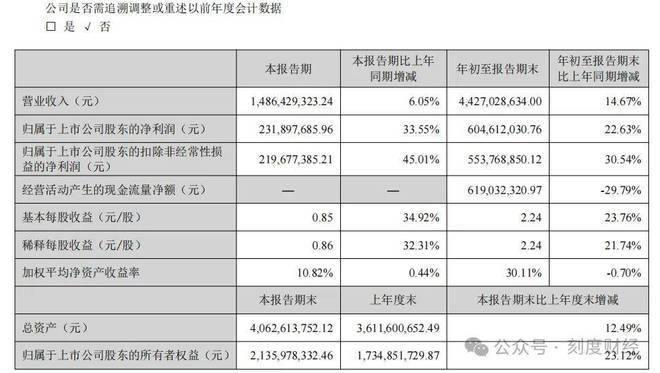
Core Insights - The snack industry is experiencing intense competition, with companies like Salted Fish and others facing challenges in profitability despite revenue growth [1][3] - Salted Fish has shown resilience, reporting a revenue of 44.27 billion yuan and a net profit of 6.05 billion yuan for the first three quarters of 2025, marking year-on-year growth of 14.67% and 22.63% respectively [1][3] - The company is expanding its market presence by targeting high-end channels and investing in a production base in Thailand [3][19] Financial Performance - For Q3 2025, Salted Fish achieved a revenue of 14.9 billion yuan, a 6.1% increase year-on-year, with a net profit of 2.3 billion yuan, reflecting a significant 33.6% growth [1][3] - The company's gross margin improved by 1.0 percentage points to 31.6%, driven by higher sales of high-margin konjac products and optimization of product structure [3][5] - The first three quarters of 2025 saw a net profit margin of 13.66%, with a cash flow from operating activities of 619 million yuan, indicating a decline of 29.79% [2][8] Market Position and Strategy - Salted Fish has successfully captured market share in the high-end snack segment while also expanding its distribution channels, covering over 40,000 retail outlets [5][15] - The company relies heavily on its konjac products, which accounted for 26.9% of total revenue in the first half of 2025, with a staggering year-on-year growth of 155.10% [10][12] - Despite its successes, Salted Fish faces challenges due to over-reliance on a single product category and the potential for market saturation [12][13] Industry Challenges - The snack industry is shifting from a focus on channel expansion to a need for innovation and efficiency, with many companies struggling to adapt [9][16] - Salted Fish's growth strategy has not addressed fundamental industry issues such as product homogeneity and weak innovation capabilities [9][17] - The competitive landscape is intensifying, with companies needing to enhance supply chain efficiency and product differentiation to maintain market relevance [16][20] Future Outlook - The snack market is projected to exceed 3.8 trillion yuan in 2025, but the underlying challenges of low entry barriers and intense competition remain [20][21] - Salted Fish's current growth model, which capitalizes on health trends and channel advantages, may not be sustainable in the long term without significant innovation and market adaptation [20][21] - The company must transition from being a beneficiary of market trends to a creator of lasting value to avoid potential declines in growth [21]


炒货刺客,在山姆跌了一跤
3 6 Ke· 2025-11-27 10:19
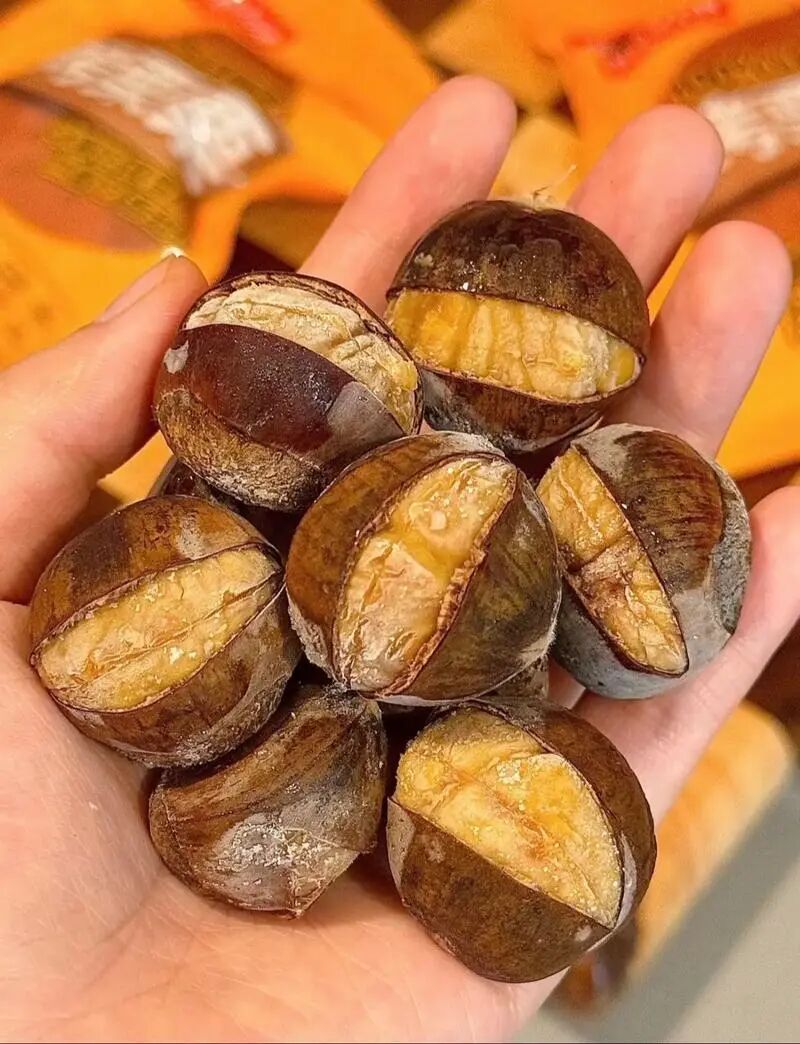
Core Viewpoint - The recent controversy surrounding Sam's Club's introduction of Xueji snacks, specifically roasted chestnuts and sweet potatoes, highlights the tension between premium pricing and consumer expectations for value in the snack industry [1][3][19] Company Overview - Xueji Snacks began as a small stall in Jinan, Shandong in 1992 and has evolved into a national brand with over 1200 stores, focusing on high-quality snacks [4][9] - The brand has gained significant attention and investment, securing 600 million yuan in Series A funding in 2022, with plans to expand to 4000 stores within five years [9][19] Product Strategy - Xueji's product offerings include traditional snacks like sunflower seeds and peanuts, as well as innovative items like milk dates and fruit snacks, catering to changing consumer preferences for health and quality [4][6] - The company emphasizes freshness and quality, sourcing ingredients from key regions and employing advanced processing techniques [6][9] Market Trends - The Chinese snack market is projected to reach approximately 1.4 trillion yuan in 2024, with a growth rate of 5.3%, indicating a robust demand for premium snacks [6][9] - Despite the growth potential, the industry faces challenges as consumer preferences shift towards value and quality, leading to a decline in sales for some high-priced brands [10][19] Consumer Sentiment - There is a polarized consumer response to Xueji's pricing strategy, with some praising the quality and affordability compared to traditional stores, while others criticize the high prices and perceived decline in product quality [3][11][19] - Concerns have been raised about the use of additives in some products, leading to negative perceptions among health-conscious consumers [11][12] Competitive Landscape - Xueji faces increasing competition from other snack brands that emphasize freshness and quality, which may dilute its core advantage [12][19] - The brand's expansion strategy includes opening up to franchise opportunities and enhancing its online presence to reach a broader audience [16][18] Financial Performance - Xueji's store expansion has not met initial targets, with only 736 stores opened by the end of 2022, and fewer than 200 new stores added in 2023 [14][19] - Other premium snack brands, such as Liangpinpuzi and Three Squirrels, are also experiencing revenue declines, indicating a broader trend in the high-end snack market [14][19]
企业想转型跨界卖咖啡?成都24小时内“马上办”
Xin Hua Wang· 2025-11-27 09:14
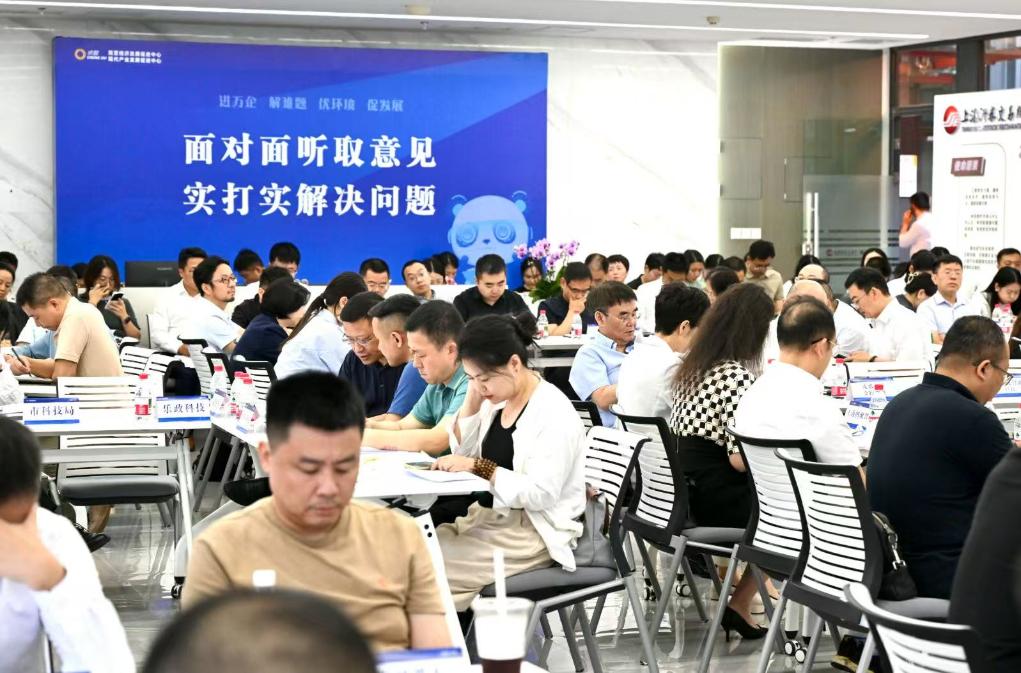
搭建起高效畅通的政企"连心桥","成都政企交流微信群"成员超过350名,包括全市党政相关领导、几十个部门负责人及近200名企业负责 人,大家线上"面对面",企业诉求跟踪办理直接点对点"一键直达"。 从问题提出到解决,整个过程不到24小时。这背后是多部门为企业争分夺秒服务的缩影。 原来,杨陵江所在企业的商超门店想跨界卖咖啡,这事看起来简单,但实际操作时却遭遇经营许可的政策瓶颈,怎么办? 一筹莫展之际,在成都市民营经济发展促进中心举办的民企座谈会上,杨陵江提出了这一问题。 "中午提出问题,下午得到解决,效率太高了!"——在"成都政企交流微信群"里,成都壹玖壹玖酒类平台科技股份有限公司董事长杨陵江的 一条点赞信息引发大家关注。群内后续回复中,相关部门的一句"有需必应、无事不扰"更是成都持续优化营商环境的生动注脚。 杨陵江所在企业的门店增加了咖啡业务。(受访者供图) 一个问题得到解决,带动一批企业获益。这种快速反应机制,不仅体现在个案处理上,更转化为系统性的服务提升。 针对企业新业态、新需求,成都市市场监管局出台并完善了"简易食品加工许可"指导意见,让连锁企业在店内增加蒸煮类轻食加工项目变得 更便捷。 2025年9月 ...
消费赛道格外热闹!顶级资本正在大手笔“抄底”
Zheng Quan Shi Bao· 2025-11-27 00:57
Core Insights - The recent surge in mergers and acquisitions in the consumer sector contrasts with the sluggish growth of the consumption market, raising questions about the underlying investment logic of top-tier capital [1][4]. Group 1: Current Market Conditions - The retail sales of consumer goods in China reached 36.59 trillion yuan in the first three quarters, showing a year-on-year growth of 4.5%, which is still below the 8% growth rate of 2019 [1]. - The performance of listed companies in the consumer sector reveals significant disparities, with major players like Kweichow Moutai and Yum China experiencing slowed growth compared to previous years [2]. - Smaller food and beverage companies are facing considerable operational pressures, with many reporting declines in both revenue and net profit [2]. Group 2: Investment Logic Behind Mergers - The cash flow of target companies is robust, providing a solid foundation for investment despite the slowdown in revenue and profit growth [4]. - The brands being targeted possess strong brand influence and established networks, which are seen as critical for future growth [5]. - The current market downturn presents a favorable opportunity for capital to acquire these brands at lower prices, allowing for potential value enhancement through improved governance and operational efficiency [5]. Group 3: Future Trends in the Consumer Market - The consumer market is expected to face challenges due to slowing income growth and increased savings, which will test the resilience of companies [6]. - Companies are increasingly optimizing their business structures by divesting non-core assets and focusing on high-quality resource integration [6]. - Three key trends are emerging: innovation in cost-performance, the rise of niche products that provide immediate satisfaction, and growth in self-improvement sectors such as health investments and knowledge-based services [6]. Group 4: Capital Market Dynamics - The challenges of exiting investments in the domestic capital market are influencing the selection of investment targets and strategies [7]. - Capital is shifting towards a "long-term battle" approach, favoring structures that allow for continuous returns through dividends rather than relying solely on IPOs for exits [7].
新消费派丨“IP+食品”联名热潮涌动 情绪消费撑起增长“新赛道”
Xin Hua Cai Jing· 2025-11-26 09:06
分析人士指出,在万亿级食品市场竞争日趋同质化的当下,"味觉+情感"的双重赋能模式,正重塑消费逻辑与行业格局,成为品牌破局增长的关键密码。 新华财经上海11月26日电(记者 杨溢仁)当DQ与三丽鸥联名的冰激凌引发抢购热潮,好利来与哈利·波特联名的海格蛋糕实现月销千万,IP与食品的跨界联 名正从"营销噱头"升级为消费市场的核心趋势。 图为DQ门店中占据"C位"的三丽鸥联名系列(记者 杨溢仁摄) 分析人士表示,在万亿级食品市场竞争日趋同质化的当下,这种"味觉+情感"的双重赋能模式,正重塑消费逻辑与行业格局,成为品牌破局增长的关键密 码。 "IP+食品"破圈联名层出不穷 当前"IP+食品"的联名市场呈现出了"百花齐放"的繁荣景象。 例如,瑞幸咖啡借《黑神话:悟空》联名吸引了大量男性玩家,打破了用户结构单一的困境;奶茶品牌古茗与热门乙女游戏《恋与深空》的合作则实现了互 相引流,游戏玩家可能为了获得游戏周边产品去购买奶茶,而古茗的顾客也可能因此对游戏产生兴趣。 与此同时,国风IP在赋能品牌价值提升方面的作用也不容小觑。无论是霸王茶姬携手国内顶级文化IP——故宫,推出了"故宫·茶世界"特展,还是DQ南京首 家手工定制蛋糕店 ...

县城零售,冰火两重天
虎嗅APP· 2025-11-23 10:01
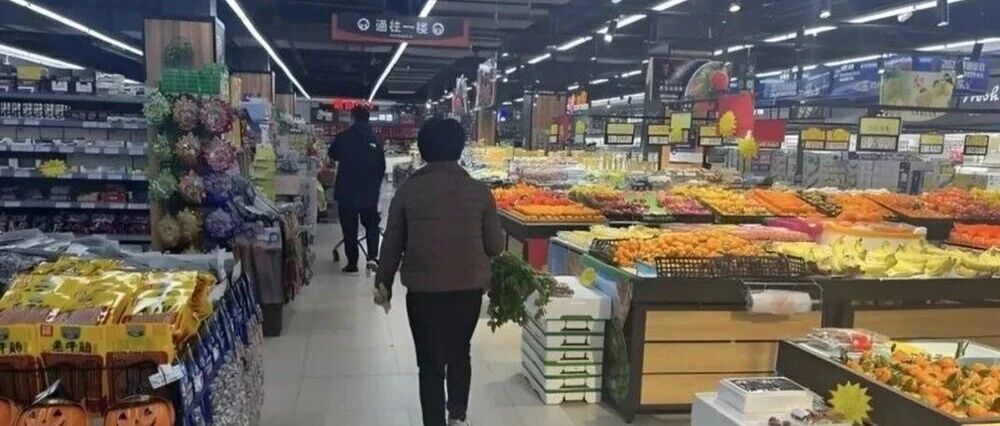
Core Viewpoint - The retail landscape in county-level cities is experiencing a stark contrast, with discount stores thriving while traditional supermarkets and convenience stores struggle to survive [2][11][30]. Group 1: Retail Performance Disparity - In a county commercial street, a well-established cooked food store is thriving, selling around 500 kg of cold dishes daily, while nearby stores face poor sales [3][6][8]. - Discount stores are attracting significant customer traffic, with one store reporting daily sales of 5,000 yuan in its first month and reaching over 10,000 yuan during peak periods [15][17]. - Traditional supermarkets are witnessing a drastic decline in sales, with one store's weekend sales dropping from 7,000-8,000 yuan to 3,000-4,000 yuan, reflecting a nearly 50% decrease in revenue over two years [19][21]. Group 2: Consumer Behavior Changes - Consumers in county areas are increasingly price-sensitive, with 71% prioritizing cost-effectiveness in their shopping decisions, significantly higher than the 58% in first- and second-tier cities [17][30]. - The shift towards online shopping is notable, with the proportion of online purchases in county areas rising from 32% in 2019 to 58% in 2024 [32]. Group 3: Industry Trends and Challenges - The number of discount stores is rapidly increasing, with a projected growth of 67% in 2024, particularly in county markets where over 55% of new stores are located [17][30]. - Convenience stores are facing high closure rates, with an 18% closure rate in county areas, compared to 12% in first- and second-tier cities [24]. - The restaurant industry is also struggling, with a closure rate of 16% in county markets, indicating a challenging environment for many dining establishments [28]. Group 4: Structural Changes in Retail - The retail industry is shifting from a "big and comprehensive" model to a "small and specialized" approach, with businesses focusing on niche markets to enhance competitiveness [34][36]. - Rising operational costs, particularly in rent and labor, are reshaping the industry landscape, making it difficult for traditional supermarkets to maintain profitability [36][37]. - Capital investment is increasingly favoring growth-oriented sectors like discount stores and specialty shops, leaving traditional retail formats with limited funding opportunities [37][38].
全国最“硬核”的饼干,一年3万吨,卖到上市
东京烘焙职业人· 2025-11-23 08:33
Core Viewpoint - The article discusses the success of Shandong Qingshi, a company that has dominated the calcium milk biscuit market in Shandong for over 70 years, achieving significant revenue and profit growth while maintaining a strong regional presence [3][5][6]. Company Overview - Shandong Qingshi was established in 2016, focusing on new consumption and retail sectors [2]. - The company has become a regional giant with its calcium milk biscuits, which have been a staple for three generations in Shandong [4][6]. Market Position - Qingshi holds over 80% market share in Shandong's calcium milk biscuit market, selling 31,000 tons last year, generating revenue of 526 million yuan and nearly 100 million yuan in net profit [5][11]. - The company’s revenue grew by 7.47% year-on-year, while net profit increased by 13.20%, marking a five-year high [7][11]. Product Significance - Calcium milk biscuits are considered essential nutrition for children in Shandong, comparable to milk powder, and were included in "planned supply" during their early years [8][11]. - The product has a strong cultural significance in Shandong, contributing to its widespread acceptance and consumption [10][12]. Regional Focus and Challenges - Qingshi's market penetration is nearly universal in Shandong, but it has limited presence outside the province, with less than 5% market share nationally [11]. - The company faces challenges in expanding beyond Shandong due to weak distribution networks and high brand education costs in other regions [11][12]. Competitive Landscape - The national biscuit market is dominated by larger players like Dali Foods, which reported over 20 billion yuan in revenue, significantly overshadowing Qingshi [12]. - New consumer brands are capturing younger demographics through online marketing, posing additional challenges for Qingshi in terms of brand influence and product innovation [12].
全域洞察报告-一财商学院
Sou Hu Cai Jing· 2025-11-23 08:18
Core Insights - The report from Yicai Business School indicates that China's e-commerce has entered an era of "omni-channel operation," shifting from a concentrated platform structure to a more diversified one, requiring merchants to overcome barriers such as data fragmentation and fragmented consumer decision-making [1][12]. Group 1: Omni-Channel Operation - The core logic of omni-channel operation is to break down barriers between scenarios and channels, encompassing four dimensions: marketing and transaction integration, online and offline integration, public and private domain integration, and content and shelf integration [1][13]. - Merchants need to focus on omni-channel customer acquisition and refined operations, while platforms take the lead in logistics and fulfillment infrastructure [1][2]. Group 2: Four Key Elements - The four key elements for building the foundation of omni-channel operation are price power, content power, product nicknames, and private domain management [2][3]. - Platforms like JD, Pinduoduo, and Taobao are competing for consumer price sensitivity through strategies like "hundred billion subsidies," while merchants can participate by improving supply chain efficiency and offering discounts [2][3]. Group 3: Direct-to-Consumer (DTC) Model - The "China Enterprise Omni-Channel DTC Insight White Paper" reveals that 67% of surveyed companies have been engaged in omni-channel DTC for over three years, focusing on consumer-centric strategies and data integration [2][3]. - A case study of a typical company, Liangpinpuzi, demonstrates effective omni-channel collaboration through data integration and marketing decentralization [2]. Group 4: Platform Strategies - Different platforms have distinct operational strategies: Xiaohongshu focuses on internal marketing loops, Douyin connects content and shelves through a "star-push-search-direct" model, and Taobao maintains its traffic operation base through a five-star pricing strategy [3][12]. - The report discusses the need for merchants to adapt their strategies based on platform characteristics and product attributes [3]. Group 5: Future Trends - The future of omni-channel operation is expected to evolve towards refinement and intelligence, requiring merchants to balance short-term sales with long-term brand value [3][12]. - The report emphasizes the importance of data integration tools to enhance organizational efficiency and break down data silos [2][3].

2024零食行业发展趋势报告:市场变革下的新一轮增量
Sou Hu Cai Jing· 2025-11-23 08:03
Core Insights - The snack industry in China has entered a "micro-growth era" with a slight decline in market size, down 3.5% year-on-year in 2023, indicating a shift from double-digit growth to single-digit growth [1][13][8] - Channel diversification is a key driver of market transformation, as consumer sensitivity to prices increases, leading to a shift from reliance on single channels to a multi-channel approach [1][3][27] Market Dynamics - The snack industry is characterized by a "large industry, small enterprises" competitive landscape, with the top five companies holding less than 15% market share [1][14] - The rise of discount channels, particularly volume discount stores, has become a significant source of growth, offering lower prices by reducing markup in the supply chain [2][23] - Traditional channels like key account (KA) stores have a markup rate of up to 60%, while volume discount channels maintain a markup of approximately 36% [2] Online Sales Transformation - Content e-commerce platforms like Douyin and Kuaishou are reshaping online sales dynamics, with the live e-commerce market growing by 66% year-on-year in 2023 [2][27] - The sales volume of snack products on Douyin has seen significant growth, although the average transaction value has decreased, reflecting a trend of "exchanging price for volume" [2][27] Structural Adjustments - The snack industry is undergoing profound structural adjustments, driven by channel diversification and rational consumer behavior, leading to a focus on high cost-performance products [3][27] - Brands need to adapt to these channel changes and optimize product structures and supply chain efficiencies to maintain competitive advantages [3][27] Future Outlook - The competition in the snack industry is expected to increasingly emphasize channel innovation and cost control, potentially leading to a market concentration around brands with comprehensive capabilities [3][27]
良品铺子:公司将通过努力做好生产经营,提升投资价值
Zheng Quan Ri Bao Wang· 2025-11-21 11:41
Core Viewpoint - The company, Liangpinpuzi (603719), expressed its commitment to enhancing investment value through improved production and operations in response to investor inquiries on November 21 [1] Group 1 - The company aims to enhance its investment value by focusing on operational efficiency and production quality [1]
