问界

Search documents
碳酸锂:现货招投标高位,偏强运行
Guo Tai Jun An Qi Huo· 2025-10-29 01:46
Group 1: Report Industry Investment Rating - The report indicates that the trend strength of lithium carbonate is 1, suggesting a "moderately strong" outlook [4]. Group 2: Core Viewpoints of the Report - The lithium carbonate market is in a state of high - level spot bidding and is expected to run strongly [1]. Group 3: Summary by Relevant Catalogs 1. Fundamental Tracking - **Futures Contracts**: For the 2511 contract, the closing price was 80,800, with a change of - 320 compared to T - 1. The trading volume was 64,993, down 4,495 from T - 1, and the open interest was 36,653, a decrease of 12,932 from T - 1. For the 2601 contract, the closing price was 81,640, down 260 from T - 1. The trading volume was 729,307, an increase of 214,852 from T - 1, and the open interest was 488,803, up 5,325 from T - 1 [1]. - **Warehouse Receipts**: The warehouse receipt volume was 27,335, a decrease of 404 from T - 1 [1]. - **Basis**: The basis of spot - 2511 was - 2,300, and that of spot - 2601 was - 3,140. The basis of 2511 - 2601 was - 840 [1]. - **Raw Materials**: The price of lithium spodumene concentrate (6%, CIF China) was 925, up 19 from T - 1. The price of lithium mica (2.0% - 2.5%) was 2,065, up 75 from T - 1 [1]. - **Lithium Salts**: The price of battery - grade lithium carbonate was 78,500, up 1,950 from T - 1. The price of industrial - grade lithium carbonate was 76,300, up 2,000 from T - 1 [1]. 2. Macroeconomic and Industry News - **Price Information**: The SMM battery - grade lithium carbonate index price was 78,553 yuan/ton, a daily increase of 1,958 yuan/ton. The average price of battery - grade lithium carbonate was 78,500 yuan/ton, up 1,950 yuan/ton from the previous workday, and the average price of industrial - grade lithium carbonate was 76,300 yuan/ton, up 2,000 yuan/ton [2]. - **Automobile Industry**: Chery Automobile announced a purchase tax subsidy plan, and currently, 10 brands have announced similar plans [2][4]. - **Mining Rights**: A subsidiary of Dazhong Mining Co., Ltd. obtained a 30 - year mining license for the Hunan Jijiaoshan lithium mine, with an annual production capacity of 80,000 tons of lithium carbonate [4].
理想i6的对手是谁,影响最大的是哪个?5位一线销售聊聊各自情况
车fans· 2025-10-29 00:30
Core Viewpoint - The launch of the Li Auto i6 has shown strong sales performance, with a focus on market comparison against competitors like Tesla and Xiaomi, highlighting the i6's advantages in configuration and pricing [1][3]. Group 1: Sales Performance and User Demographics - The i6 has a delivery cycle of 13-16 weeks, with no significant drop in customer traffic observed [3]. - The user base is predominantly younger, mainly from the 90s and 00s generations, attracted by reasonable pricing and substantial initial sales benefits [3]. - Customers appreciate features like air suspension and NVIDIA chips, which were previously exclusive to higher-end models [3]. Group 2: Competitive Analysis - Users primarily compare the i6 with Tesla and Xiaomi, noting that the i6 offers higher configurations at a lower price, along with advantages in range and space [3]. - Some customers still prefer Tesla for its brand reputation and shorter waiting times, while others choose Xiaomi for its aesthetics [3]. - The i6 has received some complaints regarding its low chassis and non-electric front trunk, but overall customer satisfaction remains high [3]. Group 3: Impact on Competitors - The i6's success has notably affected models like the Zhijie R7 and Aito M7, with the R7 being favored for its design and value [5]. - There has been a noticeable shift of customers from the Xiaomi YU7 to the i6, driven by tax incentives and long wait times for deliveries [8]. - The i6's entry into the market has created competitive pressure on other brands, particularly NIO and Tesla, as it captures a significant share of the same price segment [8][13]. Group 4: Market Environment and Future Outlook - The main competitors for the i6 include Xiaomi YU7, Li Auto's own L6/L7/i8, Aito M7, and NIO ES6, with the most significant impact expected on Li Auto's own models [10]. - The market for large electric SUVs is growing, with many buyers transitioning from hybrid or extended-range vehicles to fully electric options [10]. - The i6's competitive pricing and brand reputation are expected to maintain its strong market position, despite the presence of established competitors [10].


细分赛道多强竞争,极氪7X携137项标配“杀”到21.98万
Guo Ji Jin Rong Bao· 2025-10-28 15:06
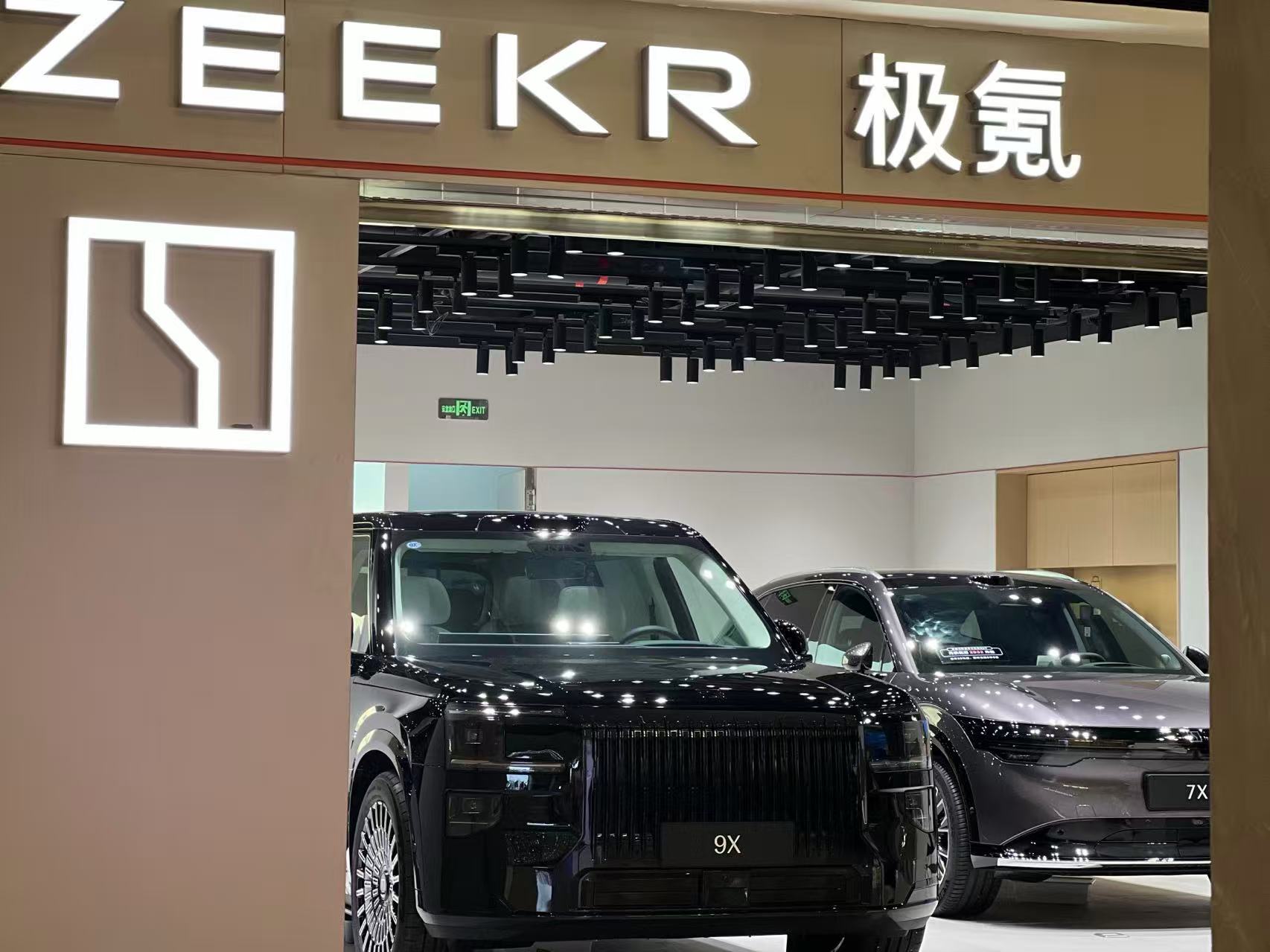
Core Insights - Zeekr 7X officially launched on October 28, with three configurations priced between 229,800 to 269,800 yuan, and a limited-time price after trade-in ranging from 219,800 to 259,800 yuan [1] Group 1: Product Features - The Zeekr 7X focuses on "family needs" with 137 luxury features standard across all models, including a 900V architecture and ultra-fast charging capabilities of 5.5C/6C, allowing for 80% charge in just 10 minutes with a 103 kWh battery, and a range of 802 km [3] - The four-wheel drive version boasts a 0-100 km/h acceleration in 2.98 seconds, featuring advanced air suspension and intelligent anti-slip systems, balancing performance and off-road capability [3] - The vehicle offers a spacious interior with an 83.34% usable area, providing 1187 mm of rear legroom, and includes MPV-level rear therapeutic and smart configurations to meet family demands [3] - Safety features include 10 advanced safety technologies and a 720° active protection system, achieving a five-star rating from both NCAP certifications [3] Group 2: Market Performance - The Zeekr 7X has become a best-selling model, with over 100,000 units delivered within a year of its launch on September 7, making it the top-selling pure electric SUV from a Chinese brand with sales exceeding 200,000 units [3] - In September, domestic sales of the Zeekr 7X reached 5,524 units, marking a year-on-year increase of 24.05%, accounting for 35.23% of total sales [3] Group 3: Competitive Landscape - The market for pure electric SUVs priced between 200,000 to 300,000 yuan is highly competitive, with Tesla Model Y leading monthly sales at 48,000 units, although it offers relatively basic configurations [3] - Competitors like Li Auto L7 and Aito M7 have monthly sales below 10,000 units, relying heavily on range-extending technology, while Xiaomi YU7, despite standard laser radar, is priced over 30,000 yuan higher [3] - Zeekr aims to break through the competition by offering "high-end configurations across the board at affordable prices," with its 900V architecture and laser radar driving features being top-tier in the segment but priced 10%-15% lower than competitors [4]
又有重磅新品发布!增程车越造越多,但销量有点“涨不动了”;会被纯电车取代吗?多位专家解读→
Mei Ri Jing Ji Xin Wen· 2025-10-28 13:12
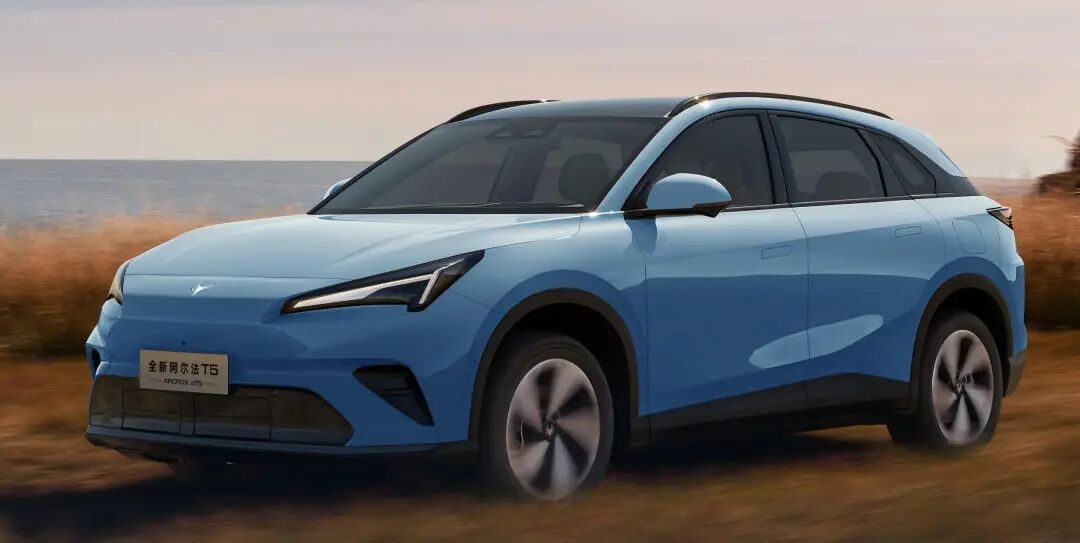
Core Viewpoint - The market for range-extended electric vehicles (EREVs) is experiencing slower growth compared to pure electric vehicles (BEVs), with an increasing number of manufacturers entering the EREV segment, yet the sales growth of EREVs is lagging behind that of BEVs and plug-in hybrid electric vehicles (PHEVs) [1][3][12]. Market Overview - The new Arcfox Alpha T5, a mid-size SUV featuring a range-extended power system, was launched on October 28, marking the brand's first model with this technology [1]. - Xiaopeng Motors is set to unveil the Xiaopeng X9 super range extender in November, while GAC Aion's i60 will also debut in the same month, both being the brands' first forays into range-extended vehicles [3]. - By 2025, over 20 range-extended models are expected to be released or planned, indicating a growing interest in this segment [3]. Sales Data - In September, the wholesale sales of pure electric vehicles reached 947,000 units, a year-on-year increase of 32.4% and a month-on-month increase of 16.2%. In contrast, EREV sales were 129,000 units, with a year-on-year growth of 8.7% and a month-on-month increase of 24.1% [3][4]. - The market share of pure electric vehicles was 63% in September, while EREVs accounted for 9%, showing a decline in market share for EREVs compared to previous periods [5]. Competitive Landscape - EREV manufacturers are shifting their strategies to enhance battery capacity and electric range, moving from a "small battery + large range extender" model to a "large battery + small range extender" approach [7][10]. - Recent models like the ZunJie S800 and Xiaopeng X9 feature significantly larger battery capacities compared to earlier EREV models, which may enhance their competitiveness against BEVs [9]. Future Trends - There is a consensus that EREVs will continue to have a role in the market, particularly for consumers in areas with limited charging infrastructure [11][12]. - The automotive industry is expected to see a shift towards pure electric vehicles, with projections indicating that by 2040, 80% of new energy vehicles will be pure electric [13].
保时捷坠入至暗时刻
Hua Er Jie Jian Wen· 2025-10-28 10:36
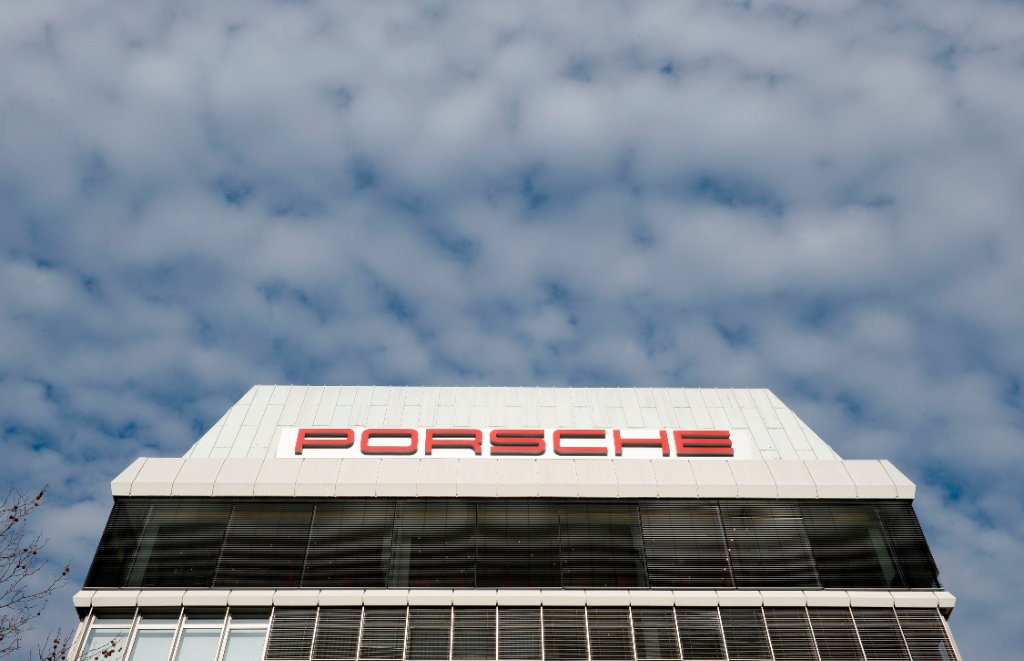
Core Insights - Porsche is facing unprecedented challenges, with a significant decline in profits and sales, particularly in the Chinese market [2][3][4] Financial Performance - In the first three quarters, Porsche's operating profit was only €40 million, a staggering 99% drop from €4.035 billion in the same period last year [2] - The third quarter alone saw a loss of €966 million [2] Market Challenges - The company is under pressure from €3.1 billion in strategic restructuring costs, a sharper-than-expected decline in the Chinese market, and high tariffs in North America [3] - Sales in China have plummeted from 96,000 units four years ago to 56,900 units last year, with a 26% year-on-year decline in the first three quarters of this year [4] Strategic Adjustments - Porsche has announced a restructuring of its battery subsidiary, Cellforce, and plans to introduce more fuel and hybrid models [3][10] - The company is shifting focus back to internal combustion engines while cautiously continuing its electric vehicle strategy [9][10] Competitive Landscape - The luxury car market in China has become increasingly competitive, with domestic brands like NIO and Zeekr entering the high-end segment, impacting Porsche's market share [6][8] - Porsche's entry-level Macan is facing competition from new entrants in the 500,000 yuan price range, which are offering advanced technology and electric capabilities [6] Future Plans - Porsche plans to reduce its dealer network to around 100 by 2026 and invest in first-tier cities to improve operational efficiency [11] - A new CEO, Michael Leiters, has been appointed to lead the company through this challenging period, focusing on addressing deep-rooted issues from its previous success [12]
十年新能源免购置税政策谢幕前夜:超10家车企“自掏腰包”稳订单
Feng Huang Wang· 2025-10-27 08:21
Group 1 - The core viewpoint of the articles highlights a subsidy "battle" among car manufacturers triggered by policy changes regarding the purchase tax for new energy vehicles [1][2] - Chery Automobile announced a purchase tax subsidy plan, offering full subsidies for eligible users to cover the tax difference due to policy adjustments, with a maximum subsidy of 15,000 yuan per vehicle [1] - Other companies like Deep Blue and Xiaomi have also introduced similar subsidy plans to protect consumer rights and avoid additional expenses due to policy changes, with Xiaomi's plan estimated to cost over 2 billion yuan [1][2] Group 2 - The coordinated actions of car manufacturers stem from a joint announcement by the Ministry of Finance, the State Taxation Administration, and the Ministry of Industry and Information Technology regarding the extension and optimization of the purchase tax exemption policy for new energy vehicles [2] - The new policy states that from January 1, 2026, to December 31, 2027, the purchase tax for new energy vehicles will be halved, significantly increasing the cost for consumers purchasing vehicles in 2026 compared to 2025 [2] - Currently, at least 10 brands have announced cross-year purchase tax subsidy plans, indicating a shift in subsidies from being a bonus to a critical competitive tool [2] Group 3 - The automotive industry is experiencing a surge in new vehicle launches, with over 70 new models introduced in September, creating a competitive landscape across various segments [3] - The adjustment of the new energy vehicle purchase tax exemption policy is expected to stimulate consumer purchases before the end of the year, supported by seasonal demand and the introduction of new models [3] - Data from the China Automobile Circulation Association indicates a 35.4% increase in customer engagement in the first half of October compared to September, suggesting a positive trend in order volume [3] Group 4 - The automotive industry faces challenges such as slow domestic demand growth, inventory pressure, and ongoing risks from price wars and geopolitical impacts on supply chains [4] - Recommendations from industry leaders include the gradual implementation of the new purchase tax to mitigate the impact on production capacity and costs, suggesting a phased approach to tax increases starting from March 2026 [4] - The call for a smooth transition to the new purchase tax regime reflects concerns about maintaining industry stability and profitability amid changing market conditions [4]
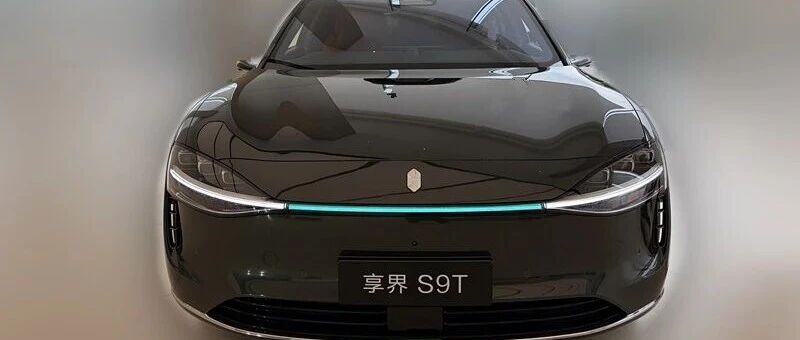
享界S9T:喜欢瓦罐会果断下定,对比最多的是问界和BBA
车fans· 2025-10-27 00:30
Sales Performance - The S9T has generated significant interest, with 75 units sold last month and 27 pre-orders placed before the National Day holiday [2][3] - The most popular configurations are the range-extended Max with a price of 324,800 and the pure electric Max long-range at 329,800 [3] - The best-selling colors are "仙踪绿" (Mystic Green), "寰宇红" (Cosmic Red), and "鎏金黑" (Golden Black) [3][16] Customer Demographics - Customers are primarily divided into two groups: those transitioning from the S9 and those specifically interested in travel vehicles [3] - Notable customers include a graduate student who prefers the S9T for its travel capabilities and a textile factory owner who initially considered luxury brands but was swayed by the S9T's features [6][8] Competitive Analysis - The main competitors identified are the Tesla Model Y and NIO ET5T, although customers often compare various models based on budget rather than fixed competitors [11][12] - The S9T is perceived as a strong alternative to traditional luxury brands, with customers associating it with high-quality manufacturing due to its collaboration with BAIC [6][8] Customer Feedback - Common complaints from customers include concerns about noise insulation due to frameless doors, visibility issues with the steering wheel obstructing the instrument panel, and limited trunk space [18] - Maintenance costs for the range-extended version are approximately 700 yuan per service, while the pure electric version costs around 650 yuan every 20,000 kilometers [20] Marketing and Promotions - The company offers promotional activities for car owners, including points for referrals that can be redeemed for discounts [21] - There are strict price controls on the new model, with penalties for dealerships that offer unauthorized discounts [21]
第三季度汽车品牌影响力指数发布:乘用车格局生变 商用车头部稳固
Zheng Quan Ri Bao Wang· 2025-10-26 10:56
Core Insights - The report indicates a significant shift in the automotive brand landscape, highlighting intense evolution in the passenger car market and stable consolidation in the commercial vehicle market [1][5] Passenger Car Market - Domestic brands occupy seven out of the top ten positions in brand influence, with BYD leading at 784.54 points, followed by Tesla at 780.22 points, showcasing strong local brand performance [2][5] - The new player, AITO, made a remarkable entry into the top five with a score of 767.19, reflecting explosive growth in online presence [2] - Traditional joint venture brands are facing challenges as they maintain sales but experience high complaint volumes, indicating a decline in user satisfaction compared to local brands [2][5] Commercial Vehicle Market - The commercial vehicle sector shows a clearer competitive landscape, with China FAW leading the heavy truck market at 728.99 points, followed closely by China National Heavy Duty Truck and Dongfeng [3] - In the pickup segment, Great Wall maintains a strong lead with 699.74 points, while Changan and SAIC Maxus follow [3] - The light truck market is highly competitive, with Changan leading at 718.38 points, and JAC and Beiqi Foton closely trailing [3] Brand Influence and User Engagement - The report emphasizes the importance of synergy between media presence and user reputation in enhancing brand influence, particularly in the passenger car sector [4] - AITO's rise exemplifies the effective combination of technology, ecosystem, and user satisfaction, supported by a low complaint volume [4] - In the commercial vehicle sector, brand influence is built on reliability and long-term professional credibility, with China FAW showcasing a unique advantage in policy-driven markets [4] Industry Evolution - The third-quarter index indicates a transition in the Chinese automotive industry from scale competition to lifecycle value competition, driven by electrification and intelligence [5] - The focus on brand building has shifted from mere volume growth to a comprehensive competitive strength that includes communication breadth, user reputation, technical capability, and market performance [5]



拆解小米SU7中控屏幕:芯片用料堪称“奢侈”
芯世相· 2025-10-25 01:05
Core Viewpoint - The article discusses the Xiaomi SU7's central control screen, focusing on its chip usage and design features, highlighting both its strengths and areas for improvement [5][71]. Design and Materials - The central control screen of the Xiaomi SU7 is designed as a separate display unit, with the main processing unit hidden within the dashboard, similar to designs used by BYD [6]. - The screen has a thickness of 18mm and utilizes side-lit backlighting, comparable to Tesla and other models [6]. - The screen is manufactured by Huaxing and features a 16.1-inch 3K resolution LCD [6]. - The design incorporates a metal back cover for electromagnetic shielding, which is rare among domestic vehicles [71]. Chip Overview - The article lists several key chips used in the Xiaomi SU7's central control screen: - **LP8866QRHBRQ1**: A Texas Instruments automotive display LED backlight driver with six high-precision current channels, supporting a maximum current of 200mA per channel and a dimming ratio of up to 32000:1 [15][22]. - **MAX96772GTM/V+**: An Analog Devices 6Gbps GMSL2 EDP data transceiver chip, facilitating high-speed data transmission between the camera and display [20]. - **TPS7B6833QPWPRQ1**: A Texas Instruments 500mA automotive LDO with watchdog timer functionality, ensuring stable voltage output for the screen's circuits [23]. - **FS32K144HFT0VLLT**: An NXP high-performance automotive MCU, designed for various electronic applications within the vehicle [28]. - **R7F7010233AFP**: A Renesas automotive MCU, potentially controlling peripheral devices of the central control screen [33]. Functionality and Safety - The use of dual GMSL interfaces in the central control screen suggests a design aimed at enhancing functionality and safety, possibly to meet ASIL-D level safety standards [74]. - The article notes that the mainboard of the central control screen lacks encapsulation and heat sinks, which may be a point of concern for thermal management [75].

今日新闻丨多家车企宣布为购置税政策兜底!众泰汽车公布三季度财报,净亏损2.23亿元!
电动车公社· 2025-10-24 16:00
Group 1 - Multiple automakers have announced purchase tax subsidies to alleviate the burden on consumers due to policy changes [2][5][16] - Xiaomi Auto has launched a comprehensive purchase tax subsidy plan for all its models, offering up to 15,000 yuan for orders locked by November 30, 2025, to address order backlogs [3][7] - Other automakers, such as AITO and NIO, have also introduced purchase tax subsidy plans with specific lock-in dates for orders [9][11][13][15] Group 2 - Zotye Auto reported a net loss of 222.3 million yuan for Q3 2025, although this represents a 33.13% improvement compared to the previous year [17][20] - The company's revenue for Q3 2025 was 139 million yuan, a year-on-year increase of 2.34%, while total revenue for the first three quarters reached 419 million yuan, up 8.98% [17][18] - Zotye Auto's decline in sales and market presence is attributed to a lack of innovation and failure to keep pace with technological advancements in the industry [20]