
高鑫零售

Search documents
2024超市关店3037家,从沃尔玛到永辉,传统零售的最后挣扎
Sou Hu Cai Jing· 2025-11-27 08:26
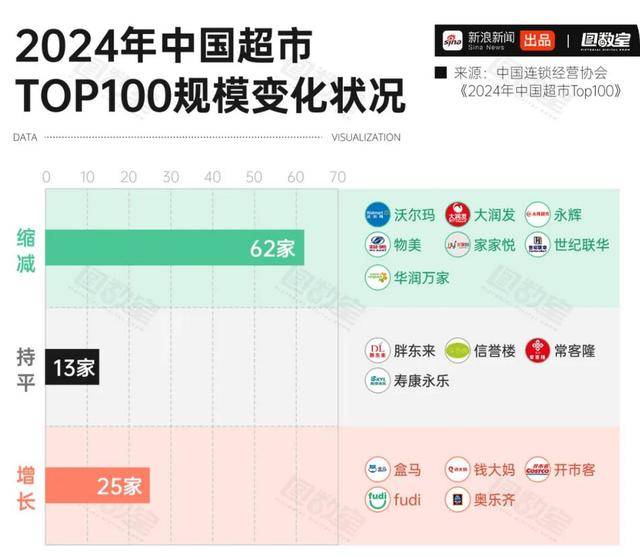
Core Insights - The traditional supermarket industry is facing significant challenges, with major players like RT-Mart, Walmart, and Yonghui closing hundreds of stores, totaling 3,037 closures, averaging 8 stores per day [1][3][25] - Consumer preferences are shifting towards online grocery shopping, with services like Meituan and JD Daojia becoming increasingly popular, leading to a decline in foot traffic at physical stores [5][10][25] - Supermarkets are adapting by transforming stores into fulfillment centers for online orders, but this has resulted in a less appealing shopping experience for customers [7][10][25] Consumer Behavior - Consumers are increasingly reluctant to visit supermarkets due to the inconvenience of travel and long wait times, preferring the convenience of online shopping [3][5] - The perception of supermarkets as a reliable source for fresh produce has diminished, with many consumers now finding online delivery options more appealing [5][10] - Traditional shopping habits are changing, with consumers now focused on efficiency and direct access to desired products rather than browsing [12][15] Supermarket Operations - Supermarkets are reconfiguring their layouts and operations to accommodate online orders, with a significant portion of inventory now designated for online fulfillment [7][10] - The traditional supermarket model, which relied on strategic product placement to encourage impulse buying, is becoming less effective as consumers are more goal-oriented in their shopping [12][15] - Price strategies that once attracted customers are losing effectiveness due to increased price transparency through online comparisons [15][19] Competitive Landscape - New retail formats like Sam's Club and Hema are successfully attracting customers with unique offerings and experiences, such as fresh food and live seafood, contrasting with traditional supermarkets [19][20][25] - Yonghui is attempting to adapt by increasing its online order share and introducing smaller, more focused store formats, but faces challenges in supply chain and digital transformation [23][25] - The retail industry is undergoing a significant transformation, with the survival of traditional supermarkets dependent on their ability to innovate and adapt to changing consumer demands [25][27]


智通港股投资日志|11月26日
智通财经网· 2025-11-25 16:04
股本增发 多想云 (除权日) 智通财经APP获悉,2025年11月26日,港股上市公司投资日志如下: | 类别 | | 公司 | | --- | --- | --- | | | 图达通 | | | | (招股中) | | | | 金岩高岭新材 | | | 新股活动 | (招股中) | | | | 乐摩科技 | | | | (招股中) | | | | 冠忠巴士集团 | | | | 万景控股 | | | | 蒙古能源 | | | | 耀才证券金融 | | | | 信佳国际 | | | 业绩公布日 | 扬科集团 | | | | 环联连讯 | | | | 翠华控股 | | | | 飞道旅游科技 | | | | 医汇集团 | | | | 中关村科技租赁 | | | | 中国供应链产业 | | | | 金辉集团 | | | | 国际娱乐 | | | | 富誉控股 | | | 股东大会召开日 | TOPSTANDARDCORP | | | | 光启科学 | | | | 康希诺生物 | | | | 中国碳中和 | | | | 华检医疗 | | | | 裕丰昌控股 | | | | (复牌) | | | 停复牌 | 当代置业 | ...
渠道洞察特辑Vol.4:区域性连锁零售vs.全国零售:差异化增长逻辑
凯度消费者指数· 2025-11-25 03:52
Core Insights - The article highlights the steady growth of regional chain retail in the context of rapid omnichannel development, emphasizing their unique approach of "community convenience" and "localization" rather than pursuing rapid scale expansion or engaging in price wars [1] Group 1: Market Performance - Regional retailers have shown a 21% year-on-year sales growth as of June 13, 2025, primarily driven by increased penetration rates, indicating potential for further development [1] - The frequency index for fast-moving consumer goods (FMCG) purchases in regional chain retail is 105, while the single purchase volume index is 84, reflecting a trend of frequent but smaller purchases [4] Group 2: Consumer Demographics - The core customer group for regional chain retail consists of middle-aged and elderly families (aged 45 and above), with a buyer index of 108, focusing on essential living needs [6] - These families show a higher consumption of cooking essentials, with spending on condiments and rice being 1.2 times that of the top five national retailers [6] Group 3: Regional Performance - In terms of sales distribution, the Western and Northern regions account for approximately 6% and 5% of sales, respectively, while the Eastern region shows a growth rate of 6.8%, driven by increased penetration [8] - Notable performers in the Eastern region include Hejiafu Supermarket with a 17.7% growth rate and Pang Donglai with a remarkable 41.0% growth, both challenging the perception that regional chains are synonymous with low prices [8] Group 4: Strategic Insights - Regional chain retailers are enhancing their market position through private labels and experiential upgrades, creating opportunities for brand collaboration and targeted product offerings [11] - The Price Packaging Optimization (PPE) tool assists brands in identifying high-potential market segments by analyzing consumer preferences for price and packaging combinations [11][12] Group 5: Competitive Landscape - The growth of regional retailers such as Pang Donglai and Hejiafu demonstrates that higher average price indices (109 and 123, respectively) can coexist with significant growth, countering the notion that low prices are the only path to success [8][9] - In the Northern region, the retailer Biyoute achieved a growth rate of 45.4%, focusing on discount strategies while maintaining quality through optimized SKU and supply chain management [9]
700万贿款背后的商超治理困局:大润发高管贪腐案透视与高鑫零售转型阵痛
3 6 Ke· 2025-11-24 09:19
Core Insights - The case of the former head of the East China Operations of RT-Mart, Guan, highlights systemic corruption within the retail supply chain, revealing a three-year power-money transaction chain involving over 7 million yuan [1][2][3] Group 1: Corruption Case Details - The investigation into Guan's case began with anonymous reports of his interference in bidding processes and asset misappropriation, leading to a two-month police investigation that uncovered a clear trajectory of gradual corruption [2] - Guan established a relationship with a logistics supplier, Xiao, during his tenure in Anhui, receiving gifts to facilitate future corrupt transactions, culminating in a "loan" of over 300,000 yuan without formal agreements [2][3] - Guan's corrupt activities became normalized, with him receiving over 7 million yuan in total, using a complete chain of "bribery-transfer-concealment" to hide his illegal gains [3] Group 2: Corporate Governance and Anti-Corruption Efforts - The timing of Guan's case coincides with a critical period for Gao Xin Retail, the parent company of RT-Mart, as it undergoes a shift in ownership and governance, reflecting varying attitudes towards corporate integrity among different capital stakeholders [4] - Following the acquisition by Dehong Capital, Gao Xin Retail has implemented a multi-level supervision system to investigate corruption cases, requiring suppliers to sign integrity commitments and establishing a public reporting channel for violations [6] - The company has emphasized that individual misconduct does not reflect its overall values, committing to compliance and integrity as core principles, and has initiated personnel adjustments to ensure stable business operations [5][8] Group 3: Financial Performance and Long-term Implications - Gao Xin Retail reported a revenue of 30.502 billion yuan for the six months ending September 30, 2025, with a gross margin of 25.3%, indicating a slight year-on-year improvement [7] - The anti-corruption measures have caused short-term disruptions, including increased logistics costs and operational fluctuations, but are expected to enhance supply chain efficiency and cost control in the long run [7][8] - The retail industry generally faces low profit margins, and reducing hidden costs through anti-corruption efforts is seen as a crucial strategy for improving net profit levels [8] Group 4: Industry-Wide Implications - Guan's case serves as a warning for the entire retail sector, highlighting the significant potential for power rent-seeking in operations, procurement, and logistics, necessitating effective supervision mechanisms [9] - The governance practices of Gao Xin Retail illustrate that ownership changes can drive governance reforms, which must be institutionalized to achieve lasting effects [9] - Companies are encouraged to build transparent supply chains, enhance reporting and accountability mechanisms, and link integrity initiatives to performance assessments to foster a culture of compliance and integrity [9]
蒋凡重整「旧阿里」
3 6 Ke· 2025-11-20 08:24
Core Insights - The article discusses the strategic shift within Alibaba, particularly focusing on the integration of Ele.me into the Taobao ecosystem, reflecting a broader trend of consolidation in the face of competition from Meituan and Douyin e-commerce [3][11][19] Group 1: Company Strategy - Alibaba is restructuring its operations under the leadership of Jiang Fan, who is tasked with ensuring the stability of the "old Alibaba" while supporting the "new Alibaba" focused on cloud and AI [5][11] - The integration of Ele.me into Taobao reflects a shift in strategy, where the brand is being downplayed in favor of Taobao's established presence, indicating a belief that the Ele.me brand has limited utility [3][17] - The decision to rebrand Ele.me as "Taobao Flash Purchase" signifies a move towards a more unified platform aimed at enhancing user engagement and driving sales [11][19] Group 2: Market Dynamics - The competitive landscape has shifted, with Meituan establishing a stronghold in the local delivery market, making it difficult for Ele.me to gain market share despite Alibaba's resources [15][19] - The article highlights the challenges faced by Alibaba in adapting its e-commerce model to the realities of local delivery, where operational efficiency and supply chain management are critical [9][15] - The rise of Douyin e-commerce has further complicated Alibaba's position, as it has drawn users away from Taobao, increasing customer acquisition costs significantly [10][19] Group 3: Financial Implications - Alibaba's investments in the "new retail" concept have not yielded the expected returns, leading to significant financial losses, particularly with Ele.me, which has become a financial burden rather than an asset [9][12] - The article notes that Alibaba has engaged in asset divestitures, including the sale of Intime Retail and Gome Retail, to streamline operations and reduce losses [12][19] - The financial performance of Taobao Flash Purchase is under scrutiny, with projections indicating that its contribution to revenue may fall short of the substantial investments made [19]


亏了1.27亿,大润发计划3年「调改」500店
3 6 Ke· 2025-11-20 03:36
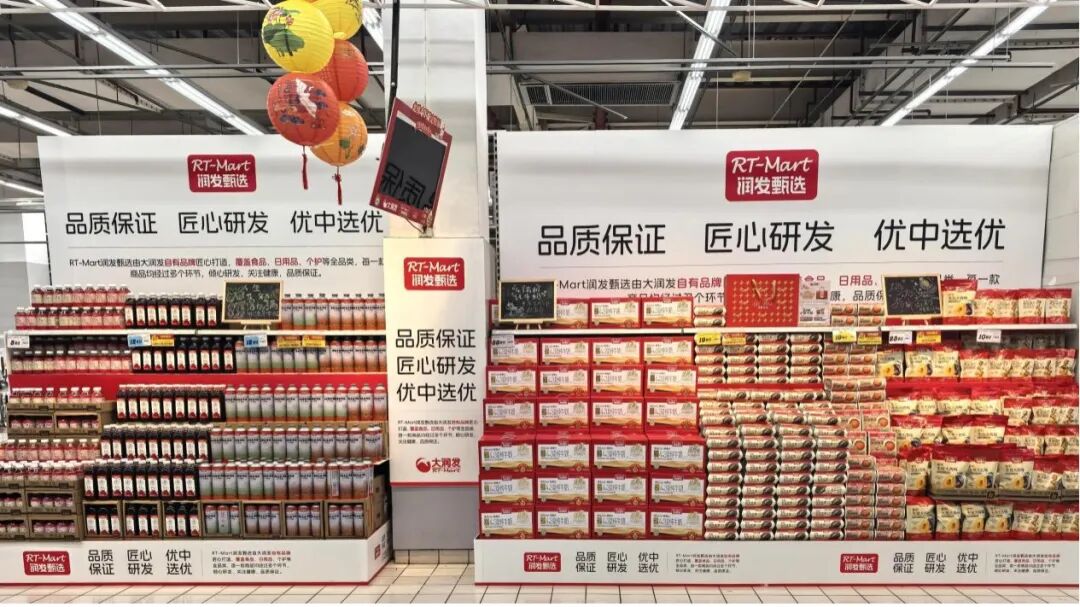
Core Insights - The article discusses the transformation of RT-Mart, highlighting its position as the second-largest supermarket in China, facing challenges in adapting to market changes and consumer preferences [1][2] - Despite efforts to showcase confidence in its transformation, RT-Mart's financial performance remains under pressure, indicating a need for strategic adjustments [2][14] Group 1: Transformation Strategy - RT-Mart plans to accelerate the renovation of 500 stores over the next three years, focusing on a model that combines health products, enjoyable experiences, and attentive service [3][4] - The company aims to shift from a "destination hypermarket" to a "community center" model, requiring a complete restructuring of its product offerings and operational logic [3][11] - A key strategy involves reducing the size of stores from over 10,000 square meters to between 6,000 and 7,500 square meters, and halving the number of SKUs from 16,000-20,000 to streamline product offerings [8][9] Group 2: Financial Performance and Challenges - In the latest financial report, RT-Mart's parent company, Gao Xin Retail, reported a revenue of 30.502 billion yuan, a year-on-year decline of 12.1%, and a net loss of 127 million yuan [1][14] - The B2C business saw a same-store order growth of 7.4% and a sales increase of 2.1%, but a decline in average transaction value poses a challenge to profitability [14] - The company has a cash reserve of 11.958 billion yuan, providing a buffer for operational and strategic initiatives [13] Group 3: Innovations and Opportunities - RT-Mart has initiated a nationwide joint procurement project for pork, which has led to a nearly 20% increase in sales volume and a 4 percentage point rise in gross margin [10][11] - The company is also expanding its private label strategy, with nearly 500 SKUs across over 50 categories, although this currently represents less than 3% of total sales [17][18] - The establishment of front warehouses aims to enhance online sales, with plans to increase the proportion of online sales to 40%-50% over the next three years [14][15] Group 4: Market Position and Future Outlook - RT-Mart's strategic focus on low-tier cities, where 75.8% of its stores are located, provides a favorable environment for its transformation efforts [11][12] - The company faces significant challenges in overcoming the inertia of traditional hypermarket operations while addressing declining revenues and weak core product offerings [18] - The transformation journey is expected to be long and arduous, with the next three years serving as a critical starting point for RT-Mart's revival [18]
高鑫零售(06808.HK):FY26中期经营承压 公布三年战略规划
Ge Long Hui· 2025-11-18 05:29
Core Insights - The company's FY26 interim performance is below expectations, with a revenue of 30.5 billion yuan, a year-on-year decline of 12.1%, and a net loss attributable to shareholders of 120 million yuan, compared to a net profit of 210 million yuan in the same period last year [1][2] Revenue and Performance - Revenue from merchandise retail is 29.08 billion yuan, down 12.4% year-on-year, primarily due to intensified market competition leading to a decrease in average transaction value; same-store sales fell by 11.7% [1] - Online B2C business remains resilient, with order volume increasing by 7.4%, contributing to a 2.1% increase in online same-store sales [1] - Rental income is 1.4 billion yuan, a year-on-year decrease of 7.0%, attributed to rental reductions, tenant structure optimization, and shopping street adjustments [1] - Membership fees generated 18 million yuan, an increase of 28.6% [1] Profitability and Cost Structure - Gross margin increased by 0.7 percentage points to 25.3%, driven by the elimination of low-performing products and improved private label penetration [2] - Sales expense ratio increased by 1.8 percentage points to 23.9% due to rigid costs such as rent; administrative expense ratio decreased by 0.2 percentage points to 2.5% due to organizational optimization [2] - Net profit margin decreased by 0.9 percentage points to -0.4% [2] Strategic Developments - The company announced a three-year strategy to accelerate channel restructuring and product enhancement, aiming to complete over 200 store adjustments by the end of FY27, reducing the number of stores to approximately 6,000 and simplifying SKUs to 15,000 [2] - The company plans to increase the share of private label revenue to 10% by FY28, focusing on health trends and cost-effectiveness [2] - The goal is to expand online sales to account for 40-50% of total sales [2] Earnings Forecast and Valuation - Due to pressure on same-store sales and adjustment costs, FY26/FY27 earnings forecasts have been revised down by 86% and 28% to 100 million yuan and 680 million yuan, respectively [2] - The current stock price corresponds to a FY27 price-to-earnings ratio of 22.8 times; the target price has been adjusted down by 21% to 2.2 HKD, reflecting a 20% upside potential [2]
零售周报|LVMH旗下多店亮相北京;汉堡王中国83%股权花落CPE源峰
Sou Hu Cai Jing· 2025-11-17 14:45
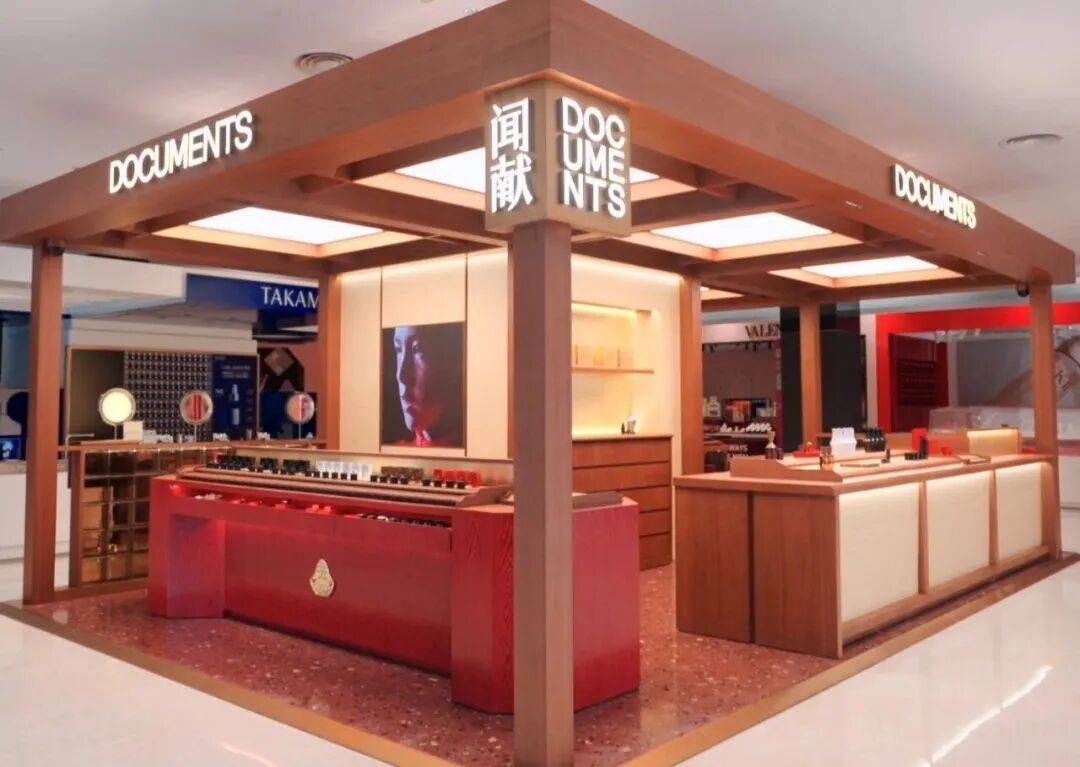
Group 1 - Hainan's new duty-free policy generated over 500 million yuan in sales during its first week, with a year-on-year increase of 34.86% in shopping amount and 3.37% in visitor numbers [1] - The first store of the high-end fragrance brand "Wenxian" opened in Wuxi, featuring a design that integrates local culture and aesthetics [3] - Shanghai Tang opened its first store in South China, showcasing a blend of innovative design and traditional Eastern aesthetics [5] Group 2 - The world's first humanoid robot-themed retail flagship store opened in Shenzhen, featuring interactive robots and a futuristic design [7] - SHEIN opened its first physical store in Paris, with plans to expand to six more locations in France by the end of November [10] - LVMH plans to open several new flagship stores in Beijing in December, marking a significant expansion in the Chinese market [12][13] Group 3 - CPE Yuanfeng acquired an 83% stake in Burger King China, with plans to expand the number of stores from approximately 1,250 to over 4,000 by 2035 [14] - Luckin Coffee's major shareholder is considering a bid for Costa Coffee, which is currently valued at around 1 billion pounds [17] - Haidilao's pizza brand "Xiao Hai Ai Zha" opened its first store in Xi'an, with plans for further expansion [21] Group 4 - Pet food brand "Pet & Fresh" is closing all its stores, with several already marked as closed or paused [22][24] - Sam's Club opened its 60th store in China, located in Yangzhou [26] - Walmart announced a leadership change, appointing John Furner as the new CEO effective February 2026 [27][29] Group 5 - Chaohe Suan NB is expanding nationwide, recruiting for various positions across multiple provinces [31] - JD.com is set to open its first discount supermarket in Beijing, with an area of approximately 5,000 square meters [32] - Richemont reported a 5% increase in total sales, with a significant 17% growth in sales from its four major jewelry brands in the second quarter [33][34] Group 6 - Gao Xin Retail reported a revenue of 30.502 billion yuan for the first half of the fiscal year, with plans to renovate over 200 stores before the next fiscal year [35]

外资餐饮品牌密集“牵手”本土资本 两大巨头共43.5亿美元易主谋变
Chang Jiang Shang Bao· 2025-11-16 23:37
Core Insights - Foreign fast-food brands in China, such as Burger King and Starbucks, are undergoing ownership changes, raising market attention due to factors like local market challenges and increased competition [1][5][12] - The rise of domestic brands like Luckin Coffee and others is disrupting the previously dominant position of foreign brands in the market [1][7] Group 1: Ownership Changes - On November 4, Starbucks announced a change in ownership to Boyu Capital for $4 billion, retaining 40% equity and receiving over $13 billion in brand authorization and service fees over the next decade [4][8] - On November 10, Burger King announced its ownership transfer to CPE Yuanfeng for $350 million, with CPE acquiring 83% of the equity [3][9] - The combined ownership changes of these two brands amount to $4.35 billion, highlighting a significant shift in the market [9] Group 2: Market Dynamics - Starbucks has been in China for 26 years but is facing declining sales, with a 1.4% drop in revenue to $2.958 billion in fiscal year 2024 and a 6% decline in same-store sales in Q1 of fiscal year 2025 [12] - The market share of Starbucks has decreased from a peak of 42% in 2017 to 14% in 2024, while Luckin Coffee has risen to a 35% market share [12][13] - The competitive landscape is intensifying, with domestic brands offering lower prices and better value propositions, leading to significant market share losses for foreign brands [12][14] Group 3: Reasons for Ownership Changes - The ownership changes are attributed to several factors: operational pressures, the need for a shift to a lighter asset model, and the strong emergence of local brands [14][16] - Foreign brands are also facing challenges due to centralized decision-making processes that hinder quick responses to market changes [15] - Domestic investors are attracted to foreign brands due to their established brand recognition and customer loyalty, combined with local operational advantages [16]

高鑫零售(6808.HK):新管理层开启三年调改及高派息策略
Ge Long Hui· 2025-11-14 21:26
Core Viewpoint - High Xin Retail reported a revenue of 30.5 billion yuan for 1HFY26, a year-on-year decrease of 12.1%, and a net loss of 120 million yuan, aligning with profit warning expectations. The performance was pressured by intensified market competition and a weak overall consumption environment. The new management outlined a three-year reform plan focusing on supply chain, store, and organizational changes, with a commitment from major shareholder Dehong Capital regarding cash flow and shareholder returns. The company declared an interim dividend of 0.085 HKD per share, with an expected annual dividend yield of approximately 9%, highlighting its defensive positioning in the consumer sector while awaiting the impact of reform measures on profitability [1][2][3]. Revenue and Sales Performance - The merchandise sales revenue was 29.08 billion yuan, down 12.4% year-on-year, primarily due to increased market competition and weak consumer spending leading to lower average transaction values. Same-store sales declined by 11.7%. Online channels showed resilience, with online order volume increasing by 7.4%, contributing to a 2.1% rise in online same-store sales. Rental income was 1.4 billion yuan, down 7.0% year-on-year, affected by rent reductions and ongoing tenant structure optimization. Membership fees generated 20 million yuan in revenue, up 28.6% year-on-year. The total number of hypermarket stores decreased by 3 to 462, while medium-sized supermarkets decreased by 1 to 32, with M membership stores remaining at 7. The company plans to actively seek new store openings while maintaining a stable total store count [1][2]. Profitability and Cost Management - The gross margin for 1HFY26 increased by 0.7 percentage points to 25.3%, attributed to the gradual elimination of long-tail SKUs, product mix optimization, and enhanced private label penetration. The sales expense ratio rose by 1.9 percentage points to 23.9%, while the management expense ratio decreased by 0.1 percentage points to 2.3%. The increase in sales expense ratio was due to operational leverage from declining revenue, while management expenses remained stable due to regional structure optimization and strict personnel cost control. Adjusted EBITDA margin decreased by 0.4 percentage points to 5.2%, and net profit margin decreased by 1.0 percentage points to -1.0% [2]. Strategic Initiatives - The company announced a three-year strategic plan aimed at driving transformation. Key initiatives include: 1. Product optimization through national procurement to reduce costs, with a focus on private labels that have seen over 50% sales growth in more than 50 categories. The goal is for private label contributions to reach 10% in three years. 2. Store transformation towards community life centers, with plans to complete over 30 store renovations in FY26 and over 200 by the end of the next fiscal year. 3. Enhancing online and offline synergy through the establishment of front warehouses, with plans to increase online sales contribution to 40-50% over the next three years [2]. Profit Forecast and Valuation - Given the ongoing intense market competition and the transitional phase involving short-term investments, the recovery of profitability may be delayed. The projected net profit for FY26-28 is 40 million, 440 million, and 710 million yuan, respectively. The target price is set at 2.18 HKD, based on a 45x PE for FY27E, reflecting a premium for the company's high dividend yield [3].