
宝马

Search documents
印度市场接受不了昂贵的特斯拉?
Guan Cha Zhe Wang· 2026-01-15 10:10
Core Insights - Tesla is facing weak demand in India, leading to discounts on unsold Model Y vehicles to clear inventory [1][2] - The company exported approximately 300 Model Y vehicles to India four months ago, with around 100 units still unsold [1] - Discounts of up to 200,000 INR (approximately 15,500 CNY) are being offered on specific inventory models, although these promotions are not officially advertised [1] Group 1: Sales Performance - Tesla has only registered 227 vehicles in India for the entire year of 2025, significantly lower than the initial order intentions [3] - The company had received about 600 Model Y orders, but many did not convert into delivery orders [2] - The high price point of the Model Y, which is close to $70,000 (approximately 489,300 CNY) after tariffs, is a barrier to consumer acceptance [1] Group 2: Competitive Landscape - Potential customers are opting for lower-priced alternatives like BMW's iX1 and BYD's Sealion 7, which have starting prices below the Model Y [2] - BMW's sales in India grew nearly 200% year-on-year, reaching around 3,700 units, driven by local assembly of the iX1 [3] - BYD has emerged as one of the top five electric vehicle manufacturers in India, with sales increasing nearly 80% year-on-year to 5,121 units [3]

开年多家车企密集降价促销
Zhong Guo Zhi Liang Xin Wen Wang· 2026-01-15 09:12
Group 1 - Multiple car manufacturers have launched price reduction promotions at the beginning of the year, with over 20 companies and 70 models participating in various limited-time promotional activities since January 1 [1] - BMW China announced price adjustments for 31 key models, including a significant reduction of 301,000 yuan for the flagship electric model i7 M70L, and the entry-level X1 model dropping below 250,000 yuan [1] - Other luxury brands such as Volvo and Cadillac have also implemented notable price cuts, while Tesla introduced financial incentives for its Model 3 and Model Y vehicles [1][2] Group 2 - GAC Group's promotional policies cover multiple brands and models, offering tax rebates, financial subsidies, and trade-in incentives [2] - New energy vehicle manufacturers like NIO and Xiaomi are also providing targeted promotional offers to attract customers [2] - The recent price reductions are closely linked to policy adjustments, including a halving of the purchase tax for new energy vehicles and changes to the old-for-new vehicle subsidy program [2][4] Group 3 - The increase in inquiries following price cuts indicates a shift in consumer behavior, with high-end brands becoming more accessible to a broader audience [3] - The traditional high-end brands are experiencing a reduction in brand premium, as consumers now have more options within their budget [3] - The competitive landscape is intensifying, with traditional and new energy vehicle brands needing to lower prices to capture market share [3][4] Group 4 - The widespread price reductions reflect intensified competition in the automotive market, characterized by overcapacity and high inventory levels [4] - Data shows that in the first 11 months of 2025, China's automotive production and sales exceeded 31 million units, with new energy vehicle penetration nearing 60% [4] - Industry experts predict a positive growth trend in the automotive market for the first quarter of the year, driven by policy support and increased competition based on product quality [4]
Momenta:2025年公司在第三方NOA供应商市场的市占率超60%
Zheng Quan Ri Bao Wang· 2026-01-15 04:02
Group 1 - The report released by the China Automotive Industry Association indicates that from January to November 2025, the cumulative sales of passenger cars equipped with urban NOA (Navigation on Autopilot) reached 3.129 million units, with vehicles using Momenta's NOA system accounting for 414,400 units, representing approximately 61.06% of the third-party supplier market share [1] - Momenta has established partnerships with eight out of the top ten global automotive manufacturers, covering major domestic passenger car companies, which highlights its significant market presence and influence [1] - The report emphasizes that third-party technology suppliers like Momenta are providing a "Chinese solution" for the global intelligent driving industry, attracting collaboration from well-known automotive brands from Germany, the United States, Japan, and South Korea, thereby enhancing China's voice in the global automotive industry value chain [1] Group 2 - Momenta's core technology route is based on "reinforcement learning + end-to-end architecture," and it employs a dual-track product strategy of mass production assistance and scalable autonomous driving, leveraging vast data for continuous algorithm iteration [2] - The company has developed a multi-dimensional cooperation ecosystem with automakers, including SAIC, GAC, BYD, Mercedes-Benz, BMW, Audi, and Toyota, focusing on technology co-research and customized solutions [2] - Momenta's R6 reinforcement learning model is the first in China to achieve mass production based on an end-to-end foundation, officially entering production in the third quarter of 2025 [2]
车企自研、第三方合作“双轮驱动”,城市NOA规模化加速
Zhong Guo Jing Ji Wang· 2026-01-15 02:12
Core Insights - 2025 is identified as a critical year for the commercialization of urban NOA (Navigation Assisted Driving) in China, with a projected market scale growth [1] - The report indicates that from January to November 2025, the cumulative sales of passenger cars equipped with urban NOA reached 3.129 million units, with a penetration rate of 15.1%, an increase of 5.6 percentage points compared to the entire year of 2024 [1] Industry Background - NOA technology is seen as a key driver for smart connected vehicles, bridging advanced driver assistance and fully autonomous driving, which is crucial for enhancing user travel experience and asserting China's competitive voice in the global automotive industry [3] - The report highlights that among the passenger cars sold with urban NOA, domestic brands accounted for 2.5373 million units, representing 81.1% of the total, showcasing innovation and competitiveness in the smart connected vehicle sector [3] Market Dynamics - The current market for urban NOA is characterized by a dual-driven model of self-research by car manufacturers and collaboration with third-party suppliers [5] - Major players in self-research include Tesla, NIO, Xpeng, Li Auto, Xiaomi, and others, while approximately 29 brands collaborate with third-party suppliers [5] - The third-party supplier market is dominated by two key players, Momenta and Huawei, which together hold about 80% market share; Momenta's urban NOA installations reached 414,400 units, accounting for 61.06% of third-party suppliers, while Huawei's HI model accounted for 19.76% with 134,100 units [5] Technological Advancements - The rapid iteration of technology and market competition is driving systemic changes in smart driving technology, core architecture, and industrial ecology [9] - The report emphasizes that end-to-end large models are becoming the core engine for NOA technology iteration, facilitating a shift from modular architecture to integrated systems [10] - New energy vehicle manufacturers are building technological barriers through full-stack self-research, while traditional automakers are accelerating technology deployment through partnerships with third-party suppliers [10] Future Outlook - The report anticipates that by 2030, urban NOA will become a mainstream feature in both assisted and autonomous driving [10] - Recommendations for enhancing the high-quality development of NOA include improving top-level design, strengthening technological innovation, enhancing industry collaboration, and exploring global competitiveness for supply chain enterprises [11]


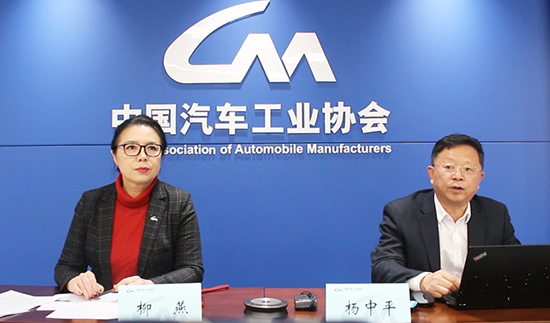
2025年超越300万辆!城市NOA规模化普及加速
Guo Ji Jin Rong Bao· 2026-01-15 02:09
Core Insights - The report by the China Automobile Industry Association indicates that from January to November 2025, the cumulative sales of passenger cars equipped with urban NOA (Navigation Assisted Driving) reached 3.129 million units, with a penetration rate of 15.1%, an increase of 5.6 percentage points compared to the entire year of 2024 [1] Group 1: Market Dynamics - The urban NOA market is characterized by a "dual-engine" model of self-research by car manufacturers and partnerships with third-party suppliers [1] - The third-party urban NOA supplier market is dominated by two major players, Momenta and Huawei, who together hold over 80% market share [1] - In the same period, Momenta's urban NOA installations reached 414,400 units, accounting for approximately 61.06% of third-party suppliers, with eight of the top ten global automakers collaborating with Momenta [1] Group 2: Brand Performance - Among the passenger cars equipped with urban NOA, domestic brands sold 2.5373 million units, representing 81.1% of the total [2] - Global automotive brands are increasingly partnering with leading domestic third-party suppliers to achieve breakthroughs in intelligent driving, with brands like Mercedes-Benz, BMW, Audi, Cadillac, Buick, and Toyota implementing urban NOA features through these collaborations [2] Group 3: Technological Advancements - The report highlights that in the phase of scaling high-level assisted driving, factors such as algorithms, data loop capabilities, and mass production experience are critical for determining the market position and development speed of assisted driving suppliers [2] - End-to-end large models have become the core engine for the iteration of NOA assisted driving technology, driving the industry towards an integrated approach and enhancing safety experiences [3] - New car manufacturers are building technological barriers through full-stack self-research, while traditional automakers are accelerating technology deployment by collaborating with third-party suppliers [3]
2025年NOA乘用车销售超300万辆,《2025城市NOA汽车辅助驾驶研究报告》发布
Zhong Guo Qi Che Bao Wang· 2026-01-15 02:03
Core Insights - The report titled "2025 Urban NOA Automotive Assisted Driving Research Report" was officially released at the China Automotive Industry Association's information conference, aiming to analyze the development trends of urban NOA technology and industry, providing references for high-quality development of China's intelligent connected vehicle industry [1] Group 1: Market Growth and Trends - By the end of 2025, it is projected that over 3 million urban NOA-equipped vehicles will be sold in China, with a penetration rate of 15.1% for urban NOA features in passenger vehicles from January to November 2025, an increase of 5.6 percentage points compared to the entire year of 2024 [3][4] - The sales of new passenger cars with Level 2 driving assistance functions increased by 21.2% year-on-year in the first three quarters of 2025, with a penetration rate reaching 64%, expected to rise to 66.1% by the end of 2025 [3] Group 2: Competitive Landscape - Domestic brands accounted for 81.1% of urban NOA-equipped vehicle sales from January to November 2025, showcasing their innovation and competitiveness in the intelligent connected vehicle sector [4] - Major global automotive brands are collaborating with leading domestic third-party suppliers to achieve breakthroughs in intelligent driving, with companies like Mercedes-Benz, BMW, Audi, and Toyota implementing urban NOA features [4][6] Group 3: Technology and Innovation - The current market for third-party urban NOA suppliers is dominated by Momenta and Huawei, which together hold approximately 80% of the market share, with Momenta leading at 61.06% and Huawei at 19.76% [6] - The report highlights that the end-to-end large model has become the core engine for NOA technology iteration, driving a shift from modular architecture to integrated deep restructuring [7][8] Group 4: Future Outlook and Recommendations - The report anticipates that by 2030, urban NOA will become a mainstream feature in assisted and autonomous driving, with significant value creation expected in the automotive industry [11] - Recommendations for enhancing the urban NOA industry ecosystem include improving top-level design, strengthening technological innovation, and exploring collaborative development models among various technological routes [11]
新能源车全年渗透率首超燃油车
Mei Ri Shang Bao· 2026-01-14 23:16
Core Insights - In 2025, China's passenger car retail reached 23.744 million units, a year-on-year increase of 3.8%, with new energy vehicles (NEVs) surpassing 57% penetration rate, marking a significant shift in market dynamics [1] - BYD topped the global pure electric vehicle sales with 4.6024 million units, while China's total vehicle exports exceeded 7 million units, setting a new historical record [1] - The competition in the automotive market has shifted from price wars to value comparisons, with models like Geely's Xingyuan and Wuling's Hongguang MINIEV leading their respective segments [1] Industry Performance - In the 2025 sales rankings, domestic brands occupied seven out of the top ten spots, with NEVs leading significantly; Geely's Xingyuan sold 465,775 units, becoming the annual "dark horse" [2] - Wuling Hongguang MINIEV ranked second with 435,599 units sold, contributing nearly half of SAIC-GM-Wuling's NEV sales [2] - The top three models included Nissan's Sylphy, which sold 319,990 units, maintaining a strong market presence despite the rise of NEVs [2] New Entrants and Innovations - Among new entrants, Xiaomi's SU7 performed well with 258,164 units sold, but faced challenges due to safety concerns and controversies [3] - Leap Motor led the new force segment with 596,600 units sold, achieving a completion rate of 119.3%, marking it as the fastest-growing new force brand [3] Upcoming Models and Market Trends - The 2026 automotive market is set to intensify with the release of several flagship models, focusing on diverse technologies and smart features [4] - New models include Xiaomi's SU7, which is set to launch at a starting price of 229,900 yuan, and NIO's flagship SUV ES9, aimed at competing with luxury models like BMW X7 and Mercedes GLS [4] - The market is expected to shift from "incremental expansion" to "stock competition," with domestic brands pushing for high-end development and joint ventures accelerating technological transitions [5]

34国齐聚华盛顿密谋反华?稀土争夺战背后的惊天阴谋!
Sou Hu Cai Jing· 2026-01-14 15:06
Group 1 - The meeting of 34 countries in Washington is perceived as an attempt to form an anti-China rare earth alliance, but it reveals deeper fractures within the Western camp [1] - U.S. Treasury Secretary's call for a supply chain free of Chinese influence highlights the reliance on Chinese rare earths, which account for over 85% of global processing capacity [3] - The U.S. has domestic mining capabilities, but the extraction costs are three times higher than in China, and the processing technology is a decade behind [3] Group 2 - Germany's foreign minister's rhetoric against China is seen as a strategy to gain political capital while the country heavily relies on trade with China, with over €300 billion in trade last year [4] - Other European nations are cautious about fully aligning with the U.S. due to their economic ties with China, as seen with France, Italy, and the Netherlands [4] - China's complete industrial chain in rare earth processing, including unique extraction technologies, positions it strongly against attempts to isolate it [6] Group 3 - Historical context suggests that zero-sum games, like the U.S. attempt to create a rare earth "NATO," are unlikely to succeed in today's interconnected global economy [8] - A recent report indicates that decoupling from China could shrink the EU's GDP by 5%, emphasizing the economic risks of such a strategy [8] - The U.S. continues to import finished rare earth products from China, illustrating the contradiction in its stance against Chinese supply chains [8]

欧盟为何在贸易战最后一刻踩刹车?两年较量背后,中国靠三张王牌逼出大和解
Sou Hu Cai Jing· 2026-01-14 13:18
Group 1 - The core issue revolves around the escalating trade tensions between the EU and China, particularly concerning electric vehicles and rare earth materials, with a significant increase in China's rare earth magnet exports to the EU by 21% in one month [1] - The EU initiated an anti-subsidy investigation into Chinese electric vehicles in October 2023, leading to a potential tariff of up to 35.3%, which prompted China to retaliate with investigations into European products [4] - The EU's decision to allow Chinese car manufacturers to raise prices instead of imposing tariffs indicates a strategic retreat, as Chinese electric vehicles are already priced 50% to 100% higher in Europe, yet still see a 91% increase in sales [4][9] Group 2 - The EU's reliance on Chinese rare earth materials, which account for 90% of global processing, poses a significant risk to its green transition and high-end manufacturing if China restricts exports [7] - Internal divisions within the EU regarding tariffs on Chinese electric vehicles highlight the economic implications, with countries like Germany opposing tariffs due to fears of losing access to the Chinese market [8] - The compromise reached between the EU and China reflects a recognition of China's competitive advantage in technology, supply chains, and cost control, leading to a shift towards cooperation rather than confrontation [9]
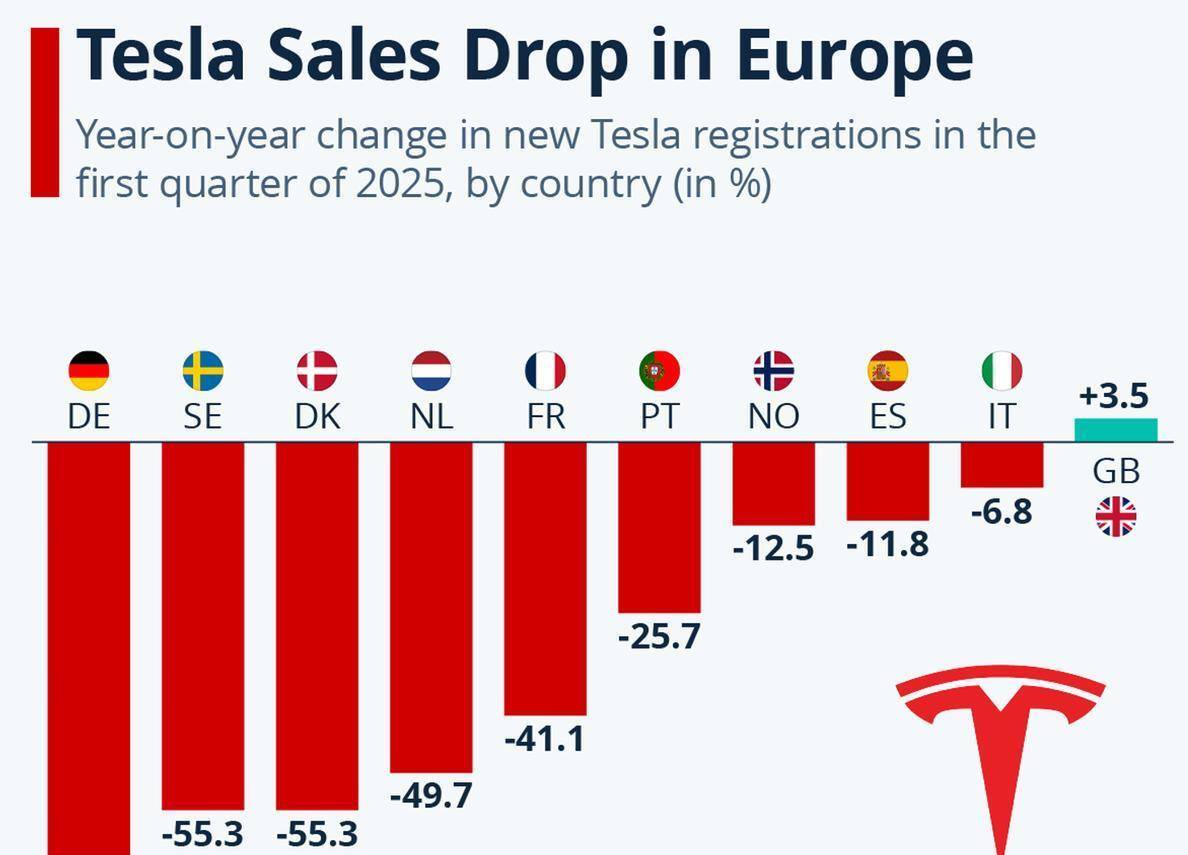
价格承诺替代高额关税,中欧车企受益几何?
2 1 Shi Ji Jing Ji Bao Dao· 2026-01-14 12:21
Core Viewpoint - The negotiations regarding the EU's anti-subsidy measures on Chinese electric vehicles have made significant progress, with the EU set to issue guidelines for price commitment applications, allowing Chinese manufacturers to potentially avoid high tariffs by committing to minimum pricing [1][2]. Group 1: Negotiation Progress - The EU will release guidelines for Chinese electric vehicle manufacturers to submit price commitment applications, which could exempt them from anti-subsidy tariffs [1][2]. - The EU's anti-subsidy investigation began in October 2023, with high tariffs set to be imposed in October 2024, but recent negotiations have led to a more favorable outcome for Chinese manufacturers [1][2]. Group 2: Tariff Implications - Chinese electric vehicle manufacturers faced tariffs ranging from 17.0% to 35.3%, with an overall import tax potentially reaching 45.3% when combined with the EU's 10% import duty [2]. - The new agreement allows manufacturers to replace these tariffs with price commitments, which could enhance profit margins and provide a more stable market environment for expansion in Europe [2][3]. Group 3: Market Dynamics - Despite the new pricing commitments, experts believe that the retail prices of Chinese electric vehicles in Europe will not significantly change, maintaining a high price point compared to domestic sales [3]. - The average selling price of Chinese electric vehicles in Europe is estimated to be around €25,000, while the average for all imported electric vehicles is approximately €30,000, indicating a substantial markup for Chinese models [4]. Group 4: Competitive Landscape - Chinese brands like BYD and SAIC have seen significant growth in the EU market, with BYD's registrations increasing by 240% year-on-year, while other brands like Xpeng and Leap Motor have also reported explosive growth [8]. - In contrast, Tesla's market share in the EU has declined, highlighting the increasing competitiveness of Chinese electric vehicles in the region [8]. Group 5: Industry Collaboration - The new agreement is expected to foster deeper collaboration between European and Chinese automakers, with European companies looking to China for battery and smart technology advancements [9][10]. - Recent investments, such as CATL's joint battery factory with Stellantis in Spain and BYD's new factory in Hungary, indicate a trend towards closer ties and shared technological development between the two regions [10].