
申洲国际

Search documents
山西证券研究早观点-20251118
Shanxi Securities· 2025-11-18 00:47
Market Trends - In October 2025, China's total retail sales of consumer goods reached 4.63 trillion yuan, with a year-on-year growth of 2.9%, slightly above market expectations [4] - For the first ten months of 2025, total retail sales amounted to 41.22 trillion yuan, reflecting a year-on-year increase of 4.3% [4] - Online retail channels continued to outperform the overall retail market, with physical goods online retail sales growing by 6.3% year-on-year [4] Company Analysis: Star Map Control (920116.BJ) - The company reported a revenue of 188 million yuan for Q1-Q3 2025, representing a year-on-year increase of 15.57%, and a net profit of 63 million yuan, up 25.28% [5] - In Q3 2025 alone, the company achieved a revenue of 89 million yuan, a year-on-year growth of 9.26%, with a net profit of 31 million yuan, increasing by 26.37% [5] - The rapid development of China's commercial space industry indicates a broad market potential for space management services [6] Textile Manufacturing Sector - From January to October 2025, China's textile and apparel exports were valued at 117.735 billion and 126.201 billion USD, showing a year-on-year growth of 0.9% and a decline of 3.8%, respectively [7] - The performance of international sports brands varied, with On Running and Asics leading in growth, while Adidas and Deckers showed stable performance [7] - Recommendations include Shenzhou International, Yue Yuen Industrial, and Huali Group, with a focus on companies with strong customer bases like Nike [7] Gold and Jewelry Retail Sector - In October 2025, gold and silver jewelry retail sales grew by 37.6% year-on-year, driven primarily by price increases [7] - The Ministry of Finance and the State Administration of Taxation announced new tax policies that may benefit investment gold enterprises [7] - Recommended companies in this sector include Caibai Jewelry, Zhou Daxing, and Laopu Gold [7] Retail Sector - Miniso has shown positive same-store sales growth domestically and improved overseas performance, indicating a recovery in operational profits [7] - The company is also pursuing a spin-off of its TOPTOY brand, which could enhance its valuation [7] - Recommendations include Yonghui Superstores, which is accelerating store adjustments and improving supply chain management [7] Space Management Services - The global low-orbit internet constellation is rapidly expanding, with significant activity in satellite launches, particularly by SpaceX and Chinese companies [8] - The company is positioned to benefit from the growing demand for satellite and rocket control services, with potential annual service fees exceeding 1 billion yuan [8] - The company aims to launch its own perception constellation to enhance space situational awareness and operational safety [8]
“织”道系列7-申洲国际(02313.HK)深度:格局增势 或跃在渊
Ge Long Hui· 2025-11-17 19:55
Core Viewpoint - Shenzhou International is a leading vertically integrated knitwear manufacturer in China, maintaining strong partnerships with premium apparel brands like Nike, Adidas, PUMA, and Uniqlo, which positions the company favorably in the market [1] Group 1: Company Overview - Shenzhou International is recognized as an "invisible champion" in the domestic knitwear manufacturing sector, achieving a vertical integration strategy that enhances operational efficiency [1] - The company has experienced steady revenue growth over the years, with gross margins ranging from 25% to 30%, although recent challenges such as factory shutdowns and rising labor costs have impacted profitability [1] Group 2: Industry Dynamics - In the short term, the apparel industry is transitioning from inventory destocking to a potential replenishment phase as major brands like Nike are expected to see operational improvements, which may lead to increased order volumes for upstream manufacturers [1] - Long-term trends indicate stable growth in downstream apparel consumption, diversification of brands, and an increase in outsourcing by brand owners, which will likely benefit upstream suppliers [1] Group 3: Competitive Advantages - Shenzhou International has shifted its focus to higher-growth segments, particularly in sportswear, which has resulted in a higher concentration of clients and reduced revenue volatility [2] - The company has established a manufacturing system with R&D and high-end production in China and major production bases in Southeast Asia, leveraging labor and tax advantages while enhancing production efficiency through automation [2] Group 4: Investment Outlook - As of September 30, 2025, the company's price-to-earnings ratio (PE_TTM) is projected to decline to 13X, indicating a low valuation compared to historical levels [2] - The company is expected to achieve double-digit revenue growth this year, driven by increased contributions from existing clients like Adidas and Uniqlo, alongside a recovery in Nike's performance [3] - Forecasted net profits for 2025, 2026, and 2027 are estimated at 6.78 billion, 7.72 billion, and 8.76 billion yuan, respectively, with corresponding PE ratios of 14, 13, and 11X, suggesting potential for valuation recovery [3]
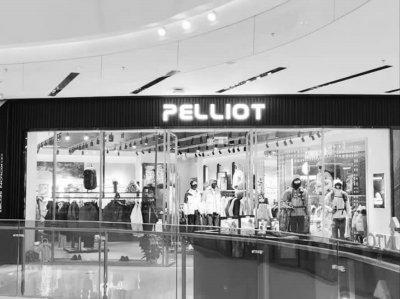
伯希和二次IPO:“始祖鸟平替”的转型困局
Xin Lang Cai Jing· 2025-11-17 08:26
Core Insights - The outdoor sports sector, particularly the sales of jackets, has seen significant growth during the recent "Double 11" shopping event, with jackets ranking high on sales charts across e-commerce platforms [2] - The company BERSHIHE has submitted a listing application to the Hong Kong Stock Exchange, aiming to become the "first stock of high-performance outdoor lifestyle in China" [2] - BERSHIHE's sales of jackets are projected to reach 3.8 million units from 2022 to 2024, with a compound annual growth rate (CAGR) of 122.2% [2] Company Overview - BERSHIHE's primary products include jackets and footwear, with jackets contributing over 80% of revenue from 2022 to 2024 [3] - The company operates primarily through a direct-to-consumer (DTC) multi-channel sales model [2][3] - BERSHIHE's revenue for 2022, 2023, and 2024 is reported at 378 million, 908 million, and 1.766 billion respectively, with net profits of 24.3 million, 152 million, and 283 million [7] Market Position - The outdoor apparel market is experiencing a 16% annual compound growth rate, indicating a robust growth trajectory for brands like BERSHIHE [2] - BERSHIHE's market share in 2024 is estimated at 5.2%, indicating room for growth compared to competitors like ANTA and other established brands [5] - The company has a low asset-liability ratio of 36% and a gross margin of 59.6%, which are favorable compared to industry standards [8] Sales Channels - BERSHIHE heavily relies on online sales, with DTC sales expected to exceed 1.35 billion in 2024, while offline sales are only projected at 169 million, accounting for 9.6% of total revenue [8] - The company has been expanding its offline presence but has only opened 146 stores by the end of 2024, falling short of its initial target of 500 stores [9] Marketing and Branding - BERSHIHE's marketing expenses have increased significantly, from 120 million in 2022 to 587 million in 2024, representing over one-third of total revenue [10] - The company is exploring high-end product lines to enhance brand perception, with new products priced comparably to premium brands like Arc'teryx [10][11] - The challenge remains for BERSHIHE to balance cost-effectiveness with the establishment of a premium brand image [11]

可选消费W46周度趋势解析:A/H高股息和中高端消费回升带动子板块关注度提升-20251117
Haitong Securities International· 2025-11-17 07:49
Investment Rating - The report assigns an "Outperform" rating to multiple companies in the discretionary sector, including Nike, Midea Group, JD Group, Haier Smart Home, Gree Electric, Anta Sports, and others [1]. Core Insights - The report highlights a recovery in mid-to-high-end consumption and increased focus on high-dividend A/H stocks, which has driven attention to sub-sectors within discretionary consumption [1][4]. - Various sub-sectors have shown different performance trends, with overseas sportswear leading the gains, followed by luxury goods and domestic sportswear [4][12]. Performance Review by Sub-Sector - **Weekly Performance**: Overseas sportswear increased by 6.8%, luxury goods by 5.2%, and domestic sportswear by 3.8%. In contrast, the pet sector saw a decline of 5.8% [4][12]. - **Monthly Performance**: The gambling sector led with an 8.4% increase, while domestic cosmetics experienced a significant decline of 14.3% [12]. - **Year-to-Date Performance**: The gold and jewelry sector outperformed with a 137.2% increase, while overseas sportswear saw a decline of 21.5% [12]. Sub-Sector Analysis - **Overseas Sportswear**: Notable gains driven by strong Q3 FY25 earnings, particularly in EMEA and Asia-Pacific regions, alleviating market concerns [6][15]. - **Luxury Goods**: Companies like Samsonite and Burberry reported better-than-expected earnings, boosting market confidence [6][15]. - **Domestic Sportswear**: OEM companies confirmed growth expectations for 2026 orders, contributing to positive stock performance [6][15]. - **Gold and Jewelry**: The sector benefited from rising international gold prices and favorable tax regulations in Hong Kong and Macau [8][15]. - **Pet Sector**: Experienced a decline post Double Eleven sales, with increased competition among brands [15]. Valuation Analysis - The report indicates that most sub-sectors are trading below their historical five-year average P/E ratios, suggesting potential undervaluation [9][16]. - **Projected P/E Ratios for 2025**: - Overseas sportswear: 29.1x (55% of historical average) - Domestic sportswear: 14.8x (78% of historical average) - Gold and jewelry: 23.8x (45% of historical average) - Luxury goods: 27.0x (49% of historical average) [9][16].
纺织服装行业2025年三季报总结:品牌复苏方向明确,制造端关注订单修复
Shenwan Hongyuan Securities· 2025-11-17 07:15
Investment Rating - The report maintains a positive outlook on the textile and apparel industry, indicating a "Buy" rating for the sector in 2025 [2][5]. Core Insights - The report highlights a clear recovery direction for brands, with a focus on order restoration in the manufacturing sector. The domestic demand is showing a steady recovery, while external demand is under short-term pressure due to export declines [4][5]. - The retail performance of brands has been improving since the third quarter, with monthly growth rates gradually increasing from a low of 1.8% in July to 6.3% in October. The fourth quarter is expected to continue this trend due to seasonal demand and consumption promotion policies [5][13]. Summary by Sections 1. Industry Overview - Domestic demand is on a steady recovery path, with retail sales in the textile and apparel sector growing by 3.5% year-on-year to 1205.3 billion yuan from January to October 2025. The overall retail sales for the same period increased by 4.3% to 41.2 trillion yuan [4][13]. - Export pressures are evident, with textile and apparel exports in October 2025 amounting to $22.26 billion, a year-on-year decline of 12.6% [4][16]. 2. Hong Kong Sports Sector - The sports sector experienced a slight weakening in sales in Q3 2025, with brands like Anta and FILA showing low single-digit growth. However, other brands saw growth rates between 45-50% [4][24]. - Li Ning's overall sales decreased in Q3, while its youth brand maintained double-digit growth. Xtep showed stable performance with low single-digit growth in its main brand [4][24]. 3. Textile Manufacturing - The manufacturing sector faced disruptions due to tariffs in Q3 2025, with companies like Huayi and Yueyuan reporting revenue declines of 0.3% and 6.1%, respectively. However, a gradual recovery is expected as tariff impacts stabilize [4][29]. - The upstream textile sector showed steady growth, with companies like Weixing and Xin'ao reporting revenue increases of 1% year-on-year [4][29]. 4. Men's and Women's Apparel - Men's apparel showed stable revenue growth, but increased marketing and channel expansion costs pressured profits. Women's apparel is showing signs of recovery, with brands like Ge Li Si experiencing significant profit improvements [4][22]. - The report notes that women's apparel companies generally saw single-digit revenue declines, but the rate of decline has narrowed compared to 2024 [4][22]. 5. Children's Apparel - Children's apparel brands reported steady revenue growth, but increased expenses led to weaker profit performance. Companies like Semir and Jiama reported revenue growth of 5% and 3%, respectively, but faced significant profit declines [4][22]. 6. Home Textiles - The home textile sector showed varied performance, with brands like Luolai and Shuixing exceeding expectations due to successful product launches. Luolai's revenue grew by 6% year-on-year, while Shuixing's grew by 11% [4][22]. 7. Investment Analysis - The report suggests that improving domestic demand is a key investment theme for 2025, with a focus on high-quality domestic brands and recovery opportunities in the textile manufacturing sector. Recommended stocks include sports brands like Bosideng, Anta, and Li Ning, as well as home textile companies like Luolai and Shuixing [4][5].
纺织服装社零数据点评:10月国内社零同比增长2.9%,可选消费品类增速环比提升
Shanxi Securities· 2025-11-17 06:44
Investment Rating - The report maintains an investment rating of "Synchronize with the market" for the textile and apparel industry [2]. Core Viewpoints - In October 2025, the domestic retail sales (社零) increased by 2.9% year-on-year, slightly exceeding market expectations, with a total of 4.63 trillion yuan [3][4]. - The textile and apparel sector showed marginal improvement in retail sales growth, with a cumulative year-on-year increase of 3.5% from January to October 2025 [6]. - The "Double Eleven" e-commerce promotion period has been extended, positively impacting sales in the apparel sector [6]. Summary by Sections Retail Sales Performance - In October 2025, the retail sales total reached 4.63 trillion yuan, with a year-on-year growth of 2.9%, slightly above the expected 2.73% [3]. - Cumulative retail sales from January to October 2025 amounted to 41.22 trillion yuan, reflecting a year-on-year growth of 4.3% [3]. Online vs. Offline Channels - Online retail sales of physical goods grew by 6.3% year-on-year, outperforming the overall retail sales growth of 4.4% [4]. - Offline retail sales showed varied performance across different formats, with convenience stores and supermarkets growing by 6.3% and 4.7% respectively [4]. Category Performance - In October 2025, retail sales of cosmetics grew by 9.6%, while gold and jewelry saw a significant increase of 37.6% [5]. - The textile and apparel category experienced a year-on-year growth of 6.3% in October, with a cumulative growth of 3.5% from January to October 2025 [5][6]. Investment Recommendations - The report recommends brands such as 361 Degrees and Bosideng, while suggesting to pay attention to Anta Sports, Geely, and Jin Hong Group [6]. - For textile manufacturing, companies like Shenzhou International and Yue Yuen Industrial are recommended due to their stable performance [7]. - In the gold and jewelry sector, companies such as Caibai and Zhou Daxing are highlighted for their growth potential [8]. E-commerce Trends - The "Double Eleven" sales event has been extended, with major brands like Uniqlo and Nike leading in sales during this period [6].
国信证券:纺服行业预计明年结构性突破 制造企稳预期先于品牌服饰
Zhi Tong Cai Jing· 2025-11-17 02:24
Core Insights - The textile and apparel industry is expected to face pressure in 2025, with brand performance remaining subdued and manufacturing exports impacted by tariffs [1][2] - In 2026, manufacturing is anticipated to stabilize before brands, with investment opportunities focusing on resilient sectors such as outdoor sports, quality manufacturing firms benefiting from order recovery, and companies innovating in products and marketing [1][3] Industry Overview 2025 - Industry data indicates that apparel brand retail sales growth is slow, and textile manufacturing exports are weakening due to tariff impacts. Despite a low base in Q2 and Q3, growth accelerated in September and October [2] - The textile manufacturing sector experienced a high start but a decline in performance, while revenue drops in apparel and home textiles have narrowed. The sportswear segment showed better revenue growth, and online channels outperformed offline for home textiles [2] - The A-share textile and apparel index underperformed the broader market, with continuous downward adjustments in brand expectations and slow valuation increases in manufacturing [2] Outlook for 2026 - The textile manufacturing sector is expected to stabilize before the apparel sector, with structural opportunities in the industry. Key areas include the dominance of sports and outdoor categories, strong online growth driven by major home textile products, and new brands leveraging social media marketing and product iterations [3] - Brands with mid-to-high pricing power, the ability to explore niche markets, and innovative product offerings are likely to stand out in a cautious consumption environment [3] Manufacturing Opportunities - Tariff disruptions are showing signs of stabilization, with a recovery trend in exports of footwear and apparel products. Some raw materials, like wool, have seen a short-term price rebound [4] - Textile manufacturing firms are experiencing order pressures, but as tariff costs are gradually passed down, expectations for order stabilization have improved for Q4 and early next year. Companies with strong new product development and efficiency management are viewed favorably for both fundamental and valuation growth [4] Investment Recommendations - Investment focus should be on three main areas: outdoor sports, quality manufacturing, and brand innovation. The outdoor sports sector is expected to have long-term growth advantages, while brands that can innovate products and drive structural price increases are also promising [5] - Specific companies to watch include Anta Sports, Li Ning, and Xtep in the sports sector; Shenzhou International, Huali Group, and Kai Run in manufacturing; and Bosideng and Haier in the apparel and home textile sector [5]



大摩闭门会-双十一之后,如何看消费趋势?
2025-11-16 15:36
Summary of Key Points from Conference Call Records Industry Overview - **Consumer Confidence Stabilization**: Consumer confidence has shown signs of stabilization over the past two quarters, aligning with the retail data trends from October. High-income groups and high-tier cities exhibit strong consumption willingness, particularly in luxury goods, which have been recovering since September [1][2][4]. - **Diverse Consumer Spending**: Spending on sports goods, electronics, and daily necessities has slightly increased, while domestic short-distance travel plans have also risen. However, overall consumer spending improvement remains limited [1][2][5]. - **High-End Consumption Recovery**: The high-income demographic is sensitive to capital market returns, which directly influences their consumption behavior. The luxury goods market is showing early signs of recovery since September [1][4]. Company-Specific Insights - **Atour Hotel Retail Growth**: Atour Hotel has achieved significant growth through its retail business, which now accounts for over 40% of total revenue. The company expects retail revenue to exceed 800 million yuan during the 2025 Double Eleven shopping festival, representing over 60% year-on-year growth [1][7]. - **E-commerce Platform Strategies**: Online retail growth slowed in October, with platforms employing subsidy strategies to lower prices. This pressure is expected to ease next year, aiding the stability of e-commerce platforms [1][8]. Market Performance - **Home Appliance Market Slowdown**: The home appliance market saw a 15% year-on-year sales decline in October, influenced by high base effects from previous year’s trade-in promotions. The smartphone market performed relatively well but could not offset the decline in home appliances [3][10][11]. - **Gold and Jewelry Industry Changes**: The industry has been affected by VAT reforms, increasing raw material costs by 6-7%. Major brands have raised prices by 5-7% to pass on costs, which may benefit larger brands while pushing smaller retailers out of the market [3][24][26]. Recommendations and Future Outlook - **Investment Recommendations**: In the beer sector, China Resources Beer is recommended, while in the restaurant sector, Baisheng China and Haidilao are suggested. The clothing and footwear supply chain, particularly Shen Zhou, is also highlighted as a potential investment opportunity [1][6]. - **Consumer Goods and E-commerce Trends**: Price-sensitive consumer goods are expected to recover first as pressure on prices eases. The overall consumer spending environment remains cautious, with a focus on high-end and essential goods [1][5][12]. Additional Insights - **Bubble Mart's Market Position**: Bubble Mart has seen a significant stock price increase due to rapid IP expansion but has recently faced a 30% pullback. The company is focusing on increasing plush production capacity to meet demand without oversaturating the market [15][19]. - **Textile and Knitted Shoe Industry Outlook**: The industry faces uncertainty due to tariff adjustments affecting end prices. However, low inventory levels in North America may lead to a replenishment demand in 2026, supported by upcoming events like the World Cup [20][21]. This summary encapsulates the key insights and trends discussed in the conference call, providing a comprehensive overview of the current market landscape and future expectations across various sectors.

月度社零解读:大消费景气展望
2025-11-16 15:36
Summary of Key Points from Conference Call Records Industry Overview - **Consumer Goods and Retail**: October saw a significant decline in consumer spending, particularly in home appliances and automobiles, with declines of -14.6% and -6.6% respectively. However, communication equipment and cultural office supplies experienced growth due to low base effects from the previous year [1][2] - **E-commerce and Logistics**: During the Double Eleven shopping festival, express delivery volume reached 13.938 billion packages, with a daily average collection significantly above normal levels, indicating strong consumer enthusiasm [4] - **International Trade**: The 2025 China International Import Expo recorded a historic high in transaction volume at $83.49 billion, reflecting active international trade and potential economic recovery [5] Economic Trends - **Investment Trends**: Investment fell further to -1.7% in October, with fixed asset investment declining to -12.2%. The real estate sector showed a notable downturn, but stabilization in second-hand housing prices may lead to a recovery in new home sales by the second half of 2026 [6][7] - **Economic Growth Forecast**: The target for 5% growth in 2025 remains achievable, but policies need to be implemented to address pressures from export and consumption bases. The real estate market is expected to stabilize with policy support, enhancing economic resilience [8] Emerging Consumer Trends - **New Consumption Areas**: Key trends include the 2.0 era of brand globalization, emotional value, AI applications, and channel transformation. Regulatory measures are expected to increase industry concentration, benefiting compliant large e-commerce companies [9][10] - **AI and 3D Printing**: The AI and 3D printing category saw over 200% growth during Double Eleven, with prices dropping significantly, indicating a growing market and increased consumer penetration [13] Sector-Specific Insights - **Alcohol Industry**: The liquor sector is entering a low season with limited price expectations due to dealer losses, but the downward space is expected to be limited [14][15] - **Restaurant Sector**: The restaurant chain sector showed signs of improvement in October, with a year-on-year growth of 3.81% in retail sales [16] - **Soft Drinks**: The soft drink sector experienced a year-on-year growth of 7.11% in October, with expectations for stable growth despite competitive pressures [17][18] - **Snack Industry**: The snack sector remains in a high prosperity phase, with strong sales expected during the upcoming Spring Festival [19] Regulatory and Market Dynamics - **Tax Regulation Impact**: The implementation of tax regulations has leveled the competitive landscape, favoring larger compliant companies [10] - **Partnerships in the Toy Industry**: The collaboration between Pop Mart and Sony Pictures is expected to enhance IP lifecycle and global market reach, despite some market concerns [11] Technology and Innovation - **Xiaomi's Milok OS**: Xiaomi launched the Milok operating system, marking a significant innovation in the home appliance sector, with potential for market leadership [12] - **AI Glasses Market**: The AI glasses market is expected to grow rapidly, with several new products set to launch [29] Automotive Sector Analysis - **October Performance**: October saw a slight decline in automotive sales, with narrow growth in new energy vehicles. Exports remained strong, particularly for new energy vehicles [37][38] - **Future Outlook**: The automotive market is expected to remain stable in November and December, with new energy vehicle penetration projected to exceed 60% [38][39] Conclusion - The overall economic landscape shows signs of resilience despite challenges in specific sectors. Emerging trends in consumer behavior, regulatory impacts, and technological advancements present both opportunities and risks for investors. Continued monitoring of these dynamics will be crucial for identifying potential investment opportunities.
纺织服装行业周报:澳毛价格企稳回升,全运会开幕提振户外运动板块-20251116
Shenwan Hongyuan Securities· 2025-11-16 12:15
Investment Rating - The report maintains a "Buy" rating for the textile and apparel industry, particularly highlighting investment opportunities in the outdoor sports sector and the wool price increase cycle [3][12][14]. Core Insights - The textile and apparel sector outperformed the market, with the SW textile and apparel index rising by 4.4% from November 10 to November 14, 2025, surpassing the SW All A index by 4.9 percentage points [3][4]. - The report emphasizes the stabilization and increase in Australian wool prices, suggesting that the current price increase cycle may have significant investment potential, comparable to peaks seen in 2011 and 2018 [9][41]. - The opening of the 15th National Games has boosted interest in outdoor sports, creating investment opportunities in this segment, particularly for brands like Sanfu Outdoor, which saw a 26% increase in stock price [12][14]. Summary by Sections Industry Performance - The textile and apparel sector showed strong performance, with the SW textile and apparel index increasing by 4.4%, while the SW apparel and home textiles index rose by 4.0%, and the SW textile manufacturing index increased by 6.2% [3][4]. Recent Industry Data - Retail sales for clothing, shoes, and textiles reached 1,205.3 billion yuan from January to October, marking a 3.5% year-on-year growth [3][29]. - In October, textile and apparel exports amounted to $22.26 billion, down 12.6% year-on-year, with specific declines in textile yarns and fabrics by 9.0% and clothing by 16.0% [3][34]. Wool Price Insights - As of November 13, the Australian wool price index was reported at 951 cents per kilogram, reflecting a year-on-year increase of 27.5% and a month-on-month increase of 1.9% [9][41]. Apparel Sector Highlights - The report highlights the potential for growth in the outdoor sports segment due to the National Games and the upcoming Winter Olympics, suggesting a focus on brands like Bosideng and opportunities in the women's apparel sector [12][14]. - The report also notes that the fourth quarter remains a critical period for the apparel sector, with Bosideng being a key recommendation due to favorable seasonal conditions [14]. Company Performance Review - The report reviews the performance of Yuanyuan Group, noting a revenue of $6.02 billion for the first three quarters of 2025, with a focus on the recovery of the sports manufacturing chain and an upward revision of profit forecasts for 2025-2027 [15][16].