永辉超市

Search documents
春节将至,智利车厘子掀起消费热潮成抢手年货
Sou Hu Cai Jing· 2026-01-25 14:55
Core Insights - The "Chilean Cherry Ice Festival" will commence at various retail channels across China starting from December 2025, aiming to promote Chilean cherries as a seasonal winter fruit [1][3]. Group 1: Event Overview - The festival is initiated by the Chilean Fruit Exporters Association's Cherry Committee, combining modern consumption with traditional festive gifting and family gatherings to highlight the unique value of Chilean cherries in winter [3]. - Major national and regional retailers have begun terminal launch activities, including stores in Kunshan, Changsha, Shenzhen, Guangzhou, Zhengzhou, and Chengdu [1]. Group 2: Consumer Behavior - There has been a significant increase in the offline sales of cherries, with some stores experiencing stock shortages during weekends, indicating strong consumer demand [6]. - Consumers are starting to purchase New Year goods earlier this year, contributing to the increased sales of cherries [6]. Group 3: Market Positioning - Charif Christian Carvajal, the Eurasian Market Director of the Chilean Fruit Exporters Association, noted that the peak supply of Chilean cherries to China has passed, and supply will be limited during the Spring Festival due to the late timing of the holiday [8]. - Claudia Soler, Executive Director of the Chilean Cherry Committee, emphasized that Chilean cherries are an ideal winter fruit for Chinese families, highlighting their quality control and nutritional benefits [10]. Group 4: E-commerce Trends - An e-commerce platform manager reported a rapid increase in search keywords related to Chilean cherries, with sales achieving double-digit growth driven by online mechanisms such as live streaming [12]. Group 5: Supply Chain Dynamics - Due to adverse weather conditions in Chile and an earlier harvest period, the supply of Chilean cherries for the 2025/26 season is expected to be concentrated in a shorter timeframe in January, with reduced supply anticipated in February [15].


永辉抄胖东来作业,没抄明白
虎嗅APP· 2026-01-25 14:11
Core Viewpoint - Yonghui Supermarket is facing significant financial challenges, with a projected net loss of 2.14 billion yuan for 2025, marking its fifth consecutive year of losses and a 45.6% year-on-year increase in losses [2][4]. Financial Performance - From 2021 to 2025, Yonghui's net profits were -3.944 billion yuan, -2.763 billion yuan, -1.329 billion yuan, -1.465 billion yuan, and a projected -2.14 billion yuan, totaling over 11.6 billion yuan in losses over five years [4]. - The company's asset-liability ratio reached 88.96% by the end of Q3 2025, with total assets of 31.62 billion yuan and liabilities of 28.129 billion yuan [5]. - Operating cash flow has significantly decreased from 5.864 billion yuan in 2022 to 1.14 billion yuan in Q3 2025, indicating severe cash flow pressure [5]. Strategic Transformation - Yonghui's management attributes the massive losses to "short-term pain" from strategic transformation, including the deep adjustment of 315 stores and the closure of 381 low-efficiency stores, resulting in over 1.2 billion yuan in direct losses [4][5]. - The transformation costs for Yonghui are significantly higher than the industry average, with 81% of supermarket companies achieving performance growth while keeping adjustment costs within 3%-5% of revenue, whereas Yonghui's adjustment costs are projected to consume all profits [5]. Comparison with Competitors - The "Fat Donglai model" has shown positive results, with an average customer flow increase of 80% and 60% of adjusted stores achieving record profits, but Yonghui's adaptation has not translated into overall profitability [7][8]. - Fat Donglai's success is attributed to a unique distribution mechanism, regional supply chain barriers, and a trust-based economy, which are difficult for national chains like Yonghui to replicate [8][9]. Industry Context - The retail industry is experiencing a "diversification intensification," with 50% of companies achieving sales growth and 46% achieving net profit growth, while regional supermarkets are outperforming national chains like Yonghui [11][12]. - The shift from scale-driven growth to efficiency-driven growth is evident, with successful companies focusing on single-store efficiency rather than just increasing customer flow [12]. Future Outlook - Yonghui's future hinges on its ability to effectively utilize funds from a planned 3.1 billion yuan capital increase for store adjustments and supply chain upgrades, with potential cash flow crises looming if the capital increase fails [11][12]. - The company must address two core issues: efficiently investing in profit distribution reform and localizing the supply chain while controlling costs during the transformation process [12][13].

大消费行业周报:2025年社零首破50万亿,关注细分赛道机会-20260125
Ping An Securities· 2026-01-25 11:09
Investment Rating - The industry investment rating is "stronger than the market," indicating that the industry index is expected to outperform the market by more than 5% in the next six months [28]. Core Insights - The total retail sales of consumer goods in 2025 are projected to exceed 50 trillion yuan, highlighting significant growth potential in the consumer sector [4][10]. - The report emphasizes the importance of focusing on specific segments within the consumer industry, such as tourism, beauty, jewelry, media, and food and beverage, which are expected to show resilience and growth [4][10]. Summary by Relevant Sections Social Services - The tourism sector is expected to continue its recovery, with leading companies responding effectively to changing consumer demands, particularly as the Spring Festival approaches [4]. - The beauty industry is experiencing steady growth, with a focus on companies that can quickly adapt to market dynamics [4]. - The jewelry sector presents investment opportunities, particularly for brands that can increase market share and maintain strong performance [4]. Food and Beverage - Alcohol - Major liquor companies are experiencing a deeper decline in net profits compared to previous quarters, but leading firms are expected to enhance market share through effective brand management [4]. - The report identifies three key investment lines: high-end liquor with stable demand, mid-range liquor with national expansion, and local real estate liquor [4]. Food and Beverage - General - The at-home dining market, represented by companies like Guoquan, shows significant growth potential, with a focus on product, channel, and supply chain advantages [4]. - The restaurant sector is entering a peak season with the upcoming Spring Festival, and supply chain conditions are stabilizing [4]. Key Company Announcements - China Duty Free Group is expanding its international retail market presence through a strategic partnership with LVMH, which includes a significant acquisition [12]. - Meili Tianyuan is forecasting a revenue increase of at least 16% in 2025, driven by both external acquisitions and strong internal growth [15]. - Longzi Co. is expecting a net profit of 9-10.5 billion yuan for 2025, indicating a positive outlook despite some adjustments in financial reporting [15].
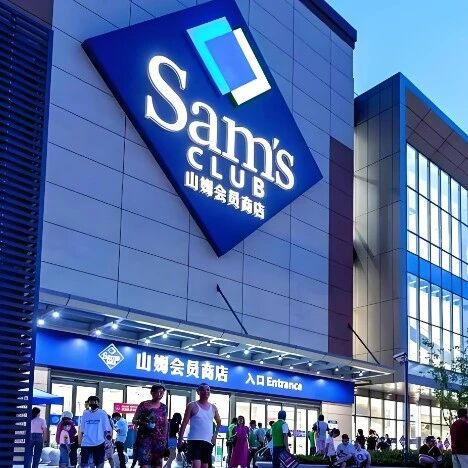
山姆“算计”中国中产?门槛费260元,日卖3亿,远超本土商超
商业洞察· 2026-01-25 09:23
Core Viewpoint - Sam's Club in China is experiencing significant growth, with projected sales surpassing 140 billion yuan by 2025, reflecting a 40% year-on-year increase, while the broader retail sector faces challenges [1][2]. Group 1: Membership Strategy - The membership fee was increased from 150 yuan to 260 yuan in 2012, effectively filtering the target customer base and leading to a membership count of 9 million by 2025 [5]. - The membership fee structure has become a barrier to entry, contributing to substantial revenue from membership fees, which is a key aspect of Sam's business model [5]. Group 2: Digital Transformation - By 2025, over 50% of Sam's sales will come from e-commerce, indicating a successful digital transformation from a traditional warehouse model to a fresh e-commerce giant [7]. - The competitive landscape emphasizes the importance of proximity to consumers, with distance becoming a critical factor in retail success [7]. Group 3: Competitive Landscape - The retail market in China is becoming increasingly crowded, with traditional supermarkets like Yonghui struggling to adapt, while e-commerce giants like JD and Tmall are aggressively pursuing market share [8]. - Sam's main competitor is Hema, which has reported over 40% revenue growth driven by its dual-engine strategy [12]. Group 4: Market Dynamics - The growth of Sam's Club reflects a shift in consumer behavior towards rational quality consumption rather than a reduction in spending, with a focus on value for money [15]. - The increasing membership numbers may dilute the exclusivity of the membership model, leading to potential challenges in retaining members if perceived value diminishes [15].

商贸零售行业周报:老铺黄金SKP活动开启,关注春节销售超预期催化-20260125
KAIYUAN SECURITIES· 2026-01-25 09:14
Investment Rating - The industry investment rating is "Positive" (maintained) [1] Core Insights - The total retail sales in China for 2025 reached CNY 501,202 billion, with a year-on-year growth of +3.7%. December's retail sales showed a modest increase of +0.9% [25][34] - The retail sector is experiencing a gradual recovery, with service retail outperforming goods retail. Online sales are rebounding, while offline supermarkets, convenience stores, and specialty shops are performing relatively steadily [4][27] - The high-end traditional gold market is expanding, with brands like Laopu Gold gaining traction among high-net-worth consumers, supported by strong sales during promotional events [34][38] Summary by Sections Retail Sector Overview - The retail and social service indices reported increases of 2.16% and 3.20% respectively from January 19 to January 23, 2026, with the retail index ranking 16th among 31 sectors [6][15] - The jewelry sector has shown the highest growth, with an increase of 8.66% in the past week and 11.51% year-to-date [18][20] Consumer Trends - Essential consumer goods are stable, with food and oil products performing particularly well. In contrast, optional consumer goods show mixed results, with cosmetics and jewelry performing better than clothing and home appliances [31][33] - The online retail market for physical goods reached CNY 130,923 billion in 2025, growing by +5.2%, accounting for 26.1% of total retail sales [27][30] Investment Recommendations - Focus on high-quality companies in high-demand sectors driven by emotional consumption themes, particularly in gold and jewelry, with recommendations for brands like Laopu Gold, Chao Hong Ji, and Chow Tai Fook [7][41] - Emphasize offline retail companies adapting to market changes and AI-enabled cross-border e-commerce leaders, recommending companies like Yonghui Supermarket and Aiyingshi [7][39] - Highlight domestic beauty brands that innovate in emotional value and safety, recommending brands like Mao Ge Ping and Proya [7][39] - Consider differentiated medical beauty product manufacturers and expanding chain medical institutions, with recommendations for companies like Meili Tianyuan and Aimeike [7][39]
耐克大中华区换帅求变;中国中免约28亿元收购 LVMH 旗下 DFS;宜家入驻即时零售平台“京东秒送”|品牌周报
36氪未来消费· 2026-01-25 09:06
Group 1: Nike's Management Change and Performance - Nike has announced a management change in its Greater China region, with current head Dong Wei stepping down and Cathy Sparks appointed as the new Vice President and General Manager [3][4] - Dong Wei has been with Nike for 20 years and was recently promoted to Chairman and CEO of Nike Greater China, but the company is facing declining performance in the region, with Q2 FY2026 revenue at 14.23 billion yuan, down 17% year-on-year [4] - The decline in revenue is attributed to a drop in direct sales and digital business, with EBIT halving, down 49% year-on-year, indicating a need for strategic reform under the new leadership [4][5] Group 2: China Duty Free Group and LVMH Partnership - China Duty Free Group has reached a strategic cooperation agreement with LVMH to acquire DFS for up to $395 million, which includes retail stores in Hong Kong and Macau and exclusive rights to several brands in the Greater China region [6][7] - DFS has shown stable financial performance, with revenues of 4.1 billion yuan and 2.7 billion yuan for 2024 and 2025 respectively, making it a valuable asset for China Duty Free Group [7] - The acquisition will enhance China Duty Free Group's high-end brand supply chain, as DFS has partnerships with over 750 global brands [8] Group 3: IKEA's New Retail Strategy - IKEA has launched an instant retail service on JD.com, marking its first foray into this business model, covering 13 stores in major cities [9] - This new service aims to improve delivery efficiency and reduce consumer barriers, with a minimum purchase of 99 yuan for free delivery within a 4 km radius [9] - IKEA's sales in China have declined, with a reported revenue of approximately 11.15 billion yuan for FY2024, down 7.6% year-on-year, indicating a need for adaptation to changing consumer preferences [10] Group 4: Haidilao's New Concept Store - Haidilao has opened its first "sugar water shop" as a thematic store, integrating hot pot and dessert offerings to cater to diverse consumer needs [12] - The shop operates independently and has already achieved over 100 orders daily, indicating a successful trial of the "store within a store" model [13] Group 5: Walmart's Collaboration with Xiaohongshu - Walmart has partnered with Xiaohongshu to open a co-branded retail experience space called "Mashi Store," focusing on customer-centric shopping experiences [14] - The store features eight "interest islands," each showcasing specific lifestyle products, reflecting Walmart's ongoing transformation to attract younger consumers [14] Group 6: Financial Updates from Various Companies - Yonghui Supermarket expects a net loss of 2.14 billion yuan for 2025, marking its fifth consecutive year of losses due to store adjustments and supply chain reforms [18] - Kraft Heinz China is restructuring its sales regions to accelerate national expansion and seek new growth opportunities [19] - Nestlé is moving forward with the sale of its water business, valued at 5 billion euros, indicating a strategic shift in its portfolio [20]



在社区卖菜年入近118亿!广东广州跑出一个IPO,与永辉超市竞争
格隆汇APP· 2026-01-25 08:29
Core Viewpoint - The article discusses a new IPO in Guangzhou, Guangdong, which has generated nearly 11.8 billion in annual revenue from community vegetable sales, positioning itself as a competitor to Yonghui Supermarket [1] Group 1: Company Overview - The new IPO has achieved an impressive annual revenue of approximately 11.8 billion, indicating strong market demand and operational efficiency in the community vegetable sales sector [1] - The company is emerging as a significant player in the retail market, particularly in the fresh produce segment, which is traditionally dominated by established players like Yonghui Supermarket [1] Group 2: Industry Context - The community vegetable sales model is gaining traction, reflecting a shift in consumer preferences towards fresh and locally sourced produce [1] - The competitive landscape is intensifying as new entrants challenge established supermarkets, suggesting potential changes in market dynamics and consumer behavior in the retail sector [1]
钱大妈港股IPO:近118亿营收背后,2.4%净利率的生鲜困局
Ge Long Hui· 2026-01-25 06:58
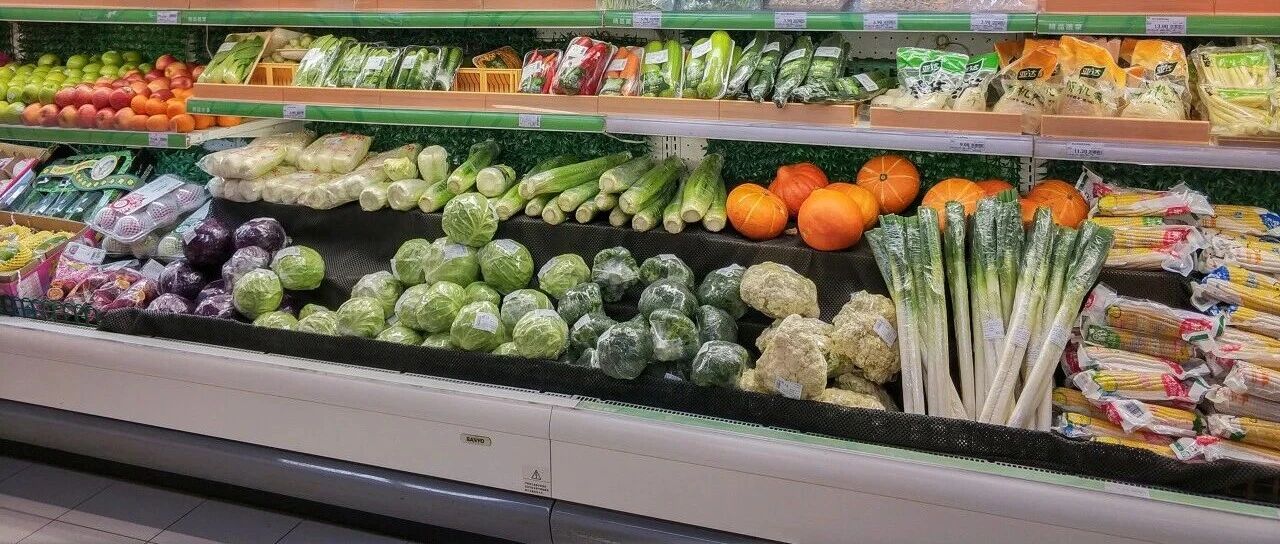
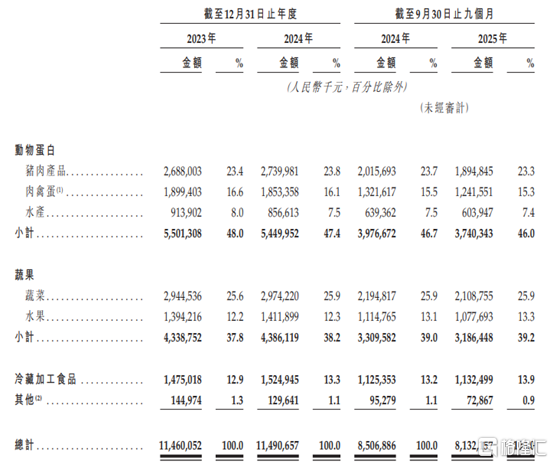
Core Viewpoint - Qian Dama International Holdings Limited is planning to go public on the Hong Kong Stock Exchange, aiming to expand its community fresh food retail business, which operates on a "discount day clear" model to minimize waste and ensure product freshness [1][19]. Group 1: Company Overview - Qian Dama is recognized as China's largest community fresh food chain and the largest meat retailer in South China, with projected revenues exceeding 11.7 billion RMB in 2024 [1][3]. - The company's business model focuses on providing fresh, high-quality cooking ingredients with a unique pricing strategy that offers discounts throughout the day [1][3]. - Qian Dama's revenue sources include animal protein (47.4%), fruits and vegetables (38.2%), and processed foods (13.3%) [3][4]. Group 2: Market Position and Competition - The community fresh food retail sector in China is highly fragmented, with Qian Dama holding only a 2.2% market share among the top five brands, which collectively account for 7.3% of the market [3][6]. - Qian Dama competes with major players like Yonghui Supermarket and various fresh food e-commerce platforms [2][3]. Group 3: Financial Performance - Qian Dama's revenue for 2023, 2024, and the first nine months of 2025 is approximately 11.744 billion RMB, 11.788 billion RMB, and 8.359 billion RMB, respectively, with net profits of 169 million RMB, 288 million RMB, and a loss of 288 million RMB [9][15]. - The company's gross margin has shown slight improvement, with rates of 9.8%, 10.2%, and 11.3% over the same periods [13][14]. Group 4: Business Model and Operations - Over 90% of Qian Dama's revenue comes from franchisees, with a decline in the number of self-operated stores from 81 in 2023 to 40 by September 2025 [11][15]. - The company primarily sources products from domestic agricultural bases and qualified suppliers, focusing on cost-effective procurement and logistics [11][12]. Group 5: Future Plans and Challenges - The IPO proceeds will be used for expanding the store network, enhancing product offerings, improving supply chain efficiency, and upgrading digital infrastructure [19]. - The company faces challenges in balancing store expansion, consumer affordability, and franchisee interests amid a competitive and slowing market [19].
胖东来的第一批学徒,已经挂科了
首席商业评论· 2026-01-25 04:48
Core Viewpoint - The article discusses the challenges and complexities of replicating the "胖东来" (Pang Donglai) retail model, highlighting the difficulties faced by other supermarkets in adopting this approach and the unique characteristics that define Pang Donglai's success [5][8][29]. Group 1: Industry Challenges - The retail industry is experiencing significant turmoil, with major players like 永辉超市 (Yonghui Supermarket) and 中百 (Zhongbai) reporting substantial losses, while 胖东来 continues to thrive, achieving a sales target of 20 billion yuan ahead of schedule [8][9]. - The traditional supermarket model relies heavily on key account (KA) relationships, which often leads to high fees for suppliers and a lack of control over product selection [10][12]. - The shift towards a new model, as exemplified by 胖东来, involves reducing reliance on KA and focusing on direct consumer sales, which requires a fundamental change in operational strategy [12][13]. Group 2: Management and Organizational Structure - The difficulties in adopting the 胖东来 model stem from the need to overhaul existing procurement systems and the entrenched interests within traditional supermarket structures [13][14]. - The management challenges include maintaining high standards of employee compensation and performance while ensuring that the complexities of large-scale operations do not dilute the effectiveness of management practices [16][22]. - 胖东来’s approach to employee compensation is notably generous, with base salaries for various positions significantly higher than industry standards, which is intended to reduce corruption and improve performance [16][21]. Group 3: Learning from 胖东来 - Other supermarkets attempting to learn from 胖东来 often struggle to implement the necessary changes, as the model requires a deep understanding of operational efficiency and customer engagement [9][30]. - The article emphasizes that simply copying products or practices from 胖东来 is insufficient; a comprehensive transformation of the business model and culture is essential for success [12][31]. - The unique characteristics of 胖东来, including its focus on self-branded products and customer-centric strategies, make it difficult for competitors to replicate its success without significant organizational changes [12][29].

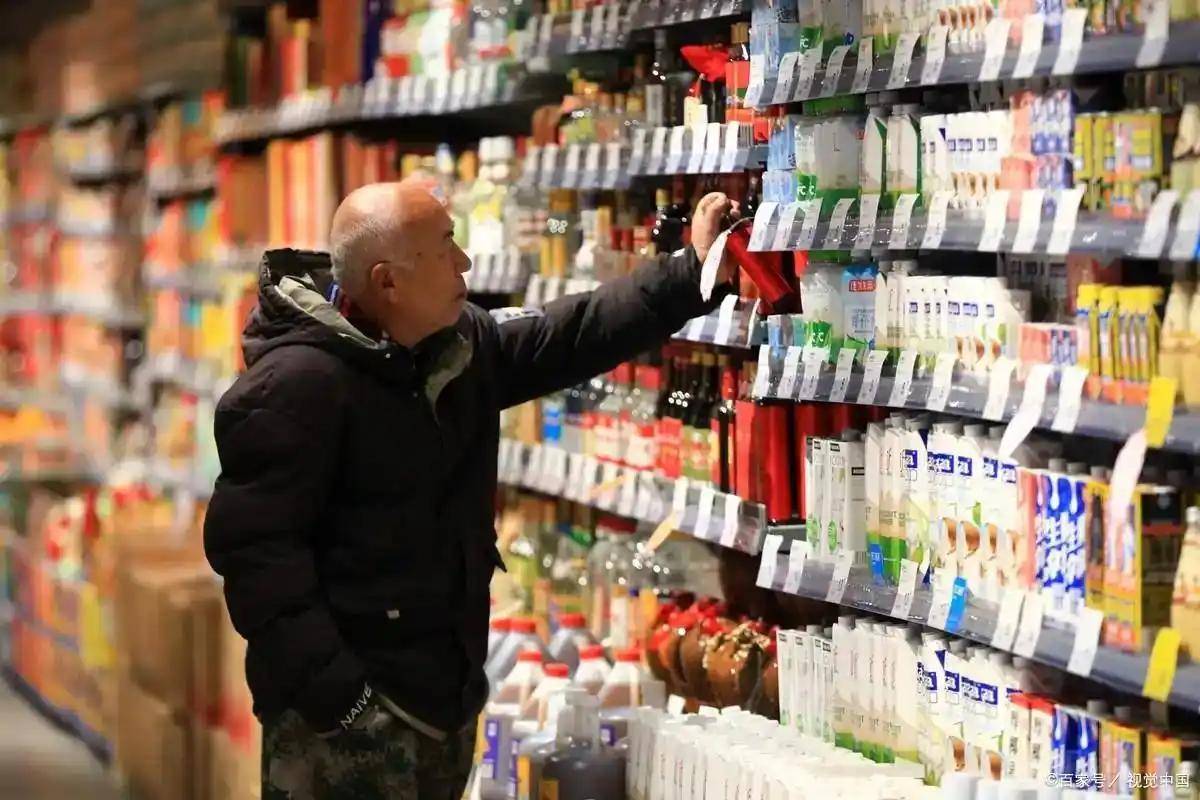
超市大量倒闭,真的是电商冲击的?原因是老年人不来了
Sou Hu Cai Jing· 2026-01-24 13:25
Core Insights - The closure of supermarkets across China is not solely due to the rise of e-commerce but also significantly influenced by the shift in shopping habits among the elderly population [1][10] - In 2024, it is projected that over 1,500 supermarkets will close, with 720 closures occurring in the first half of the year alone [1][6] - The trend indicates a broader transformation in consumer behavior, particularly among older adults who are increasingly embracing online shopping [4][10] Group 1: Supermarket Closures - By 2024, 782 supermarkets have already closed, with expectations of more closures in 2025 [1] - Major chains like Yonghui Supermarket are also affected, planning to close 381 stores by 2025 due to declining customer traffic [7] - The closures reflect a significant industry trend rather than isolated incidents [1][6] Group 2: E-commerce Impact - Online retail growth is at 3.75%, but this alone does not account for the high number of supermarket closures [2] - The elderly demographic, once a primary customer base for supermarkets, is increasingly shopping online, with 51.2% of seniors indicating they shop frequently online [4][10] - The rapid growth in online shopping among seniors is evidenced by a 238% increase in transaction volume from 2019 to 2024 [4] Group 3: Changing Consumer Behavior - Seniors are motivated to shop online for convenience, avoiding the physical effort of visiting supermarkets [5][10] - Familiarity with platforms like WeChat has facilitated this transition, with 24.8% of seniors using WeChat for purchases [5] - The shift in shopping behavior is not just about convenience but also reflects a change in social interaction, as online shopping provides a sense of community [5][10] Group 4: Supermarket Adaptation - Supermarkets that remain open are attempting to adapt by creating more senior-friendly environments and offering specialized sections [7] - However, these adaptations may be too late, as many seniors have already shifted to online shopping [7][10] - The overall retail landscape is changing, with smaller formats like community stores and specialty shops gaining traction [8][10] Group 5: Future Outlook - The retail industry must recognize the importance of understanding and adapting to the new shopping habits of seniors [10] - Successful retailers will be those that can differentiate themselves and embrace online integration, rather than relying solely on traditional models [10] - The evolving consumer landscape indicates that while some seniors still shop in traditional stores, many are now exploring various channels, including online and community group purchases [9][10]