
优衣库

Search documents
整个社会都在喊没钱了,但市场上依然涌现出一批优秀的消费冠军
创业家· 2025-08-31 10:21
Core Viewpoint - The article discusses the lessons that Chinese companies can learn from Japan's "lost thirty years," emphasizing the importance of consumer needs, product quality, and operational efficiency in navigating economic cycles [7][9][12]. Group 1: Insights from Japan - Japan experienced stagnant wages and severe aging during its "lost thirty years," yet it produced successful consumer champions like Uniqlo and 7-Eleven, highlighting the importance of upgrading consumer necessities and changing business formats [8][9]. - The emergence of affordable alternatives in Japan shifted consumer focus from luxury to practicality, as seen with Uniqlo's rise [10][11]. - Key takeaways for Chinese companies include the need for extreme cost-performance ratios, unique offline retail experiences, and high execution efficiency [12][13]. Group 2: Opportunities in the Chinese Market - The article identifies the "downstream market" as a crucial area for growth in the next two to three decades, emphasizing the search for new national brands and chain stores [14][15]. - Historical context is provided with the example of JD.com, which grew from 1 billion in revenue to becoming China's first trillion-yuan retail enterprise, showcasing the importance of cost, efficiency, and user experience [18][19]. - The author notes that since 2016, the focus has been on investing in new consumer champions, with 15 companies achieving over 1 billion in revenue and 3 companies projected to exceed 10 billion this year [24][25]. Group 3: Structural Opportunities in Consumption - The article outlines two structural opportunities in the Chinese consumer market: the rise of new national brands and the development of nationwide chains [28]. - The author emphasizes the importance of product innovation and brand expansion, particularly in the context of the pandemic, which created significant opportunities for food companies [26][27]. - The upcoming "Black Horse Consumption Rise" course aims to provide insights into how Chinese and Japanese consumer champions succeed in the current market landscape [29][30].



迪卡侬的十字路口:中产看不上,穷鬼穿不起
创业邦· 2025-08-30 03:19
Core Viewpoint - Decathlon, once known as an affordable sports paradise, has undergone significant price increases, leading to a loss of its original appeal to price-sensitive consumers while failing to attract higher-end customers [5][8][28]. Group 1: Price Increases and Consumer Sentiment - Between 2022 and 2024, the average selling price of Decathlon products rose from 128.81 yuan to 196.32 yuan, marking a 52% increase [9]. - Classic products have seen notable price hikes, such as a 20L backpack increasing from 49.9 yuan to 89.9 yuan and a fleece jacket from 249 yuan to 499 yuan [13]. - Consumers express feelings of betrayal as the perceived value of products has not improved alongside price increases, leading to hesitation in purchasing [11][18]. Group 2: Market Position and Competition - Decathlon's price increases have positioned it as a less favorable option compared to other brands, with consumers questioning why they should choose Decathlon over brands like Lululemon or local alternatives [18][20]. - The outdoor sports market has seen a general price increase, with many brands successfully raising prices while maintaining consumer interest, unlike Decathlon [19]. - The number of new brands in the outdoor sports sector has doubled, indicating increased competition for Decathlon in the mid-range market [20]. Group 3: Brand Strategy and Identity Crisis - Decathlon has attempted to reposition itself as a multi-domain professional sports brand, but this strategy has not resonated well with consumers [26][27]. - The company has faced a significant drop in profit, with a 15.5% decrease year-on-year, indicating that price increases have not translated into brand premium [27]. - The brand's identity has become fragmented, with a mix of low-priced and high-priced items leading to confusion among consumers about its market position [28][29]. Group 4: Consumer Experience and Brand Perception - The shift towards higher prices has alienated Decathlon's original customer base, who valued the brand for its affordability and practicality [37]. - The lack of emotional connection and storytelling in the brand's transition to higher pricing has resulted in a failure to engage both existing and potential customers [35][38]. - Recent marketing efforts, such as the introduction of a free urea bag, have garnered positive attention, suggesting a potential return to the brand's roots of practicality and value [42][47].
Forever 21重返中国市场 但快时尚江湖已变
Sou Hu Cai Jing· 2025-08-30 02:37
Core Insights - Forever 21 is making its fourth attempt to enter the Chinese market, highlighting the brand's persistent interest in this significant consumer market despite previous failures [1][5] - The collaboration with Shanghai Chengdi, backed by Vipshop, aims to leverage both brands' strengths to enhance Forever 21's market presence in China [3][4] - The fast fashion landscape in China has drastically changed, with local brands rising and consumer preferences evolving, posing challenges for foreign brands like Forever 21 [10][11] Company Strategy - Forever 21's partnership with Vipshop is intended to overcome digital challenges and enhance its online and offline marketing strategies [4] - The brand plans to offer trendy apparel at affordable prices while revitalizing its online presence and expanding its physical retail footprint [4][9] - The previous failures of Forever 21 in China were attributed to poor market positioning and a lack of adaptation to local consumer trends [7][10] Market Dynamics - The fast fashion market in China is now characterized by intense competition and a shift towards local brands, which are better aligned with consumer preferences [11] - International brands, including H&M and ZARA, are also facing challenges, with some closing stores or exiting the market entirely [10][11] - The rise of domestic brands like UR and Taiping Bird indicates a significant shift in consumer loyalty and market dynamics [11] Consumer Trends - The changing landscape of Chinese consumer behavior necessitates that foreign brands like Forever 21 adapt their product designs and marketing strategies to resonate with local tastes [6][10] - The emergence of "Guochao" (national trend) reflects a growing preference for local culture and aesthetics, which poses a challenge for foreign fast fashion brands [11]

2025中国最新消费趋势:拿旧世界地图,找不到新世界的宝藏
创业家· 2025-08-29 10:03
Core Insights - The article emphasizes that Chinese consumers are adapting to a new normal and are no longer fixated on returning to past economic growth levels [5][6][7] - It highlights three key trends in consumer behavior that reflect changing spending patterns and priorities [4] Group 1: Consumer Adaptation - Consumers are no longer waiting for economic recovery but are actively planning their spending in a more rational and positive manner [5][6][7] - This shift in mindset is crucial as it sets the stage for understanding subsequent trends in consumer behavior [8] Group 2: Consumer Confidence and Behavior Segmentation - There is a noticeable segmentation in consumer confidence and spending behavior among different demographic groups [9][10] - Rural consumers, particularly the elderly, show increased confidence due to rural revitalization policies and income growth [11] - In contrast, urban Z-generation consumers face challenges such as high youth unemployment and lower income growth expectations, leading to a decline in their confidence [12][13] - Wealthy urban elderly consumers have seen a 20% drop in confidence, likely due to asset depreciation and poor corporate performance [14] - The most pessimistic group is low-income millennials in lower-tier cities, concerned about job stability and rising living costs [15] - Understanding these segments is essential for businesses to tailor their product strategies and communication effectively [16] Group 3: Shifts in Spending Priorities - Consumers are increasingly focusing on personal achievements and value-driven spending [18] - The highest expected spending growth is in education, with a 5.7% increase, as consumers seek to enhance their skills and knowledge for future security [19] - The health sector also sees significant growth, with expected spending increases of 2.7% on health products and services, and 2.4% on medical services, reflecting a prioritization of health and quality of life [20][21][22] - Travel spending is expected to grow by 1.9%, indicating a continued desire for cultural experiences and personal enrichment [23] - Wealthy urban consumers are also willing to invest in tangible assets like home renovations and automobiles, which signify improvements in quality of life [24] - Businesses should consider how their products and services can help consumers achieve their personal goals and enhance their sense of fulfillment [25] Conclusion - The article concludes that the primary challenge for businesses is not a declining market but rather the need to adapt to the evolving consumer logic and preferences [26] - Chinese consumers are still spending, but their spending logic has shifted towards valuing real benefits and addressing specific needs [27][28]

运动品牌扎堆卷“凉感”,不全因天气热
3 6 Ke· 2025-08-29 00:07
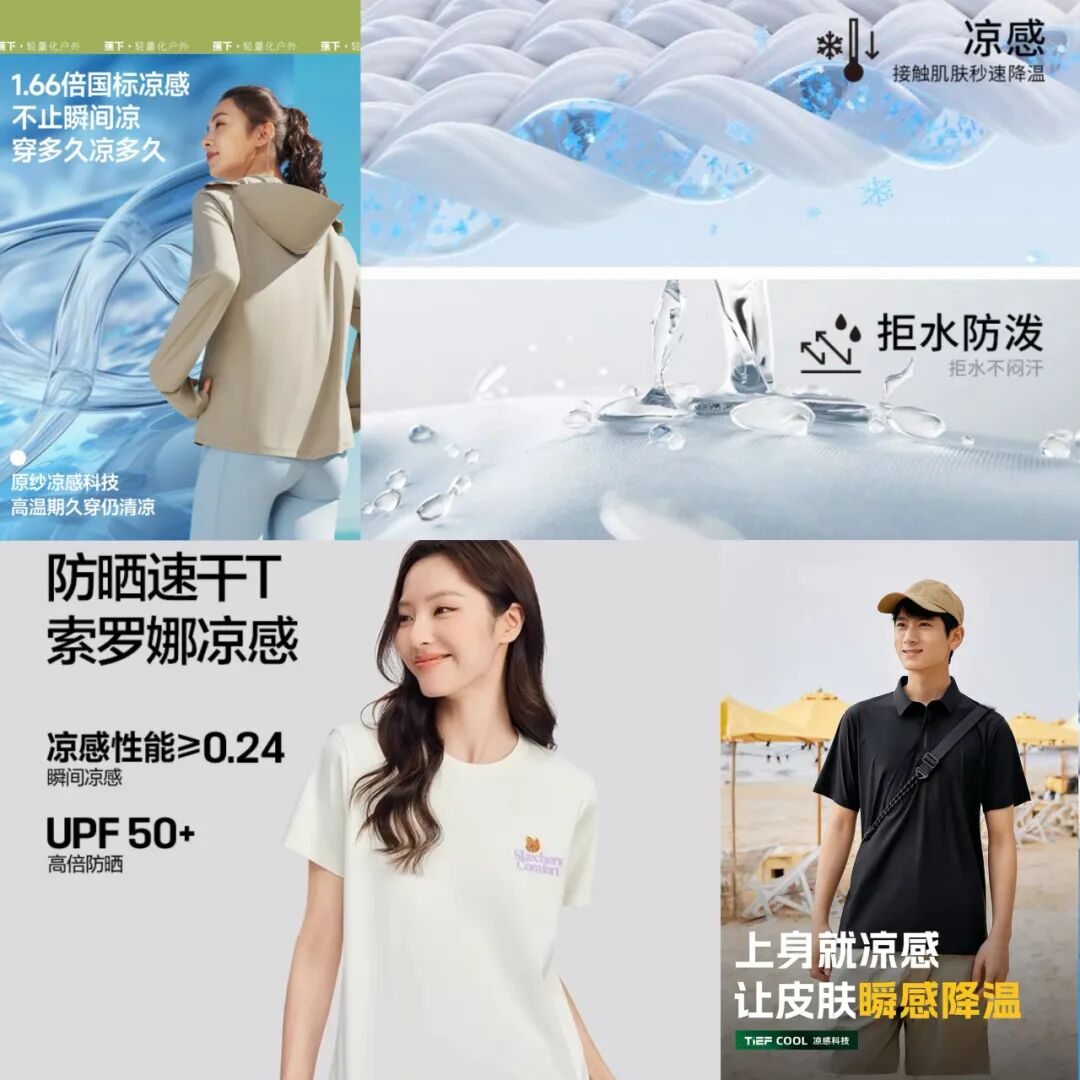
Core Insights - The article discusses the rapid growth and popularity of "cooling" fabrics in the Chinese market, driven by consumer demand for comfort during high temperatures and the saturation of traditional UV protection marketing [1][8][20] - The concept of "cooling" has emerged as a new selling point for brands, replacing the previously dominant focus on UPF ratings for sun protection [8][20] Market Trends - The search volume for "cooling" has seen explosive growth, with a 264.5% increase from 2022 to 2024, indicating a strong consumer interest [1][4] - Brands like Anta and Adidas have launched products featuring cooling technologies, such as Anta's Ice Skin Technology and Adidas's CLIMACOOL [2][4] Consumer Behavior - Chinese consumers are more sensitive to the concept of "cooling" due to their preference for lightweight outdoor activities, contrasting with the more intense outdoor culture in Western markets [5][7] - The demand for cooling apparel is driven by everyday scenarios, such as commuting and outdoor leisure, rather than extreme sports [7][20] Marketing Strategies - "Cooling" serves as a fresh and easily understandable concept for brands, allowing for differentiation in a crowded market where traditional UV protection claims have become commonplace [8][10] - The marketing of cooling products often emphasizes environmental benefits, as they can reduce reliance on air conditioning, aligning with sustainability trends [10][20] Technical Aspects - The article outlines three main principles behind cooling technologies: enhancing thermal conductivity, improving moisture-wicking capabilities, and utilizing phase change materials [12][14][16] - The industry has established standards for measuring cooling performance, with a focus on both immediate and sustained cooling effects [18][19] Future Outlook - The future of "cooling" as a market trend depends on its ability to meet consumer needs for comfort and sustainability, as well as the development of more advanced technologies [20][25] - The potential for "cooling" to become a staple in the market is contingent on its ability to evolve beyond a marketing gimmick and provide real, lasting benefits to consumers [20][25]


都在说品牌要有“活人感”,具体怎么做?
3 6 Ke· 2025-08-28 12:16
Core Insights - The article emphasizes the importance of brands developing a "human touch" in the age of AI-generated content, where consumers crave emotional connections rather than perfect marketing [1][12][25] Group 1: Definition of "Human Touch" Brands - "Human touch" brands engage with consumers as real individuals, showcasing emotions, attitudes, and even imperfections, which enhances trust and relatability [3][4] - Consumers are increasingly driven by emotions and prefer brands that allow for interaction and empathy, moving away from overly polished and formal brand images [2][12] Group 2: Characteristics of "Human Touch" Brands - Authenticity: Brands should be willing to show their flaws and present themselves without filters, making them more relatable [5][9] - Emotional Expression: Brands that express their emotions and attitudes can resonate more with consumers, creating a sense of connection [7][12] - Imperfection: Displaying imperfections can make brands feel more genuine and approachable, as seen in campaigns that highlight real-life scenarios [9][10] - Individuality: In a world of AI-generated content, brands that showcase unique personalities and characteristics stand out and are more memorable [10][12] Group 3: Consumer Demand for "Human Touch" Brands - The trend towards "human touch" brands reflects a consumer desire for authenticity and emotional engagement, especially among younger generations who are skeptical of overly curated content [12][13] - A significant percentage of consumers (83.9%) believe that products should not only meet needs but also provide emotional surprises, indicating a willingness to pay a premium for brands that offer emotional healing [12][16] Group 4: Strategies for Building "Human Touch" Brands - Establishing a clear and authentic brand value system is essential for creating a relatable brand identity [17][18] - Consistency in brand personality and emotional tone helps build trust and predictability in consumer interactions [17][18] - Creating emotionally resonant experiences through details and interactions can enhance the perception of warmth and care from the brand [21][23] - Involving consumers in brand creation fosters a sense of community and shared identity, making the brand feel more alive and engaging [23][25]

开润股份(300577):Q2业绩超市场预期 嘉乐净利率显著改善
Xin Lang Cai Jing· 2025-08-28 02:48
Event Overview - The company's revenue, net profit attributable to shareholders, net profit excluding non-recurring gains and losses, and operating cash flow for the first half of 2025 were 2.43 billion, 187 million, 181 million, and 239 million yuan, respectively, showing year-on-year growth of 32.53%, -24.77%, 13.98%, and 3843.34% [1] - The decline in net profit attributable to shareholders was mainly due to a gain of 96 million yuan from the fair value measurement of the equity of Shanghai Jiale included in the consolidated financial statements for the first half of 2024 [1] - The operating cash flow exceeded net profit due to a decrease in operating receivables and an increase in payables [1] Financial Performance - In the second quarter of 2025, revenue, net profit, and net profit excluding non-recurring gains and losses were 1.194 billion, 101 million, and 97 million yuan, respectively, with year-on-year growth of 29.54%, -42.78%, and 21.12% [1] - The performance exceeded market expectations, driven by continuous growth in 2B bag orders and improvements in Jiale's net profit margin [1] Dividend and Incentive Plan - The company plans to distribute a cash dividend of 1.57 yuan for every 10 shares, with a dividend payout ratio of 20% and a dividend yield of 1.37% [2] - The company announced an adjustment to the stock grant price for the 2023 restricted stock incentive plan from 8.24 yuan per share to 7.91 yuan per share [3] Business Segments - The 2B bag OEM business showed double-digit growth in the first half of 2025, with revenue of 1.419 billion yuan, a year-on-year increase of 13.03% [4] - The company maintained strategic communication with top global brands, ensuring stable and high-quality orders [4] - The total production capacity for bags in the first half of 2025 was 22.0733 million units, a year-on-year increase of 3.6%, with a capacity utilization rate of 93.4% [4] Shanghai Jiale Performance - The garment OEM revenue was 679 million yuan, a year-on-year increase of 148.25%, primarily due to the timing of consolidation and its own growth [5] - Shanghai Jiale's revenue for the first half of 2025 was 685 million yuan, with a year-on-year growth of 6.88% [5] 2C Business Growth - The 2C business revenue was 306 million yuan, a year-on-year increase of 8.87%, driven mainly by Xiaomi [6] - The company launched several new products in collaboration with Xiaomi, enhancing its brand presence [6] Profitability Analysis - The company's gross margin for the first half of 2025 was 24.7%, a year-on-year increase of 0.7 percentage points, while the net profit margin decreased [7] - The decline in net profit margin was attributed to an increase in financial expense ratio, a decrease in investment income proportion, and an increase in income tax proportion [7] Inventory and Receivables - The company's inventory amounted to 861 million yuan, a year-on-year increase of 19.33%, with inventory turnover days increasing to 85 days [8] - Accounts receivable were 984 million yuan, a year-on-year increase of 0.87%, with accounts receivable turnover days decreasing to 75 days [9] Payables - Accounts payable were 478 million yuan, a year-on-year decrease of 15.97%, with accounts payable turnover days decreasing to 55 days [10] Investment Outlook - The company is expected to achieve double-digit growth in the 2B bag business, with net profit margins still having room for recovery [11] - The acquisition of Shanghai Jiale opens up a second growth curve for the company, with net profit margins also having recovery potential [11] Revenue Forecast Adjustment - The revenue forecasts for 2025, 2026, and 2027 have been adjusted to 5.533 billion, 6.314 billion, and 7.142 billion yuan, respectively [12] - The adjusted net profit forecasts for the same years are 460 million, 584 million, and 712 million yuan, respectively [12]

加入会员前,消费者在想什么?
3 6 Ke· 2025-08-27 11:28
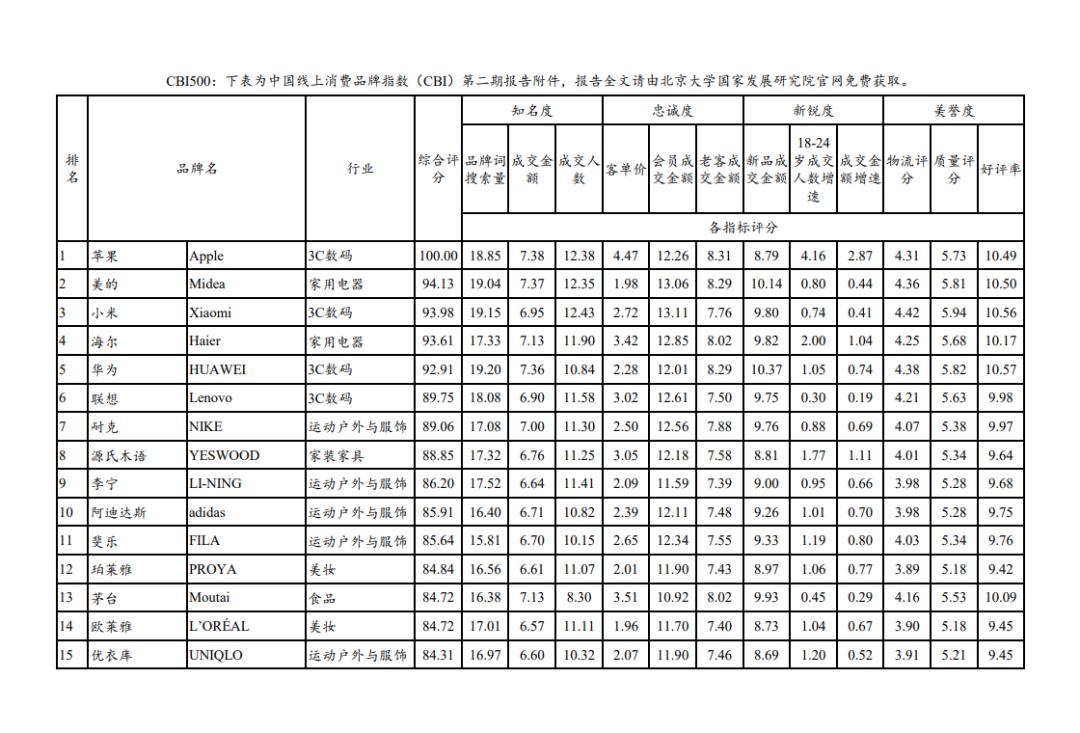
Core Insights - The fashion industry is characterized by intense competition, with fast fashion brands focusing on rapid product turnover, domestic brands emphasizing design and cost-effectiveness, and high-end brands promoting a lifestyle approach [1][2] - The high return rates in the industry highlight the importance of member systems for brands to retain core customers, making membership a standard feature across the sector [2][3] Membership System Importance - The effectiveness of a brand's membership system can determine whether it serves as a short-term promotional tool or a long-term growth engine [3] - The "Global Brand China Online 500 Strong List" released by Peking University indicates that member transaction amounts are crucial for understanding consumer behavior and brand loyalty [3][4] Consumer Behavior and Quality - Quality is identified as the core factor influencing consumers to join and remain in a brand's membership program, with strong correlations between quality ratings and member transaction amounts [10][12] - High-quality products lead to increased consumer satisfaction, which in turn enhances member loyalty and repeat purchases [14][15] Impact of Promotions - Major promotional events like the 618 shopping festival have evolved from mere sales events to opportunities for brands to solidify their membership assets [6][8] - The correlation between member transaction amounts and overall sales during promotional periods underscores the significance of a well-developed membership system [6][8] Brand Case Studies - The brand "Jiaxia" has successfully implemented a tiered membership system that encourages repeat purchases through a structured growth mechanism, enhancing user engagement and loyalty [23][24] - Nike's membership system focuses on providing comprehensive experiences around sports, fostering a sense of community and personal growth among members, which strengthens emotional ties to the brand [25][26] Conclusion - Membership systems are becoming essential growth engines for brands, particularly during major promotional events, as they help convert one-time buyers into long-term customers [27][28]

我租一个500块工位,撬动了一个亿级市场
创业家· 2025-08-27 10:11
Core Viewpoint - The article emphasizes the importance of awards, collaboration with Fortune 500 companies, and creating blockbuster products as the "three axes" for success in the industrial design industry, as demonstrated by the founder of LKK, Jia Wei [3][18][20]. Group 1: Entrepreneurial Journey - Jia Wei started his entrepreneurial journey at the age of 28 and has been in business for over 20 years, achieving significant milestones such as selling over 5 billion units of their first product, the 55-degree cup [5][6]. - The initial phase of his entrepreneurship involved renting a workspace for 500 yuan per month, showcasing the humble beginnings of his company [10][12]. Group 2: Standards for Success - The first standard for success is winning prestigious design awards, including the Red Dot and iF awards, which are considered the Olympics of the design world [15][16]. - The second standard involves collaborating with Fortune 500 companies, with LKK having worked with over 280 such companies, aiming to reach 500 [17][18]. - The third standard is to create impactful products that contribute to societal development and market disruption [18][19]. Group 3: Long-term Value Pursuit - Jia Wei highlights the significance of having a long-term value pursuit and staying true to one's original intentions, which he refers to as "初心" [28]. - He emphasizes that persistence in achieving long-term goals, such as winning a gold award, is crucial for success [24][28]. Group 4: Trends in Global Business - The article identifies three major trends in global business: the rise of individual users, a return to "truth, goodness, and beauty," and the digital lifestyle [29]. - It suggests that the future will be characterized by a competition of imagination, focusing on emotional and functional value to create new product attributes [30][31]. Group 5: Upcoming Event - The article promotes an upcoming event, the "Black Horse Consumption Rise Selected Course," scheduled for October 17-19 in Shenzhen, featuring industry leaders sharing insights on product innovation and brand expansion [32][36].

上海迪士尼乐园将调整票价结构;老铺黄金涨价;全国海关拦截183万件假冒LABUBU ︳消费早参
Mei Ri Jing Ji Xin Wen· 2025-08-25 23:21
Group 1: Shanghai Disneyland Ticket Price Adjustment - Shanghai Disneyland Resort announced an adjustment to its ticket pricing structure, introducing more mid-tier price levels within the existing range of 475 to 799 yuan, effective from mid-October [1] - The highest and lowest ticket prices will remain unchanged, and the resort will continue to offer a rolling price calendar for tickets purchased 30 days in advance [1] - This strategy aims to cater to different consumer segments, reinforcing high-end customer retention while also appealing to the mid-market [1] Group 2: Uniqlo's Expansion into Men's Winter Market - Uniqlo has recently made several strategic moves, including appointing Oscar-winning actress Cate Blanchett as its global brand ambassador and launching a new collection featuring "9% cashmere blend" thermal wear for men [2] - The introduction of the "PUFFTECH" air cotton vest series reflects Uniqlo's commitment to expanding its product line to meet the needs of male consumers [2] - Uniqlo's diverse marketing strategies, including collaborations with brands like Pop Mart to engage Gen Z, demonstrate its focus on high-end market penetration and product innovation [2] Group 3: Price Increase of Lao Pu Gold - Lao Pu Gold has raised prices again, with most products in its JD and Tmall flagship stores seeing an increase of approximately 10% to 12% as of August 25 [3] - This price adjustment follows a previous increase six months ago and is part of a strategy to target high-net-worth customers by leveraging traditional craftsmanship and cultural IP [3] - The future growth of Lao Pu Gold will depend on its ability to convert "cultural scarcity" into sustainable brand assets rather than relying solely on periodic price increases [3] Group 4: Customs Interception of Counterfeit LABUBU Products - Chinese customs have intercepted 1.83 million counterfeit LABUBU products this year, highlighting efforts to maintain a fair and healthy international trade environment [4] - The customs authority has launched several initiatives, including "Dragon Action" and "Blue Network Action," to combat intellectual property infringement, resulting in the seizure of nearly 400 million suspected counterfeit items [4] - Protecting intellectual property is crucial for fostering innovation, and customs play a vital role in safeguarding this within the context of international trade [4]