九毛九

Search documents
华兴证券:维持九毛九(09922)“持有”评级 旗下个品牌业务调整进展顺利
智通财经网· 2025-11-26 02:08
Core Viewpoint - Huaxing Securities maintains a "Hold" rating and profit forecast for Jiumaojiu (09922), lowering the target price by 29% to HKD 1.77, corresponding to a 12x P/E for 2026, due to a stable third-quarter operation and adjustments in major brands, with same-store sales declining year-on-year [1] Group 1: Third Quarter Performance - The company reported stable operations in Q3 2025, with a total of 530 Taier restaurants, 509 of which are self-operated; 71 for Song Hotpot; and 64 for Jiumaojiu, with 63 self-operated [1] - Taier's self-operated restaurants in mainland China have a table turnover rate of 3.2 times per day, while other regions have 3.9 times; Song Hotpot has 2.4 times, and Jiumaojiu self-operated restaurants have 2.5 times [1] - The average customer spending for Taier's self-operated restaurants is RMB 66 in mainland China and RMB 155 in other regions; Song Hotpot is RMB 100, and Jiumaojiu is RMB 58 [1] - Same-store daily sales for Taier's self-operated restaurants decreased by 9.3% year-on-year; Song Hotpot by 19.1%; and Jiumaojiu by 14.8% [1] Group 2: Future Expectations - For Q4, all brand stores are expected to adjust smoothly, with Taier's same-store revenue decline narrowing further in Q3 2025, approaching flat growth by early September [2] - The impact of the Xibei prepared food incident on customer traffic in shopping center dining areas lasted nearly a month, but the effect has weakened post-National Day, with expectations for Taier's same-store revenue growth to turn positive by year-end [2] - Taier is actively adjusting its store model by adding live fish preparation, which has not significantly affected service standardization; however, raw material costs may slightly increase due to higher waste rates [2] - The company plans to adjust over 200 Taier stores this year and continue with the remaining 300 next year [2] Group 3: Industry Trends - Jiumaojiu and Song Hotpot show similar trends in same-store revenue performance, with the company aiming to improve results through new model stores [3] - The restaurant industry is undergoing a transformation phase with upgraded consumer demands, requiring brands to enhance their offerings in terms of environment, space, products, pricing, service, and promotions [3] - The company is proactively adjusting to meet these demands, which may impact short-term financials but lays a foundation for sustainable future growth [3]
中国必选消费品11月成本报告:蔬菜和瓦楞纸显著涨价
Haitong Securities International· 2025-11-25 12:34
Investment Rating - The report provides various investment ratings for companies in the consumer staples sector, with "Outperform" ratings for several companies including China Feihe, Haidilao, and China Resources Beer, while Budweiser APAC is rated as "Neutral" [1]. Core Insights - The report highlights significant price increases in vegetables and corrugated paper, with the spot cost index for vegetables rising by 7.08% month-on-month and 16.16% year-on-year, while corrugated paper prices increased by 8.81% month-on-month and 17.49% year-on-year [6][24][27]. - Most spot cost indices for monitored consumer goods have risen, while futures cost indices have generally declined, indicating a mixed outlook for the sector [31]. Summary by Category Beer - The spot cost index for beer decreased by 2.25% month-on-month, with a cumulative decline of 3.04% since the beginning of the year [12][32]. - The futures index also fell by 2.62% month-on-month, reflecting ongoing supply-demand imbalances [12][32]. Condiments - The spot cost index for condiments decreased by 0.95% month-on-month, with a cumulative decline of 3.50% since the start of the year [15][33]. - Soybean prices have shown an increase, with spot prices rising by 1.38% month-on-month [15][33]. Dairy Products - The spot cost index for dairy products increased by 0.74% month-on-month, while the futures index decreased by 1.07% [18][34]. - Fresh milk prices have declined to 3.03 yuan/kg, a year-on-year decrease of 3.2% [18][34]. Instant Noodles - The spot cost index for instant noodles increased by 0.64% month-on-month, while the futures index decreased by 1.47% [21][35]. - Palm oil prices have decreased significantly, impacting production costs [21][35]. Frozen Foods - The spot cost index for frozen foods increased by 0.37% month-on-month, while the futures index rose by 0.52% [24][36]. - Vegetable prices have surged due to adverse weather conditions, contributing to rising costs [24][36]. Soft Drinks - The spot cost index for soft drinks increased by 2.50% month-on-month, while the futures index decreased by 1.70% [27][37]. - The price of PET chips has declined, affecting overall production costs [27][37].




连锁餐饮11月跟踪:推荐火锅产业链龙头
Guoxin Securities· 2025-11-24 05:07
Investment Rating - The investment rating for the industry is "Outperform the Market" (maintained) [1] Core Insights - The report highlights that the hot pot industry chain leaders are recommended for investment, particularly focusing on companies like Guoquan and Xiaocaiyuan, which have shown strong growth in revenue and operational efficiency [3][29] - The overall restaurant industry in October 2025 saw a year-on-year revenue increase of 3.8%, with the growth rate surpassing that of retail goods [3][11] - The report indicates that the coffee segment has experienced significant concentration growth, with a CR10 increase of 26.2% in October [3][15] Summary by Sections Market Overview - In October 2025, the A-share, H-share, and US stock markets saw significant gains in the restaurant sector, with Guoquan leading due to strong Q3 performance forecasts [2][7] - The report notes that the restaurant industry's revenue growth has accelerated compared to previous months, driven by holiday effects and domestic demand policies [3][11] Segment Tracking - The report tracks various segments, noting that coffee and Huizhou cuisine saw the largest increases in market concentration, while the milk tea segment experienced a decline [3][15] - The expansion of Western fast-food brands was prominent, with major players like KFC and McDonald's leading in new store openings [24] Store Expansion Data - Guoquan reported a significant increase in store openings, with a net addition of 361 stores in Q3 2025, aiming for a total of 1,000 new stores by year-end [29] - Xiaocaiyuan plans to open 29 new stores in November 2025, continuing its expansion trend [29] Core Brand Performance - The report indicates that Haidilao's table turnover rate has turned positive due to low base effects and early winter conditions, while other major brands maintain stable same-store performance [28] - The tea beverage sector is facing challenges with growth rates slowing down due to reduced platform subsidies, although leading brands are still managing to grow through product diversification [28]
小菜园(00999):中式烟火气,性价比新徽菜龙头进军千店
CAITONG SECURITIES· 2025-11-20 05:50
Investment Rating - The report assigns a "Buy" rating for the company, marking its first coverage [2]. Core Insights - The company is positioned as a leading player in the affordable casual dining sector, focusing on high cost-performance ratio in new Huizhou cuisine, with a strong supply chain and direct operation model facilitating rapid expansion [8][19]. - The company has shown impressive financial performance, with a revenue of 2.71 billion yuan in the first half of 2025, reflecting a year-on-year growth of 6.5%, and a net profit of 380 million yuan, up 35.7% year-on-year [8]. - The casual dining market is highly fragmented, and the company is expected to increase its market share due to its competitive advantages [8]. Summary by Sections Company Overview - The company, founded in 2013, specializes in affordable Huizhou cuisine, with a focus on quality ingredients and healthy cooking methods [13]. - As of the end of 2024, the company operates 667 stores, primarily in 14 provinces across China [13][19]. Industry Overview - The casual dining market in China is experiencing robust growth, with a compound annual growth rate (CAGR) of 3.8% from 2018 to 2023, outpacing the mid-to-high-end dining segment [39]. - The market for affordable casual dining is projected to grow at a CAGR of 8.9% over the next five years, driven by consumer demand for value [46]. Competitive Advantages - The company has established a comprehensive supply chain, ensuring high-quality and stable supply at low costs through centralized procurement [59]. - The direct operation model allows for consistent quality and service across all locations, with a focus on employee training and retention [19][59]. Financial Forecast - The company is expected to achieve revenues of 6.08 billion yuan, 7.60 billion yuan, and 9.31 billion yuan for the years 2025, 2026, and 2027, respectively, with corresponding net profits of 753 million yuan, 961 million yuan, and 1.20 billion yuan [7][8]. - The projected price-to-earnings (PE) ratios for these years are 15, 12, and 9 times, respectively [8].
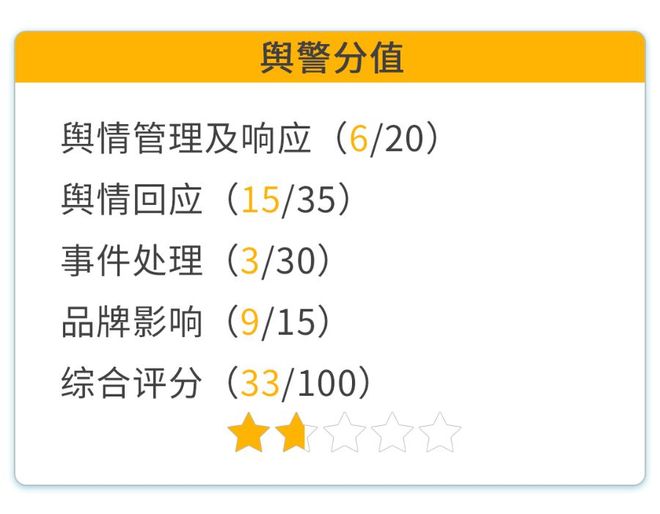
杨国福“天价豆芽”引争议,勿让“克重刺客”再现丨消费舆警指数
2 1 Shi Ji Jing Ji Bao Dao· 2025-11-15 06:47
Core Viewpoint - The incident involving Yang Guofu's pricing of mung bean sprouts highlights the lack of pricing transparency in the restaurant industry, raising concerns about consumer rights and potential price fraud [2][5]. Group 1: Incident Overview - A recent controversy arose when consumers discovered that Yang Guofu's mung bean sprouts were priced at 28.8 yuan per kilogram, significantly higher than the price of 8.25 yuan per kilogram at Sam's Club [2]. - This incident has brought attention to the "weight assassin" phenomenon in the restaurant industry, where pricing strategies can mislead consumers [2]. Group 2: Company Response - Yang Guofu's customer service stated that the pricing varies across locations due to cost considerations such as rent and labor, indicating a lack of unified pricing strategy [4]. - However, this explanation did not alleviate public skepticism regarding the pricing practices [4]. Group 3: Industry Commentary - The incident underscores the shortcomings in pricing transparency within the restaurant sector, as the company's justification for cost differences may be perceived as a form of price manipulation [5]. - The Jiangsu Consumer Protection Committee noted that consumers often overlook differences in measurement units, leading to misunderstandings and potential violations of fair trading rights [5]. - If the industry continues to employ such "weight assassin" pricing models, it risks damaging brand image and consumer loyalty [5].

东吴证券:餐饮行业中外卖与堂食的“黄金平衡点”
Zhi Tong Cai Jing· 2025-11-14 08:43
Core Viewpoint - The report from Dongwu Securities emphasizes the increasing importance of online channels in the restaurant industry, particularly the balance between takeout and dine-in services to enhance profitability and efficiency [1][3]. Group 1: Importance of Online Channels - Online channels are becoming a key growth engine for the restaurant industry, with takeout revenue potentially reaching 60-70% for fast food and coffee sectors, while traditional dining experiences are declining [1][3]. - National restaurant revenue growth is slowing, with a reported increase of only 3.3% year-on-year for the first nine months of 2025, indicating a shift from aggressive expansion to a more stable growth phase [1]. Group 2: Takeout Adaptability Across Different Formats - The adaptability of various restaurant formats to takeout is ranked from highest to lowest: beverages & fast food > casual dining > hot pot, with takeout revenue for coffee and fast food potentially reaching 50-70% [2]. - The adaptability is influenced by the type of service required, frequency of consumption, and the complexity of delivery logistics [2]. Group 3: Balancing Takeout and Dine-in - A healthy takeout ratio is crucial for restaurant brands, as it can significantly improve operational efficiency and brand competitiveness; however, over-reliance on takeout can lead to a loss of brand identity and profitability [3]. - The optimal takeout revenue ratio for fast food and coffee is suggested to be 60-70%, while for traditional dining, it is 30-40% to avoid operational inefficiencies [3]. Group 4: Strategies for Internal Growth - Restaurants should establish a takeout revenue threshold and innovate their takeout offerings while also focusing on building a proprietary membership system to convert external traffic into internal loyalty [4]. Group 5: Investment Recommendations - The industry is rated as "outperforming the market," with a focus on balancing takeout and dine-in strategies tailored to consumer trends and brand positioning [5]. - Recommended companies include Xiaocaiyuan, Guoquan, Guming, Mixue Group, Haidilao, and Yum China, with additional attention on Green Tea Group, Dashihua, Tongqinglou, Guangzhou Restaurant, Jiumaojiu, and Chabaidao [5].

餐饮行业专题报告:餐饮外卖业务,蜜糖还是砒霜?
Guoxin Securities· 2025-11-13 05:13
Investment Rating - The report maintains an "Outperform" rating for the restaurant industry [4]. Core Insights - The restaurant industry is transitioning from extensive expansion to a new phase of steady growth, with a 3.3% year-on-year increase in cumulative revenue from January to September 2025, which is lower than the growth rate of social retail sales [14][15]. - The importance of online channels, particularly food delivery, is increasingly recognized as traditional shopping district advantages diminish and foot traffic conversion rates decline [20][26]. - Different restaurant formats exhibit varying degrees of adaptability to food delivery, with beverage and fast food categories showing the highest compatibility, while hot pot restaurants have the lowest [33][39]. Summary by Sections New Changes - The online channel's significance is becoming more pronounced, with a 22.8% share of the national restaurant revenue attributed to the food delivery market, which is projected to reach approximately 1.3 trillion yuan in 2024 [20][21]. - The number of new shopping centers opened in 2024 fell to a ten-year low, indicating a retreat of traditional shopping district advantages [15]. Adaptability of Different Formats - The adaptability of various restaurant formats to food delivery is ranked as follows: beverage and fast food > casual dining > hot pot, with delivery revenue proportions reaching 60-70% for fast food and beverages, while casual dining ranges from 15-40% [33][39]. - The compatibility of restaurant formats with food delivery is influenced by the type of consumer demand, frequency of consumption, and the complexity of supply and delivery [36][39]. Balancing Delivery and Dine-in - A healthy balance between delivery and dine-in is crucial for restaurant brands, with optimal delivery revenue proportions estimated at 30-40% for casual dining and up to 60-70% for fast food and beverages [2][3]. - Brands that overly rely on delivery may risk losing brand recognition and profitability, emphasizing the need for a strategic approach to manage both channels effectively [2][3]. Investment Recommendations - The report recommends focusing on companies that can effectively balance online and offline strategies, highlighting brands like Xiaocaiyuan, Gu Ming, and Meituan-W as key players in the industry [4][8].
九毛九20251110
2025-11-11 01:01
Summary of Jiamaojiu Group Conference Call Company Overview - **Company**: Jiamaojiu Group - **Date**: November 10, 2025 Key Points Industry and Company Performance - In September 2025, Jiamaojiu Group experienced a decline in foot traffic due to public sentiment surrounding prepared dishes, leading to fluctuations in same-store sales. However, a rapid recovery began in late October, with expectations of positive growth by year-end [2][3] - The Taier brand has been actively promoting a fresh model, surpassing 120 stores, with same-store data outperforming the old model by approximately 15 percentage points. By the end of 2025, over 200 stores are expected, with a complete upgrade planned by mid-2026 [2][5] Store Management and Strategy - The company is closing underperforming stores, with Taier closing about 110 stores in the first half of 2025 and an estimated total of 130 closures for the year. This strategy aims to alleviate financial burdens [2][12] - Jiamaojiu and Song Hotpot are also exploring new models, with plans to open their first fresh model stores in Guangzhou [2][6] Sales and Customer Trends - Same-store sales for Jiamaojiu Group's brands showed signs of stabilization in Q3 2025, particularly for the Taier brand, which saw a narrowing decline to -9%. Key cities like Beijing and Shanghai reported positive same-store sales [3][7] - The average customer spending has remained stable with an upward trend since Q3 2024 [3] Delivery and Dining Experience - The proportion of delivery sales increased to 23%-25% in Q2 2025 but is expected to stabilize around 20% as the company focuses on enhancing dine-in experiences [2][9] - The company maintains a neutral stance on delivery services, recognizing both efficiency benefits and potential customer experience risks [9] Financial Outlook and Cost Management - The company anticipates achieving same-store sales growth by October 2025, supported by increased store openings and closures of underperforming locations. The low base in Q4 2025 also enhances the likelihood of positive year-over-year comparisons [7] - The fresh model has increased SKU counts and average transaction values, with initial gross margins slightly lower but expected to recover as operational efficiencies improve [4][15] Competitive Landscape - Taier's fresh model has shown significant performance differences across cities, with same-store sales in some areas outperforming the old model by 20-40 percentage points [15][17] - The company is adapting its offerings to attract family and business customers, responding to shifts in consumer demographics and preferences [19][21] Future Plans - The focus for 2026 will be on upgrading existing stores rather than new openings, as the fresh model's data is still being validated [13][22] - The company aims to optimize its operational layout and close unprofitable locations to prepare for future growth [14][12] Additional Insights - The company has faced challenges with its delivery-only stores, which have not performed as expected, leading to a shift back to focusing on dine-in operations [11][12] - Taier has been proactive in addressing public concerns regarding prepared dishes by showcasing its cooking processes and enhancing menu offerings [20][21] This summary encapsulates the key insights and strategic directions of Jiamaojiu Group as discussed in the conference call, highlighting both challenges and opportunities within the current market landscape.
汉堡王中国被卖了,蜜雪冰城、泡泡玛特股东接手
21世纪经济报道· 2025-11-10 14:07
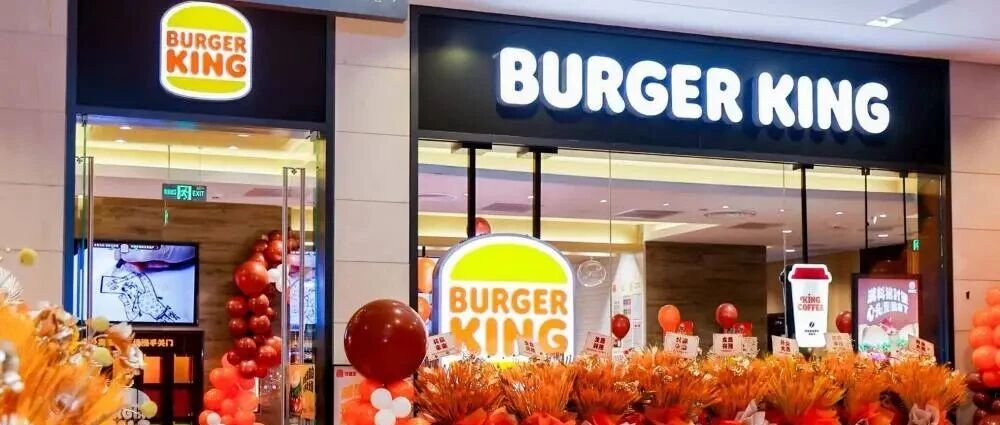
Core Viewpoint - CPE Yuanfeng has entered a strategic partnership with Burger King to establish a joint venture, Burger King China, with an initial investment of $350 million aimed at expanding restaurant locations and enhancing operational capabilities [1] Group 1: Strategic Partnership and Investment - CPE Yuanfeng will inject $350 million into Burger King China for restaurant expansion, marketing, menu innovation, and operational improvements [1] - The partnership includes a 20-year master development agreement granting exclusive rights to develop the Burger King brand in China [1] - Post-transaction, CPE Yuanfeng will hold approximately 83% of Burger King China, while RBI retains about 17% [1] Group 2: Expansion Plans - The plan aims to increase the number of Burger King locations in China from approximately 1,250 to over 4,000 by 2035, with a focus on sustainable same-store sales growth [1] - Despite recent store closures, Burger King China plans to open 40 to 60 new restaurants in key urban areas [6] Group 3: Market Challenges - The competitive landscape in the Chinese restaurant market is intensifying, with declining average dining prices and increased competition affecting overall sales [5] - Major restaurant chains, including Haidilao and Juewei, have reported revenue declines, indicating a challenging operating environment [6] Group 4: Localization Efforts - Burger King China is accelerating its localization efforts, appointing new executives with experience in leading Chinese operations for other major brands [9] - The new management team has already achieved a 10.5% year-on-year increase in same-store sales in the third quarter, reversing previous negative trends [9]
CPE源峰入主汉堡王中国:剑指4000家门店丨消费一线
2 1 Shi Ji Jing Ji Bao Dao· 2025-11-10 13:28
Group 1 - CPE Yuanfeng has reached a strategic cooperation with Burger King brand, leading to the establishment of a joint venture, Burger King China, with an initial investment of $350 million to support expansion and operations [1] - The partnership grants CPE Yuanfeng approximately 83% ownership of Burger King China, while RBI retains about 17% [1] - The plan aims to increase the number of Burger King outlets in China from around 1,250 to over 4,000 by 2035, alongside achieving sustainable same-store sales growth [1] Group 2 - The competitive landscape in the Chinese market is intensifying, with major restaurant chains experiencing revenue declines [3] - Meituan's CEO indicated that the average dining price has dropped by 10.2% year-on-year, despite a 15.4% increase in the number of dine-in orders [3] - Notable declines in revenue were reported by leading restaurant brands, including Haidilao, which saw a 3.7% drop to 20.703 billion yuan, and Jiumaojiu, which experienced a 10.1% decline to 2.753 billion yuan [3] Group 3 - As of the end of Q3, Burger King China had 1,271 outlets, down from 1,367 at the end of Q2, indicating a trend of store closures due to poor performance [4] - Burger King China plans to open 40 to 60 new restaurants in key first and second-tier cities to offset the impact of closures [4] - RBI has invested over $100 million since acquiring Burger King China, focusing on operational upgrades and local leadership development [4] Group 4 - The trend of localization among Western fast-food brands in China is accelerating, with Starbucks and Subway also forming joint ventures to enhance their market presence [4][5] - Burger King China has appointed new executives with significant experience in the industry to drive its transformation [5] - The same-store sales for Burger King China increased by 10.5% year-on-year in Q3, marking a recovery from previous declines [5]